
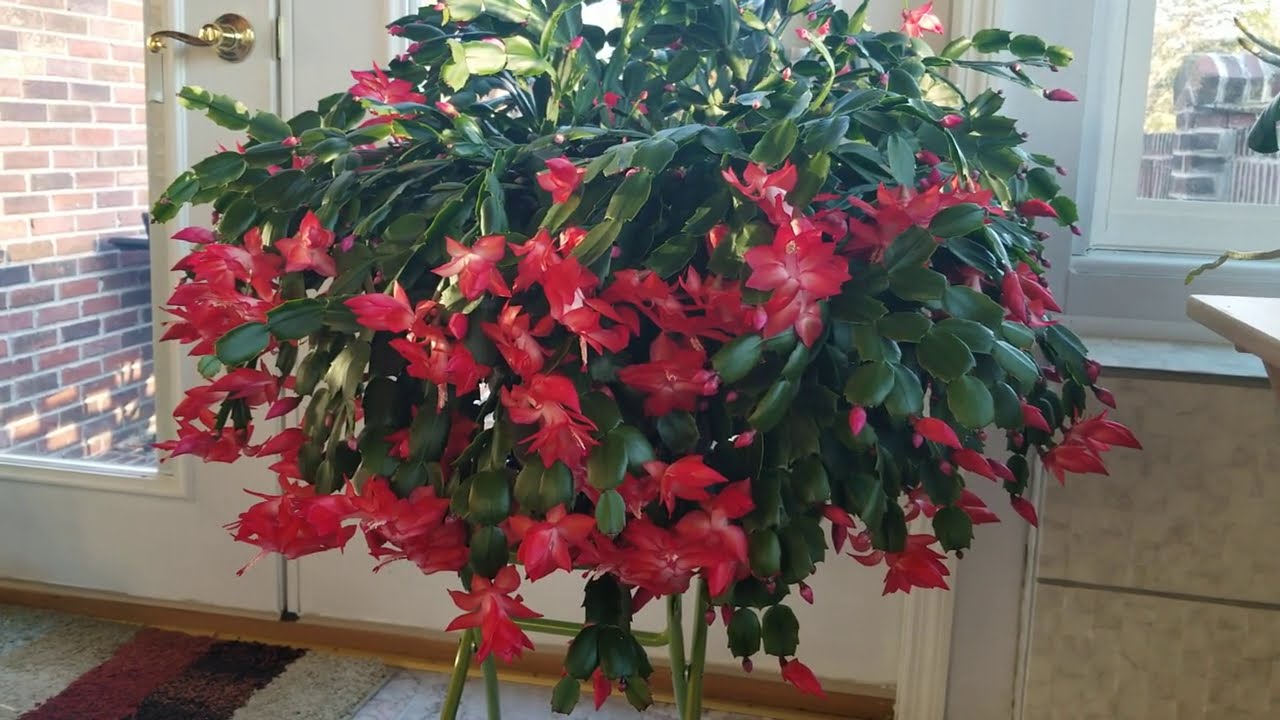
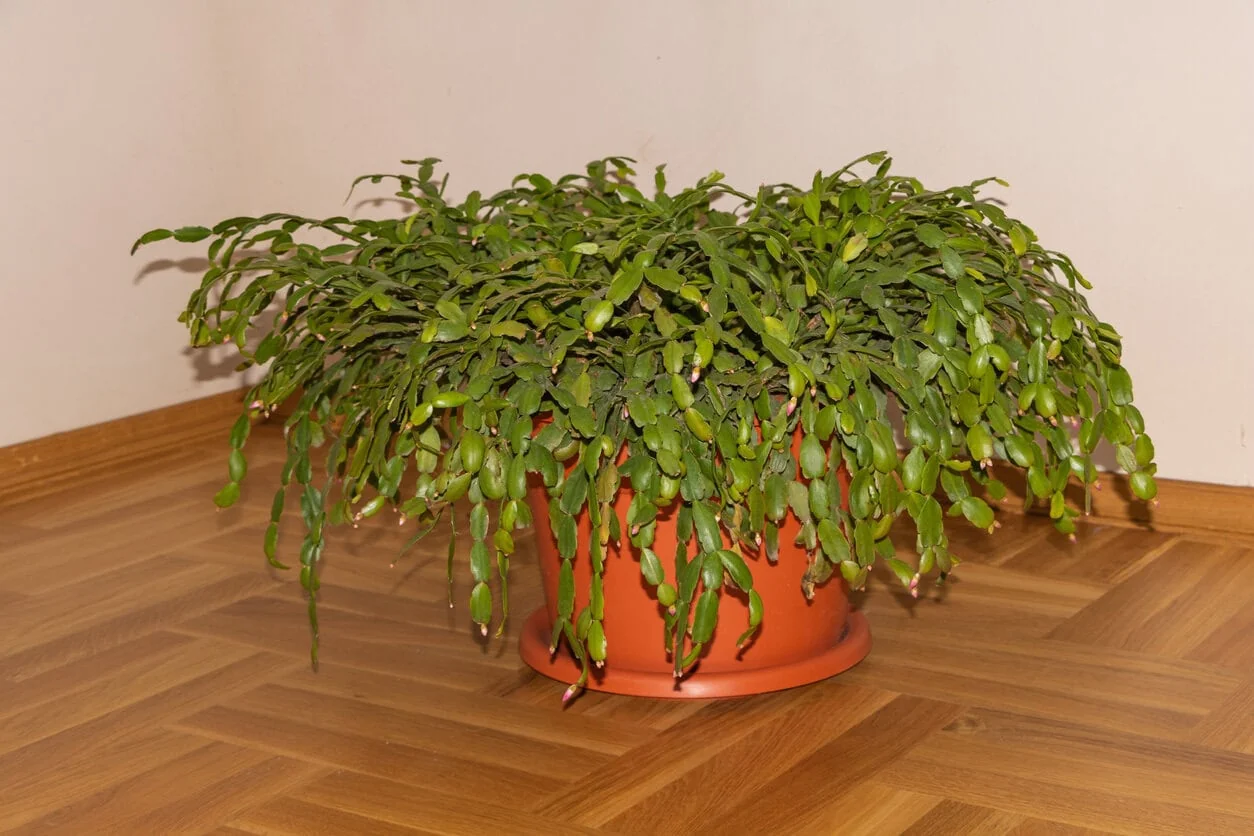
Christmas cacti don’t adhere to the typical “feed once a month and forget it” approach that many houseplants follow. Because their growth and blooming cycles change throughout the year, they require different fertilizing strategies at various times. Additionally, there is a specific period when you should completely stop fertilizing. Correctly timing fertilization is often what differentiates a plant that merely stays green from one that bursts with vibrant flowers.
Let’s simplify the feeding schedule to make it both predictable and conducive to blooming.
Why Feeding Christmas Cacti Can Feel Complicated
Under normal circumstances, holiday cacti are impressively low-maintenance. They tolerate occasional neglect and don’t demand constant care. The confusion usually arises when you try to get them to bloom at the right moment. That’s when factors like timing, light exposure, and nutrition suddenly become crucial—and suddenly, the plant no longer feels “easy” to care for.
The good news is that once you understand the plant’s annual cycle, scheduling fertilization becomes much more straightforward.
A Brief Overview of Christmas Cacti

Types of Holiday Cacti
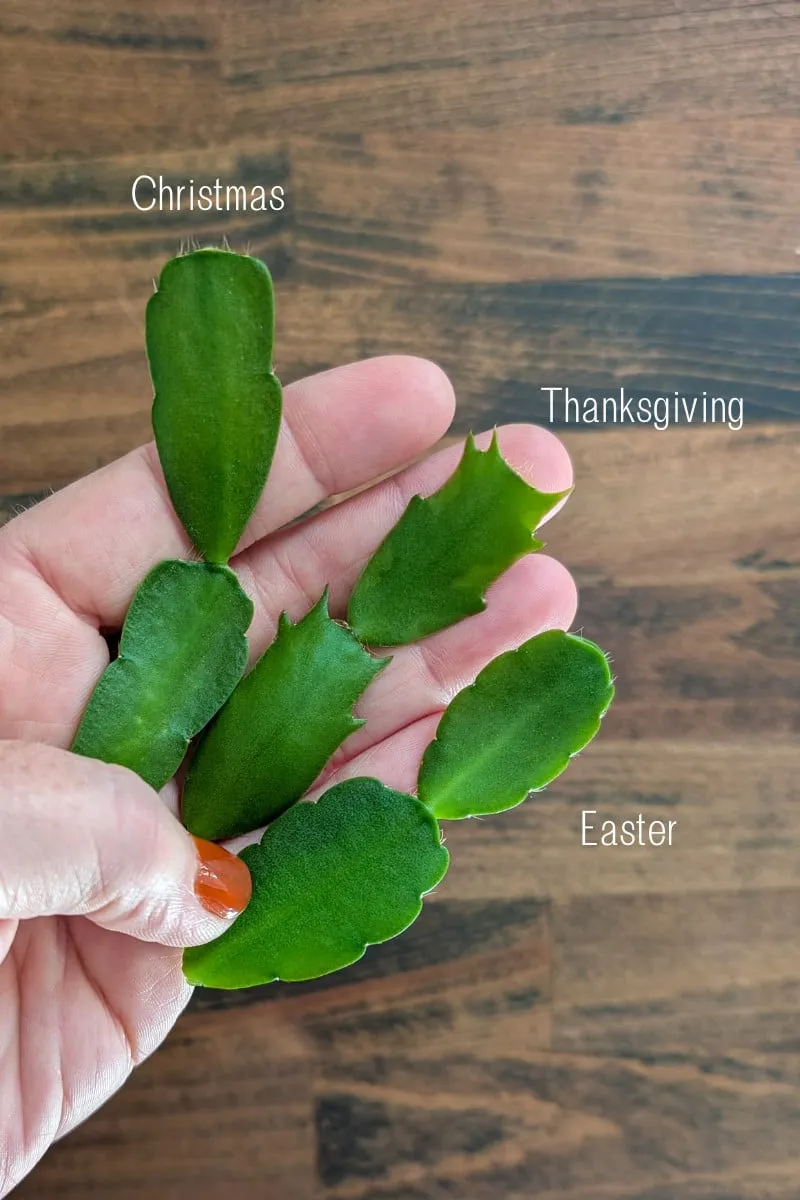
While “Christmas cactus” is commonly used as a general term, most holiday cacti sold as indoor plants belong to the genus Schlumbergera. Two prevalent types include:
Thanksgiving cactus (Schlumbergera truncata) and Christmas cactus (Schlumbergera x buckleyi). There is also an Easter cactus, which is a different species and not part of the Schlumbergera genus.
What Triggers Budding and Blooming
Holiday cacti are highly sensitive to changes in day length. As the days shorten and nights become longer and cooler in the fall, the plant naturally slows its growth and begins setting buds. This is why the blooms typically arrive during the holiday season.

Potting and Watering Basics That Influence Fertilizing
These cacti prefer to be somewhat root-bound and can easily develop root rot if kept overly wet. It’s important to use a pot with drainage holes and a fast-draining soil mix designed for epiphytic plants. Unlike many houseplants, Christmas cacti usually require repotting less frequently.
Not All Fertilizers Are the Same
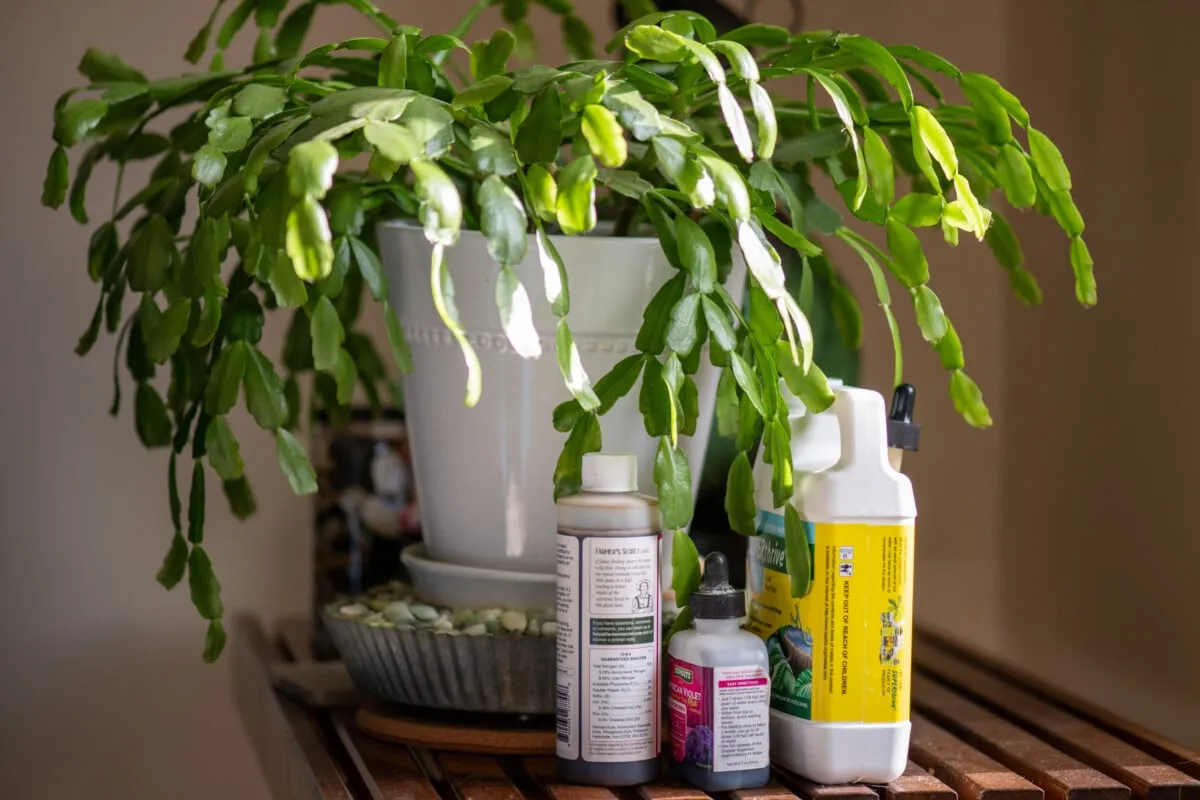
Feeding a Christmas cactus effectively doesn’t require a collection of “specialty” fertilizers. What really matters is understanding the NPK ratio listed on fertilizer packages. These three numbers represent the percentage of:
The Essential Nutrients: Nitrogen, Phosphorus, and Potassium
Nitrogen (N) promotes leafy, green growth and the development of new segments.
Phosphorus (P) supports healthy root systems and is crucial for flower and bud formation.
Potassium (K) enhances overall plant resilience, helps regulate water balance, and improves bloom quality.
Focus on the Ratio, Not Marketing Terms
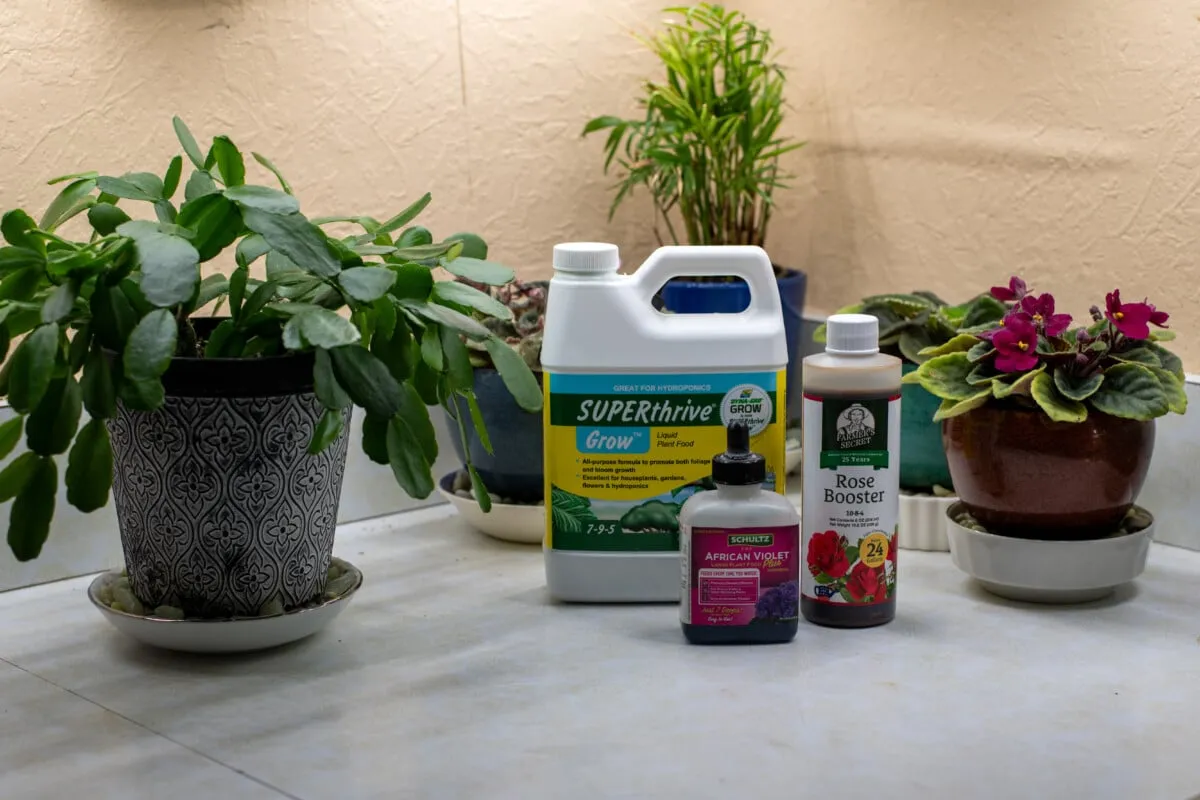
Many fertilizers are marketed specifically for particular plants, such as “rose food,” “tomato fertilizer,” or “flower booster,” but what matters most is whether the NPK ratio suits what you want the plant to achieve right now. For encouraging lush growth, fertilizers with a higher nitrogen content are preferable. If you want to promote bud and bloom development, you will want to reduce nitrogen and prioritize phosphorus and potassium.
Once you start thinking in terms of NPK ratios rather than product names, selecting the right fertilizer becomes much simpler.
The Three-Phase Fertilizing Strategy
Christmas cacti thrive when their feeding routine aligns with their natural seasonal cycle. Consider the year divided into three distinct phases: active growth, pre-budding, and budding through dormancy.
Phase 1: The Active Growth Period

As late winter turns into spring and the days grow longer, your Christmas cactus “wakes up” gradually. This phase is all about growing big and bushy.
How to Recognize That Dormancy Has Ended
Watch for two key indicators:
New growth segments developing at the tips and soil drying more rapidly, signaling increased water use by the plant.
If the plant appears slightly wrinkled between watering and the soil dries faster than it did over winter, these are often signs that active growth has begun.

Recommended Fertilizer During This Phase
In this growth stage, select a fertilizer that is higher in nitrogen or at least not deficient in it. Nitrogen supports the production of new segments, helping the plant increase in size and build up energy stores needed for flowering later on.
If your plant is already large and you don’t want a surge of new growth, a more balanced fertilizer formula is acceptable—just avoid products extremely low in nitrogen during this time.
Feeding Frequency
Apply fertilizer during the active growing season each time you water. A practical method is to fertilize consistently but also to occasionally flush the pot with plain water, preventing the buildup of fertilizer salts in the container soil.

Phase 2: The Pre-Budding Stage
In late summer, you have two effective options:
Option 1: Cease fertilizing entirely.
Option 2: Switch to a fertilizer formula that is very low in nitrogen but still provides phosphorus and potassium.
The objective at this point is to stop encouraging fresh leafy growth and instead enable the plant to focus on accumulating resources to form buds and flowers.
Phase 3: Budding Through Dormancy
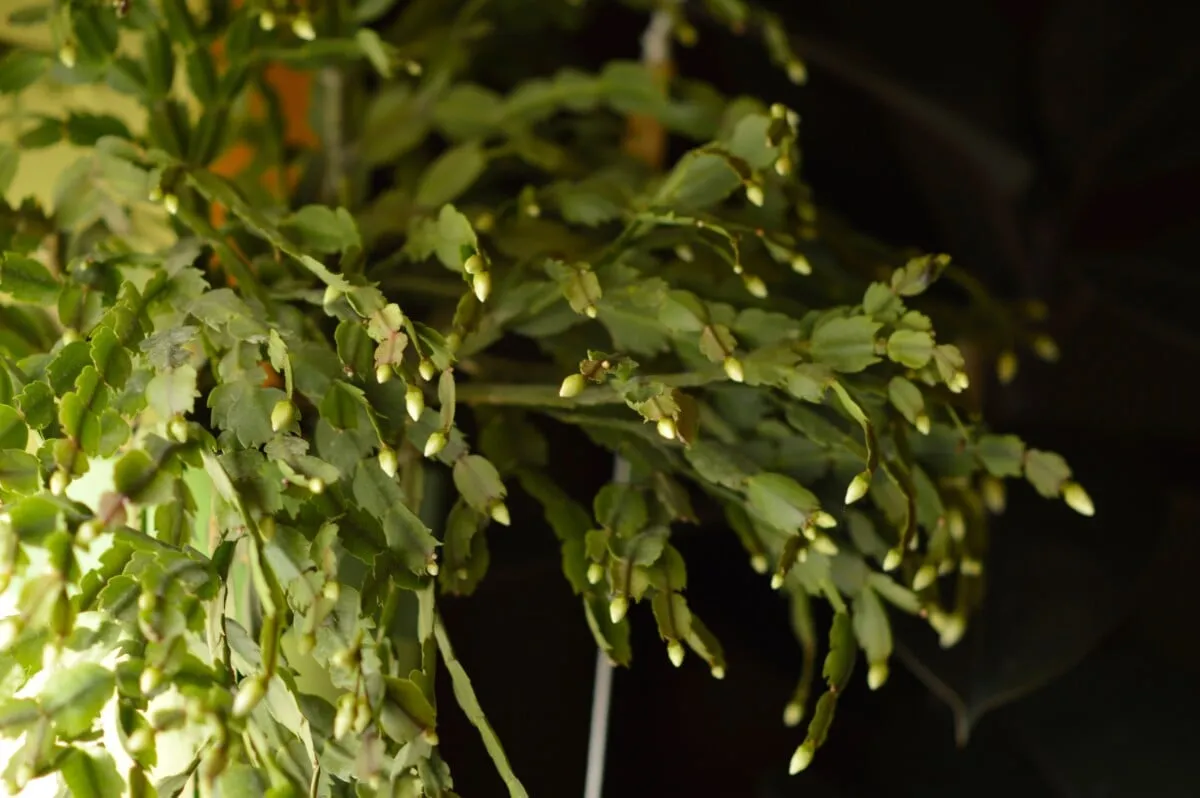
As fall advances, the plant slows its overall growth and shifts energy from producing new segments to bud development. At this stage, it’s best to completely stop fertilizing. If you provided ample fertilization during spring and summer, your plant will have stored enough nutrients.
Watering Practices During the Slower Growth Season
Reduce watering frequency but avoid letting the plant dry out completely for extended periods. A reliable guideline is to check the top inch of soil: if it feels dry, water lightly.
Maintain this gentle watering routine throughout blooming. Once flowering concludes, the plant enters dormancy for the winter. During this resting period, do not fertilize. When spring arrives, the cycle begins anew.
Summary: A Simple Year-Round Feeding Plan
Spring and summer: Fertilize to support active growth, favoring higher nitrogen ratios.
Late summer: Either reduce feeding or stop outright; optionally switch to very low nitrogen formulas.
Fall through winter dormancy: Cease fertilizing entirely and water sparingly as needed.
Follow a consistent yearly plan, closely observe your plant’s response, and adjust gradually as needed. With proper timing and focused attention on the correct NPK balance, your holiday cactus is much more likely to reward you with a vibrant, abundant bloom season.

In the culinary world, garlic is a staple ingredient that is hard to do without. Cultivating it benefits many plants Read more
The Incredible Healing Power of Billygoat Weed (Ageratum conyzoides): 15 Health Benefits You Should Know About Billygoat weed, also known Read more

Neem oil is a completely natural product, derived from a plant native to India. It contains azadirachtin, a potent compound Read more

Orchids are renowned for their stunning blooms and are a favorite among indoor plant enthusiasts. However, getting these temperamental beauties Read more
Peace lilies (Spathiphyllum) rank among the most cherished indoor plants, and it’s easy to understand why. Their shiny, deep green Read more

Unlocking the Flowering Potential of Anthuriums Anthuriums are renowned for their stunning, heart-shaped blooms which, under ideal conditions, can grace Read more
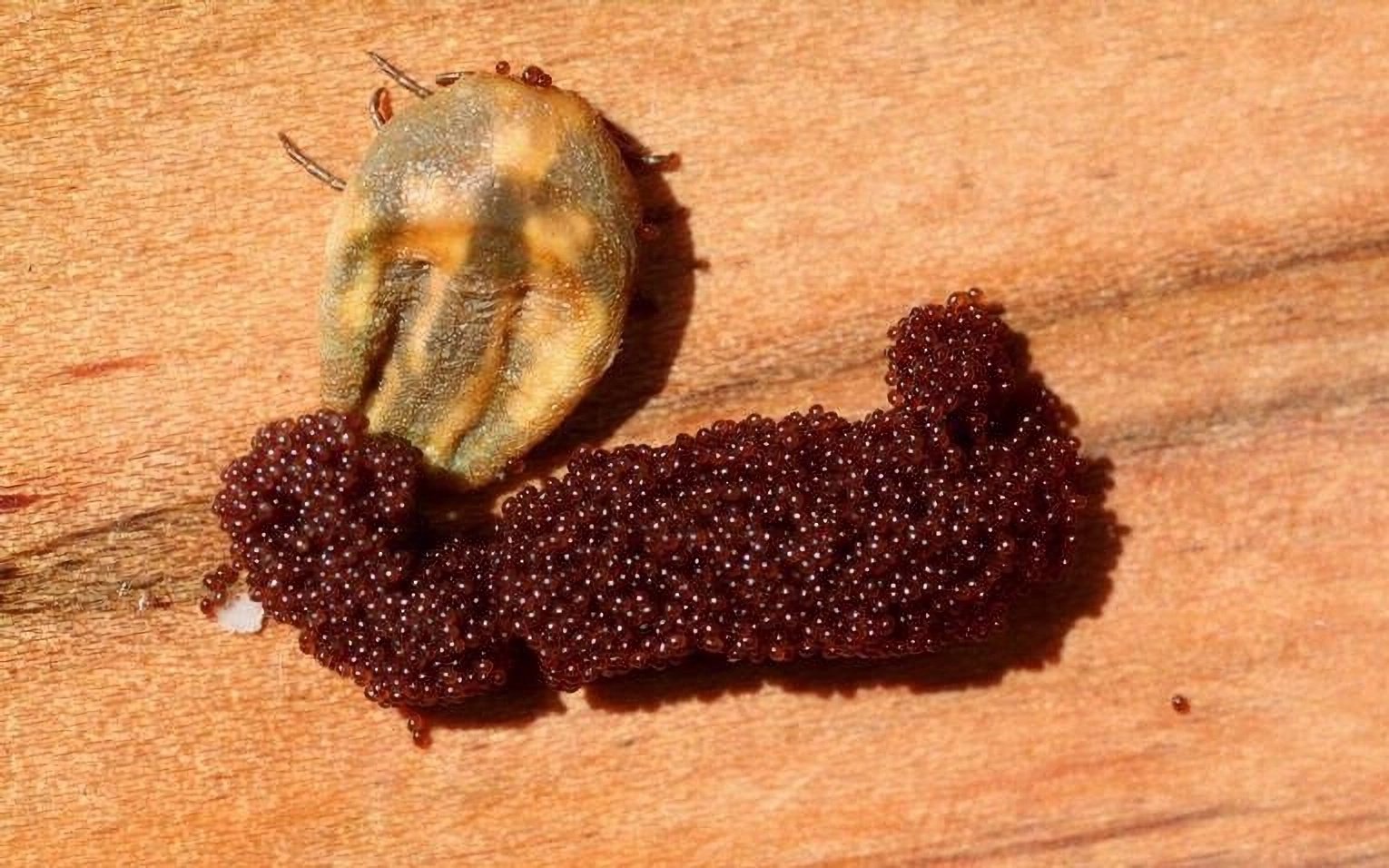
Imagine spending a relaxing afternoon in your backyard, only to stumble upon an unexpected and unwelcome discovery—a cluster of tiny Read more

Mastering Chilli Cultivation in Diverse Climates: A Detailed Guide It may seem unlikely, but growing chillies across different climates is Read more

Growing avocados can be a gratifying experience, especially when you cultivate them right in your backyard. While starting avocados from Read more

Orchids, with their array of species and hybrids exceeding 25,000, stand as a testament to botanical beauty. Cultivators and hobbyists Read more
Orchids are among the most cherished ornamental plants worldwide, admired for their exotic flowers, graceful forms, and blooms that last Read more
Are you searching for an affordable and eco-friendly alternative to chemical fertilizers? An unexpectedly powerful solution might already be in Read more

Using Baking Soda for Plant Care To care for your plants or your vegetable garden, have you considered the DIY Read more

Cultivating an Avocado Plant Indoors: A Step-by-Step Guide Nurturing an avocado seed into a blossoming plant within the confines of Read more

Transforming Garlic Peels into Gold for Gardeners: In the rhythm of kitchen prep, garlic peels are often discarded without a Read more

The Curious Case of Tomato Slices: A Journey from Kitchen Scrap to Sprout As someone always game for a gardening Read more
Indoor Plants and Their Benefits Indoor plants not only enhance the decor but also bring a touch of lush greenery. Read more

Get a Head Start on Your Garden: Indoor Sowing for Colder Climates There's no need to wait for spring's embrace Read more
Nature provides us with countless remedies in the form of wild medicinal plants, surrounding us everywhere we go. These healing Read more

Understanding Fertilizers for Plants Fertilizer is a product that can be spread or mixed into the soil to provide plants Read more
When lavender plants are young, they often present an almost perfect image: a compact shrub with silvery-green foliage, a delightful Read more
Self-Seeding Flowers: Effortless Beauty That Returns Every Year When I first fell in love with gardening, my mother came to Read more
Clematis plants are fundamentally simple organisms, almost mechanical in nature, driven by basic principles of plant hydraulics and a kind Read more
Unlocking the Mystery of the Festive Cactus The festive cactuses often baffle indoor gardeners. There's a lingering myth that these Read more
Orchids, admired for their exotic beauty and vast variety, demand specific care to flourish. While many growers rely on commercial Read more
Cultivating lemon trees in your garden or home brings not only visual charm but also the practical advantage of homegrown Read more
Three Little-Known Tips to Keep Your Potatoes in Perfect Condition Choosing the Right Location for Storage The way you store Read more
Rosemary is incredibly resilient... truly very robust! If you have ever had the unfortunate experience of adding too much to Read more
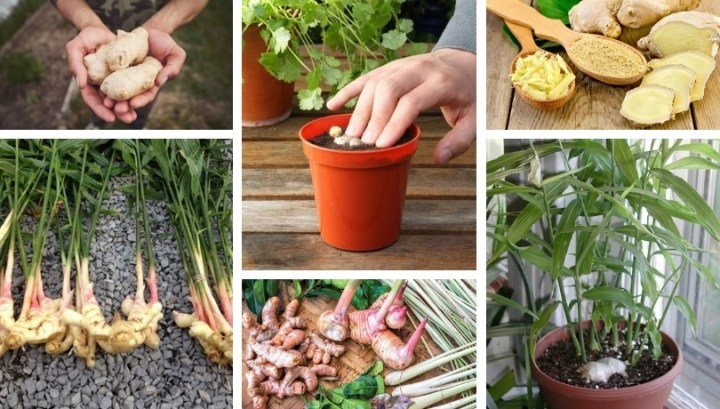
Ginger, renowned for its distinct flavor and numerous health advantages, is a fundamental ingredient in many culinary traditions around the Read more
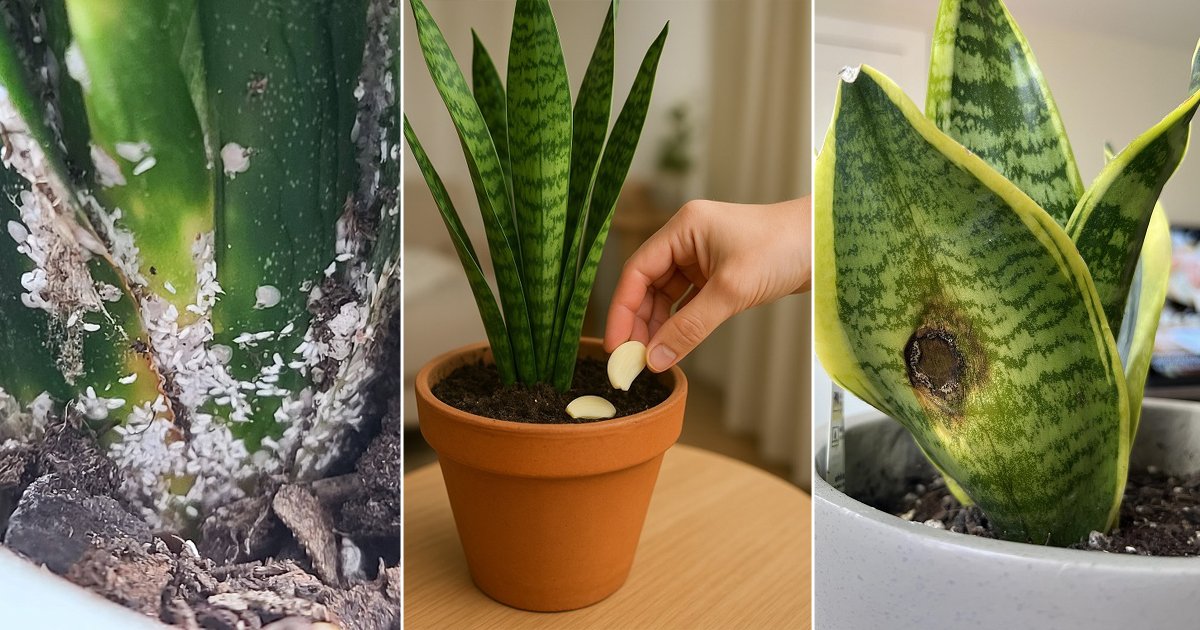
Discover how a simple kitchen ingredient can effectively repel pests, combat diseases, and promote healthier growth in your plants. Snake Read more

How to Reuse Barbecue Ashes After enjoying a barbecue outdoors on a sunny day, the tendency is often to discard Read more

Lavender, a charming addition to any garden, is known for its enchanting aroma and vibrant purple hues. This plant comes Read more

Different perspectives exist on various aspects of nature, and this holds true for the dandelion, often dismissed as a mere Read more

The Wonders of Blueberries: A Guide to Growing and Enjoying This Nutrient-Rich Fruit Mildly sweet, the blueberry is a dark Read more

Orchids, celebrated for their intricate beauty and variety, need particular attention for optimal growth. In the realm of orchid care, Read more
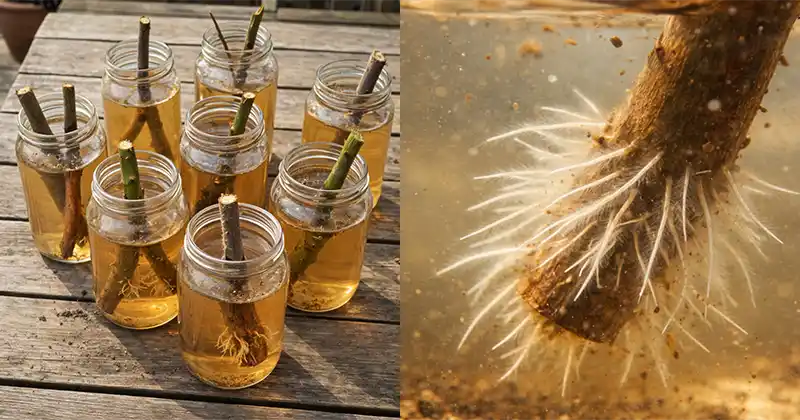
Growing new plants from root cuttings is like discovering a true shortcut in gardening. A single healthy parent plant can Read more

Excessive moisture within a house can arise due to capillary action, infiltration, or the phenomenon of condensation. The latter is Read more

Caring for orchids, known for their exquisite and delicate nature, involves a precise approach to hydration. Orchids differ from typical Read more
You have probably found yourself here because you are tired of seeing your Christmas cactus looking like the Ghost of Read more
Orchids, with over 28,000 unique species, provide a fascinating insight into the immense diversity found in nature. Originating from the Read more
