
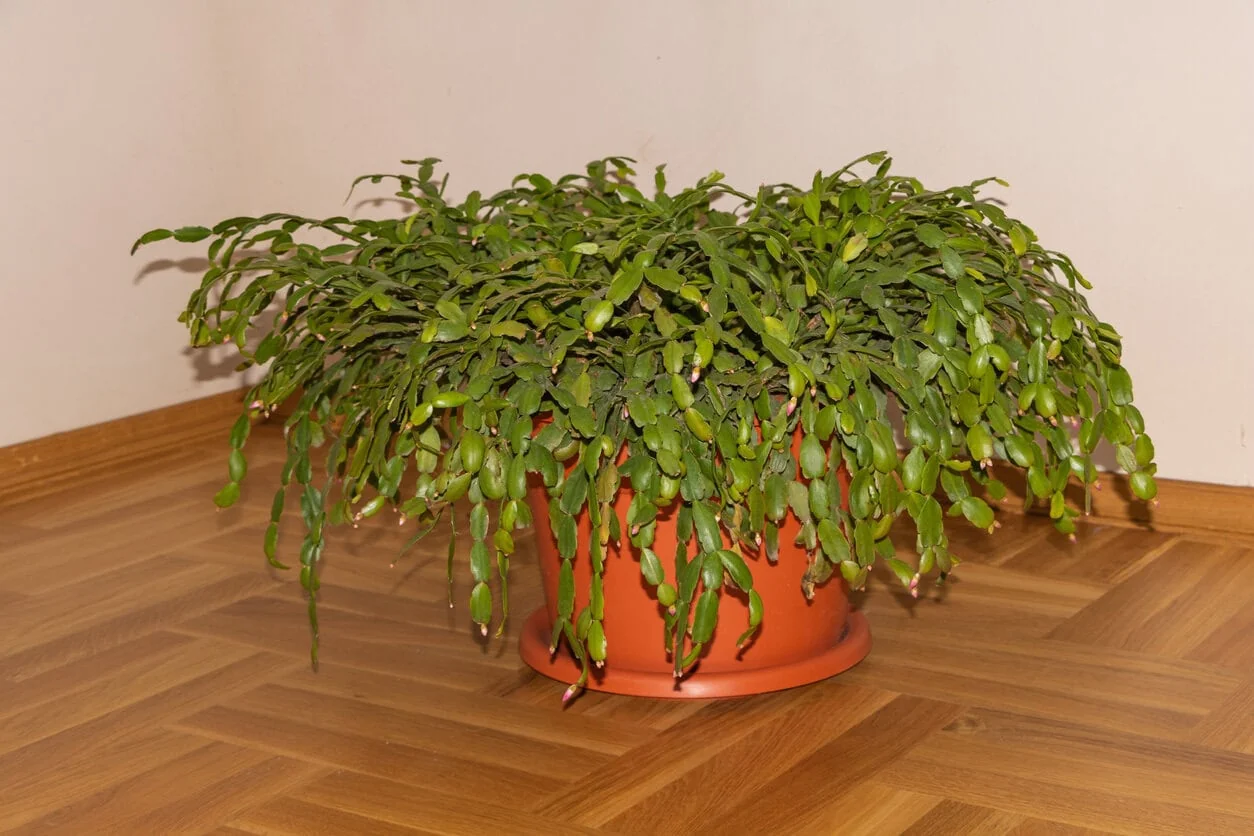
You have probably found yourself here because you are tired of seeing your Christmas cactus looking like the Ghost of Christmas Past.
You have followed the instructions to the letter, yet you end up with a green plant without flowers in December. You are also likely fed up with all those generic tips that leave you full of doubt.
The real issue is not what to do, but rather when to act. For example, pruning at the wrong time or missing the crucial period for darkness. Knowing how to care for it is not enough; the timing is just as essential because even the best actions will fail if the moment is missed.
Forget those tips that kill your cactus’s blooming and make you want to turn into a true Grinch. We have created a simple and effective monthly calendar, accompanied by an honest routine that guarantees timely flowering.
The Countdown Begins
Don’t thank me just yet. You are now going to follow this especially simple calendar, guiding your cactus through its necessary post-holiday rest until the dazzling chaos of flowers in December.
January to February: Rest After Blooming
Your cactus has survived the holiday season, and like many of us, it feels a bit “under the weather.” It needs two months of rest to recharge before springing back into action. Ignoring this rest period risks fewer blooms the following year:
Remove all dried and withered flowers and lightly prune if the plant appears too sparse. Use clean pruning shears and cut only at the joints between segments.
Greatly reduce watering. Allow the soil to dry out deeply, sometimes up to about an inch, before giving a small amount of water.
Completely stop fertilizing throughout this period.
This pause, marked by a total halt in care, is essential. It allows your cactus to recover from the forced efforts during the festive season and conserve energy for the next growing season. The goal? To avoid exhausting your Christmas cactus! And when? In January and February, naturally!
March to April: New Growth Phase
Wake up, Christmas cactus! With the lengthening days, your plant is ready to expand. This is the time to encourage vigorous spring growth:
Begin watering more regularly, while always allowing the top layer of soil to dry before watering again.
Start a monthly fertilizing schedule using a balanced indoor plant fertilizer. By “balanced,” we mean one with an NPK ratio close to 1-1-1. For this phase, I recommend a water-soluble 10-10-10 fertilizer diluted by half, or 20-20-20 diluted to a quarter strength.
Turn the pot regularly so that each side receives fair light. The goal is even growth, not a half-lit cactus.
This stage is mainly for stimulating healthy growth in spring and strengthening the segments that will bear flowers later.
May to June: Outdoor Growth Season
Think of this period as a summer vacation outdoors for your cactus. This step is absolutely essential for thickening the segments and preparing for future flowering. Don’t neglect it:
Move your pot outside to a covered place such as a terrace or a shaded balcony, protected from direct sunlight to avoid burns.
Continue the monthly balanced fertilization that you started in March-April.
Take advantage of this limited time to prune or pinch the tips of the stems. Remove the last two to three segments to encourage branching, promoting a bushier shape and many more flowering sites later. After this step, stop all pruning.
This outdoor phase is designed to develop strong, dense, and compact growth capable of supporting abundant flowers during the holiday season.
If you hesitate about pruning, see the signs that show it’s time to trim your Christmas cactus.
July to August: Energy Accumulation for Buds
We move from stem growth to reserve building. It is during this summer that the cactus stocks up for its grand December show:
Keep the plant outside, exposed to bright but diffused light.
Switch fertilizer. Choose a phosphorus-rich fertilizer with a ratio around 5-15-10. Regardless of the brand, always dilute heavily to about a quarter of the recommended dose to avoid salt burn.
Ensure regular watering without letting the soil dry out completely, as the plant is actively building reserves.
Stop all pruning. No more pinching or cutting should be done.
Your role is to support the plant in its final preparations for flower bud formation.
September: Transition to Pre-Flowering
The most delicate month: this is where everything is decided. You give the plant the order to bloom, and the timing is critical.
Bring your cactus back indoors when nights consistently drop below 50°F (10°C).
Stop all fertilizing. This is the last time you will feed the plant.
Reduce watering slightly.
Begin the essential darkness treatment: the plant must have 12 to 14 hours of uninterrupted total darkness each night for six consecutive weeks. Any stray light, no matter how faint, can ruin the flowering.
The combination of shorter days, long nights, and cooler temperatures is essential to trigger flower bud formation.
Important note: A reader asked if moonlight could disturb this night treatment. Good news, moonlight has no effect on the cactus! Only artificial light (lamps, television, urban lighting) is harmful.
October: Bud Development
If the September strategy worked, you should start to see early results. Long nights must be strictly maintained:
Always respect the nighttime darkness period. Do not allow the plant to see any light before the full 12 to 14 hours are complete.
Keep nighttime temperatures between 50 and 55°F (10 to 13°C), an environment that promotes bud formation.
Reduce watering, moistening the soil only when nearly dry. Fertilizer is still prohibited.
By late October, you should be able to distinguish small flower buds at the segment ends.
November: Protecting the Buds
The flowers are still fragile and sensitive to stress. Your goal is to prevent premature dropping:
As soon as buds appear, stop the darkness treatment. It is time to place your cactus in a bright spot but out of direct sunlight.
Do not move the plant once it is placed in its November location; moving it risks dropping all potential flowers.
Resume moderate watering to support flower growth.
Your mission is to accompany the buds’ maturation without stressing the plant.
December: Time to Bloom
You made it! As the famous florist Peter Schilling said: watching in awe, the mission is accomplished, nothing is left to chance, your Christmas cactus shines. Enjoy the flowers fully, but don’t forget:
Protect the flowers. Keep the pot away from heat sources, cold drafts, or sudden temperature fluctuations, which shorten the blooming.
Water only when the soil surface is dry. Your cactus needs water to maintain flowers, not to drown its roots.
Continue a light dose of phosphorus-rich fertilizer, like the 5-15-10 formula already used, diluting even more (to half the summer concentration) to prolong flowering.
Beyond the joy of admiring your plant, this simple routine ensures vigorous flowers throughout the holidays. Merry Christmas cactus!
4 Mistakes to Avoid to Prevent Compromising Your Christmas Cactus
Now that you are an expert on the Christmas cactus, here is how to avoid last-minute missteps. No basic mistakes such as:
The temperature trap: too warm an environment in autumn prevents bud formation. Cool nights are essential.
Light leaks: any nighttime light source – street lamps, TV, bedside lamp – ruins the essential darkness treatment in September and October.
Excess fertilization too late: fertilizing late pushes the plant to produce more stems at the expense of flowers. No nocturnal nibbling either.
Moving the plant: moving or repositioning your cactus once buds appear will drop all potential flowers.
Become a good parent to your plant, and this cactus originating from the lush Brazilian jungle will never abandon you, even if it probably prefers samba to Christmas carols.
Wise Gardeners Bring Out Bright Reds
One last quick tip. These cacti have no needles, but that is not the most important thing.
For them to be at their best during the holidays, you just need to master the what, how, and when—without ever calling them by their full name: Schlumbergera. Haha! Merry Christmas cactus!


For gardening enthusiasts, it's a known fact that many plants thrive in humid and warm climates conducive to their growth. Read more
Self-Seeding Flowers: Effortless Beauty That Returns Every Year When I first fell in love with gardening, my mother came to Read more

Caring for orchids, known for their exquisite and delicate nature, involves a precise approach to hydration. Orchids differ from typical Read more
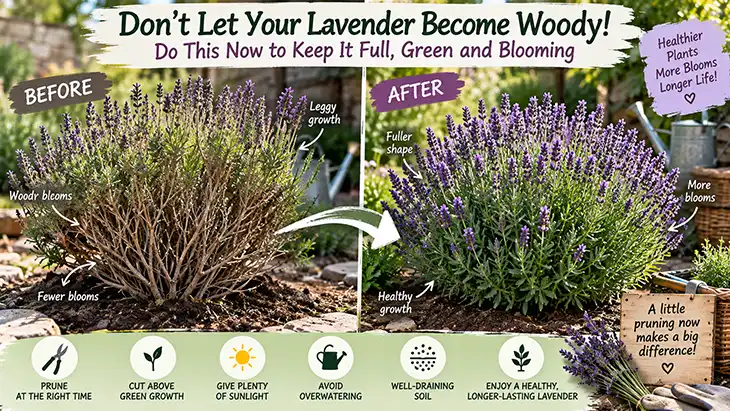
When lavender plants are young, they often present an almost perfect image: a compact shrub with silvery-green foliage, a delightful Read more
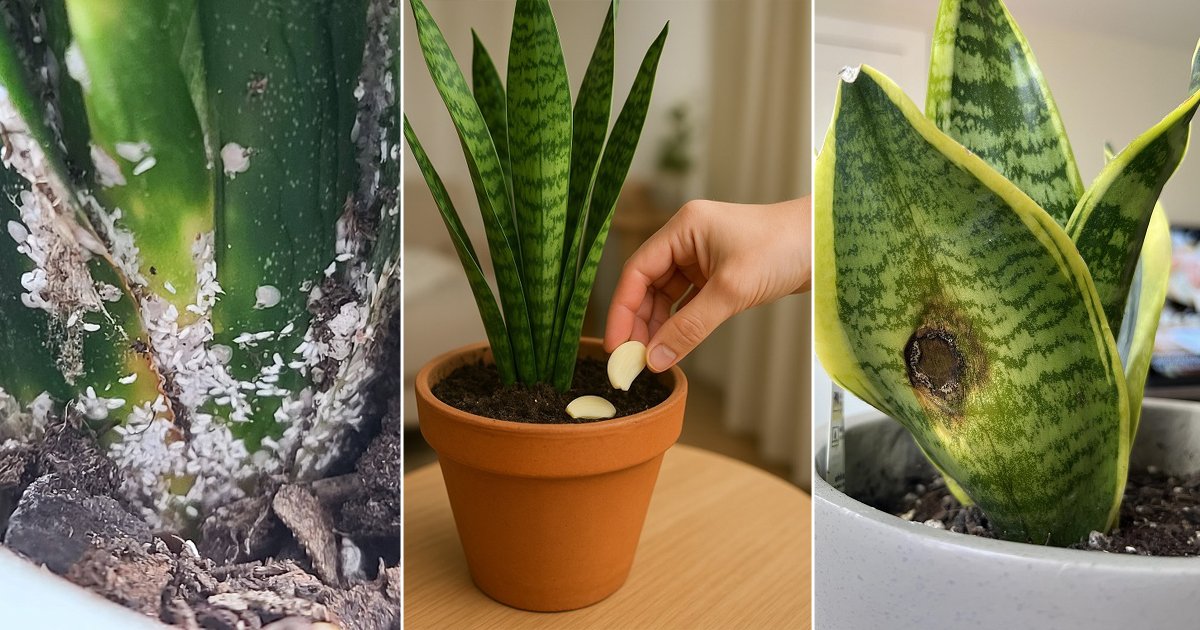
Discover how a simple kitchen ingredient can effectively repel pests, combat diseases, and promote healthier growth in your plants. Snake Read more
The Incredible Healing Power of Billygoat Weed (Ageratum conyzoides): 15 Health Benefits You Should Know About Billygoat weed, also known Read more

Insect-Repelling Greenery: Your Natural Home Defense Transform your home into a sanctuary free from the annoyance of insects such as Read more

Bananas are a delightful treat, but their peels can be a garden's treasure. Rather than discarding banana peels into compost, Read more
Some years, the effort put into gardening seems barely worth it, but this autumn, the value of gardening becomes clear. Read more

Lavender, a charming addition to any garden, is known for its enchanting aroma and vibrant purple hues. This plant comes Read more
Indoor Plants and Their Benefits Indoor plants not only enhance the decor but also bring a touch of lush greenery. Read more

Using Baking Soda for Plant Care To care for your plants or your vegetable garden, have you considered the DIY Read more
When it comes to gardening, enthusiasts are always eager to discover effective and affordable methods to boost plant growth and Read more
Do you have indoor plants? They have a unique ability to infuse life and color into any environment, whether it’s Read more

Mastering Chilli Cultivation in Diverse Climates: A Detailed Guide It may seem unlikely, but growing chillies across different climates is Read more
Hydrangeas, with their breathtaking blooms, stand out as one of the most enchanting deciduous flowering bushes. If you've wandered through Read more
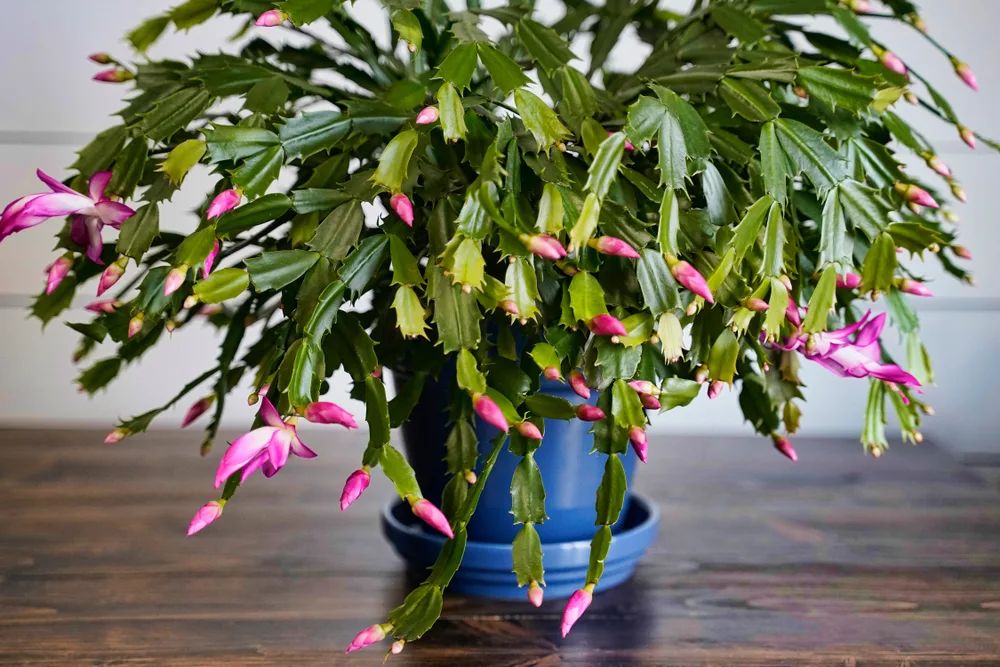
Unlocking the Mystery of the Festive Cactus The festive cactuses often baffle indoor gardeners. There's a lingering myth that these Read more

Excessive moisture within a house can arise due to capillary action, infiltration, or the phenomenon of condensation. The latter is Read more
Are you searching for an affordable and eco-friendly alternative to chemical fertilizers? An unexpectedly powerful solution might already be in Read more

Gardening: The Harmony of Craft and Nature Gardening brings out a dance between human creativity and the wonders of nature. Read more
Rosemary is incredibly resilient... truly very robust! If you have ever had the unfortunate experience of adding too much to Read more
Three Little-Known Tips to Keep Your Potatoes in Perfect Condition Choosing the Right Location for Storage The way you store Read more
Searching for a distinctive method to incorporate some foliage into your home or workplace? Try cultivating plants hydroponically! Not only Read more
Clematis plants are fundamentally simple organisms, almost mechanical in nature, driven by basic principles of plant hydraulics and a kind Read more
As sustainability and eco-consciousness continue to rise in importance in our daily lives, discovering alternative methods to fertilize our gardens Read more

Cultivating an Avocado Plant Indoors: A Step-by-Step Guide Nurturing an avocado seed into a blossoming plant within the confines of Read more
Easy Clove Growing: From Seed to Spice – A Beginner’s Guide Cloves are among the most treasured spices in the Read more

Neem oil is a completely natural product, derived from a plant native to India. It contains azadirachtin, a potent compound Read more
Growing Chayote from Supermarket Fruit: Abundant Harvests Made Easy If you've ever strolled through the produce aisle and spotted a Read more

If you don't often get the chance to rejuvenate in the midst of nature, there's an alternative: introducing plants to Read more

Using White Vinegar for Garden Maintenance Gardening is never an easy task. Planting, weeding, and watering plants and flowers require Read more

Orchids, with a staggering 28,000 unique species, beautifully demonstrate nature's rich tapestry of diversity. Originating from the Orchidaceae lineage, these Read more

In this exploration, we uncover eight homemade, natural solutions that act as effective rooting agents for plant propagation through cuttings. Read more
Exploring the World of Eggplants: A Gardener's Guide Eggplants, with their divisive nature, are often a subject of culinary debate. Read more

The Importance and Care of House Plants House plants not only serve as a significant decorative element but also play Read more

Orchids, celebrated for their intricate beauty and variety, need particular attention for optimal growth. In the realm of orchid care, Read more

Different perspectives exist on various aspects of nature, and this holds true for the dandelion, often dismissed as a mere Read more

Understanding Fertilizers for Plants Fertilizer is a product that can be spread or mixed into the soil to provide plants Read more
Nature provides us with countless remedies in the form of wild medicinal plants, surrounding us everywhere we go. These healing Read more

Indoor Plants: A Decorative Air Purifier Indoor plants have become an essential part of modern decor, increasingly sought-after to greenify Read more
