

Every winter, countless orange peels end up in the trash. But what if you could transform these fragrant scraps into one of the most elegant homemade desserts for your Christmas table?
With just orange peels, sugar, and water, you can create delicious candied orange peels. This traditional candy features a tender and soft core, a slightly firm exterior, and a flavorful, tangy taste.
These treats are exquisite eaten alone, dipped in dark chocolate, sprinkled with sugar, incorporated into festive cakes, or presented in small jars as homemade holiday gifts.
And what’s even better? No special equipment is required.
The secret lies in reducing the natural bitterness of the peel by blanching it first, then gently simmering it in a sugar syrup.
Discover how to transform what you would normally discard into a sweet refinement perfect for the holidays.
Why Orange Peels Make Excellent Candies
Orange peels are rich in aromatic oils, responsible for their characteristic citrus fragrance.
The outer orange layer, called flavedo, contains the majority of these fragrant oils. Just beneath it lies the white pith, known as albedo.
This white part contributes some bitterness but is also essential in giving candied peels their unique texture—tender and slightly chewy.
By briefly boiling the peels in clear water, then slowly simmering them in sweet syrup, the bitterness fades to reveal a sweeter, more mellow flavor.
The syrup soaks into the peel, changing the texture from tough and bitter to soft and pleasantly tender.
That is why, for generations, candied orange peel has been a beloved star of traditional European Christmas pastries.
What You Will Need
Preparation time: 15 minutes | Blanching: 15 to 25 minutes | Slow cooking: 45 to 60 minutes | Drying: 4 to 12 hours | Yield: approximately 1 to 2 cups depending on peel thickness
Ingredients
Peels from 4 large oranges
2 cups (400 g) granulated sugar
2 cups (480 ml) water for the syrup
Additional water for blanching
½ cup (100 g) granulated sugar, optional, for coating
100 to 150 g dark chocolate, optional, for dipping the peels
Equipment
A sharp knife
Cutting board
A medium saucepan
A strainer
Tongs or a slotted spoon
A wire cooling rack
A baking sheet
Parchment paper
A clean, airtight container
Tip: Choose fresh, firm oranges with thick, fragrant skins. Preferably, select unwaxed oranges specifically sold for zesting or peeling.
Step 1: Wash and Peel the Oranges
Start by thoroughly washing the oranges under running water, gently scrubbing their surface to remove any dirt.
Then dry them with a clean towel.
Cut off the top and bottom ends of each orange. Score the skin into four to six sections, slicing through the peel without cutting into the fruit.
Carefully remove the peels in large pieces.
Don’t worry if some of the white pith remains attached; it contributes to the soft, pleasant texture of the candied peels.
However, if the pith is very thick, you can remove some of it with a knife.
Cut the Peels into Strips
Place the pieces on the cutting board and slice them into strips approximately 6 mm (¼ inch) wide.
Try to keep the pieces uniform in size for even cooking.
You can also cut them into small cubes if you plan to use them in cakes, Christmas cookies, or panettone.
Step 2: Boil the Peels to Reduce Bitterness
This is a crucial step.
Fresh orange peels, especially with thick pith, can be very bitter.
Blanching reduces this bitterness.
Place the orange peel strips in a saucepan.
Cover them with cold, fresh water.
Bring to a boil.
Simmer for about 5 minutes.
Drain the water completely.
Repeat this process two more times with fresh water each time.
For most sweet oranges, three blanchings are enough to achieve a pleasantly mild flavor.
If your peels are very bitter, you can blanch them one additional time.
Important: Do not skip this step. Simmering untreated peels directly in syrup will result in a final candy with an unpleasantly bitter taste.
Step 3: Prepare the Sugar Syrup
After blanching, rinse the saucepan.
Add:
2 cups granulated sugar
2 cups water
Heat over medium heat, stirring gently until the sugar fully dissolves.
Once the syrup is clear, add the blanched peels into it.
Reduce the heat to the lowest setting.
The peels should remain mostly submerged in the syrup.
Step 4: Simmer Until the Peels Become Transparent
Gently simmer the peels for about 45 to 60 minutes.
Avoid a strong boil, which would evaporate the syrup too quickly or harden the peels.
Stir occasionally, carefully.
You will notice changes: the color deepens, the white pith becomes more translucent, and the syrup thickens.
The strips should become tender and pliable.
How to Tell When They Are Ready?
Take a strip with a spoon and let it cool slightly.
It should be shiny, soft to the touch, and bend without breaking.
The white pith should no longer appear completely opaque.
If the peels remain hard, extend cooking by 10 to 15 minutes.
Warning: Do not let the syrup brown or caramelize. The goal is tender, syrup-infused peels, not burnt sugar.
Step 5: Dry the Candied Peels
Once the peels have the right texture, remove them from the syrup using tongs or a slotted spoon.
Arrange them in a single layer on a wire rack set over a baking sheet.
Leave some space between each strip to prevent sticking.
Allow them to air dry for 4 to 12 hours, depending on the thickness of the pieces and humidity.
The peels should become slightly sticky to the touch, with a somewhat firm surface while remaining soft and tender inside.
In humid environments, drying may take longer. Protect the peels from insects and dust.
Can You Dry the Peels in the Oven?
Yes, this is possible.
If your oven can be set to a very low temperature around 60 to 65 °C (140-150 °F), you can use it to speed up drying.
Place the peels on a baking sheet lined with parchment paper and check regularly.
Avoid too much heat which risks making the sugar sticky, hard, or burnt.
A food dehydrator set to a low temperature is also a good option.
Step 6: Coat the Peels with Sugar
To give them a traditional sparkling appearance, roll the peels while still slightly damp in granulated sugar.
The surface should be sticky enough for the sugar to adhere well.
Then place them back on the rack and let them dry further until the coating is dry to the touch.
The result is a homemade candy with bright orange hues and a delicate sweet crunch.
These little treats are especially charming when presented in small glass jars or gift boxes during the Christmas season.
Step 7: Make Chocolate-Dipped Candied Orange Peels
To elevate your peels for the holidays, try dipping them in dark chocolate.
The combination of citrus and chocolate is a classic Christmas favorite.
The Method
Ensure the candied peels are dry on the surface.
Gently melt 100 to 150 g dark chocolate in the microwave or using a double boiler.
Dip one end of each strip into the melted chocolate.
Allow the excess chocolate to drip off.
Place them on parchment paper.
Let the chocolate harden completely.
For a polished result, choose strips that are not coated in sugar, although those with sugar also work well.
Tip: Dark chocolate with 60-70% cacao perfectly balances the sweetness of the orange peel.
Five Delicious Ways to Use Candied Orange Peels
These peels are not limited to being eaten as-is. Their versatility in baking is remarkable.
1. Homemade Christmas Gifts
Fill small glass jars with sugar-coated candied peels.
Add a ribbon and a handwritten label.
These make charming, affordable, and thoughtful gifts.
2. Chocolate-Dipped Treats
Dip the strips halfway in dark chocolate and arrange them on a festive platter.
The orange-chocolate pairing appeals both visually and flavor-wise.
3. Christmas Cakes and Panettone
Cut the candied peels into small cubes and fold them into fruit cakes, sweet breads, muffins, or homemade panettone.
They add delightful citrus notes.
4. Cookies and Biscotti
Incorporate finely chopped pieces into your shortbreads, biscotti, or chocolate chip cookies.
A little goes a long way to subtly infuse flavor.
5. Cake and Dessert Decoration
Use thin strips of peel to decorate cheesecakes, chocolate cakes, cupcakes, and other sweets.
Besides a colorful glow, they contribute a refined flavor touch.
Don’t Throw Away the Leftover Orange Syrup
After cooking the peels, you will have a fragrant orange syrup remaining.
Instead of discarding it, here are some ways to use it:
In hot tea
Over pancakes or waffles
To flavor homemade lemonade
As icing for cakes
In yogurts or desserts
Strain it, store it in a clean container in the fridge, and consume within 1 to 2 weeks, or freeze it for longer storage.
Important: This homemade syrup is not a stable preservative product. Do not store it at room temperature.
How to Store Homemade Candied Orange Peels
Proper storage is crucial because homemade candies can retain more moisture than commercial ones.
In the Refrigerator
Place fully cooled peels in a clean, airtight container.
Layer with parchment paper between layers to prevent sticking.
Keep refrigerated at 4 °C or below and consume within about two weeks for optimal taste.
In the Freezer
For longer storage, place them in a freezer-safe container, separating layers with parchment paper.
To preserve flavor and texture best, use within three months.
Allow thawing in the refrigerator before consuming.
Can They Be Stored at Room Temperature?
Commercial candied peels are stable at room temperature because their sugar and water content is precisely controlled.
Homemade versions remain unpredictable for prolonged storage.
Unless you have used a validated preservation method, do not rely on long-term room temperature storage for homemade peels.
If giving them as gifts, inform recipients that the treat should be kept refrigerated.
Discard any batch showing signs of mold, fermentation, or unpleasant odors.
Common Mistakes to Avoid
Skipping the Blanching
The peels may retain excessive bitterness.
Always blanch them in fresh water before cooking in syrup.
Cutting Unevenly Sized Strips
Too-thin pieces will overcook, while thick ones remain tough.
Ensure uniform slice sizes for even cooking.
Boiling the Syrup Vigorously
A strong boil can cause excessive evaporation and burn the sugar.
Favor gentle cooking on very low heat.
Not Drying Long Enough
Sticky, moist peels are harder to coat and preserve.
Make sure to allow sufficient drying time.
Using Inappropriately Treated Oranges
Some citrus fruits are waxed or treated with fungicides after harvest.
Washing removes dirt but not all chemical treatments.
Prefer oranges labeled “suitable for zest or peel consumption.”
Frequently Asked Questions
Can you really make candy from orange peels?
Yes, by blanching, simmering in sweet syrup, and drying, you create a traditional tangy, soft confection.
Should all the white pith be removed?
No, leaving some pith preserves the candy’s unique texture. Blanching sufficiently reduces bitterness.
Can mandarins or clementines be used?
Yes, but their thinner peels cook faster and have different textures. Adjust cooking times accordingly.
Is it possible to make candied peels without sugar?
Traditional recipes rely on sugar for taste, texture, and preservation. Without sugar, the recipe and results change fundamentally.
Why do my peels remain sticky?
Drying time should be extended. Ambient humidity also plays a significant role.
Can the leftover syrup be used?
Yes, store it chilled and use to flavor drinks, icing, and desserts.
Are candied orange peels healthy?
Peels contain fiber and beneficial plant compounds but also a lot of sugar. Enjoy them in moderation as festive sweets, not as health supplements.
Can they be prepared ahead of Christmas?
Absolutely, make them in advance and store in the refrigerator or freezer following storage advice.
In Conclusion
Next time you peel an orange, don’t immediately discard the skin.
With a little sugar, water, and patience, these fragrant peels transform into an irresistible homemade candy perfect for the holidays.
The process is simple: wash, peel, cut, blanch, simmer in syrup, then dry.
Roll them in sugar for a classic sparkling effect or dip them in dark chocolate for an elegant touch.
Delicious eaten alone, beautiful as gifts, and versatile in Christmas baking, these golden sugar-coated peels remind us that sometimes the best treats come from what we nearly threw away.
These sweet golden wedges are proof that a simple kitchen scrap can become a gourmand treasure.

A Charming Renaissance Step One: Thorough Cleaning and Preparation Before starting the transformation, the dresser needed to be meticulously cleaned: Read more

A Simple Anomaly on the Floor? Not So Fast At first glance, this detail seemed nothing more than an ordinary Read more

Datura stramonium, commonly known as Jimson weed, thorn apple, or devil's trumpet, is a plant native to North America but Read more
You have tried everything to sleep better — herbal teas, meditation, ergonomic pillows — but nothing seems to work? What Read more

The Illusion That Changed Everything On that day, Thunder, a majestic black horse, stood calmly beside her. Yet in the Read more

Embracing Organic Gardening with Homemade Onion Elixir The shifting trends in horticulture are leaning heavily towards eco-conscious choices, prompting gardeners Read more

Much More Than Just a Decorative Element The presence of multiple pillows on a hotel bed is far more than Read more

Owls: Much More Than Mere Nocturnal Birds Owls have always fascinated our imagination deeply. With their large, captivating eyes, their Read more
White Vinegar and Baking Soda: The Natural Solution to Remove Stains White vinegar and baking soda are essential allies in Read more

Gather and Verify Evidence Immediately When faced with a vending machine that fails to dispense the cash you requested, it Read more

Using a power strip to plug in multiple devices is convenient, practical, and budget-friendly. However, this widespread practice carries significant Read more
The Multifaceted Benefits of Spices and Herbs Throughout history, a variety of spices and herbs have been cherished not only Read more

When you enter a hotel room, have you ever noticed that long piece of fabric laid across the foot of Read more

Inheritance in France: A Protected Share, Untouchable Even in Cases of Conflict In France, there is a fundamental legal principle Read more
Basil seeds, often referred to as sabja or tukmaria, come from sweet basil. Though tiny, they hold an exceptional nutritional Read more
Garlic: An Ancient Remedy for Better Sleep Since ancient times, garlic has been recognized not only as an essential culinary Read more
The Secret of Seasoning: An Essential Traditional Method What if the key to reviving a frying pan lay in an Read more
Cleavers (Galium aparine): The Herbal Remedy for Detox and Lymphatic Health Cleavers, also known as Galium aparine, is a humble Read more
Rice Water and Baking Soda: A Surprising Duo to Unclog Your Drains Few people realize that the water used to Read more
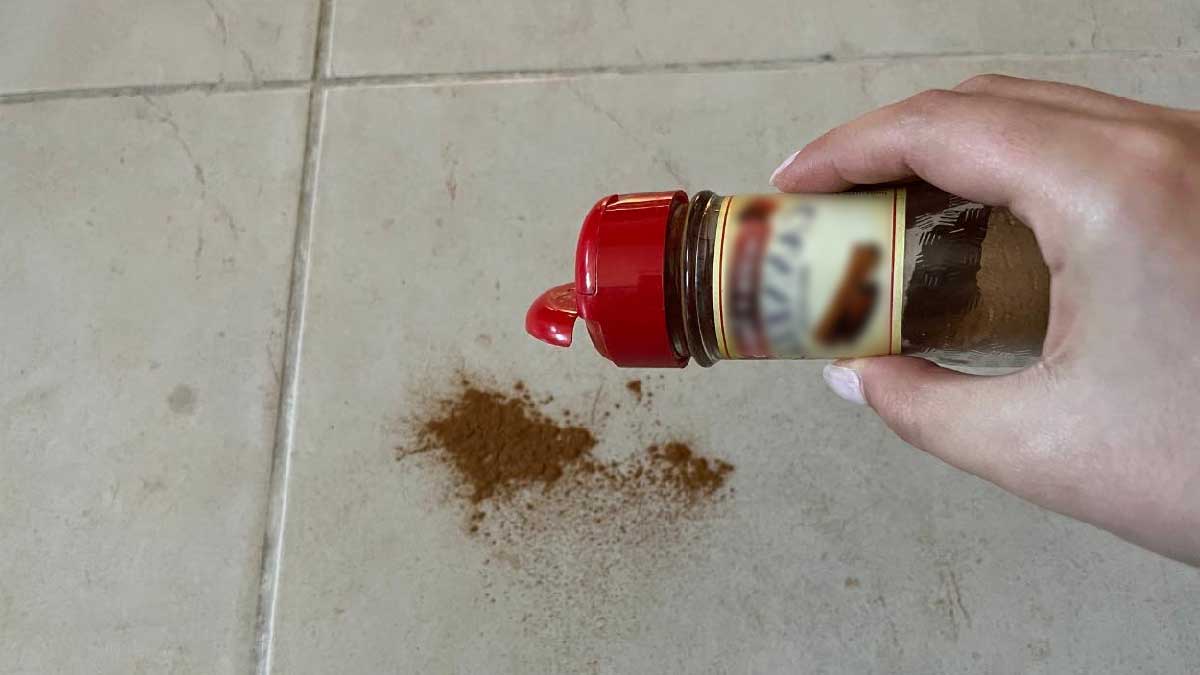
Have you ever encountered this unusual practice of sprinkling cinnamon powder in front of your front door? At first glance, Read more

An Extraordinary Photograph It all began on a peaceful day in the countryside, where a family was enjoying a quiet Read more
Why Does White Laundry Lose Its Brightness and Turn Yellow? Who hasn’t felt a slight disappointment when pulling their white Read more
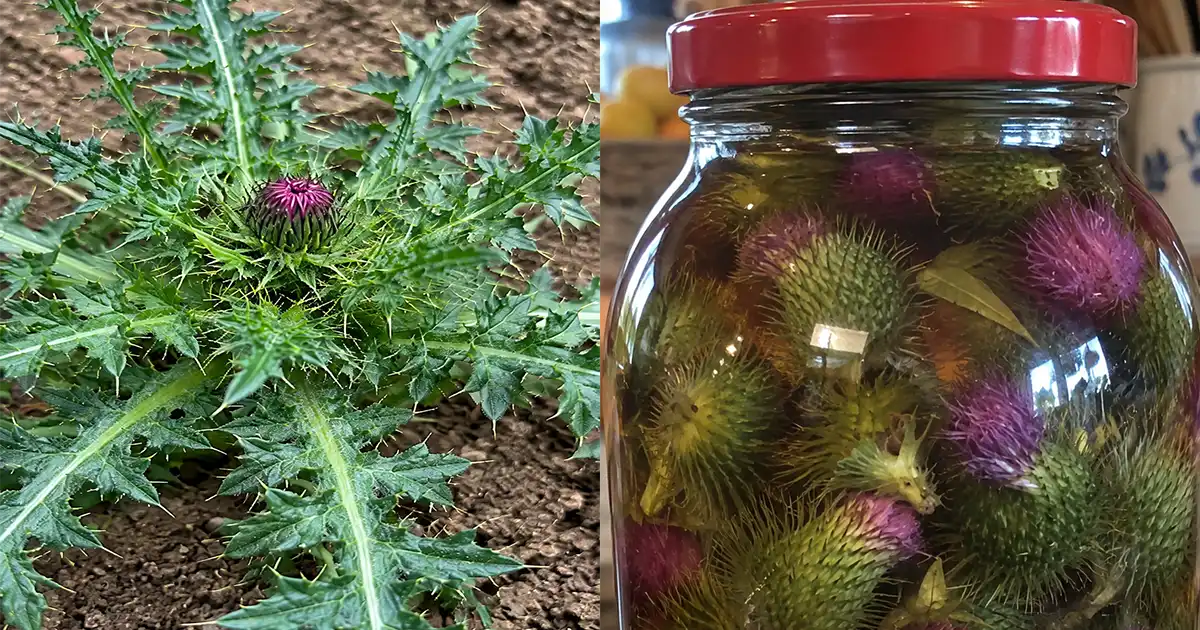
This content is provided for informational purposes only. For medical advice or diagnosis, please consult a healthcare professional. The common Read more

Juniper, a versatile and aromatic plant, has been valued for centuries for its culinary, medicinal, and therapeutic uses. Known for Read more

Mimosa Pudica, commonly known as the “Sensitive Plant” or “Touch-Me-Not,” is famous for its unique reaction to touch—its leaves fold Read more
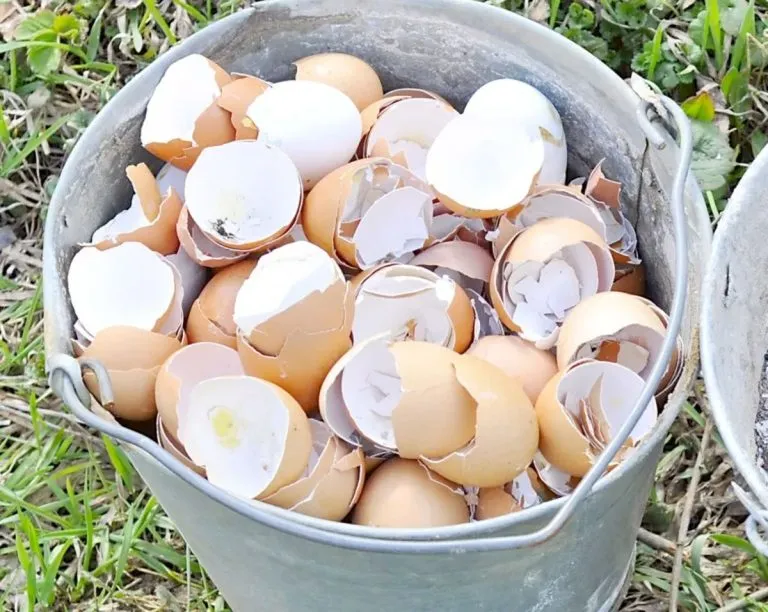
Unlocking the Garden Potential of Eggshells: 10 Innovative Applications Eggshells, often seen as fragile protectors of eggs, are also a Read more

Sometimes, certain births resonate far beyond the boundaries of the family, capturing the attention of the wider public. This was Read more

Highland flowers, often found in remote, elevated regions, are more than just a visual delight. These resilient blooms, thriving in Read more

The Benefits of Combining Eggs and Coffee: A Nutritious and Energizing Pair When it comes to starting your day right, Read more

The Brown Recluse Spider: A Small Spider with a Violin-Shaped Mark on Its Body Imagine a tiny spider, modestly brown Read more

Purslane (Verdolaga) is no longer a garden menace but a valuable gem! This remarkable plant is reclaiming its place in Read more
Common Mallow (Malva sylvestris) is a plant often overlooked in wild settings but is far more than merely a visually Read more
A True Natural Concentrate of Vitality Orange peel is naturally packed with beneficial components widely recognized for their role in Read more

Bathroom Mold: Causes and Solutions Ideal Environment for Mold Growth Bathroom surfaces are prime locations for mold growth. Moisture accumulates Read more

Behind the Scenes of Chicken Sold in Supermarkets At first glance, the neatly pink chicken breasts and shiny thighs displayed Read more
Acetone: A Genuine Miracle Solution or a Trap to Avoid? Acetone, a powerful solvent commonly used to dissolve nail polish Read more

Many people make the mistake of believing that continuously boiling water will save energy once the kettle is already hot. Read more

The Brown Marmorated Stink Bugs: A Nuisance Difficult to Ignore Originating from Asia, these insects have found a favorable environment Read more

Every evening, before slipping into bed, we all have our little routines to make sure everything is secure. We check Read more
Cassava: A Widely Consumed Food That Can Sometimes Be Dangerous Cassava is a vital food staple for over 800 million Read more
