
Self-Seeding Flowers: Effortless Beauty That Returns Every Year
When I first fell in love with gardening, my mother came to visit and shared stories about the self-seeding flowers she and my grandmother grew for decades. Those plants quietly returned each year, filling the garden without extra work. That idea stuck with me.
If you’re short on time, low on energy, or simply prefer a low-maintenance garden, self-seeding flowers can be a game changer. Once established, they take care of their own future.
What Are Self-Seeding Flowers and Why Do They Matter?

In simple terms, self-seeding flowers complete their life cycle by dropping seeds naturally. Those seeds germinate on their own, producing new plants the following season without any replanting.
The real value of self-seeding flowers lies in their efficiency. They reduce gardening costs, save time, and help create a more natural, evolving landscape that improves year after year.
How to Encourage Self-Seeding in Your Garden

Encouraging self-seeding is mostly about knowing when to step back:
Allow seed heads to mature instead of removing all spent blooms.
Go light on mulch around reseeding plants so seeds can reach the soil.
Avoid frequent soil disturbance, which can bury or destroy viable seeds.
11 Self-Seeding Flowers for Effortless Seasonal Color

1. Calendula

Calendula produces vivid orange and yellow blooms and readily reseeds in cooler conditions. It’s a reliable annual that brightens gardens early in the season.
2. Nigella (Love-in-a-Mist)

Nigella features delicate blue or white flowers and striking seed pods. It self-sows easily and is ideal for naturalized garden areas.
3. Larkspur

This tall annual produces spires of blue, purple, pink, or white flowers. When left undisturbed, it reseeds reliably in early spring.
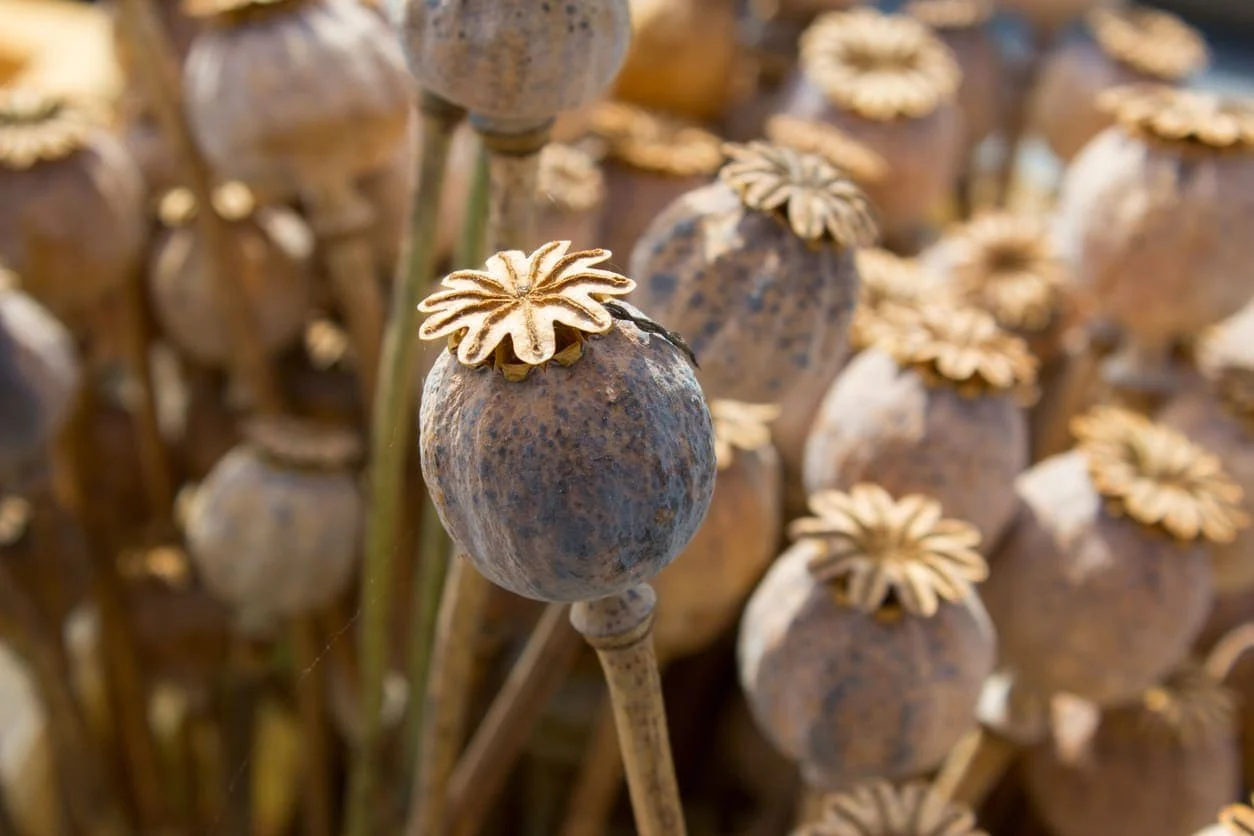
4. Poppies (Papaver species)

Poppies thrive when their seeds are allowed to fall where they grow. Their airy, colorful blooms return year after year with minimal effort.
5. Alyssum

Alyssum is low-growing, fragrant, and long-blooming. It self-seeds generously and provides continuous ground-level color.
6. Cosmos

Cosmos thrive even in poor soil, producing airy stems and daisy-like flowers. They reseed easily and add movement and texture to beds.
7. Coreopsis

Some annual varieties of coreopsis reseed freely, producing cheerful yellow blooms that brighten the garden throughout summer.
8. Cornflowers (Centaurea cyanus)

This classic blue wildflower spreads readily by seed and is excellent for attracting bees and butterflies.
9. Black-Eyed Susan (Rudbeckia hirta)

With golden petals and dark centers, black-eyed Susans resemble miniature sunflowers. They reseed well and support pollinators.
10. Verbena bonariensis

Verbena adds height and lightness with clusters of purple or pink flowers. In warm conditions, it self-seeds effectively.
11. Cleome (Spider Flower)

Cleome produces tall stems topped with dramatic blooms. It reseeds abundantly and may require occasional thinning.
Conclusion

Self-seeding flowers offer lasting color, attract beneficial insects, and reduce the need for yearly planting. While they do require a bit of observation and restraint, the reward is a garden that renews itself naturally.
With minimal effort, these plants create a living cycle of growth that becomes more beautiful with each passing season.

Indoor Plants: A Decorative Air Purifier Indoor plants have become an essential part of modern decor, increasingly sought-after to greenify Read more
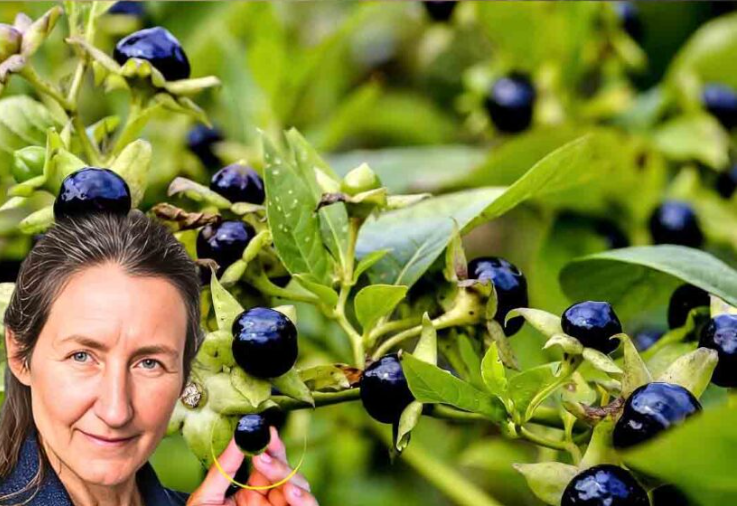
Deadly Nightshade (Atropa belladonna): The Mysterious and Dangerous Plant with a Dark Legacy At first glance, Deadly Nightshade (Atropa belladonna) Read more

Orchids, with their array of species and hybrids exceeding 25,000, stand as a testament to botanical beauty. Cultivators and hobbyists Read more

Using Baking Soda for Plant Care To care for your plants or your vegetable garden, have you considered the DIY Read more
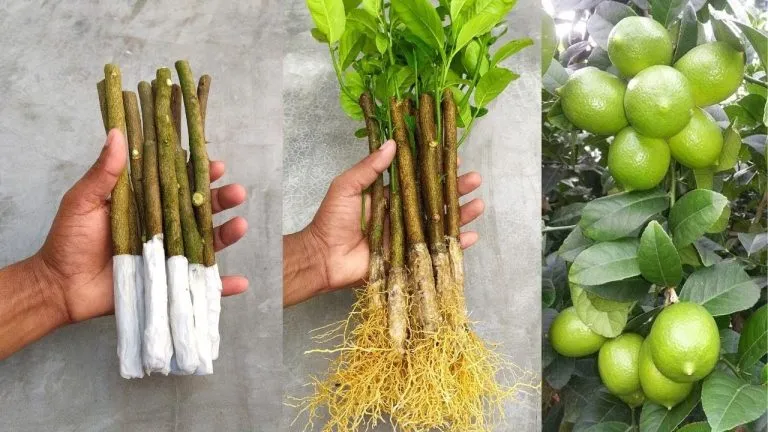
Cultivating lemon trees in your garden or home brings not only visual charm but also the practical advantage of homegrown Read more
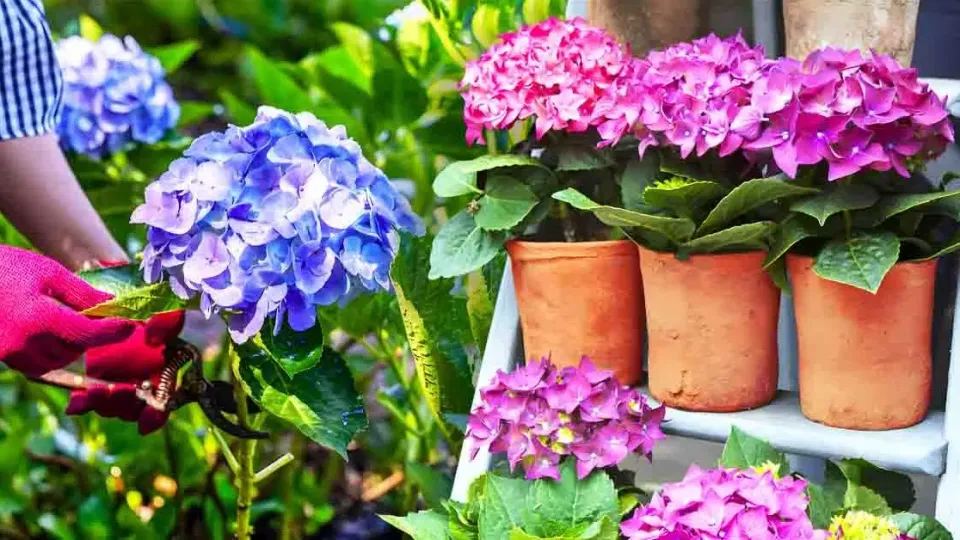
Hydrangeas, with their breathtaking blooms, stand out as one of the most enchanting deciduous flowering bushes. If you've wandered through Read more
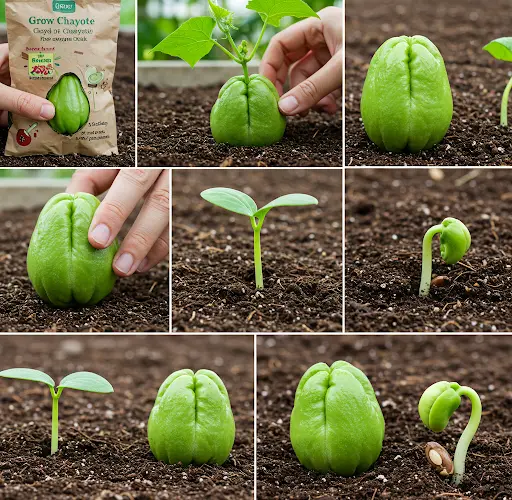
Growing Chayote from Supermarket Fruit: Abundant Harvests Made Easy If you've ever strolled through the produce aisle and spotted a Read more

Neem oil is a completely natural product, derived from a plant native to India. It contains azadirachtin, a potent compound Read more

The Importance and Care of House Plants House plants not only serve as a significant decorative element but also play Read more

The Curious Case of Tomato Slices: A Journey from Kitchen Scrap to Sprout As someone always game for a gardening Read more

In the culinary world, garlic is a staple ingredient that is hard to do without. Cultivating it benefits many plants Read more

Orchids are renowned for their stunning blooms and are a favorite among indoor plant enthusiasts. However, getting these temperamental beauties Read more

Insect-Repelling Greenery: Your Natural Home Defense Transform your home into a sanctuary free from the annoyance of insects such as Read more

Bananas are a delightful treat, but their peels can be a garden's treasure. Rather than discarding banana peels into compost, Read more

Growing avocados can be a gratifying experience, especially when you cultivate them right in your backyard. While starting avocados from Read more

If you don't often get the chance to rejuvenate in the midst of nature, there's an alternative: introducing plants to Read more

For gardening enthusiasts, it's a known fact that many plants thrive in humid and warm climates conducive to their growth. Read more
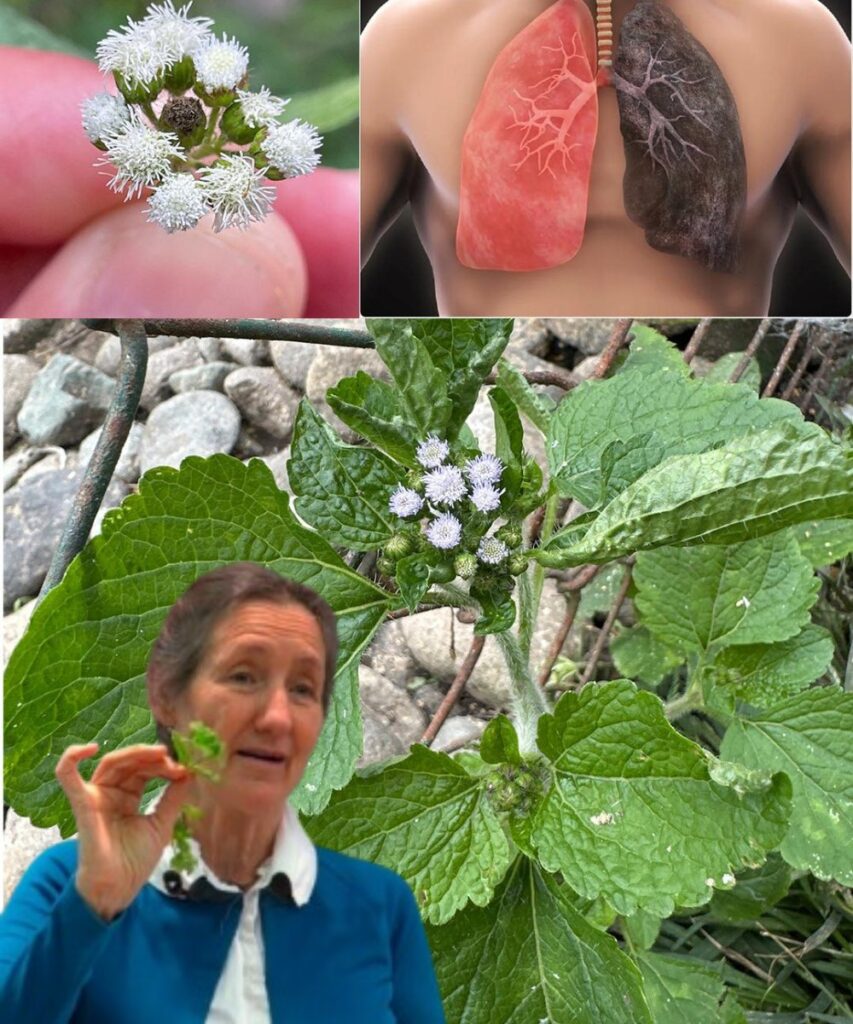
The Incredible Healing Power of Billygoat Weed (Ageratum conyzoides): 15 Health Benefits You Should Know About Billygoat weed, also known Read more

In this exploration, we uncover eight homemade, natural solutions that act as effective rooting agents for plant propagation through cuttings. Read more

Unlocking the Flowering Potential of Anthuriums Anthuriums are renowned for their stunning, heart-shaped blooms which, under ideal conditions, can grace Read more

Tea, the staple of morning routines and afternoon breaks, may have a second life beyond the cup that's often ignored. Read more
Indoor Plants and Their Benefits Indoor plants not only enhance the decor but also bring a touch of lush greenery. Read more

Introducing 15 Health-Enhancing Indoor Plants for a Vibrant Home Oasis Embrace a selection of indoor plants that bring more than Read more

Orchids, celebrated for their intricate beauty and variety, need particular attention for optimal growth. In the realm of orchid care, Read more
Easy Clove Growing: From Seed to Spice – A Beginner’s Guide Cloves are among the most treasured spices in the Read more

Excessive moisture within a house can arise due to capillary action, infiltration, or the phenomenon of condensation. The latter is Read more

Gardening: The Harmony of Craft and Nature Gardening brings out a dance between human creativity and the wonders of nature. Read more

Cultivating Zucchini in Containers: A Comprehensive Guide Zucchini is a popular vegetable for gardening aficionados and novices alike. It's simple Read more

Orchids, with a staggering 28,000 unique species, beautifully demonstrate nature's rich tapestry of diversity. Originating from the Orchidaceae lineage, these Read more
Searching for a distinctive method to incorporate some foliage into your home or workplace? Try cultivating plants hydroponically! Not only Read more

How to Reuse Barbecue Ashes After enjoying a barbecue outdoors on a sunny day, the tendency is often to discard Read more

Caring for orchids, known for their exquisite and delicate nature, involves a precise approach to hydration. Orchids differ from typical Read more

Different perspectives exist on various aspects of nature, and this holds true for the dandelion, often dismissed as a mere Read more

Cultivating an Avocado Plant Indoors: A Step-by-Step Guide Nurturing an avocado seed into a blossoming plant within the confines of Read more

Get a Head Start on Your Garden: Indoor Sowing for Colder Climates There's no need to wait for spring's embrace Read more

Turmeric is a staple ingredient in Asian cuisine. This vibrant yellow spice, often used to flavor curries and stews, is Read more

The Wonders of Blueberries: A Guide to Growing and Enjoying This Nutrient-Rich Fruit Mildly sweet, the blueberry is a dark Read more

Understanding Fertilizers for Plants Fertilizer is a product that can be spread or mixed into the soil to provide plants Read more

Mastering Chilli Cultivation in Diverse Climates: A Detailed Guide It may seem unlikely, but growing chillies across different climates is Read more

Wild Medicinal Plants: Harnessing the Hidden Virtues of Earth’s Greenery In the wilderness of our environment—ranging from the expanse of Read more
