

Using White Vinegar for Garden Maintenance
Gardening is never an easy task. Planting, weeding, and watering plants and flowers require time and specific gardening products. Whether you’re a hobbyist or a professional in this field, it’s important to know that relying on chemical products isn’t the only option. Not only can they be costly, but they can also pose risks to health and the environment. Smart gardeners are turning to eco-friendly solutions like white vinegar to enhance and protect their outdoor spaces.
For those who have a garden, the joy is evident: there’s nothing better than enjoying long sunny days on the lawn or moonlit evenings on the patio. But it’s essential to maintain and beautify this space. White vinegar can assist in this endeavor, and it’s an affordable solution.
10 Uses of White Vinegar for Garden Maintenance
White vinegar is commonly known for dressing our salads and its capabilities in home maintenance. Besides cleaning windows, decalcifying, degreasing, disinfecting, scrubbing, stain removing, and deodorizing surfaces, white vinegar is also recognized for its effective use in garden care. Like baking soda, it is indispensable for maintaining the garden and terrace. Its acetic acid content helps clean pots with lime traces, weed lawns, remove moss, and repel ants and garden pests.
Let’s explore the various ways white vinegar can be used to enhance the garden:
1. Weed Destruction
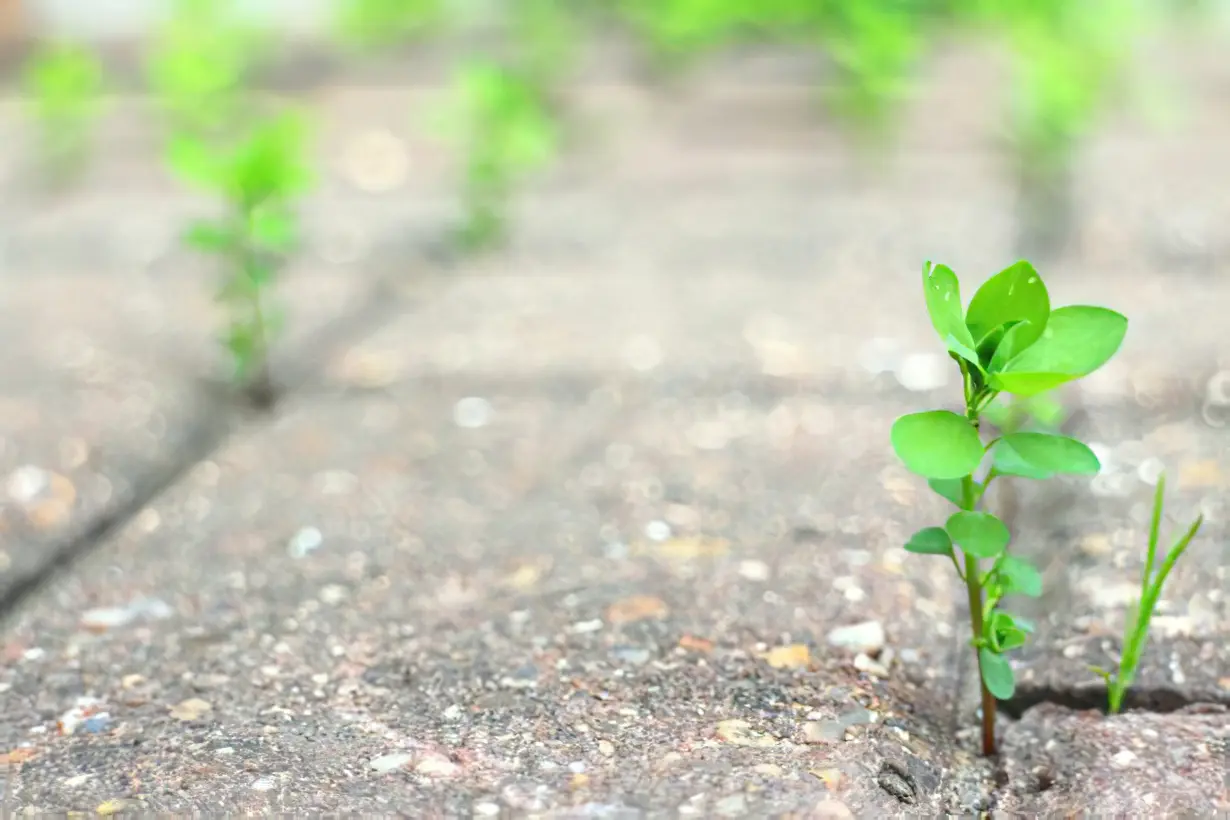
Weeding is essential for plant growth and garden aesthetics, especially if you have lawns, terraces, slabs, or paths with unwanted weeds. Instead of using harmful chemicals, opt for white vinegar, an environmentally-friendly natural herbicide. Mix 4 liters of water, two tablespoons of dishwashing liquid, and some cups of vinegar. Spray this on weeds during a sunny day, avoiding desirable plants. Repeat as necessary.
2. Cleaning Garden Tools

Garden tools can rust over time, making them ineffective. Many gardeners struggle to restore them, but white vinegar is a great solution. Soak tools like hoes, rakes, and shovels in vinegar at the end of the gardening season overnight to remove dirt and rust.
3. Soil pH Testing
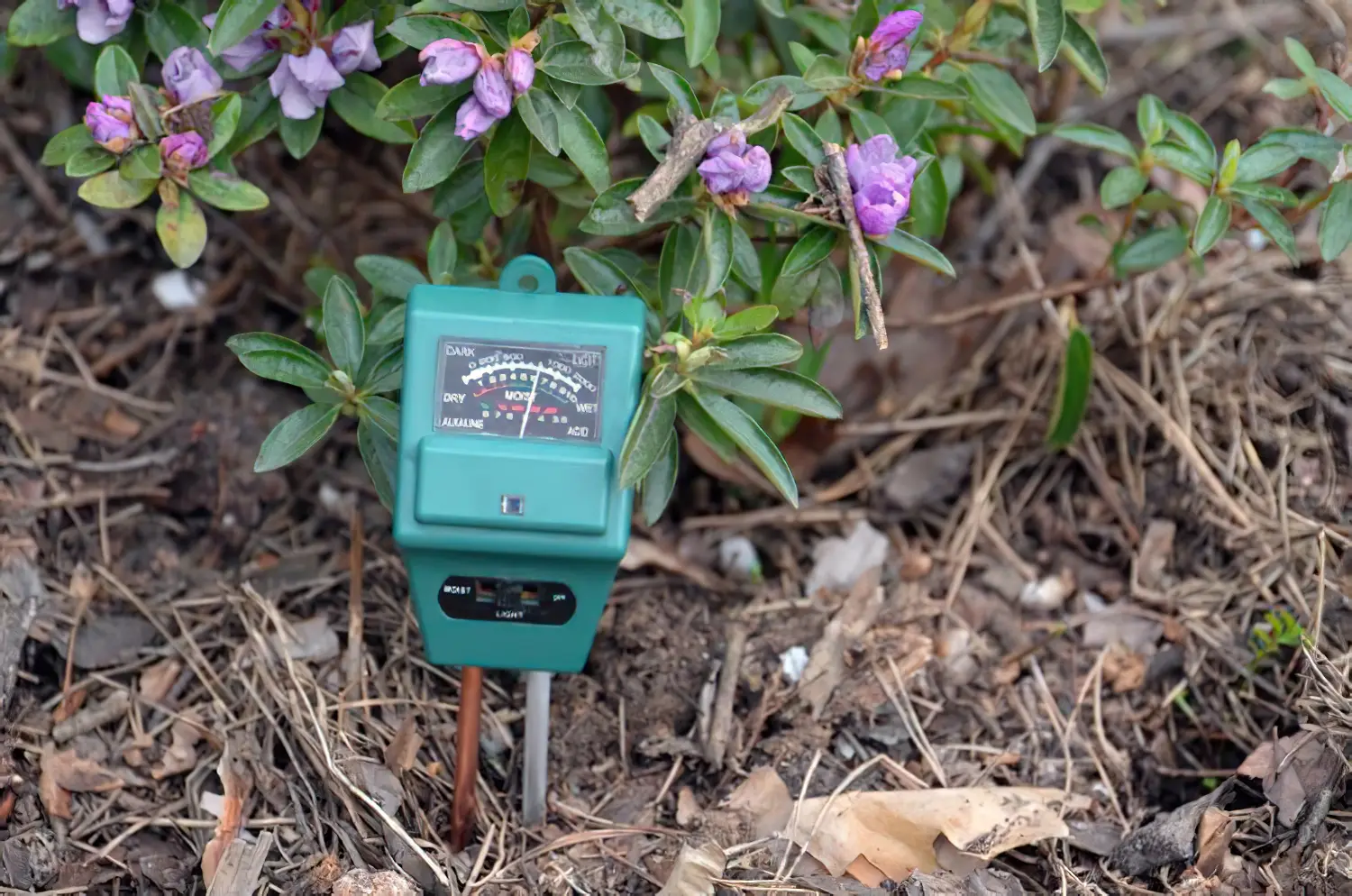
Soil pH can be alkaline, neutral, or acidic. For instance, gardenias require acidic soil. To test for alkaline soil, add two teaspoons of vinegar to some soil in a cup. If it bubbles, the soil is alkaline. To test for acidity, mix soil, baking soda, and water until muddy. If it bubbles, the soil is acidic. No reaction indicates neutral soil.
4. Repelling Insects

Both indoors and out, white vinegar is excellent for repelling garden pests. Spray a mixture of white vinegar and liquid soap on strategic spots in your garden and green spaces.
5. Cleaning Clay Pots
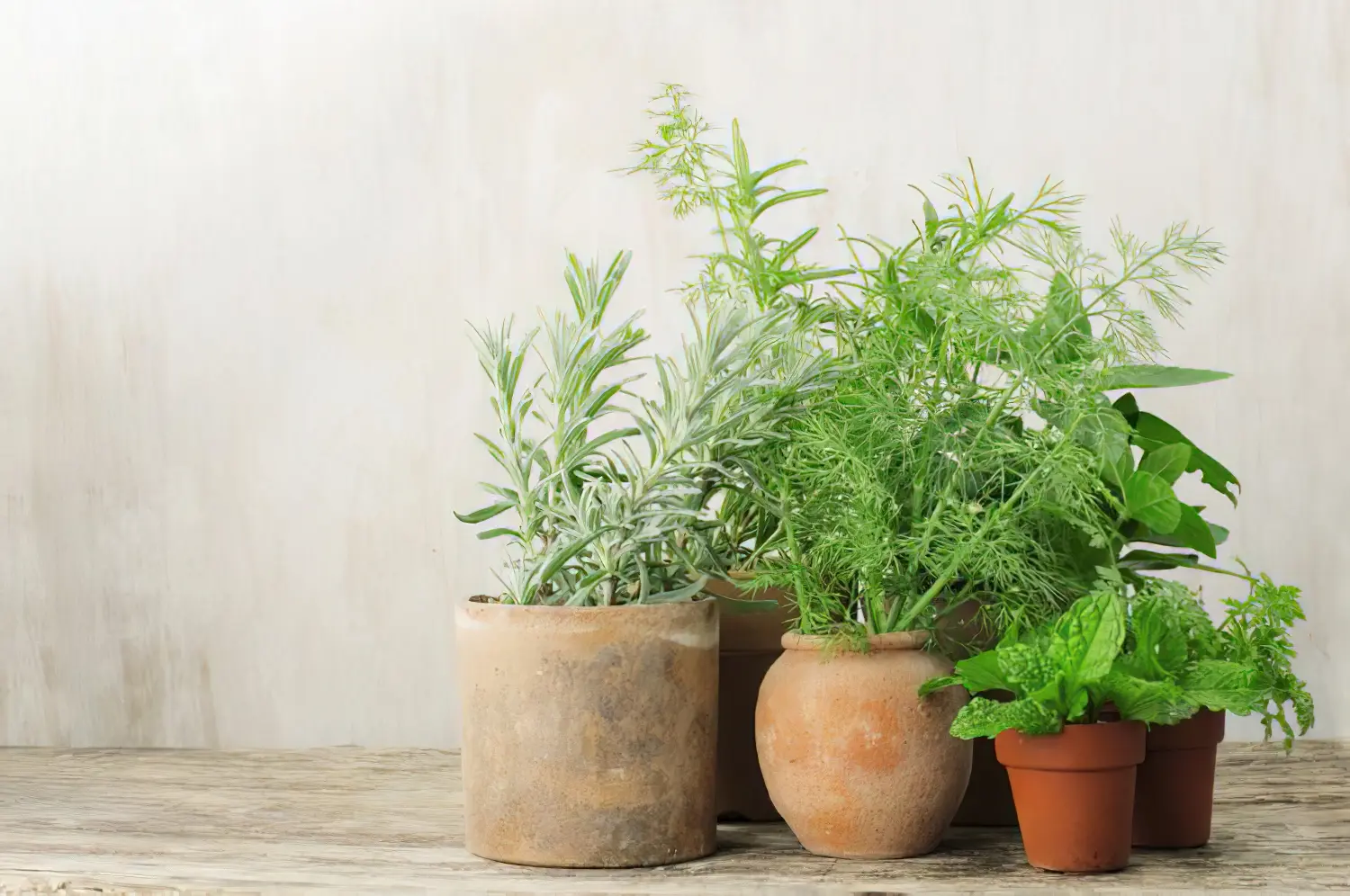
Over time, terracotta pots can get dirty from water, soil, or fertilizer. White vinegar acts as a stain remover. Soak a sponge in vinegar and scrub the pots, then rinse. Or let pots soak in vinegar water overnight to restore their original color.
6. Removing Mold and Fungi from Soil
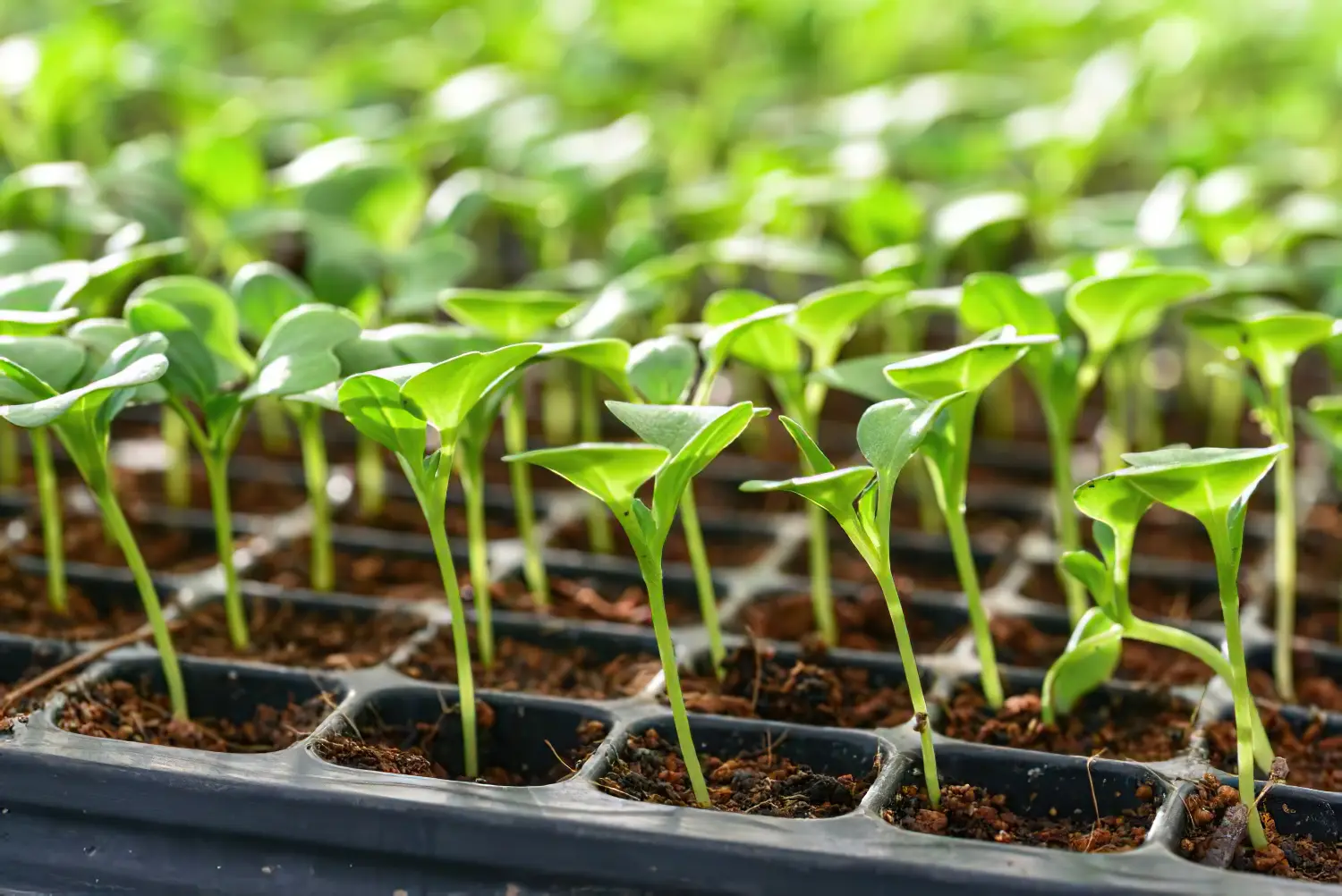
Seedlings can wilt and die from “damping off”, caused by mold and fungi. Combat these with a mixture of two teaspoons of vinegar and a cup of chamomile tea. Spray the garden or affected plants to rid them of fungi.
7. Assisting Seed Germination
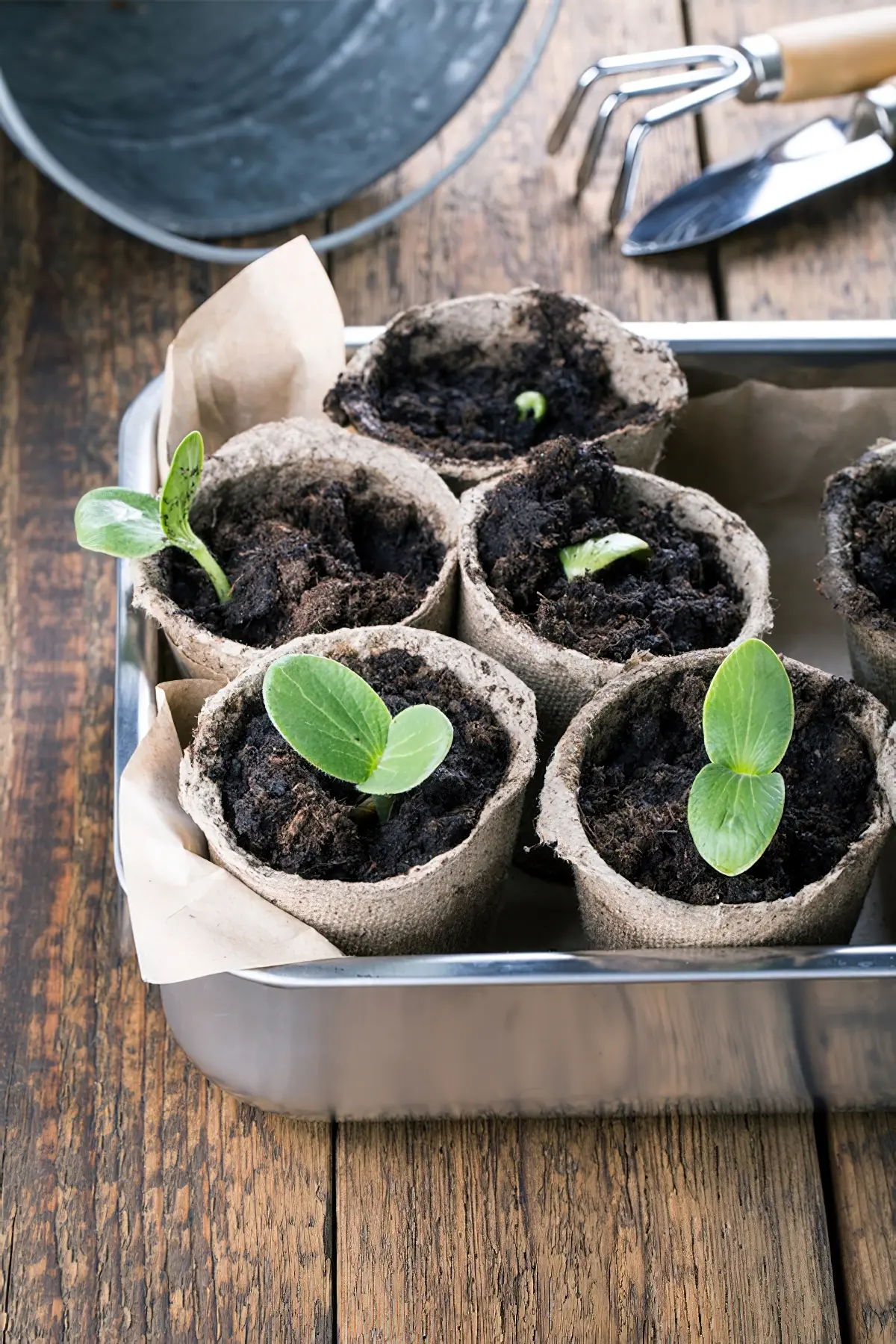
To help seeds germinate better, mix 500 ml of water with 125 ml of vinegar and soak the seeds overnight before planting. For hard-to-germinate seeds, scrub them with coarse sandpaper and soak them in the mixture.
8. Extending Flower Lifespan
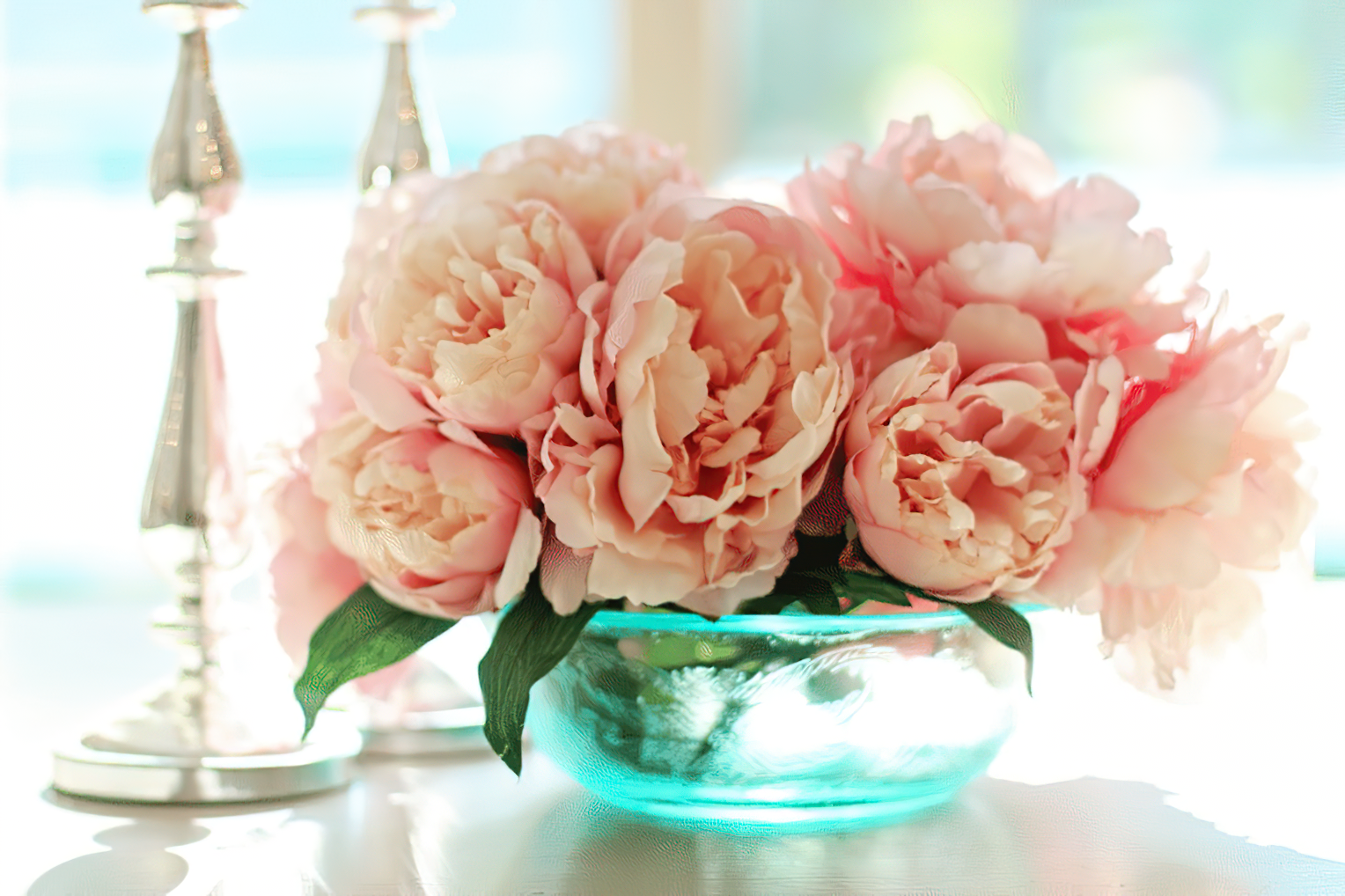
Extend the life of cut flowers in a vase by adding two tablespoons of white vinegar and a teaspoon of sugar to one liter of water.
9. Keeping Cats Away
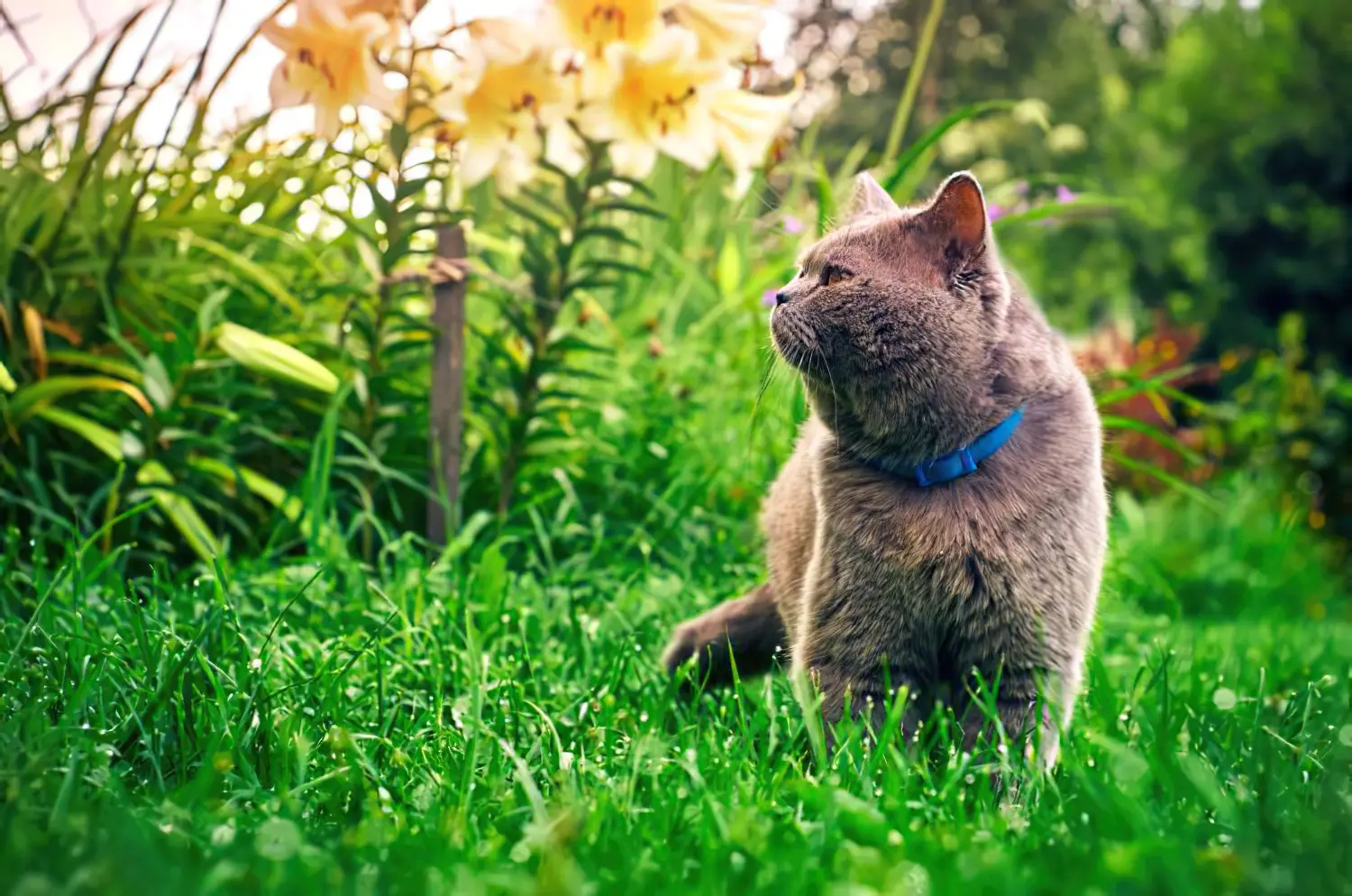
While you might love your pets, you don’t want them digging up your garden. Spray vinegar in areas you want to keep cat-free. Alternatively, soak a sponge in white vinegar or place vinegar-soaked cotton balls in strategic spots as repellents. Pets generally dislike the smell, ensuring they stay away. It’s safe for them too.
10. Eradicating Ants
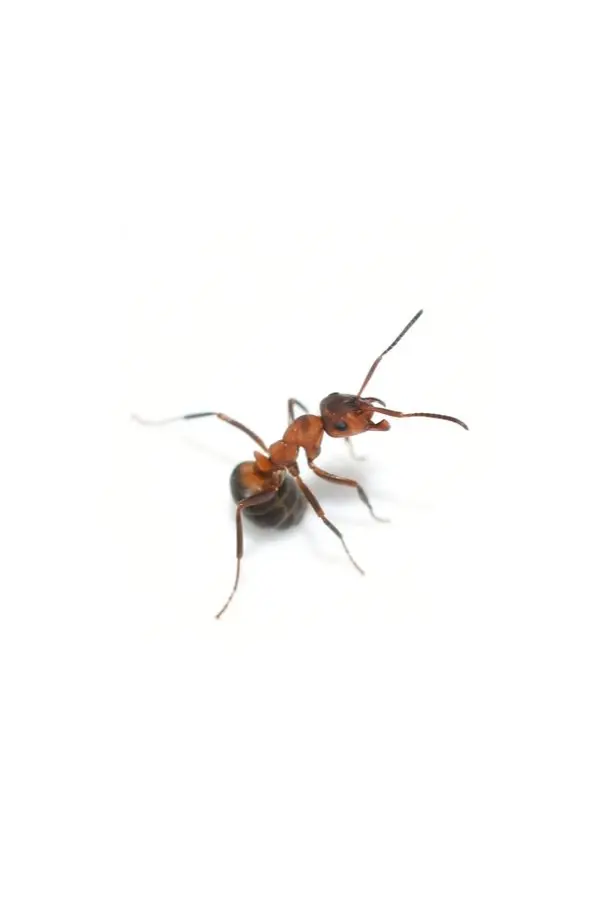
To deter ants, identify their trail or anthill and spray an equal mix of water and vinegar. Ensure you also spray the edges of windows and doors, especially if they’ve invaded a garden shed.
Other Uses of Vinegar in the Garden
1. Cleaning Copper Surfaces

Having a garden beautifully decorated with shiny accents is appealing, and copper items or pots can contribute to this. Over time, copper tends to tarnish. To restore your decorations to their original color, you can clean them with vinegar and coarse salt. Start by sprinkling salt on the bottom of the pots and then pour white vinegar over it to make it shine. You will begin to see the pot’s color change immediately. Scrub with the abrasive side of a sponge and then rinse with clear water. Using salt water and vinegar, your items will regain their original shine and brightness.
2. Protecting Fruit Trees
If you have fruit trees in your garden, it’s essential to protect them from fruit flies. To do this, mix a cup of water, half a cup of white vinegar, two tablespoons of green molasses, and a little sugar. Pour the mixture into tin cans and hang them on your trees. This trick will help you permanently get rid of fruit flies.
3. Nourishing Acid-loving Plants
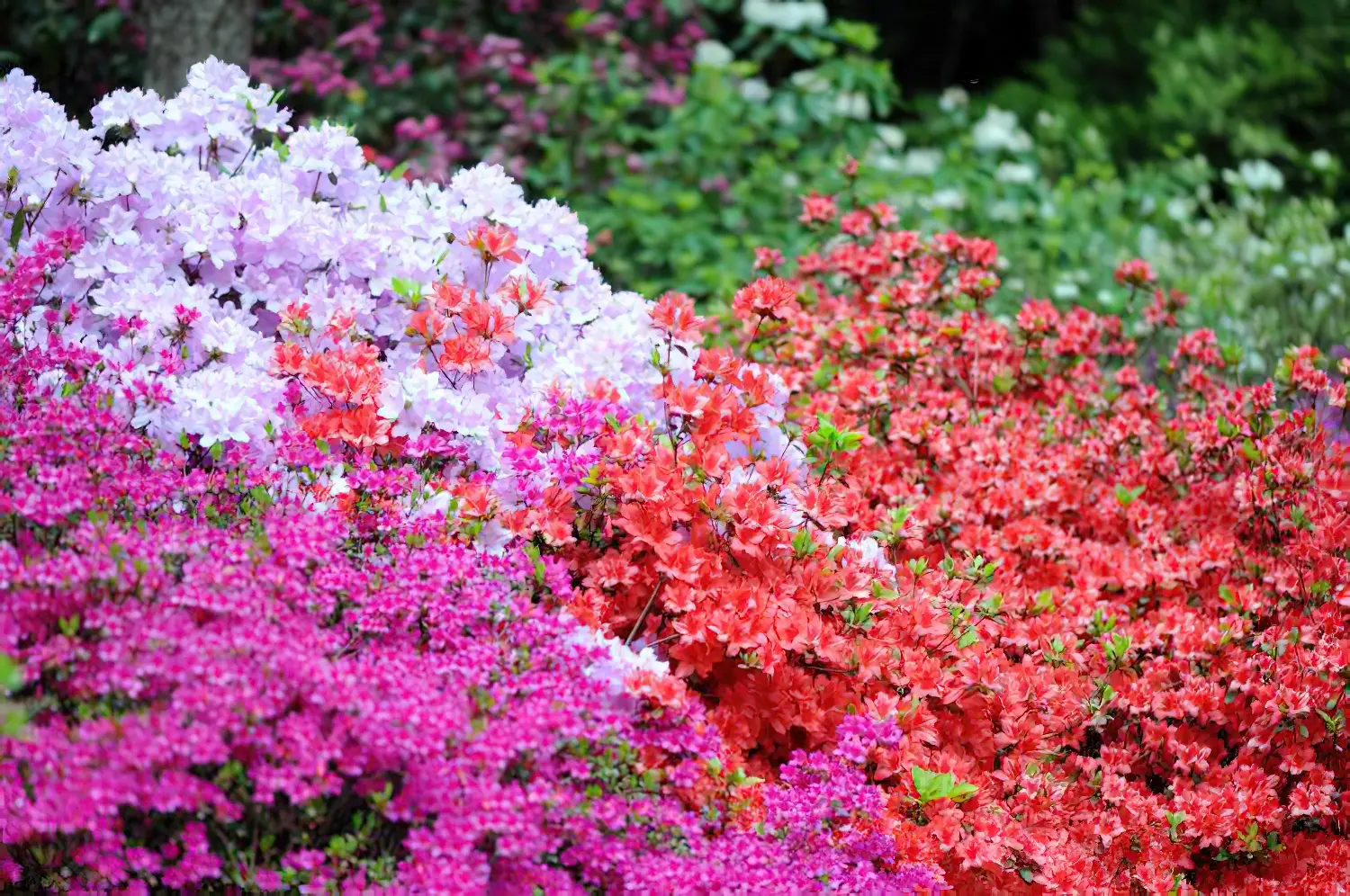
Plants like hydrangeas, rhododendrons, gardenias, hollies, and azaleas prefer acidic soil to thrive. To cater to this, spray the soil with a mixture of 4 liters of water and a cup of white vinegar.
4. Trap Wasps While Protecting Bees
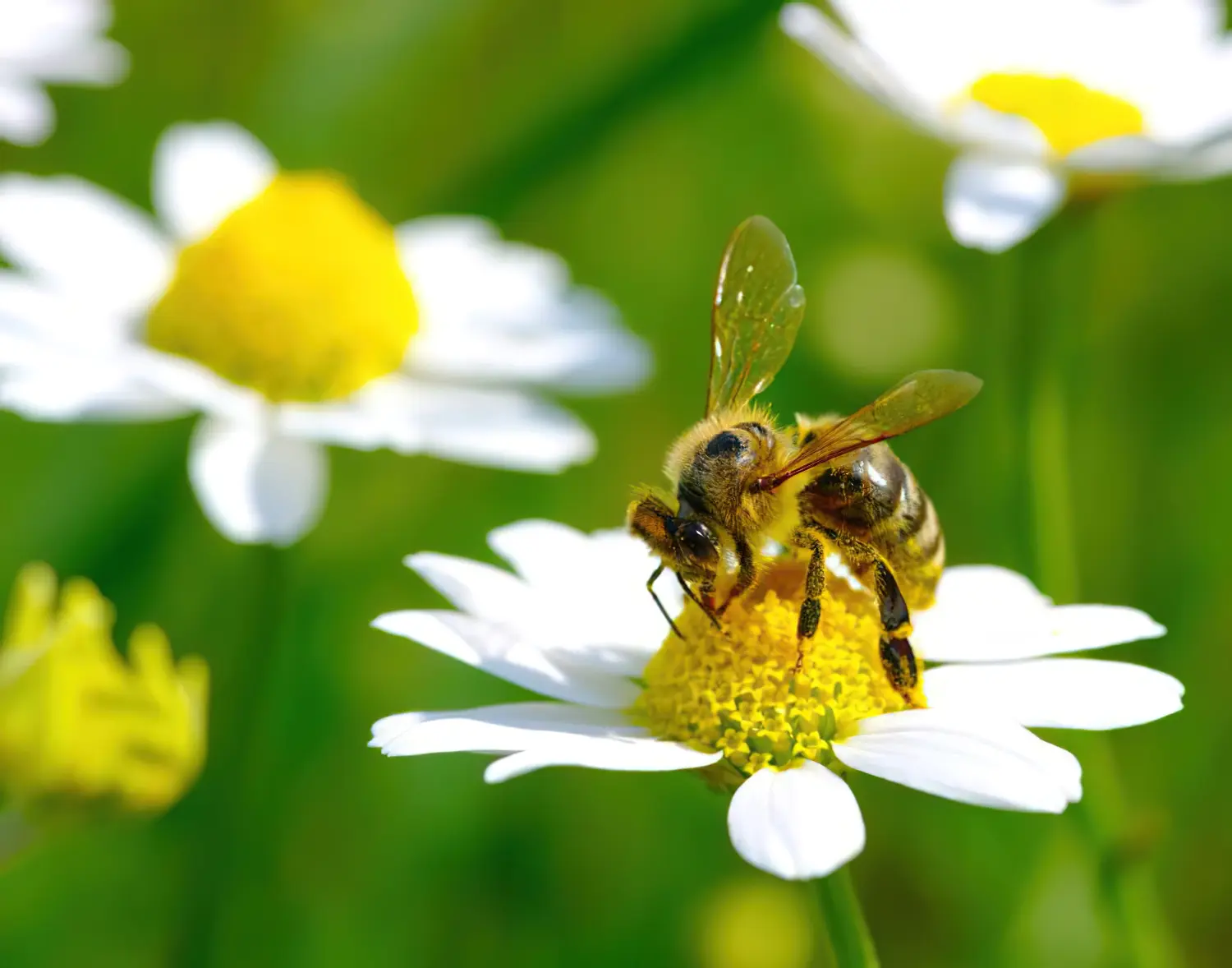
Bees play a crucial role in maintaining the balance of the ecosystem; they are essential for flower pollination. On the other hand, wasps can be problematic. To get rid of wasps, add vinegar to wasp traps. This will prevent bees from entering them, ensuring bees remain safe.
5. Deter Snakes
Even though these reptiles typically feed on pests and are not harmful to the garden, it’s safer to avoid encountering them. To deter them, spray a mixture containing white vinegar around the garden’s perimeter, on hedges, and places where snakes might enter.
6. Cleaning Hands
After gardening tasks, it’s natural to wash hands to get rid of dirt and debris. Distilled vinegar proves very effective in eliminating potential germs and bacteria.
Exploring the World of Eggplants: A Gardener's Guide Eggplants, with their divisive nature, are often a subject of culinary debate. Read more
Indoor Plants and Their Benefits Indoor plants not only enhance the decor but also bring a touch of lush greenery. Read more

Turmeric is a staple ingredient in Asian cuisine. This vibrant yellow spice, often used to flavor curries and stews, is Read more

Lavender, a charming addition to any garden, is known for its enchanting aroma and vibrant purple hues. This plant comes Read more

Deadly Nightshade (Atropa belladonna): The Mysterious and Dangerous Plant with a Dark Legacy At first glance, Deadly Nightshade (Atropa belladonna) Read more

Navigating Aloe Vera Care: Bypassing Usual Oversights Aloe vera, celebrated for its therapeutic properties and eye-catching demeanor, is occasionally compromised Read more

Introducing 15 Health-Enhancing Indoor Plants for a Vibrant Home Oasis Embrace a selection of indoor plants that bring more than Read more

Growing avocados can be a gratifying experience, especially when you cultivate them right in your backyard. While starting avocados from Read more

Get a Head Start on Your Garden: Indoor Sowing for Colder Climates There's no need to wait for spring's embrace Read more

For gardening enthusiasts, it's a known fact that many plants thrive in humid and warm climates conducive to their growth. Read more
Easy Clove Growing: From Seed to Spice – A Beginner’s Guide Cloves are among the most treasured spices in the Read more

Caring for orchids, known for their exquisite and delicate nature, involves a precise approach to hydration. Orchids differ from typical Read more

Different perspectives exist on various aspects of nature, and this holds true for the dandelion, often dismissed as a mere Read more

Mastering Chilli Cultivation in Diverse Climates: A Detailed Guide It may seem unlikely, but growing chillies across different climates is Read more
Unlocking the Mystery of the Festive Cactus The festive cactuses often baffle indoor gardeners. There's a lingering myth that these Read more
Growing Chayote from Supermarket Fruit: Abundant Harvests Made Easy If you've ever strolled through the produce aisle and spotted a Read more
Hydrangeas, with their breathtaking blooms, stand out as one of the most enchanting deciduous flowering bushes. If you've wandered through Read more

Bananas are a delightful treat, but their peels can be a garden's treasure. Rather than discarding banana peels into compost, Read more

The Curious Case of Tomato Slices: A Journey from Kitchen Scrap to Sprout As someone always game for a gardening Read more
The Incredible Healing Power of Billygoat Weed (Ageratum conyzoides): 15 Health Benefits You Should Know About Billygoat weed, also known Read more

Orchids are renowned for their stunning blooms and are a favorite among indoor plant enthusiasts. However, getting these temperamental beauties Read more

Indoor Plants: A Decorative Air Purifier Indoor plants have become an essential part of modern decor, increasingly sought-after to greenify Read more

Orchids, with a staggering 28,000 unique species, beautifully demonstrate nature's rich tapestry of diversity. Originating from the Orchidaceae lineage, these Read more

Unlocking the Flowering Potential of Anthuriums Anthuriums are renowned for their stunning, heart-shaped blooms which, under ideal conditions, can grace Read more

Using Baking Soda for Plant Care To care for your plants or your vegetable garden, have you considered the DIY Read more
Self-Seeding Flowers: Effortless Beauty That Returns Every Year When I first fell in love with gardening, my mother came to Read more

Tea, the staple of morning routines and afternoon breaks, may have a second life beyond the cup that's often ignored. Read more

Transforming Garlic Peels into Gold for Gardeners: In the rhythm of kitchen prep, garlic peels are often discarded without a Read more
Searching for a distinctive method to incorporate some foliage into your home or workplace? Try cultivating plants hydroponically! Not only Read more

Insect-Repelling Greenery: Your Natural Home Defense Transform your home into a sanctuary free from the annoyance of insects such as Read more

Cultivating an Avocado Plant Indoors: A Step-by-Step Guide Nurturing an avocado seed into a blossoming plant within the confines of Read more

Wild Medicinal Plants: Harnessing the Hidden Virtues of Earth’s Greenery In the wilderness of our environment—ranging from the expanse of Read more

Gardening: The Harmony of Craft and Nature Gardening brings out a dance between human creativity and the wonders of nature. Read more

The Wonders of Blueberries: A Guide to Growing and Enjoying This Nutrient-Rich Fruit Mildly sweet, the blueberry is a dark Read more

If you don't often get the chance to rejuvenate in the midst of nature, there's an alternative: introducing plants to Read more

Understanding Fertilizers for Plants Fertilizer is a product that can be spread or mixed into the soil to provide plants Read more

In this exploration, we uncover eight homemade, natural solutions that act as effective rooting agents for plant propagation through cuttings. Read more

In the culinary world, garlic is a staple ingredient that is hard to do without. Cultivating it benefits many plants Read more

Orchids, with their array of species and hybrids exceeding 25,000, stand as a testament to botanical beauty. Cultivators and hobbyists Read more

How to Reuse Barbecue Ashes After enjoying a barbecue outdoors on a sunny day, the tendency is often to discard Read more
