
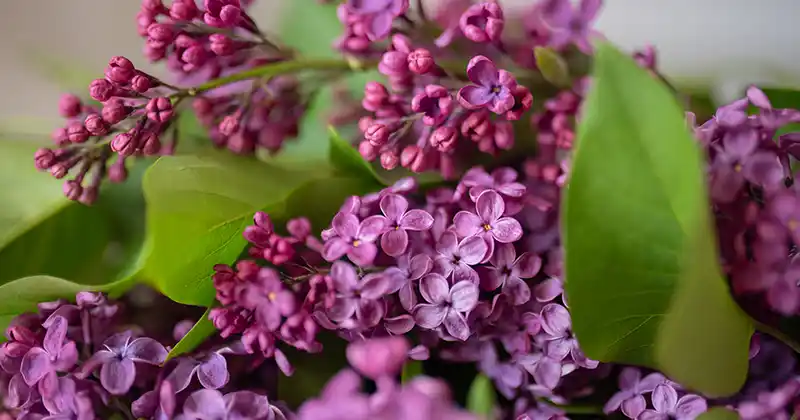
Are Lilacs Edible? Health Benefits of the Beautiful Syringa Blossoms
With their sweet fragrance and delicate clusters of flowers, lilacs (Syringa spp.) are beloved in gardens around the world. But beyond their beauty and scent, a common question arises among nature lovers and gardeners: Are lilacs edible? The answer is yes—certain parts of the lilac plant are indeed edible and even offer potential health benefits. However, as with all wild or ornamental plants, it’s important to know which parts to consume, how to prepare them, and what they might do for your well-being.
Edibility of Lilac Blossoms
The most commonly used edible part of the lilac plant is the flower. Lilac blossoms are non-toxic and safe to eat when harvested properly. They have a slightly bitter, lemony flavor with floral undertones, which makes them ideal for culinary infusions, desserts, and even refreshing drinks.
Important note: Only the flowers of the lilac are edible. Avoid consuming leaves, stems, or seeds, as they can contain compounds that are not recommended for ingestion. Also, never eat lilacs that have been treated with pesticides or chemical sprays.
Culinary Uses of Lilac Flowers
Lilac blossoms can be used in various creative ways:
-
Lilac Syrup: Made by steeping the blossoms in a simple sugar solution, lilac syrup can flavor lemonades, teas, cocktails, or desserts.
-
Lilac Jelly: A unique preserve that captures the floral essence of the flower—perfect for toast or pastries.
-
Candied Blossoms: Lightly sugared and dried, these can be used to decorate cakes and other sweet treats.
-
Flavored Vinegar: Steeping lilac flowers in white wine vinegar produces a fragrant and subtly flavored ingredient for salads or marinades.
-
Lilac Ice Cubes: Freeze blossoms in ice cubes for a decorative touch in summer drinks.
Potential Health Benefits of Lilacs
While lilacs are not considered a staple medicinal herb like chamomile or lavender, they have been used in traditional and folk medicine for centuries in various cultures. Here are some potential health benefits associated with lilac blossoms:
-
Mild Digestive Aid
Some herbalists have used lilac infusions to help with mild digestive complaints, such as bloating or indigestion. The slightly bitter flavor may stimulate the appetite and promote digestive juices. -
Mood Enhancer
The scent of lilac is believed to have mood-lifting properties. Aromatherapists sometimes use lilac essential oil or flower water to reduce stress and promote emotional well-being. -
Antioxidant Properties
Lilac flowers contain small amounts of natural antioxidants, which may help combat oxidative stress and support cellular health when consumed in moderate quantities. -
Natural Insect Repellent
While not directly related to human health, the essential oils in lilac flowers are sometimes used in homemade sprays to help repel insects, offering a chemical-free alternative for your home or garden. -
Skin-Soothing Qualities
In traditional topical applications, lilac water or lilac oil has been used for its soothing effect on the skin. It was thought to calm redness and irritation when applied as part of natural beauty routines.
Cautions and Considerations
Even though lilacs are generally safe, a few precautions should be kept in mind:
-
Allergies: People sensitive to pollen or floral allergens should test small amounts first, especially when trying lilac-infused foods.
-
Proper Identification: Ensure you’re using a true Syringa species. Other plants with similar-looking flowers may not be edible or safe.
-
Moderation is Key: Like all edible flowers, lilacs should be consumed in small amounts. They’re meant to enhance, not dominate, your diet.
Final Thoughts
Lilacs are more than just a pretty face in the garden—they’re edible, aromatic, and carry a range of mild health benefits. From teas and syrups to skin tonics and mood-lifting aromas, the beautiful Syringa blossoms can offer gentle support for body and soul. So next time your lilac bush bursts into bloom, consider bringing its delicate flowers into your kitchen and wellness rituals—for a taste of spring that’s as nourishing as it is beautiful.

When you sink your teeth into a soft, caramel-sweet date, the last thing on your mind is usually the tough Read more

Euphorbia hirta, commonly known as the “Asthma-plant,” is a medicinal herb renowned in traditional medicine for its diverse health benefits, Read more

White Clover (Trifolium repens): 15 Benefits and Homemade Uses White clover (Trifolium repens) is more than just a common plant Read more

How to Clean Bathroom Tiles Quickly and Effectively Cleaning bathroom tiles is a task we all love to postpone. It Read more

Faced with increasingly harsh industrial detergents, consumers are turning back to traditional products that are healthier and have long proven Read more

Tackling Dog Urine Odor: A Comprehensive Guide The joy of having a canine companion is undeniable, but alongside it come Read more

Perfumed Tissues: An Easy DIY Technique The Joy of Scented Tissues: Paper tissues are handy in daily life. While some Read more

Avocados are celebrated for their creamy texture, rich flavor, and numerous health benefits. While typically enjoyed raw, grilling avocados introduces Read more
The Ultimate Healing Tonic: A Powerful Natural Drink for Swollen Feet, Diabetes & Poor Circulation Chronic swelling in the feet, Read more

A Vibrant Coat, More Than Just a Visual Trait Before delving into the nature of these cats, let us first Read more
Cleavers (Galium aparine): The Herbal Remedy for Detox and Lymphatic Health Cleavers, also known as Galium aparine, is a humble Read more
Discover the Untapped Potential of Chili Pepper Leaves: Nutritional Powerhouse for Your Health and Kitchen When you think of chili Read more

The Benefits of Combining Eggs and Coffee: A Nutritious and Energizing Pair When it comes to starting your day right, Read more

The ingenuity of Swedish furniture design, particularly evident in the flat-pack phenomenon, has transformed how we furnish our homes with Read more

Purslane (Verdolaga) is no longer a garden menace but a valuable gem! This remarkable plant is reclaiming its place in Read more

Mimosa Pudica, commonly known as the “Sensitive Plant” or “Touch-Me-Not,” is famous for its unique reaction to touch—its leaves fold Read more

Why It's Crucial to Clean Your Oven and How to Do It Naturally The Importance of Cleaning Your Oven The Read more

The Art of Container Flower Combinations Designing with flowers in pots is a delightful blend of horticulture and floral design. Read more
Bull Thistle (Cirsium vulgare): A Wild Plant with Surprising Benefits The bull thistle (Cirsium vulgare) is often dismissed as a Read more

Juniper, a versatile and aromatic plant, has been valued for centuries for its culinary, medicinal, and therapeutic uses. Known for Read more

Dented Car Body: How to Fix It Yourself Over time, the body of your car can endure a lot. From Read more

Creating a fresh and inviting atmosphere in your kitchen doesn't require expensive air fresheners or synthetic scents. With just a Read more

Eager to master the art of nurturing a Peace Lily? Known scientifically as Spathiphyllum Wallisii, this enchanting plant is often Read more

In the realm of gardening, we often stick to traditional methods like basking in sunlight, diligent watering, and soil enriched Read more
Baking soda and lemon peels are two household items often overlooked but incredibly powerful when combined. This natural duo can Read more

Cassava: An Essential Plant at the Heart of a Deadly Paradox Whether in the form of flour, tapioca pearls, or Read more

Goldenberries, also known as Physalis or Uchuva, are small, orange-yellow fruits enclosed in a delicate, papery husk. Originating from the Read more

The Hidden Power of Pomegranate Peel: 10 Health Benefits and How to Use It Pomegranate is often celebrated for its Read more
Thyme is known by some as the “enemy of toxins,” and it has been part of stories since ancient Greece. Read more

Ever wish your home could keep that fresh, clean scent for more than a few hours? There’s a simple, natural Read more

Red Clover: 15 Amazing Benefits and How to Use This Healing Herb Red clover (Trifolium pratense) is more than just Read more

Garlic's Aromatic Enigma: Its Transformation When Burnt The unmistakable scent of garlic is well-known in kitchens worldwide. Esteemed for its Read more

How can a simple homemade mixture really help make your teeth whiter? Here is the secret that has already captivated Read more

8 Surprising Benefits of Water Cloves You Probably Didn’t Know About Cloves are widely recognized for their warm, spicy aroma Read more

In today's digital age, it's a common sight in households and offices: chargers left in outlets without their corresponding devices. Read more
Garlic: An Ancient Remedy for Better Sleep Since ancient times, garlic has been recognized not only as an essential culinary Read more

Often, due to poor ventilation or certain climatic conditions, dreaded mold can develop on the walls of our homes. In Read more

Datura stramonium, commonly known as Jimson weed, thorn apple, or devil's trumpet, is a plant native to North America but Read more

Clogged Shower Drain? Try Baking Soda! Experiencing a stagnant pool of water after a refreshing shower can be a mood Read more

A True Nutritional Treasure in Every Bite Beef tongue stands out primarily for its remarkable nutritional richness. It is an Read more
