
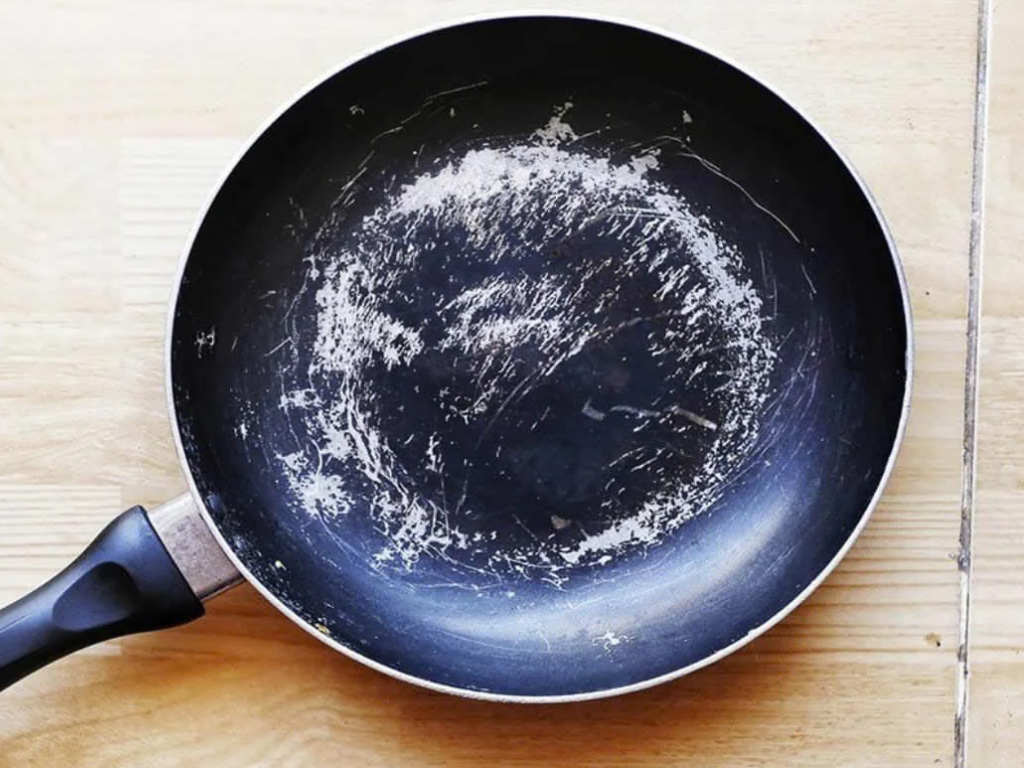
The Secret of Seasoning: An Essential Traditional Method
What if the key to reviving a frying pan lay in an age-old technique? Seasoning, highly praised by chefs, creates a naturally non-stick layer through a simple yet effective process. Here is how you can restore your pan to its original efficiency:
Step 1: Thorough Cleaning Above All
The first step is to ensure your pan is impeccably clean. Wash it carefully with hot water and a little soap to remove any traces of grease or food residues. Then, dry it meticulously with a clean cloth to prevent any initial signs of rust.
Step 2: Oil, a True Ally
Select an appropriate oil, such as canola oil or grape seed oil, valued for their high smoke points. Using a paper towel, apply a thin, even layer of oil over the entire interior surface of the pan.
Step 3: Heat to Set the Protection
Place the pan on medium heat and allow it to warm for 5 to 10 minutes, until a slight smoke begins to rise. Remove it from the heat, let it cool, then carefully wipe away any excess oil. Repeat this procedure 2 to 3 times to build a strong, durable protective coating.
Grandmother’s Tips: Natural Solutions for Your Pans
If your pan still sticks despite these efforts, or if you want to explore other methods, here are some proven tips that require only simple ingredients:
Coarse Salt to Smooth the Surface
Coarse salt proves to be a versatile helper in improving the condition of your pan:
- Heat your pan over medium flame.
- Pour a thin layer of coarse salt into the bottom of the pan.
- Using a paper towel, gently rub the salt over the entire surface, taking care to wear gloves to avoid burns.
- Once this process is complete, discard the salt and rinse the pan with warm water.
This method effectively removes microscopic roughness and helps restore the interior surface of the pan.
Parchment Paper or Silicone Mats for Gentle Cooking

For your most delicate preparations, consider lining your pan with parchment paper or using a silicone mat. These accessories reduce food adhesion, especially during long cooking sessions or frying, thereby minimizing the risk of sticking.
Extend the Lifespan of Your Pans with These Essential Tips

- Avoid Excessively High Temperatures: Opt for cooking over medium heat to prevent surface burns and extend your pan’s longevity.
- Monitor Your Equipment’s Condition: When deep scratches or bare metal spots appear, it’s time to consider a replacement to ensure healthy cooking.
- Choose Durable Alternatives: Stainless steel or cast iron pans, when properly maintained, offer excellent durability while naturally developing a non-stick effect over time.
Stick-Free Cooking: An Achievable Goal
With these simple and natural techniques, you can restore your pan’s full functionality and prolong its use for many years. By combining care, regular maintenance, and little tricks, you avoid waste while making significant savings. So why not try these methods today? Enjoy perfectly cooked meals!
Risks Associated with Using Boiling Water in Plumbing Premature Deterioration of Materials Frequently pouring boiling water down your sink can Read more

In today's digital age, it's a common sight in households and offices: chargers left in outlets without their corresponding devices. Read more

She Feels Undervalued Feeling loved is, above all, about feeling recognized and appreciated. When a woman senses that her efforts, Read more
The Hidden Power of Bottlebrush: 15 Benefits and Easy Homemade Uses Nature often hides extraordinary healing power in plain sight—and Read more

The Power of Hawthorn (Genus Crataegus): A Natural Ally for Heart and Cholesterol Health Hawthorn, belonging to the genus Crataegus, Read more

Datura stramonium, commonly known as Jimson weed, thorn apple, or devil's trumpet, is a plant native to North America but Read more

Why It's Crucial to Clean Your Oven and How to Do It Naturally The Importance of Cleaning Your Oven The Read more
The Hidden Power of Dog Rose (Rosa canina): 10 Surprising Health Benefits and How to Use It Nature has given Read more
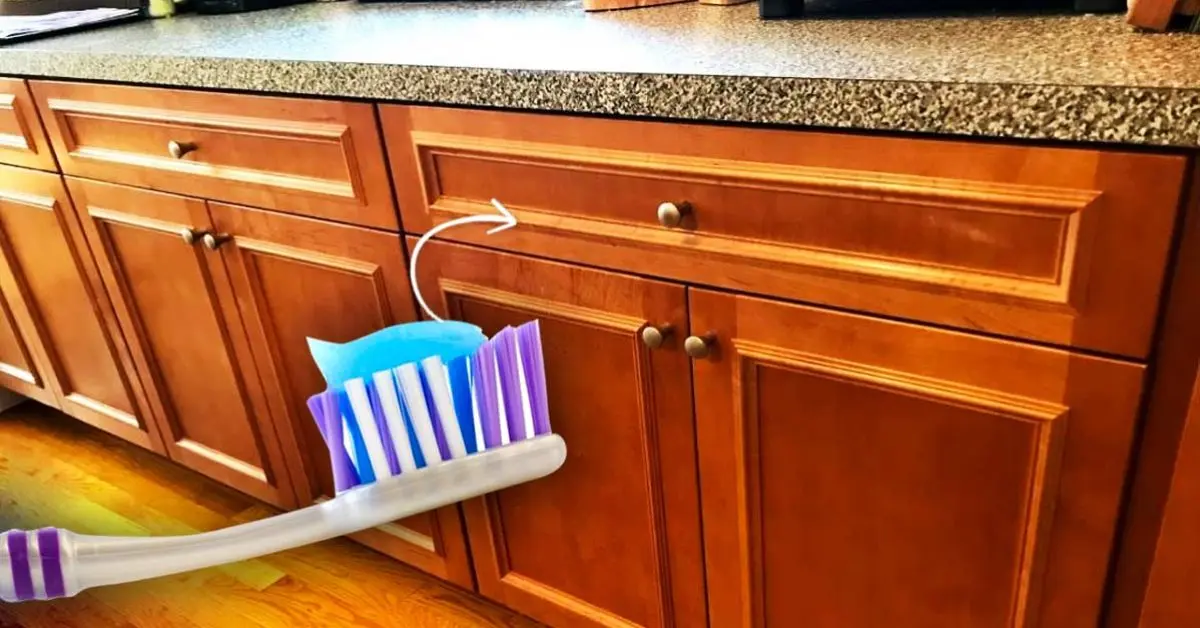
Cleaning Grease Off Kitchen Wooden Cabinets: Effective Techniques Removing dirt and embedded grease stains from kitchen wooden cabinets isn't always Read more

The Importance of Curtain Cleaning in Your Home Generally, when cleaning the house, after dusting the furniture, one often overlooks Read more
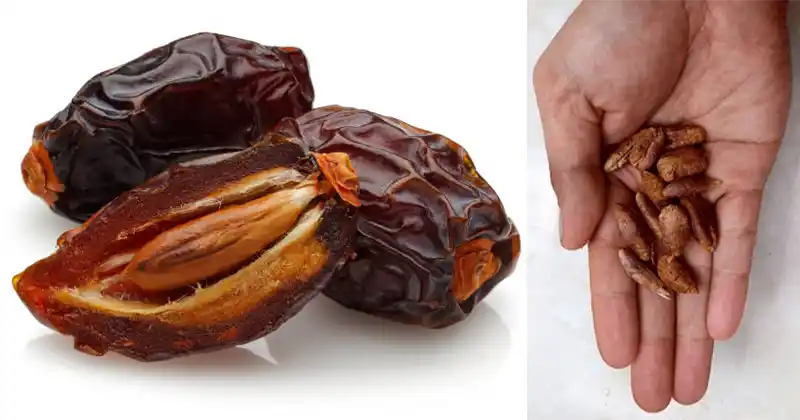
When you sink your teeth into a soft, caramel-sweet date, the last thing on your mind is usually the tough Read more

Mimosa Pudica, commonly known as the “Sensitive Plant” or “Touch-Me-Not,” is famous for its unique reaction to touch—its leaves fold Read more
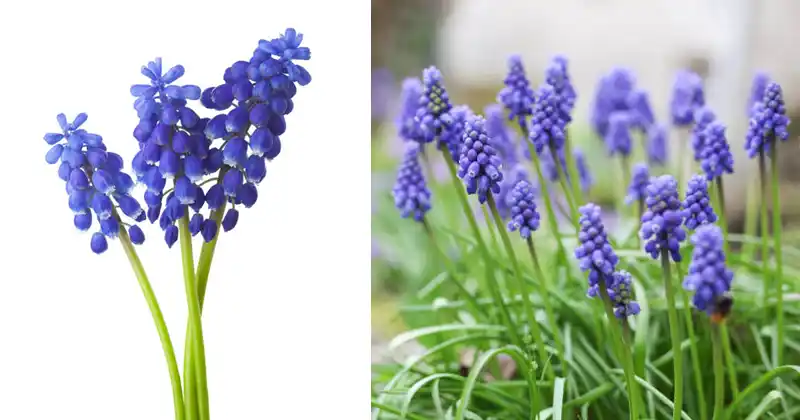
Grape Hyacinth (Muscari): A Beautiful Flower You Can Eat – But Only If You Know Which One The grape hyacinth, Read more

Ageratum conyzoides, commonly known as Billygoat Weed or Goatweed, is a flowering plant native to tropical regions of the Americas Read more

Transforming Garlic Peels into Gold for Gardeners: In the rhythm of kitchen prep, garlic peels are often discarded without a Read more

Lactuca serriola, commonly known as prickly lettuce, is a plant that often goes unnoticed, dismissed as a mere weed. However, Read more

Creating a fresh and inviting atmosphere in your kitchen doesn't require expensive air fresheners or synthetic scents. With just a Read more

Guava is often hailed as a superfruit, but did you know that its leaves also pack an extraordinary punch in Read more

Unveiling the Secrets of Burning Bay Leaves in Your Home The age-old tradition of burning bay leaves, once prevalent in Read more

The Amazing Benefits of Sumac and How to Use It Sumac is more than just a flavorful spice—it’s a powerful Read more

Kyllinga brevifolia: A Natural Remedy for Health and Wellness Kyllinga brevifolia, commonly known as green kyllinga or shortleaf spikesedge, is Read more
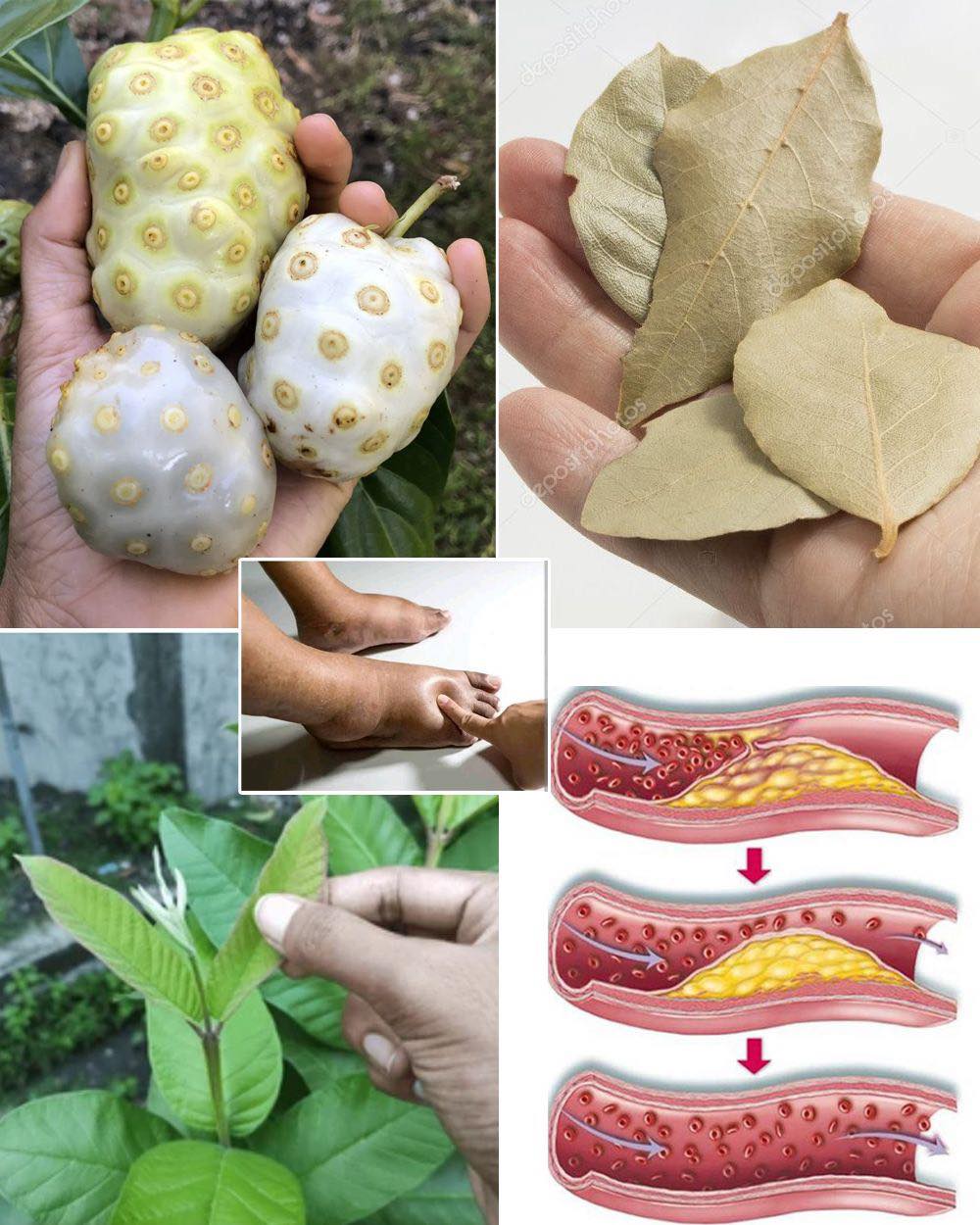
The Ultimate Healing Tonic: A Powerful Natural Drink for Swollen Feet, Diabetes & Poor Circulation Chronic swelling in the feet, Read more

The Dog's Nose: A True Superpower It is well known that dogs possess an extraordinary sense of smell. Yet the Read more
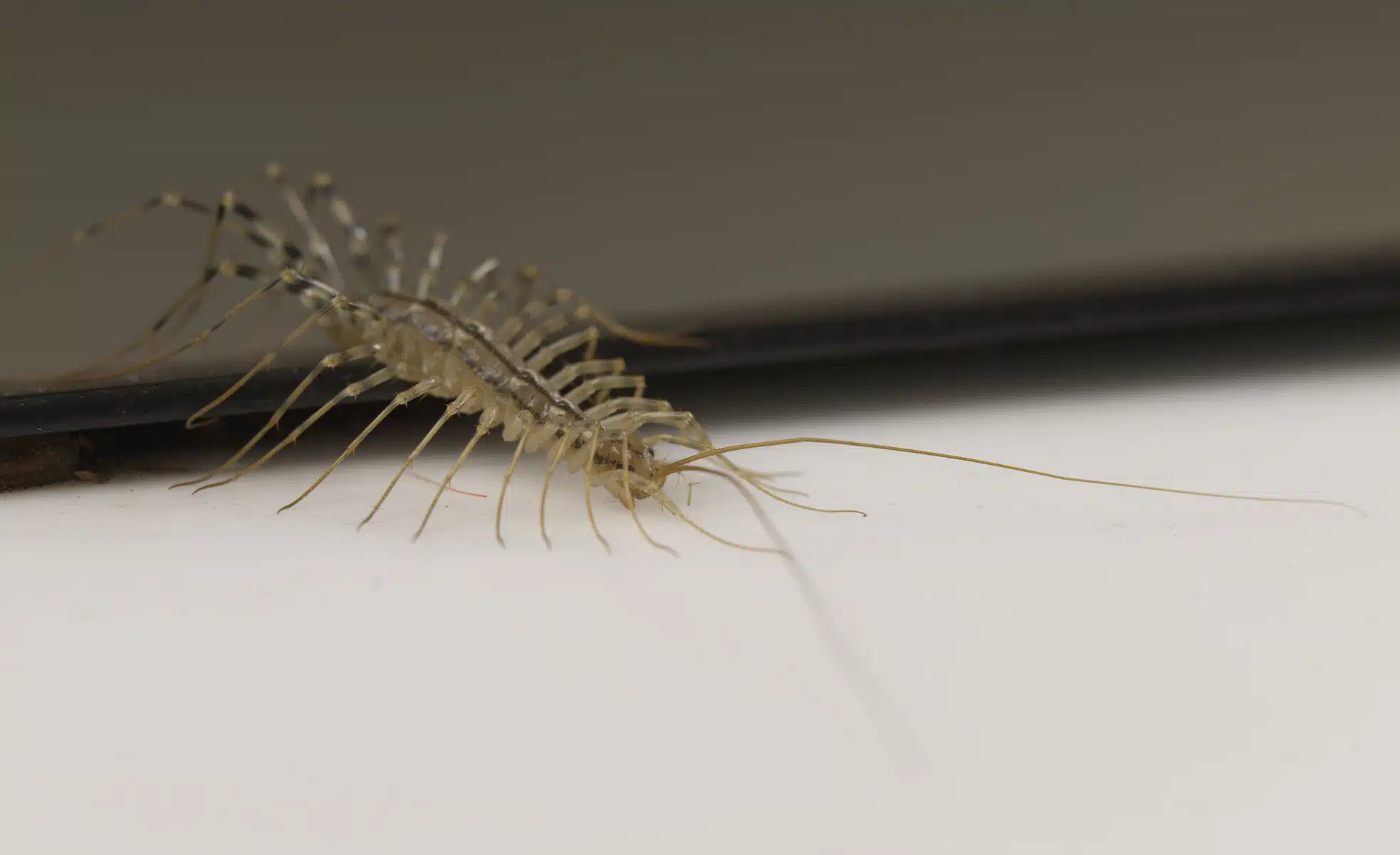
A Quiet and Efficient Predator in Your Home The domestic house centipede (Scutigera coleoptrata) is often regarded as a frightening Read more

How to Detect Hidden Cameras in a Hotel Room? Hidden cameras can be disguised within seemingly harmless objects, including hotel Read more

Ever wish your home could keep that fresh, clean scent for more than a few hours? There’s a simple, natural Read more

A Heartbreaking Message Lilo, a gentle and affectionate dog, was found wandering with a leash around her neck and a Read more

Who among us would like to live in a stifled and dirty home, where unpleasant cooking odors and impurities invade Read more
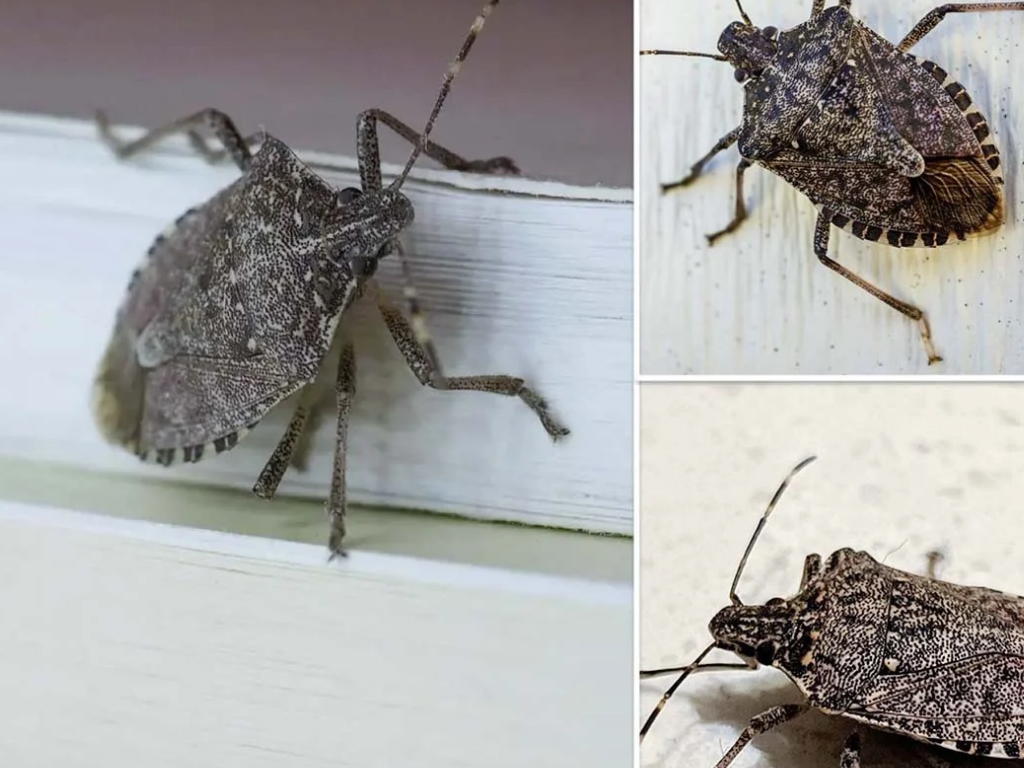
The Brown Marmorated Stink Bugs: A Nuisance Difficult to Ignore Originating from Asia, these insects have found a favorable environment Read more
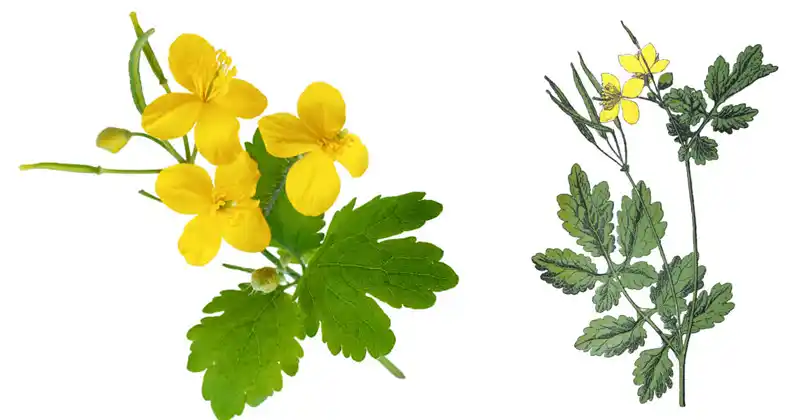
For centuries, Chelidonium majus, commonly known as Greater Celandine, has held a special place in traditional herbal medicine. Recognized by Read more

The ingenuity of Swedish furniture design, particularly evident in the flat-pack phenomenon, has transformed how we furnish our homes with Read more

Restore the Shine to Your Dull Leather Whether it’s worn-out shoes, tired leather bags, or a sofa that has lost Read more

Purslane (Verdolaga) is no longer a garden menace but a valuable gem! This remarkable plant is reclaiming its place in Read more

Lina’s room remains untouched by time, as if she had just left yesterday: colored pencils scattered across the desk, an Read more

Tackling Dog Urine Odor: A Comprehensive Guide The joy of having a canine companion is undeniable, but alongside it come Read more

Why Do We Consistently Wake Up at the Same Time During the Night? Nighttime awakenings can stem from various causes: Read more

10 Secrets You Need to Know Before Eating Okra Okra, also known as “lady’s finger,” is a green, pod-shaped vegetable Read more

Euphorbia hirta, commonly known as the “Asthma-plant,” is a medicinal herb renowned in traditional medicine for its diverse health benefits, Read more

Airport staff and baggage handlers have an in-depth understanding of the behind-the-scenes processes involved in handling luggage. Today, they share Read more
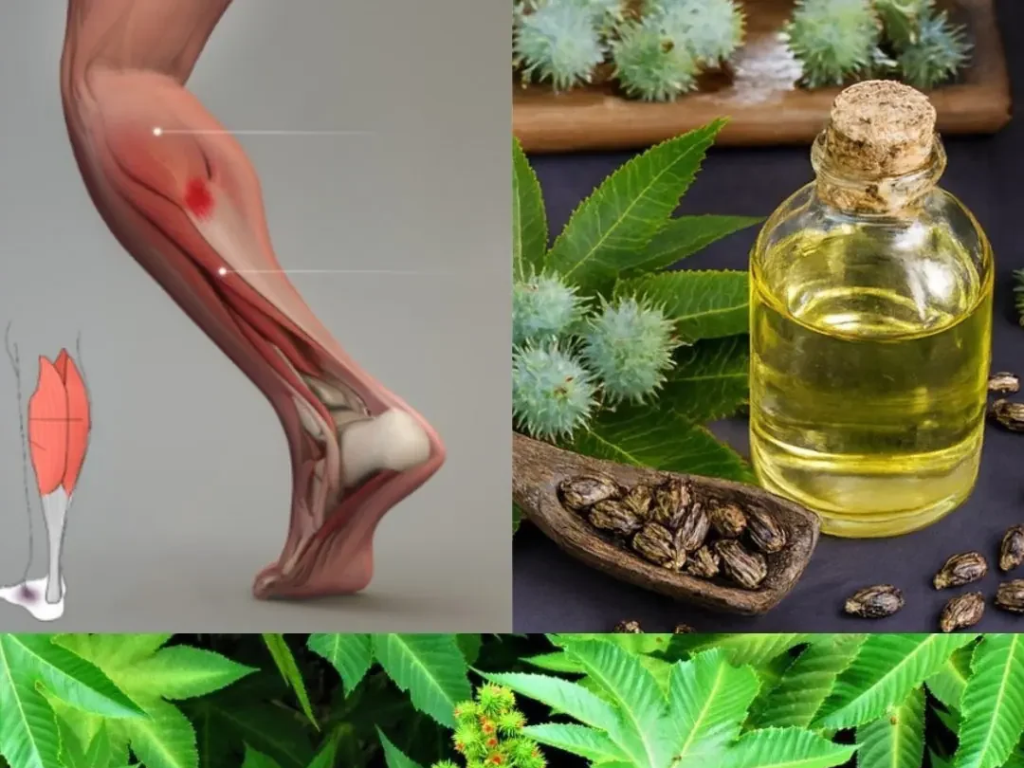
Castor Leaves: A Natural Treasure to Rediscover Used for centuries in traditional medicines around the world, castor leaves are experiencing Read more
