
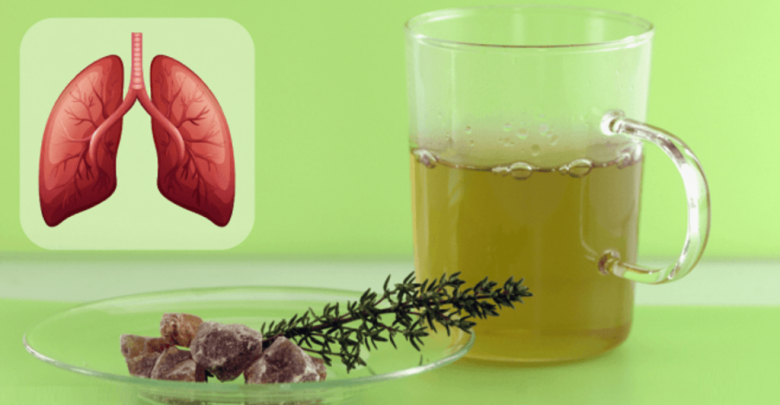
Thyme is known by some as the “enemy of toxins,” and it has been part of stories since ancient Greece. These tales describe it as originating from the tears of the beautiful Helen of Troy, whose story sparked a legendary conflict. However, thyme is primarily recognized today as a culinary herb.
Contrary to its mythological origins, its health benefits are scientifically documented. Let’s take a closer look at the virtues of this king of the mint family.
Renowned for its many therapeutic properties, thyme has become a kitchen essential. Whether it’s for coughs, flu, or respiratory issues, Thymus vulgaris offers several natural solutions for everyday ailments. Its traditional use is acknowledged by the World Health Organization (WHO) and the European Scientific Cooperative on Phytotherapy (ESCOP), and it’s also listed in the French pharmacopeia of medicinal plants.
In essential oil form, as an infusion, or applied externally, thyme offers a wide range of benefits. Here’s a breakdown:
1. Anti-Infectious
Thyme’s health benefits are largely due to its antiseptic and antimicrobial properties. One study showed that its essential oil was effective against bacteria in 120 patients with oral, respiratory, and genitourinary issues. To benefit, you can drink thyme tea or add it to meals and salads.
2. Anti-Inflammatory
Thanks to its antioxidant and anti-inflammatory properties, thyme contains a phenolic compound called thymol. Researchers suggest thymol may reduce asthma symptoms by targeting free radicals responsible for inflammation. Pharmacologist Jean-Louis Brazier recommends inhaling thyme to clear airways: boil water, pour it into a bowl, add two tablespoons of thyme, then inhale the steam under a towel for a few minutes.
3. Antimicrobial
As a tea, thyme can help treat throat and pharyngeal inflammation. It also strengthens the immune system to fight diseases. For optimal effect, drink thyme tea three times a day. Add eucalyptus honey (expectorant) or lemon juice (antiseptic) for extra benefits.
4. Antiviral
Used as an inhalant or essential oil, thyme is particularly effective against flu symptoms. According to a study published in The American Journal of Essential Oils and Natural Products, thyme has antiviral properties that combat illness without damaging epithelial cells. Scientists also suggest it acts on hemagglutinin, a protein that allows the flu virus to bind to cells.
5. Decongestant
Thyme is a well-known decongestant and is used for various ailments. Herbalist Thierry Thévenin and nutritionist Dr. Laurent Chevallier recommend drinking it as a tea to support respiratory health. Naturopath Christelle Lassort also praises its expectorant effects, which help relieve coughs, colds, and asthma.
Pharmacist Christine Cieur-Tranquart recommends combining thyme’s antitussive, antiviral, and antiseptic properties with an anti-inflammatory and soothing plant to treat infectious or viral coughs.
⚠️ Precautions:
-
Avoid thyme if you are on anticoagulant medication or pregnant.
-
Do not consume for more than 3 weeks, as it may cause imbalances, irritation, or high blood pressure.

Unveiling the Secrets of Burning Bay Leaves in Your Home The age-old tradition of burning bay leaves, once prevalent in Read more

A True Nutritional Treasure in Every Bite Beef tongue stands out primarily for its remarkable nutritional richness. It is an Read more

Clogged Shower Drain? Try Baking Soda! Experiencing a stagnant pool of water after a refreshing shower can be a mood Read more

The Amazing Benefits of Sumac and How to Use It Sumac is more than just a flavorful spice—it’s a powerful Read more

In today's digital age, it's a common sight in households and offices: chargers left in outlets without their corresponding devices. Read more

Often, due to poor ventilation or certain climatic conditions, dreaded mold can develop on the walls of our homes. In Read more

When you sink your teeth into a soft, caramel-sweet date, the last thing on your mind is usually the tough Read more

The Hidden Power of Pomegranate Peel: 10 Health Benefits and How to Use It Pomegranate is often celebrated for its Read more

How can a simple homemade mixture really help make your teeth whiter? Here is the secret that has already captivated Read more

Bathroom Mold: Causes and Solutions Ideal Environment for Mold Growth Bathroom surfaces are prime locations for mold growth. Moisture accumulates Read more

When "Need" Takes on a Whole New Meaning For a long time, having a woman in a man’s life was Read more

Faced with increasingly harsh industrial detergents, consumers are turning back to traditional products that are healthier and have long proven Read more

When a Simple Pistachio Shell Takes on the Appearance of a Monster It all begins with the desire to clean Read more

The Ultimate Healing Tonic: A Powerful Natural Drink for Swollen Feet, Diabetes & Poor Circulation Chronic swelling in the feet, Read more

Individuals with Allergies or Sensitivities If you suffer from allergies, it is important to be cautious with avocado! This fruit Read more

Crabgrass, or Digitaria sanguinalis, is often regarded as an annoying, invasive weed in gardens and urban spaces. However, beneath its reputation Read more

Eager to master the art of nurturing a Peace Lily? Known scientifically as Spathiphyllum Wallisii, this enchanting plant is often Read more

White Clover (Trifolium repens): 15 Benefits and Homemade Uses White clover (Trifolium repens) is more than just a common plant Read more

Juniper, a versatile and aromatic plant, has been valued for centuries for its culinary, medicinal, and therapeutic uses. Known for Read more

Sida acuta, also known as “common wireweed,” is a hardy plant often found in fields and roadsides. While it may Read more

10 Secrets You Need to Know Before Eating Okra Okra, also known as “lady’s finger,” is a green, pod-shaped vegetable Read more

How to Make Powerful Super Glue from Styrofoam: The Hidden Chemistry Behind This Viral Trick In a world where DIY Read more

Highland flowers, often found in remote, elevated regions, are more than just a visual delight. These resilient blooms, thriving in Read more

Cultivating veggies and herbs indoors is more than just a productive task; it's a delightful and aesthetic journey. The magic Read more

You bought a bag of potatoes, and a few weeks later, you find that they’ve started to sprout? Don’t panic! Read more

Pigweed, also known as amaranth, is a leafy green plant that has been cherished in various cultures for its nutrient-rich Read more

Purslane (Verdolaga) is no longer a garden menace but a valuable gem! This remarkable plant is reclaiming its place in Read more
Bull Thistle (Cirsium vulgare): A Wild Plant with Surprising Benefits The bull thistle (Cirsium vulgare) is often dismissed as a Read more

Cleaning Grease Off Kitchen Wooden Cabinets: Effective Techniques Removing dirt and embedded grease stains from kitchen wooden cabinets isn't always Read more

Euphorbia hirta, commonly known as the “Asthma-plant,” is a medicinal herb renowned in traditional medicine for its diverse health benefits, Read more

Garlic: An Ancient Remedy for Better Sleep Since ancient times, garlic has been recognized not only as an essential culinary Read more

Horseweed (Erigeron canadensis): 20 Amazing Benefits and How to Use It Horseweed, also known as Erigeron canadensis or Canadian fleabane, Read more

Cassava: An Essential Plant at the Heart of a Deadly Paradox Whether in the form of flour, tapioca pearls, or Read more

Unwanted Houseguest: The Fly The fly is arguably the most disliked insect on Earth, primarily due to its bothersome traits. Read more

Kyllinga brevifolia: A Natural Remedy for Health and Wellness Kyllinga brevifolia, commonly known as green kyllinga or shortleaf spikesedge, is Read more

Why does your sleep become fragile precisely between 3 a.m. and 5 a.m.? Is it due to a peculiarity of Read more

Red Clover: 15 Amazing Benefits and How to Use This Healing Herb Red clover (Trifolium pratense) is more than just Read more

In the realm of gardening, we often stick to traditional methods like basking in sunlight, diligent watering, and soil enriched Read more

Dented Car Body: How to Fix It Yourself Over time, the body of your car can endure a lot. From Read more
The Hidden Power of Bottlebrush: 15 Benefits and Easy Homemade Uses Nature often hides extraordinary healing power in plain sight—and Read more
