

Low Beam Headlights: More Ingenious Allies Than You Might Imagine
Low beam headlights are essential and activate automatically as soon as the light dims or a thick fog envelops the road. On some vehicles, they even have the capability to turn off automatically when the engine is switched off, preventing unnecessary battery drain. It’s a bit like a nightlight that turns itself off when you fall asleep.
High Beam Headlights: For Long-Range Visibility… and a Discreet Signal
Designed to illuminate the road over a long distance when it is clear, high beam headlights can also be used to communicate with other drivers. A simple flash of the headlights, brief but meaningful, can warn of imminent danger, signal the presence of an animal on the road, or remind a distracted driver that their high beams are still on. Like a benevolent wink in the night.
Fog Lights: The Subtle Weapon Against Low Visibility
Mounted low on the vehicle, fog lights cut through mist where other lights fail. Their often overlooked advantage lies in the rear fog lights, typically activated by a second button located on the lever. They significantly increase your visibility in dense fog. You could compare them to a powerful bicycle lamp: subtle, yet essential for being seen in the fog.
Automatic Lighting: The Car That Anticipates Your Needs
In modern cars, there is no need to constantly operate your headlights. Thanks to light sensors, the lighting adapts automatically to external conditions. Whether it’s day or night, your car becomes a vigilant co-pilot. However, these sensors can sometimes be overly sensitive, switching too quickly between high beams and low beams without you always realizing it.
Smart Turn Signals: A Simple Gesture for Effective Signaling

Some vehicles are equipped with a “smart” turn signal: by lightly touching the lever without locking it, the turn signal blinks three times. Perfect for quick lane changes, this system acts like a discreet but perfectly understandable wave of the hand.
Hazard Lights: A Life-Saving Alert and More
These lights are traditionally activated in case of a breakdown or danger. But in situations such as a sudden slowdown on the highway, they play a crucial role in warning vehicles behind you. They are comparable to the red beacons on a distressed airplane, visible from far away to avoid catastrophe.
Welcome Lights: When Elegance Meets Safety

Imagine arriving near your car at night, and it gently lights up to guide you. Some high-end models incorporate these “welcome lights,” activated as the driver approaches through sensors. It’s as if your car opens its arms wide to greet you.
Reverse Lights: A Valuable Aid Even When Stationary
Although generally associated with reversing, reverse lights also prove useful when stopped, especially to illuminate a wall or spot an obstacle when parking in a dark area. Combined with parking sensors, they literally offer an extra set of eyes during your maneuvers.
Side Warning Lights: Your Invisible Guardian Angel
Some modern models feature warnings visible in the mirrors or on the windshield that light up when a vehicle comes too close to your blind spot. This small light signal can save you from an accident. These warnings act as discreet scouts for your safety.
Rain Sensor: An Indispensable Ally on Rainy Days

Although not directly linked to the headlight lever, the rain sensor is often part of the same control system. It automatically adjusts the windshield wiper frequency based on the intensity of detected rain. Ideal for keeping your attention focused on the road without manually changing settings.
Key Takeaways
This lever, which we operate almost without thinking, actually conceals a true miniature dashboard. Mastering all its functions provides a real boost in driving comfort, safety, and vehicle control. It’s like discovering that your old Swiss Army knife still had tools you had never noticed before. So, next time you get behind the wheel, take a moment to observe this lever… it may reveal many more secrets to you.
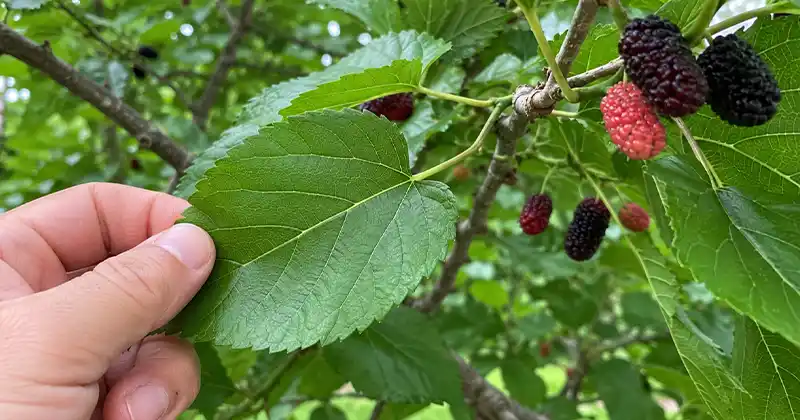
Mulberry trees are best known for their luscious summer berries, but their leaves possess an even greater potential as a Read more

Have you ever encountered this unusual practice of sprinkling cinnamon powder in front of your front door? At first glance, Read more

Ticks' Favorite Hiding Spots: Why Your Garden is Their Paradise Ticks have a distinct preference for damp, shaded, and poorly Read more

Why Ventilating in the Morning Can Harm Indoor Air Quality During Winter On a chilly winter morning, the outdoor air Read more

The Dog’s Nose: An Organ of Exceptional Sensitivity While humans explore the world primarily through vision, dogs scrutinize it mainly Read more

Most people discard avocado seeds without giving them a second thought, but this often-overlooked component of the fruit is actually Read more

What Is the Purpose of the Overflow Hole in a Sink? The small, often overlooked hole located near the edge Read more
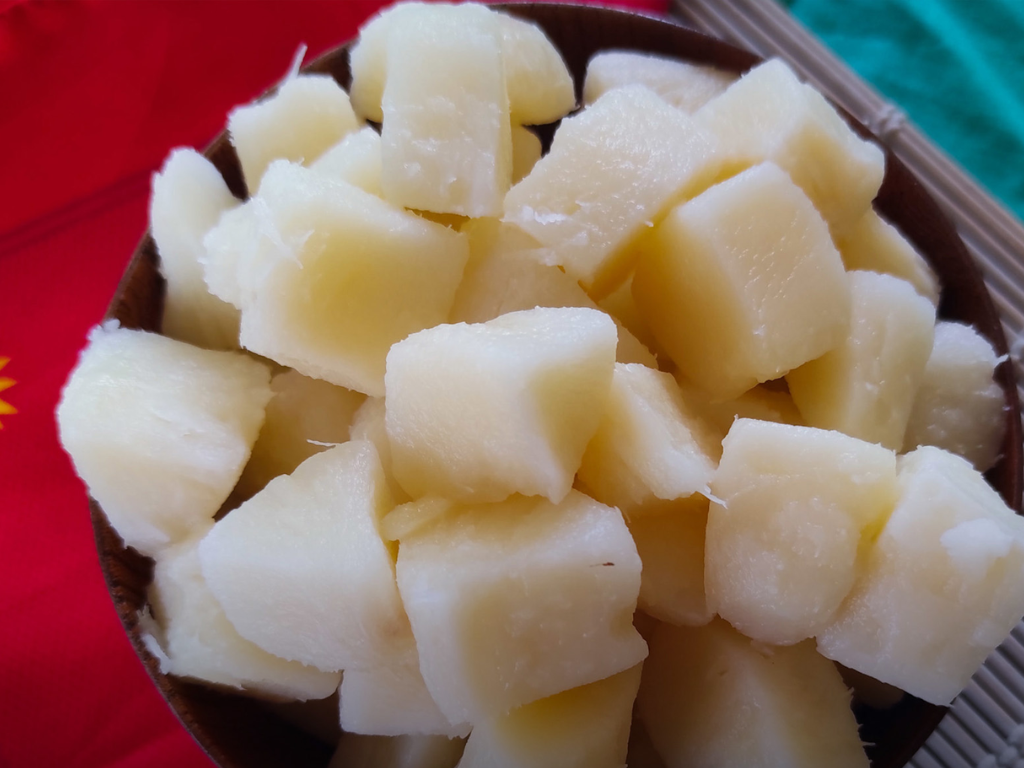
Cassava: A Widely Consumed Food That Can Sometimes Be Dangerous Cassava is a vital food staple for over 800 million Read more

Mimosa Pudica, commonly known as the “Sensitive Plant” or “Touch-Me-Not,” is famous for its unique reaction to touch—its leaves fold Read more

Why It's Crucial to Clean Your Oven and How to Do It Naturally The Importance of Cleaning Your Oven The Read more

How to Clean Bathroom Tiles Quickly and Effectively Cleaning bathroom tiles is a task we all love to postpone. It Read more

Pigweed, also known as amaranth, is a leafy green plant that has been cherished in various cultures for its nutrient-rich Read more

Why Is Salt an Effective Remedy Against Bed Bugs? Salt acts as a powerful dehydrating agent. When it comes into Read more

When a Simple Pistachio Shell Takes on the Appearance of a Monster It all begins with the desire to clean Read more

WD-40, a common fixture in numerous homes and workshops, is widely recognized for its effectiveness in loosening rusted bolts and Read more

A True Natural Concentrate of Vitality Orange peel is naturally packed with beneficial components widely recognized for their role in Read more

Salt: An Overlooked Treasure in the Home Since ancient times, salt was so valuable that it was even used as Read more
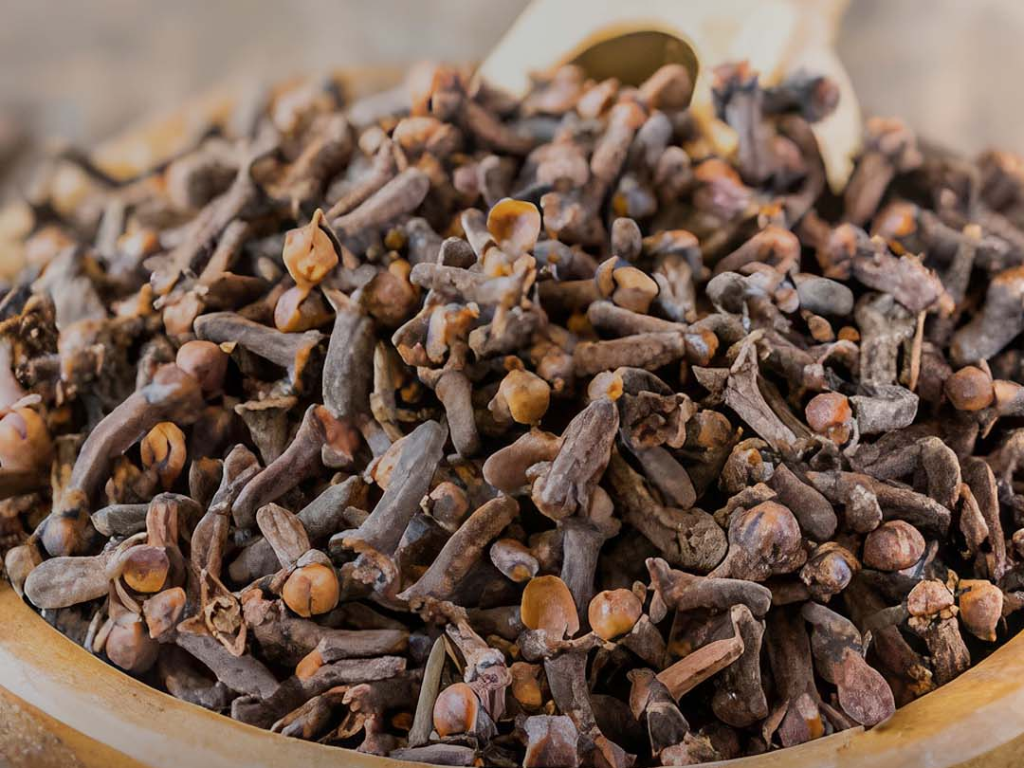
Why Incorporate Clove Infusion Into Your Daily Routine? A Powerful Source of Antioxidants to Combat Aging Free radicals, those agents Read more

Grease buildup on kitchen cabinets is a widespread issue that many homeowners encounter. Frequent cooking results in grease splatters that Read more

Gather and Verify Evidence Immediately When faced with a vending machine that fails to dispense the cash you requested, it Read more

The ingenuity of Swedish furniture design, particularly evident in the flat-pack phenomenon, has transformed how we furnish our homes with Read more

Airport staff and baggage handlers have an in-depth understanding of the behind-the-scenes processes involved in handling luggage. Today, they share Read more

Challenges in Organizing the Perfect Encounter In today’s era dominated by dating apps, one might easily assume that arranging a Read more

We are all seeking simple and natural ways to turn our homes into true sanctuaries of peace. Sometimes, the most Read more

Rice Water and Baking Soda: A Surprising Duo to Unclog Your Drains Few people realize that the water used to Read more

Embracing Organic Gardening with Homemade Onion Elixir The shifting trends in horticulture are leaning heavily towards eco-conscious choices, prompting gardeners Read more

Every winter, countless orange peels end up in the trash. But what if you could transform these fragrant scraps into Read more

The Float Test: A Simple and Revealing Method Imagine yourself holding a bowl filled with water and an egg in Read more

Ageratum conyzoides, commonly known as Billygoat Weed or Goatweed, is a flowering plant native to tropical regions of the Americas Read more

Crabgrass, or Digitaria sanguinalis, is often regarded as an annoying, invasive weed in gardens and urban spaces. However, beneath its reputation Read more

Why Is a Temperature of 40°C Not Enough to Effectively Eliminate Bacteria? Many people consider 40°C to be a balanced Read more

So, when and how should you charge your phone to best preserve its battery and avoid premature wear? Here are Read more
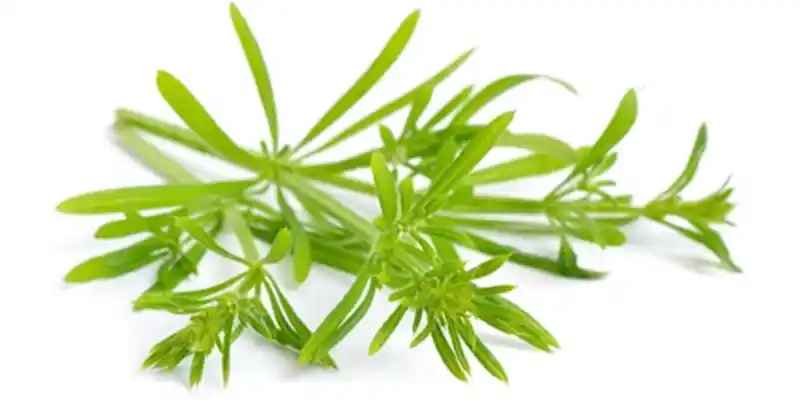
Cleavers (Galium aparine): The Herbal Remedy for Detox and Lymphatic Health Cleavers, also known as Galium aparine, is a humble Read more

One day, almost by chance, he pushed open the doors of an orphanage. It was there that he met Emma. Read more

A Charming Renaissance Step One: Thorough Cleaning and Preparation Before starting the transformation, the dresser needed to be meticulously cleaned: Read more

Max, a True Fighter The dog advanced cautiously, drawn in by gentle words and a piece of bread offered kindly. Read more

Effective Methods to Eliminate Maggots and Prevent Their Return Vinegar: An Essential Natural Repellent To quickly rid yourself of maggots, Read more
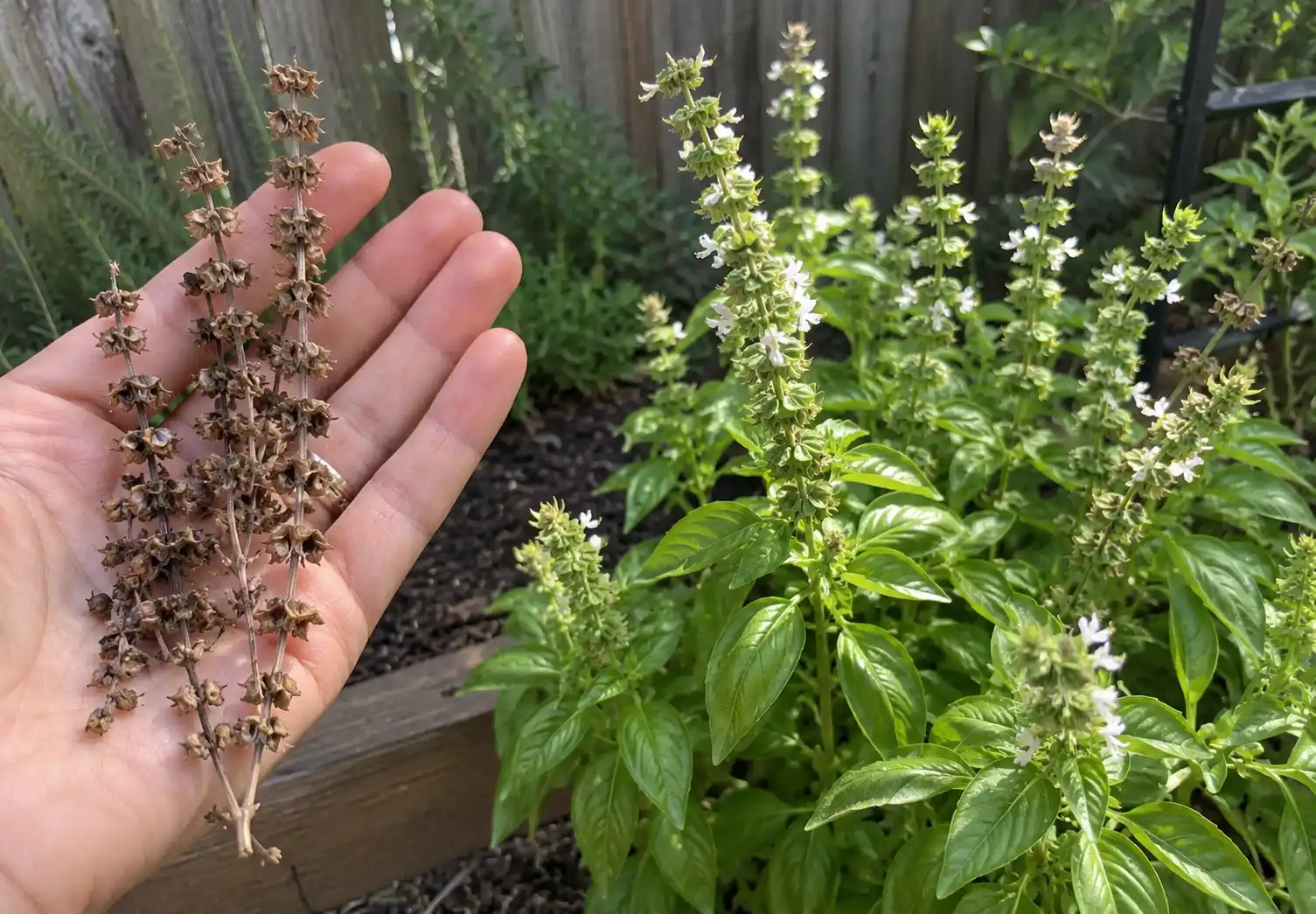
Basil seeds, often referred to as sabja or tukmaria, come from sweet basil. Though tiny, they hold an exceptional nutritional Read more

When you sink your teeth into a soft, caramel-sweet date, the last thing on your mind is usually the tough Read more

In the realm of gardening, we often stick to traditional methods like basking in sunlight, diligent watering, and soil enriched Read more
