

In the realm of gardening, we often stick to traditional methods like basking in sunlight, diligent watering, and soil enriched with nutrients. However, there’s a surprising gardening companion that might just be in your fridge: carrot juice. Known for its human health benefits, this bright and earthy concoction is also a powerful stimulant for plant health.
Loaded with nutrients, carrots offer more than just a crunchy snack. They’re packed with beta-carotene, which transforms into vitamin A in the body, as well as vitamins C, K, and B6, and essential minerals like potassium. When it comes to plants, these nutrients can boost growth, strengthen the immune system, and help ward off diseases.

Carrot juice shines particularly in its ability to invigorate soil health. As a root vegetable’s byproduct, it’s inherently rich in organic compounds, which can rejuvenate and enrich the soil’s composition, improving its ability to retain air and moisture. This, in turn, creates an ideal setting for roots to expand and efficiently uptake essential nutrients.
But the benefits don’t end with the soil.
Carrot juice acts as a mild, organic fertilizer, infusing plants with a vitamin and mineral bath that can accelerate the sprouting of vibrant foliage, robust stems, and vivacious flowers. Regularly incorporating this juice into your garden regimen can lead to a visibly more lush and bountiful environment.
Moreover, carrot juice can act as a natural pest deterrent.
Its unique scent and taste can repel certain insects, offering a safe, chemical-free method of plant protection. A diluted carrot juice solution can fend off unwanted critters, keeping your plants healthy and thriving.
Preparing this verdant tonic is simple. Start with fresh carrots—organic if possible—wash them thoroughly, chop them up, and blend with water until smooth. Strain the mixture to extract a clear, nutrient-dense juice.
When applying carrot juice to your plants, remember to dilute it—a good ratio is one part juice to three parts water.
This diluted mixture can be sprayed on the leaves, stems, and soil of the plants.
However, it’s important to note:
Carrot juice should be used as an additional boost, not a substitute for regular gardening practices such as proper watering and soil maintenance. It’s a supplement, not a replacement for the essentials.
So the next time you sip on a glass of carrot juice, consider sharing some with your leafy friends. This natural tonic might just be the secret ingredient that elevates the health and beauty of your garden. Embrace the multipurpose benefits of carrot juice, from soil enhancement and plant growth to pest control, and watch as your garden—and your well-being—flourishes.

10 Secrets You Need to Know Before Eating Okra Okra, also known as “lady’s finger,” is a green, pod-shaped vegetable Read more

The Benefits of Combining Eggs and Coffee: A Nutritious and Energizing Pair When it comes to starting your day right, Read more

The Dog's Nose: A True Superpower It is well known that dogs possess an extraordinary sense of smell. Yet the Read more

Discover the Untapped Potential of Chili Pepper Leaves: Nutritional Powerhouse for Your Health and Kitchen When you think of chili Read more

Avocados are celebrated for their creamy texture, rich flavor, and numerous health benefits. While typically enjoyed raw, grilling avocados introduces Read more
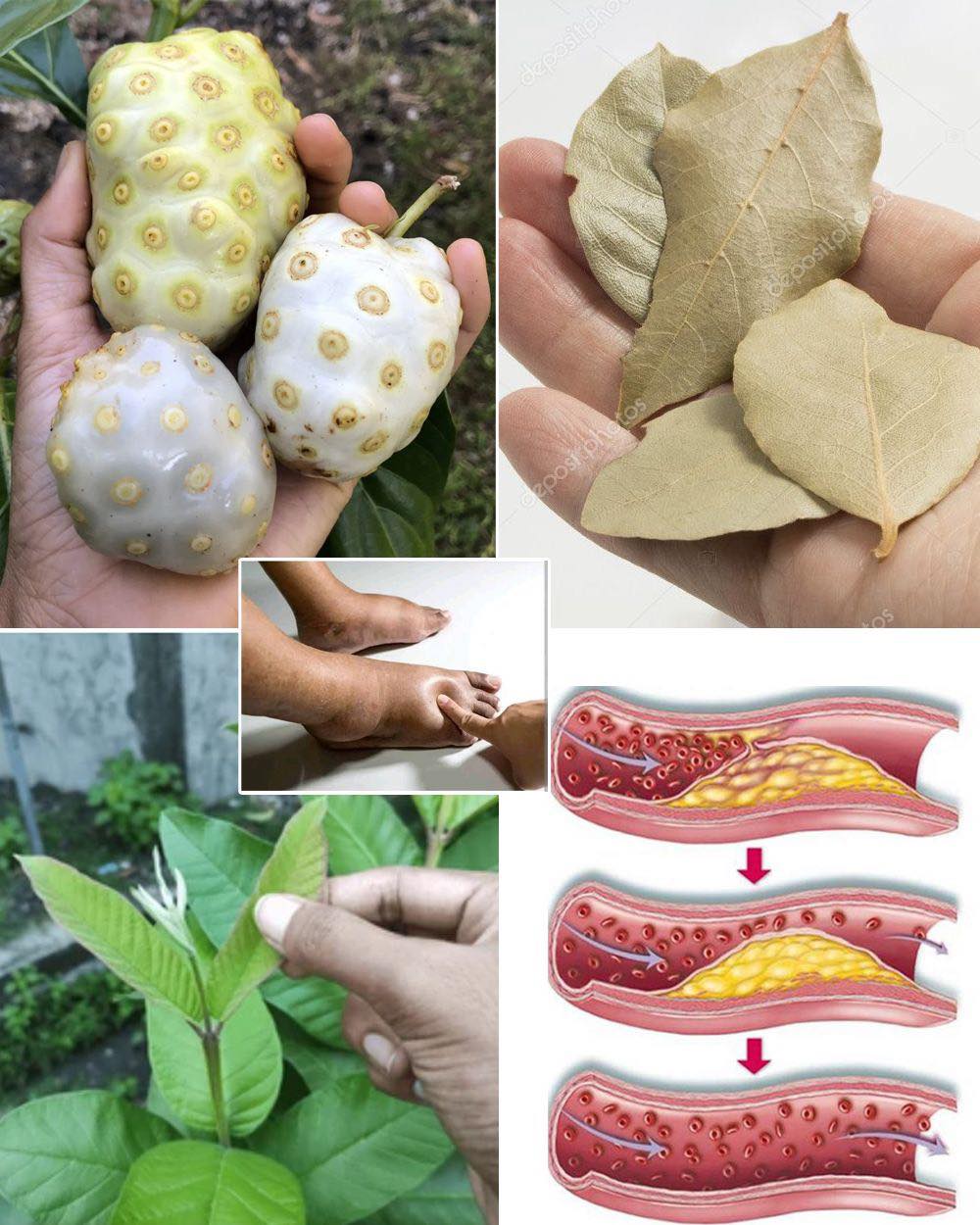
The Ultimate Healing Tonic: A Powerful Natural Drink for Swollen Feet, Diabetes & Poor Circulation Chronic swelling in the feet, Read more

The Power of Hawthorn (Genus Crataegus): A Natural Ally for Heart and Cholesterol Health Hawthorn, belonging to the genus Crataegus, Read more
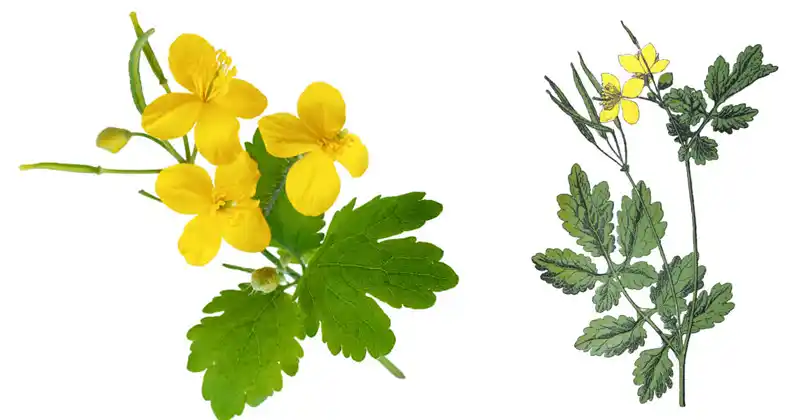
For centuries, Chelidonium majus, commonly known as Greater Celandine, has held a special place in traditional herbal medicine. Recognized by Read more
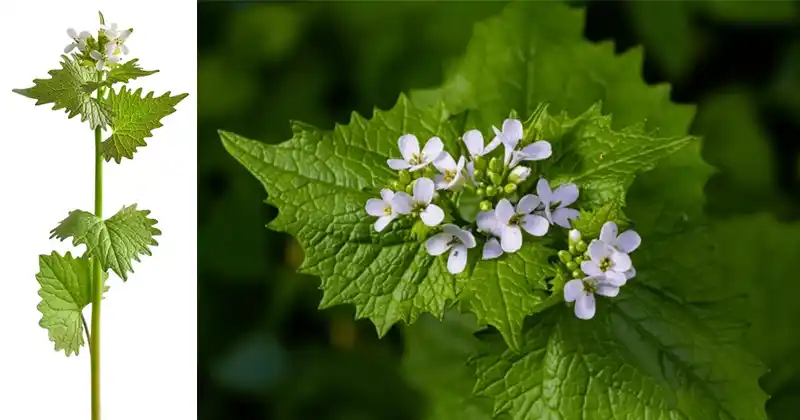
Garlic Mustard (Alliaria petiolata): 20 Surprising Benefits and Homemade Uses Garlic mustard (Alliaria petiolata) is often dismissed as a stubborn Read more

Highland flowers, often found in remote, elevated regions, are more than just a visual delight. These resilient blooms, thriving in Read more

Datura stramonium, commonly known as Jimson weed, thorn apple, or devil's trumpet, is a plant native to North America but Read more

The ingenuity of Swedish furniture design, particularly evident in the flat-pack phenomenon, has transformed how we furnish our homes with Read more

Dented Car Body: How to Fix It Yourself Over time, the body of your car can endure a lot. From Read more

How to Make Powerful Super Glue from Styrofoam: The Hidden Chemistry Behind This Viral Trick In a world where DIY Read more

Why does your sleep become fragile precisely between 3 a.m. and 5 a.m.? Is it due to a peculiarity of Read more

Cleaning Grease Off Kitchen Wooden Cabinets: Effective Techniques Removing dirt and embedded grease stains from kitchen wooden cabinets isn't always Read more

Horseweed (Erigeron canadensis): 20 Amazing Benefits and How to Use It Horseweed, also known as Erigeron canadensis or Canadian fleabane, Read more

The Hidden Power of Dog Rose (Rosa canina): 10 Surprising Health Benefits and How to Use It Nature has given Read more

Purslane (Verdolaga) is no longer a garden menace but a valuable gem! This remarkable plant is reclaiming its place in Read more
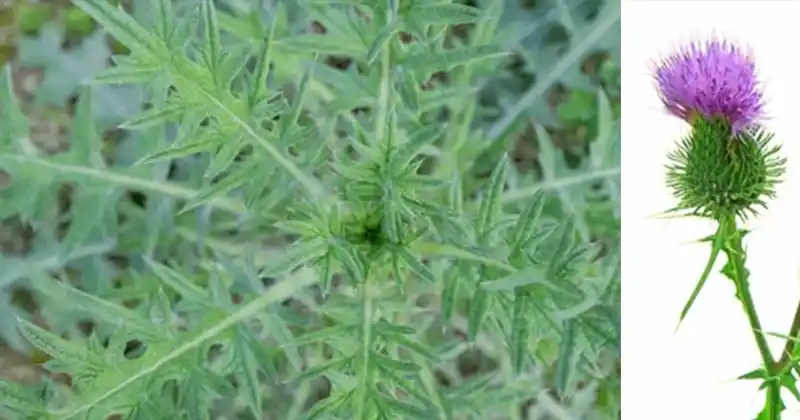
Bull Thistle (Cirsium vulgare): A Wild Plant with Surprising Benefits The bull thistle (Cirsium vulgare) is often dismissed as a Read more

Faced with increasingly harsh industrial detergents, consumers are turning back to traditional products that are healthier and have long proven Read more

Unveiling the Secrets of Burning Bay Leaves in Your Home The age-old tradition of burning bay leaves, once prevalent in Read more

How to Clean a Glass Shower Door Naturally and Keep It Shining Longer Several areas of the bathroom are exposed Read more

Shepherd’s Purse (Capsella bursa-pastoris): A Medicinal Herb with Powerful Benefits Shepherd’s Purse, known botanically as Capsella bursa-pastoris, is a small, Read more

How to Clean Bathroom Tiles Quickly and Effectively Cleaning bathroom tiles is a task we all love to postpone. It Read more

Eager to master the art of nurturing a Peace Lily? Known scientifically as Spathiphyllum Wallisii, this enchanting plant is often Read more

The Amazing Benefits of Sumac and How to Use It Sumac is more than just a flavorful spice—it’s a powerful Read more

When you enter a hotel room, have you ever noticed that long piece of fabric laid across the foot of Read more

Crabgrass, or Digitaria sanguinalis, is often regarded as an annoying, invasive weed in gardens and urban spaces. However, beneath its reputation Read more

Ageratum conyzoides, commonly known as Billygoat Weed or Goatweed, is a flowering plant native to tropical regions of the Americas Read more

Tackling Dog Urine Odor: A Comprehensive Guide The joy of having a canine companion is undeniable, but alongside it come Read more

Perfumed Tissues: An Easy DIY Technique The Joy of Scented Tissues: Paper tissues are handy in daily life. While some Read more

Sweet Violet (Viola odorata): 25 Incredible Benefits & How to Use It Sweet violet (Viola odorata), also known as wood Read more
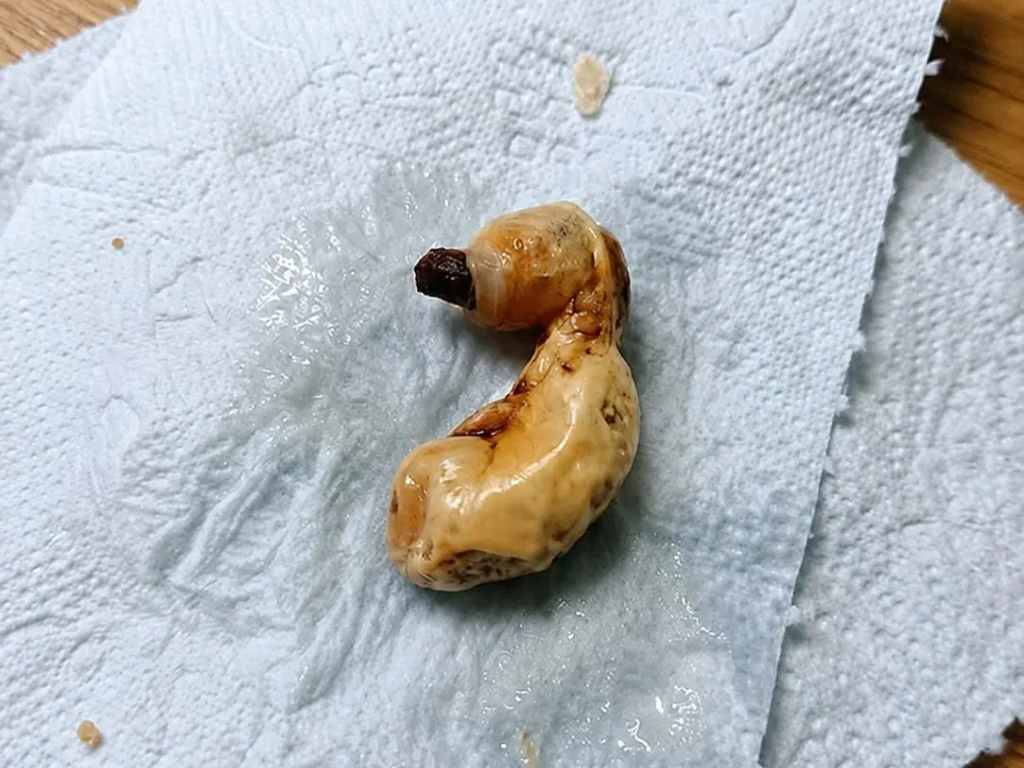
When a Simple Pistachio Shell Takes on the Appearance of a Monster It all begins with the desire to clean Read more

Why It's Crucial to Clean Your Oven and How to Do It Naturally The Importance of Cleaning Your Oven The Read more

Sida acuta, also known as “common wireweed,” is a hardy plant often found in fields and roadsides. While it may Read more

When "Need" Takes on a Whole New Meaning For a long time, having a woman in a man’s life was Read more

Inheritance in France: A Protected Share, Untouchable Even in Cases of Conflict In France, there is a fundamental legal principle Read more

Tomatoes, a staple in kitchens worldwide, are loved for their versatility and rich flavor. However, their perishable nature often leads Read more

How to Reuse Soap Scraps: Ingenious Ideas Soap bars, after several uses, become tiny and almost unusable. Many of us Read more
