
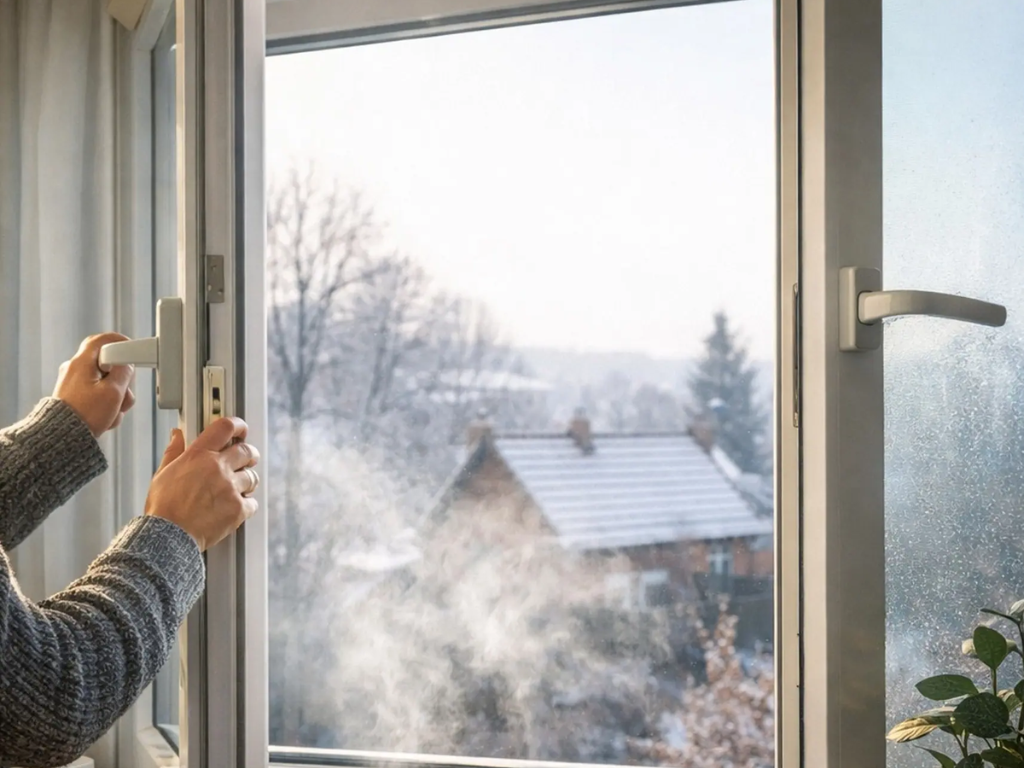
Why Ventilating in the Morning Can Harm Indoor Air Quality During Winter

On a chilly winter morning, the outdoor air is often still, cold, and saturated with moisture that has accumulated overnight. Even without rain or fog, this humidity is very much present. When you open your windows at this particular time, the damp air enters your home and warms up quickly. This warming causes the release of water vapor, which then settles as condensation on the coldest surfaces inside your home: walls, floors, and ceilings.
These surfaces, cooled down during the night, essentially become invisible sponges. Although condensation might not be immediately visible, it gradually settles in over several days. This is how dark stains start to appear on the walls, blackened corners develop, and a persistent musty smell arises, especially in bedrooms or the living room.
Humidity Likes to Hide in Forgotten Corners of the Home

This phenomenon is even more pronounced in cramped spaces behind bulky furniture. A wardrobe pushed up against an exterior wall, a large sofa, or an overcrowded bookshelf can obstruct air circulation. In these well-hidden areas, moisture lingers, creating an ideal environment for mold growth.
This paradox is all the more frustrating because this moisture issue originates from a good intention: to freshen and clean the indoor environment. Yet in winter, opening windows early in the morning does not help to dry the air as one might hope. On the contrary, it can weigh down the atmosphere and slowly weaken your home, even though nothing yet hints at a problem.
Ventilating in the Morning and Heating: An Ineffective Combination

Another little-considered harmful effect is the loss of heat. In the morning, your heating system kicks in after several hours of temperature drop. When you open your windows at that moment, you let out the hard-won warmth. As the walls cool even further, they become increasingly prone to condensation.
The heating system then has to work harder to restore a comfortable temperature. The result? A persistent chilliness, less pleasant indoor air, and unnecessarily increased energy consumption. All this happens without any real positive effect on indoor air quality.
The Ideal Time to Ventilate Without Risking Damage to Your Home
Make no mistake: the goal is not to stop ventilating, far from it. Ventilation remains essential throughout the winter, but it must be done thoughtfully and at the right time. Generally, the best time is between late morning and early afternoon, when the outdoor air is often drier and slightly warmer.
The most effective method is to open two opposite windows, creating a quick and targeted airflow for about 5 to 10 minutes. This action efficiently refreshes the indoor air without causing long-lasting cooling of your walls. What to avoid: leaving a window just slightly open for hours, which only cools surfaces without effectively drying the air.
Simple Habits for a Healthy and Comfortable Interior
Also, consider moving your furniture slightly away from the walls—even just a few centimeters—especially in rooms facing north. After showering or cooking, briefly ventilate to expel the humidity produced. Keep in mind that in winter, it is better to favor short, well-timed bursts of fresh air in order to maintain lasting thermal comfort.
By adopting these few simple habits, you provide your home with truly healthier air, prolonged pleasant comfort, and the peace of mind of a fully breathing indoor environment.

A Puzzle Deceptive in Its Simplicity When mentioning "2 mothers," "2 daughters," "1 grandmother," and "1 granddaughter," the immediate image Read more

The ingenuity of Swedish furniture design, particularly evident in the flat-pack phenomenon, has transformed how we furnish our homes with Read more

A Vibrant Coat, More Than Just a Visual Trait Before delving into the nature of these cats, let us first Read more

The Power of Hawthorn (Genus Crataegus): A Natural Ally for Heart and Cholesterol Health Hawthorn, belonging to the genus Crataegus, Read more

Inheritance in France: A Protected Share, Untouchable Even in Cases of Conflict In France, there is a fundamental legal principle Read more

Goldenberries, also known as Physalis or Uchuva, are small, orange-yellow fruits enclosed in a delicate, papery husk. Originating from the Read more

Horseweed (Erigeron canadensis): 20 Amazing Benefits and How to Use It Horseweed, also known as Erigeron canadensis or Canadian fleabane, Read more

10 Secrets You Need to Know Before Eating Okra Okra, also known as “lady’s finger,” is a green, pod-shaped vegetable Read more
Grape Hyacinth (Muscari): A Beautiful Flower You Can Eat – But Only If You Know Which One The grape hyacinth, Read more

Guava is often hailed as a superfruit, but did you know that its leaves also pack an extraordinary punch in Read more

Clogged Shower Drain? Try Baking Soda! Experiencing a stagnant pool of water after a refreshing shower can be a mood Read more

How to Reuse Soap Scraps: Ingenious Ideas Soap bars, after several uses, become tiny and almost unusable. Many of us Read more

When "Need" Takes on a Whole New Meaning For a long time, having a woman in a man’s life was Read more

A House Offered for Free, But You Must Move It Yourself In Sweden, a peculiar story is capturing attention: Göran Read more

Embracing Organic Gardening with Homemade Onion Elixir The shifting trends in horticulture are leaning heavily towards eco-conscious choices, prompting gardeners Read more

Shepherd’s Purse (Capsella bursa-pastoris): A Medicinal Herb with Powerful Benefits Shepherd’s Purse, known botanically as Capsella bursa-pastoris, is a small, Read more

Who among us would like to live in a stifled and dirty home, where unpleasant cooking odors and impurities invade Read more

Mimosa Pudica, commonly known as the “Sensitive Plant” or “Touch-Me-Not,” is famous for its unique reaction to touch—its leaves fold Read more

House 1: A Warm Refuge Perched in the Trees If this suspended house has moved you, it reveals your deep Read more
How to Clean Bathroom Tiles Quickly and Effectively Cleaning bathroom tiles is a task we all love to postpone. It Read more

Eager to master the art of nurturing a Peace Lily? Known scientifically as Spathiphyllum Wallisii, this enchanting plant is often Read more

The Risks Associated with Excessive Screen Exposure Prolonged exposure to screens can have serious consequences on the overall development of Read more

Highland flowers, often found in remote, elevated regions, are more than just a visual delight. These resilient blooms, thriving in Read more

A Fully Integrated Member of Its Tribe Social relationships hold a significant place in the life of a cat. When Read more
Garlic: An Ancient Remedy for Better Sleep Since ancient times, garlic has been recognized not only as an essential culinary Read more
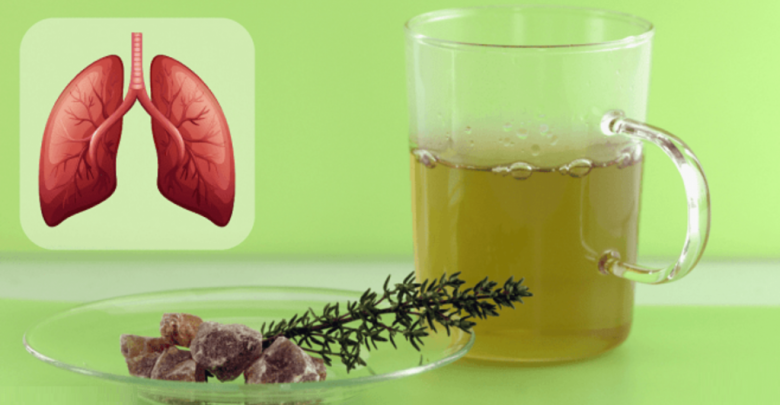
Thyme is known by some as the “enemy of toxins,” and it has been part of stories since ancient Greece. Read more

The Secret Language of Burglars: A Discreet Warning Signal Burglars use an actual coding system to identify their targets. They Read more
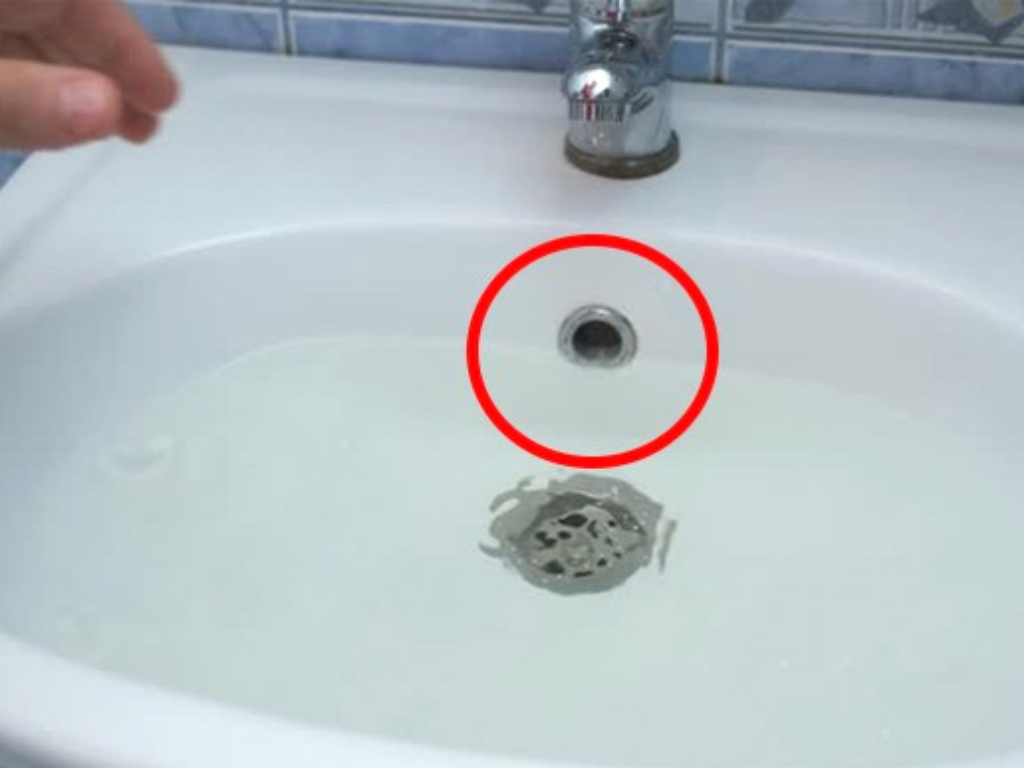
What Is the Purpose of the Overflow Hole in a Sink? The small, often overlooked hole located near the edge Read more
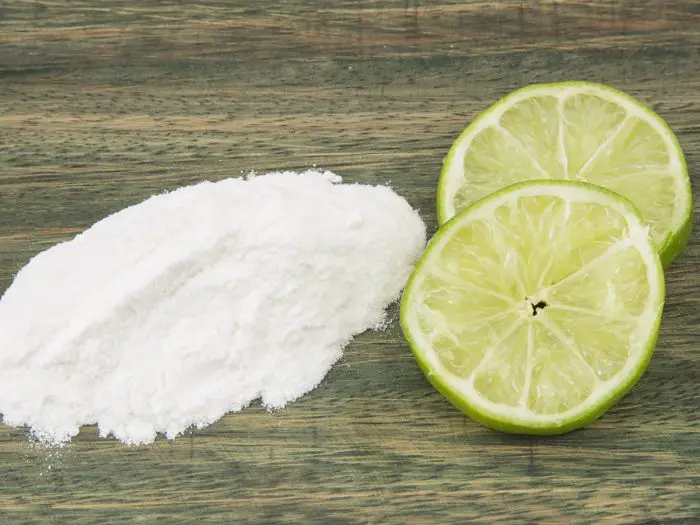
Baking soda and lemon peels are two household items often overlooked but incredibly powerful when combined. This natural duo can Read more

The Dog’s Nose: An Organ of Exceptional Sensitivity While humans explore the world primarily through vision, dogs scrutinize it mainly Read more

Juniper, a versatile and aromatic plant, has been valued for centuries for its culinary, medicinal, and therapeutic uses. Known for Read more

Ever wish your home could keep that fresh, clean scent for more than a few hours? There’s a simple, natural Read more

Bathroom Mold: Causes and Solutions Ideal Environment for Mold Growth Bathroom surfaces are prime locations for mold growth. Moisture accumulates Read more
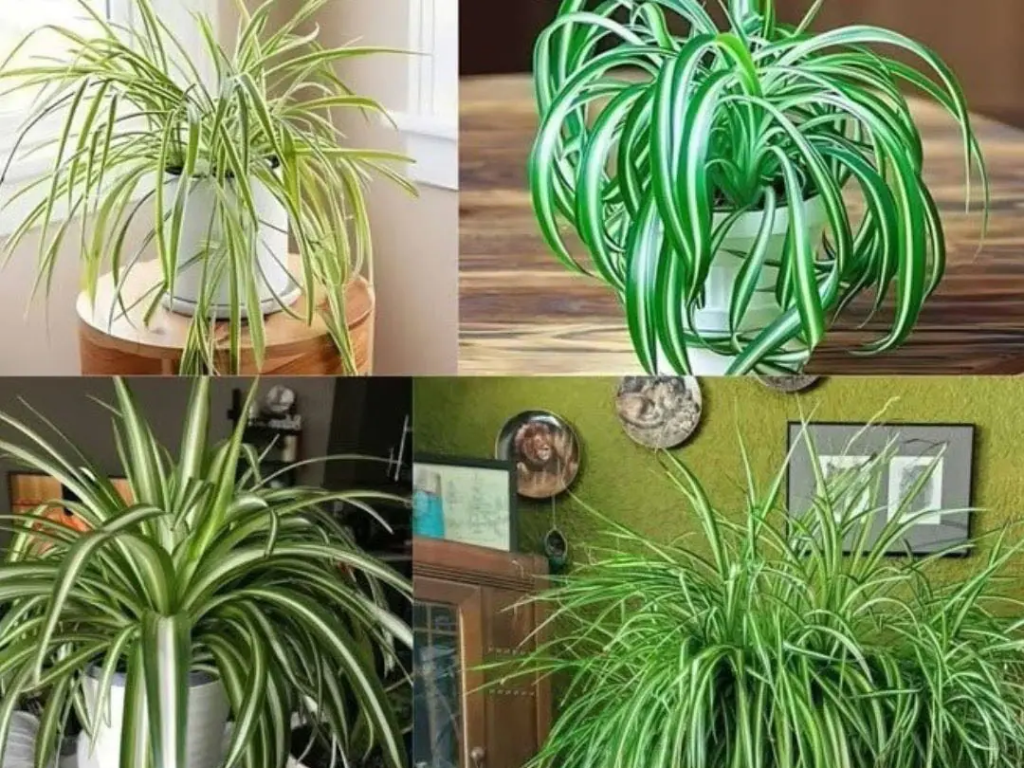
A Natural Ally for a Healthier and More Pleasant Home We admire the spider plant for its delicate and soothing Read more

A Pricing Error That Affects Your Budget We don't always realize it, but pricing errors in supermarkets are far from Read more

The Scents That Attract Them Unintentionally Many laundry detergents and fabric softeners release floral, fruity, or subtly sweet fragrances. While Read more
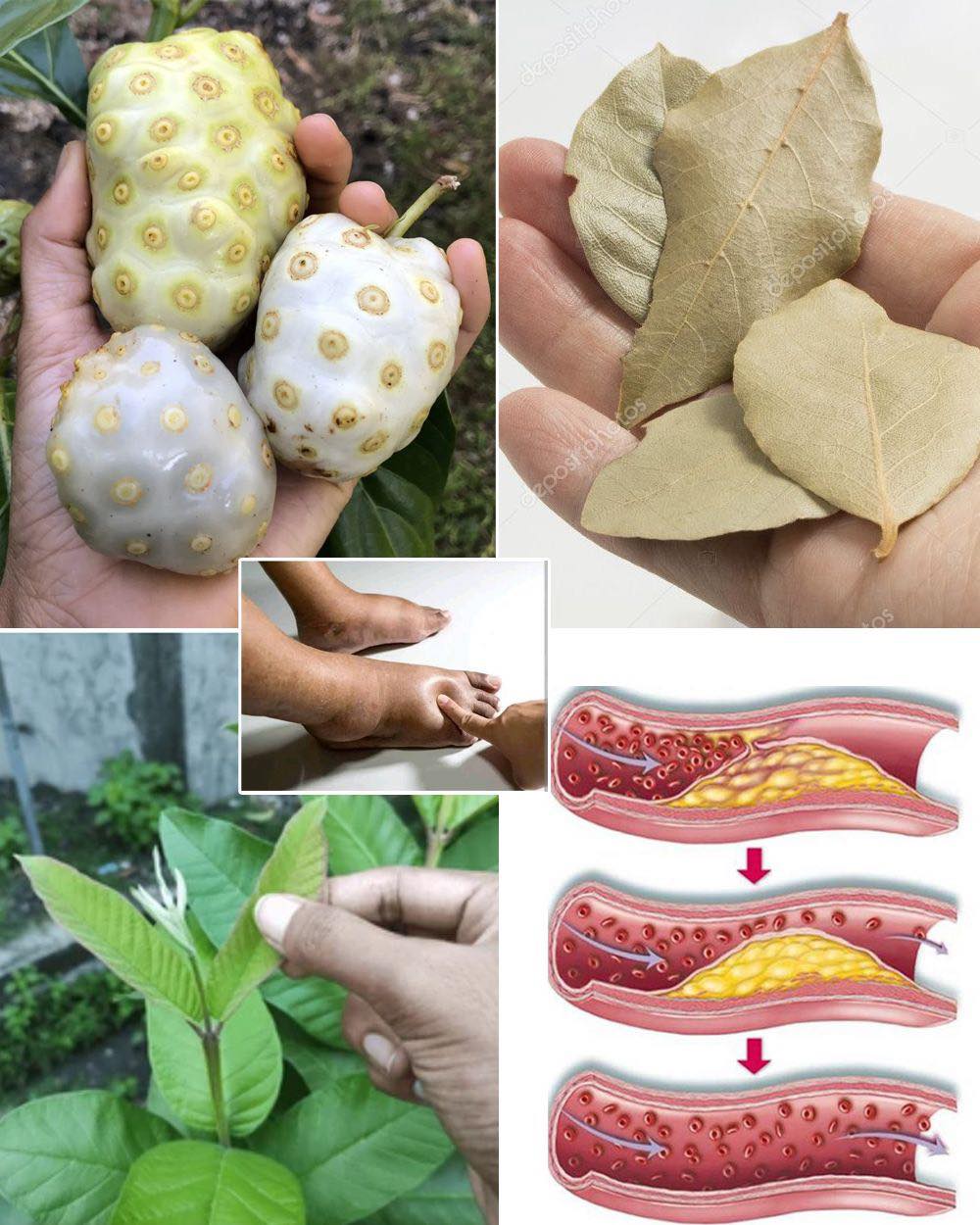
The Ultimate Healing Tonic: A Powerful Natural Drink for Swollen Feet, Diabetes & Poor Circulation Chronic swelling in the feet, Read more

Sweet Violet (Viola odorata): 25 Incredible Benefits & How to Use It Sweet violet (Viola odorata), also known as wood Read more
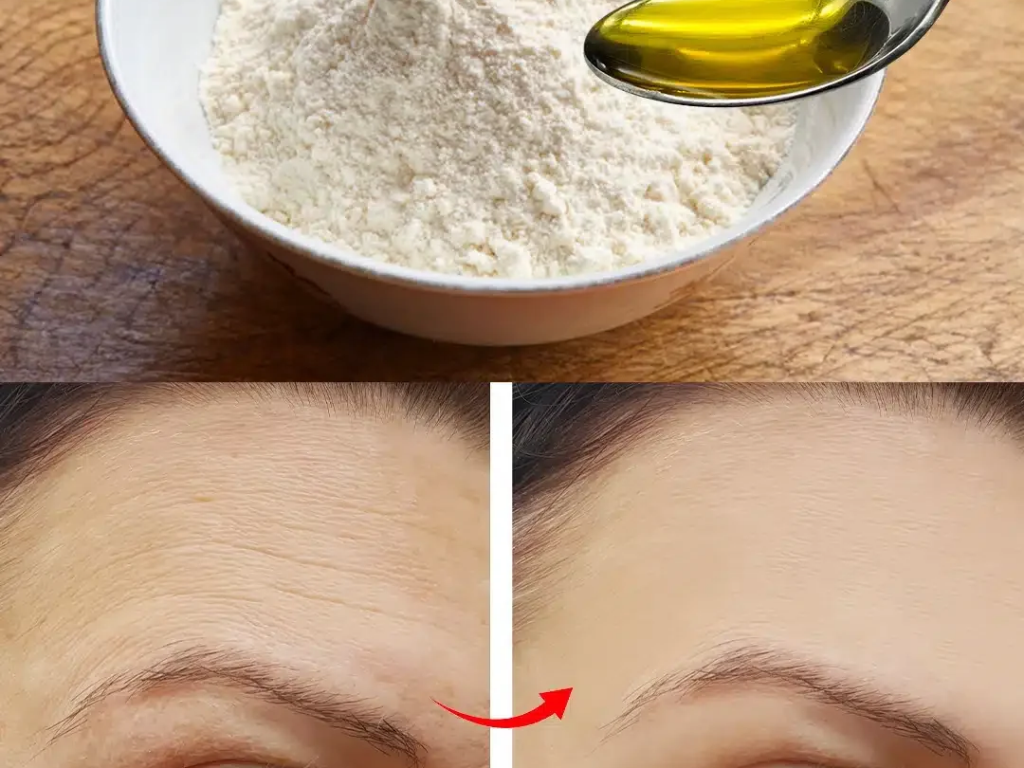
Ingenious Uses for Expired Cornstarch A Natural Cleaner for Windows and Surfaces Did you know that cornstarch can easily substitute Read more

Perfumed Tissues: An Easy DIY Technique The Joy of Scented Tissues: Paper tissues are handy in daily life. While some Read more
