
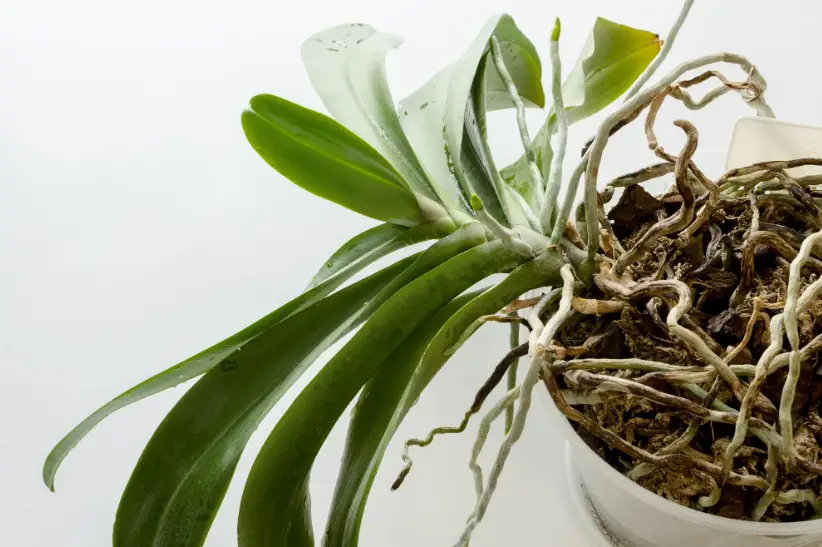
Have you noticed your orchid displaying signs of distress or appearing sickly, seemingly on the brink of death? Don’t lose hope! We are here to guide you through the process of reviving your orchids and restoring their vitality. Understanding the underlying causes of their decline is crucial for providing proper care and facilitating their recovery. Let us delve into the most common reasons orchids perish and discover effective ways to tackle these issues.
Root Rot: The Invisible Threat to Orchids
Root rot stands as the leading cause of orchid mortality. This condition is primarily triggered by overwatering, which results in excessive moisture within the growing medium, causing roots to decay. Furthermore, acidic potting media and inadequate oxygen flow caused by compacted soil can also lead to root rot.
How to Diagnose Root Rot
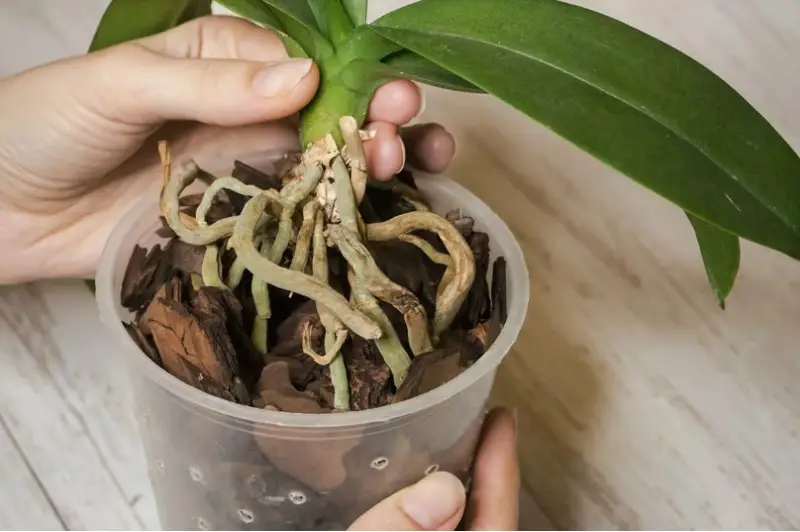
To detect root rot, gently remove the orchid from its pot and inspect the roots closely. You should look for signs such as mushy textures and dark discoloration, which strongly indicate root decay.
Methods for Treating Root Rot
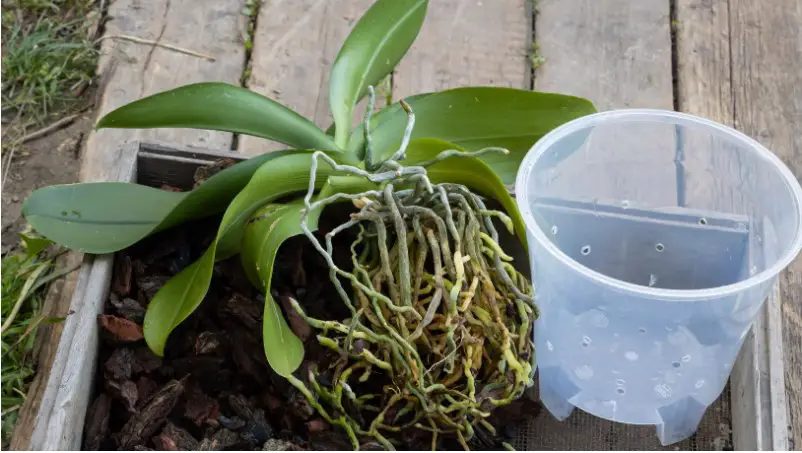
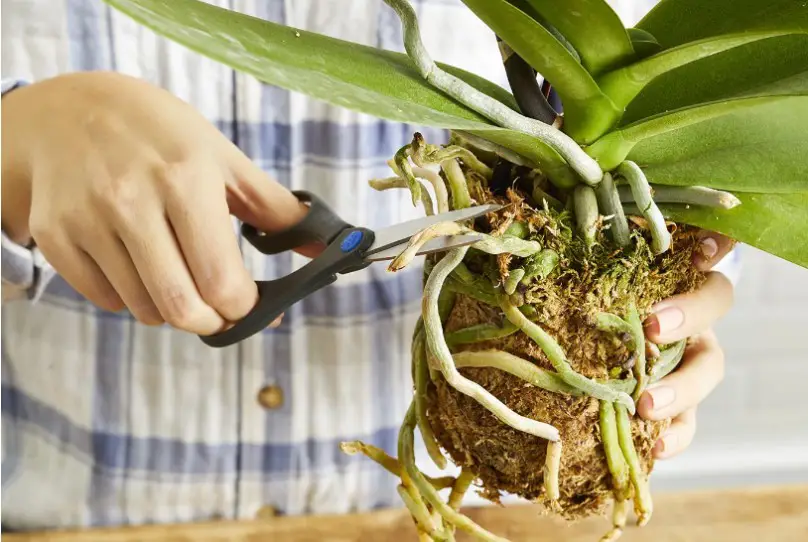
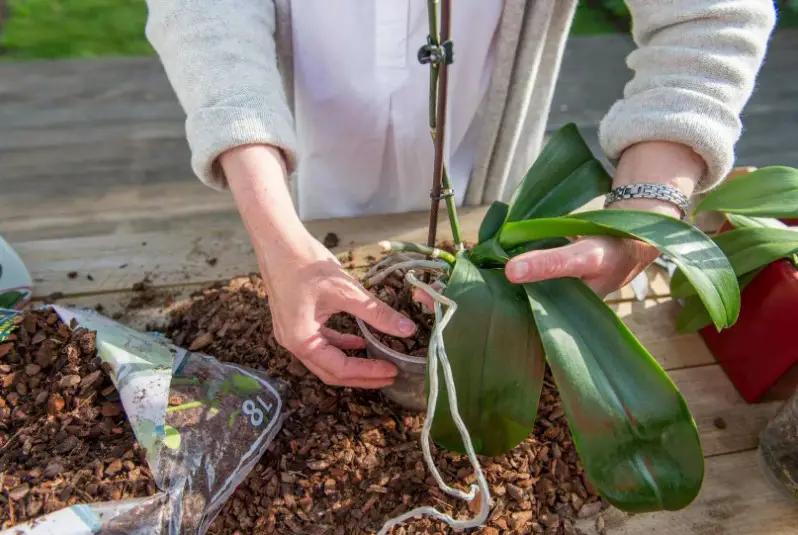
When treating an orchid afflicted with root rot, begin by carefully cutting away all affected and rotting roots with sterilized scissors or pruners. Removing these damaged roots helps reduce the strain on the plant. Afterwards, disinfect the remaining healthy roots by spraying them with a 3% hydrogen peroxide solution to minimize the spread of rot. Finally, repot your orchid into fresh, well-draining growing medium.
Preventing Root Rot
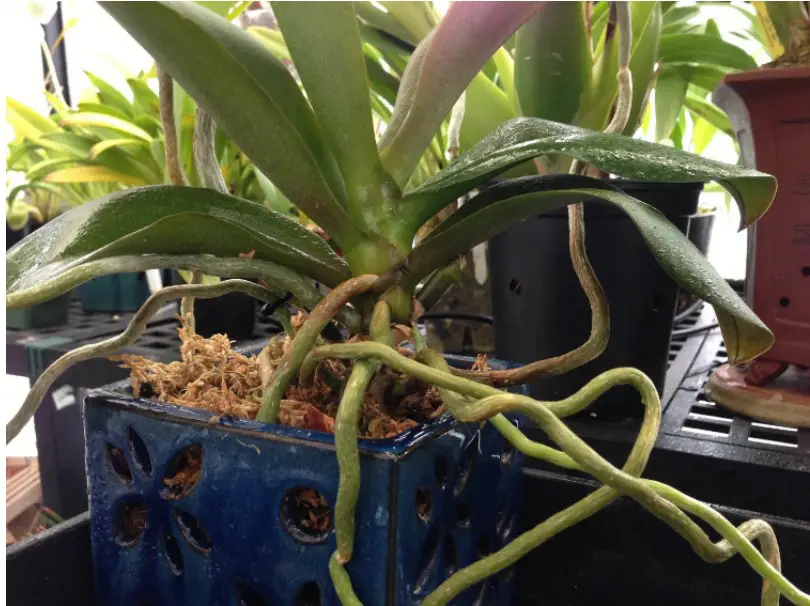
Prevention of root rot hinges on avoiding overwatering your orchid. Make sure the plant’s medium dries between watering sessions while ensuring it remains sufficiently hydrated. Utilize orchid pots equipped with ample drainage holes to enable excess water to escape easily and promote better air circulation. Routinely check the moisture level in the growing medium to prevent oversaturation. Additionally, allowing aerial roots to extend outside the potting medium enhances airflow and diminishes moisture exposure, further reducing the risk of root rot.
Crown Rot: A Critical Danger to Orchid Crowns
Crown rot is a less frequent but far more serious disease that affects orchids, threatening the crown’s survival. Damage to the crown is more catastrophic than root rot and often leads to irreversible harm.
What Causes Crown Rot
Crown rot primarily results from improper watering practices, particularly when water becomes trapped inside the crown. If this trapped moisture is not promptly removed, it causes rotting. Orchids growing in their natural, airborne habitats do not generally face this problem.
Identifying Crown Rot
Examine the orchid’s crown carefully for signs of decay, such as blackened areas. This condition may also be accompanied by yellowing leaves and leaf drop.
Treatment Options for Crown Rot
Although the possibility of saving an orchid afflicted with crown rot is low, it is worth attempting. Start by removing the orchid from its pot and discarding the old potting medium. Cut away any mushy or dead roots, and trim yellowed leaves. Thoroughly disinfect the plant by spraying it with a 3% hydrogen peroxide solution, then allow it to air-dry before wiping off any residual moisture. Repot the orchid into fresh medium, and apply ground cinnamon to the crown area to combat fungal infections and inhibit their spread.
Preventive Measures for Crown Rot
Avoid potting your orchids too deeply, as this depth increases the likelihood of crown rot. Be cautious when watering to ensure water does not accumulate inside the crown. If water does find its way in, insert a folded corner of a paper towel into the wet crown to absorb the moisture, replacing the towel as needed until all excess water has been removed.
Dehydration: The Silent Killer of Orchids
Dehydration is a frequent issue that can ultimately lead to the death of an orchid, usually caused by underwatering or too much direct sunlight exposure.
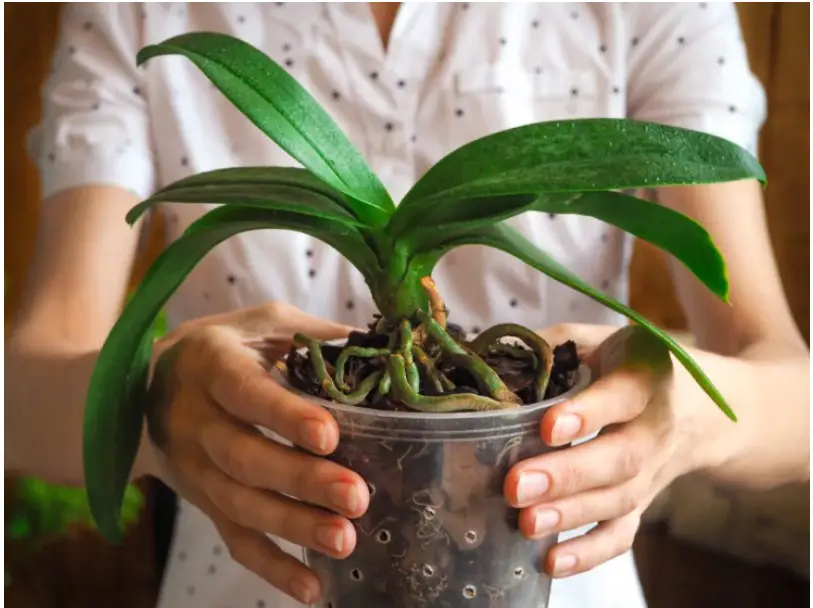
Comprehending Dehydration
While orchids require their potting medium to dry out somewhat between watering, extended periods of dryness can rapidly cause them to become ill. Watering needs may vary depending on the orchid species and seasonal changes, but maintaining sufficient hydration is vital for your orchid’s health.
How to Recognize Dehydration
Watch for signs such as wrinkled, limp, or yellowing leaves, dry bark or sphagnum moss in the potting medium, and desiccated roots.
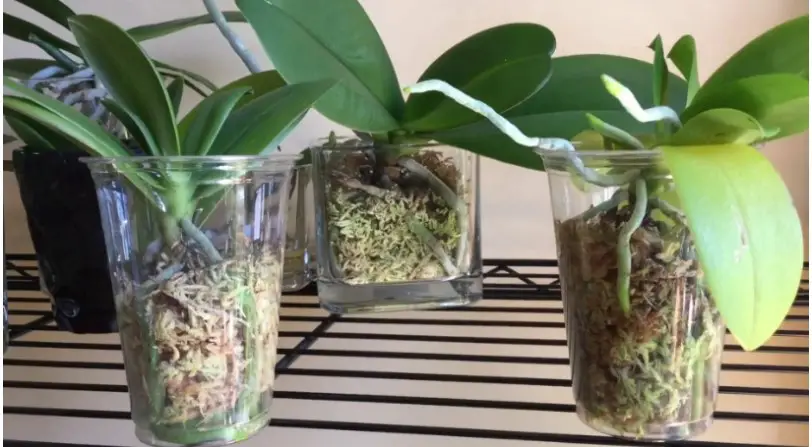
Steps to Treat Dehydration
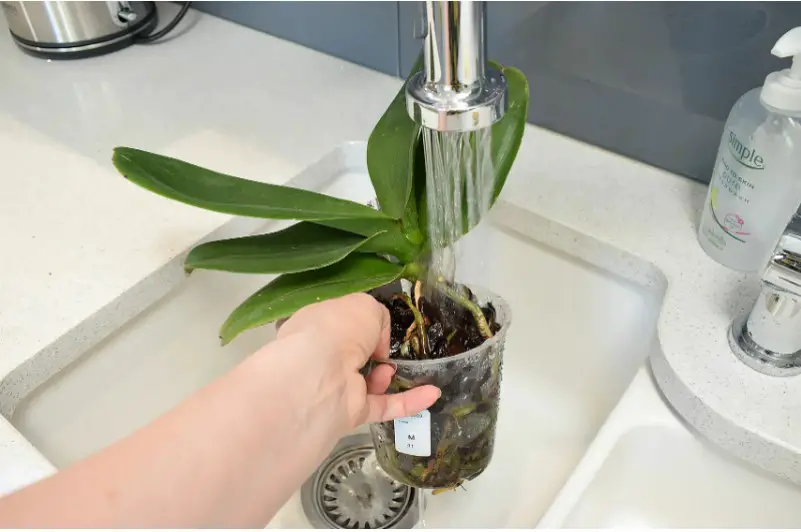
To restore a dehydrated orchid, remove it from its pot and clear away all remnants of the old potting medium. Soak the roots in lukewarm water or rinse them gently under a running tap, taking care not to soak the plant itself. Assess the roots, cutting off any dead ones with sterilized scissors or pruners. Spray the remaining healthy roots with a 3% hydrogen peroxide solution and allow them to air dry. Then, repot the orchid in fresh medium and water thoroughly to ensure proper hydration.
Preventing Dehydration
Ensure your orchid remains properly hydrated by adhering to watering schedules tailored to your specific species. Avoid placing orchids in direct sunlight, as most tropical varieties flourish best in bright, indirect lighting conditions.
Sunburn, Environmental Stresses, and Bacterial Infections: Additional Risks
Beyond the major causes discussed, several other factors can contribute to the decline of orchids.
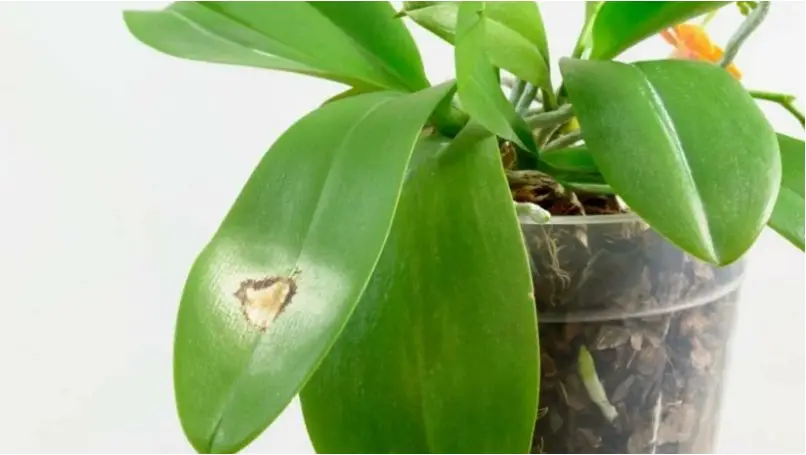
Sunburn: Shielding Orchids from Intense Sunlight
Direct exposure to strong sunlight can cause sunburn in orchids, which results in yellowing, browning, and scorched leaves that eventually fall. To prevent this, provide your orchids with bright yet indirect sunlight, resembling their natural habitat. Use curtains or move pots to shaded areas to limit excessive sun exposure.
Environmental Stresses: Creating Ideal Growing Conditions
Extreme temperature fluctuations, inappropriate humidity levels—whether too high or too low—and improper fertilization are common stressors that negatively affect orchids. To minimize stress, maintain stable, ideal environmental conditions. Avoid over-fertilizing your plants and use fertilizers specially formulated for orchids to supply balanced nutrition.
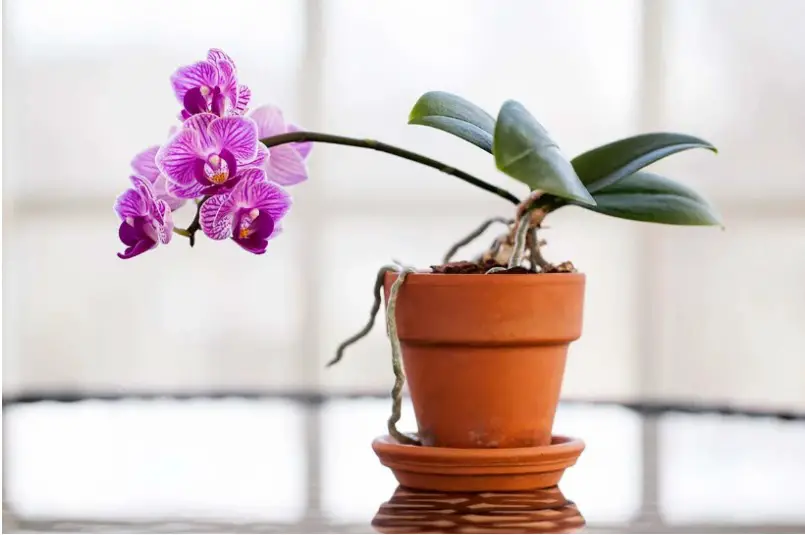
Fighting Infectious Diseases: Fungal and Bacterial Challenges
At times, orchids may experience fungal or bacterial infections that cause unhealthy roots, leaves, and even stem rot. To combat such infections, remove leaves that show spreading bacterial infection signs and trim old flower spikes back to the orchid’s stem. Disinfect the entire plant thoroughly and refresh the potting medium to eliminate environments conducive to disease proliferation.
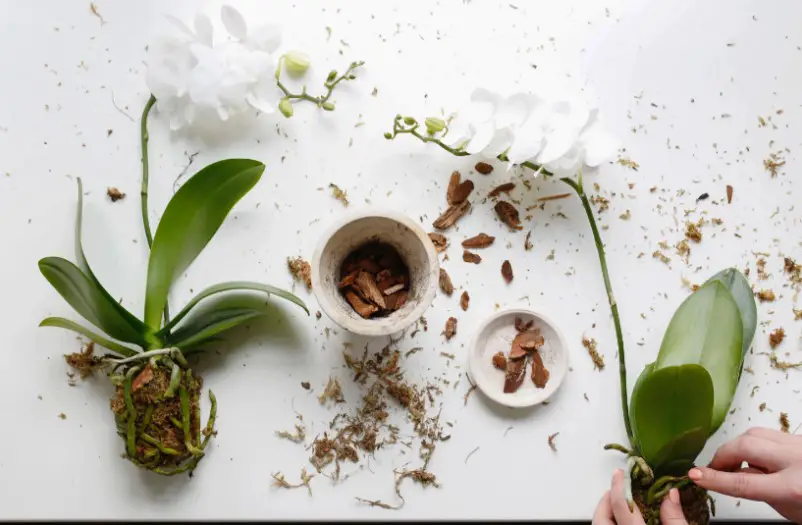
By gaining a clear understanding of the factors behind your orchid’s decline and applying appropriate treatment methods and preventative care, you can successfully revive your cherished plants and secure their long-term health and vibrancy.

Caring for orchids, known for their exquisite and delicate nature, involves a precise approach to hydration. Orchids differ from typical Read more
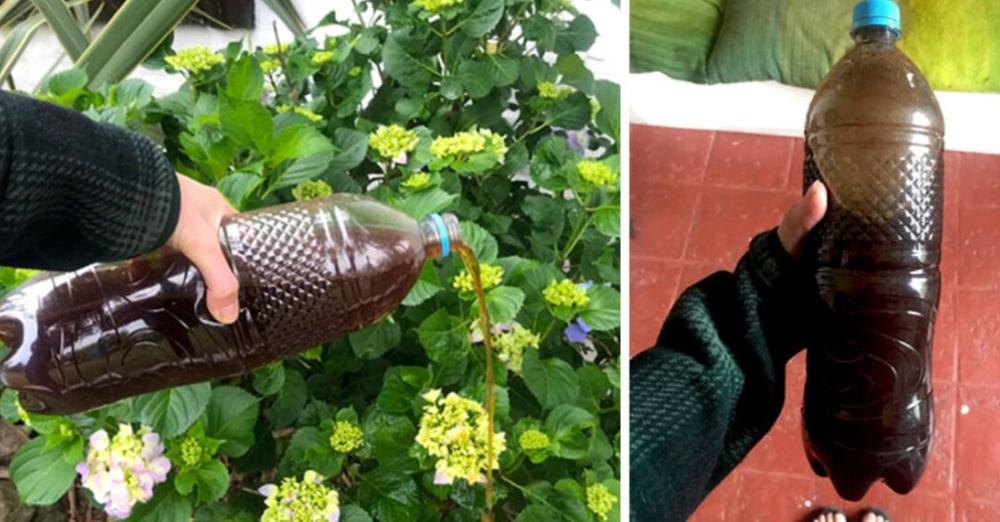
As sustainability and eco-consciousness continue to play a vital role in our everyday lives, discovering alternative methods to fertilize our Read more
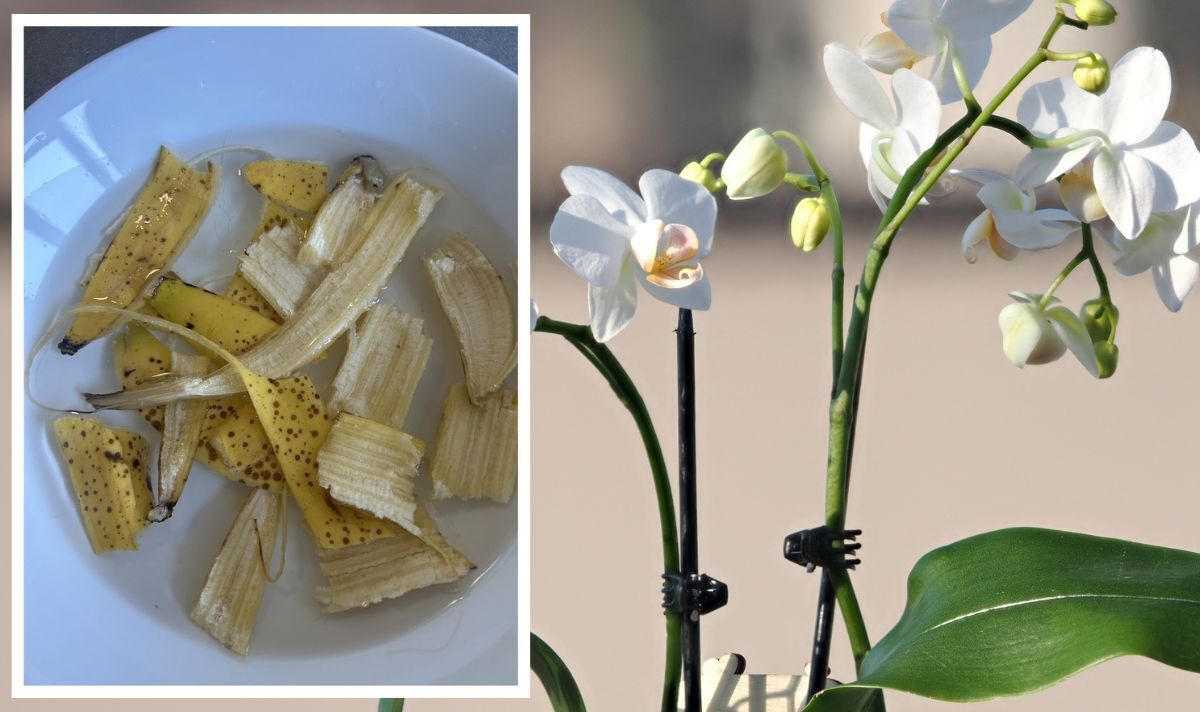
Orchids rank among the most exquisite houseplants cherished by many, yet they are often recognized for their delicacy and their Read more
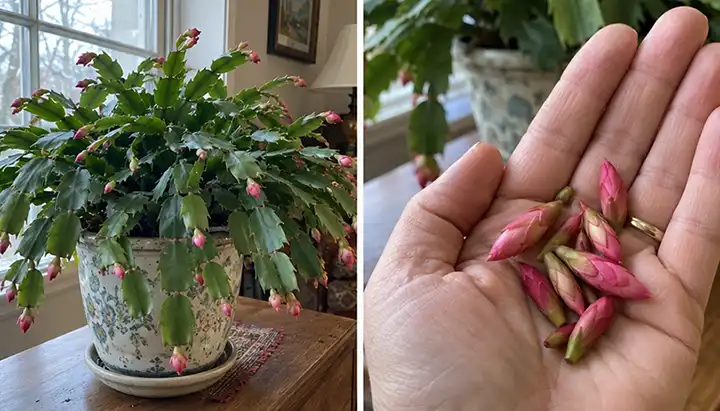
If your Christmas cactus has stayed healthy throughout the year but produced only a few flowers last winter, October might Read more
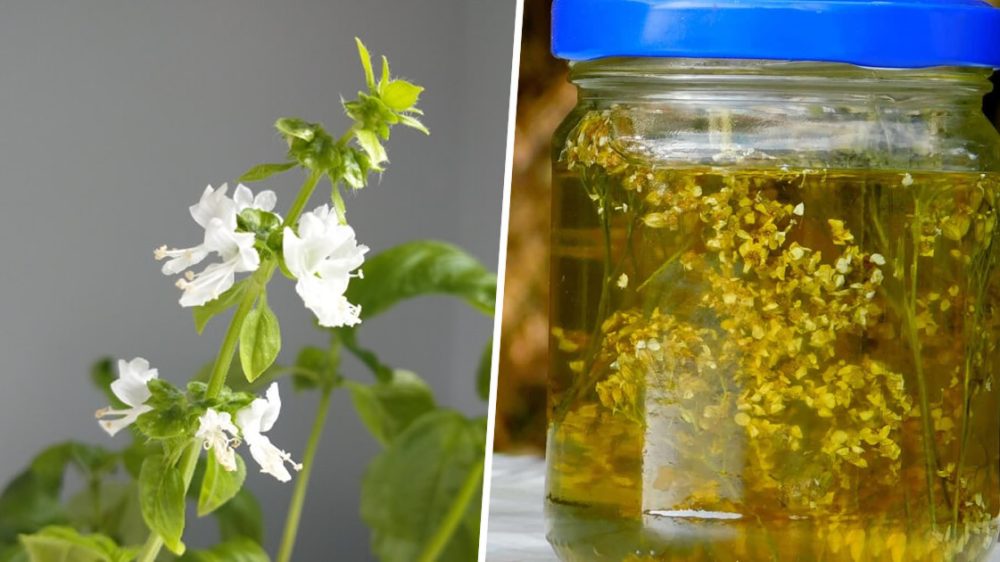
Basil, a cherished herb celebrated in culinary traditions around the globe, is best known for its fragrant leaves. Yet, its Read more
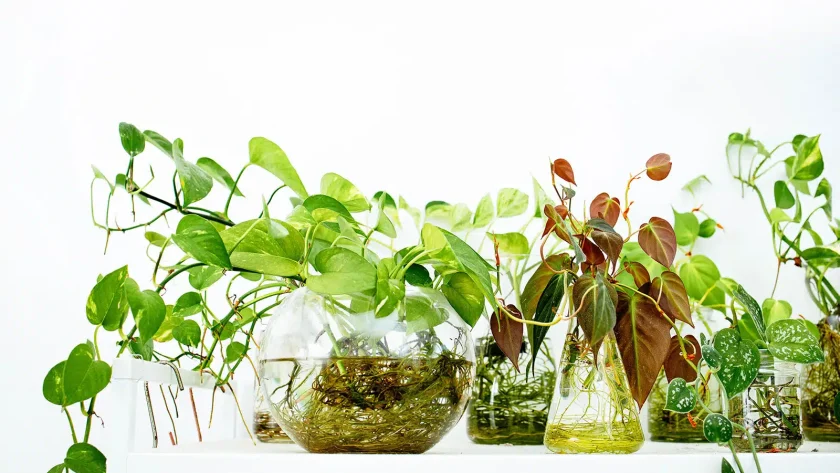
Searching for a distinctive method to incorporate some foliage into your home or workplace? Try cultivating plants hydroponically! Not only Read more
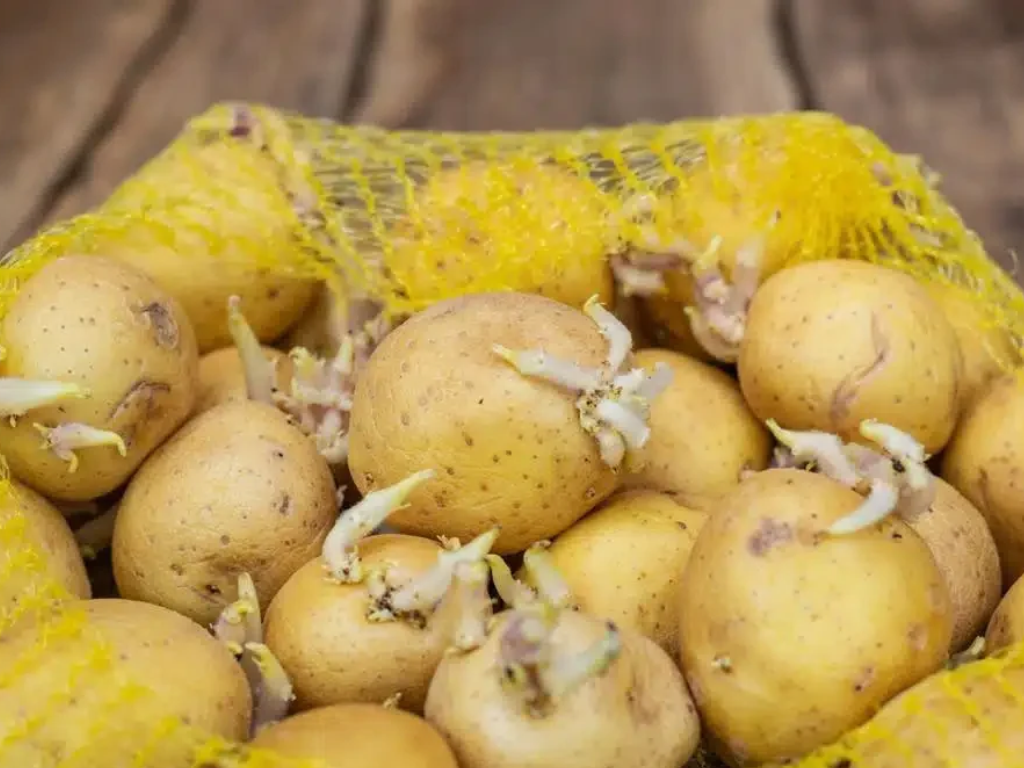
Three Little-Known Tips to Keep Your Potatoes in Perfect Condition Choosing the Right Location for Storage The way you store Read more
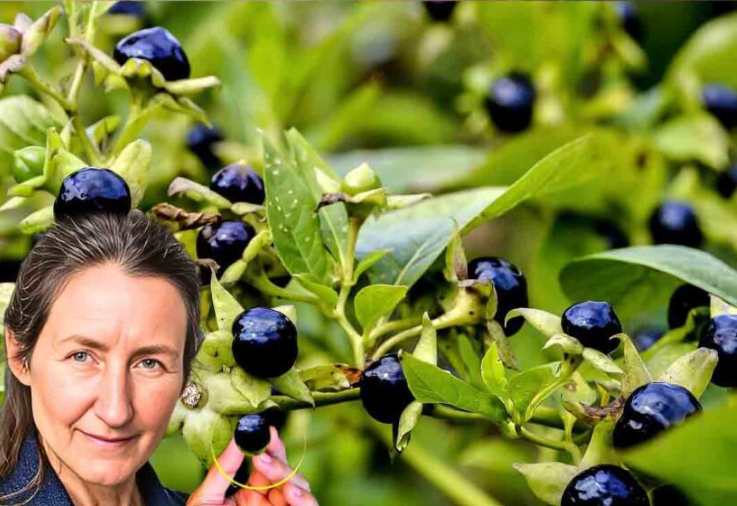
Deadly Nightshade (Atropa belladonna): The Mysterious and Dangerous Plant with a Dark Legacy At first glance, Deadly Nightshade (Atropa belladonna) Read more
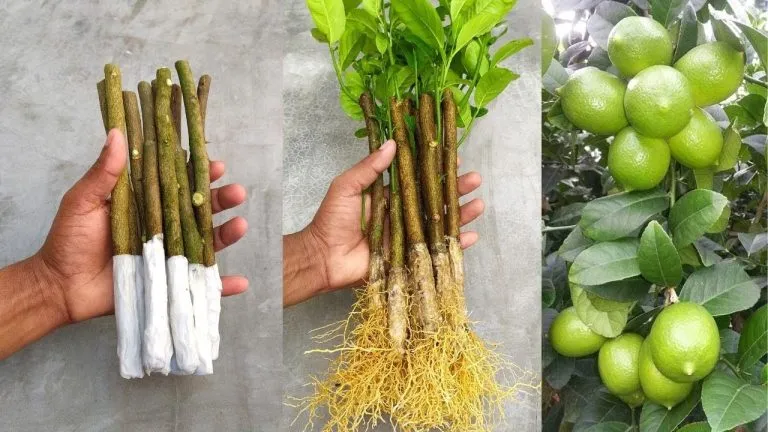
Cultivating lemon trees in your garden or home brings not only visual charm but also the practical advantage of homegrown Read more
Experienced gardeners are well-acquainted with the practice of turning kitchen scraps into valuable gardening resources. Among these scraps, potato peelings, Read more
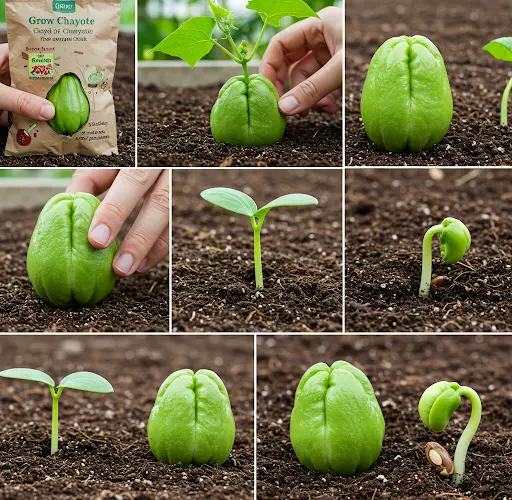
Growing Chayote from Supermarket Fruit: Abundant Harvests Made Easy If you've ever strolled through the produce aisle and spotted a Read more
Self-Seeding Flowers: Effortless Beauty That Returns Every Year When I first fell in love with gardening, my mother came to Read more
The Incredible Healing Power of Billygoat Weed (Ageratum conyzoides): 15 Health Benefits You Should Know About Billygoat weed, also known Read more
Easy Clove Growing: From Seed to Spice – A Beginner’s Guide Cloves are among the most treasured spices in the Read more
Florists and rose lovers alike understand that the allure of roses need not be ephemeral. It is entirely possible to Read more
Orchids, admired for their exotic beauty and vast variety, demand specific care to flourish. While many growers rely on commercial Read more

Indoor Plants: A Decorative Air Purifier Indoor plants have become an essential part of modern decor, increasingly sought-after to greenify Read more

Unlocking the Flowering Potential of Anthuriums Anthuriums are renowned for their stunning, heart-shaped blooms which, under ideal conditions, can grace Read more
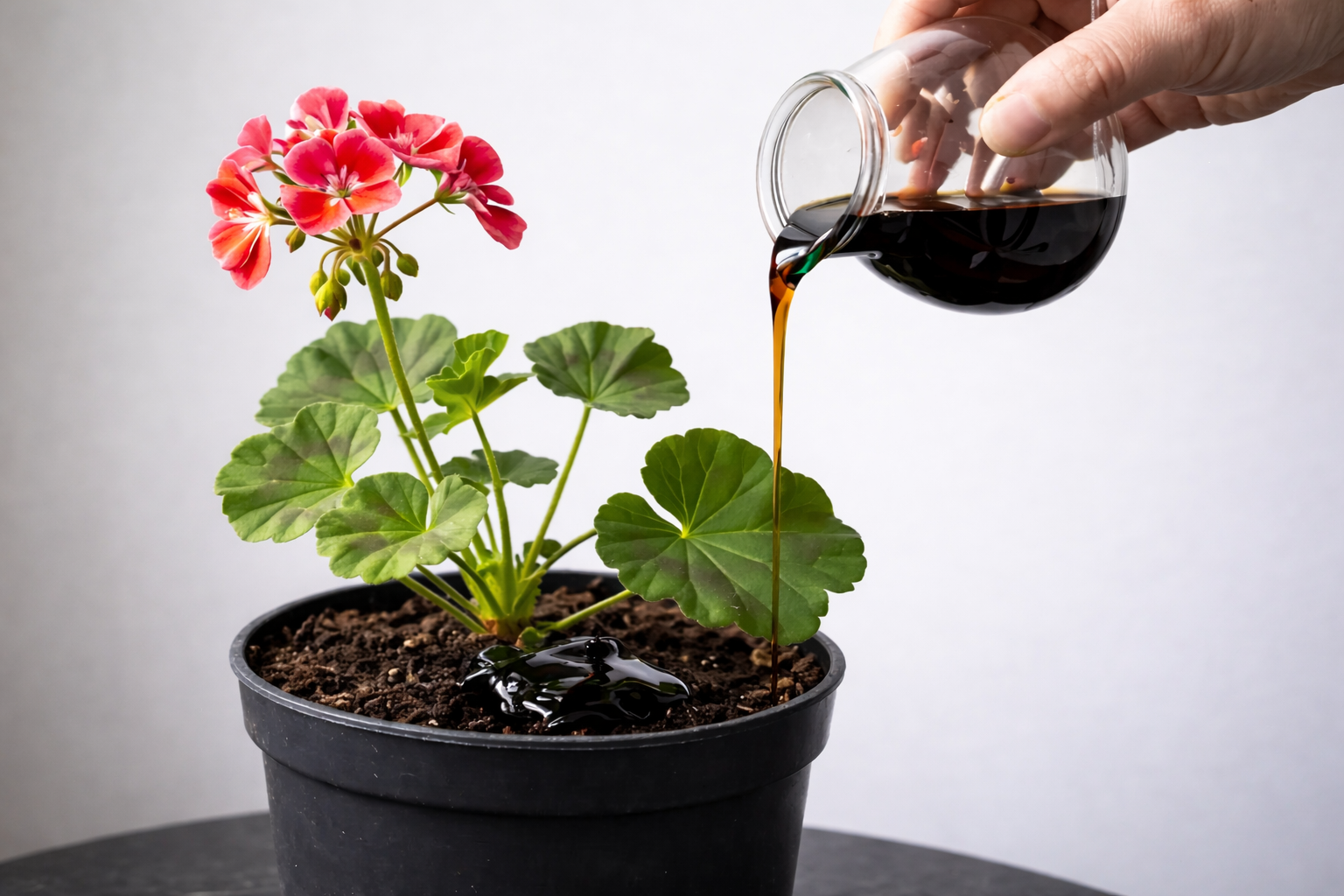
Having geraniums adorned with vibrant blooms for months—sometimes lasting even longer than anticipated—is not a feat reserved solely for expert Read more

Navigating Aloe Vera Care: Bypassing Usual Oversights Aloe vera, celebrated for its therapeutic properties and eye-catching demeanor, is occasionally compromised Read more

Neem oil is a completely natural product, derived from a plant native to India. It contains azadirachtin, a potent compound Read more

Gardening: The Harmony of Craft and Nature Gardening brings out a dance between human creativity and the wonders of nature. Read more
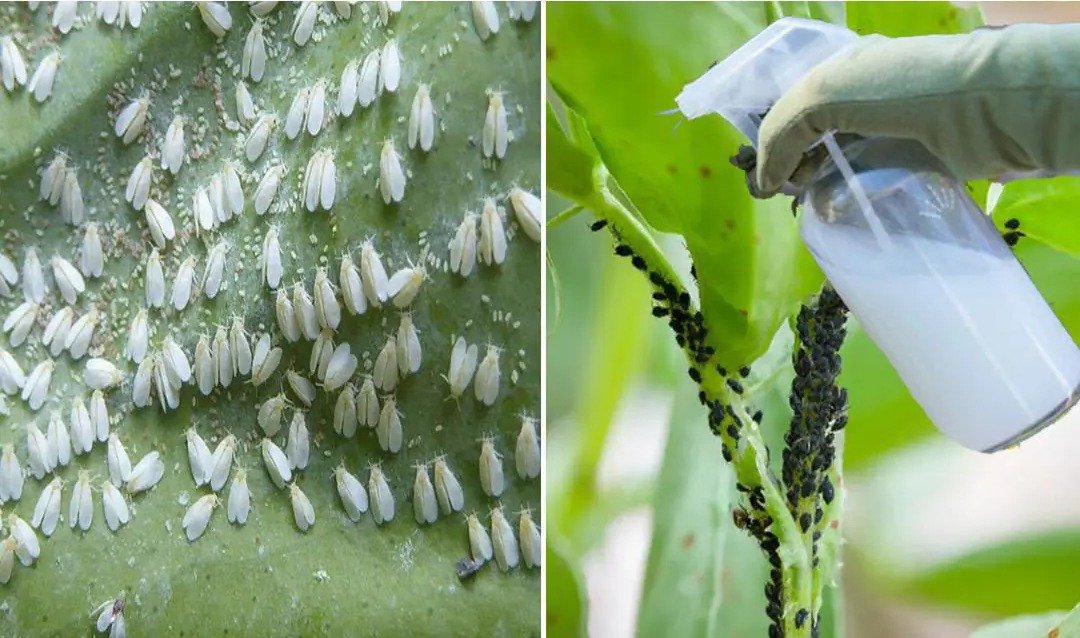
Aphids may be tiny—nearly invisible to the naked eye—but within just a few days, they can cause serious damage to Read more
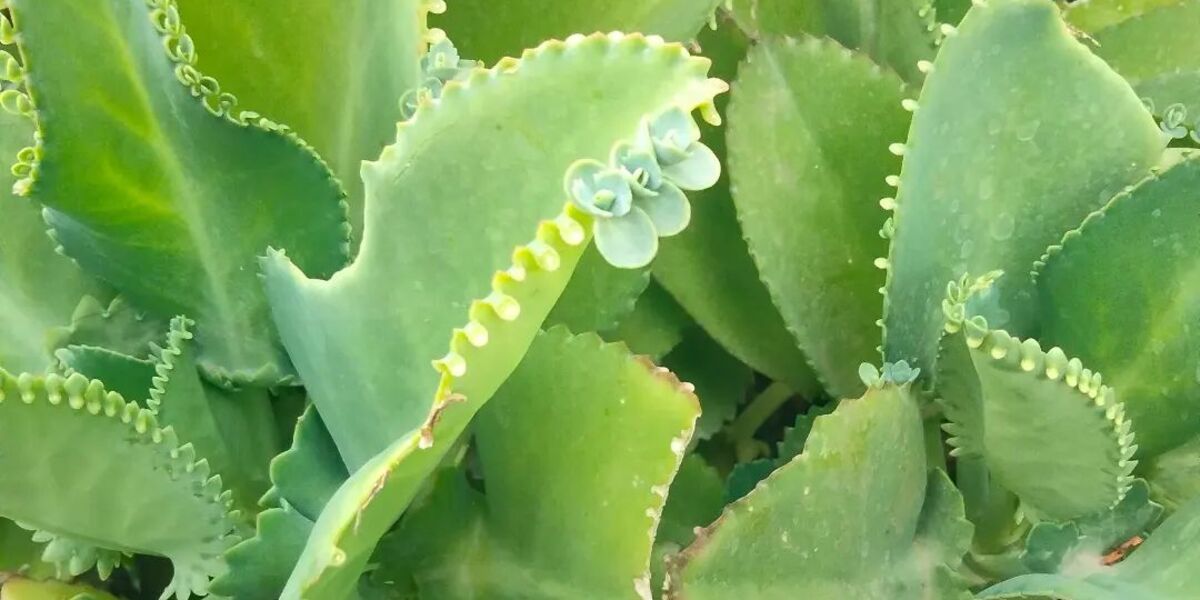
Kalanchoe, a stunning and adaptable succulent plant, is admired not only for its ornamental beauty but also for its strong Read more
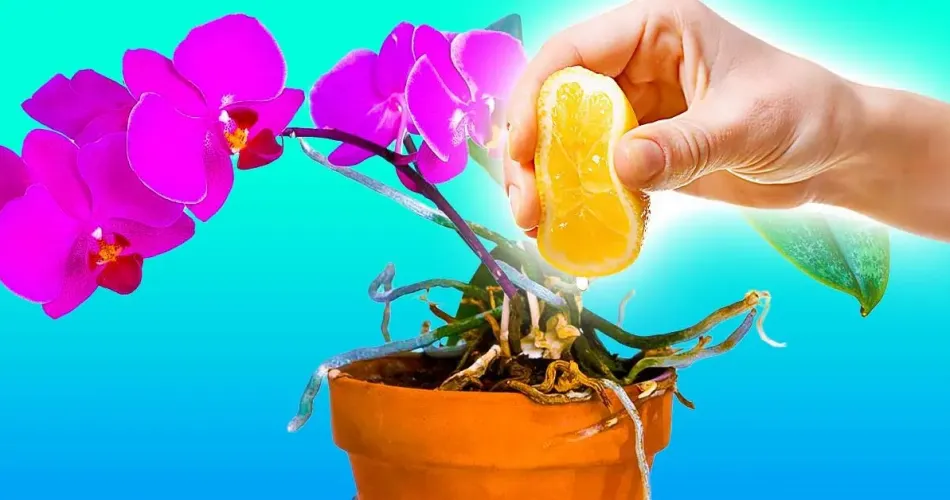
Orchids, with over 28,000 unique species, provide a fascinating insight into the immense diversity found in nature. Originating from the Read more
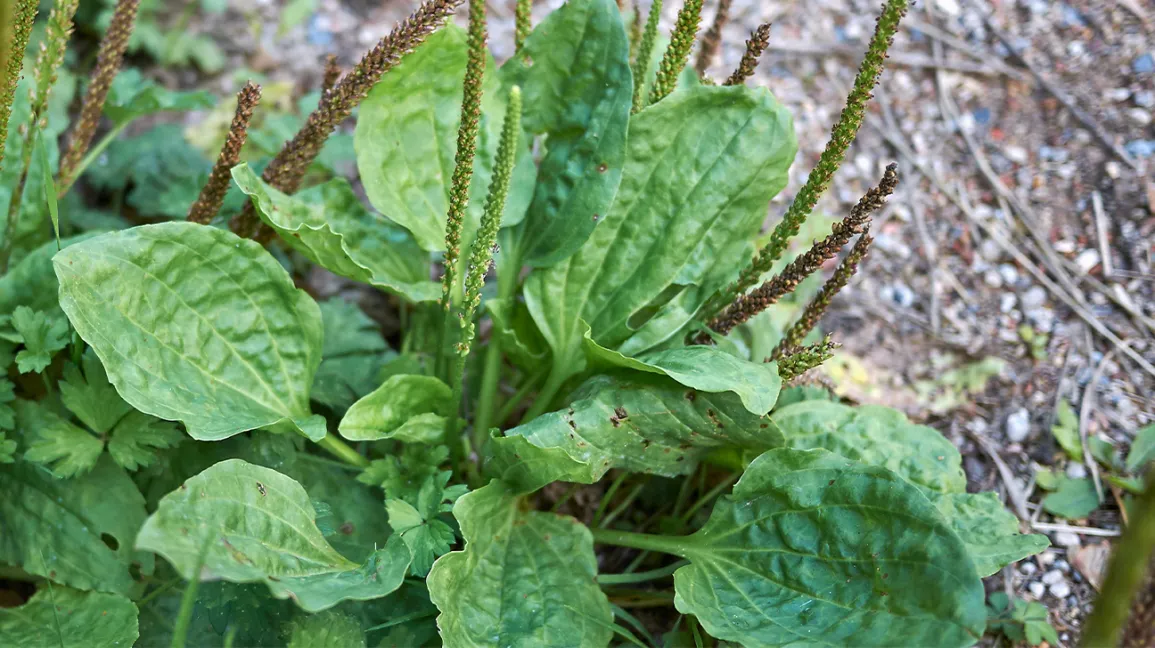
Nature provides us with countless remedies in the form of wild medicinal plants, surrounding us everywhere we go. These healing Read more
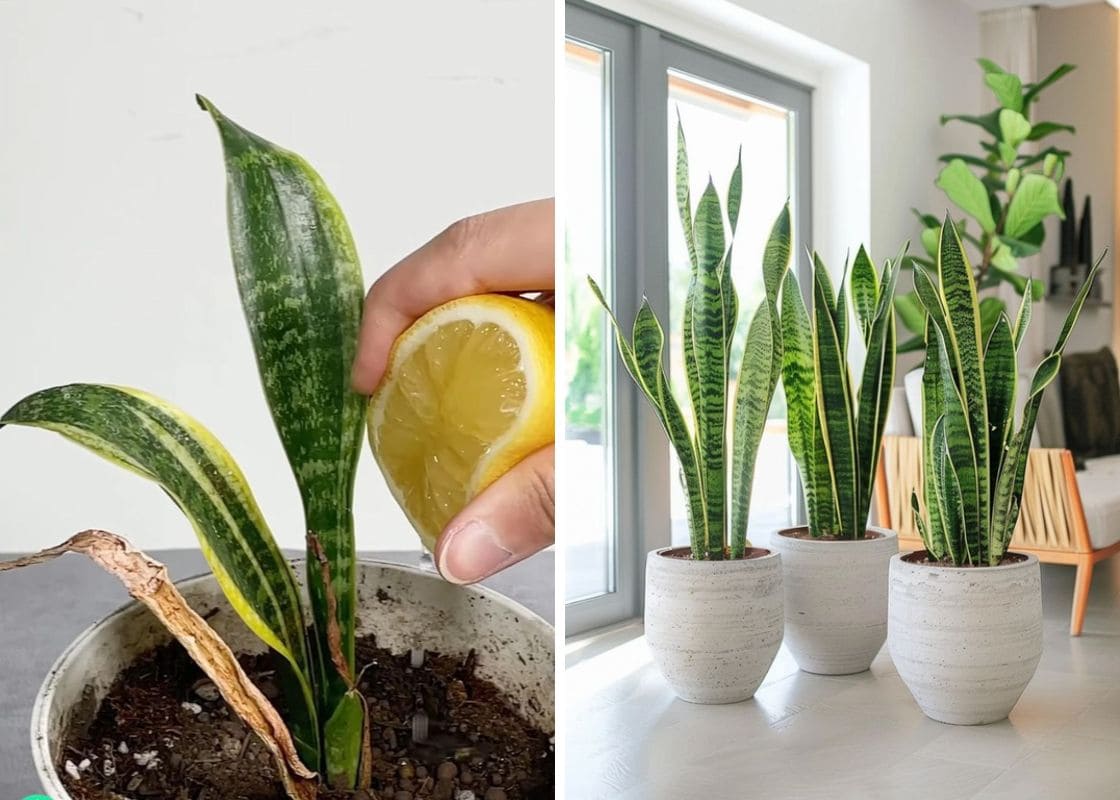
Snake plants are renowned for their resilience, often considered nearly indestructible. They can withstand missed waterings, low light conditions, and Read more
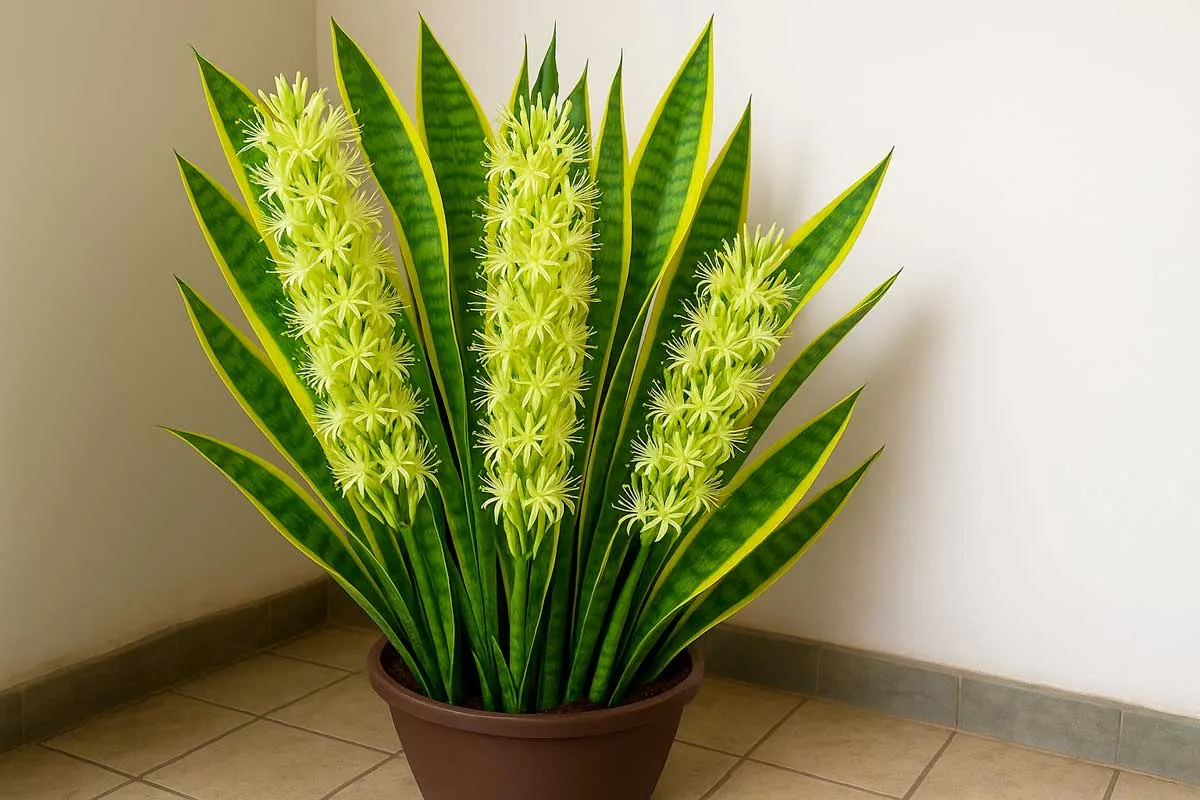
Mother-in-law’s tongue, commonly known as Sansevieria, is renowned for its resilience and remarkable air-purifying qualities. It is an ideal choice Read more
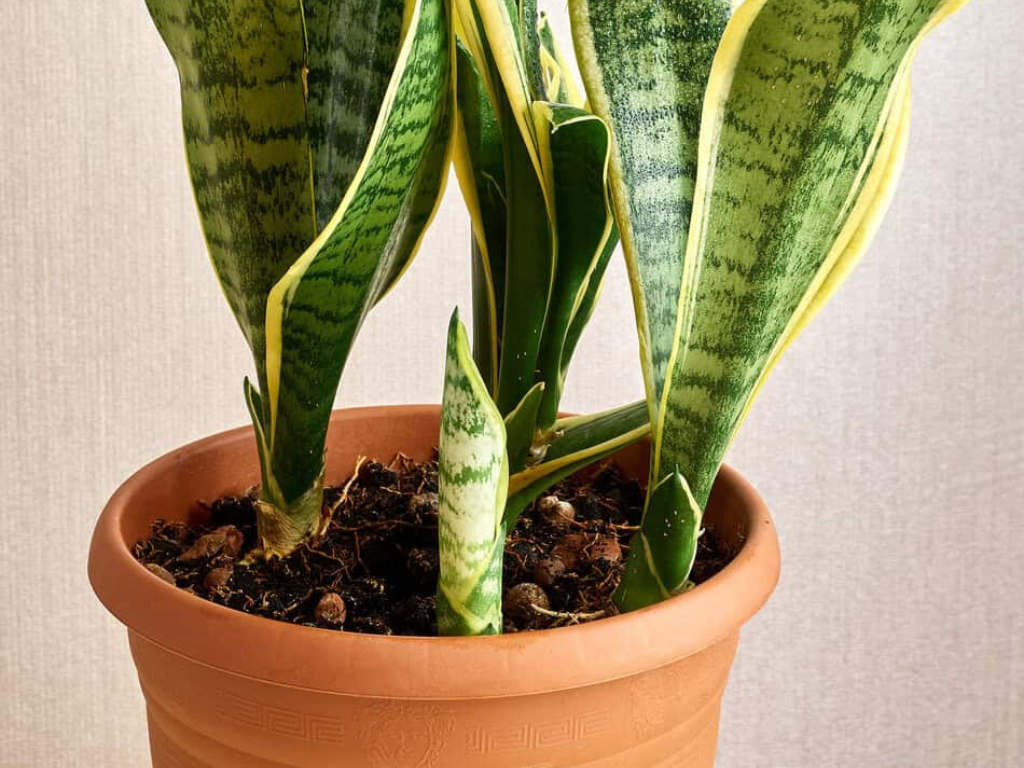
Snake plants (Dracaena trifasciata, formerly known as Sansevieria trifasciata) are renowned for their remarkable resilience. No matter if they receive Read more
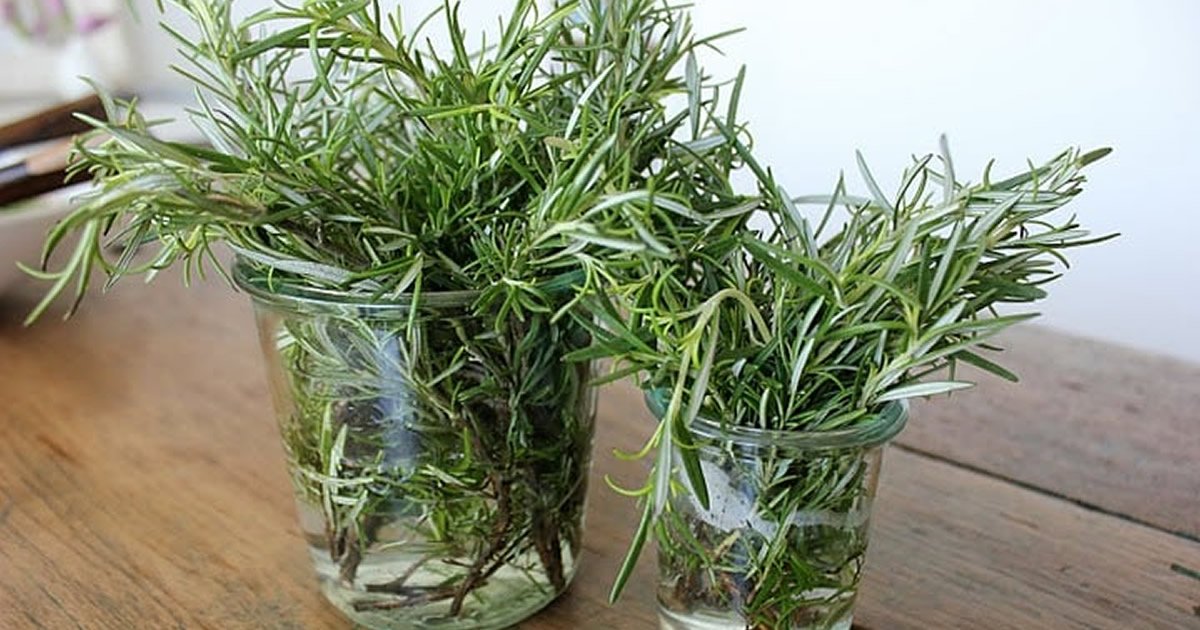
The wisdom and experience of our grandparents often provide invaluable tips and techniques that make our daily lives easier and Read more

Orchids are renowned for their stunning blooms and are a favorite among indoor plant enthusiasts. However, getting these temperamental beauties Read more

In the culinary world, garlic is a staple ingredient that is hard to do without. Cultivating it benefits many plants Read more

Excessive moisture within a house can arise due to capillary action, infiltration, or the phenomenon of condensation. The latter is Read more

Insect-Repelling Greenery: Your Natural Home Defense Transform your home into a sanctuary free from the annoyance of insects such as Read more

Ginger, renowned for its distinct flavor and numerous health advantages, is a fundamental ingredient in many culinary traditions around the Read more
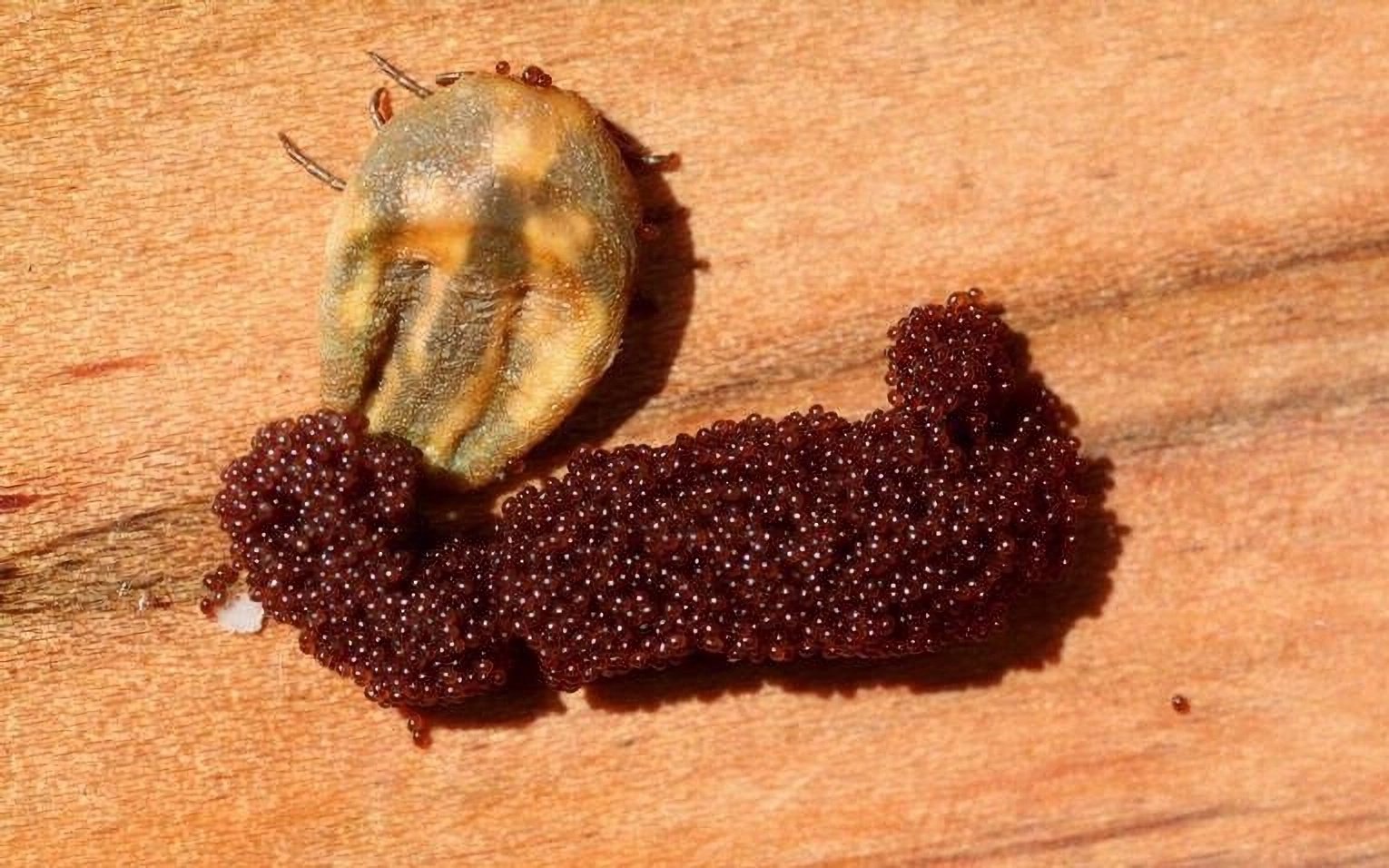
Imagine spending a relaxing afternoon in your backyard, only to stumble upon an unexpected and unwelcome discovery—a cluster of tiny Read more
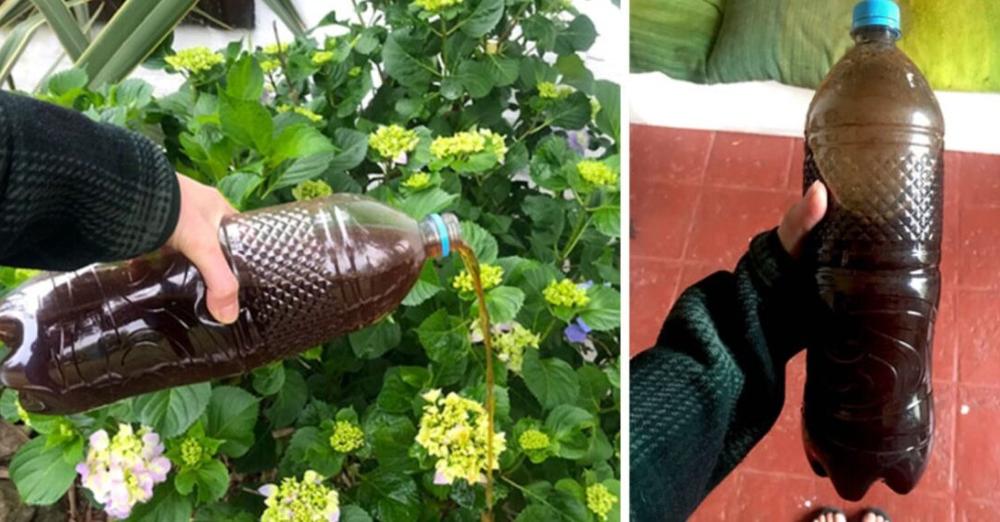
As sustainability and eco-consciousness increasingly shape our everyday habits, discovering alternative methods to fertilize our gardens grows ever more essential. Read more

Understanding Fertilizers for Plants Fertilizer is a product that can be spread or mixed into the soil to provide plants Read more
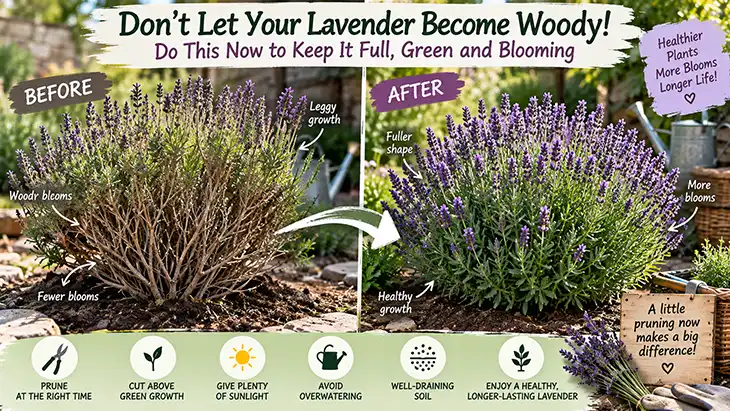
When lavender plants are young, they often present an almost perfect image: a compact shrub with silvery-green foliage, a delightful Read more
Some years, the effort put into gardening seems barely worth it, but this autumn, the value of gardening becomes clear. Read more
