
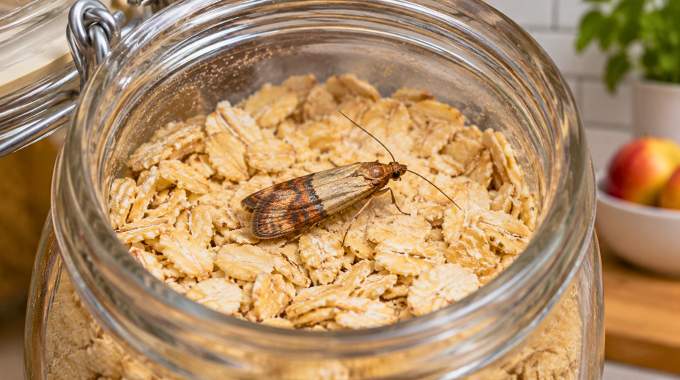
No matter how thoroughly you clean your kitchen, do those tiny food moths keep reappearing? Often, we blame flour or a forgotten packet of pasta at the back of the cupboard as the usual suspects. However, these small brown moths can sneak into your home through products you would never have suspected. Sometimes, they even settle in before you’ve even opened your groceries!
So, which foods should you really be watching? How can you prevent a food moth infestation in your kitchen?
Quick Summary
Moths often arrive through food packaging that’s already contaminated.
Seeds, dried fruits, pet food, and bird feed are frequently affected as well.
To get rid of them, it’s essential to identify the source, discard infested products, and clean your cupboards thoroughly.
How Do Food Moths Enter Your Groceries?

As soon as you return from the supermarket, you calmly put away your groceries. Yet, an unwanted tiny guest might already be starting to settle in your kitchen. Indeed, this is one of the main ways food moths enter our homes.
The problem? Certain foods already carry eggs or tiny larvae at the time of purchase, and it’s often hard to notice them with the naked eye.
Moths especially develop in cereals, rice, pasta, biscuits, but also in seeds and dried fruits.
That’s not all: nuts, almonds, hazelnuts, spices, chocolate, or even tea bags can also harbor these intruders.
Don’t overlook pet food either. A bag of kibble, bird seeds, or a mix for chickens can trigger an infestation.
One often forgotten detail: larvae can wander away from their feeding source to find a suitable place for their transformation into moths. You might discover small cocoons in a corner of the cupboard, under a shelf, or in another part of the kitchen.
Finally, some adult moths can even enter through open windows or doors.
But if moths regularly return to your cupboards, the priority is to locate the contaminated food.
Prevent Moths by Properly Sealing Food Packaging

Are you used to quickly folding your packets of flour or cereals with a clothespin? Although convenient, this method usually isn’t enough to prevent food moths from settling in.
In fact, original packaging doesn’t always offer effective protection. Moths can sneak through even a small opening, and some larvae easily penetrate thin plastic, cardboard, or paper packaging such as tea bags.
The best approach is to transfer your dry foods into airtight containers, ideally glass or rigid plastic jars with fully sealed lids. This precaution is especially important for flour, rice, pasta, cereals, dried fruits, and seeds.
Also, make sure to check your packages before storing them:
The presence of small holes or strange tunnels,
Unusual threads,
Clumped grains,
Or tiny whitish larvae should alert you.
Another simple tip: avoid mixing old and new foods. If one package contains eggs or larvae, it can contaminate your entire stock. Always use your oldest products first and clean your jars before refilling them.
Best Methods to Eliminate Food Moths from Your Cupboards

Have you spotted those little moths fluttering around your kitchen? Don’t panic, but it’s important to act quickly. Eliminating food moths isn’t just about chasing away adults; you must find and remove their breeding ground.
Start by completely emptying your cupboards.
Carefully inspect every package, even those that appear well sealed.
Pay special attention to folds in bags, box corners, and foods you rarely use.
Immediately discard any infested products in a sealed bag and remove it from your home.
Don’t just remove visible larvae: eggs can be much harder to spot and more discreet.
Next, vacuum the cupboards thoroughly, focusing on corners, grooves, and small spaces around shelves. Be sure to vacuum any cocoons you find.
Empty the vacuum tank or dispose of the bag outdoors to avoid reinfestation.
Clean the cupboards with soapy water, optionally enhanced with household vinegar, then allow them to dry thoroughly.
As an added precaution, freeze dry foods that show no signs of infestation at about -18°C for several days. This method kills potential eggs and larvae.
Finally, pheromone traps are a useful addition to monitor adult moth presence. They primarily catch males and cannot eliminate an infestation alone. Complete removal of the source is still essential.
One last tip: avoid using insecticide sprays inside food cupboards. Thorough cleaning and discarding infested foods remain the safest and most effective solutions.
The Secret of Seasoning: An Essential Traditional Method What if the key to reviving a frying pan lay in an Read more
Why Is It Essential to Regularly Defrost Your Freezer? The gradual buildup of frost inside your freezer goes beyond just Read more
A Walk That Sometimes Holds Unexpected Surprises After a walk, it is common to find our dog with muddy paws, Read more

An Enigmatic Capsule: Description and Speculations At first glance, this small brass capsule, lightweight and perfectly airtight, appears ordinary. Yet Read more

Lactuca serriola, commonly known as prickly lettuce, is a plant that often goes unnoticed, dismissed as a mere weed. However, Read more
When I first spotted a peculiar red, slimy form in my garden, my initial thought was that I had stumbled Read more
Unlocking the Garden Potential of Eggshells: 10 Innovative Applications Eggshells, often seen as fragile protectors of eggs, are also a Read more
A Wooden Box with Colorful Slats A user was intrigued by a simple wooden box containing slats of various colors. Read more
A Natural Pest Hunter Lizards and geckos play an essential role as genuine natural predators of invasive and sometimes harmful Read more
Rosemary is a herb renowned not only for its fragrant aroma in cooking but also for its extensive health advantages, Read more

Timeless Elegance That Transcends Generations Choosing black often reflects a profound pursuit of refinement and sophistication. This color goes beyond Read more
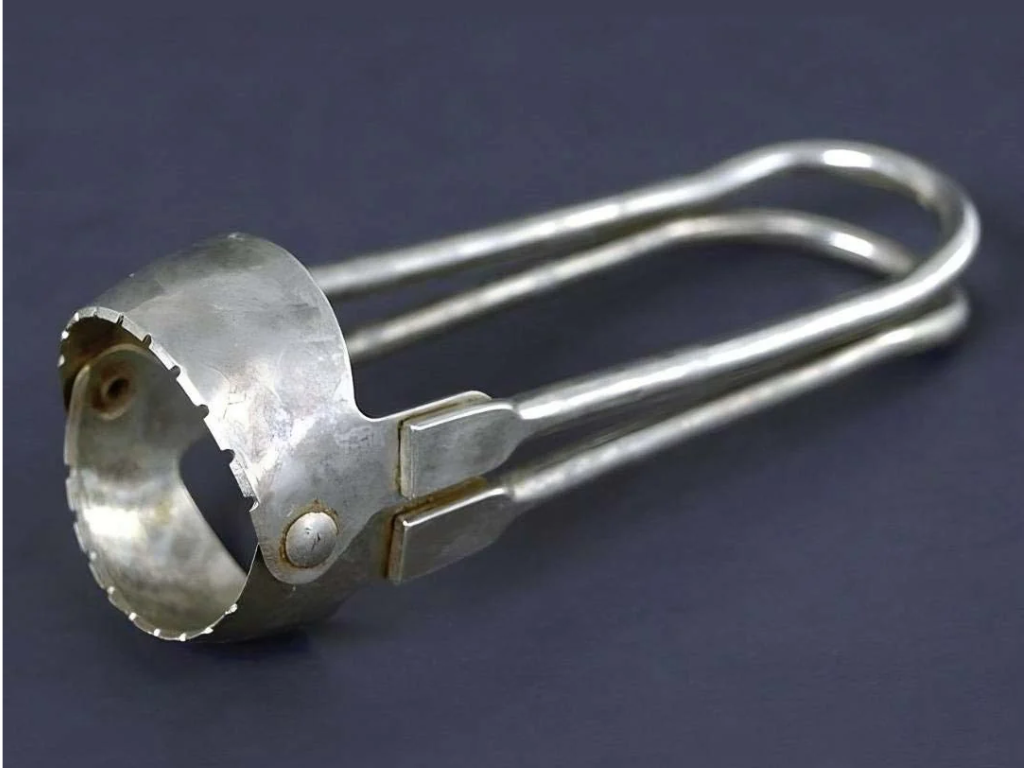
An Invention Born from a Passion for Cooking At the end of the 19th century, the importance placed on healthy Read more

This image does more than just trick our eyes; it also reveals a lot about our personality. Depending on what Read more
A Natural Remedy for Your Well-being For centuries, activated charcoal has been renowned for its exceptional absorption capabilities. Acting like Read more

You bought a bag of potatoes, and a few weeks later, you find that they’ve started to sprout? Don’t panic! Read more

Why It's Crucial to Clean Your Oven and How to Do It Naturally The Importance of Cleaning Your Oven The Read more

The Fork Trick: An Ideal Solution for Long Zippers Long zippers, such as those found on jackets or coats, can Read more

The Fish: A Symbol Steeped in History This discreet fish, sometimes seen on vehicles, is far more than a mere Read more

In the realm of gardening, we often stick to traditional methods like basking in sunlight, diligent watering, and soil enriched Read more

How to Detect Hidden Cameras in a Hotel Room? Hidden cameras can be disguised within seemingly harmless objects, including hotel Read more
The Float Test: A Simple and Revealing Method Imagine yourself holding a bowl filled with water and an egg in Read more

The Loyal Friend: The Comfort of the First Choice We all have that steady and comforting person in our lives, Read more
The bathroom and the toilets are rooms in the house that demand regular maintenance. This is understandable, as dampness, mold, Read more
Why Is Salt an Effective Remedy Against Bed Bugs? Salt acts as a powerful dehydrating agent. When it comes into Read more

The Return of Earrings in the 17th Century The 17th century marked a notable resurgence in earrings, greatly encouraged by Read more
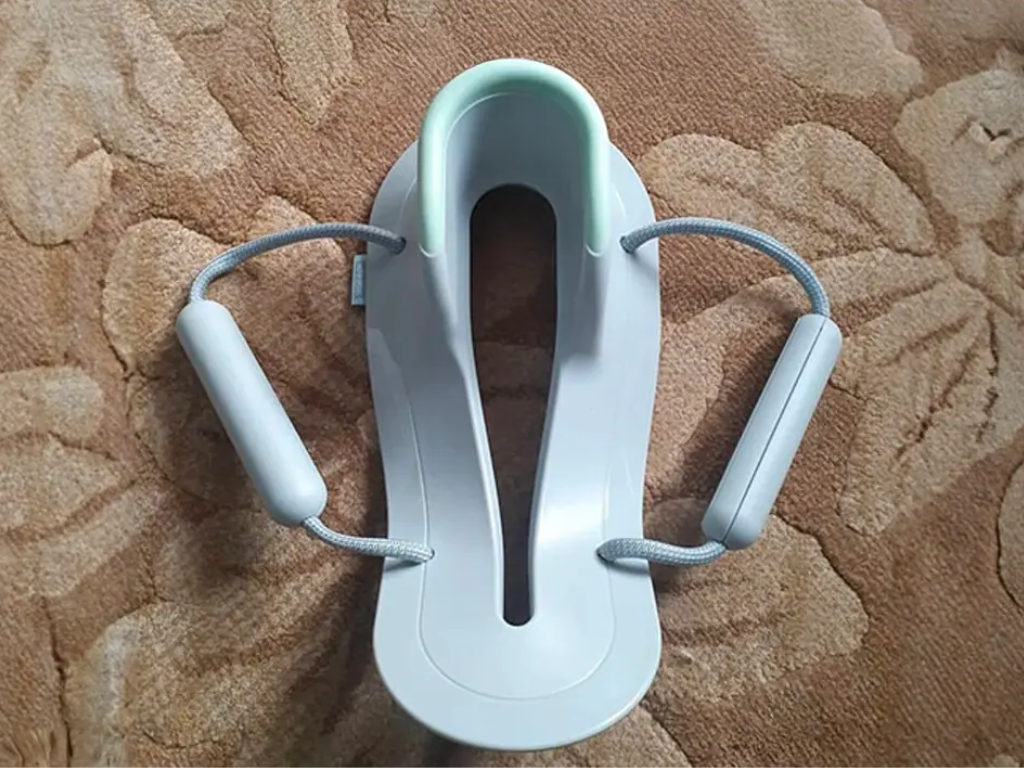
You have probably come across an intriguing object whose purpose completely eluded you. Whether it was a discovery in a Read more

I grew up surrounded by my father and my older sister, Charlotte. Yet, there was never truly a deep bond Read more

The Importance of Ventilating Your Home in Winter Indoor air that is overly saturated with humidity is not only uncomfortable Read more

Thyme is known by some as the “enemy of toxins,” and it has been part of stories since ancient Greece. Read more

An Enigmatic Disappearance at the Heart of the Family Vegetable Garden It all began in Alberta, Canada, several years ago. Read more

Smart Ventilation to Combat Heat With the arrival of summer, the interior of cars can quickly become stiflingly hot. However, Read more
Ingenious Uses for Expired Cornstarch A Natural Cleaner for Windows and Surfaces Did you know that cornstarch can easily substitute Read more

Do you remember those holiday evenings when the entire family gathered around a large table, sometimes lingering until the early Read more

Low Beam Headlights: More Ingenious Allies Than You Might Imagine Low beam headlights are essential and activate automatically as soon Read more

A True Natural Booster for Memory and Concentration Widely known for enhancing the flavors of Mediterranean dishes, rosemary also proves Read more

Guava is often hailed as a superfruit, but did you know that its leaves also pack an extraordinary punch in Read more

Mimosa Pudica, commonly known as the “Sensitive Plant” or “Touch-Me-Not,” is famous for its unique reaction to touch—its leaves fold Read more

Corn silk, the delicate, hair-like strands that grow on an ear of corn, has a long history of use in Read more
Mulberry trees are best known for their luscious summer berries, but their leaves possess an even greater potential as a Read more
A Charming Renaissance Step One: Thorough Cleaning and Preparation Before starting the transformation, the dresser needed to be meticulously cleaned: Read more
