
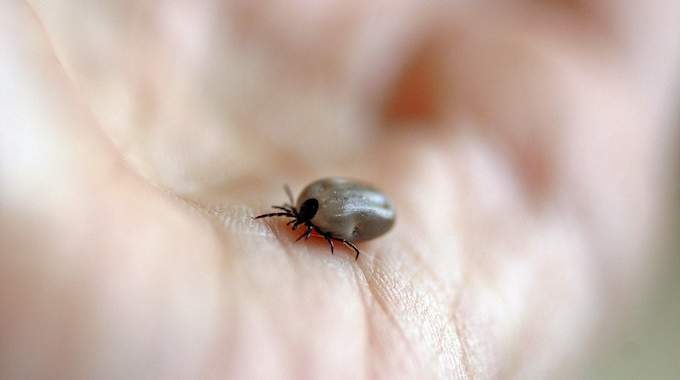
Beware, ticks are making their comeback! These tiny unwanted parasites especially thrive during spring and autumn, their preferred seasons.
Consequently, the risk of getting bitten is significantly higher during these times. With often changing weather, alternating between rain and warmth, ticks are proliferating all across France.
Do you think the tick problem is limited to rural areas only? Think again! While they are more common in forests, fields, and the countryside, nowadays, ticks can also be found in urban parks, public gardens, and even some city spaces.
The real issue is that ticks can transmit pathogens, notably those responsible for Lyme disease.
It would be a pity to give up your outdoor walks in nature just because of ticks…
Fortunately, the National Agency for Food, Environmental and Occupational Health Safety (Anses) has published simple recommendations.
Just a few easy precautions can considerably reduce the risk of getting bitten by a tick, as this guide shows with three essential tips:
1. Use an effective repellent

If you have a mosquito repellent spray, know that it also serves as a powerful defense against ticks.
These repellents work for several hours to keep these parasites away, effectively protecting you from their bites.
If you prefer a natural option, you can also make your own anti-tick solution. For instance, this homemade recipe proven effective at not attracting these pests.
2. Wear long, appropriate clothing

If you plan to take a walk in the forest or countryside, using just a repellent is not enough.
It is essential to wear protective clothing designed to prevent ticks from getting under your clothes during your walk.
Favor closed shoes as well as clothes that fully cover your arms and legs. Also ensure that your clothes fit tightly around your wrists and ankles.
Using gaiters, for example, or pulling your socks over the bottom of your pants are good methods to prevent ticks from crawling beneath your garments.
Granted, this might cause some warmth, but it is better to tolerate some discomfort than risk contracting Lyme disease.
Additionally, choose light-colored clothing. This practical choice makes it easier to spot ticks trying to latch on quickly, allowing you to remove them before they settle in for good.
3. Stick to open, cleared paths

Ticks mainly hide in tall grasses. To reduce risks, always favor well-maintained and cleared paths for your walks.
Indeed, these parasites wait about a meter from the ground. As soon as prey approaches, they drop onto it.
A simple contact is enough for them to begin crawling up your leg or arm, hoping to find a suitable spot to bite.
They prefer warm, humid areas where the skin is thin, such as behind the knees, the groin, armpits, or even behind the ears.
Once attached, they cling firmly to suck your blood.
For this reason, it is crucial to thoroughly examine your entire body after spending time outdoors.
Pay particular attention to the folds of your knees, genital areas, behind your ears, your hair, and your armpits.
What should you do if a tick bites you?
Finding a tick on yourself is always unpleasant, but you should not panic or act without care.
Avoid yanking it out roughly, as this might leave part of the parasite embedded in your skin.
Contrary to popular belief, don’t try to immobilize it with ether or other harsh substances.
Instead, use a specific pair of tweezers or, better yet, a tick removal tool designed for this purpose, which allows you to gently extract the insect without breaking its body.
A tick removal tool is the safest and most recommended method to avoid any risk.
Afterwards, carefully disinfect both the bite area and the tool used.
Once the tick is removed, keep it safely: there is one more important step to complete.
How to contribute to scientific research?

Do not throw away your tick, even if it is dead, as it can be valuable for scientific purposes.
A free application called “Signalement Tique” has been developed by the National Institute for Agricultural Research (INRA).
You can download it on your iPhone or Android device.
This app allows you to report a bite and participate in a large monitoring program called Citique.
To contribute, place the dead tick in an envelope and mail it to the researchers.
Thanks to this simple action, you help map tick distribution in France and detect their potential as carriers of Lyme disease.
Recognizing Lyme disease

Rest assured, in most cases, quickly removing a tick (within a few hours after the bite) prevents the transmission of Lyme disease.
A characteristic sign is the appearance, few days or weeks after the bite, of a circular red rash shaped like a target around the bite site.
If you notice this symptom, it is imperative to consult a doctor. An antibiotic treatment will then prevent the development of the disease.
Special situations requiring heightened vigilance
Be particularly cautious if you are pregnant, if the tick has bitten a child under 8 years old, or an immunocompromised person.
In these cases, consult a doctor immediately, even if there are no visible signs of redness.
Similarly, if the tick is large and already engorged, it means it has been attached for several days and the risk of contamination is higher.
In some regions, preventive treatment is systematically prescribed after a bite.
Whatever the situation, never hesitate to contact a healthcare professional if you have any doubts.

The Fascination of Pareidolia: When Our Minds Discern Faces Where None Exist This captivating phenomenon is known as pareidolia. It Read more

Why Does the Airfryer Appeal So Strongly to French Households? In 2023, nearly one million households in France chose to Read more

In this article, we present the six main mistakes to avoid in order to preserve your refrigerator and ensure its Read more

Transforming Garlic Peels into Gold for Gardeners: In the rhythm of kitchen prep, garlic peels are often discarded without a Read more

Why Do Some People Wash Their Ground Beef? The practice of washing ground beef often comes from a good intention: Read more

We experienced several miscarriages. Each time, it was a silent grief, almost invisible to the eyes of others. I learned Read more
Why Incorporate Clove Infusion Into Your Daily Routine? A Powerful Source of Antioxidants to Combat Aging Free radicals, those agents Read more

Horseweed (Erigeron canadensis): 20 Amazing Benefits and How to Use It Horseweed, also known as Erigeron canadensis or Canadian fleabane, Read more

Embracing Organic Gardening with Homemade Onion Elixir The shifting trends in horticulture are leaning heavily towards eco-conscious choices, prompting gardeners Read more

A Story of Love, Trust… and Betrayal Everything seemed to come straight out of a fairy tale. At just 15 Read more

Juniper, a versatile and aromatic plant, has been valued for centuries for its culinary, medicinal, and therapeutic uses. Known for Read more

An IQ Test Involving Coffee Cups When it comes to logical reasoning, it is clear that not everyone approaches it Read more
The Multifaceted Benefits of Spices and Herbs Throughout history, a variety of spices and herbs have been cherished not only Read more

An Invention Born from a Passion for Cooking At the end of the 19th century, the importance placed on healthy Read more

Urinating While Standing, Tail Twitching: A Deliberate Behavior When you discover a small puddle of urine on a wall or Read more
Born in 1951, 61, 71, 81, 91, 01, 11, 12…: An Untamable Competitive Spirit If the last digit of your Read more
What Is the Purpose of the Overflow Hole in a Sink? The small, often overlooked hole located near the edge Read more

A Heartbreaking Message Lilo, a gentle and affectionate dog, was found wandering with a leash around her neck and a Read more
Who has never been taken aback by the unexpected discovery of a peculiar object right in the middle of their Read more
How to Detect Hidden Cameras in a Hotel Room? Hidden cameras can be disguised within seemingly harmless objects, including hotel Read more

Why Are We Fascinated by Optical Illusions? Whether seen on the Internet or in magazines, trompe-l’œil images enjoy undeniable popularity. Read more

How to Detect and Keep Rats Nesting in Your Walls Away The warning signs are often subtle: faint footsteps heard Read more

Goldenberries, also known as Physalis or Uchuva, are small, orange-yellow fruits enclosed in a delicate, papery husk. Originating from the Read more
This content is for informational purposes only. For medical advice or diagnosis, please consult a professional. Most people recognize aloe Read more

The Amazing Benefits of Sumac and How to Use It Sumac is more than just a flavorful spice—it’s a powerful Read more
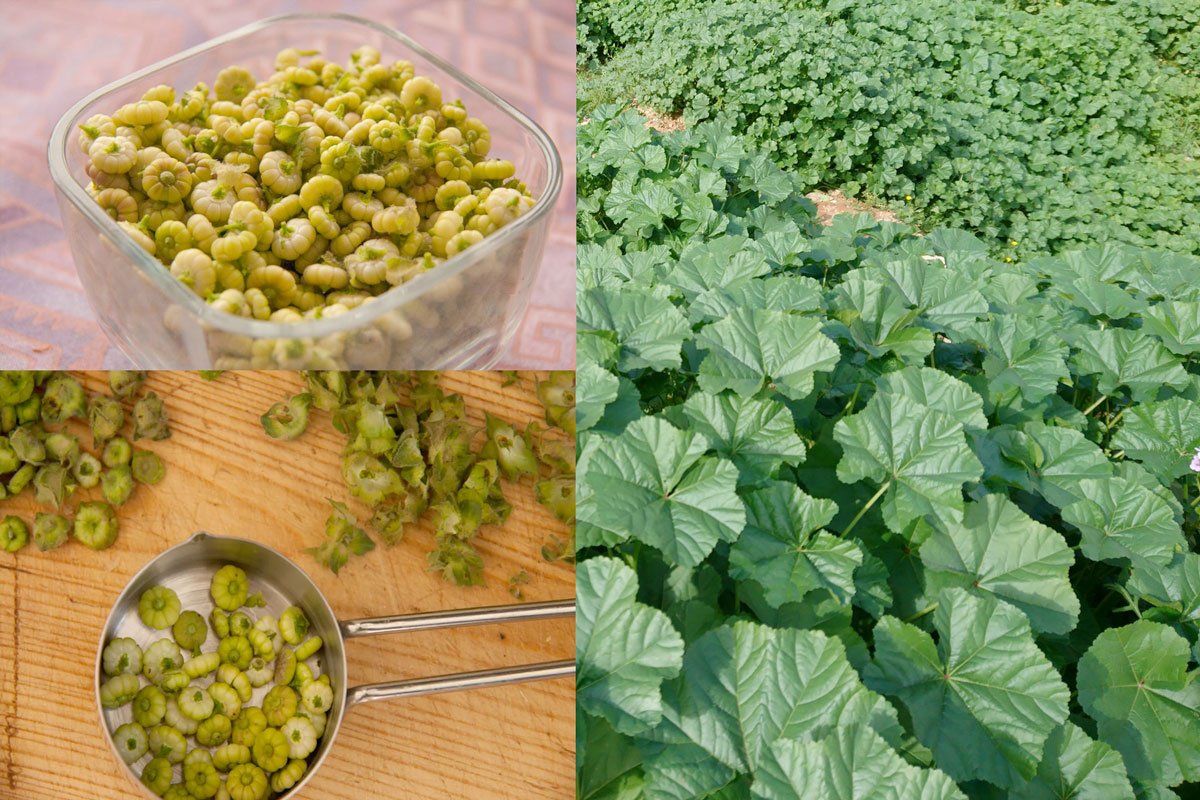
Common Mallow (Malva sylvestris) is a plant often overlooked in wild settings but is far more than merely a visually Read more

Red Clover: 15 Amazing Benefits and How to Use This Healing Herb Red clover (Trifolium pratense) is more than just Read more
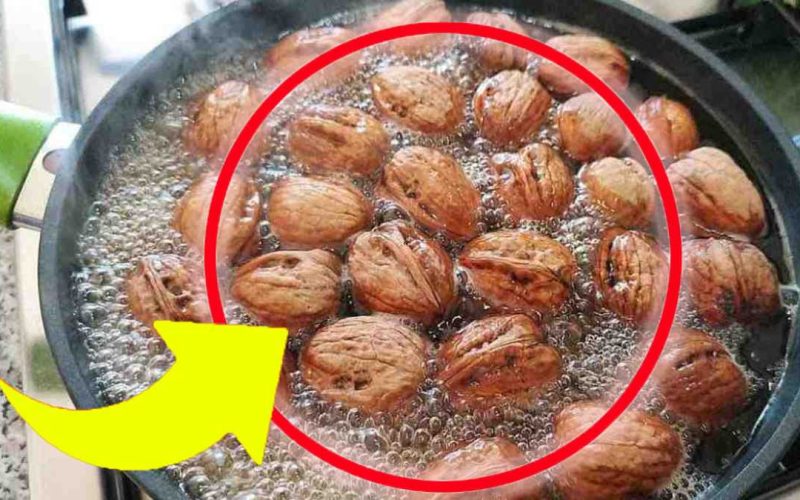
Some people purchase walnuts that are already shelled, while others prefer to buy them in their natural state, still in Read more

A Charming Renaissance Step One: Thorough Cleaning and Preparation Before starting the transformation, the dresser needed to be meticulously cleaned: Read more

When "Need" Takes on a Whole New Meaning For a long time, having a woman in a man’s life was Read more

Have you just stained a piece of clothing and don't know how to get rid of it? Rest assured, this Read more

Gather and Verify Evidence Immediately When faced with a vending machine that fails to dispense the cash you requested, it Read more

In the realm of gardening, we often stick to traditional methods like basking in sunlight, diligent watering, and soil enriched Read more
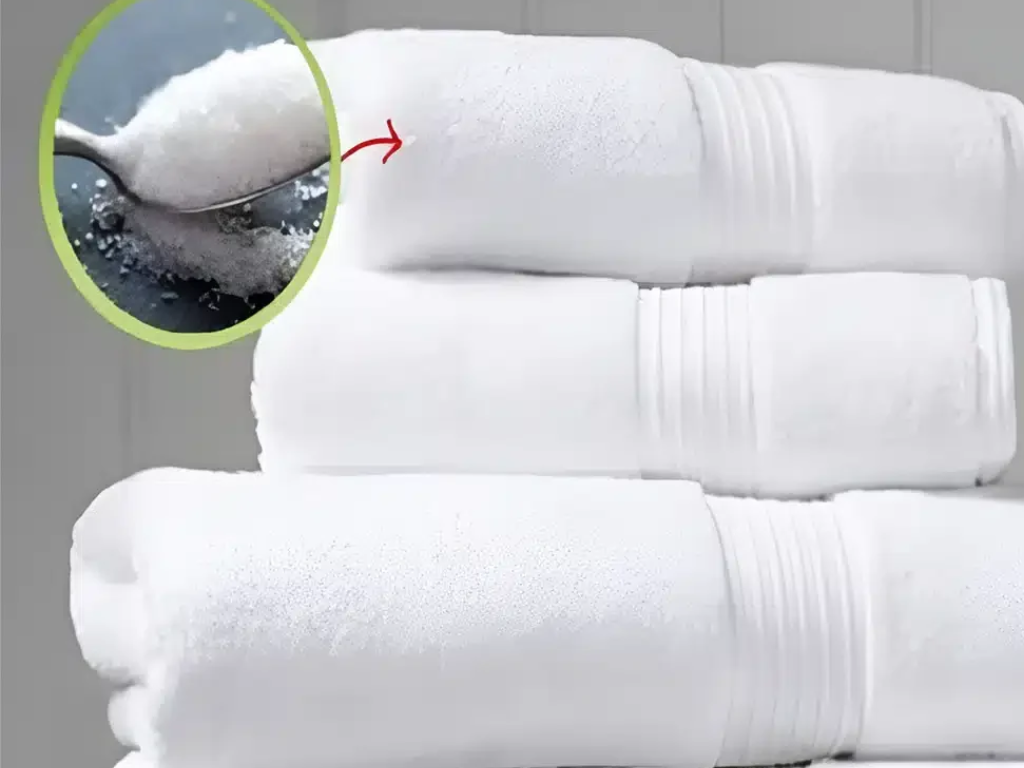
Why Does White Laundry Lose Its Brightness and Turn Yellow? Who hasn’t felt a slight disappointment when pulling their white Read more
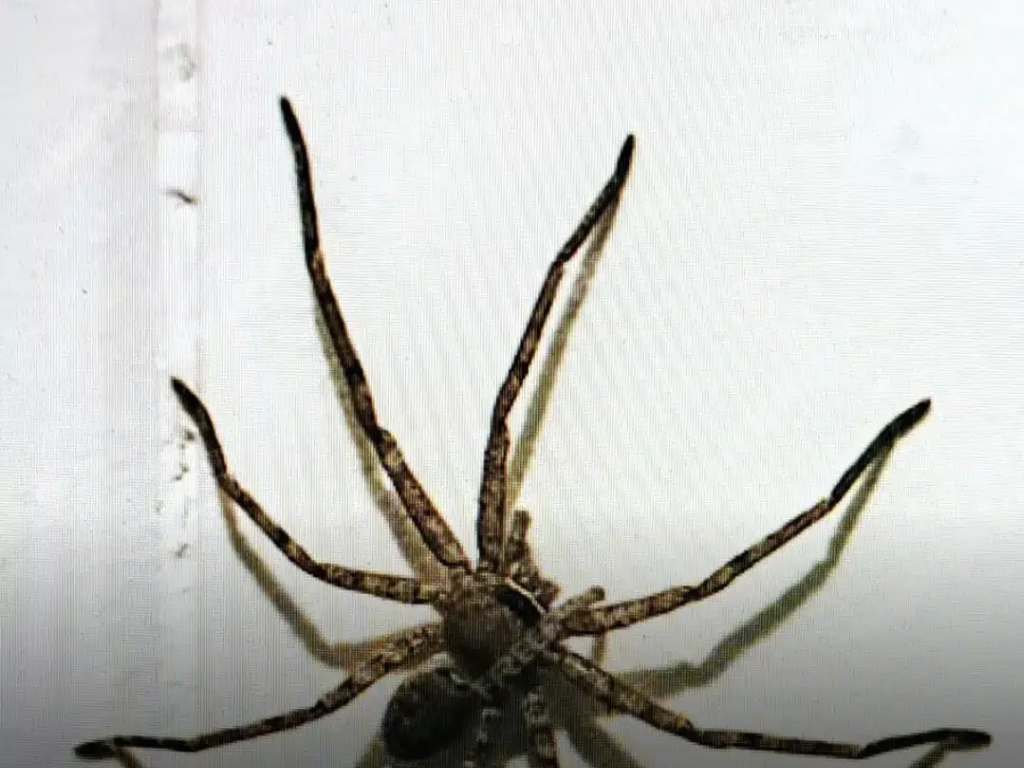
Before chasing a spider out of your home, take a moment to understand why it is better to give it Read more

The Float Test: A Simple and Revealing Method Imagine yourself holding a bowl filled with water and an egg in Read more
Mulberry trees are best known for their luscious summer berries, but their leaves possess an even greater potential as a Read more

A Mysterious Silhouette Above the Sea This intriguing photo was captured in the sky above the Tyrrhenian Sea. Upon viewing Read more
Why Traditional Household Cleaners Aren't Enough Often praised for their effectiveness, commercial cleaning products don't always succeed in removing stubborn Read more

When Affection Triumphs Over Blood Ties Sharaine and Wilson Caraballo, warm-hearted parents of a large family with five children, opened Read more
