
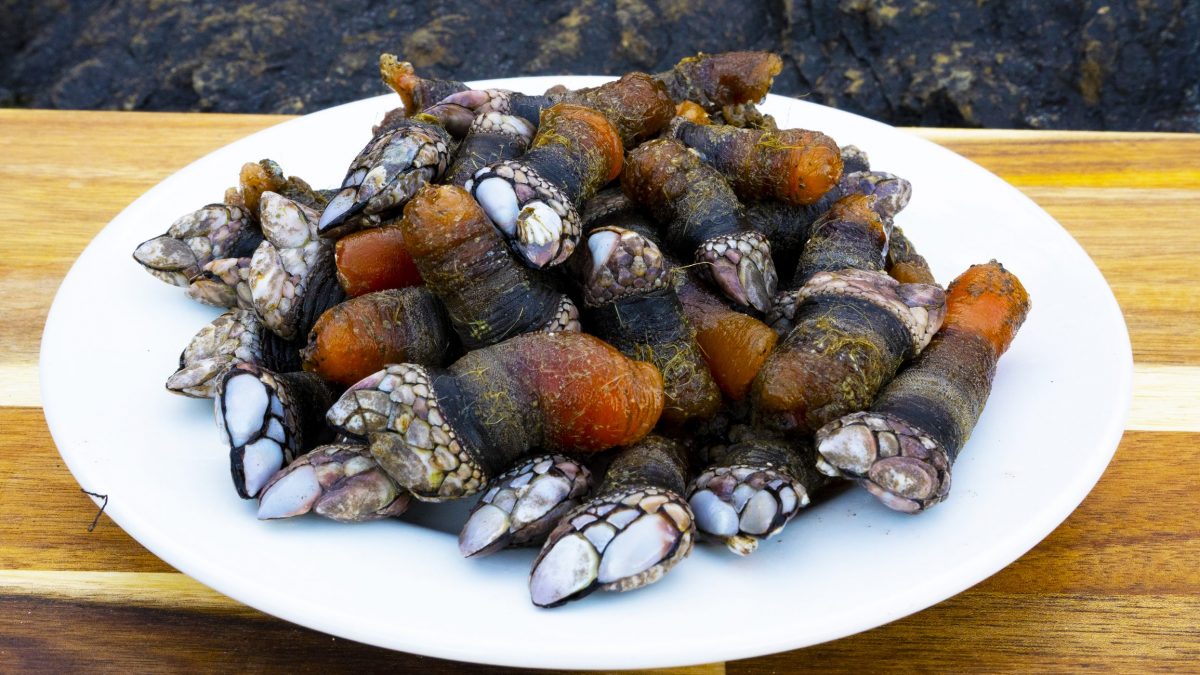
Gooseneck barnacles may look unusual, but they rank among the most coveted seafood delicacies worldwide. Their intense flavor, rarity, and the peril involved in harvesting them elevate these crustaceans into a truly exceptional specialty. Particularly in Spain and Portugal, these small shellfish are treasured by gourmets and culinary enthusiasts alike.
But why are gooseneck barnacles so expensive? What makes their harvesting life-threatening? And why do they captivate even the most experienced top chefs?
What Exactly Are Gooseneck Barnacles?
Gooseneck barnacles, also known as duck barnacles, belong to the group of stalked barnacles within the subclass Cirripedia. They feature a fleshy, elongated stalk and a head region protected by tough calcareous plates.
These creatures thrive on rocky Atlantic coastlines where powerful waves continuously crash against the rocks. Their sturdy stalks anchor them firmly to the substrate, while the hardened plates shield them from the harsh environmental conditions they endure.

Why Is the Harvest So Dangerous?
Gooseneck barnacles are primarily gathered from their natural habitat. The fishermen, known as Perceberos, must climb steep, slippery cliffs that are relentlessly battered by strong waves.
They wait for the brief moment when the tide recedes, giving them just enough time to pry these animals off the rocks. However, the next wave can pose a life-threatening hazard at any second.
This work requires not only experience but also physical fitness and an intimate understanding of the tides. For this reason, the harvesting of gooseneck barnacles is considered one of the most hazardous types of coastal fishing.
Why Are Gooseneck Barnacles So Expensive?
Their high price can be explained by multiple factors:
Rarity: Gooseneck barnacles grow only in suitable rocky coastal areas.
Manual Labor: The barnacles must be painstakingly collected one by one or in small clusters.
Danger: Fishermen expose themselves to considerable risks during harvest.
Demand: Fine dining restaurants and gourmets value their extraordinary flavor highly.
Prices can fluctuate significantly depending on origin, season, and quality.
What Do Gooseneck Barnacles Taste Like?
Their flavor is intensely maritime, slightly salty, finely iodine-rich, and pleasantly sweet. Many compare their taste to a blend of shellfish and crustaceans.
The flesh is tender, juicy, and possesses a distinctive aroma reminiscent of fresh seawater.

How Are Gooseneck Barnacles Traditionally Prepared?
The preparation is surprisingly simple. The key is to preserve their natural taste.
Step 1: Bring seawater or heavily salted water to a boil.
Step 2: Cook the gooseneck barnacles in the boiling water for about one to two minutes.
Step 3: Remove them immediately and let them drain.
Step 4: Serve hot, preferably without strong seasonings.
To eat, the outer stalk shell is carefully opened. The tender interior is enjoyed plain or with a few drops of lemon.
Tradition and Sustainability
In regions like Galicia and Portugal, gooseneck barnacles hold significant cultural importance. They are often served on special occasions and are considered symbols of regional coastal traditions.
To protect natural stocks, various fishing zones enforce restrictions and closed seasons. Sustainable harvesting practices help preserve this valuable marine resource for the long term.

Storage and Common Mistakes
Gooseneck barnacles should be consumed as fresh as possible, ideally on the day of purchase. They can be temporarily stored chilled, covered with a damp cloth to maintain moisture.
Avoid overcooking, excessive rinsing, and strong spices. Dry white wine, refreshing beverages, and rustic bread make excellent accompaniments.
Conclusion
Gooseneck barnacles combine an extraordinary taste, dangerous manual harvesting, and centuries-old traditions. Their rarity and the difficulty of harvesting explain their steep price. For seafood lovers, they are a special culinary experience reflecting the primal power of the Atlantic Ocean.
Are Lilacs Edible? Health Benefits of the Beautiful Syringa Blossoms With their sweet fragrance and delicate clusters of flowers, lilacs Read more

A Pricing Error That Affects Your Budget We don't always realize it, but pricing errors in supermarkets are far from Read more

The Importance of Ventilating Your Home in Winter Indoor air that is overly saturated with humidity is not only uncomfortable Read more
Most people discard avocado seeds without giving them a second thought, but this often-overlooked component of the fruit is actually Read more

When a Drawer Holds Much More Than Mere Odds and Ends Like many others, my initial reaction upon seeing these Read more

Guava is often hailed as a superfruit, but did you know that its leaves also pack an extraordinary punch in Read more

Kyllinga brevifolia: A Natural Remedy for Health and Wellness Kyllinga brevifolia, commonly known as green kyllinga or shortleaf spikesedge, is Read more

The Illusion That Changed Everything On that day, Thunder, a majestic black horse, stood calmly beside her. Yet in the Read more

Timeless Elegance That Transcends Generations Choosing black often reflects a profound pursuit of refinement and sophistication. This color goes beyond Read more

It might sound unusual, but an increasing number of homeowners have tried placing aluminum foil inside their toilet tanks. This Read more

Pigweed, also known as amaranth, is a leafy green plant that has been cherished in various cultures for its nutrient-rich Read more

The Brown Recluse Spider: A Small Spider with a Violin-Shaped Mark on Its Body Imagine a tiny spider, modestly brown Read more
Castor Oil: A Natural Treasure to Rediscover Derived from the seeds of Ricinus communis, this thick, golden plant oil contains Read more
Your plants appear dull, their leaves are fading in color, and unwelcome tiny insects seem to have taken up residence. Read more

In today's digital age, it's a common sight in households and offices: chargers left in outlets without their corresponding devices. Read more

Red Clover: 15 Amazing Benefits and How to Use This Healing Herb Red clover (Trifolium pratense) is more than just Read more

We often believe that our home belongs to us exclusively. However, as soon as the door closes behind us for Read more

How to Reuse Soap Scraps: Ingenious Ideas Soap bars, after several uses, become tiny and almost unusable. Many of us Read more
Thyme is known by some as the “enemy of toxins,” and it has been part of stories since ancient Greece. Read more
While scrolling through social media, you have likely noticed images showcasing cloves, ginger, and Lipton tea combined. This trio has Read more

One day, almost by chance, he pushed open the doors of an orphanage. It was there that he met Emma. Read more

Perfumed Tissues: An Easy DIY Technique The Joy of Scented Tissues: Paper tissues are handy in daily life. While some Read more

You have probably come across an intriguing object whose purpose completely eluded you. Whether it was a discovery in a Read more

This Small Folding Cabinet with Vintage Charm Conceals a Treasure of Ingenuity With its mysterious box-like appearance and articulated compartments Read more

This image does more than just trick our eyes; it also reveals a lot about our personality. Depending on what Read more

In this article, we present the six main mistakes to avoid in order to preserve your refrigerator and ensure its Read more
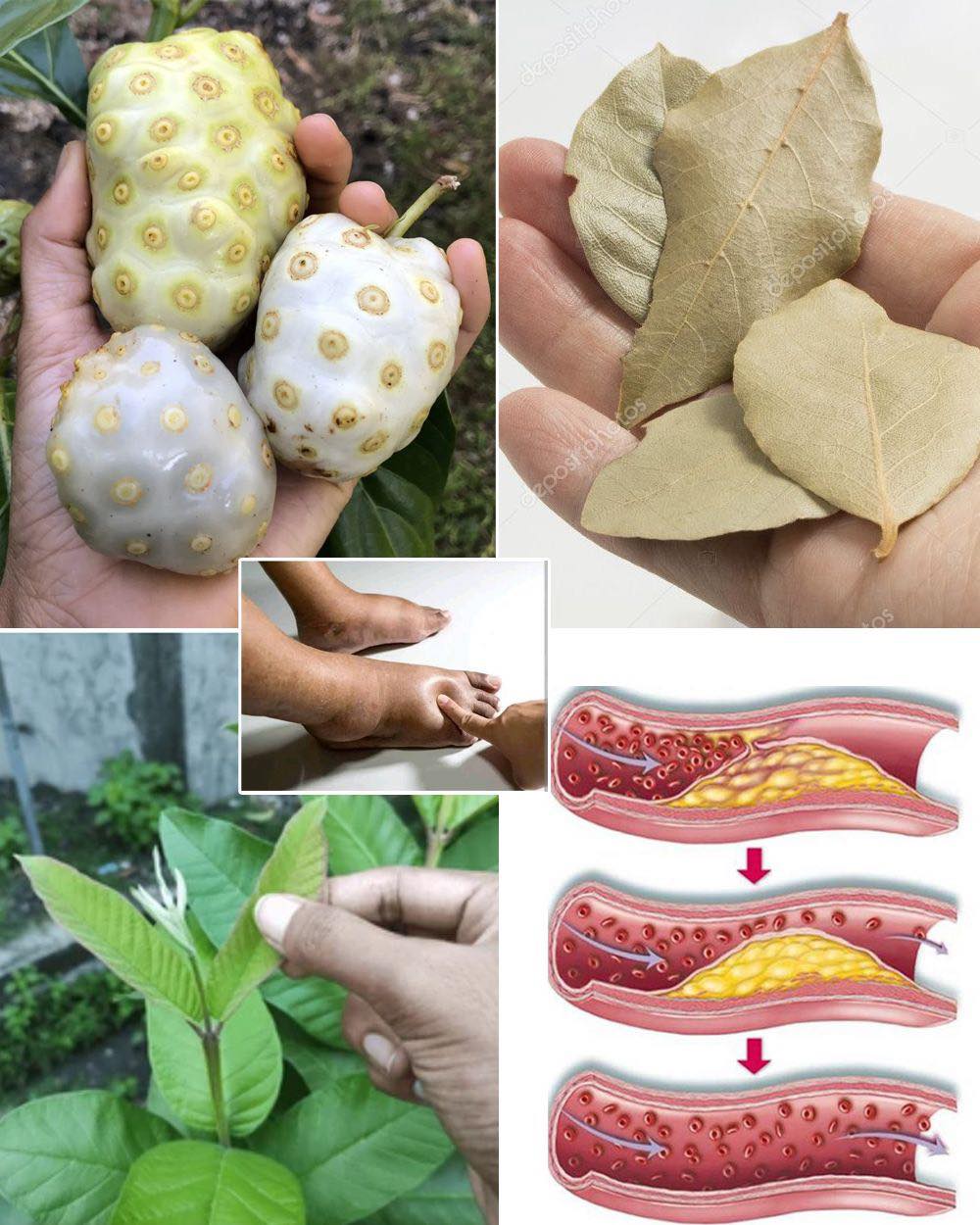
The Ultimate Healing Tonic: A Powerful Natural Drink for Swollen Feet, Diabetes & Poor Circulation Chronic swelling in the feet, Read more

Why Is It Essential to Regularly Defrost Your Freezer? The gradual buildup of frost inside your freezer goes beyond just Read more

An Inappropriate Remark and a Witty Response While on vacation, Mélanie was discreetly breastfeeding her baby in a crowded restaurant. Read more

Draining a Boiler: An Essential Task Often Overlooked A boiler operates somewhat like a pressure cooker: it heats water under Read more
Two Years in the Freezer: Is It Really Too Late? It is common to assume that a long storage date Read more

Ticks' Favorite Hiding Spots: Why Your Garden is Their Paradise Ticks have a distinct preference for damp, shaded, and poorly Read more

Thirty Years of Marriage Before a Love at First Sight on a Flight After three decades of life together, with Read more
Who has never been taken aback by the unexpected discovery of a peculiar object right in the middle of their Read more
Individuals with Allergies or Sensitivities If you suffer from allergies, it is important to be cautious with avocado! This fruit Read more

Crabgrass, or Digitaria sanguinalis, is often regarded as an annoying, invasive weed in gardens and urban spaces. However, beneath its reputation Read more

Why Does the Plastic of a Washing Machine Turn Yellow Over Time? Over the years, it is common to notice Read more
Cassava: An Essential Plant at the Heart of a Deadly Paradox Whether in the form of flour, tapioca pearls, or Read more

A Fully Integrated Member of Its Tribe Social relationships hold a significant place in the life of a cat. When Read more

Why Should You Avoid Leaving the Key in the Lock? Leaving the key in the lock might initially seem like Read more
