
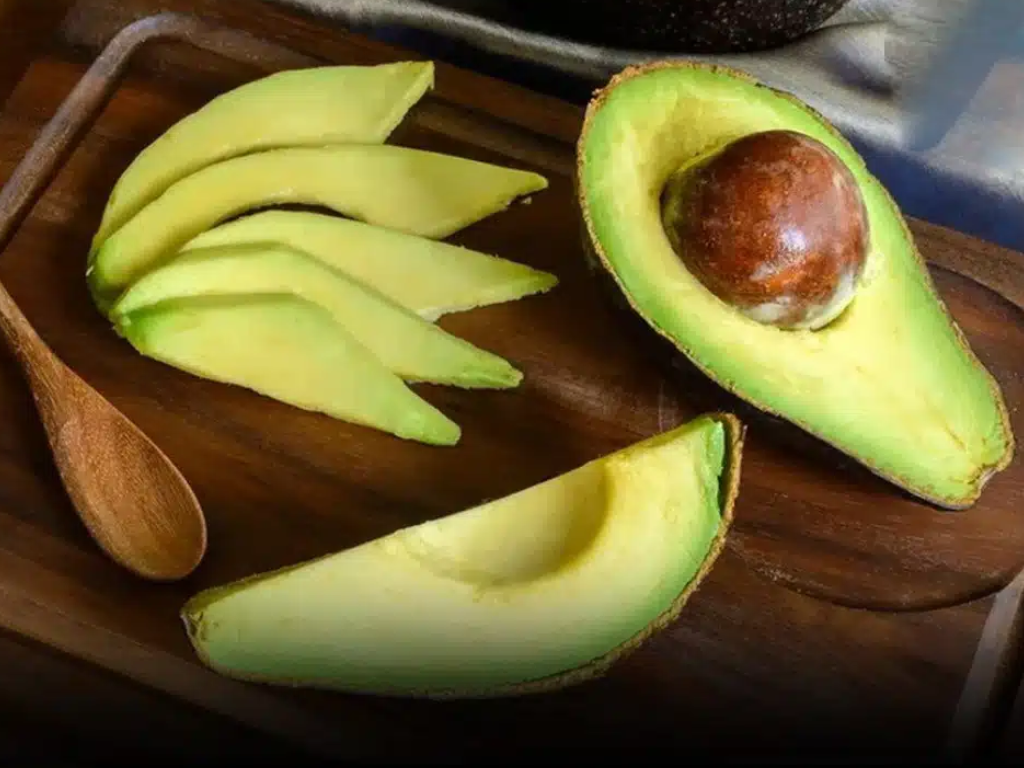
Individuals with Allergies or Sensitivities

If you suffer from allergies, it is important to be cautious with avocado! This fruit can trigger skin reactions such as itchiness, redness, or even rashes. Additionally, it may cause digestive issues like nausea or vomiting. Some people also report experiencing tingling sensations in the mouth or swelling of the tongue after consuming avocado. In such cases, it is advisable to avoid eating avocado altogether.
Individuals with Liver Problems

Avocado contains a significant amount of fat, which can put strain on a vulnerable liver. If you have liver disease or impaired liver function, it is recommended to limit your avocado intake to prevent worsening your condition. A healthy liver efficiently processes lipids and eliminates toxins, but a weakened liver may struggle to handle the substantial fat load from avocado consumption.
Individuals Allergic to Latex

Although less obvious, there is a connection between latex allergy and avocado allergy. Certain proteins found in avocados resemble those in latex, which can cause a cross-reactive allergic response in sensitive individuals. If you have a latex allergy, it is safer to avoid avocado to reduce the risk of an allergic reaction.
Individuals Who Are Overweight or Obese

Avocado is a calorie-dense food rich in fats. Even though it primarily contains beneficial fatty acids, excessive consumption can quickly increase your daily caloric intake. Moreover, avocado is often eaten alongside calorie-rich foods such as bread, cheese, or fatty condiments. If you are managing your weight, it is therefore advisable to consume avocado in moderation and adjust your overall fat intake accordingly.
In Conclusion
Avocado remains a nutritious and worthwhile food, but it is not suitable for everyone. If you belong to one of these at-risk groups, it is best to modify your consumption to avoid negative effects. Are there other foods you believe should be avoided based on specific health conditions? Share your experiences in the comments!

A True Nutritional Treasure in Every Bite Beef tongue stands out primarily for its remarkable nutritional richness. It is an Read more
The Hidden Power of Bottlebrush: 15 Benefits and Easy Homemade Uses Nature often hides extraordinary healing power in plain sight—and Read more

Cleaning Grease Off Kitchen Wooden Cabinets: Effective Techniques Removing dirt and embedded grease stains from kitchen wooden cabinets isn't always Read more

Inheritance in France: A Protected Share, Untouchable Even in Cases of Conflict In France, there is a fundamental legal principle Read more
Baking soda and lemon peels are two household items often overlooked but incredibly powerful when combined. This natural duo can Read more

Who among us would like to live in a stifled and dirty home, where unpleasant cooking odors and impurities invade Read more

In the realm of gardening, we often stick to traditional methods like basking in sunlight, diligent watering, and soil enriched Read more

How to Make Powerful Super Glue from Styrofoam: The Hidden Chemistry Behind This Viral Trick In a world where DIY Read more

How can a simple homemade mixture really help make your teeth whiter? Here is the secret that has already captivated Read more

Are Lilacs Edible? Health Benefits of the Beautiful Syringa Blossoms With their sweet fragrance and delicate clusters of flowers, lilacs Read more

Garlic's Aromatic Enigma: Its Transformation When Burnt The unmistakable scent of garlic is well-known in kitchens worldwide. Esteemed for its Read more
When a Simple Pistachio Shell Takes on the Appearance of a Monster It all begins with the desire to clean Read more

When "Need" Takes on a Whole New Meaning For a long time, having a woman in a man’s life was Read more
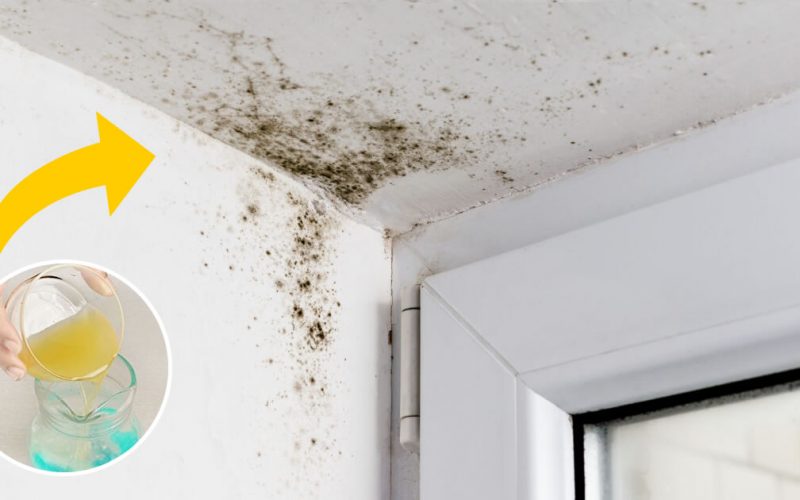
Often, due to poor ventilation or certain climatic conditions, dreaded mold can develop on the walls of our homes. In Read more

Ageratum conyzoides, commonly known as Billygoat Weed or Goatweed, is a flowering plant native to tropical regions of the Americas Read more
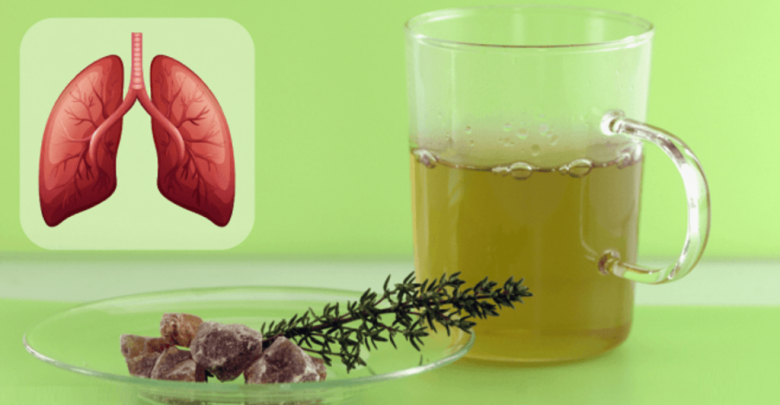
Thyme is known by some as the “enemy of toxins,” and it has been part of stories since ancient Greece. Read more

The Power of Hawthorn (Genus Crataegus): A Natural Ally for Heart and Cholesterol Health Hawthorn, belonging to the genus Crataegus, Read more

How to Reuse Soap Scraps: Ingenious Ideas Soap bars, after several uses, become tiny and almost unusable. Many of us Read more

Kyllinga brevifolia: A Natural Remedy for Health and Wellness Kyllinga brevifolia, commonly known as green kyllinga or shortleaf spikesedge, is Read more

The Benefits of Combining Eggs and Coffee: A Nutritious and Energizing Pair When it comes to starting your day right, Read more

The Hidden Power of Pomegranate Peel: 10 Health Benefits and How to Use It Pomegranate is often celebrated for its Read more

The Amazing Benefits of Sumac and How to Use It Sumac is more than just a flavorful spice—it’s a powerful Read more
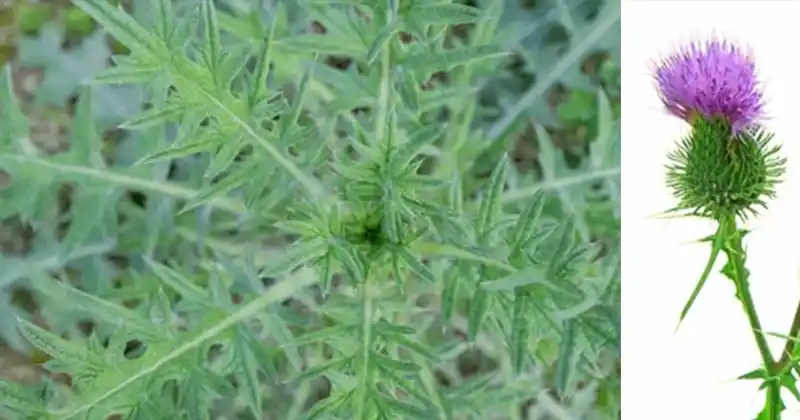
Bull Thistle (Cirsium vulgare): A Wild Plant with Surprising Benefits The bull thistle (Cirsium vulgare) is often dismissed as a Read more

When you enter a hotel room, have you ever noticed that long piece of fabric laid across the foot of Read more

Transforming Garlic Peels into Gold for Gardeners: In the rhythm of kitchen prep, garlic peels are often discarded without a Read more

Sweet Violet (Viola odorata): 25 Incredible Benefits & How to Use It Sweet violet (Viola odorata), also known as wood Read more
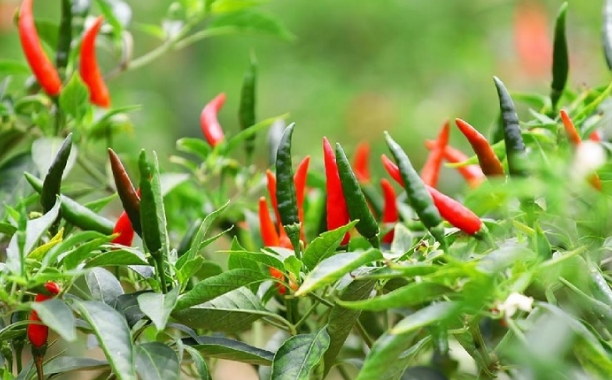
Discover the Untapped Potential of Chili Pepper Leaves: Nutritional Powerhouse for Your Health and Kitchen When you think of chili Read more

Cassava: An Essential Plant at the Heart of a Deadly Paradox Whether in the form of flour, tapioca pearls, or Read more

10 Secrets You Need to Know Before Eating Okra Okra, also known as “lady’s finger,” is a green, pod-shaped vegetable Read more

The ingenuity of Swedish furniture design, particularly evident in the flat-pack phenomenon, has transformed how we furnish our homes with Read more

You bought a bag of potatoes, and a few weeks later, you find that they’ve started to sprout? Don’t panic! Read more

When you sink your teeth into a soft, caramel-sweet date, the last thing on your mind is usually the tough Read more

Mullein (Verbascum thapsus), a tall, woolly plant often seen growing along roadsides and in open fields, has been treasured for Read more

Perfumed Tissues: An Easy DIY Technique The Joy of Scented Tissues: Paper tissues are handy in daily life. While some Read more

Why It's Crucial to Clean Your Oven and How to Do It Naturally The Importance of Cleaning Your Oven The Read more

Faced with increasingly harsh industrial detergents, consumers are turning back to traditional products that are healthier and have long proven Read more

Purple Deadnettle (Lamium purpureum): Benefits, Uses & How to Make Tea Often overlooked or mistaken for an ordinary weed, Purple Read more

Eager to master the art of nurturing a Peace Lily? Known scientifically as Spathiphyllum Wallisii, this enchanting plant is often Read more

Bathroom Mold: Causes and Solutions Ideal Environment for Mold Growth Bathroom surfaces are prime locations for mold growth. Moisture accumulates Read more

How to Clean Bathroom Tiles Quickly and Effectively Cleaning bathroom tiles is a task we all love to postpone. It Read more
