
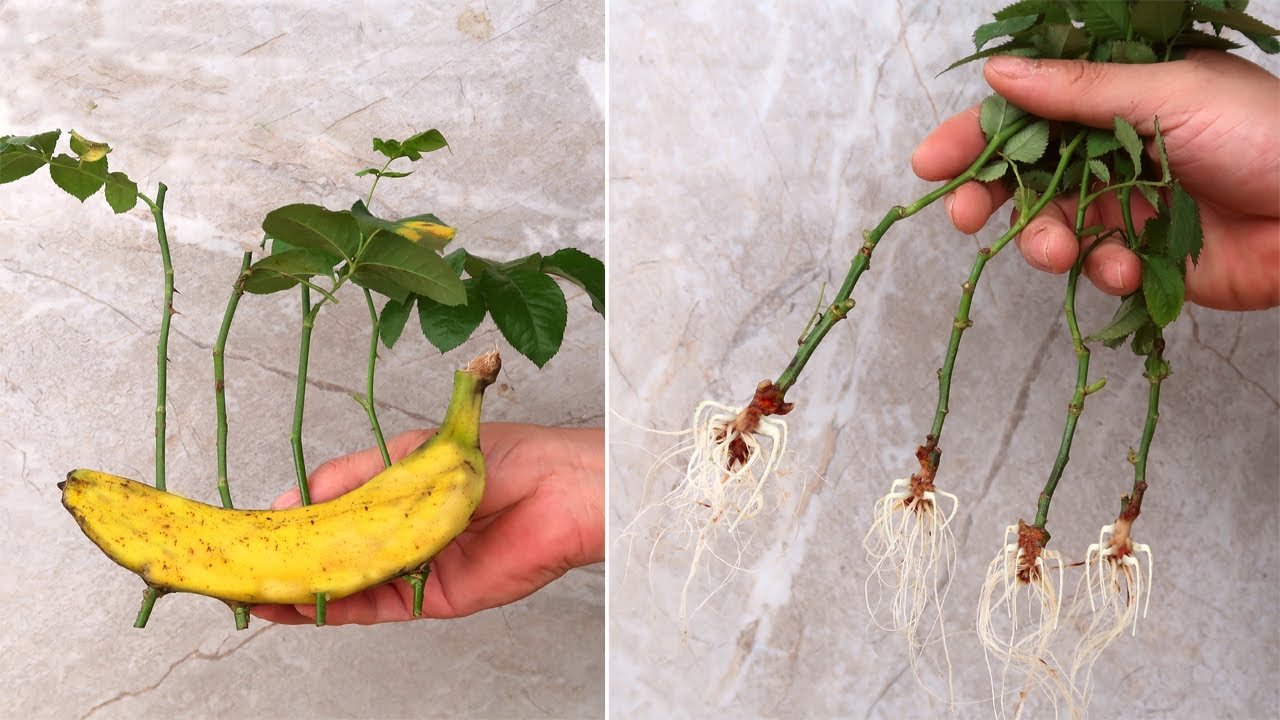
Growing roses from cuttings is an affordable and gratifying method to enlarge your garden, and incorporating a banana into the process can significantly enhance your success rate. Although this approach may sound unconventional, it leverages the beneficial properties of bananas—including their rich potassium content, helpful bacteria, and natural sugars—that stimulate root growth and overall plant vitality. This article will provide a detailed, step-by-step guide on how to effortlessly cultivate roses from cuttings using a banana.
Selecting the Cutting
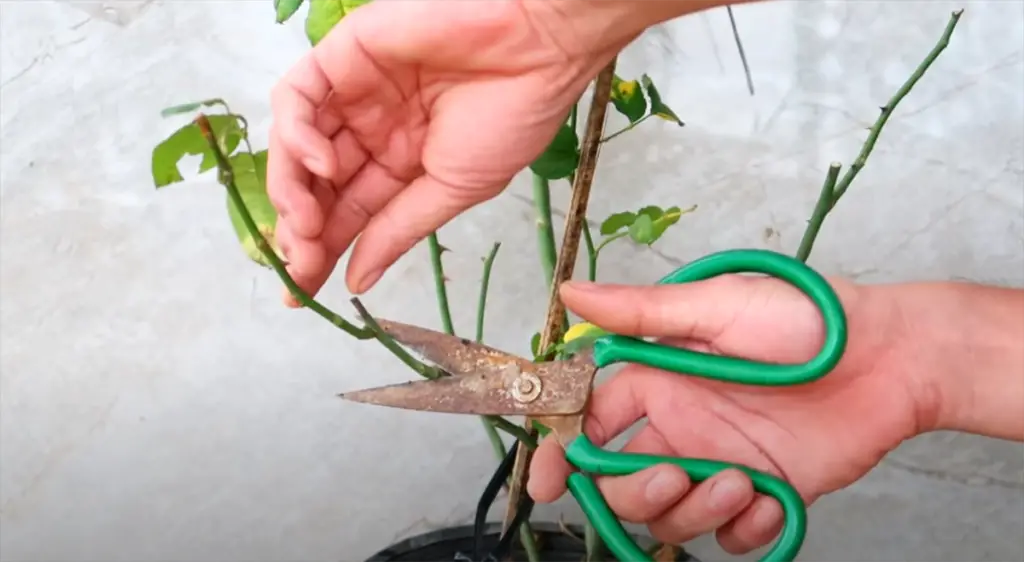
The initial step towards successfully growing roses from cuttings is choosing the appropriate stem. The ideal timing for this is either early spring or late autumn, when the rose is not in full bloom and is in a dormant or semi-dormant state. Select a healthy rose bush free from disease, and cut a stem approximately 6 to 9 inches in length. The cutting should include at least three sets of leaves and be trimmed at a 45-degree angle using sharp, clean pruning shears. Be sure to remove the leaves from the lower section of the cutting to prevent them from rotting when planted.
Preparing the Banana
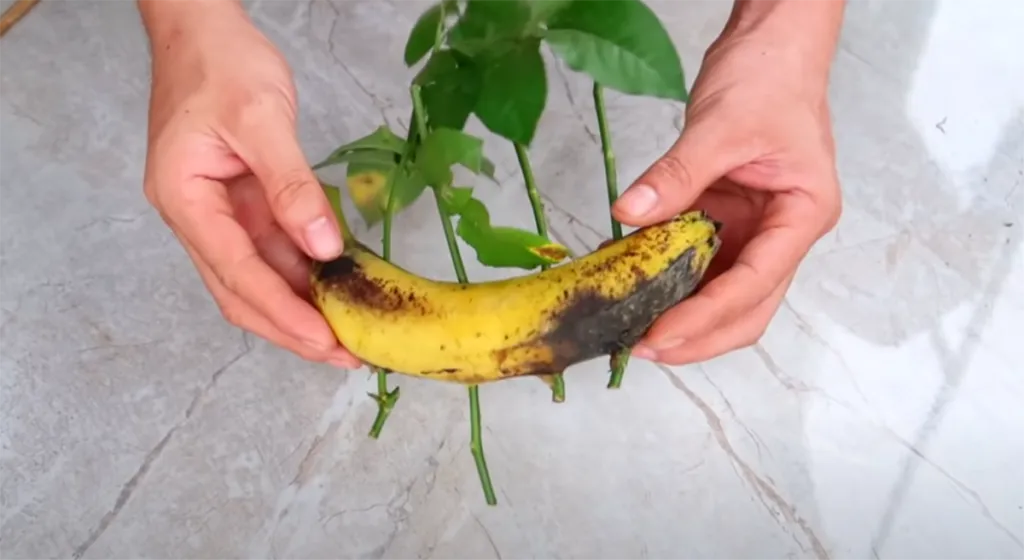
The next step is to prepare a ripe banana. The banana serves as a natural rooting hormone because of its high potassium concentration, which is essential for stimulating root development. Simply peel the banana and mash the fruit into a smooth puree, ensuring it is ready to coat the rose cutting.
Inserting the Cutting

After preparing the banana puree, create a hole in it large enough to insert the end of the rose cutting. The objective is to thoroughly coat the cut end of the rose stem with the banana puree to provide nutrients directly to the site where roots will form. Then, place the coated cutting into a jar of water, with the cut end submerged beneath the surface. Cover the top of the jar with a plastic bag to form a miniature greenhouse effect, which helps maintain humidity and encourages root growth. Position the jar in a warm, brightly lit spot but out of direct sunlight to prevent overheating.
Planting the Cutting
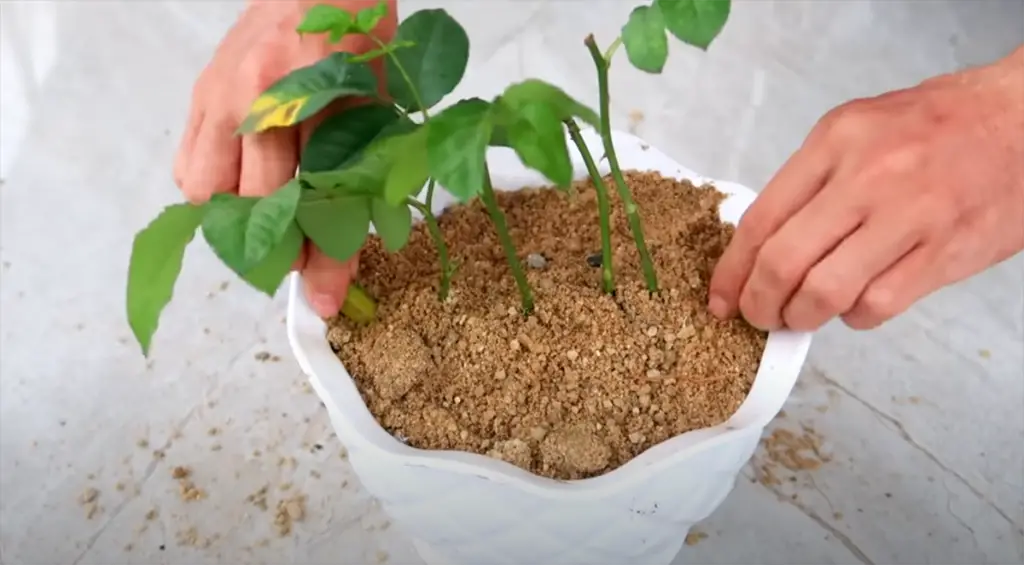
Once roots have developed—typically within two to six weeks—it is time to transplant the cutting into a pot. Choose a pot filled with a well-draining potting mix, commonly a balanced combination of equal parts peat moss, perlite, and garden soil. Create a hole in the soil using a pencil, and gently insert the rooted cutting, taking care to avoid damaging the delicate new roots. Ensure the hole is deep enough to cover the rooted section with an extra two inches of soil to provide stability and support.
Aftercare
After planting, water the cutting thoroughly and maintain the soil at a slightly moist level—avoid overwatering, as excess moisture can cause root rot. Place the cutting in a sunny location but shield it from the harsh heat of the afternoon sun until it is firmly established. Approximately four weeks after planting, apply a rose-specific fertilizer according to the manufacturer’s recommendations to support healthy growth.
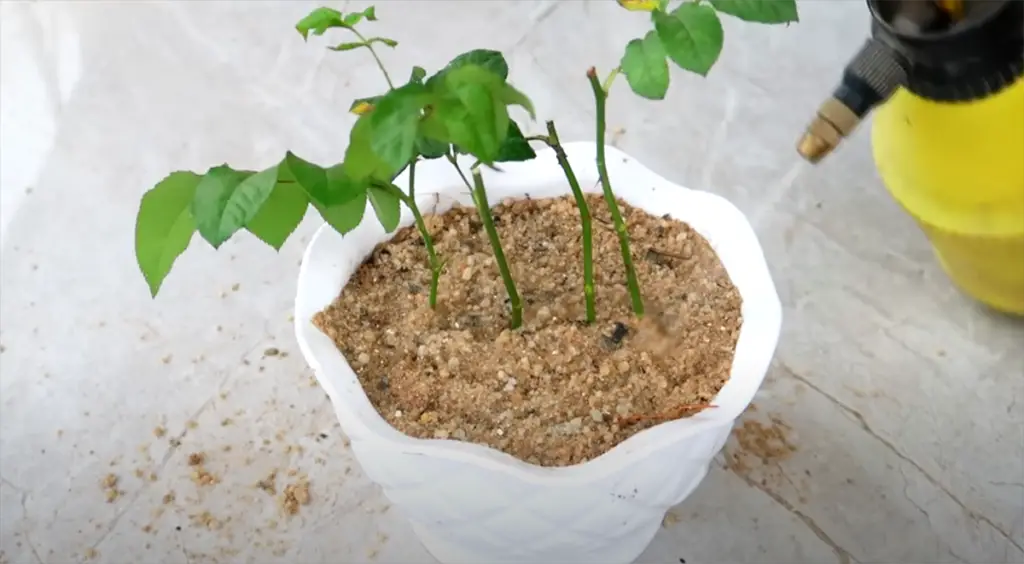
Using a banana in rose propagation may appear unusual at first, but it effectively utilizes nature’s abundant resources in an environmentally friendly and economical manner. This technique is simple enough for beginners while still interesting and rewarding for experienced gardeners.

Growing roses from cuttings using a banana can be a highly fulfilling gardening project. With patience and the right care, this method offers an excellent way to expand your existing rose garden or to create a new one from scratch. Keep in mind that, as with any gardening technique, it may require some trial and error to perfect. However, do not be discouraged. Every rose bush you successfully propagate speaks to your gardening skill, and each bloom stands as a beautiful reward for your dedication. So grab your pruning shears, select a ripe banana, and begin your rose-growing journey today.
Clematis plants are fundamentally simple organisms, almost mechanical in nature, driven by basic principles of plant hydraulics and a kind Read more

Using White Vinegar for Garden Maintenance Gardening is never an easy task. Planting, weeding, and watering plants and flowers require Read more

In this exploration, we uncover eight homemade, natural solutions that act as effective rooting agents for plant propagation through cuttings. Read more
Pepper plants are a favorite addition to any home garden, offering an impressive variety of flavors, colors, and levels of Read more
Orchids rank among the most exquisite houseplants cherished by many, yet they are often recognized for their delicacy and their Read more
Orchids, celebrated for their exotic beauty and remarkable variety, require tailored care to flourish. While most growers rely on commercial Read more
Do you have indoor plants? They have a unique ability to infuse life and color into any environment, whether it’s Read more
Why Do Certain Plants Purify the Air Inside Our Homes? Imagine having a small air purification station right on your Read more

Neem oil is a completely natural product, derived from a plant native to India. It contains azadirachtin, a potent compound Read more

Gardening: The Harmony of Craft and Nature Gardening brings out a dance between human creativity and the wonders of nature. Read more
Senna alata, widely known as the Candle Bush, Ringworm Bush, or Empress Candle Plant, is a visually captivating tropical shrub Read more

Cultivating an Avocado Plant Indoors: A Step-by-Step Guide Nurturing an avocado seed into a blossoming plant within the confines of Read more
Deadly Nightshade (Atropa belladonna): The Mysterious and Dangerous Plant with a Dark Legacy At first glance, Deadly Nightshade (Atropa belladonna) Read more

The Importance and Care of House Plants House plants not only serve as a significant decorative element but also play Read more
As sustainability and eco-consciousness continue to play a vital role in our everyday lives, discovering alternative methods to fertilize our Read more
The jade plant boasts stunning foliage, making it an excellent choice for enhancing both garden landscapes and indoor environments. Beyond Read more
Basil, a cherished herb celebrated in culinary traditions around the globe, is best known for its fragrant leaves. Yet, its Read more
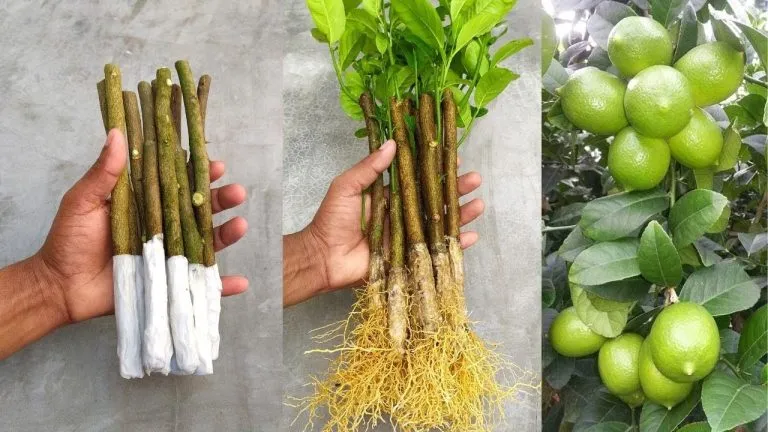
Cultivating lemon trees in your garden or home brings not only visual charm but also the practical advantage of homegrown Read more
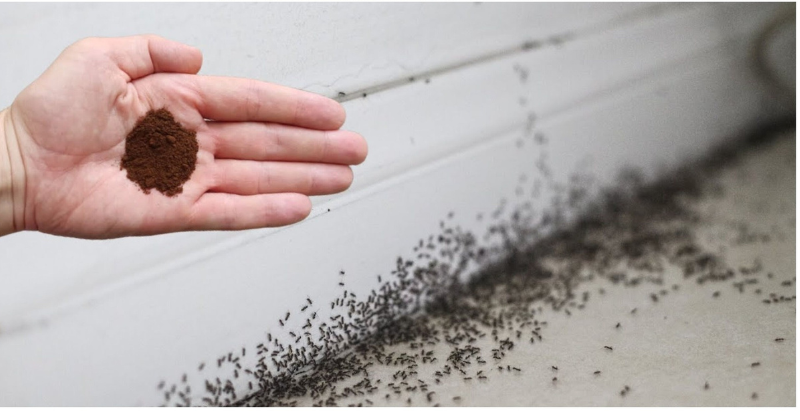
Quick Victory: The Ultimate Homemade Insecticide to Say Goodbye to Ants Have you ever encountered an invading army of ants Read more
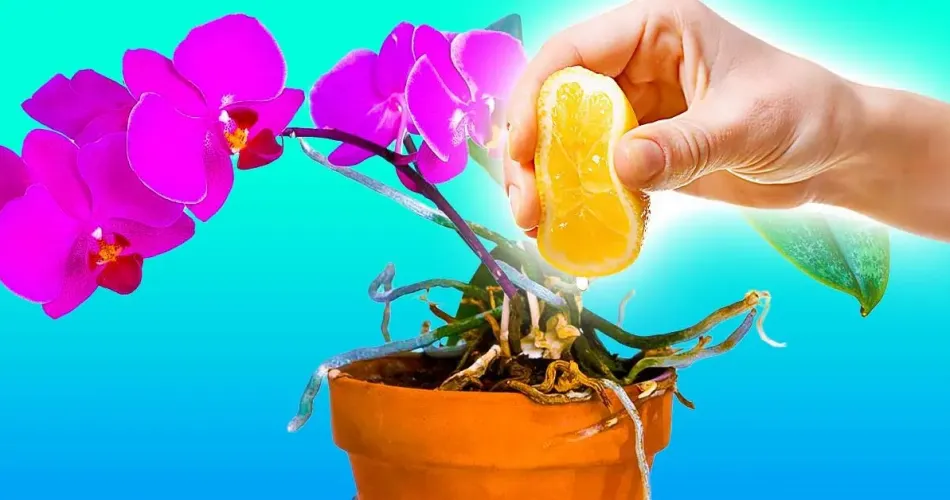
Orchids, with over 28,000 unique species, provide a fascinating insight into the immense diversity found in nature. Originating from the Read more
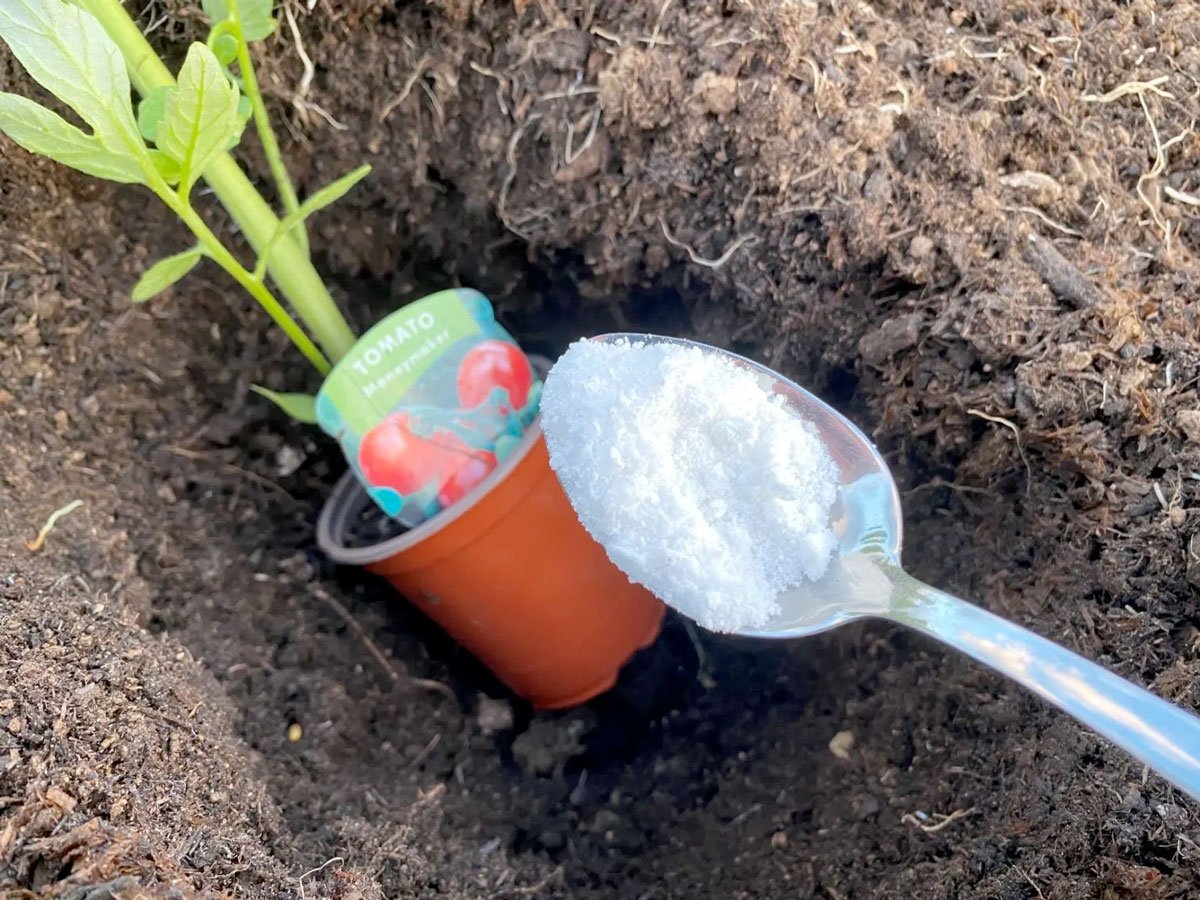
When it comes to gardening, enthusiasts are always eager to discover effective and affordable methods to boost plant growth and Read more

Understanding Fertilizers for Plants Fertilizer is a product that can be spread or mixed into the soil to provide plants Read more
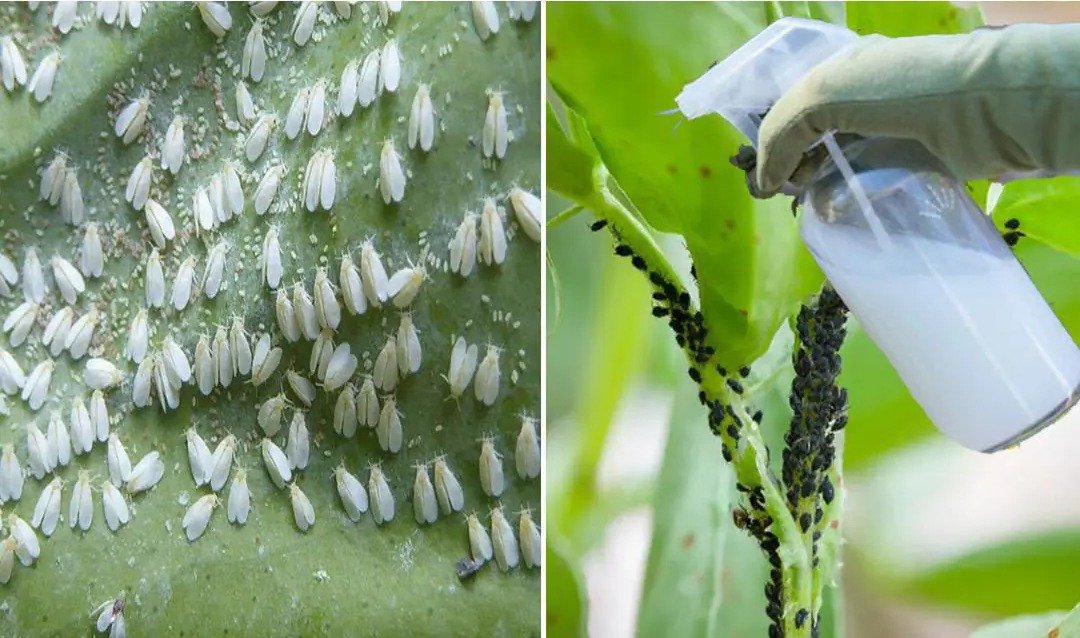
Aphids may be tiny—nearly invisible to the naked eye—but within just a few days, they can cause serious damage to Read more
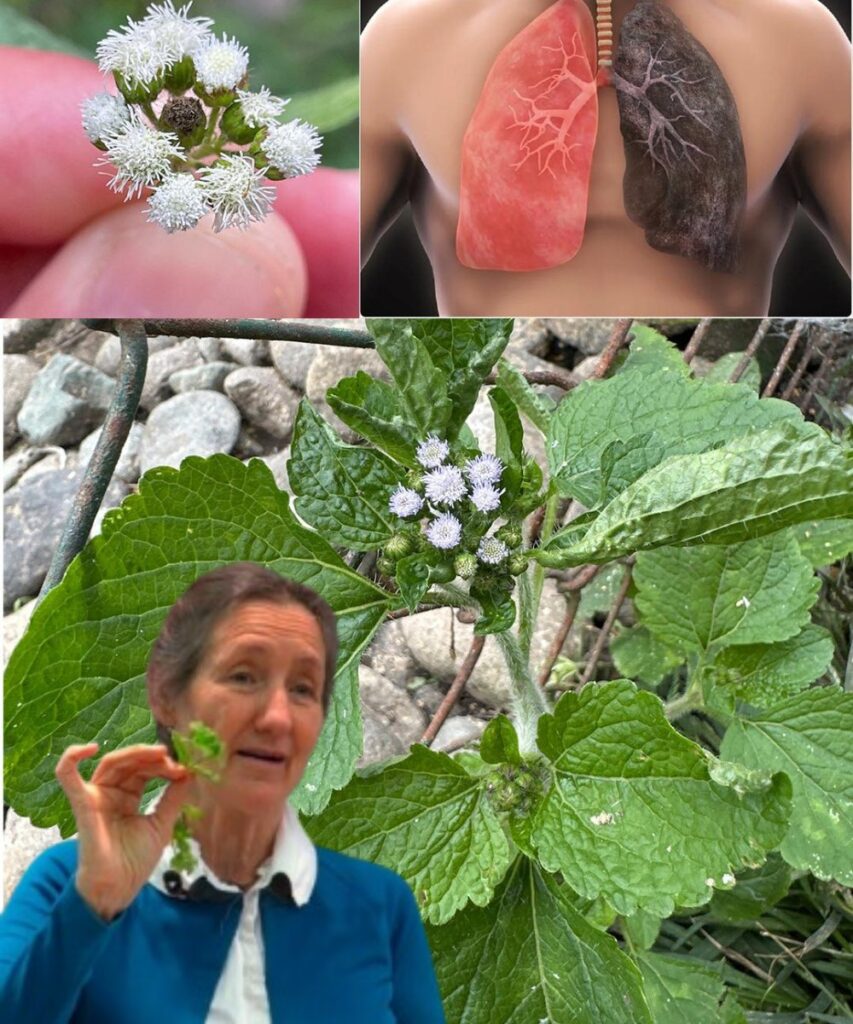
The Incredible Healing Power of Billygoat Weed (Ageratum conyzoides): 15 Health Benefits You Should Know About Billygoat weed, also known Read more
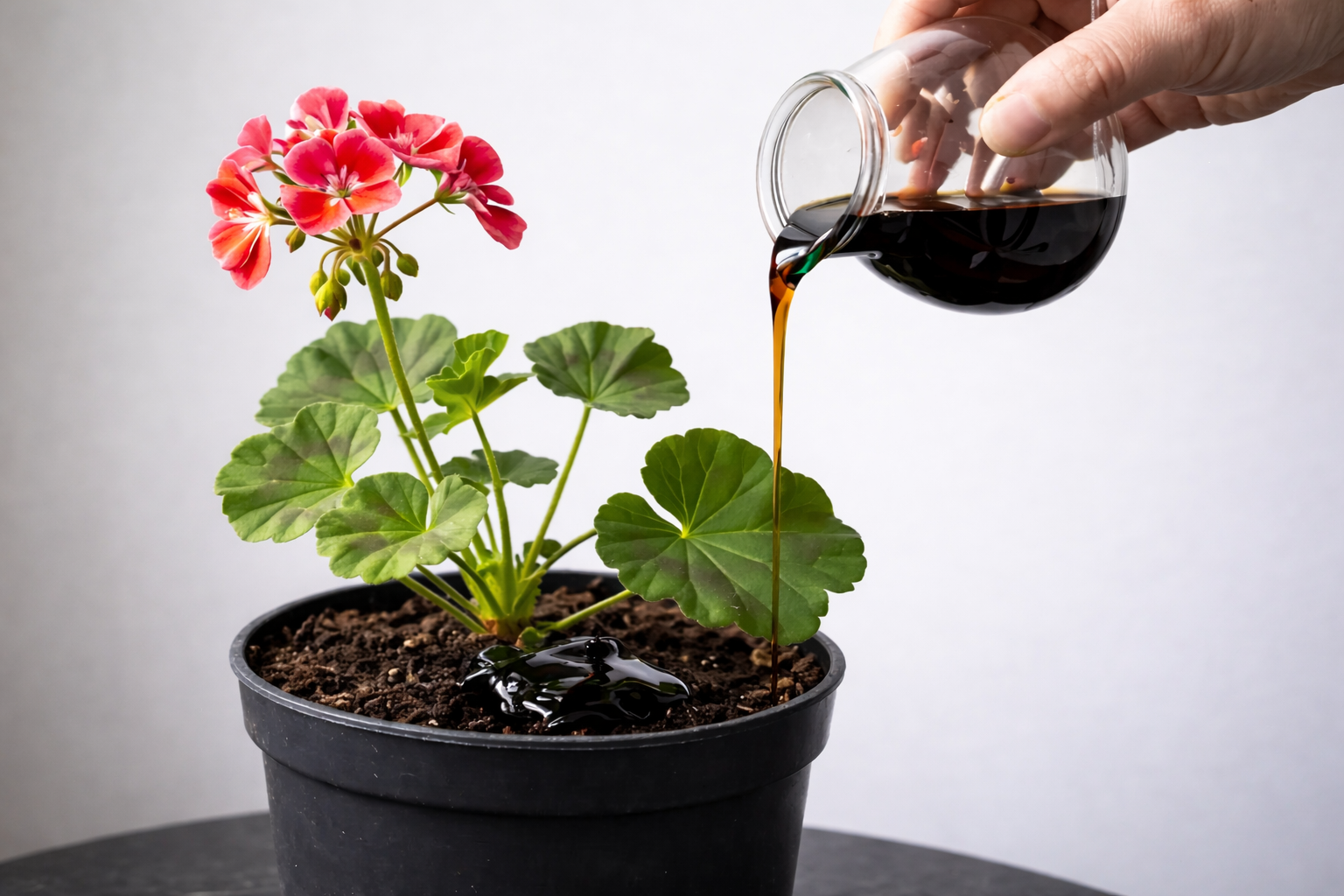
Having geraniums adorned with vibrant blooms for months—sometimes lasting even longer than anticipated—is not a feat reserved solely for expert Read more
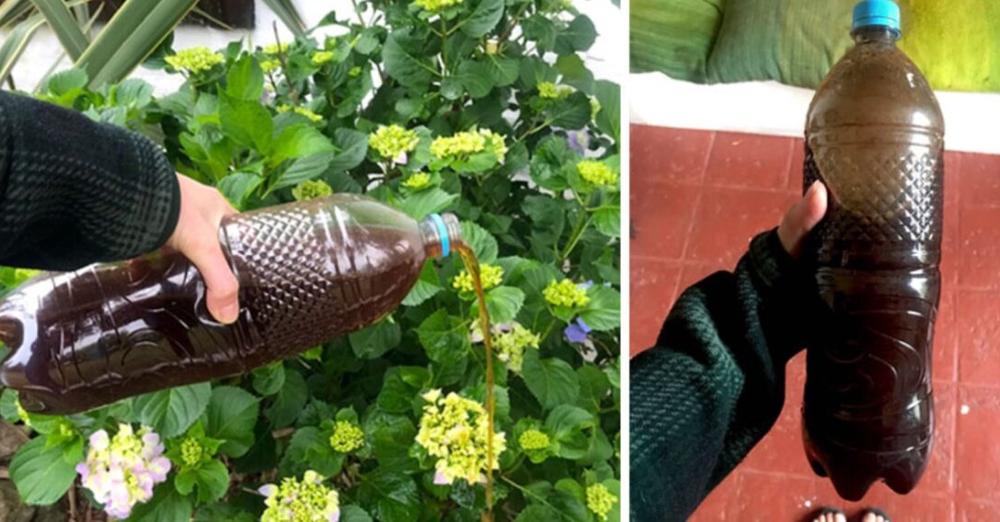
As sustainability and eco-consciousness continue to rise in importance in our daily lives, discovering alternative methods to fertilize our gardens Read more
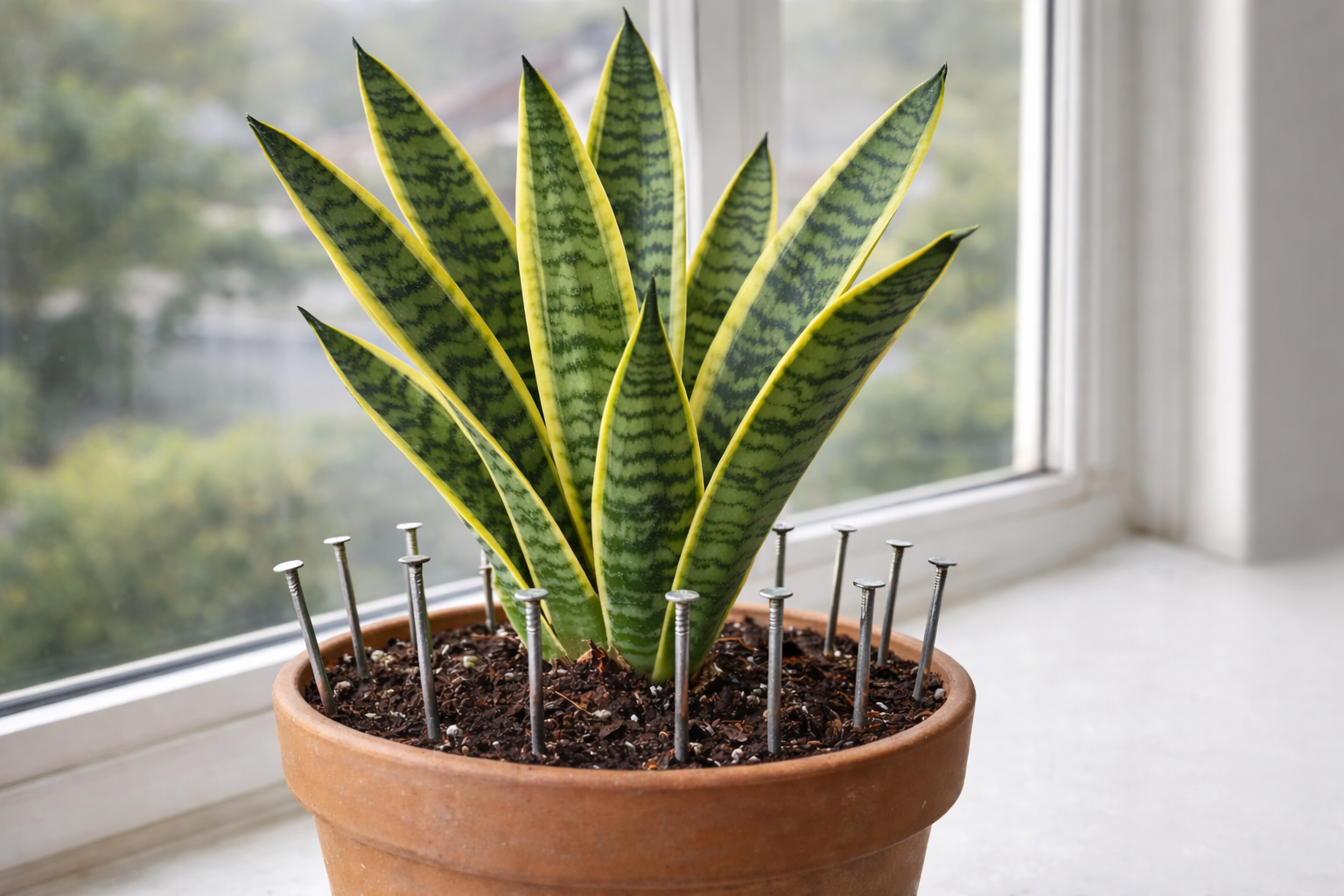
You carefully plan your getaway, pack your bags, double-check your tickets… and just as you are about to close the Read more
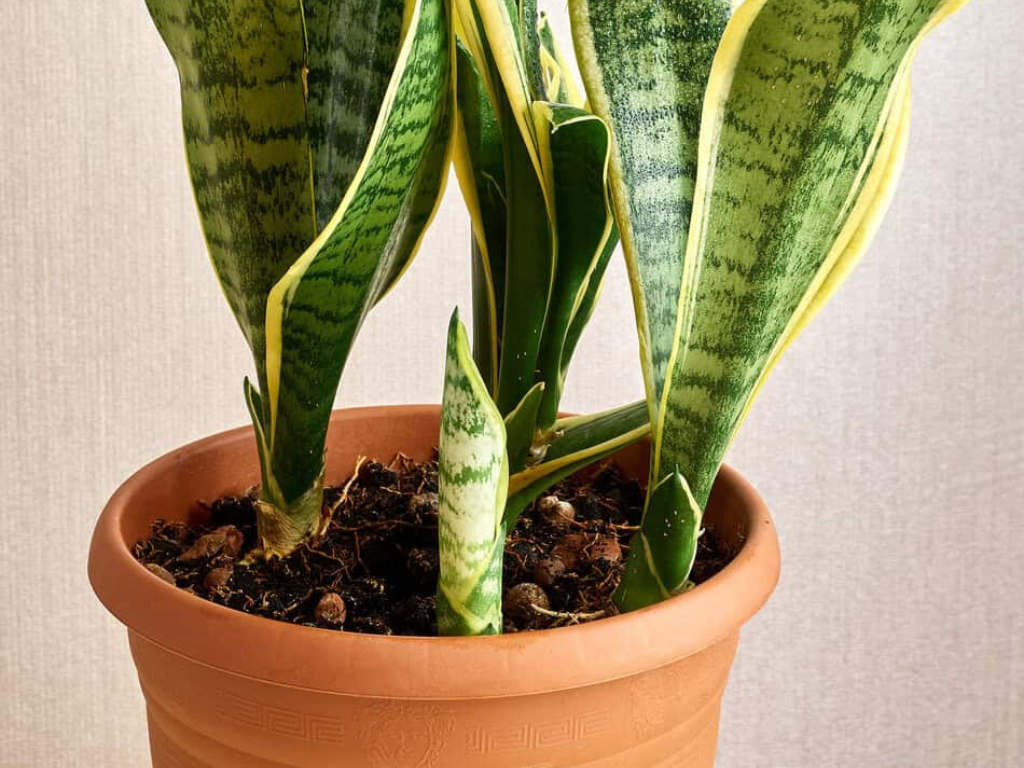
Snake plants (Dracaena trifasciata, formerly known as Sansevieria trifasciata) are renowned for their remarkable resilience. No matter if they receive Read more
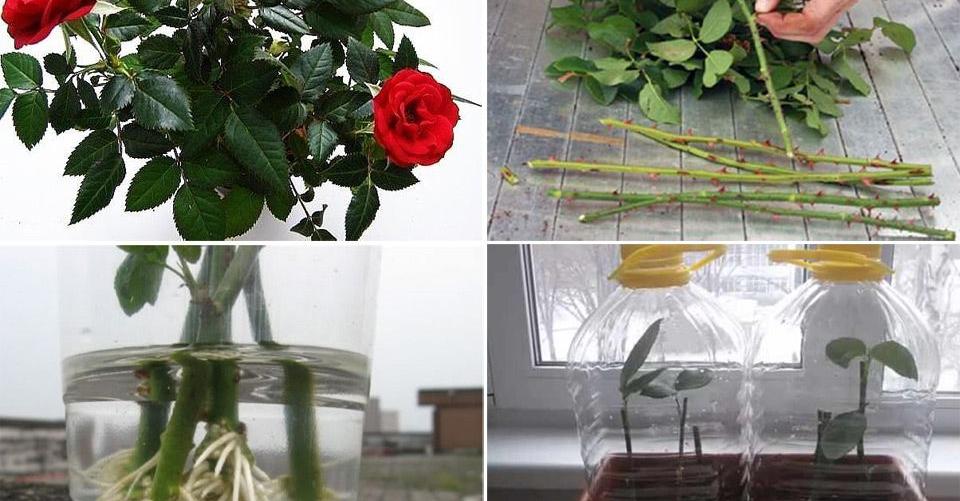
Florists and rose lovers alike understand that the allure of roses need not be ephemeral. It is entirely possible to Read more

Orchids, with a staggering 28,000 unique species, beautifully demonstrate nature's rich tapestry of diversity. Originating from the Orchidaceae lineage, these Read more
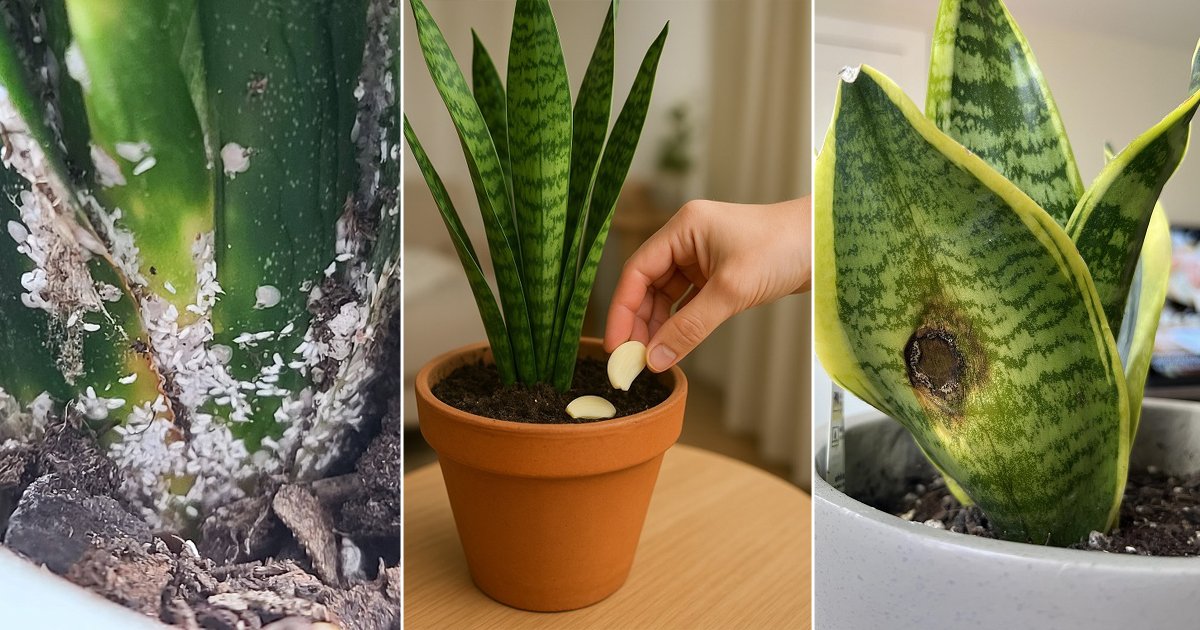
Discover how a simple kitchen ingredient can effectively repel pests, combat diseases, and promote healthier growth in your plants. Snake Read more

For gardening enthusiasts, it's a known fact that many plants thrive in humid and warm climates conducive to their growth. Read more
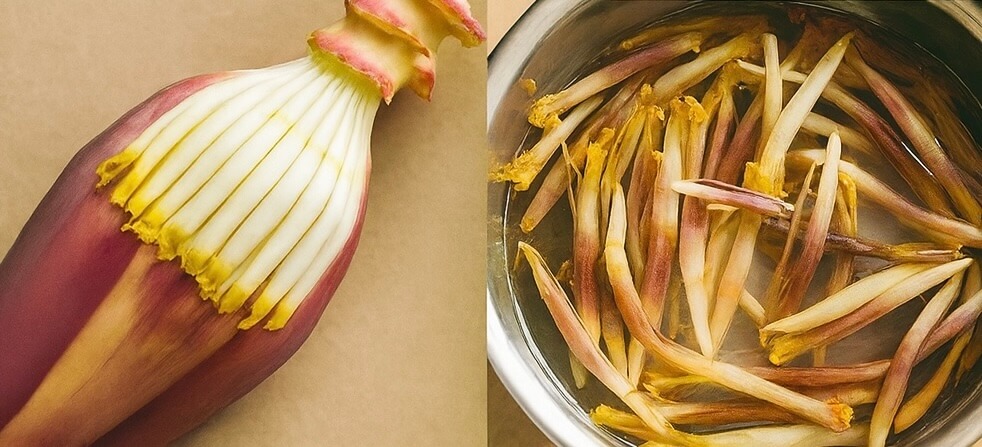
Often overshadowed by the fruit itself, the banana flower—also known as the banana blossom or banana heart—appears as a deep Read more
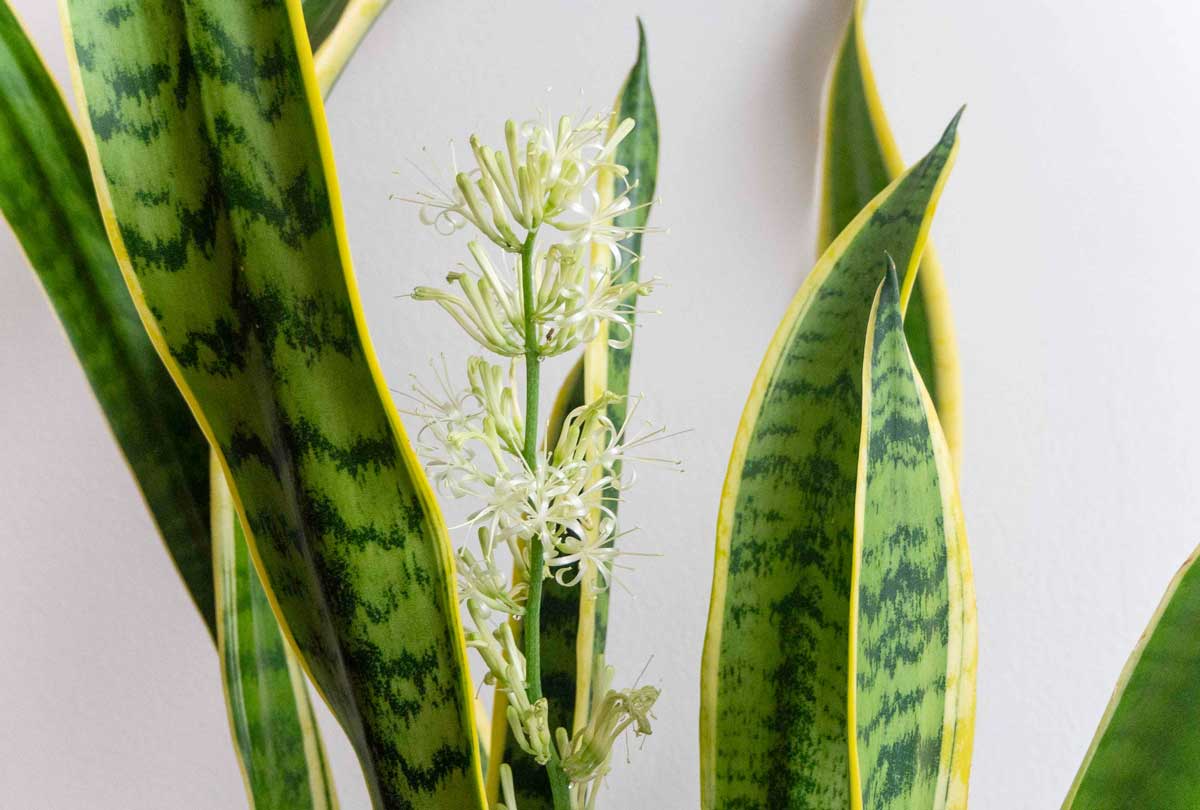
Snake plants, scientifically known as Dracaena trifasciata and previously classified as Sansevieria, are favored houseplants admired for their resilience and Read more
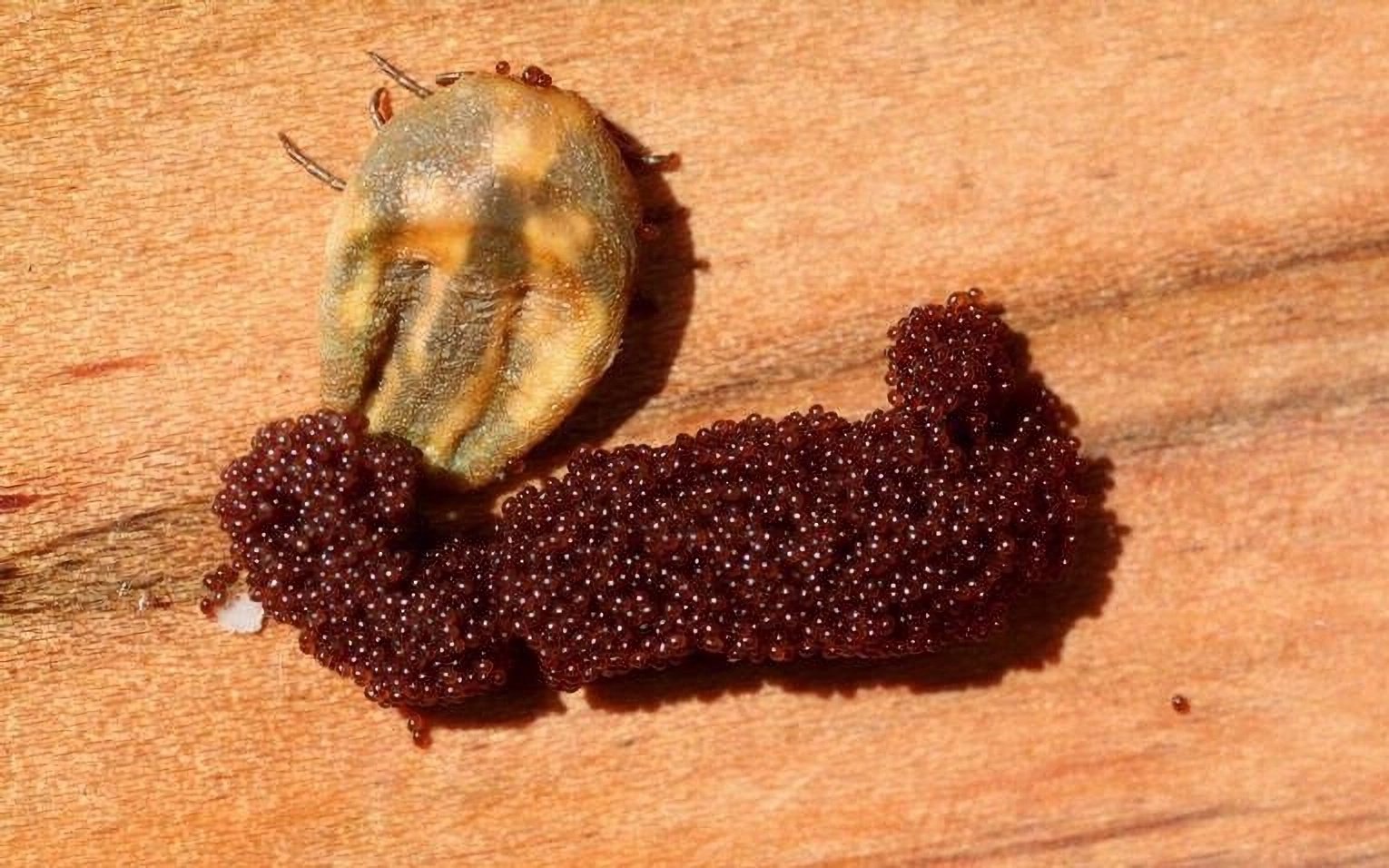
Imagine spending a relaxing afternoon in your backyard, only to stumble upon an unexpected and unwelcome discovery—a cluster of tiny Read more

Indoor Plants: A Decorative Air Purifier Indoor plants have become an essential part of modern decor, increasingly sought-after to greenify Read more
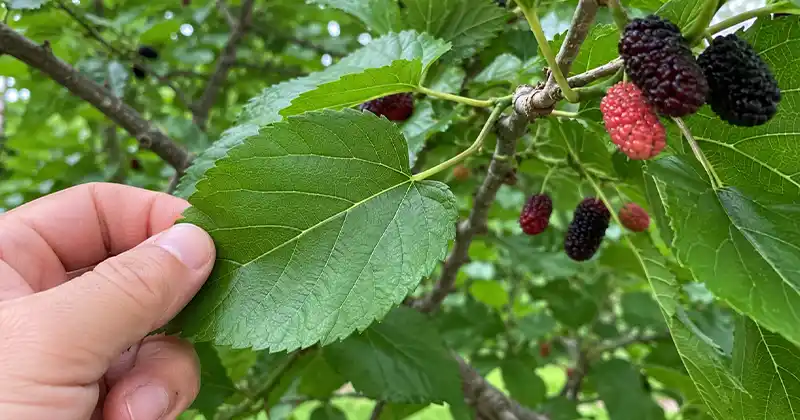
Mulberry trees are best known for their sweet summer berries, yet the leaves they produce hold far greater potential as Read more

Insect-Repelling Greenery: Your Natural Home Defense Transform your home into a sanctuary free from the annoyance of insects such as Read more

The Wonders of Blueberries: A Guide to Growing and Enjoying This Nutrient-Rich Fruit Mildly sweet, the blueberry is a dark Read more

Bananas are a delightful treat, but their peels can be a garden's treasure. Rather than discarding banana peels into compost, Read more
