
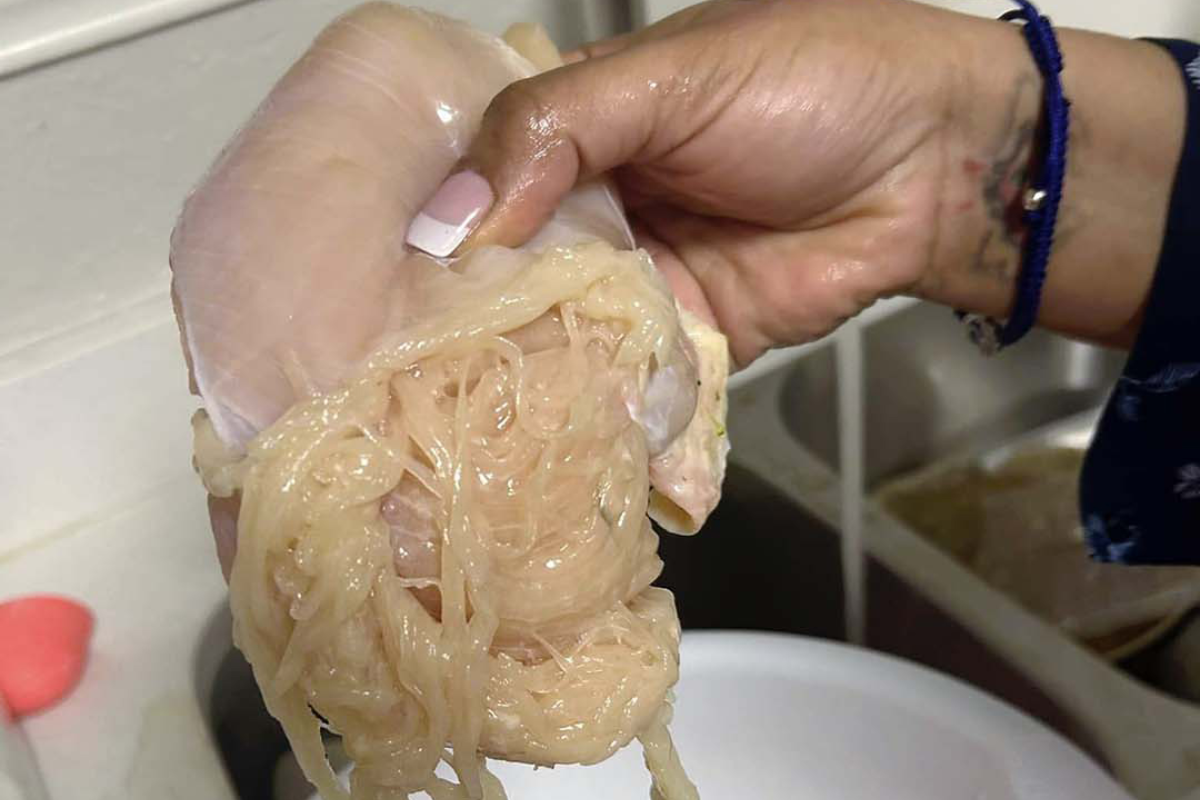
Imagine preparing a simple meal for your loved ones, only to discover that your chicken breast falls apart into long, thin strands, resembling spaghetti. This was the unexpected experience recently shared by a mother, who, intrigued by what she saw, posted about it on social media. Within hours, her story went viral and reignited discussions about the quality of meat produced through intensive farming methods.
So, is this an isolated incident… or a symptom of a much larger problem?
Strong Reactions and Disturbing Theories

Quickly, internet users grabbed onto the story, fueling various theories: artificial meat, genetic manipulation, or even lab-grown production. Yet beyond these speculations, the reality appears more grounded — and equally worrying.
This “spaghetti meat” phenomenon — or woody breast — is now recognized by experts. It stems directly from intensive farming practices designed to fatten chickens at record speeds. To accelerate growth, producers rely on high-calorie feed and genetic selection methods focused on maximizing yield… often at the expense of muscle quality.
Chickens Growing Twice as Fast as Before

The numbers speak for themselves: in 1925, a chicken weighed about 1.1 kg after 112 days. Today, it reaches nearly 3 kg in just 47 days. This unprecedented growth rate causes muscular abnormalities, resulting in the fibrous and unusual texture that has surprised many consumers on their plates.
While this meat is not considered hazardous to health, it raises serious concerns about modern farming practices and the sustainability of this production model.
Consumers Growing Increasingly Vigilant
In light of these revelations, many consumers are now questioning the origins of the meat they purchase. Behind intensive farming lies a purely economic logic: produce more, faster, and at lower cost.
Fortunately, alternatives do exist. Slow-growth farming, for example, allows chickens to develop under better conditions. The result is meat that is tastier, firmer, and comes from a process respectful of animal welfare.
Rethinking Our Eating Habits
The “spaghetti meat” case is not just an odd curiosity: it shines a light on a broader issue regarding our consumption habits. Choosing local supply chains, prioritizing quality labels (such as Label Rouge, Organic Agriculture), or reducing meat intake in favor of plant-based proteins are all avenues toward a more responsible food future.
Ultimately, behind this unusual chicken breast lies a clear message: the way we eat today shapes the world we will live in tomorrow. It is up to us to decide whether we want to emphasize quantity… or quality.
Bay leaves extend far beyond their mere role as a culinary seasoning or festive decoration. This ancient plant plays a Read more

A Simple Anomaly on the Floor? Not So Fast At first glance, this detail seemed nothing more than an ordinary Read more

A Clever Trap for Our Logical Mind At first glance, this image appears to reveal an obvious answer: simply eight Read more

How to Detect Drafts Around Your Windows? Before making any adjustments, it is essential to confirm that your windows are Read more

After discovering the surprising effects Vicks VapoRub can have on your body, you'll be amazed—and I assure you that from Read more

In this article, we present the six main mistakes to avoid in order to preserve your refrigerator and ensure its Read more

We experienced several miscarriages. Each time, it was a silent grief, almost invisible to the eyes of others. I learned Read more

A Centenarian Who Embraces Life with Simplicity and Vitality At 101 years old, Ann Angeletti visits her jewelry shop nearly Read more

White Clover (Trifolium repens): 15 Benefits and Homemade Uses White clover (Trifolium repens) is more than just a common plant Read more

When Love Turns into Domination Before becoming Rodrigo’s wife, Marcela had a lush head of hair that cascaded almost down Read more

One day, almost by chance, he pushed open the doors of an orphanage. It was there that he met Emma. Read more

This image does more than just trick our eyes; it also reveals a lot about our personality. Depending on what Read more
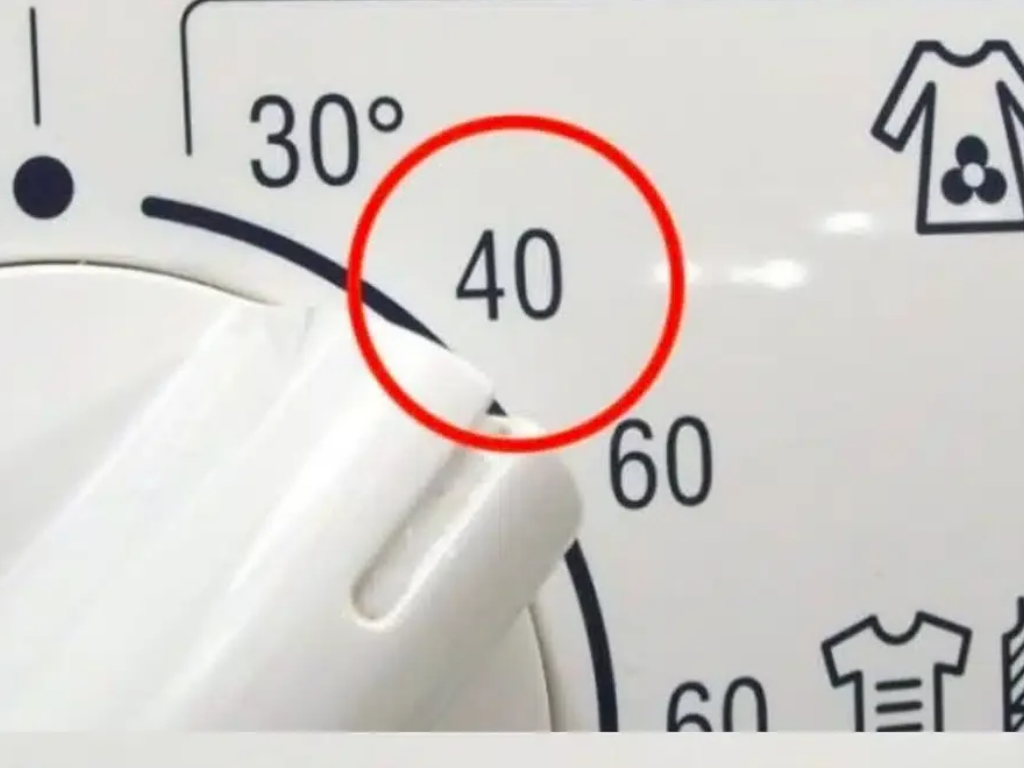
Why Is a Temperature of 40°C Not Enough to Effectively Eliminate Bacteria? Many people consider 40°C to be a balanced Read more

When "Need" Takes on a Whole New Meaning For a long time, having a woman in a man’s life was Read more
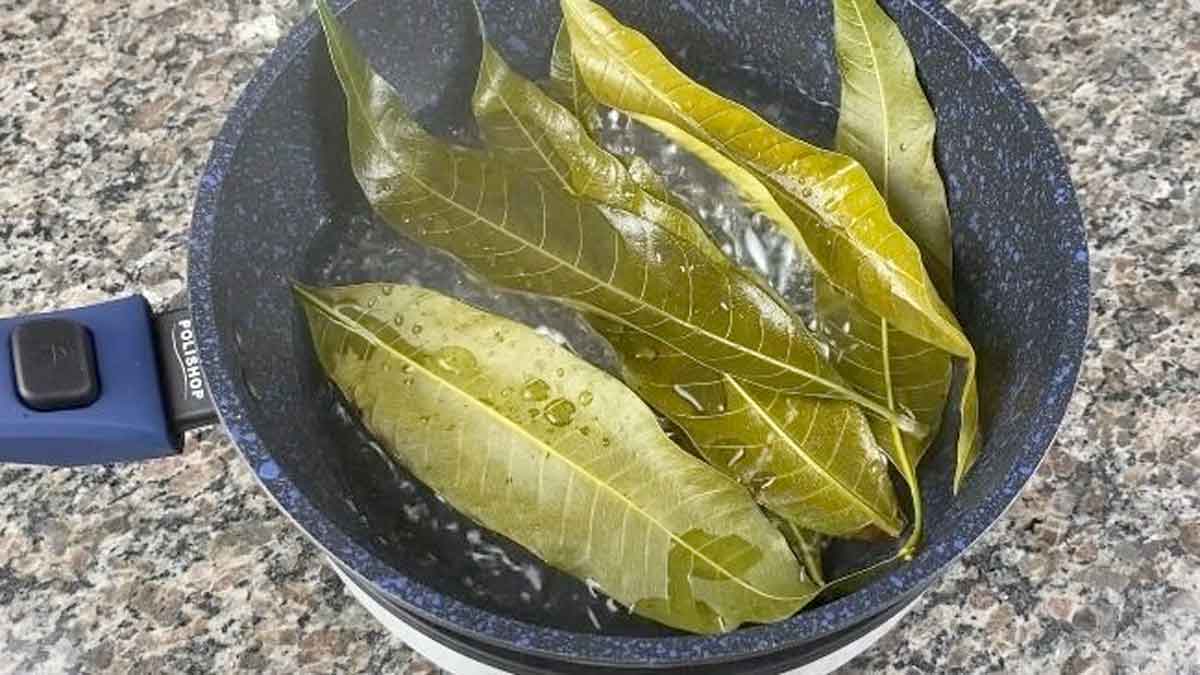
Mango leaves, often overshadowed by the sweet and juicy fruit they accompany, have long been valued in traditional medicine for Read more

Do you remember those holiday evenings when the entire family gathered around a large table, sometimes lingering until the early Read more

How to Maintain a Stainless Steel Iron Although sturdy and durable, the stainless steel soleplate of an iron can blacken Read more

Natural, effective, and economical methods to eliminate burnt oil stains from your oven: discover simple, natural techniques to tackle those Read more

Lactuca serriola, commonly known as prickly lettuce, is a plant that often goes unnoticed, dismissed as a mere weed. However, Read more

While scrolling through social media, you have likely noticed images showcasing cloves, ginger, and Lipton tea combined. This trio has Read more
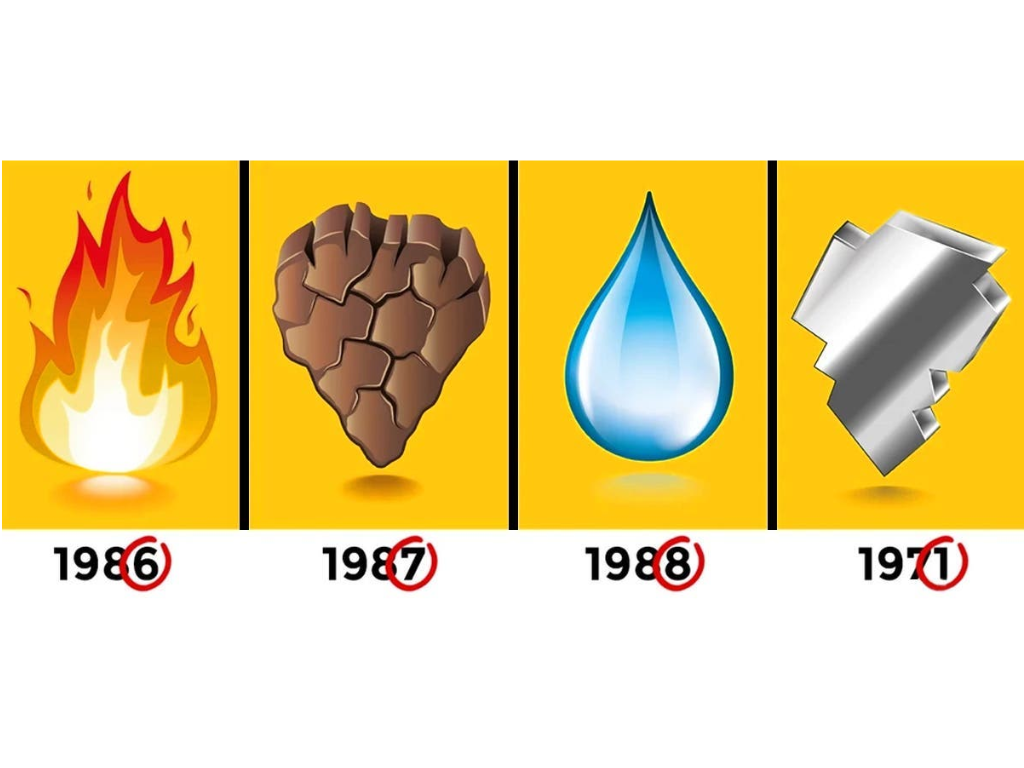
Born in 1951, 61, 71, 81, 91, 01, 11, 12…: An Untamable Competitive Spirit If the last digit of your Read more

Control the Opening and Closing of Windows Remotely Picture this scenario: in the middle of summer, your car has been Read more

A Walk That Sometimes Holds Unexpected Surprises After a walk, it is common to find our dog with muddy paws, Read more

What Is the Purpose of That Small Panel on Your Car? While heavy vehicles like trucks are equipped with clearly Read more
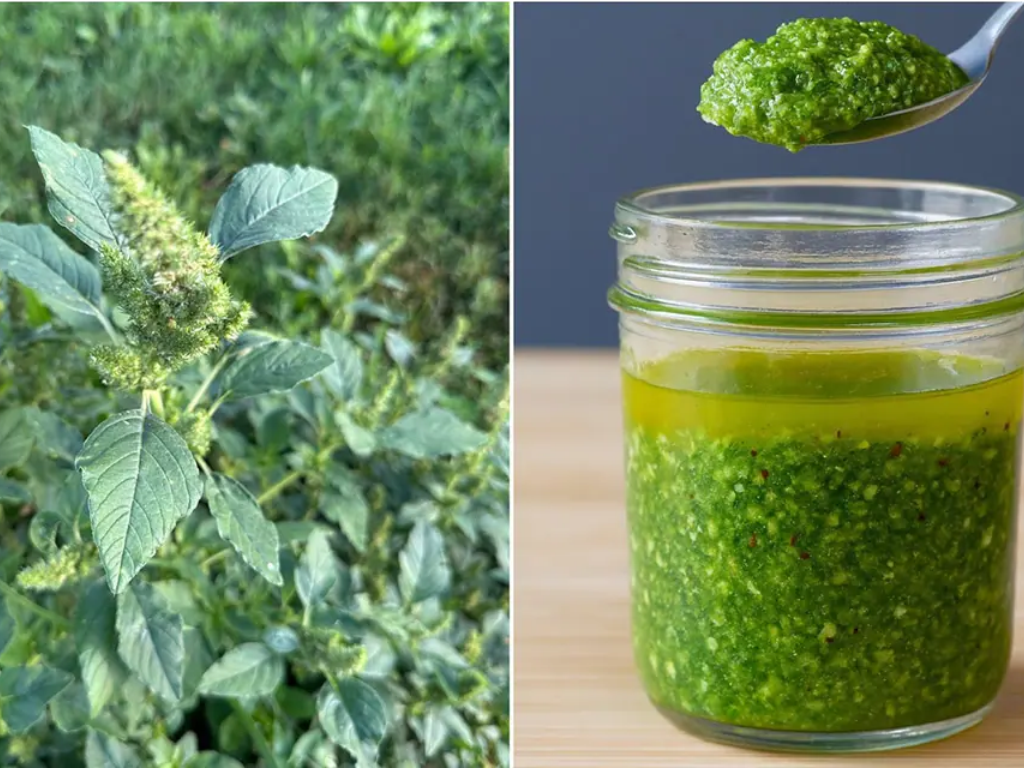
An Unexpected Nutritional Treasure in Your Own Garden Amaranth, often referred to as the "wild spinach", far exceeds its role Read more

A House Offered for Free, But You Must Move It Yourself In Sweden, a peculiar story is capturing attention: Göran Read more

A Modest Tool Serving a Clever Function Have you ever wondered why a specific utensil is needed to separate an Read more

An Enigmatic Disappearance at the Heart of the Family Vegetable Garden It all began in Alberta, Canada, several years ago. Read more

These Little Creatures You Would Rather Not Find in Your Pantry In our French kitchens, certain insects have a troublesome Read more

Faced with increasingly harsh industrial detergents, consumers are turning back to traditional products that are healthier and have long proven Read more

Silica gel packets are frequently included in the packaging of electronics, clothing, and many other products. These small sachets contain Read more

Embracing Organic Gardening with Homemade Onion Elixir The shifting trends in horticulture are leaning heavily towards eco-conscious choices, prompting gardeners Read more
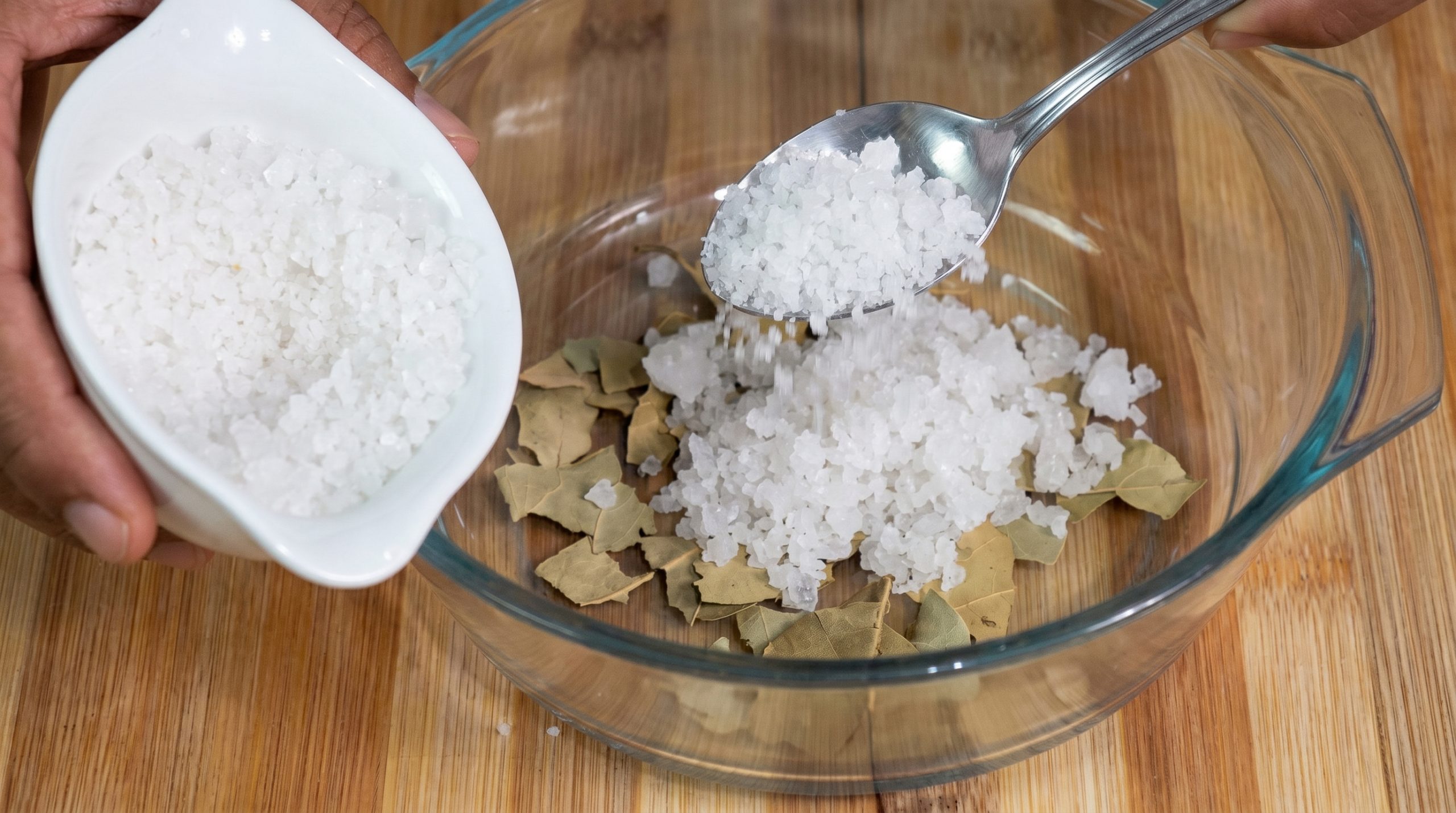
For centuries, the bay leaf has stood as a symbol of protection, wisdom, and soothing comfort. Salt, by contrast, represents Read more

WD-40, a common fixture in numerous homes and workshops, is widely recognized for its effectiveness in loosening rusted bolts and Read more

Juniper, a versatile and aromatic plant, has been valued for centuries for its culinary, medicinal, and therapeutic uses. Known for Read more

An Inappropriate Remark and a Witty Response While on vacation, Mélanie was discreetly breastfeeding her baby in a crowded restaurant. Read more

Why Does White Laundry Lose Its Brightness and Turn Yellow? Who hasn’t felt a slight disappointment when pulling their white Read more

When a Drawer Holds Much More Than Mere Odds and Ends Like many others, my initial reaction upon seeing these Read more
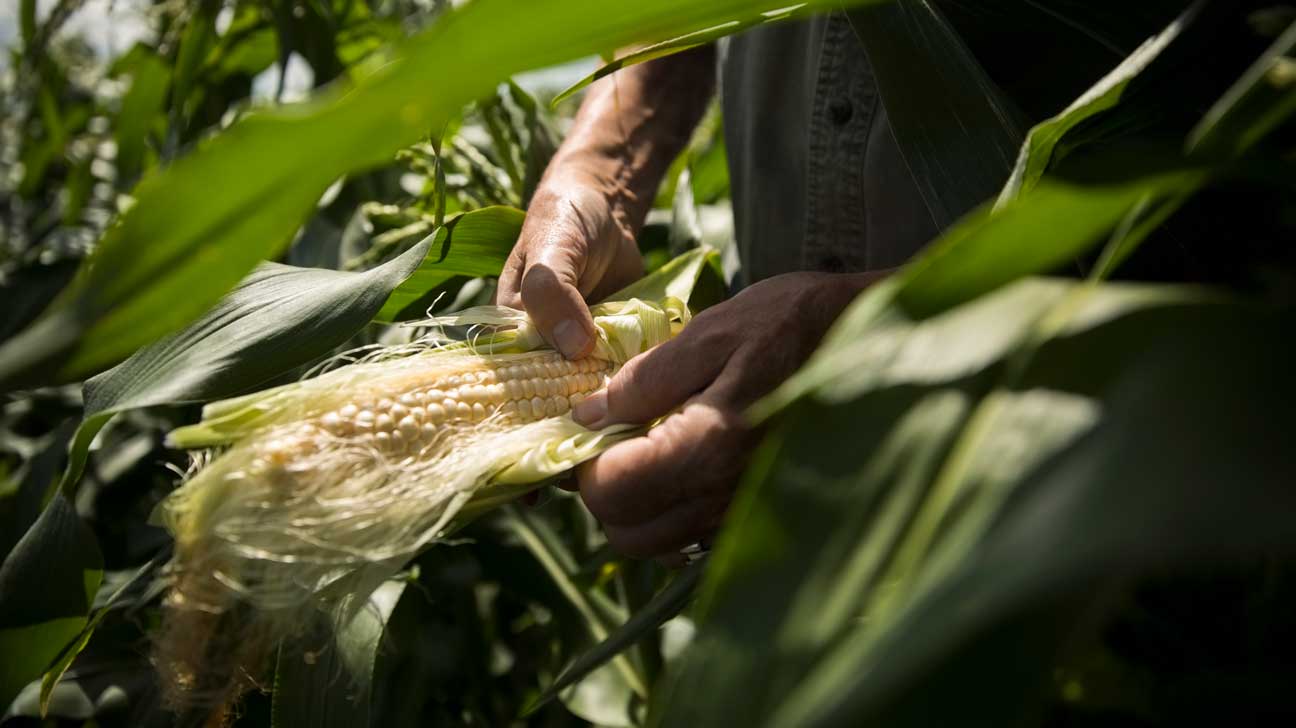
Corn silk, the delicate, hair-like strands that grow on an ear of corn, has a long history of use in Read more

The Secondary Microphone: A Filter Against Noise Pollution Most modern smartphones incorporate multiple microphones, including a secondary one often hidden Read more
