
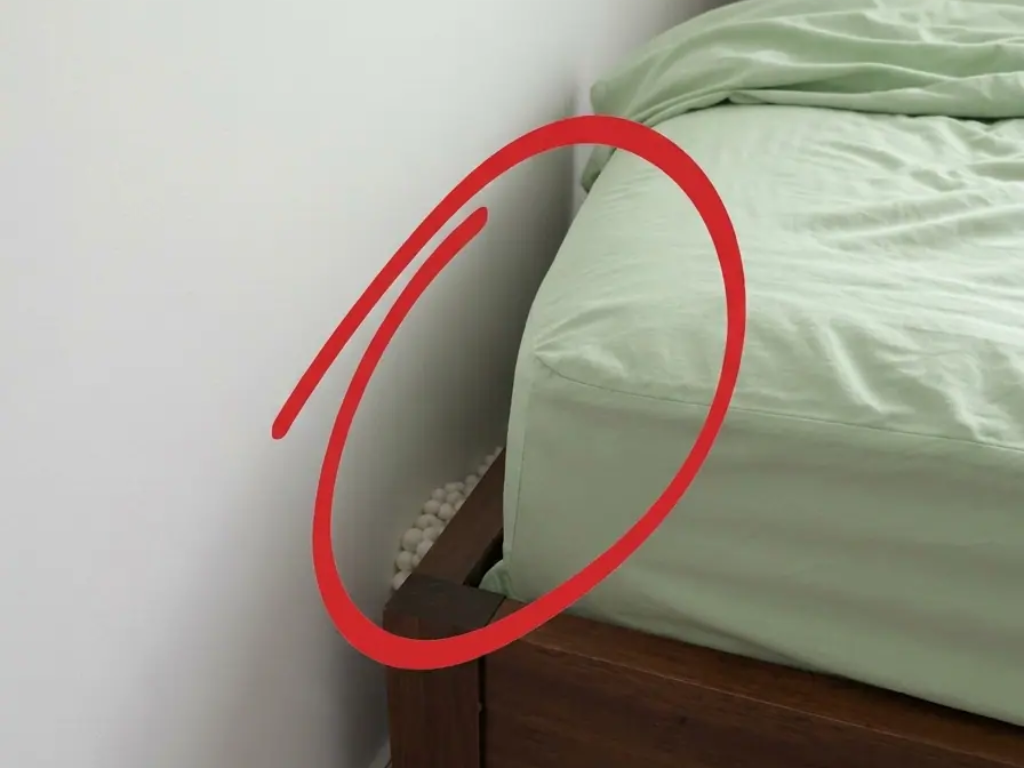
Those Mysterious White Spheres at the Foot of the Bed: An Immediate Instinctive Reaction
The initial sensation that grabs us when we discover these small white spheres, frequently found near the bed, is fear. It is an instinctive, immediate response to an unfamiliar object appearing in an otherwise familiar space. However, once the initial alarm subsides, curiosity gradually takes hold, prompting a compelling question: where do these spheres originate? Who could have placed them there?
The most widespread explanation proposed by internet users points to lizard eggs, specifically those laid by domestic geckos.

Why Would the Lizard Choose This Exact Spot, So Close to the Bed?
This phenomenon is far from random. Domestic geckos are much more intentional and strategic creatures than one might assume. When a female gecko searches for a site to lay her eggs, she carefully selects a location that satisfies several essential conditions: warmth, darkness, protection, and moisture.
The narrow space between a wall and a bed perfectly meets all these requirements. The mattress traps the warmth of the sleepers’ bodies, creating a gentle and consistent temperature in the surrounding area. This spot, often undisturbed, is enveloped in darkness. Additionally, the humidity here tends to be slightly elevated compared to the rest of the room, helping to prevent the eggs from drying out and ensuring a favorable environment for their development.
Moreover, bedrooms frequently attract insects drawn to the light or the warmth generated by their human occupants. For a gecko, whose diet primarily consists of mosquitoes and other small flying insects, this proximity offers an abundant supply of food within easy reach. Thus, settling near the bed and depositing eggs nearby is a completely logical and strategic choice for a gecko.
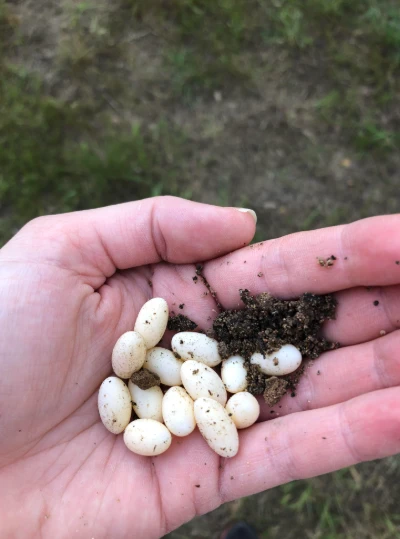
But Are These Spheres Really Lizard Eggs?
This is exactly where the subtlety of the question adds an intriguing dimension. Normally, a female gecko lays one or two eggs at a time, not a large cluster of perfectly uniform spheres. Genuine gecko eggs have a slightly calcified or leathery shell, are not perfectly round, and often adhere to the surface they are laid upon.
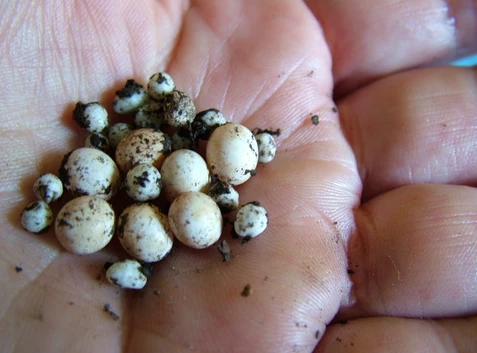
If the tiny spheres found are perfectly uniform, numerous, and resemble plastic or foam beads rather than natural eggs, then the explanation is different and decidedly more ordinary: they are often polystyrene beads or microbeads coming from a torn pillow, cushion, or bag.
To resolve any uncertainty, a simple inspection is usually enough: look at one of the spheres closely. If its surface is irregular and slightly soft, it is most likely an egg. However, if it appears smooth and synthetic, discard these beads and consider replacing the pillow or cushion from which they came.
Should You Be Afraid of Having a Gecko at Home?
Absolutely not. Domestic geckos are entirely harmless creatures. They do not bite, carry no diseases, and actually serve as beneficial allies by reducing populations of mosquitoes and other small nuisance insects.
If you find small eggs tucked away in a hidden corner, the best course of action is to gently relocate them outside and then thoroughly check for potential entry points through which the lizard may have gained access to your home.
Ultimately, nature is often much closer to us than we realize — sometimes just a few centimeters away from our pillows.
The Secret of Seasoning: An Essential Traditional Method What if the key to reviving a frying pan lay in an Read more

Why It's Crucial to Clean Your Oven and How to Do It Naturally The Importance of Cleaning Your Oven The Read more

Tomatoes, a staple in kitchens worldwide, are loved for their versatility and rich flavor. However, their perishable nature often leads Read more

Two Years in the Freezer: Is It Really Too Late? It is common to assume that a long storage date Read more

Do you remember those holiday evenings when the entire family gathered around a large table, sometimes lingering until the early Read more

A Puzzle Deceptive in Its Simplicity When mentioning "2 mothers," "2 daughters," "1 grandmother," and "1 granddaughter," the immediate image Read more

Lina’s room remains untouched by time, as if she had just left yesterday: colored pencils scattered across the desk, an Read more
Individuals with Allergies or Sensitivities If you suffer from allergies, it is important to be cautious with avocado! This fruit Read more

Thyme is known by some as the “enemy of toxins,” and it has been part of stories since ancient Greece. Read more

Perfumed Tissues: An Easy DIY Technique The Joy of Scented Tissues: Paper tissues are handy in daily life. While some Read more

The Risks Associated with Excessive Screen Exposure Prolonged exposure to screens can have serious consequences on the overall development of Read more
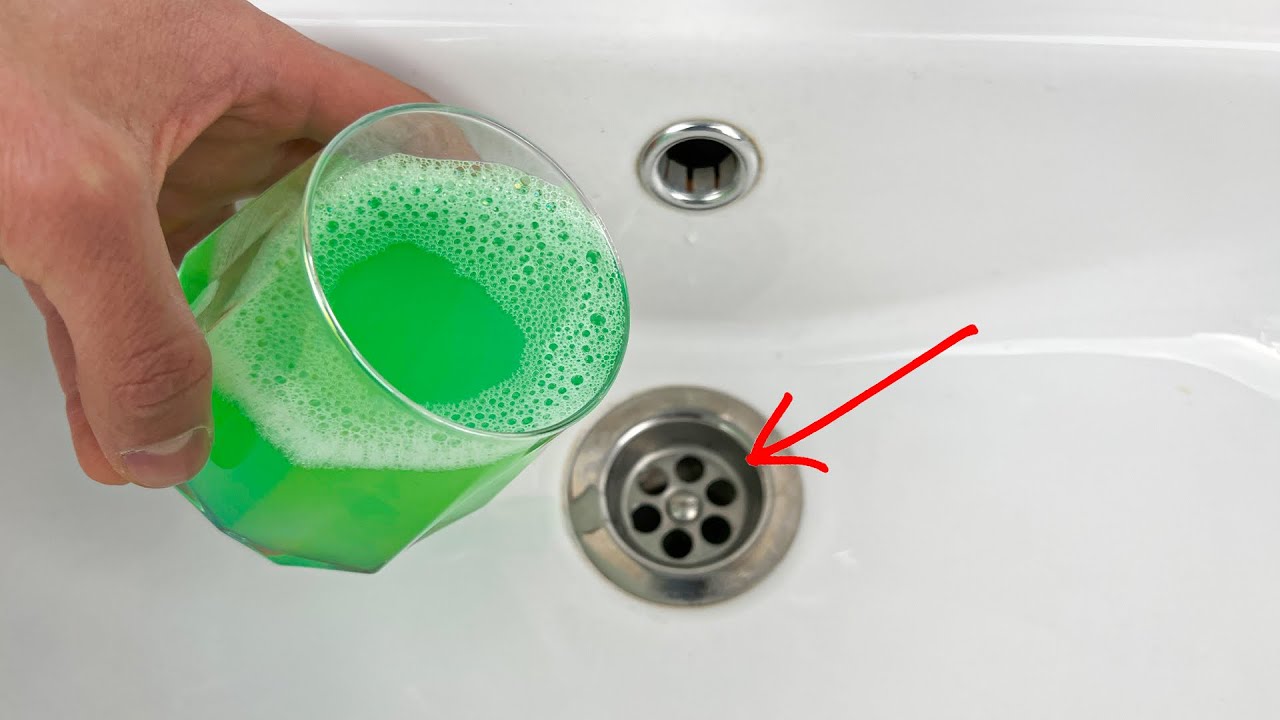
If your sink, bathtub, or shower is draining slowly and you don't have access to a commercial drain opener, you Read more

When Affection Triumphs Over Blood Ties Sharaine and Wilson Caraballo, warm-hearted parents of a large family with five children, opened Read more

Creating a fresh and inviting atmosphere in your kitchen doesn't require expensive air fresheners or synthetic scents. With just a Read more

A Vibrant Coat, More Than Just a Visual Trait Before delving into the nature of these cats, let us first Read more

Faced with increasingly harsh industrial detergents, consumers are turning back to traditional products that are healthier and have long proven Read more

Thyme is known by some as the "enemy of toxins," a reputation that dates back to stories from ancient Greece. Read more

The Scents That Attract Them Unintentionally Many laundry detergents and fabric softeners release floral, fruity, or subtly sweet fragrances. While Read more

One day, almost by chance, he pushed open the doors of an orphanage. It was there that he met Emma. Read more

Defrosting a freezer is often viewed as a lengthy and tedious task involving ice packs and patience being thoroughly tested. Read more

A Pricing Error That Affects Your Budget We don't always realize it, but pricing errors in supermarkets are far from Read more

Salt: An Overlooked Treasure in the Home Since ancient times, salt was so valuable that it was even used as Read more

An IQ Test Involving Coffee Cups When it comes to logical reasoning, it is clear that not everyone approaches it Read more

The Brown Marmorated Stink Bugs: A Nuisance Difficult to Ignore Originating from Asia, these insects have found a favorable environment Read more

Diseases Transmitted by Ticks When we talk about ticks, Lyme disease immediately comes to mind, and for good reason. However, Read more

Why Do We Consistently Wake Up at the Same Time During the Night? Nighttime awakenings can stem from various causes: Read more

Goldenberries, also known as Physalis or Uchuva, are small, orange-yellow fruits enclosed in a delicate, papery husk. Originating from the Read more
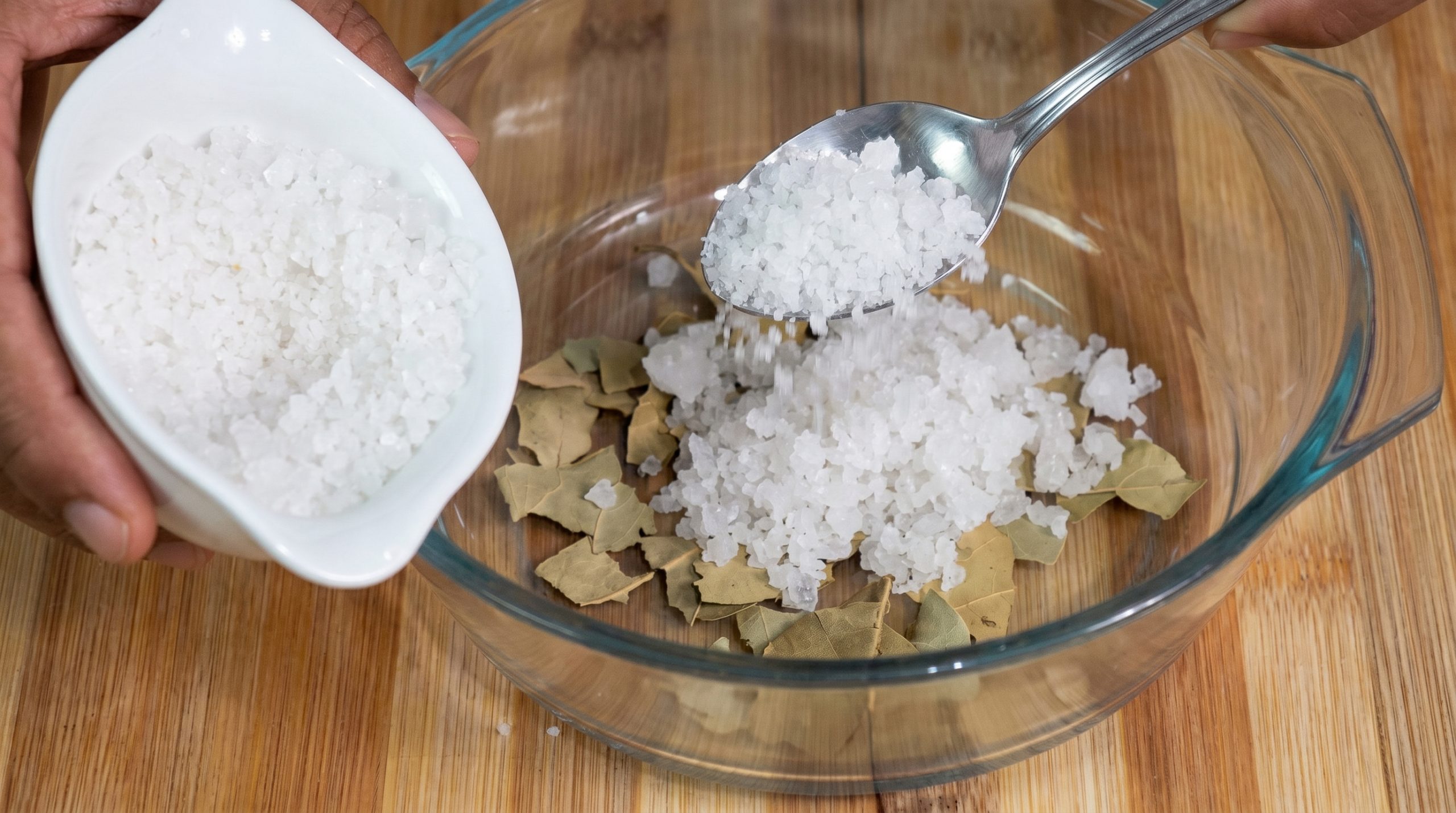
For centuries, the bay leaf has stood as a symbol of protection, wisdom, and soothing comfort. Salt, by contrast, represents Read more

Garlic's Aromatic Enigma: Its Transformation When Burnt The unmistakable scent of garlic is well-known in kitchens worldwide. Esteemed for its Read more

Max, a True Fighter The dog advanced cautiously, drawn in by gentle words and a piece of bread offered kindly. Read more

Castor Oil: A Natural Treasure to Rediscover Derived from the seeds of Ricinus communis, this thick, golden plant oil contains Read more

Many families choose to place their washing machine in the bathroom to take advantage of the floor drain. However, it Read more

Throughout our journey in history, the bond between humanity and nature has been inseparable, providing not only sustenance but also Read more

Are Lilacs Edible? Health Benefits of the Beautiful Syringa Blossoms With their sweet fragrance and delicate clusters of flowers, lilacs Read more

What Is the Purpose of the Overflow Hole in a Sink? The small, often overlooked hole located near the edge Read more

In today's digital age, it's a common sight in households and offices: chargers left in outlets without their corresponding devices. Read more

Inheritance in France: A Protected Share, Untouchable Even in Cases of Conflict In France, there is a fundamental legal principle Read more
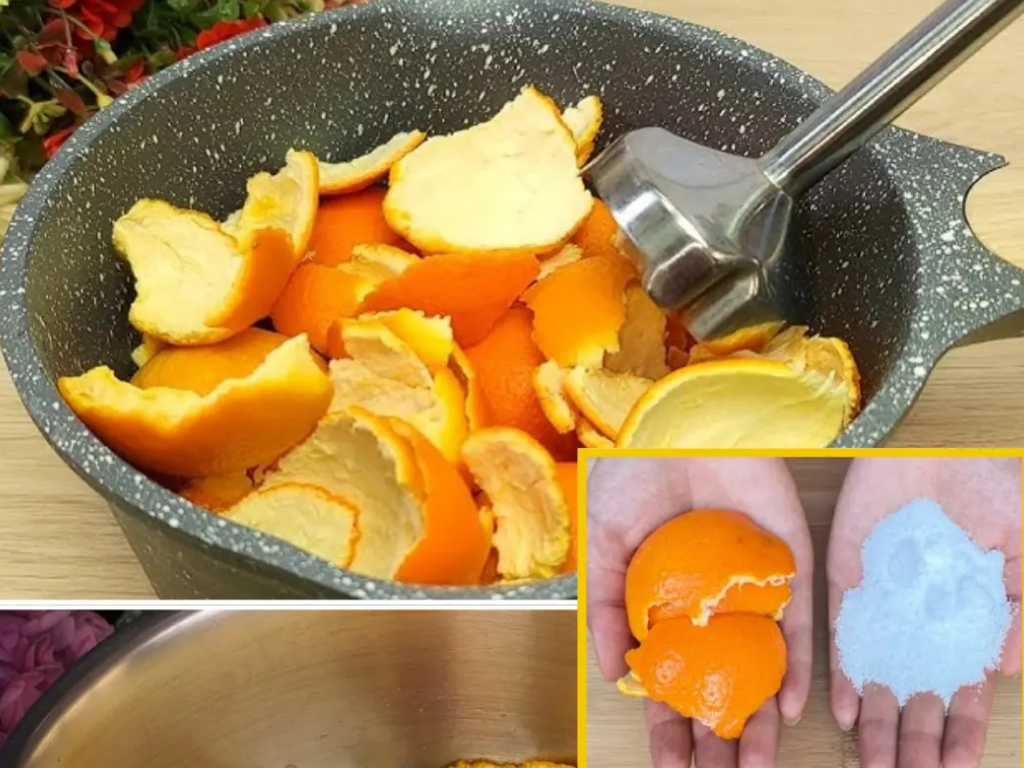
A True Natural Concentrate of Vitality Orange peel is naturally packed with beneficial components widely recognized for their role in Read more

This heartbreaking story touched millions of internet users. After a long eight months of disappearance, a dog finally reunited with Read more

These tiny parasites can send shivers down your spine just by mentioning them. Whether on your skin or that of Read more
