
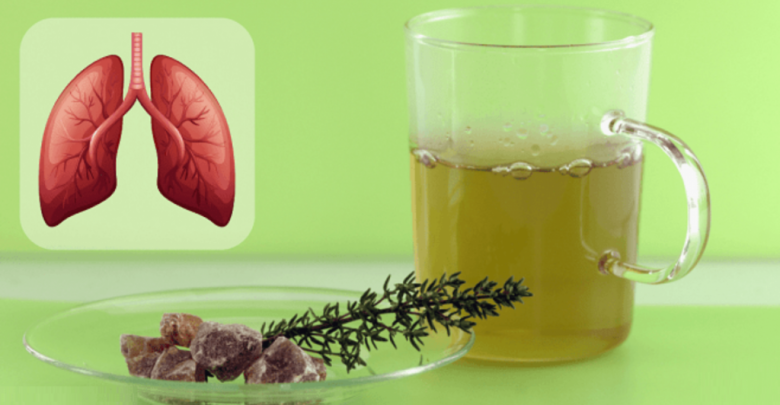
Thyme is known by some as the “enemy of toxins,” a reputation that dates back to stories from ancient Greece. These tales describe how thyme is said to originate from the tears of the beautiful Helen of Troy, the woman whose story sparked a conflict remembered through the ages. However, thyme is primarily an herb widely used in cooking.
Contrary to the mythological origins often attributed to it, thyme’s health benefits are scientifically documented. Let us take a closer look at the advantages of this king of the Lamiaceae family.
Renowned for its many therapeutic properties, thyme has become an indispensable staple in our kitchens. Whether dealing with coughs, flu, or respiratory conditions, Thymus vulgaris offers a multitude of remedies to ease everyday ailments. Its traditional use is recognized by the World Health Organization (WHO) and the European Scientific Cooperative on Phytotherapy (ESCOP). Additionally, it is listed in the French pharmacopoeia’s registry of medicinal plants.
And for good reason: available as an essential oil, in infusion, or through topical application, thyme has a wide range of health benefits. Let us explore them one by one.
1- Anti-Infectious
Thyme’s health benefits are largely attributed to its antiseptic and antimicrobial properties. One study demonstrated that its essential oil was effective against bacteria in 120 patients suffering from oral, respiratory, and genitourinary disorders. To harness thyme’s benefits, you can drink it as a tea or add it to meals and salads.
2- Anti-Inflammatory
Thanks to its antioxidant and anti-inflammatory properties, thyme contains a phenolic compound known as thymol. Researchers have suggested that thymol can reduce asthma symptoms by targeting the free radicals responsible for inflammation. Pharmacologist Jean-Louis Brazier recommends inhaling thyme to clear the respiratory tract. To do this, boil water, pour it into a bowl, and add two tablespoons of thyme. Then lean over the bowl, cover your head with a towel, and inhale the steam for several minutes.
3- Antimicrobial
Thyme tea can be particularly beneficial in treating oropharyngeal inflammations. Additionally, it helps strengthen the immune system to combat various diseases. To maximize its benefits, prepare an infusion and drink it three times a day. You may also add eucalyptus honey, which has expectorant properties, or lemon juice, known for its antiseptic qualities.
4- Antiviral
When used as an inhalant or in essential oil form, thyme proves especially useful for alleviating flu symptoms. According to a study published in The American Journal of Essential Oils and Natural Products, thyme exhibits antiviral properties that help fight the flu without harming epithelial cells. Scientists have also noted its effective action against hemagglutinin, a protein on the surface of the flu virus responsible for binding to target cells.
5- Decongestant
Thyme is well known as an effective decongestant and is used to treat a variety of illnesses. Thierry Thévenin, an herb producer, along with Dr. Laurent Chevallier, a nutritionist, both recommend consuming thyme in tea form for respiratory health. Naturopath Christelle Lassort, a practitioner of alternative medicine, also attests to its effectiveness for many ailments related to the head and respiratory system, highlighting its expectorant qualities that aid in combating cough, cold, and asthma.
Pharmacist Christine Cieur-Tranquart advises combining thyme’s antitussive, antiviral, and antiseptic virtues with an anti-inflammatory and emollient plant in cases of infectious or viral cough.
Warnings:
Thyme should not be used by individuals taking anticoagulant medication or during pregnancy. It is important to note that thyme should not be consumed for periods longer than three weeks to avoid potential imbalances, irritations, or hypertension.

Tackling Dog Urine Odor: A Comprehensive Guide The joy of having a canine companion is undeniable, but alongside it come Read more

How to Make Powerful Super Glue from Styrofoam: The Hidden Chemistry Behind This Viral Trick In a world where DIY Read more

Understanding, anticipating, and supporting your dog through every stage of their life is essential to providing them with the best Read more

The Disguise Test One morning, Mr. Delaunay put on worn-out clothes, covered himself in dust, and let his beard grow, Read more

Cassava: An Essential Plant at the Heart of a Deadly Paradox Whether in the form of flour, tapioca pearls, or Read more
Warning: The information provided in this article is solely for educational and informational purposes. It is based on traditional herbal Read more

We experienced several miscarriages. Each time, it was a silent grief, almost invisible to the eyes of others. I learned Read more
Fig leaves, often overlooked behind the sweet and flavorful fruit they accompany, are an incredible source of numerous health benefits. Read more

A Fully Integrated Member of Its Tribe Social relationships hold a significant place in the life of a cat. When Read more

How to Clean Bathroom Tiles Quickly and Effectively Cleaning bathroom tiles is a task we all love to postpone. It Read more

A Heartbreaking Message Lilo, a gentle and affectionate dog, was found wandering with a leash around her neck and a Read more
The Ultimate Healing Tonic: A Powerful Natural Drink for Swollen Feet, Diabetes & Poor Circulation Chronic swelling in the feet, Read more

Why Do We Consistently Wake Up at the Same Time During the Night? Nighttime awakenings can stem from various causes: Read more

Dented Car Body: How to Fix It Yourself Over time, the body of your car can endure a lot. From Read more

The Benefits of Combining Eggs and Coffee: A Nutritious and Energizing Pair When it comes to starting your day right, Read more

Embracing Organic Gardening with Homemade Onion Elixir The shifting trends in horticulture are leaning heavily towards eco-conscious choices, prompting gardeners Read more

Why does your sleep become fragile precisely between 3 a.m. and 5 a.m.? Is it due to a peculiarity of Read more
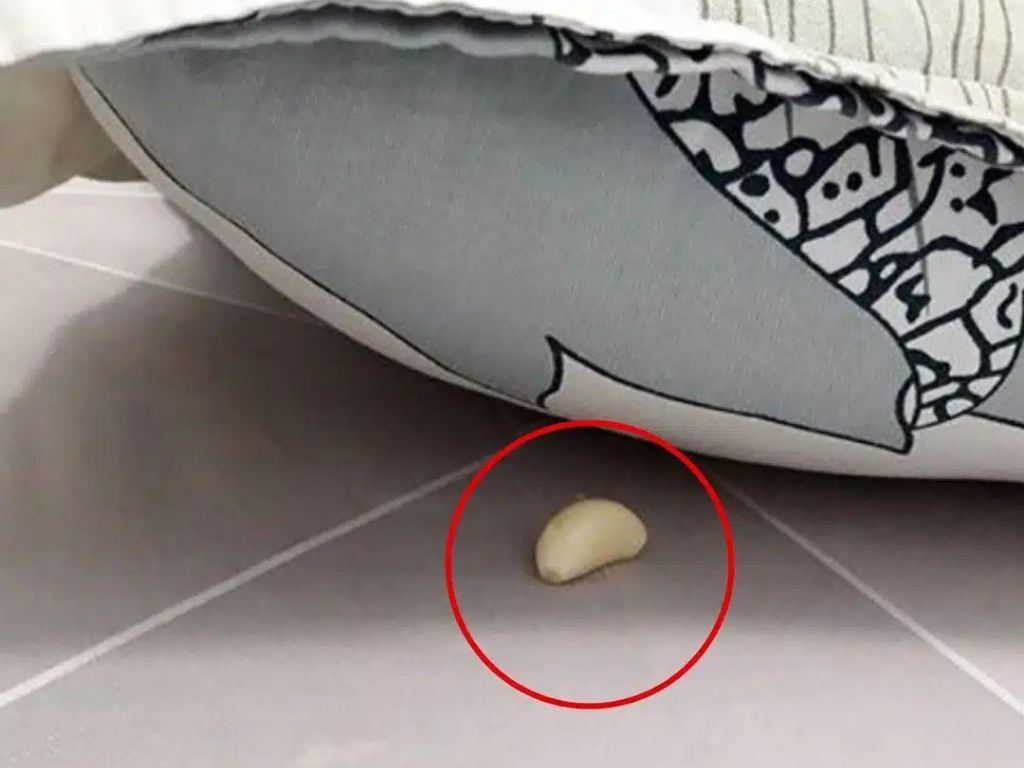
Garlic: An Ancient Remedy for Better Sleep Since ancient times, garlic has been recognized not only as an essential culinary Read more

Unwanted Houseguest: The Fly The fly is arguably the most disliked insect on Earth, primarily due to its bothersome traits. Read more

The Secret Language of Burglars: A Discreet Warning Signal Burglars use an actual coding system to identify their targets. They Read more

The Brown Marmorated Stink Bugs: A Nuisance Difficult to Ignore Originating from Asia, these insects have found a favorable environment Read more

Mulberry trees are best known for their luscious summer berries, but their leaves possess an even greater potential as a Read more
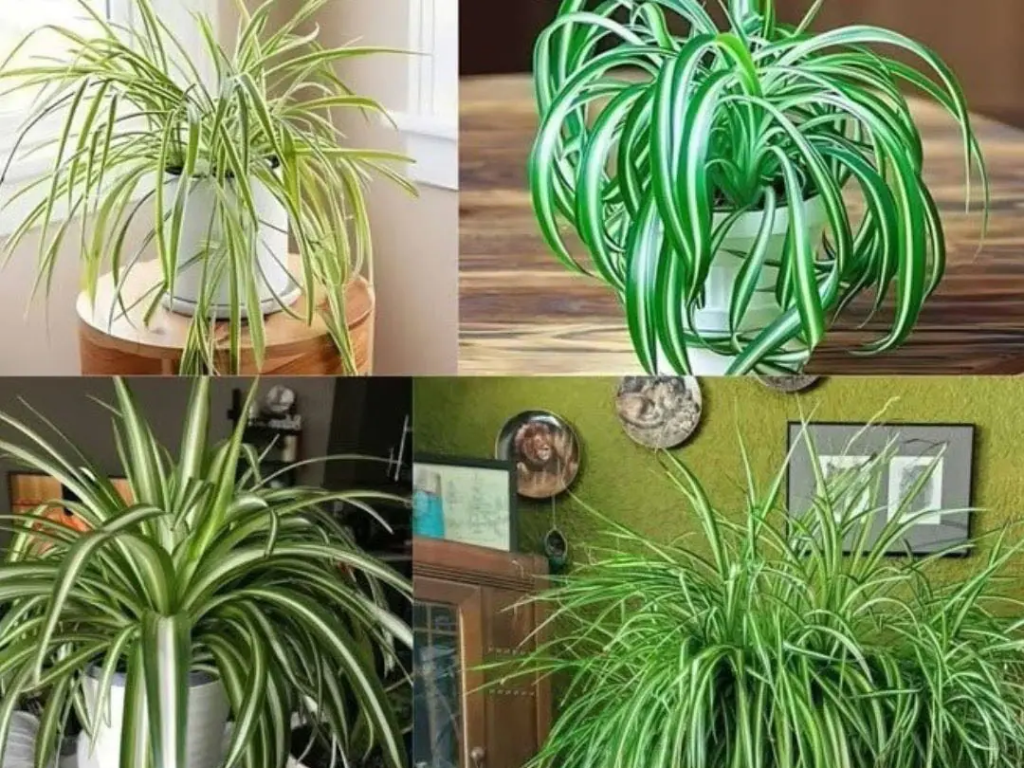
A Natural Ally for a Healthier and More Pleasant Home We admire the spider plant for its delicate and soothing Read more

Tomatoes, a staple in kitchens worldwide, are loved for their versatility and rich flavor. However, their perishable nature often leads Read more

This content is for informational purposes only. For medical advice or diagnosis, please consult a professional. Most people recognize aloe Read more

Restore the Shine to Your Dull Leather Whether it’s worn-out shoes, tired leather bags, or a sofa that has lost Read more

Mimosa Pudica, commonly known as the “Sensitive Plant” or “Touch-Me-Not,” is famous for its unique reaction to touch—its leaves fold Read more

How can a simple homemade mixture really help make your teeth whiter? Here is the secret that has already captivated Read more

Bathroom Mold: Causes and Solutions Ideal Environment for Mold Growth Bathroom surfaces are prime locations for mold growth. Moisture accumulates Read more

Airport staff and baggage handlers have an in-depth understanding of the behind-the-scenes processes involved in handling luggage. Today, they share Read more

A Decision Born from Solitude Agnès did not make her decision lightly. For many years, she hoped for more frequent Read more

Risks Associated with Using Boiling Water in Plumbing Premature Deterioration of Materials Frequently pouring boiling water down your sink can Read more
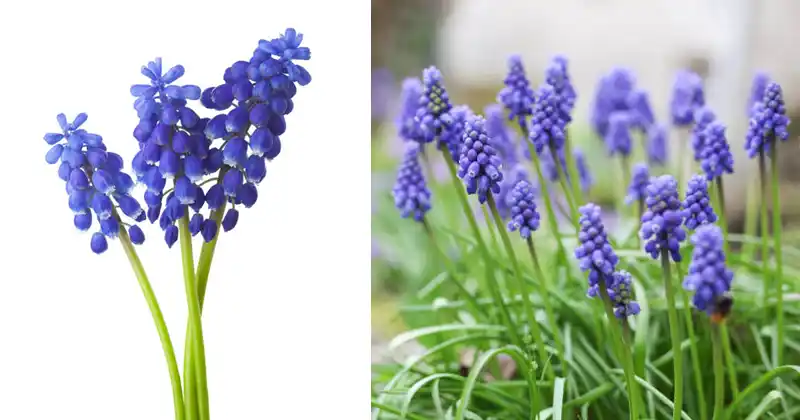
Grape Hyacinth (Muscari): A Beautiful Flower You Can Eat – But Only If You Know Which One The grape hyacinth, Read more

The Art of Container Flower Combinations Designing with flowers in pots is a delightful blend of horticulture and floral design. Read more

Who among us would like to live in a stifled and dirty home, where unpleasant cooking odors and impurities invade Read more
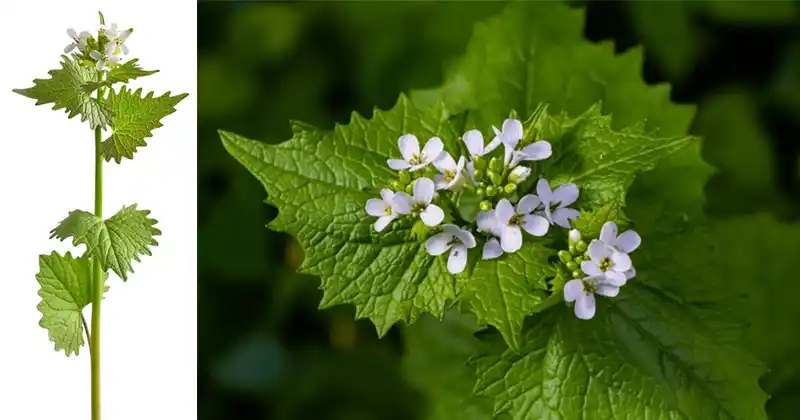
Garlic Mustard (Alliaria petiolata): 20 Surprising Benefits and Homemade Uses Garlic mustard (Alliaria petiolata) is often dismissed as a stubborn Read more

How to Detect Drafts Around Your Windows? Before making any adjustments, it is essential to confirm that your windows are Read more

Ageratum conyzoides, commonly known as Billygoat Weed or Goatweed, is a flowering plant native to tropical regions of the Americas Read more

A Vibrant Coat, More Than Just a Visual Trait Before delving into the nature of these cats, let us first Read more
The Secret of Seasoning: An Essential Traditional Method What if the key to reviving a frying pan lay in an Read more
