
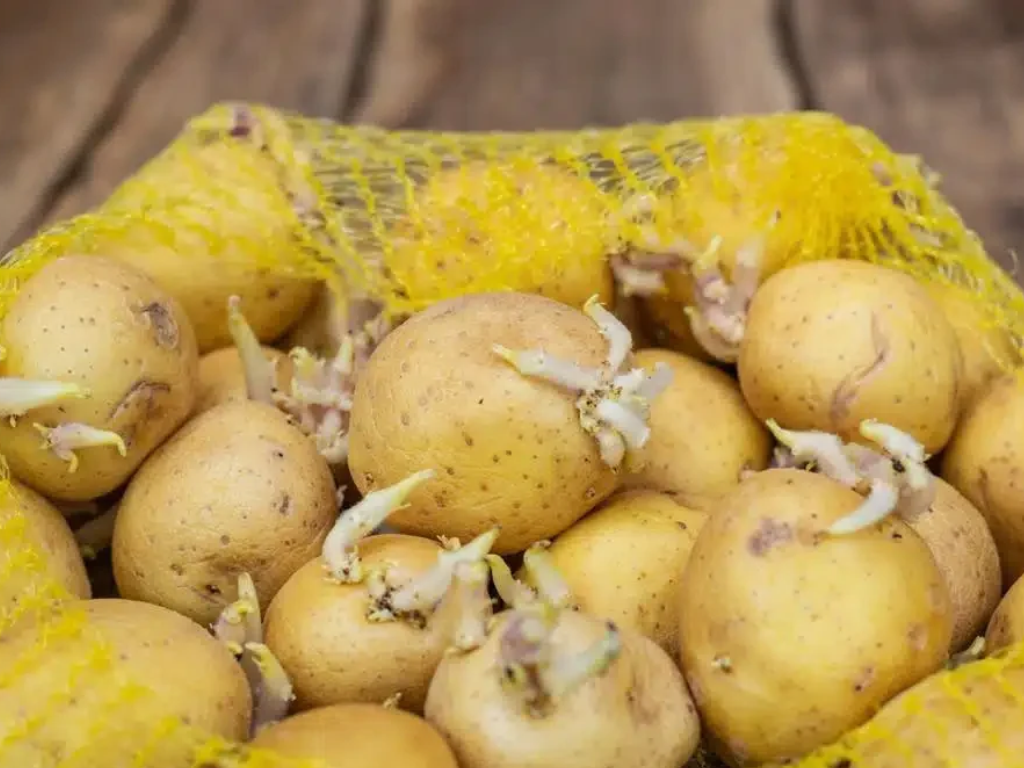
Three Little-Known Tips to Keep Your Potatoes in Perfect Condition
Choosing the Right Location for Storage

The way you store your potatoes plays a crucial role in their preservation. Improper storage accelerates sprouting and negatively impacts both their texture and flavor.
The Ideal Place to Store Your Potatoes
A cool environment: The ideal temperature ranges between 4 and 8°C. A cellar, an unheated pantry, or a garage are perfectly suitable locations.
Protected from light: Prolonged exposure to light triggers the production of solanine, a toxic compound responsible for the greenish coloration of the tubers. Therefore, it is best to store your potatoes in an opaque box or simply cover them with a cloth.
A dry and well-ventilated space: An environment that is too humid encourages the growth of mold and rotting. Choose a wooden box or a wicker basket, which allows good air circulation.
What to Avoid at All Costs:
Never store your potatoes in the refrigerator! Cold temperatures convert starch into sugar, which results in an overly sweet taste and a grainy texture.
Placing an Apple to Slow Down Sprouting
An age-old and proven tip is to slip an apple among your potatoes. This is not a mere myth: apples naturally release ethylene, a gas that slows tuber sprouting.
How to Do It Properly?

Place one or two apples in the center of your pile of potatoes.
Prefer a wooden box or a cloth bag to ensure good ventilation.
Replace the apples as soon as they start to soften to maintain their effect.
One More Helpful Tip:
Do not store your potatoes together with onions! These two vegetables release incompatible gases that accelerate their mutual spoilage.
Regular Inspection and Removal of Sprouts as Soon as They Appear
Even when storing potatoes under the best conditions, some will eventually sprout. Therefore, regular inspection of your stock and prompt action are essential.
Recommended Practices to Adopt:

Check your potatoes weekly and promptly remove any that show signs of sprouting.
Cut off the sprouts as soon as they appear: as long as the potato is still firm and healthy, it remains edible after carefully removing the shoots.
Strictly avoid potatoes that are wrinkled, soft, or greenish, as they contain high levels of solanine, which can be toxic.
Warning about solanine: This natural toxin found in potatoes becomes dangerous in large amounts. Consuming sprouted or green potatoes can cause symptoms such as nausea, vomiting, diarrhea, and abdominal pain.
Summary of Best Practices
- Store your potatoes in a cool, dark, and dry place, ideally between 4 and 8°C.
- Use a wooden box, wicker basket, or cloth bag to ensure optimal ventilation.
- Add an apple to your storage setup to slow sprouting.
- Never refrigerate them and avoid storing them next to onions.
- Regularly inspect and remove sprouts as soon as they appear.
Conclusion:
By following these simple yet effective tips, you will significantly extend the lifespan of your potatoes while reducing food waste. This way, you can fully enjoy delicious homemade mashed potatoes, gratins, and fries without any unpleasant surprises!
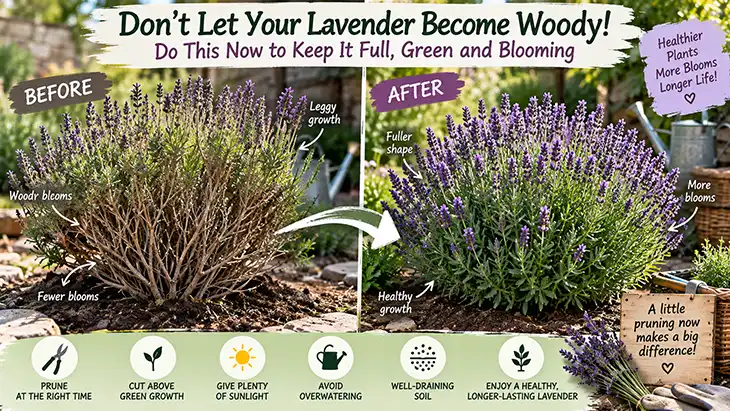
When lavender plants are young, they often present an almost perfect image: a compact shrub with silvery-green foliage, a delightful Read more
Easy Clove Growing: From Seed to Spice – A Beginner’s Guide Cloves are among the most treasured spices in the Read more

Orchids, celebrated for their intricate beauty and variety, need particular attention for optimal growth. In the realm of orchid care, Read more

Navigating Aloe Vera Care: Bypassing Usual Oversights Aloe vera, celebrated for its therapeutic properties and eye-catching demeanor, is occasionally compromised Read more

Understanding Fertilizers for Plants Fertilizer is a product that can be spread or mixed into the soil to provide plants Read more

Excessive moisture within a house can arise due to capillary action, infiltration, or the phenomenon of condensation. The latter is Read more

The Curious Case of Tomato Slices: A Journey from Kitchen Scrap to Sprout As someone always game for a gardening Read more

Mastering Chilli Cultivation in Diverse Climates: A Detailed Guide It may seem unlikely, but growing chillies across different climates is Read more

Introducing 15 Health-Enhancing Indoor Plants for a Vibrant Home Oasis Embrace a selection of indoor plants that bring more than Read more
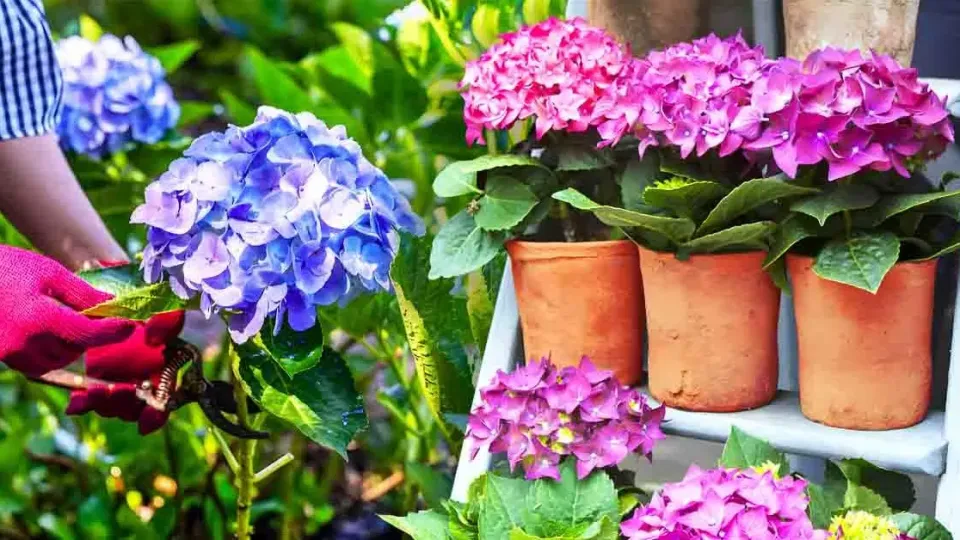
Hydrangeas, with their breathtaking blooms, stand out as one of the most enchanting deciduous flowering bushes. If you've wandered through Read more

The Importance and Care of House Plants House plants not only serve as a significant decorative element but also play Read more

Transforming Garlic Peels into Gold for Gardeners: In the rhythm of kitchen prep, garlic peels are often discarded without a Read more
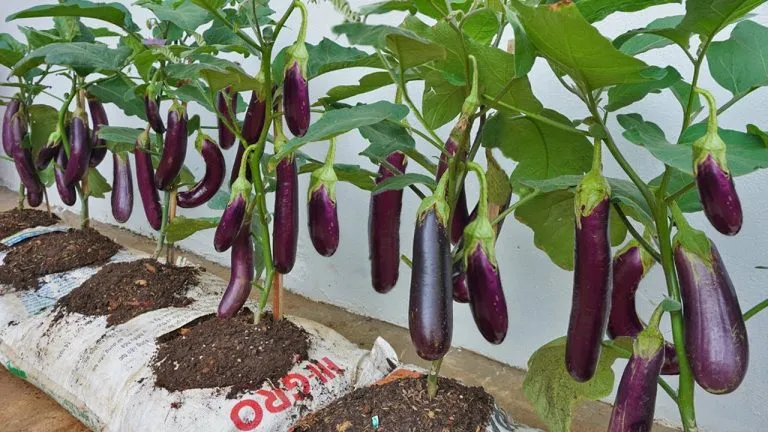
Exploring the World of Eggplants: A Gardener's Guide Eggplants, with their divisive nature, are often a subject of culinary debate. Read more

In the culinary world, garlic is a staple ingredient that is hard to do without. Cultivating it benefits many plants Read more

Orchids are renowned for their stunning blooms and are a favorite among indoor plant enthusiasts. However, getting these temperamental beauties Read more

Cultivating Zucchini in Containers: A Comprehensive Guide Zucchini is a popular vegetable for gardening aficionados and novices alike. It's simple Read more

Different perspectives exist on various aspects of nature, and this holds true for the dandelion, often dismissed as a mere Read more

How to Reuse Barbecue Ashes After enjoying a barbecue outdoors on a sunny day, the tendency is often to discard Read more
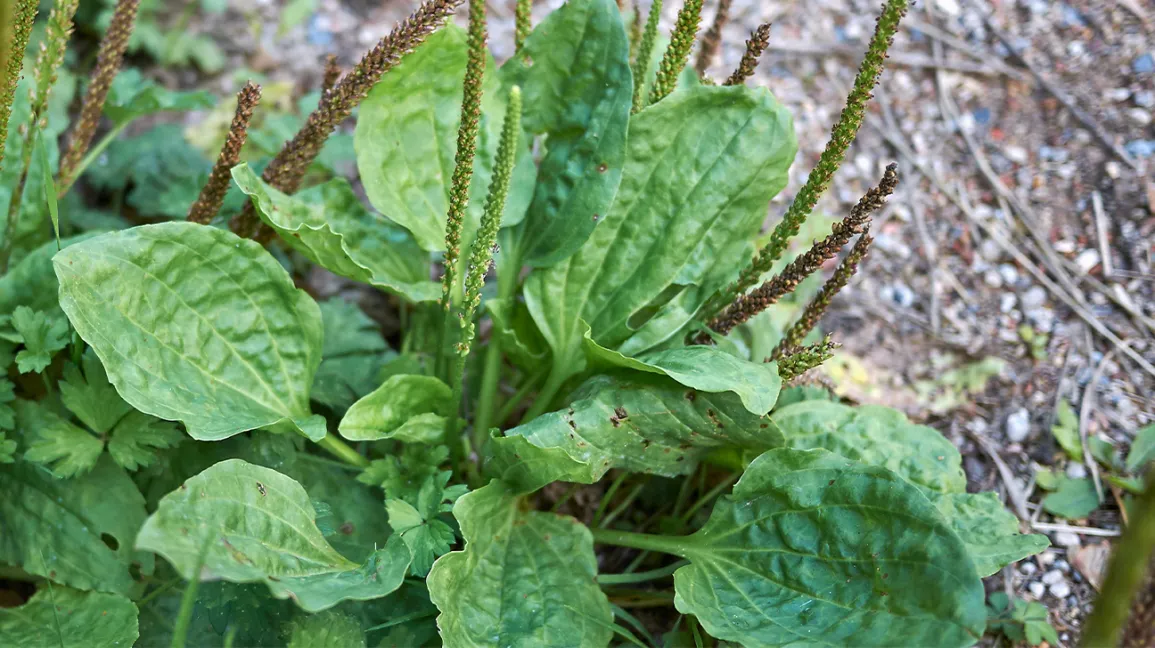
Nature provides us with countless remedies in the form of wild medicinal plants, surrounding us everywhere we go. These healing Read more

For gardening enthusiasts, it's a known fact that many plants thrive in humid and warm climates conducive to their growth. Read more

Neem oil is a completely natural product, derived from a plant native to India. It contains azadirachtin, a potent compound Read more

Get a Head Start on Your Garden: Indoor Sowing for Colder Climates There's no need to wait for spring's embrace Read more

Insect-Repelling Greenery: Your Natural Home Defense Transform your home into a sanctuary free from the annoyance of insects such as Read more
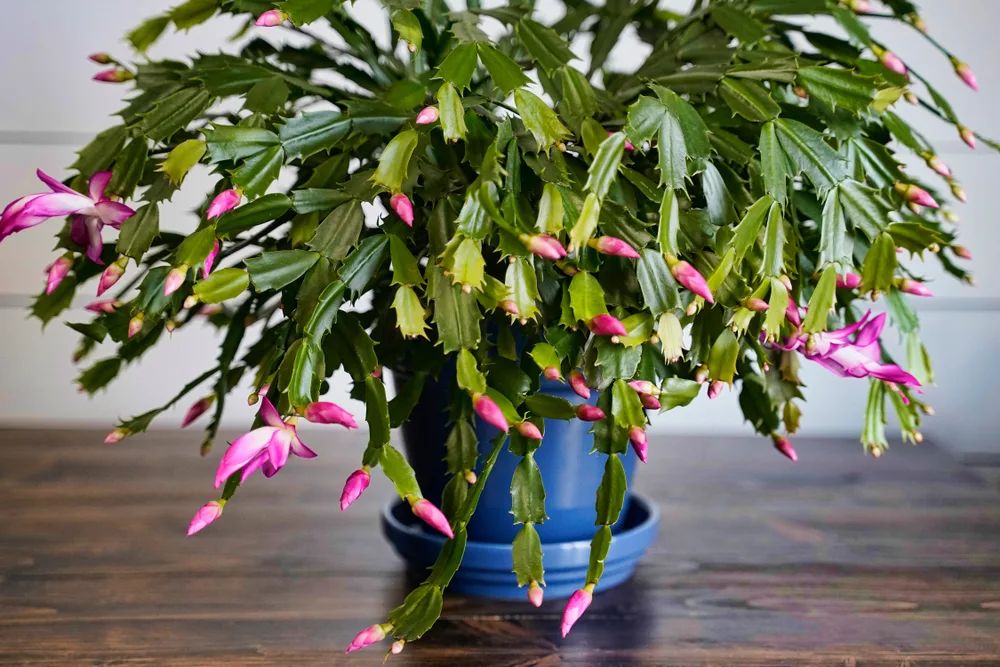
Unlocking the Mystery of the Festive Cactus The festive cactuses often baffle indoor gardeners. There's a lingering myth that these Read more

Bananas are a delightful treat, but their peels can be a garden's treasure. Rather than discarding banana peels into compost, Read more

Turmeric is a staple ingredient in Asian cuisine. This vibrant yellow spice, often used to flavor curries and stews, is Read more

The Wonders of Blueberries: A Guide to Growing and Enjoying This Nutrient-Rich Fruit Mildly sweet, the blueberry is a dark Read more

Indoor Plants: A Decorative Air Purifier Indoor plants have become an essential part of modern decor, increasingly sought-after to greenify Read more

Cultivating an Avocado Plant Indoors: A Step-by-Step Guide Nurturing an avocado seed into a blossoming plant within the confines of Read more

Caring for orchids, known for their exquisite and delicate nature, involves a precise approach to hydration. Orchids differ from typical Read more

Gardening: The Harmony of Craft and Nature Gardening brings out a dance between human creativity and the wonders of nature. Read more
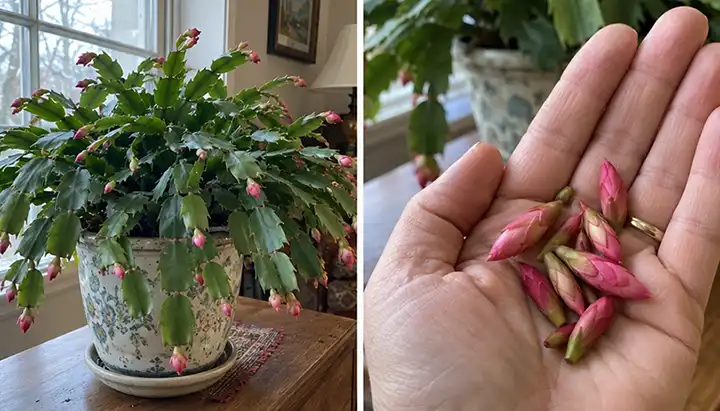
If your Christmas cactus has stayed healthy throughout the year but produced only a few flowers last winter, October might Read more
Self-Seeding Flowers: Effortless Beauty That Returns Every Year When I first fell in love with gardening, my mother came to Read more

Lavender, a charming addition to any garden, is known for its enchanting aroma and vibrant purple hues. This plant comes Read more

Wild Medicinal Plants: Harnessing the Hidden Virtues of Earth’s Greenery In the wilderness of our environment—ranging from the expanse of Read more

Orchids, with a staggering 28,000 unique species, beautifully demonstrate nature's rich tapestry of diversity. Originating from the Orchidaceae lineage, these Read more
The Incredible Healing Power of Billygoat Weed (Ageratum conyzoides): 15 Health Benefits You Should Know About Billygoat weed, also known Read more

Orchids, with their array of species and hybrids exceeding 25,000, stand as a testament to botanical beauty. Cultivators and hobbyists Read more

Growing avocados can be a gratifying experience, especially when you cultivate them right in your backyard. While starting avocados from Read more
Deadly Nightshade (Atropa belladonna): The Mysterious and Dangerous Plant with a Dark Legacy At first glance, Deadly Nightshade (Atropa belladonna) Read more
