
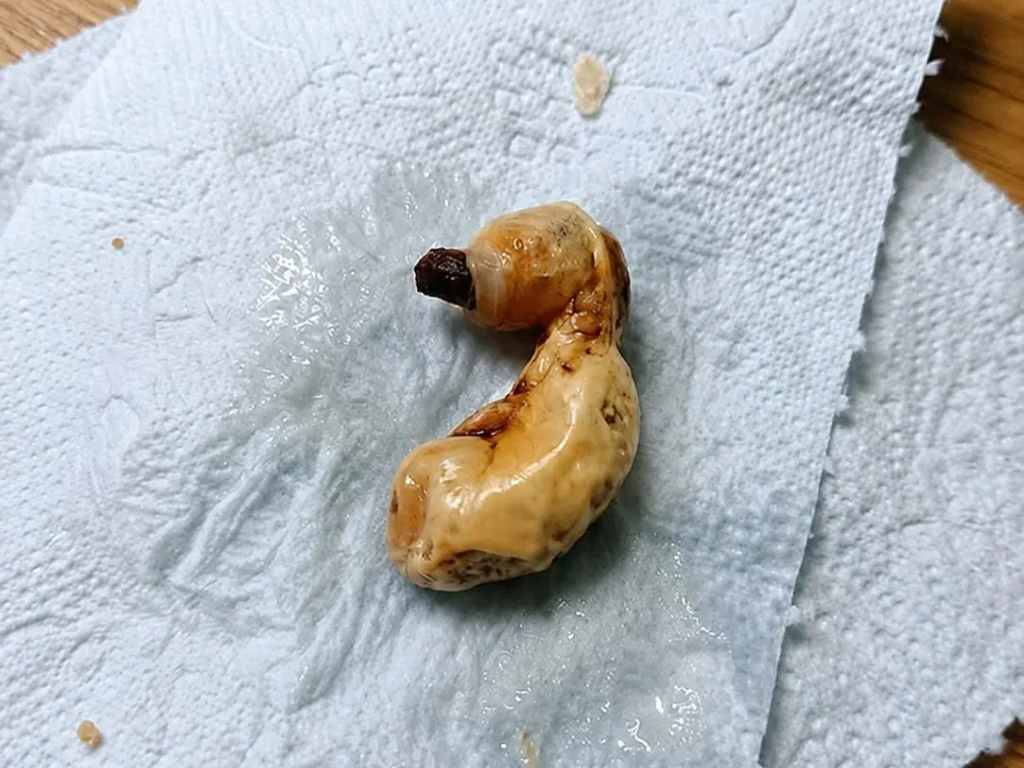
When a Simple Pistachio Shell Takes on the Appearance of a Monster
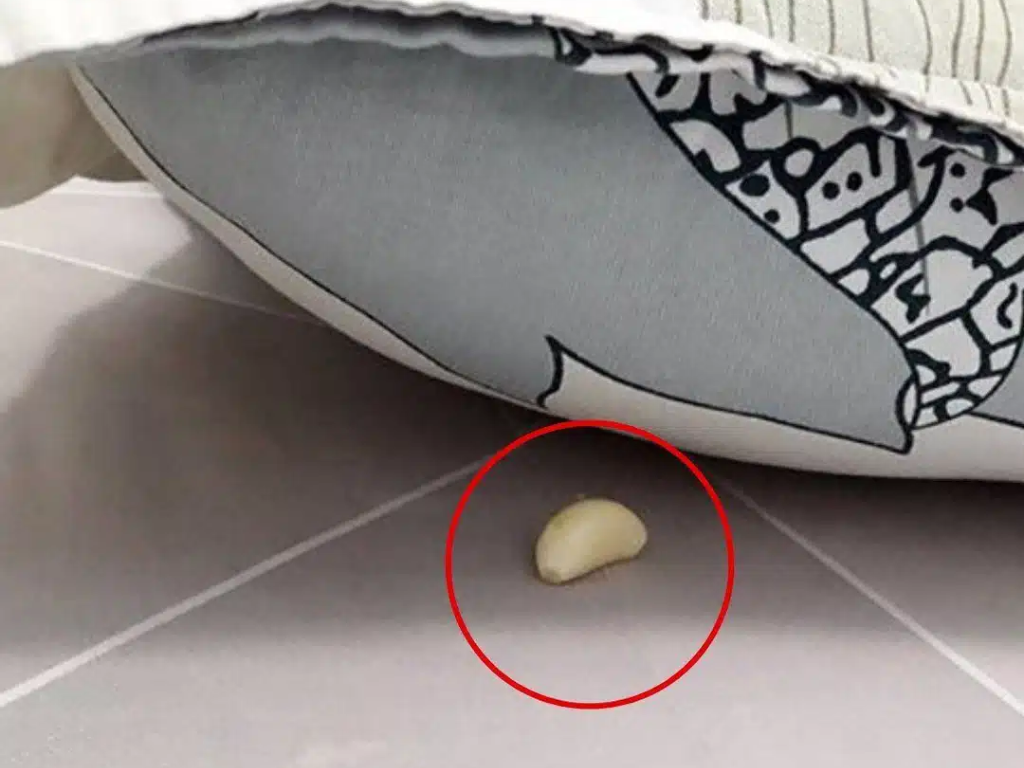
It all begins with the desire to clean and a vacuum cleaner within reach. As the tube gently slides under the bed, a strange object reveals itself: a curved shape, a dark surface, and small unsettling bumps. The reaction? An instant surge of panic. And as soon as someone whispers the fateful phrase — “I think it’s alive” — everyone’s perception changes drastically.
This cluster suddenly becomes a living body. The dark tip transforms into a head. The small irregularities take on the look of pulsating veins. Fascinating, isn’t it? Yet, the object has not moved an inch.
Our Brain Loves to Complete Images with Stories
This phenomenon has a name: top-down processing. In other words, our brain does not analyze information in a raw, neutral way but relies on what it already knows — its fears, its expectations — to interpret what it perceives.
Show a blurry image while saying “There’s a dangerous animal hiding there,” and your eye will naturally seek out fangs, claws, or threatening eyes. Conversely, say “It’s a child’s toy,” and your brain will see rounded shapes, reassuring colors. The very same image, but completely opposite perceptions.
Another mechanism also comes into play: pareidolia. This cognitive bias pushes us to recognize familiar shapes in unrelated objects — a face in a cloud, a silhouette in the shadows, or a creature in an old shell forgotten beneath the bed. Our brain is an expert at pattern hunting, sometimes where none exist.
Fear Spreads Like a Forest Fire
What is even more revealing is the collective nature of fear. The first person jumps in alarm. The second, seeing this reaction, becomes alert too. The third hears a whisper like “It might be moving” and steps back. Within seconds, everyone reacts as if a real threat were present.
Yet, no one actually saw the object move. The fear simply passed from one gaze to the next, like a wave. This ancient human reflex helps evaluate potential danger by observing others’ reactions, a valuable asset in emergencies. But it’s much less useful when it is just a forgotten snippet of a snack.
The Internet: An Uncontrollable Amplifier of Panic
Does this pattern sound familiar? It’s exactly what happens on social media. “I found this in my kitchen, does anyone know what it is?” and comments flood in: parasite, mysterious egg, unknown species… Until a calm user finally explains: “It’s a sprouted potato.”
Sensationalist explanations always capture more attention. A simple “old pistachio shell deformed by moisture and dust” attracts hardly any interest. Yet, that is often the truth.
Fear Is an Alarm, Not an Absolute Truth
This small everyday story reveals an essential lesson: our first emotion when faced with the unknown isn’t always a reliable indicator. Fear is a protection, yes, but it is never infallible. Before giving in to panic, take the time to turn on the light, change your angle of view, or ask someone calm to take a look.
Because the “monster” under the bed was ultimately just the remains of a forgotten midnight snack.
Next time a shadow makes you shiver, remember your brain is brilliant, but it also loves to invent stories.

The Hidden Power of Dog Rose (Rosa canina): 10 Surprising Health Benefits and How to Use It Nature has given Read more

Embracing Organic Gardening with Homemade Onion Elixir The shifting trends in horticulture are leaning heavily towards eco-conscious choices, prompting gardeners Read more

Unveiling the Secrets of Burning Bay Leaves in Your Home The age-old tradition of burning bay leaves, once prevalent in Read more
When you sink your teeth into a soft, caramel-sweet date, the last thing on your mind is usually the tough Read more

Dented Car Body: How to Fix It Yourself Over time, the body of your car can endure a lot. From Read more

How to Reuse Soap Scraps: Ingenious Ideas Soap bars, after several uses, become tiny and almost unusable. Many of us Read more

The ingenuity of Swedish furniture design, particularly evident in the flat-pack phenomenon, has transformed how we furnish our homes with Read more

The Amazing Benefits of Sumac and How to Use It Sumac is more than just a flavorful spice—it’s a powerful Read more

How can a simple homemade mixture really help make your teeth whiter? Here is the secret that has already captivated Read more
Thyme is known by some as the “enemy of toxins,” and it has been part of stories since ancient Greece. Read more

Datura stramonium, commonly known as Jimson weed, thorn apple, or devil's trumpet, is a plant native to North America but Read more

Transforming Garlic Peels into Gold for Gardeners: In the rhythm of kitchen prep, garlic peels are often discarded without a Read more

Why It's Crucial to Clean Your Oven and How to Do It Naturally The Importance of Cleaning Your Oven The Read more

The Power of Hawthorn (Genus Crataegus): A Natural Ally for Heart and Cholesterol Health Hawthorn, belonging to the genus Crataegus, Read more

Clogged Shower Drain? Try Baking Soda! Experiencing a stagnant pool of water after a refreshing shower can be a mood Read more
Garlic: An Ancient Remedy for Better Sleep Since ancient times, garlic has been recognized not only as an essential culinary Read more

Pigweed, also known as amaranth, is a leafy green plant that has been cherished in various cultures for its nutrient-rich Read more

In today's digital age, it's a common sight in households and offices: chargers left in outlets without their corresponding devices. Read more

The Hidden Power of Bottlebrush: 15 Benefits and Easy Homemade Uses Nature often hides extraordinary healing power in plain sight—and Read more

When "Need" Takes on a Whole New Meaning For a long time, having a woman in a man’s life was Read more

Tackling Dog Urine Odor: A Comprehensive Guide The joy of having a canine companion is undeniable, but alongside it come Read more

Mimosa Pudica, commonly known as the “Sensitive Plant” or “Touch-Me-Not,” is famous for its unique reaction to touch—its leaves fold Read more
Discover the Untapped Potential of Chili Pepper Leaves: Nutritional Powerhouse for Your Health and Kitchen When you think of chili Read more

Why does your sleep become fragile precisely between 3 a.m. and 5 a.m.? Is it due to a peculiarity of Read more

You bought a bag of potatoes, and a few weeks later, you find that they’ve started to sprout? Don’t panic! Read more

Sida acuta, also known as “common wireweed,” is a hardy plant often found in fields and roadsides. While it may Read more

How to Clean Bathroom Tiles Quickly and Effectively Cleaning bathroom tiles is a task we all love to postpone. It Read more

How to Make Powerful Super Glue from Styrofoam: The Hidden Chemistry Behind This Viral Trick In a world where DIY Read more

Cultivating veggies and herbs indoors is more than just a productive task; it's a delightful and aesthetic journey. The magic Read more

Bathroom Mold: Causes and Solutions Ideal Environment for Mold Growth Bathroom surfaces are prime locations for mold growth. Moisture accumulates Read more

Mullein (Verbascum thapsus), a tall, woolly plant often seen growing along roadsides and in open fields, has been treasured for Read more

Garlic's Aromatic Enigma: Its Transformation When Burnt The unmistakable scent of garlic is well-known in kitchens worldwide. Esteemed for its Read more
The Hidden Power of Pomegranate Peel: 10 Health Benefits and How to Use It Pomegranate is often celebrated for its Read more

Euphorbia hirta, commonly known as the “Asthma-plant,” is a medicinal herb renowned in traditional medicine for its diverse health benefits, Read more

Avocados are celebrated for their creamy texture, rich flavor, and numerous health benefits. While typically enjoyed raw, grilling avocados introduces Read more

10 Secrets You Need to Know Before Eating Okra Okra, also known as “lady’s finger,” is a green, pod-shaped vegetable Read more

Juniper, a versatile and aromatic plant, has been valued for centuries for its culinary, medicinal, and therapeutic uses. Known for Read more

Horseweed (Erigeron canadensis): 20 Amazing Benefits and How to Use It Horseweed, also known as Erigeron canadensis or Canadian fleabane, Read more

Who among us would like to live in a stifled and dirty home, where unpleasant cooking odors and impurities invade Read more
Unlocking the Garden Potential of Eggshells: 10 Innovative Applications Eggshells, often seen as fragile protectors of eggs, are also a Read more
