
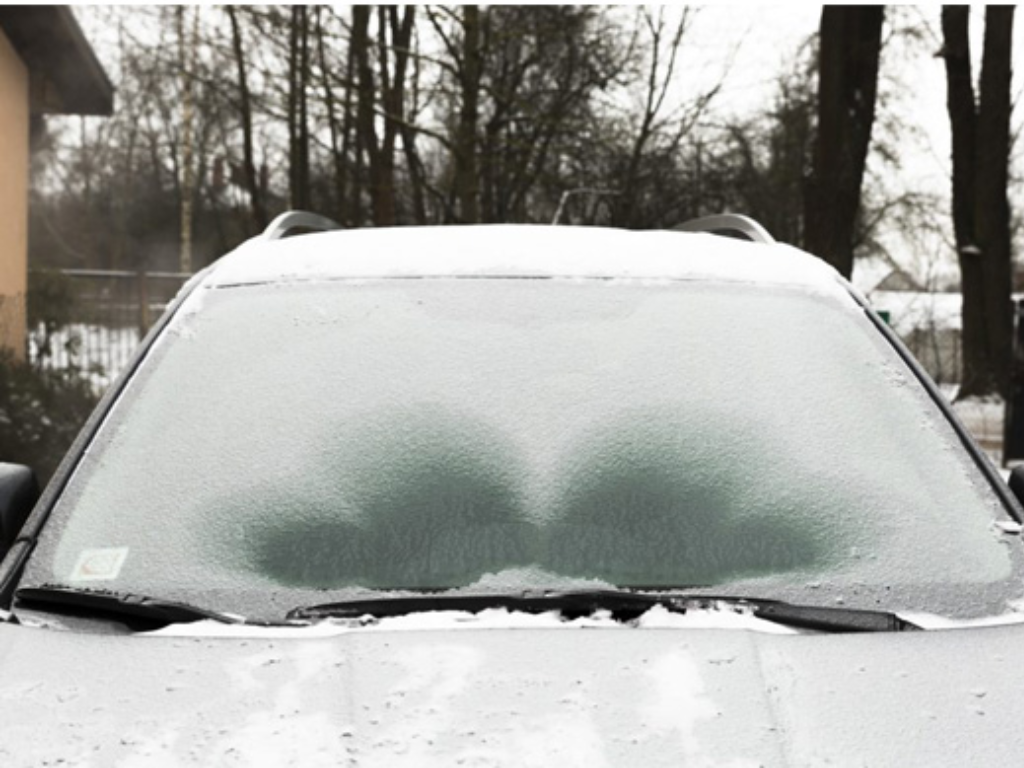
How Long Should You Warm Up Your Vehicle During Winter?

Contrary to a widely held belief, only 30 seconds are needed for the engine to be ready to hit the road. Margarette Stine, a recognized automotive expert, explains that within this brief time frame, the engine oil circulates and effectively lubricates the essential parts of the engine. Beyond that, it is preferable to start driving quickly: this warms up the engine more promptly and efficiently than letting it idle.
The old tradition of leaving your engine running for 10 minutes or more is now outdated. Modern vehicles, equipped with advanced electronic fuel injection systems, no longer require prolonged warm-up periods. In fact, leaving the engine idling for too long can accelerate wear and cause unnecessary excessive fuel consumption.
Why Does Driving Warm Up the Engine More Efficiently?

When the car is in motion, fuel is consumed at a steady rate to power the engine and other systems such as the cabin heating. During driving, the brakes, power steering, and other components also help bring the overall engine temperature up more quickly.
On the other hand, at idle, this dynamic slows down: the burned fuel generates less heat, and the engine takes much longer to reach its ideal operating temperature. As a result, you consume fuel without gaining any real mechanical benefit.
The Risks Associated with Engine Warm-Up While Idling
Premature engine wear: Running the engine cold causes incomplete fuel combustion, especially in low temperatures, which can damage multiple internal components over time.
Excessive fuel consumption: Heating the car while stationary is a significant energy waste that can noticeably increase your fuel expenses.
Environmental consequences: This habit generates unnecessary greenhouse gas emissions, contributing to the deterioration of air quality.
Unnecessary loss of time: Instead of staying still, it is smarter to start driving gently; this method efficiently warms the engine while saving you valuable minutes.
Why Does This Old Habit Persist?
Back when carburetor engines were common, warming up was a crucial step to prevent stalling during a cold start. These older technologies required a warm-up period to ensure the fuel was properly vaporized and promoted optimal functioning.
However, with today’s modern engines equipped with efficient electronic fuel injection, this problem no longer exists. These engines are designed to start effectively even in freezing temperatures, without needing to wait long before driving off. Still, this habit has become entrenched in our behaviors and is often passed down from generation to generation.
How to Properly Prepare Your Vehicle for Winter?
Giving up prolonged warm-ups does not mean neglecting your car’s winter preparation. Here are several essential tips to ensure safe driving adapted to harsh conditions:
Check your battery: Cold weather puts greater strain on the battery, so it’s important to check its condition ahead of winter.
Monitor your tires: Make sure they are properly inflated and consider winter tires for better traction on slippery roads.
Protect locks and seals: Apply a suitable lubricant to prevent freezing and damage.
Use appropriate products: Choose antifreeze windshield washer fluid and regularly check the antifreeze level in the radiator.
Equip yourself for emergencies: Always keep a complete kit in your car, including an ice scraper, a warm blanket, and gloves to handle any eventuality.
Face Winter with Confidence
Abandoning prolonged warm-ups is not just about gaining comfort or reducing expenses. It is primarily a way to preserve your car’s mechanics, reduce your environmental impact, and optimize your vehicle’s efficiency. This winter, just start your car, clear your windows, and hit the road: your engine and the planet will thank you.

The Effective Recipe to Defrost Your Windshield in One Minute To Quickly Eliminate Frost from Your Windshield, Here Are the Read more

Why does your sleep become fragile precisely between 3 a.m. and 5 a.m.? Is it due to a peculiarity of Read more

Two Years in the Freezer: Is It Really Too Late? It is common to assume that a long storage date Read more

Rice Water and Baking Soda: A Surprising Duo to Unclog Your Drains Few people realize that the water used to Read more

Rice Water and Baking Soda: A Surprising Duo to Unclog Your Drains Few people realize that the water used to Read more

How to Detect Hidden Cameras in a Hotel Room? Hidden cameras can be disguised within seemingly harmless objects, including hotel Read more

Cassava: An Essential Plant at the Heart of a Deadly Paradox Whether in the form of flour, tapioca pearls, or Read more
Cassava: A Widely Consumed Food That Can Sometimes Be Dangerous Cassava is a vital food staple for over 800 million Read more

Crabgrass, or Digitaria sanguinalis, is often regarded as an annoying, invasive weed in gardens and urban spaces. However, beneath its reputation Read more

How to Detect Drafts Around Your Windows? Before making any adjustments, it is essential to confirm that your windows are Read more

Often, due to poor ventilation or certain climatic conditions, dreaded mold can develop on the walls of our homes. In Read more

Highland flowers, often found in remote, elevated regions, are more than just a visual delight. These resilient blooms, thriving in Read more

Why Does Your Dog Lick Your Hands? Licking is a natural form of communication for dogs. From their earliest weeks, Read more

Why Does the Plastic of a Washing Machine Yellow Over Time? Over the years, it is common to notice that Read more

Combining lemon with charcoal may initially seem unusual, yet this potent duo unites the cleansing qualities of activated charcoal with Read more

A True Nutritional Treasure in Every Bite Beef tongue stands out primarily for its remarkable nutritional richness. It is an Read more

Airport staff and baggage handlers have an in-depth understanding of the behind-the-scenes processes involved in handling luggage. Today, they share Read more

Eager to master the art of nurturing a Peace Lily? Known scientifically as Spathiphyllum Wallisii, this enchanting plant is often Read more

A Bold Dream Transformed into an Unexpected Haven of Peace At some point in our lives, we have all dreamed Read more

Perfumed Tissues: An Easy DIY Technique The Joy of Scented Tissues: Paper tissues are handy in daily life. While some Read more

A Charming Renaissance Step One: Thorough Cleaning and Preparation Before starting the transformation, the dresser needed to be meticulously cleaned: Read more

Lina’s room remains untouched by time, as if she had just left yesterday: colored pencils scattered across the desk, an Read more

Whether in a sandwich, as an appetizer, or in a salad, hard-boiled eggs adapt perfectly to many everyday dishes. If Read more

Are Lilacs Edible? Health Benefits of the Beautiful Syringa Blossoms With their sweet fragrance and delicate clusters of flowers, lilacs Read more

Do you remember those holiday evenings when the entire family gathered around a large table, sometimes lingering until the early Read more

In today's digital age, it's a common sight in households and offices: chargers left in outlets without their corresponding devices. Read more

Salt: An Overlooked Treasure in the Home Since ancient times, salt was so valuable that it was even used as Read more

A True Natural Concentrate of Vitality Orange peel is naturally packed with beneficial components widely recognized for their role in Read more

Goldenberries, also known as Physalis or Uchuva, are small, orange-yellow fruits enclosed in a delicate, papery husk. Originating from the Read more

Bathroom Mold: Causes and Solutions Ideal Environment for Mold Growth Bathroom surfaces are prime locations for mold growth. Moisture accumulates Read more

The Ultimate Healing Tonic: A Powerful Natural Drink for Swollen Feet, Diabetes & Poor Circulation Chronic swelling in the feet, Read more

Mullein (Verbascum thapsus), a tall, woolly plant often seen growing along roadsides and in open fields, has been treasured for Read more

A Puzzle Deceptive in Its Simplicity When mentioning "2 mothers," "2 daughters," "1 grandmother," and "1 granddaughter," the immediate image Read more

The castor plant (Ricinus communis) is widely known for its seeds, which are the source of castor oil. However, its Read more

Have you ever encountered this unusual practice of sprinkling cinnamon powder in front of your front door? At first glance, Read more

Behind the Scenes of Chicken Sold in Supermarkets At first glance, the neatly pink chicken breasts and shiny thighs displayed Read more

When "Need" Takes on a Whole New Meaning For a long time, having a woman in a man’s life was Read more

8 Surprising Benefits of Water Cloves You Probably Didn’t Know About Cloves are widely recognized for their warm, spicy aroma Read more

Why Does the Plastic of a Washing Machine Turn Yellow Over Time? Over the years, it is common to notice Read more

The Importance of Curtain Cleaning in Your Home Generally, when cleaning the house, after dusting the furniture, one often overlooks Read more
