

Datura stramonium, commonly known as Jimson weed, thorn apple, or devil’s trumpet, is a plant native to North America but now found worldwide. While it may appear attractive due to its trumpet-shaped flowers and prickly seed pods, Datura stramonium is highly toxic and poses significant health risks. For centuries, it has been used in traditional medicine and spiritual practices, but improper use or accidental ingestion can result in severe poisoning, hallucinations, or even death. This article will explore the potential health risks of Datura stramonium, highlighting its toxicity and the dangers it presents to both humans and animals.

What Makes Datura Stramonium So Dangerous?
Datura stramonium contains several potent alkaloids, including atropine, hyoscyamine, and scopolamine, which are responsible for its toxic effects. These alkaloids act as anticholinergics, meaning they block the neurotransmitter acetylcholine, leading to a disruption in the body’s normal functions, particularly in the central nervous system.
Toxic Alkaloids in Datura Stramonium:
Atropine: Causes pupil dilation, increased heart rate, and hallucinations.
Hyoscyamine: Affects smooth muscle activity, leading to a decrease in bodily secretions and difficulties in urination and digestion.
Scopolamine: Known for its powerful hallucinogenic effects and its ability to induce confusion, agitation, and disorientation.

Due to the presence of these alkaloids, all parts of the Datura stramonium plant, including seeds, flowers, leaves, and stems, are poisonous. Ingesting even a small amount of the plant can lead to serious health consequences.
Symptoms of Datura Stramonium Poisoning
Datura stramonium poisoning manifests with a wide range of symptoms, often reflecting the effects of anticholinergic toxicity. These symptoms can appear within 30 to 60 minutes of ingestion and can last for 24 to 48 hours, depending on the amount consumed and the individual’s sensitivity to the plant’s toxic compounds.
Common symptoms of Datura stramonium poisoning include:
Dry mouth and skin: One of the first noticeable symptoms due to the suppression of saliva and sweat glands.
Dilated pupils: Individuals may experience blurred vision or sensitivity to light.
Rapid heartbeat (tachycardia): A dangerously fast heart rate can occur.
Delirium and hallucinations: Intense and often frightening hallucinations are a hallmark of Datura poisoning. The individual may experience a loss of touch with reality, leading to paranoia or violent behavior.
Confusion and disorientation: The person may have difficulty remembering things or making coherent decisions.
Severe agitation and restlessness: Individuals may become agitated and display erratic behavior.
Seizures: In extreme cases, poisoning can lead to seizures and convulsions.
Coma and Death: In cases of severe poisoning, especially when large amounts of the plant are ingested, Datura stramonium can cause coma or be fatal.

Long-Term Health Effects
For those who survive Datura poisoning, there may be lingering health effects. Extended periods of confusion, memory loss, and psychological disturbances, such as anxiety or paranoia, can occur. While some people recover fully, others may experience long-term cognitive and emotional issues, especially if they had a particularly severe reaction.
Accidental Ingestion and Risks to Children and Pets
Accidental ingestion of Datura stramonium is a significant concern, particularly for children and pets. The plant’s large, showy flowers and seed pods may attract curious children or animals, leading to accidental ingestion. Children are especially vulnerable to Datura’s toxic effects due to their smaller body size, and even minimal contact with the plant can cause severe reactions.
Pets at Risk: Dogs and cats may also be drawn to the plant’s seeds or leaves, potentially leading to poisoning. Animals may exhibit symptoms such as drooling, vomiting, uncoordinated movements, and hallucinations if they consume the plant.

Recreational Use and Risks
Another concern is the recreational use of Datura stramonium due to its hallucinogenic properties. In some cases, individuals seeking an altered state of consciousness consume parts of the plant, unaware of the extreme risks involved. The hallucinations induced by Datura are often vivid but can be terrifying, leading to dangerous behavior or self-harm. Furthermore, the inability to distinguish between hallucination and reality makes this plant especially hazardous.
The toxic dose of Datura is unpredictable and varies between individuals, making recreational use particularly dangerous. Even experienced users cannot reliably gauge a “safe” amount of Datura, as the potency of the alkaloids can fluctuate depending on the plant’s growing conditions and age.

Treatment for Datura Stramonium Poisoning
Datura stramonium poisoning is a medical emergency that requires immediate attention. If you suspect someone has ingested Datura, it is critical to seek emergency medical assistance right away. Treatment typically involves:
Activated charcoal: Given early to absorb any remaining toxins in the gastrointestinal tract.
Supportive care: Patients may need intravenous fluids, sedatives, and monitoring of heart rate and breathing.
Physostigmine: In severe cases, this antidote may be administered to reverse the effects of anticholinergic toxicity.
Without prompt medical intervention, Datura poisoning can be life-threatening.
Conclusion
Datura stramonium is a highly toxic plant that poses serious health risks to anyone who ingests or misuses it. Its alkaloids—atropine, hyoscyamine, and scopolamine—are potent and can lead to a range of dangerous symptoms, including hallucinations, delirium, rapid heart rate, seizures, and death. Accidental ingestion is particularly hazardous for children and pets, while recreational use carries unpredictable risks. Awareness and education about the dangers of Datura stramonium are crucial in preventing poisoning and ensuring prompt treatment when exposure occurs.
Staying informed about the plants in your environment can help protect you and your loved ones from the severe risks associated with Datura stramonium.

Creating a fresh and inviting atmosphere in your kitchen doesn't require expensive air fresheners or synthetic scents. With just a Read more

When "Need" Takes on a Whole New Meaning For a long time, having a woman in a man’s life was Read more

Eager to master the art of nurturing a Peace Lily? Known scientifically as Spathiphyllum Wallisii, this enchanting plant is often Read more
Discover the Untapped Potential of Chili Pepper Leaves: Nutritional Powerhouse for Your Health and Kitchen When you think of chili Read more

Pigweed, also known as amaranth, is a leafy green plant that has been cherished in various cultures for its nutrient-rich Read more

Tackling Dog Urine Odor: A Comprehensive Guide The joy of having a canine companion is undeniable, but alongside it come Read more

Kyllinga brevifolia: A Natural Remedy for Health and Wellness Kyllinga brevifolia, commonly known as green kyllinga or shortleaf spikesedge, is Read more
When a Simple Pistachio Shell Takes on the Appearance of a Monster It all begins with the desire to clean Read more
Are Lilacs Edible? Health Benefits of the Beautiful Syringa Blossoms With their sweet fragrance and delicate clusters of flowers, lilacs Read more

Individuals with Allergies or Sensitivities If you suffer from allergies, it is important to be cautious with avocado! This fruit Read more

Horseweed (Erigeron canadensis): 20 Amazing Benefits and How to Use It Horseweed, also known as Erigeron canadensis or Canadian fleabane, Read more

The Art of Container Flower Combinations Designing with flowers in pots is a delightful blend of horticulture and floral design. Read more
For centuries, Chelidonium majus, commonly known as Greater Celandine, has held a special place in traditional herbal medicine. Recognized by Read more

How to Reuse Soap Scraps: Ingenious Ideas Soap bars, after several uses, become tiny and almost unusable. Many of us Read more

Why It's Crucial to Clean Your Oven and How to Do It Naturally The Importance of Cleaning Your Oven The Read more
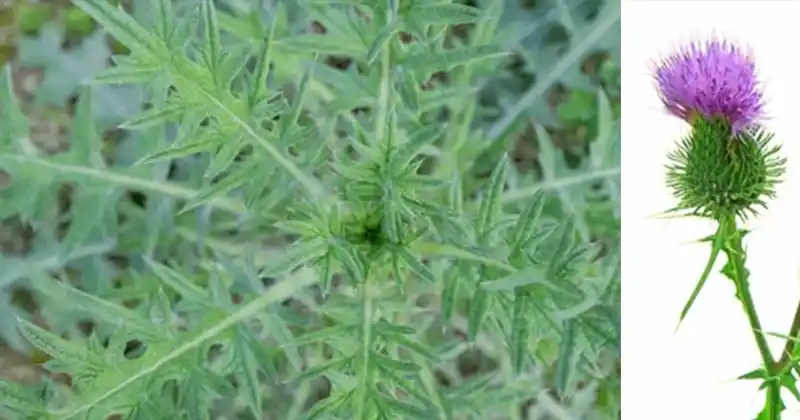
Bull Thistle (Cirsium vulgare): A Wild Plant with Surprising Benefits The bull thistle (Cirsium vulgare) is often dismissed as a Read more
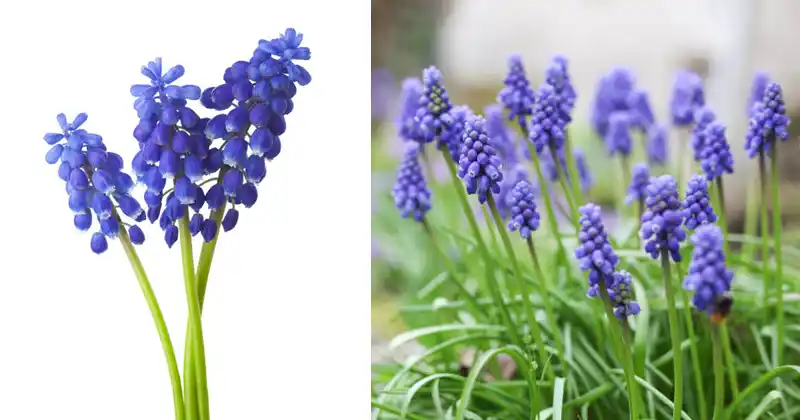
Grape Hyacinth (Muscari): A Beautiful Flower You Can Eat – But Only If You Know Which One The grape hyacinth, Read more

In the realm of gardening, we often stick to traditional methods like basking in sunlight, diligent watering, and soil enriched Read more

Mimosa Pudica, commonly known as the “Sensitive Plant” or “Touch-Me-Not,” is famous for its unique reaction to touch—its leaves fold Read more

When you enter a hotel room, have you ever noticed that long piece of fabric laid across the foot of Read more

Cultivating veggies and herbs indoors is more than just a productive task; it's a delightful and aesthetic journey. The magic Read more

Highland flowers, often found in remote, elevated regions, are more than just a visual delight. These resilient blooms, thriving in Read more

Shepherd’s Purse (Capsella bursa-pastoris): A Medicinal Herb with Powerful Benefits Shepherd’s Purse, known botanically as Capsella bursa-pastoris, is a small, Read more

Sida acuta, also known as “common wireweed,” is a hardy plant often found in fields and roadsides. While it may Read more

White Clover (Trifolium repens): 15 Benefits and Homemade Uses White clover (Trifolium repens) is more than just a common plant Read more

Crabgrass, or Digitaria sanguinalis, is often regarded as an annoying, invasive weed in gardens and urban spaces. However, beneath its reputation Read more

Often, due to poor ventilation or certain climatic conditions, dreaded mold can develop on the walls of our homes. In Read more

Unveiling the Secrets of Burning Bay Leaves in Your Home The age-old tradition of burning bay leaves, once prevalent in Read more

Faced with increasingly harsh industrial detergents, consumers are turning back to traditional products that are healthier and have long proven Read more

8 Surprising Benefits of Water Cloves You Probably Didn’t Know About Cloves are widely recognized for their warm, spicy aroma Read more

How to Clean Bathroom Tiles Quickly and Effectively Cleaning bathroom tiles is a task we all love to postpone. It Read more

Cassava: An Essential Plant at the Heart of a Deadly Paradox Whether in the form of flour, tapioca pearls, or Read more

Unlocking the Garden Potential of Eggshells: 10 Innovative Applications Eggshells, often seen as fragile protectors of eggs, are also a Read more

Purslane (Verdolaga) is no longer a garden menace but a valuable gem! This remarkable plant is reclaiming its place in Read more

Clogged Shower Drain? Try Baking Soda! Experiencing a stagnant pool of water after a refreshing shower can be a mood Read more

How to Make Powerful Super Glue from Styrofoam: The Hidden Chemistry Behind This Viral Trick In a world where DIY Read more

When you sink your teeth into a soft, caramel-sweet date, the last thing on your mind is usually the tough Read more
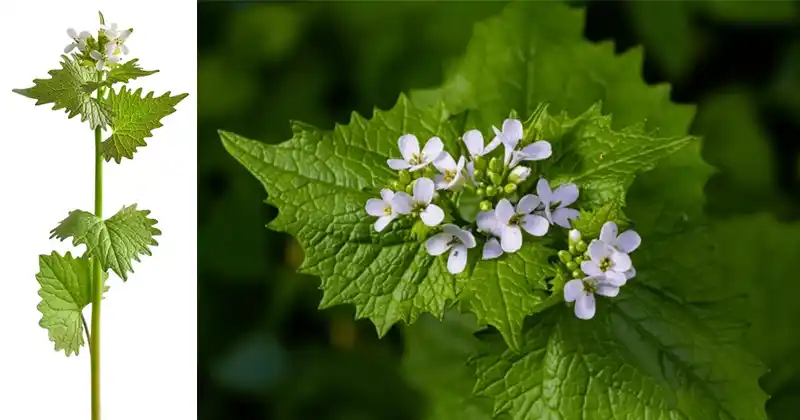
Garlic Mustard (Alliaria petiolata): 20 Surprising Benefits and Homemade Uses Garlic mustard (Alliaria petiolata) is often dismissed as a stubborn Read more

Juniper, a versatile and aromatic plant, has been valued for centuries for its culinary, medicinal, and therapeutic uses. Known for Read more
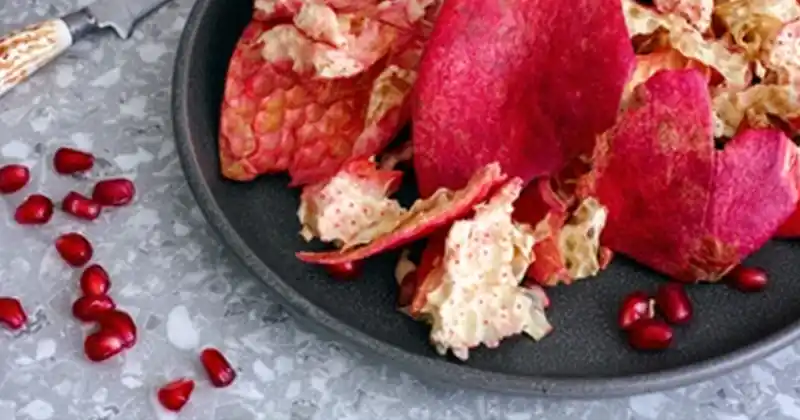
The Hidden Power of Pomegranate Peel: 10 Health Benefits and How to Use It Pomegranate is often celebrated for its Read more
