

Have you ever noticed how a tomato freshly picked from your garden tastes far superior to one bought off a supermarket shelf? The sweetness, juiciness, and depth of flavor are significantly enhanced. The secret behind this lies not only in the tomato variety or the care it receives but also in the richness of the soil, the timing of watering, and several other “hidden ingredients” that can elevate your tomato harvest from merely good to truly exceptional.
Whether you’re an experienced gardener aiming to boost your tomato-growing skills or a beginner eager to explore the joys of cultivating your own produce, this guide is crafted especially for you.

In this article, we will reveal nine secret ingredients essential for growing outstanding tomatoes bursting with flavor and vitality. These tips and techniques come from thorough research, years of hands-on experience, and valuable insights from some of the world’s most successful vegetable growers. Prepare to learn how making small adjustments to your gardening routine can result in an abundant harvest of luscious, juicy tomatoes that will be the crown jewel of any kitchen garden. From soil enrichment to precise pruning methods, from selecting the ideal tomato variety to comprehending the critical role of sunlight and temperature, we will cover every important aspect.
Adopt these horticultural strategies to cultivate the finest tomatoes in your neighborhood by incorporating these eight essential ingredients before planting your tomato seedlings into their new homes.
1. Baking Soda

This is an especially effective trick, particularly advantageous for tomatoes grown in containers, and perfect for gardeners seeking sweeter tomatoes. Sprinkle a small pinch of baking soda around the base of your tomato plants. As the baking soda is absorbed by the soil, it reduces the acidity levels, which in turn yields tomatoes with a sweeter profile rather than a tangy one.
2. Fish Heads

Using fish heads as organic fertilizer has a long history in gardening, and their effectiveness in growing tomatoes is by no means a myth. As fish heads decompose, they release vital nutrients such as nitrogen, potassium, various trace elements, calcium, and phosphorus into the soil. The main drawback is that animals might dig them up, so it’s best to bury them deeply—around one foot beneath the surface—to avoid this issue. You can use whole fish heads or crushed fish scraps, which may be mixed with two cups of water and one cup of milk to create a powerful fertilizer solution. For more details on this fascinating natural amendment, see here!
3. Aspirin

Incorporating 2 to 3 aspirin tablets into the planting hole can greatly boost the plant’s immunity, helping it resist diseases like blight and enhancing overall yield. This effect is due to the salicylic acid contained in aspirin. Alternatively, an aspirin solution can be sprayed directly onto the plants. Additional information about the beneficial uses of aspirin on tomato plants is available from DailyMail UK.
4. Eggshells

Just as humans require calcium for strong bones, plants also need calcium for healthy growth. Eggshells are an excellent natural calcium source, enriching the soil and helping to prevent blossom end rot—a common issue in tomatoes. Whether you are growing tomatoes in garden beds or containers, adding eggshells before planting is a highly beneficial practice.
5. Epsom Salt

Tomato plants frequently suffer from a magnesium deficiency. To counter this, add 1 or 2 tablespoons of Epsom salt into the planting hole when transplanting your seedlings, whether into containers or garden beds. Be sure to cover the salt with a thin layer of soil to prevent direct contact with the roots, which could otherwise cause damage.
6. Kelp Meal

Kelp meal is rich in micronutrients and trace elements, providing comprehensive nourishment to give your tomato plants a vigorous start. This slow-release fertilizer provides a steady supply of nutrients, helping to avoid the shock or nutrient imbalances often caused by over-fertilization. One cup of kelp meal added at planting time is generally sufficient. For more information on kelp-based fertilizers, see here!
7. Bone Meal

Bone meal is another valuable soil amendment added to the planting hole, similar to kelp meal. It is rich in phosphorus, which is essential for supporting flower development and producing high-quality fruit. Including a cup or a handful of bone meal will promote healthy tomato growth and abundant fruiting.
8. Used Coffee Grounds

Incorporating well-composted coffee grounds into the planting hole when transplanting tomato seedlings can improve soil structure while providing slow-release nutrients. Coffee grounds serve as an excellent natural fertilizer and can also be used as mulch to retain moisture and suppress weeds. For a detailed guide on how to use coffee grounds effectively in your garden, check here!

Turmeric is a staple ingredient in Asian cuisine. This vibrant yellow spice, often used to flavor curries and stews, is Read more

In the culinary world, garlic is a staple ingredient that is hard to do without. Cultivating it benefits many plants Read more

Deadly Nightshade (Atropa belladonna): The Mysterious and Dangerous Plant with a Dark Legacy At first glance, Deadly Nightshade (Atropa belladonna) Read more

Gardening: The Harmony of Craft and Nature Gardening brings out a dance between human creativity and the wonders of nature. Read more

Tea, the staple of morning routines and afternoon breaks, may have a second life beyond the cup that's often ignored. Read more
Searching for a distinctive method to incorporate some foliage into your home or workplace? Try cultivating plants hydroponically! Not only Read more

Cultivating an Avocado Plant Indoors: A Step-by-Step Guide Nurturing an avocado seed into a blossoming plant within the confines of Read more

Navigating Aloe Vera Care: Bypassing Usual Oversights Aloe vera, celebrated for its therapeutic properties and eye-catching demeanor, is occasionally compromised Read more

Cultivating Zucchini in Containers: A Comprehensive Guide Zucchini is a popular vegetable for gardening aficionados and novices alike. It's simple Read more

Get a Head Start on Your Garden: Indoor Sowing for Colder Climates There's no need to wait for spring's embrace Read more

The Importance and Care of House Plants House plants not only serve as a significant decorative element but also play Read more

Using White Vinegar for Garden Maintenance Gardening is never an easy task. Planting, weeding, and watering plants and flowers require Read more
Orchids are among the most cherished ornamental plants worldwide, admired for their exotic flowers, graceful forms, and blooms that last Read more
Indoor Plants and Their Benefits Indoor plants not only enhance the decor but also bring a touch of lush greenery. Read more
Hydrangeas, with their breathtaking blooms, stand out as one of the most enchanting deciduous flowering bushes. If you've wandered through Read more

Mastering Chilli Cultivation in Diverse Climates: A Detailed Guide It may seem unlikely, but growing chillies across different climates is Read more

Orchids, celebrated for their intricate beauty and variety, need particular attention for optimal growth. In the realm of orchid care, Read more

The Curious Case of Tomato Slices: A Journey from Kitchen Scrap to Sprout As someone always game for a gardening Read more

Lavender, a charming addition to any garden, is known for its enchanting aroma and vibrant purple hues. This plant comes Read more

Excessive moisture within a house can arise due to capillary action, infiltration, or the phenomenon of condensation. The latter is Read more
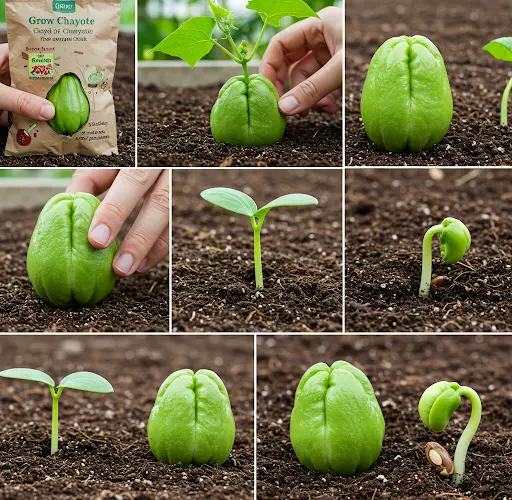
Growing Chayote from Supermarket Fruit: Abundant Harvests Made Easy If you've ever strolled through the produce aisle and spotted a Read more

For gardening enthusiasts, it's a known fact that many plants thrive in humid and warm climates conducive to their growth. Read more

Neem oil is a completely natural product, derived from a plant native to India. It contains azadirachtin, a potent compound Read more

Indoor Plants: A Decorative Air Purifier Indoor plants have become an essential part of modern decor, increasingly sought-after to greenify Read more
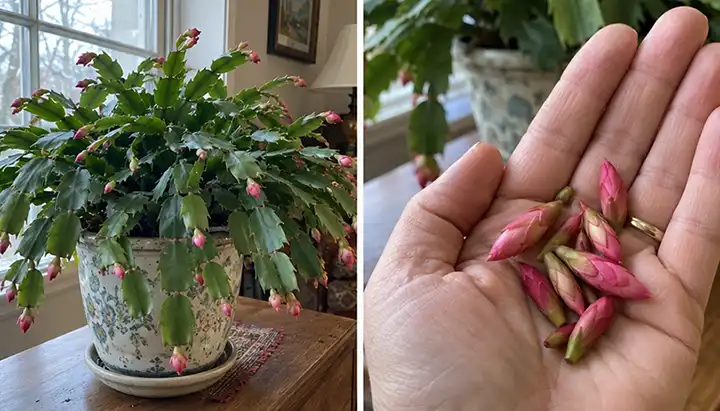
If your Christmas cactus has stayed healthy throughout the year but produced only a few flowers last winter, October might Read more

Caring for orchids, known for their exquisite and delicate nature, involves a precise approach to hydration. Orchids differ from typical Read more
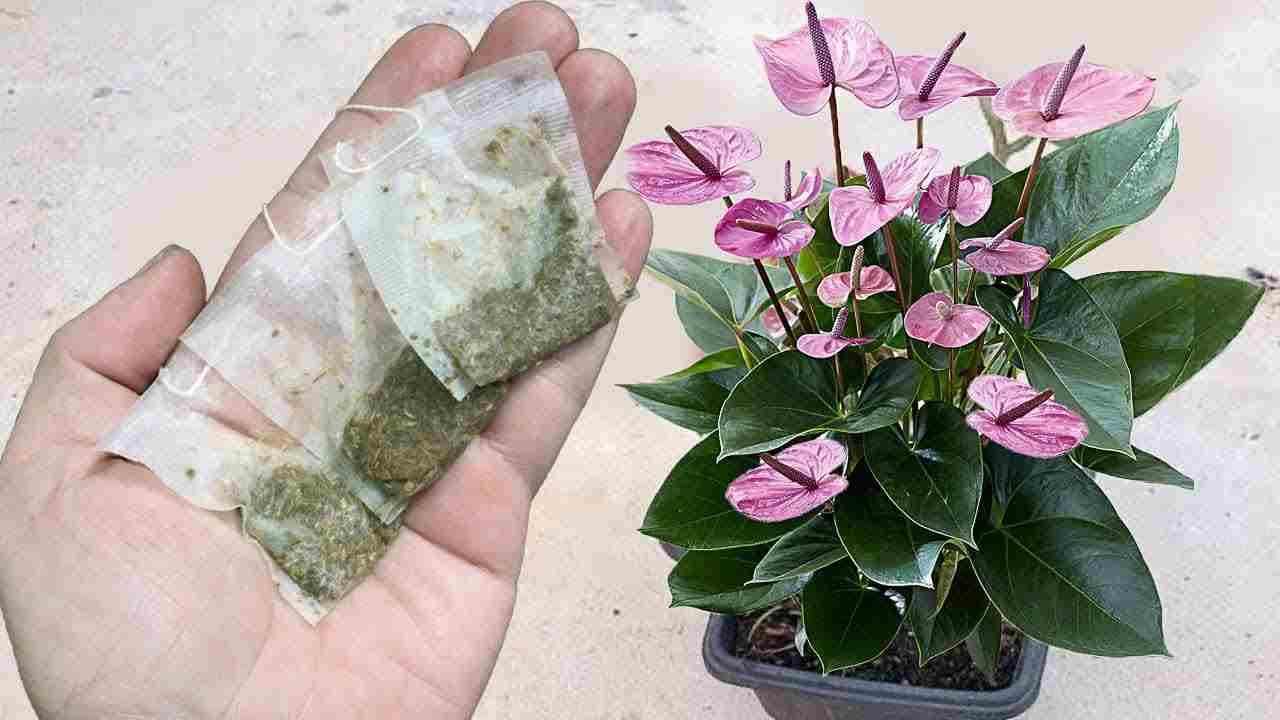
The ancient custom of drinking tea has been cherished by cultures around the world for centuries. Yet, surprisingly few people Read more
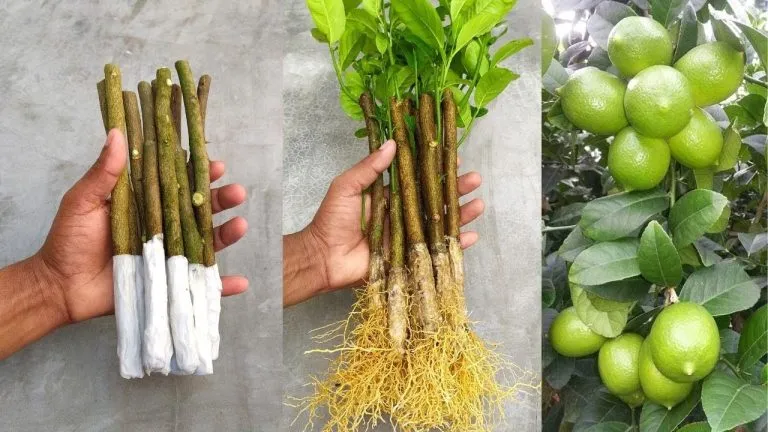
Cultivating lemon trees in your garden or home brings not only visual charm but also the practical advantage of homegrown Read more
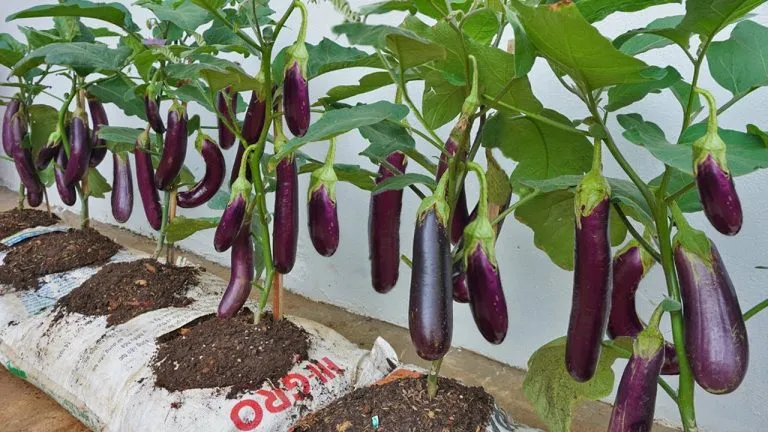
Exploring the World of Eggplants: A Gardener's Guide Eggplants, with their divisive nature, are often a subject of culinary debate. Read more
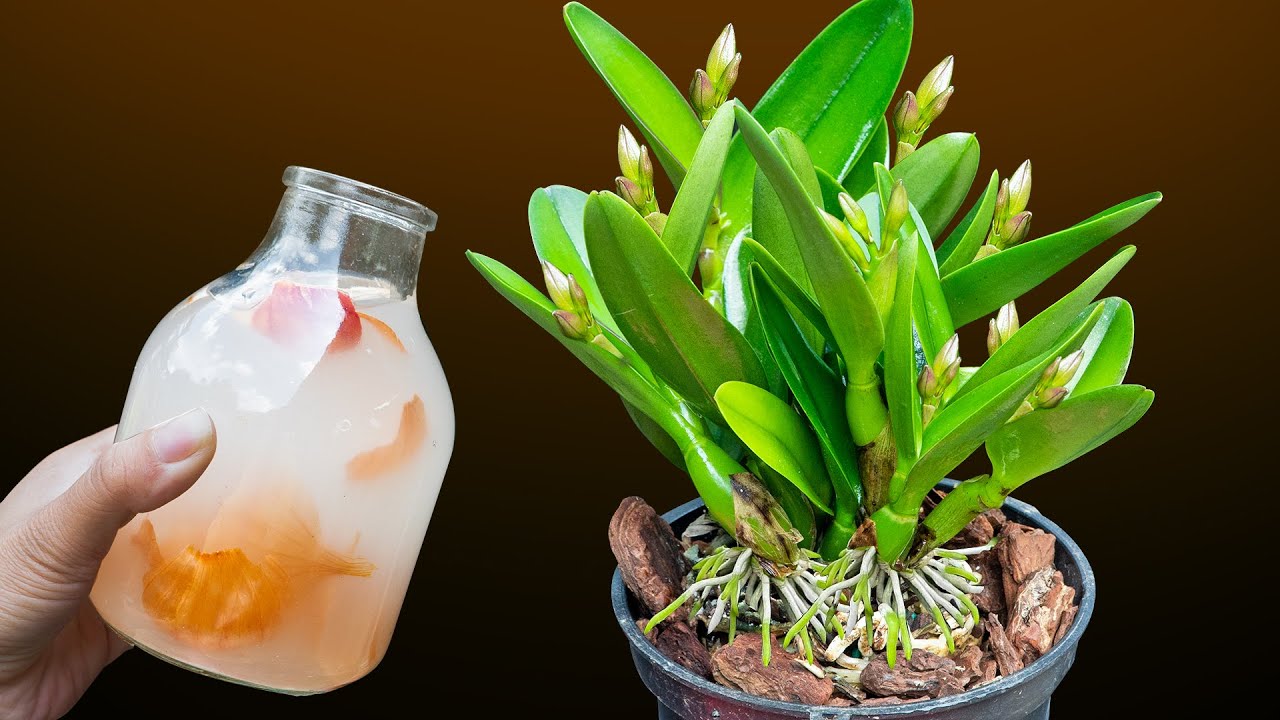
Orchids, admired for their exotic beauty and vast variety, demand specific care to flourish. While many growers rely on commercial Read more

Growing avocados can be a gratifying experience, especially when you cultivate them right in your backyard. While starting avocados from Read more
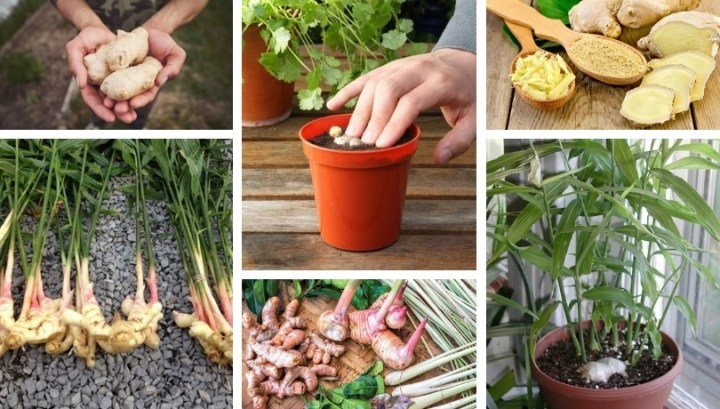
Ginger, renowned for its distinct flavor and numerous health advantages, is a fundamental ingredient in many culinary traditions around the Read more

Orchids are renowned for their stunning blooms and are a favorite among indoor plant enthusiasts. However, getting these temperamental beauties Read more

Transforming Garlic Peels into Gold for Gardeners: In the rhythm of kitchen prep, garlic peels are often discarded without a Read more
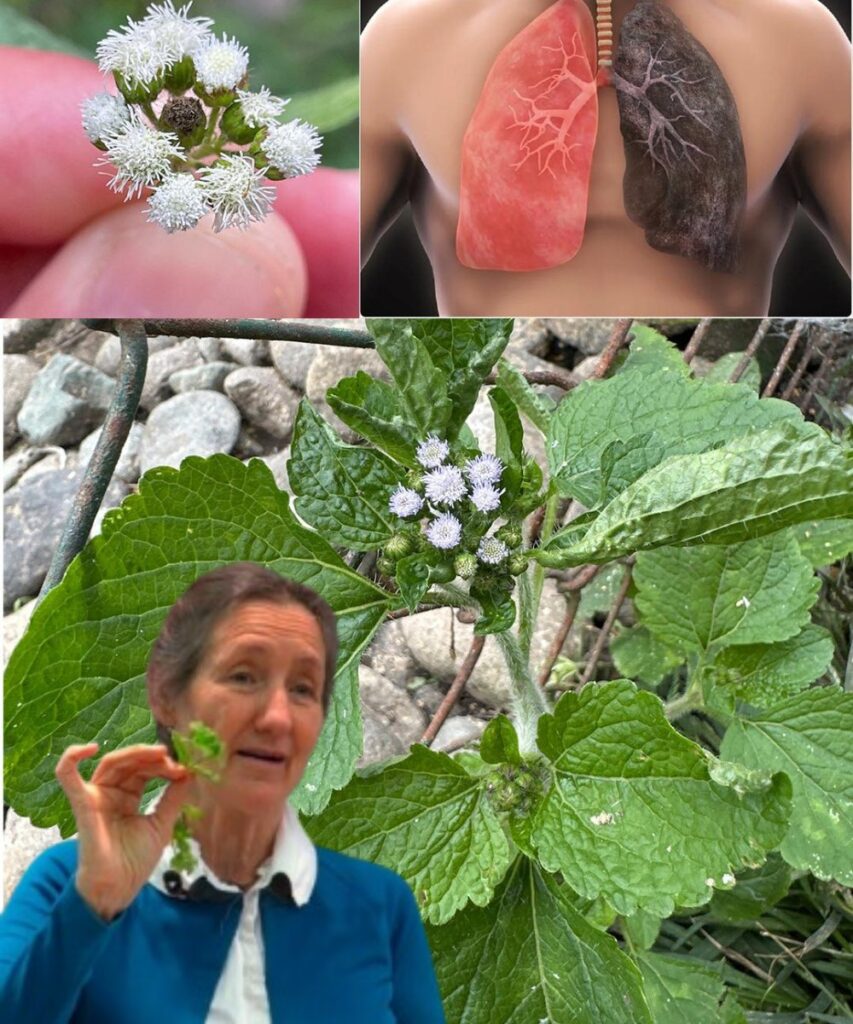
The Incredible Healing Power of Billygoat Weed (Ageratum conyzoides): 15 Health Benefits You Should Know About Billygoat weed, also known Read more

Orchids, with their array of species and hybrids exceeding 25,000, stand as a testament to botanical beauty. Cultivators and hobbyists Read more

Understanding Fertilizers for Plants Fertilizer is a product that can be spread or mixed into the soil to provide plants Read more

The Wonders of Blueberries: A Guide to Growing and Enjoying This Nutrient-Rich Fruit Mildly sweet, the blueberry is a dark Read more

How to Reuse Barbecue Ashes After enjoying a barbecue outdoors on a sunny day, the tendency is often to discard Read more

Orchids, with a staggering 28,000 unique species, beautifully demonstrate nature's rich tapestry of diversity. Originating from the Orchidaceae lineage, these Read more
