
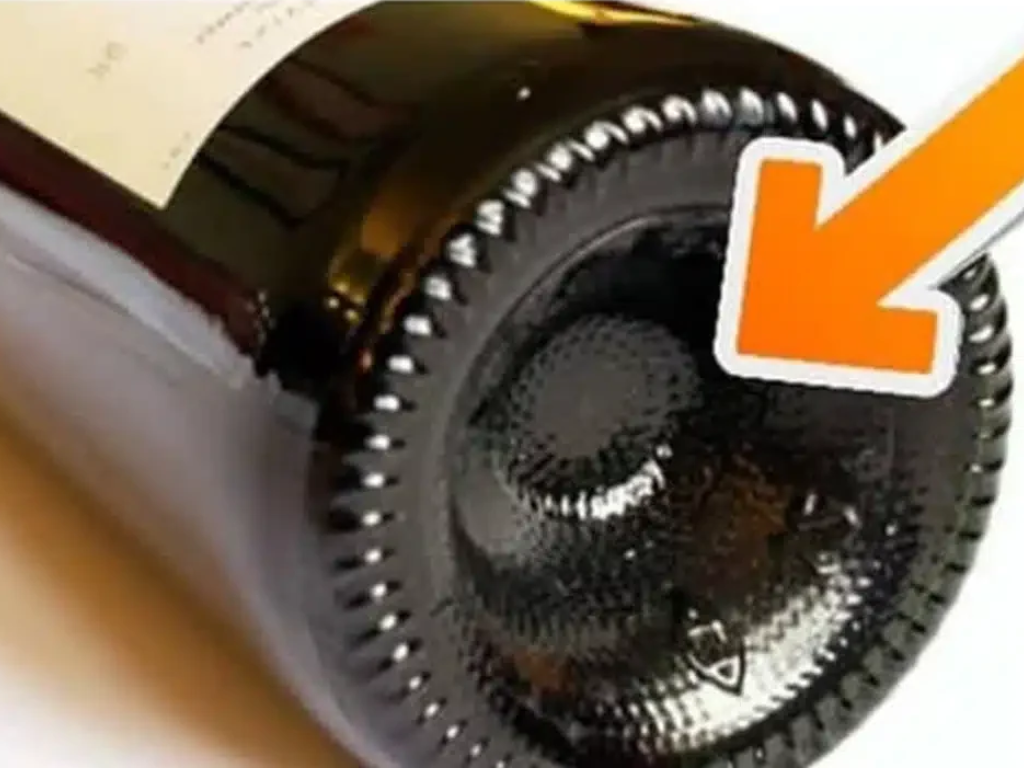
An Ingenious Mechanism for Transporting Bottles

In an era when safely transporting wine was a true challenge, rough roads and basic transportation methods subjected fragile bottles to harsh conditions. To reduce the risk of damage, a clever solution was developed: the concave bottle bottom.
Indeed, when stacking bottles, the indentation at the base of one would perfectly fit against the cork or neck of another, ensuring enhanced stability. This system, like a clever puzzle, absorbed shocks and greatly limited breakages during bumpy journeys. A detail that, at the time, was worth its weight in gold… or rather, in wine!
An Effective Trap for Sediments

Before modern filtration methods, ancient winemaking techniques often left deposits of yeast or other residues inside bottles, making the wine appear cloudy at times.
The concave bottom provided a simple and practical solution. It created a space where sediments could gather, isolating them from the clear wine. When pouring, this allowed for serving a clear wine, preserving its elegance and flavor while avoiding any visual displeasure caused by the deposits.
A Matter of Craftsmanship and Profitability
In the early days of glass bottle manufacturing, achieving a perfectly flat and smooth base was a significant technical challenge. Glassblowing frequently resulted in irregularities, especially in this part of the bottle.
Rather than attempting to eliminate this flaw, glassmakers transformed the indentation into a standard feature—a defining characteristic. By hollowing out the bottom, they strengthened the bottle’s durability while simplifying its production process.
For tavern owners, this detail also offered another advantage: the actual liquid volume contained within the bottle was slightly reduced, almost imperceptibly, yet enough to serve slightly less without customers noticing. A small trick—likely inherited from long-standing traditions—that has endured through the centuries.
Enhanced Security Especially for Champagne

The concave bottom also plays a crucial role in the strength of champagne bottles. The sparkling wine inside exerts considerable internal pressure, which can reach up to six times the pressure of a car tire!
A flat bottom would not withstand such force and might crack or shatter under pressure. The cavity of the “punt” distributes this tension evenly, guaranteeing greater solidity. This is why champagne bottles and other sparkling wines proudly display this distinctive feature.
A Detail with Multiple Dimensions
Far more than just a style choice, the concave bottom of wine bottles represents the culmination of centuries of ingenuity and multifaceted adaptations. Whether for transport, filtration, manufacturing, or safety, every aspect of this feature has found its place in the rich history of wine.
The next time you hold a bottle in your hands, remember that this indentation is no accident but rather a discreet witness to an ancestral craft, carrying secrets and well-guarded traditions.

Throughout our journey in history, the bond between humanity and nature has been inseparable, providing not only sustenance but also Read more
Ingenious Uses for Expired Cornstarch A Natural Cleaner for Windows and Surfaces Did you know that cornstarch can easily substitute Read more
Fig leaves, often overlooked behind the sweet and flavorful fruit they accompany, are an incredible source of numerous health benefits. Read more
You have probably come across an intriguing object whose purpose completely eluded you. Whether it was a discovery in a Read more
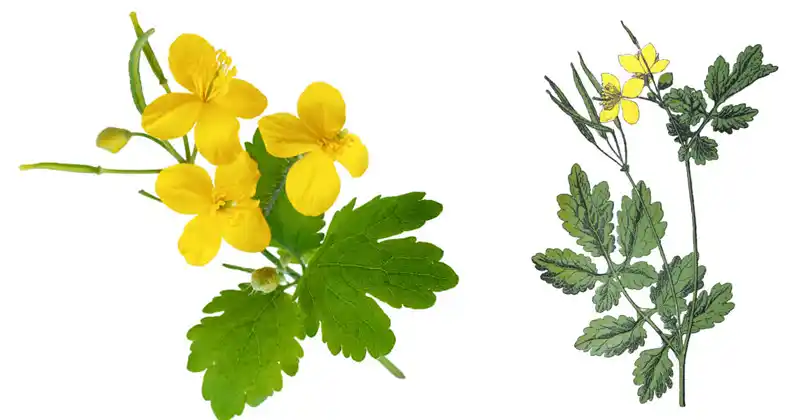
For centuries, Chelidonium majus, commonly known as Greater Celandine, has held a special place in traditional herbal medicine. Recognized by Read more

November is a time when expenses quickly pile up, caught between Black Friday deals and the first Christmas purchases. It Read more

If You Chose Number 1: Intensity and the Urge to Act Symbolically, this choice expresses a strong need to intervene Read more
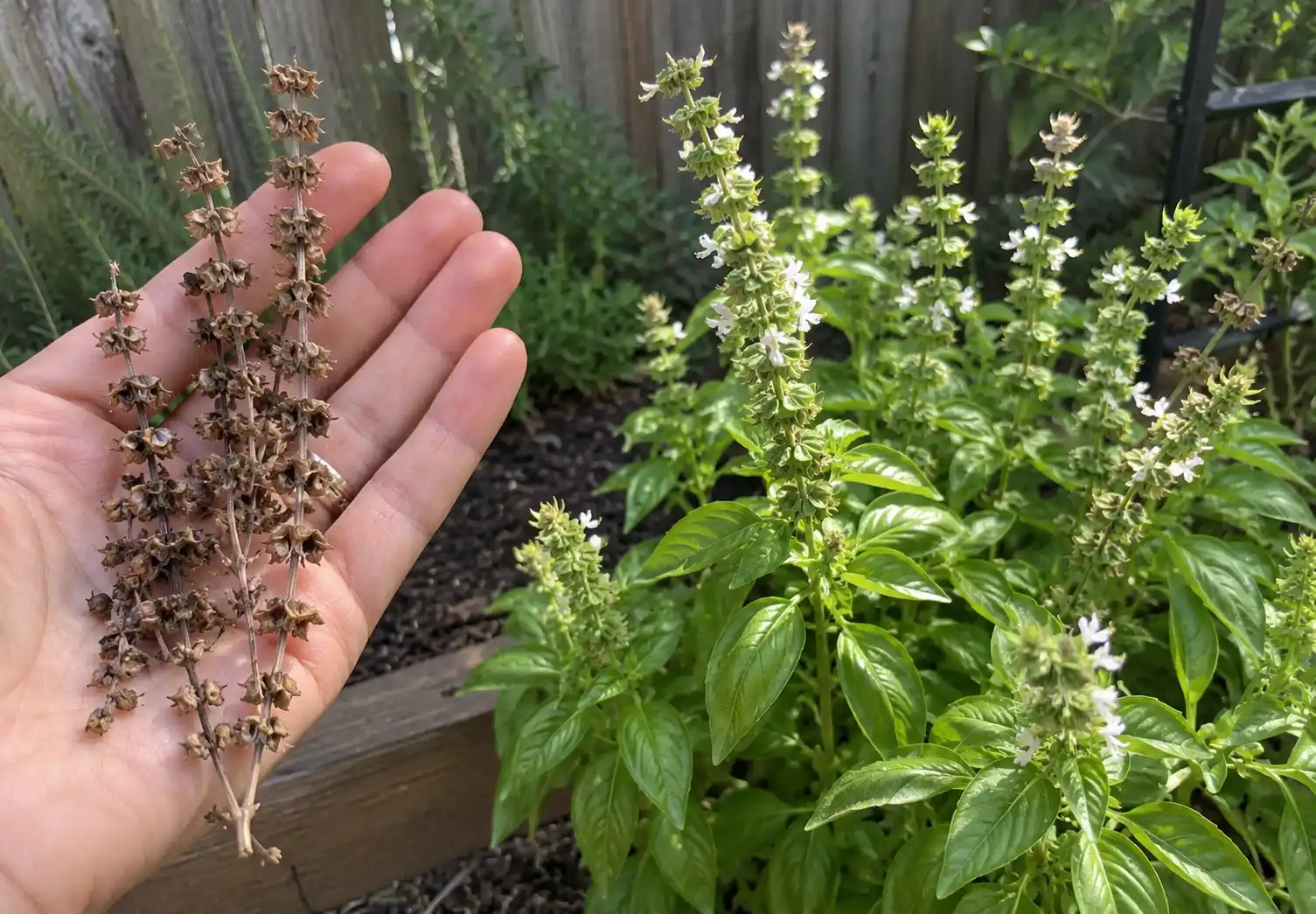
Basil seeds, often referred to as sabja or tukmaria, come from sweet basil. Though tiny, they hold an exceptional nutritional Read more

The Loyal Friend: The Comfort of the First Choice We all have that steady and comforting person in our lives, Read more

Dented Car Body: How to Fix It Yourself Over time, the body of your car can endure a lot. From Read more

Crabgrass, or Digitaria sanguinalis, is often regarded as an annoying, invasive weed in gardens and urban spaces. However, beneath its reputation Read more

A Centenarian Who Embraces Life with Simplicity and Vitality At 101 years old, Ann Angeletti visits her jewelry shop nearly Read more

Rice Water and Baking Soda: A Surprising Duo to Unclog Your Drains Few people realize that the water used to Read more
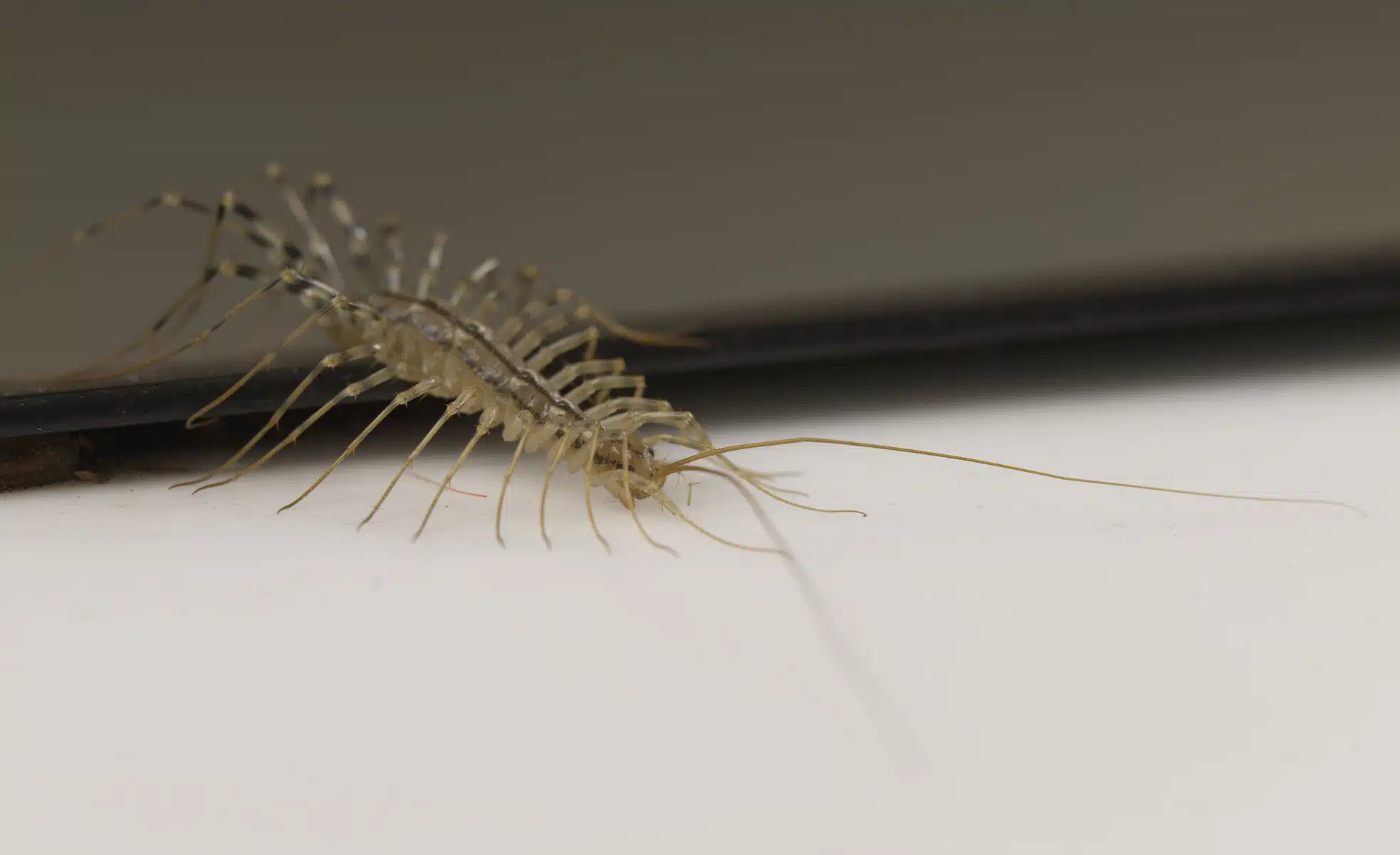
A Quiet and Efficient Predator in Your Home The domestic house centipede (Scutigera coleoptrata) is often regarded as a frightening Read more

A Simple Anomaly on the Floor? Not So Fast At first glance, this detail seemed nothing more than an ordinary Read more

Why It's Crucial to Clean Your Oven and How to Do It Naturally The Importance of Cleaning Your Oven The Read more

Using a power strip to plug in multiple devices is convenient, practical, and budget-friendly. However, this widespread practice carries significant Read more

The Secondary Microphone: A Filter Against Noise Pollution Most modern smartphones incorporate multiple microphones, including a secondary one often hidden Read more

Timeless Elegance That Transcends Generations Choosing black often reflects a profound pursuit of refinement and sophistication. This color goes beyond Read more

The Importance of Ventilating Your Home in Winter Indoor air that is overly saturated with humidity is not only uncomfortable Read more

Sida acuta, also known as “common wireweed,” is a hardy plant often found in fields and roadsides. While it may Read more
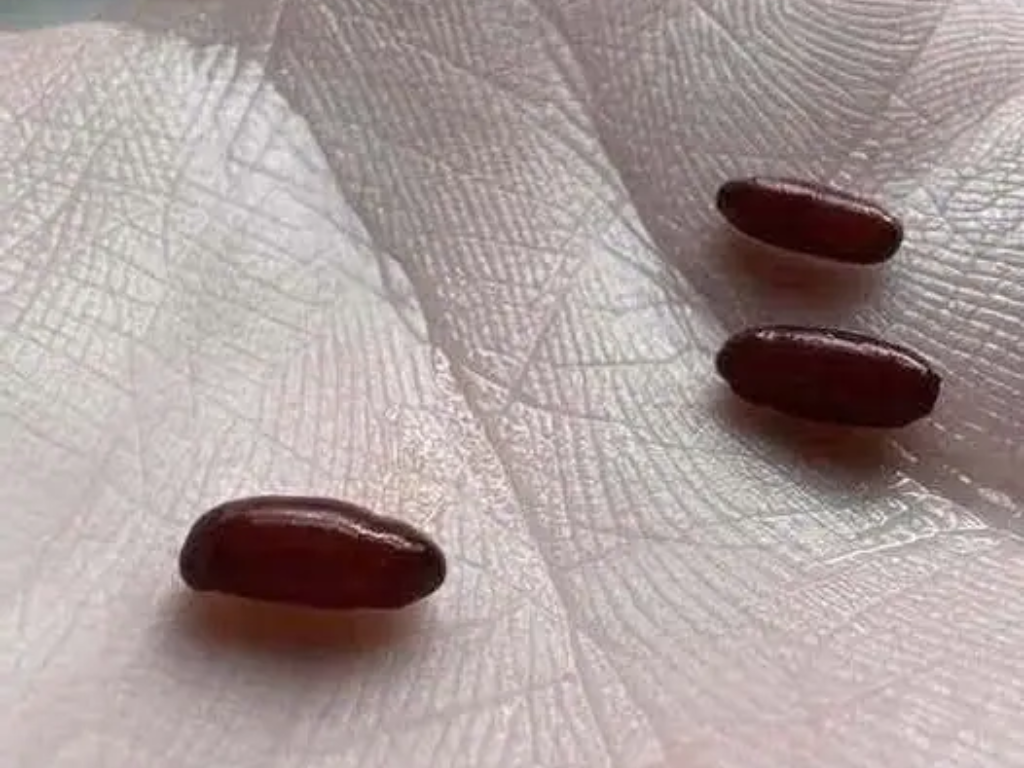
Diseases Transmitted by Ticks When we talk about ticks, Lyme disease immediately comes to mind, and for good reason. However, Read more
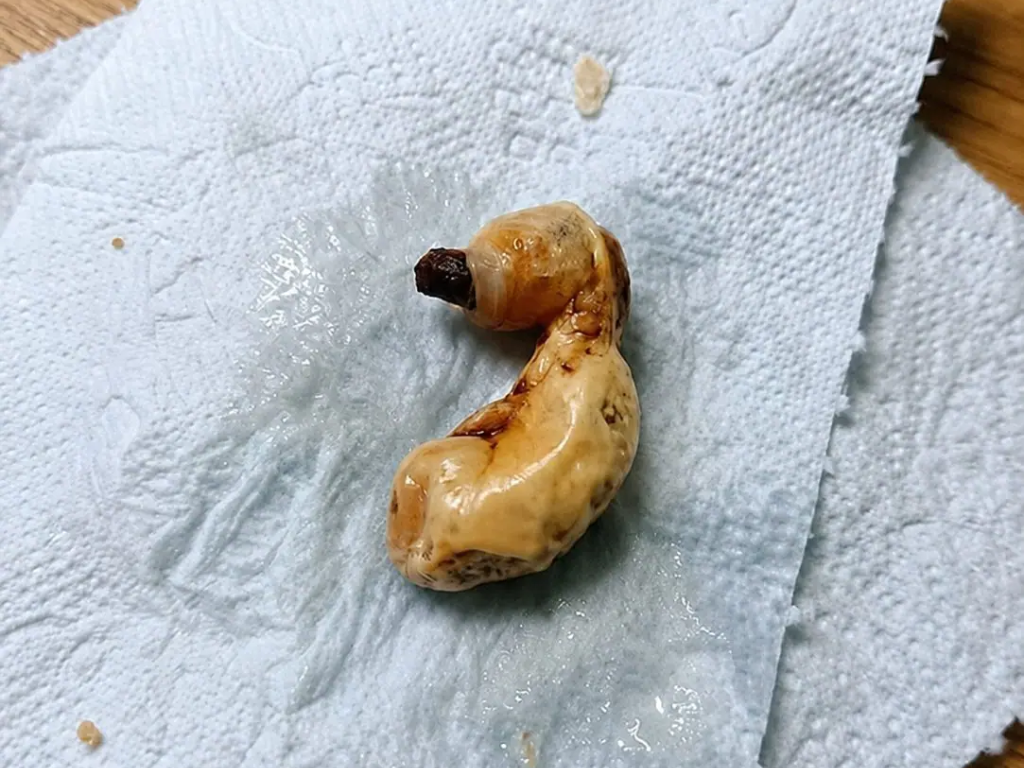
When a Simple Pistachio Shell Takes on the Appearance of a Monster It all begins with the desire to clean Read more

Why Do We Consistently Wake Up at the Same Time During the Night? Nighttime awakenings can stem from various causes: Read more
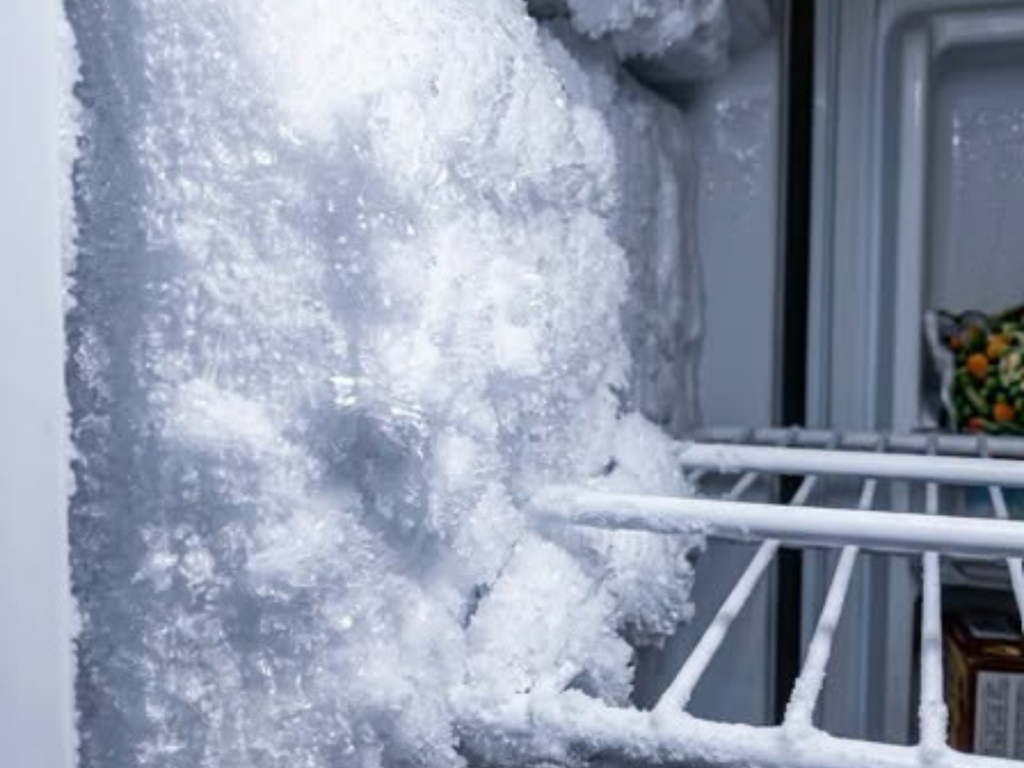
Defrosting a freezer is often viewed as a lengthy and tedious task involving ice packs and patience being thoroughly tested. Read more

The Importance of Curtain Cleaning in Your Home Generally, when cleaning the house, after dusting the furniture, one often overlooks Read more
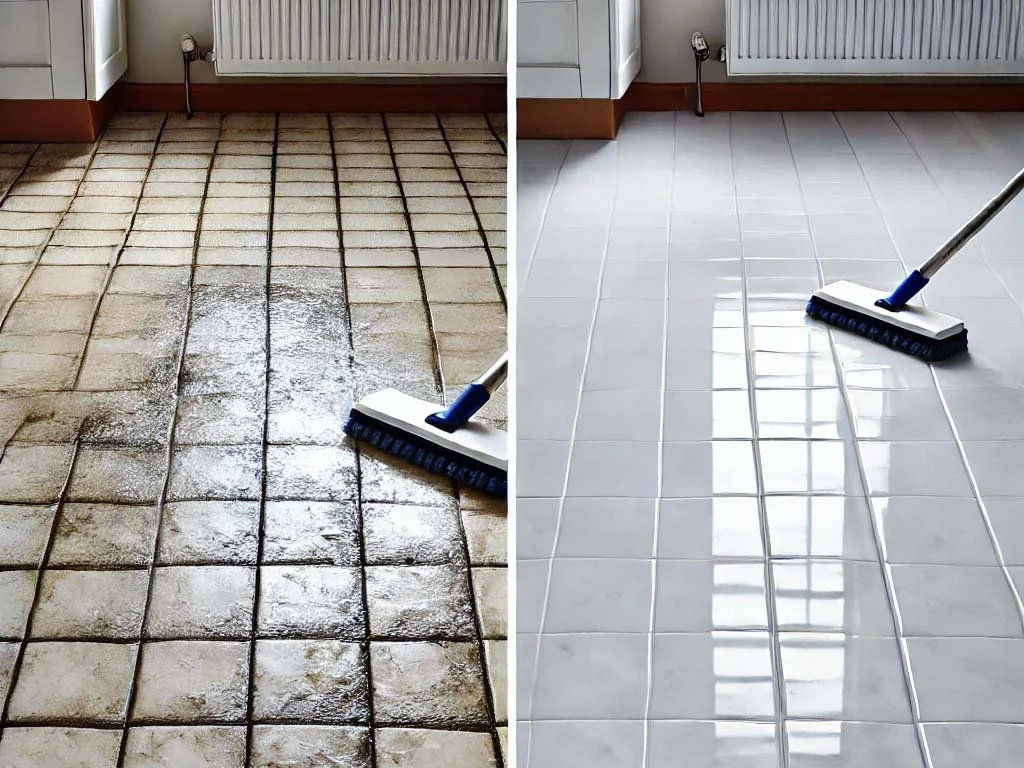
Why Traditional Household Cleaners Aren't Enough Often praised for their effectiveness, commercial cleaning products don't always succeed in removing stubborn Read more
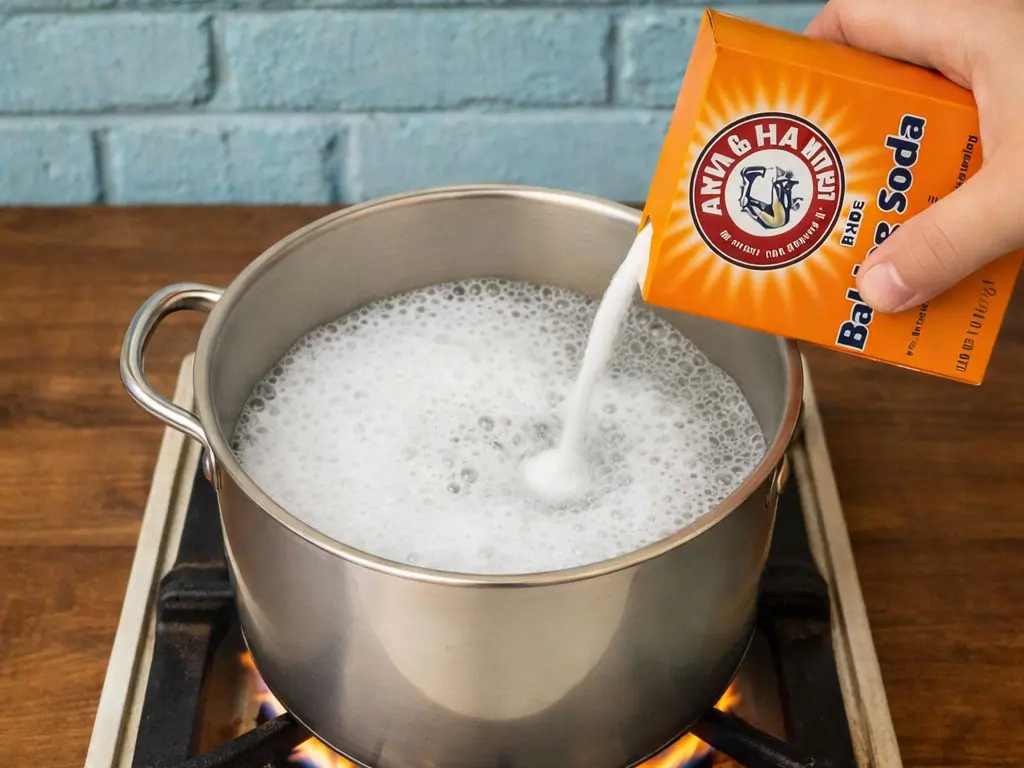
Most of us believe we understand baking soda well. It rests quietly in a kitchen cupboard, freshens the refrigerator, rescues Read more

Challenges in Organizing the Perfect Encounter In today’s era dominated by dating apps, one might easily assume that arranging a Read more
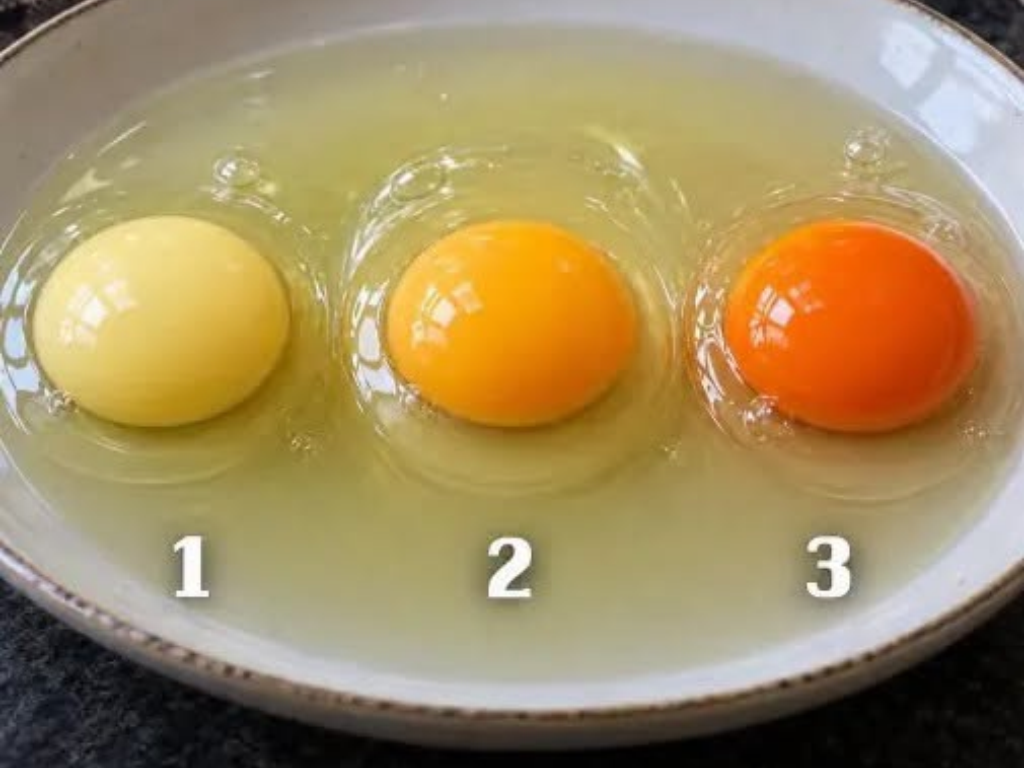
The Color of Egg Yolk Depends Primarily on the Hen’s Diet Few people truly realize that the shade of an Read more

Cultivating veggies and herbs indoors is more than just a productive task; it's a delightful and aesthetic journey. The magic Read more

What Is the Purpose of That Small Panel on Your Car? While heavy vehicles like trucks are equipped with clearly Read more
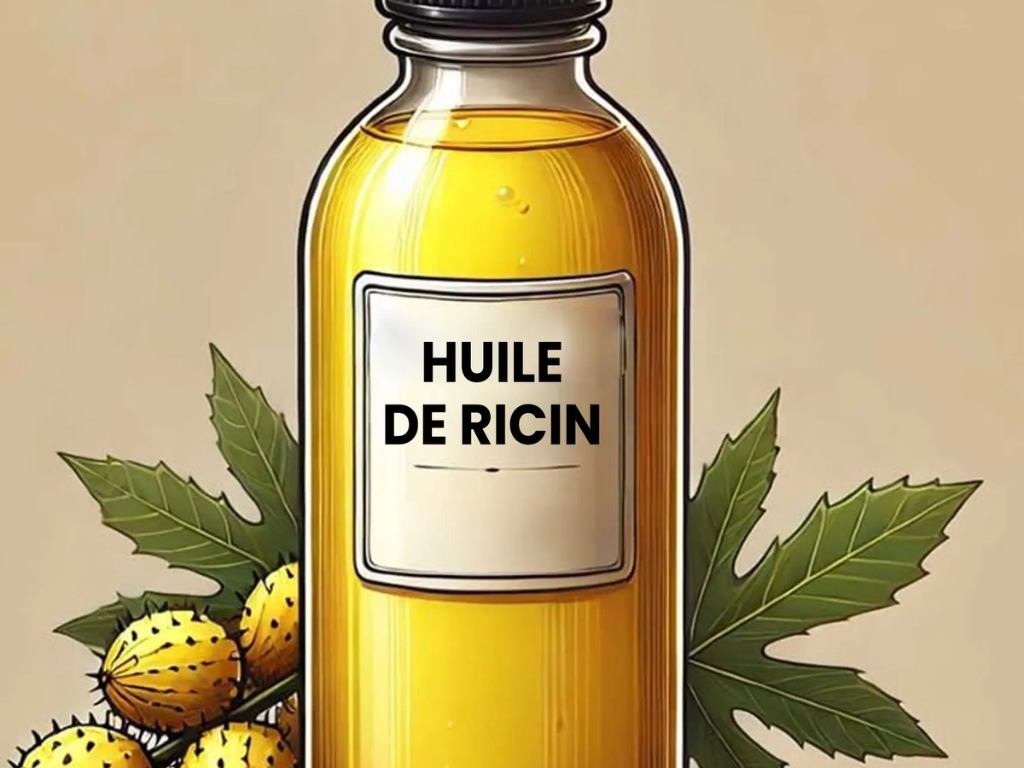
Castor Oil: A Natural Treasure to Rediscover Derived from the seeds of Ricinus communis, this thick, golden plant oil contains Read more
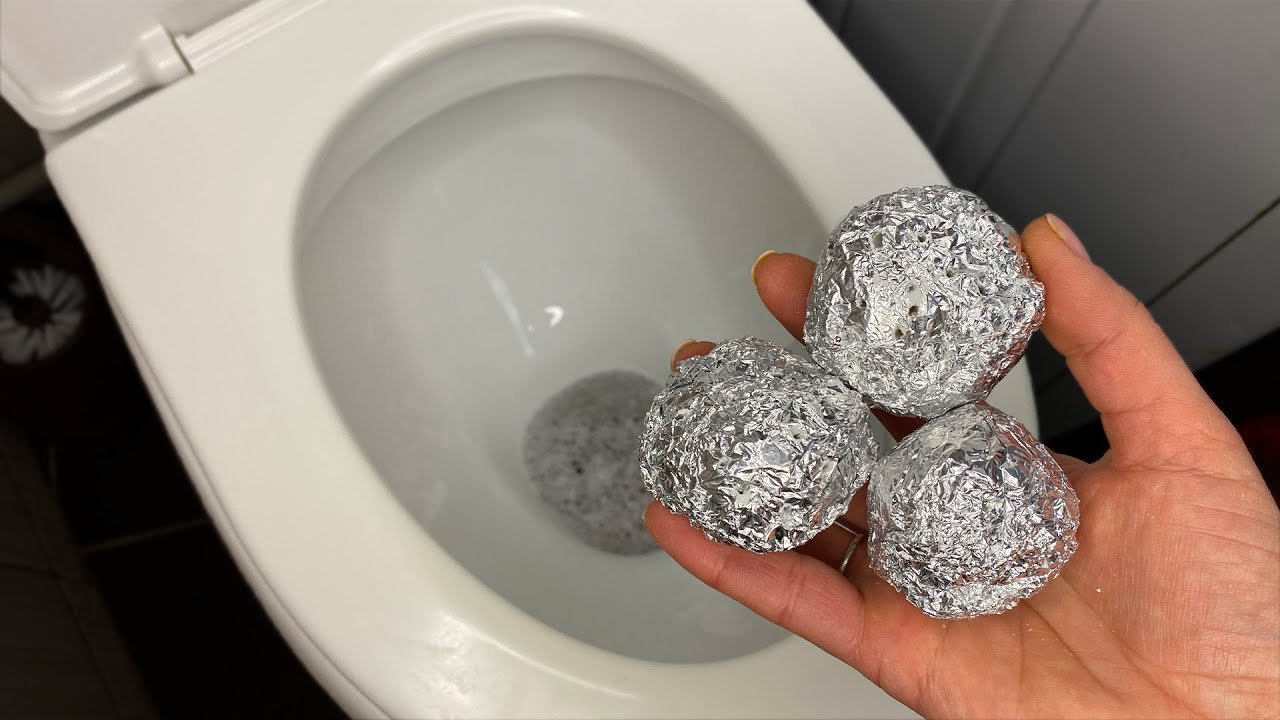
It might sound unusual, but an increasing number of homeowners have tried placing aluminum foil inside their toilet tanks. This Read more
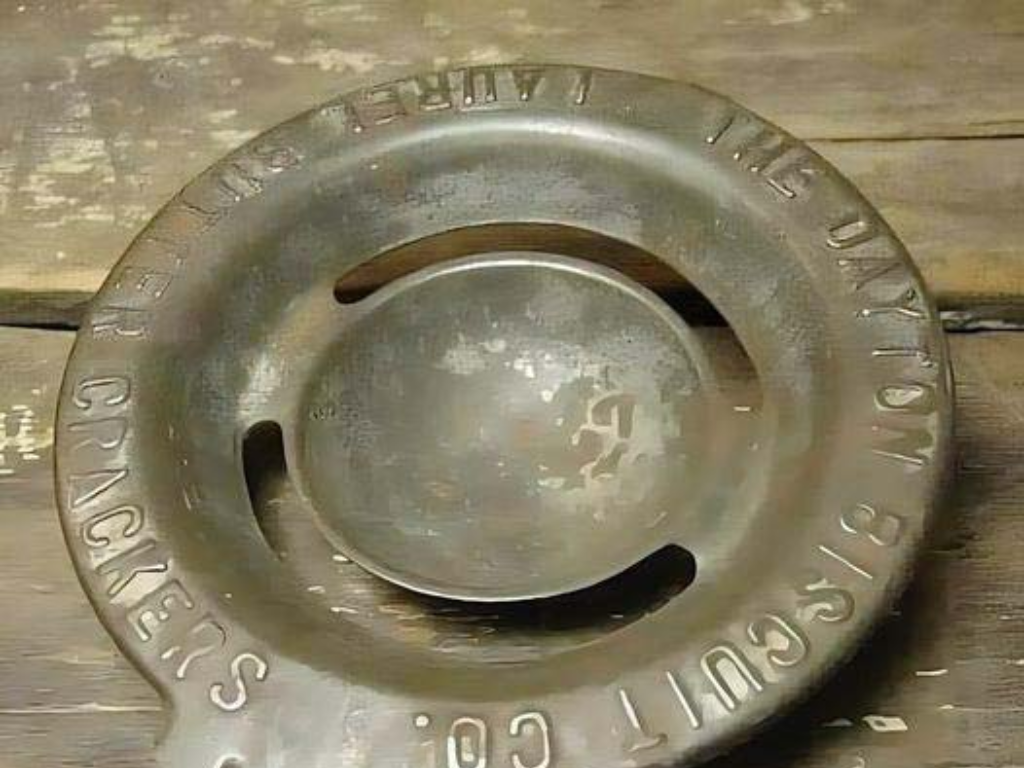
A Modest Tool Serving a Clever Function Have you ever wondered why a specific utensil is needed to separate an Read more

Max, a True Fighter The dog advanced cautiously, drawn in by gentle words and a piece of bread offered kindly. Read more
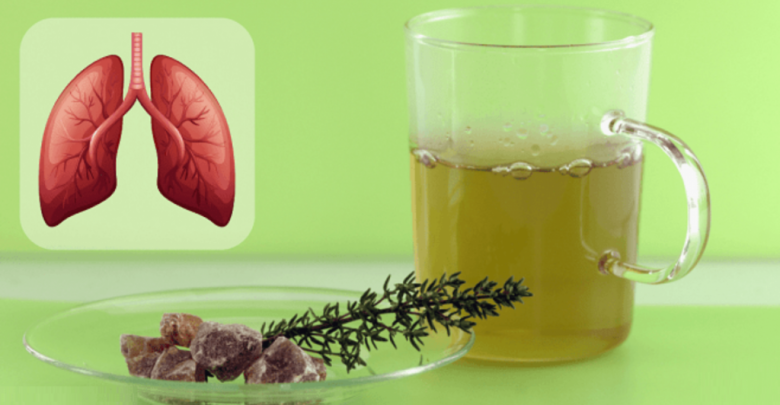
Thyme is known by some as the "enemy of toxins," a reputation that dates back to stories from ancient Greece. Read more

Transforming Garlic Peels into Gold for Gardeners: In the rhythm of kitchen prep, garlic peels are often discarded without a Read more

Goldenberries, also known as Physalis or Uchuva, are small, orange-yellow fruits enclosed in a delicate, papery husk. Originating from the Read more
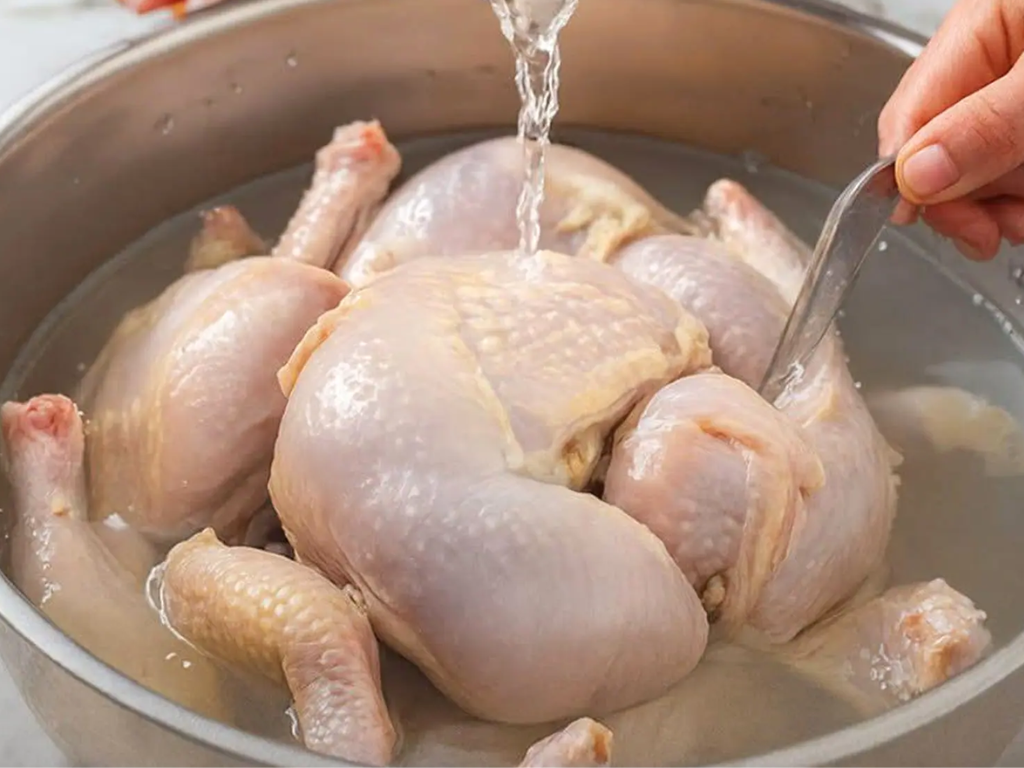
Behind the Scenes of Chicken Sold in Supermarkets At first glance, the neatly pink chicken breasts and shiny thighs displayed Read more
