

This image does more than just trick our eyes; it also reveals a lot about our personality. Depending on what you perceive at first glance, you disclose a specific trait of your character. We explain how.

A Creation Over a Century Old
This illusion, dating back to 1892, has endured through time because it continues to confuse and fascinate those who look at it. Very popular today on social media, it encourages internet users to ask themselves: which animal do you see first? A duck or a rabbit? Much more than a simple visual game, this 19th-century drawing reveals secrets about our mind while sparking thoughtful reflection. According to the animal your brain chooses to see, you can discover a valuable quality that you possess. This image is thus much more than a mere puzzle; it reveals hidden facets of the way you perceive the world.
A Psychologist Made This Image Famous

This drawing started appearing in books as early as 1892, but it was in 1899 that an American psychologist, Joseph Jastrow, used it in his studies, as reported by Gentside. An expert on the human mind, Jastrow wanted to demonstrate a key hypothesis: vision is not limited to what the eyes see but also involves an active interpretation by the brain. Indeed, the brain plays an essential role in analyzing and processing information from our environment. Thus, through our brain and the will that stems from it, we are able to alternately see either a duck or a rabbit, even though the drawing itself doesn’t change. This ability goes far beyond a simple perceptual trick: the experience is not just about identifying one of the two animals but about successfully switching back and forth between them.
What Does the Way We Interpret This Image Teach Us?
Beyond highlighting the importance of will in how we perceive an image, this exercise also reflects a fundamental quality present in everyone to varying degrees. Joseph Jastrow explained that the speed at which we manage to see both animals successively measures our cognitive aptitude, a key function of the human mind. In other words, the faster you switch between seeing the duck and the rabbit, the more developed your creativity is. This type of creativity, in particular, manifests as the ability to imagine new uses for familiar objects. Several criteria also exist to identify individuals who are naturally more creative than others.
Our Perception Changes According to Context
What is even more fascinating is that our tendency to primarily see either a rabbit or a duck also depends on context and external influences. Approaching Easter, for example, increases the likelihood of recognizing the rabbit first, connected to the traditions of that celebration. According to Joseph Jastrow, our mind tends to create associations between tangible elements—here, the drawn animals—and more abstract concepts such as time or events. This observation underscores how much the human mind remains a mystery, with a functioning that is still largely unknown.
What the Rorschach Test Reveals About Our Mind
You have surely seen these inkblot shapes in old movies. This psychological test, created by Swiss psychiatrist Hermann Rorschach, aimed to explore the psyche by interpreting perceptions in response to these abstract forms. The analysis of these responses was meant to reveal profound aspects of personality, especially in relation to family dynamics, such as the connection to the father. Although this psychoanalytic test is less commonly used today, it served to distinguish mental health states and to establish diagnoses based on how each person perceived these inkblots. Nowadays, a multitude of tests continue to exist to better understand the many facets of your personality.
Diseases Transmitted by Ticks When we talk about ticks, Lyme disease immediately comes to mind, and for good reason. However, Read more

The Effective Recipe to Defrost Your Windshield in One Minute To Quickly Eliminate Frost from Your Windshield, Here Are the Read more

The Importance of Curtain Cleaning in Your Home Generally, when cleaning the house, after dusting the furniture, one often overlooks Read more

Why Do These Puzzles Stimulate Your Brain? Visual games are far more than just light entertainment. They intensely engage your Read more

How to Detect Drafts Around Your Windows? Before making any adjustments, it is essential to confirm that your windows are Read more

Do you remember those holiday evenings when the entire family gathered around a large table, sometimes lingering until the early Read more
Baking soda and lemon peels are two household items often overlooked but incredibly powerful when combined. This natural duo can Read more

The Importance of Ventilating Your Home in Winter Indoor air that is overly saturated with humidity is not only uncomfortable Read more
Grease buildup on kitchen cabinets is a widespread issue that many homeowners encounter. Frequent cooking results in grease splatters that Read more
The Hidden Power of Pomegranate Peel: 10 Health Benefits and How to Use It Pomegranate is often celebrated for its Read more

Sweet Violet (Viola odorata): 25 Incredible Benefits & How to Use It Sweet violet (Viola odorata), also known as wood Read more
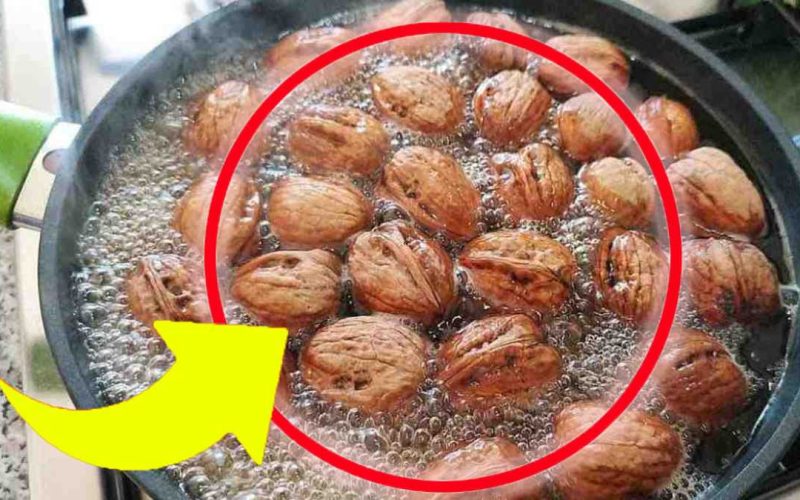
Some people purchase walnuts that are already shelled, while others prefer to buy them in their natural state, still in Read more
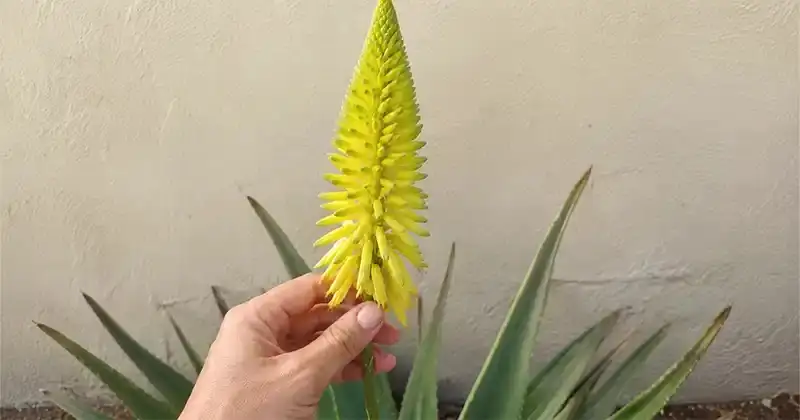
This content is for informational purposes only. For medical advice or diagnosis, please consult a professional. Most people recognize aloe Read more
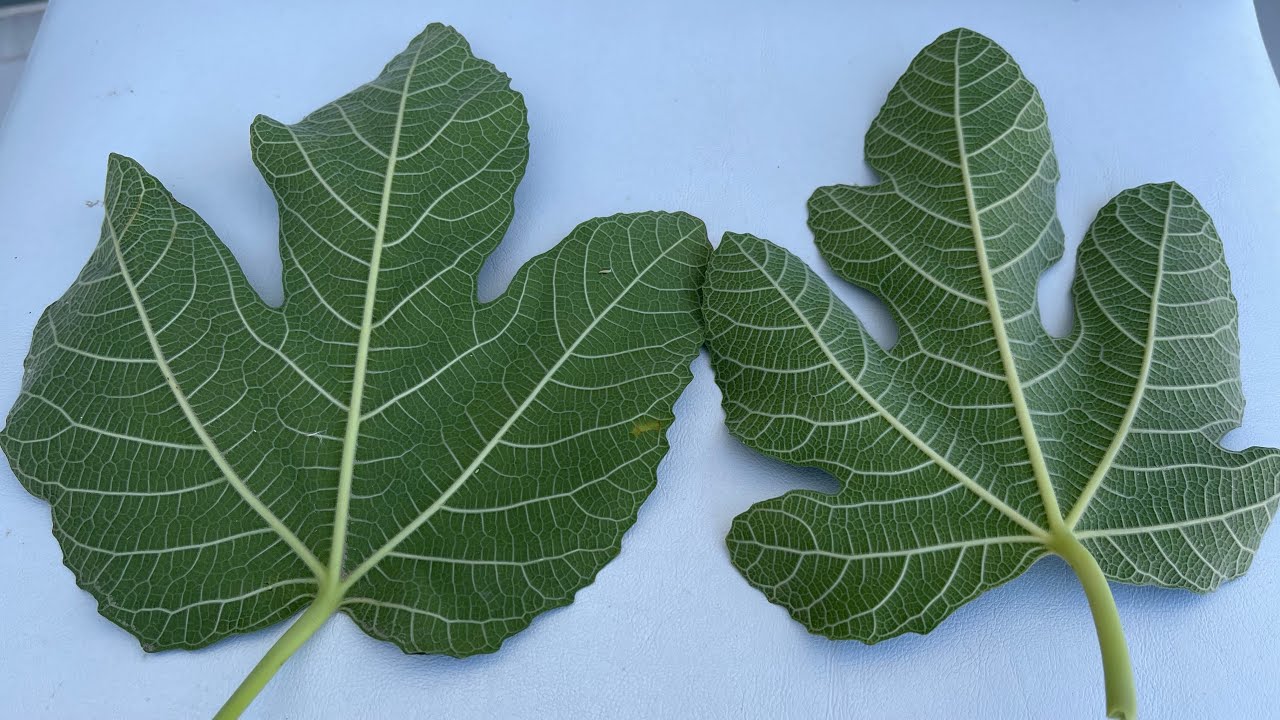
Fig leaves, often overlooked behind the sweet and flavorful fruit they accompany, are an incredible source of numerous health benefits. Read more

Why Does the Plastic of a Washing Machine Turn Yellow Over Time? Over the years, it is common to notice Read more

Bathroom Mold: Causes and Solutions Ideal Environment for Mold Growth Bathroom surfaces are prime locations for mold growth. Moisture accumulates Read more

Cleaning Grease Off Kitchen Wooden Cabinets: Effective Techniques Removing dirt and embedded grease stains from kitchen wooden cabinets isn't always Read more

Metal Plates: An Ingenious Solution to Daily Wear and Tear At the beginning of the 20th century, shoes were not Read more

Risks Associated with Using Boiling Water in Plumbing Premature Deterioration of Materials Frequently pouring boiling water down your sink can Read more

Why Ventilating in the Morning Can Harm Indoor Air Quality During Winter On a chilly winter morning, the outdoor air Read more

Cassava: An Essential Plant at the Heart of a Deadly Paradox Whether in the form of flour, tapioca pearls, or Read more

The Dog's Nose: A True Superpower It is well known that dogs possess an extraordinary sense of smell. Yet the Read more
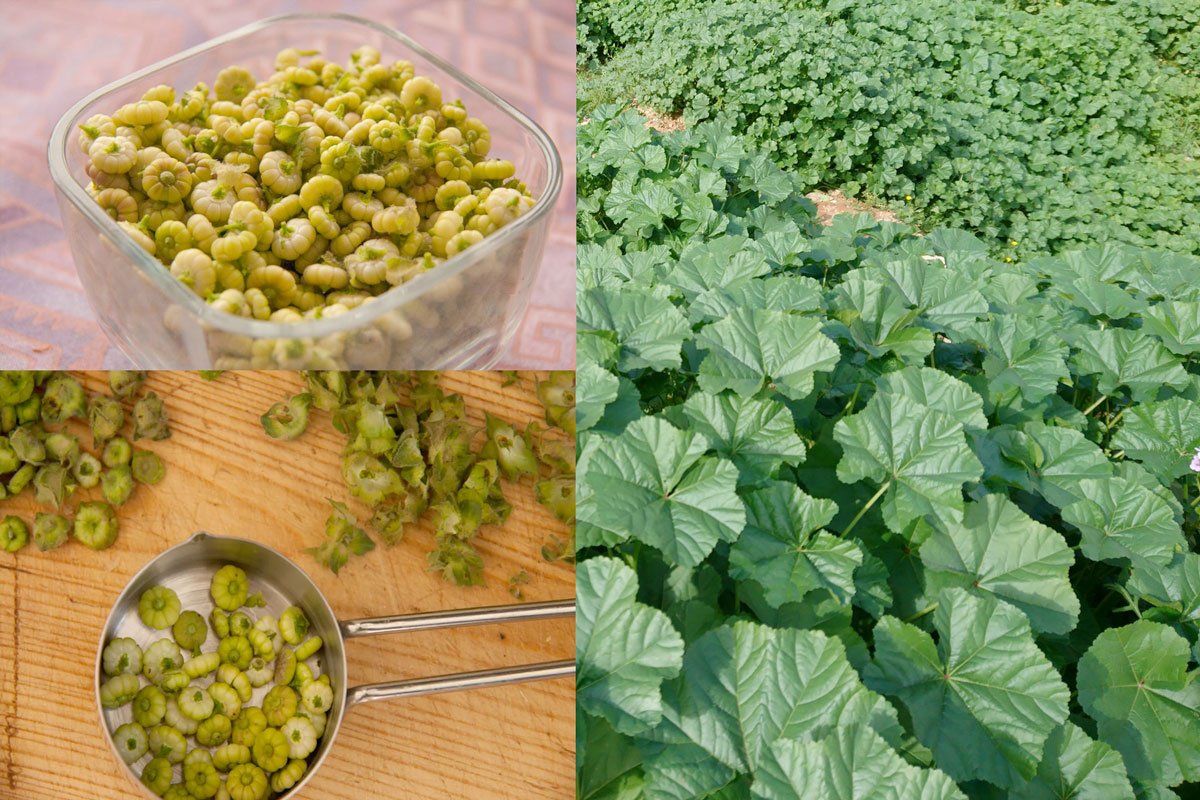
Common Mallow (Malva sylvestris) is a plant often overlooked in wild settings but is far more than merely a visually Read more

Before your next journey, it might be worth reexamining some of your packing habits. What a luggage professional has revealed Read more

Cultivating veggies and herbs indoors is more than just a productive task; it's a delightful and aesthetic journey. The magic Read more

A Modest Tool Serving a Clever Function Have you ever wondered why a specific utensil is needed to separate an Read more
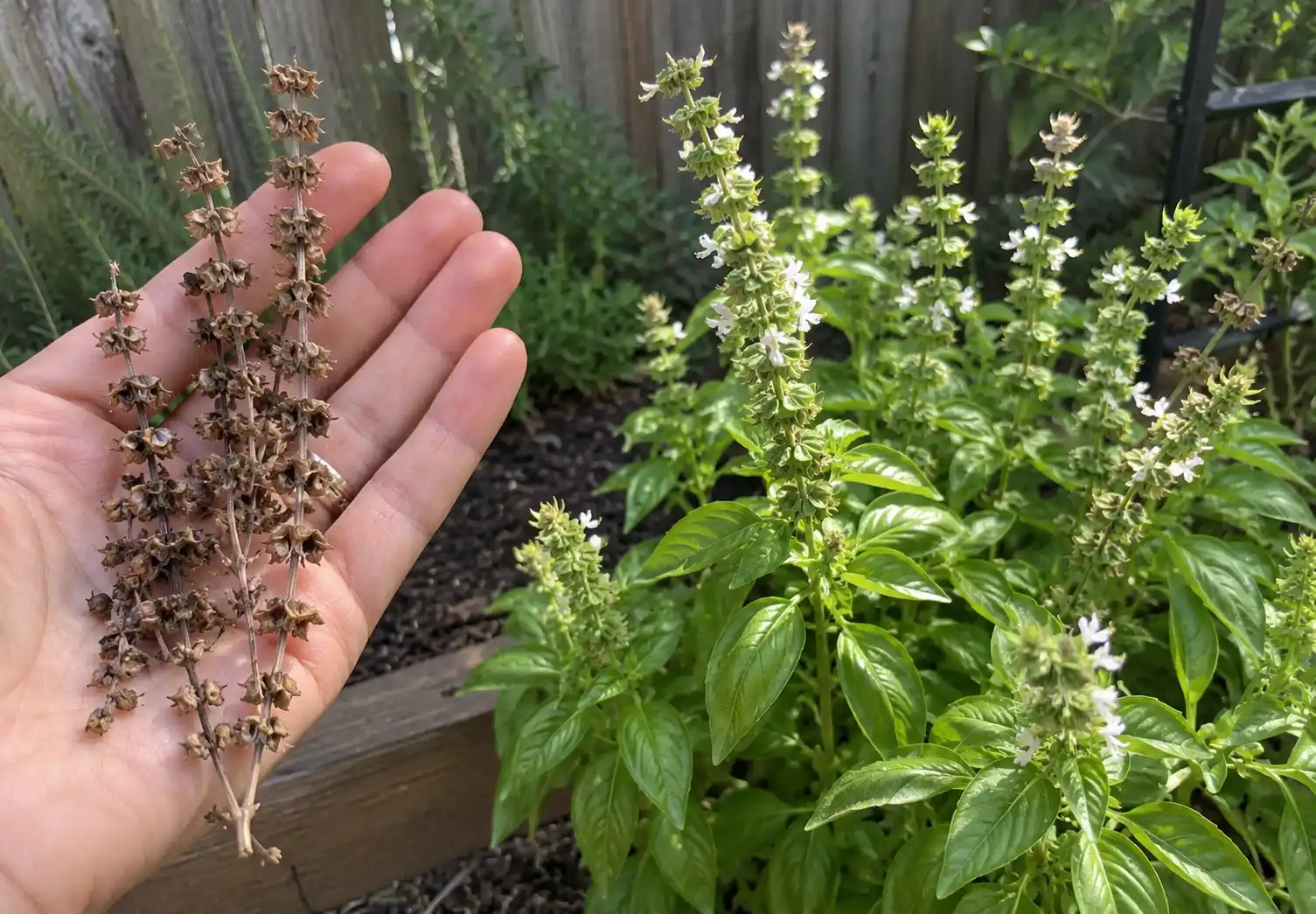
Basil seeds, often referred to as sabja or tukmaria, come from sweet basil. Though tiny, they hold an exceptional nutritional Read more

The Dangers of Prolonged Sitting on the Toilet A Natural Reflex Put to the Test Sitting too long on the Read more

When you enter a hotel room, have you ever noticed that long piece of fabric laid across the foot of Read more

This heartbreaking story touched millions of internet users. After a long eight months of disappearance, a dog finally reunited with Read more

Inheritance in France: A Protected Share, Untouchable Even in Cases of Conflict In France, there is a fundamental legal principle Read more

Airport staff and baggage handlers have an in-depth understanding of the behind-the-scenes processes involved in handling luggage. Today, they share Read more
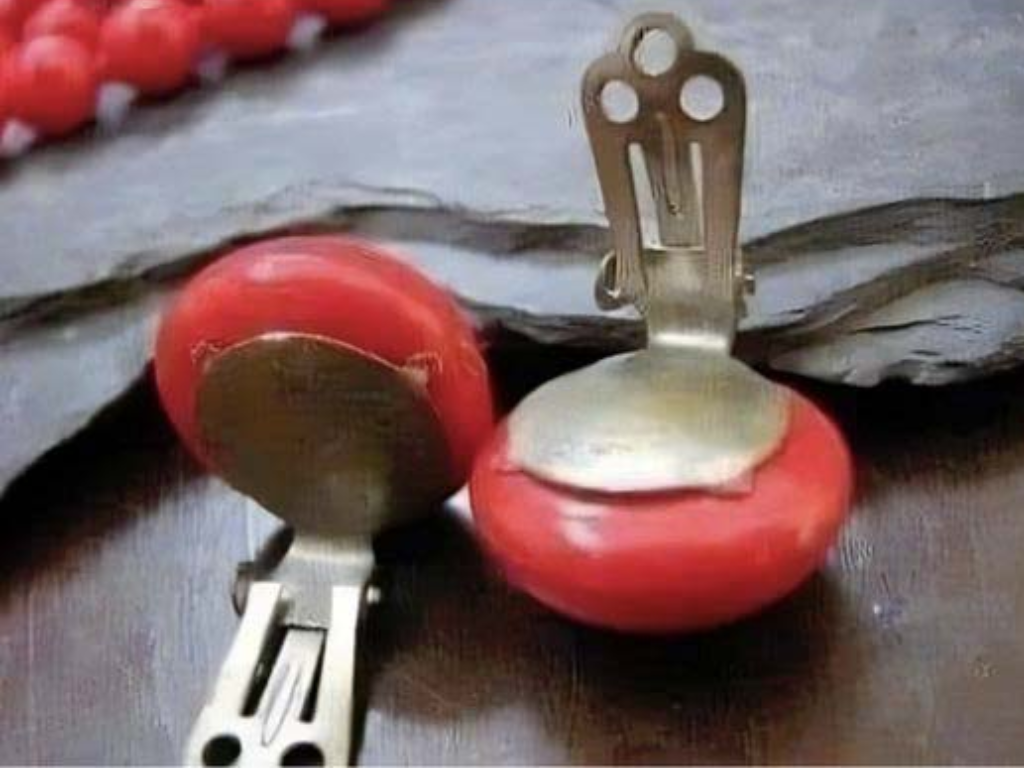
The Return of Earrings in the 17th Century The 17th century marked a notable resurgence in earrings, greatly encouraged by Read more
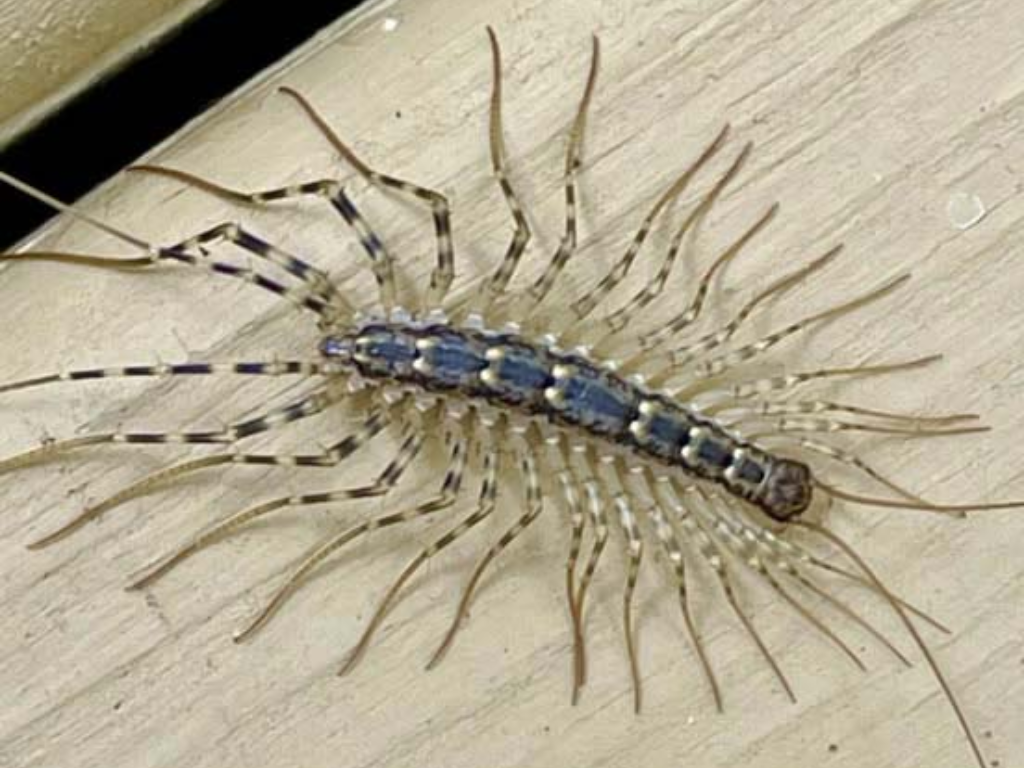
Why Do Centipedes Inspire So Much Fear? With their numerous legs and astonishing speed, centipedes often provoke feelings of fear Read more

Guava is often hailed as a superfruit, but did you know that its leaves also pack an extraordinary punch in Read more

Lina’s room remains untouched by time, as if she had just left yesterday: colored pencils scattered across the desk, an Read more
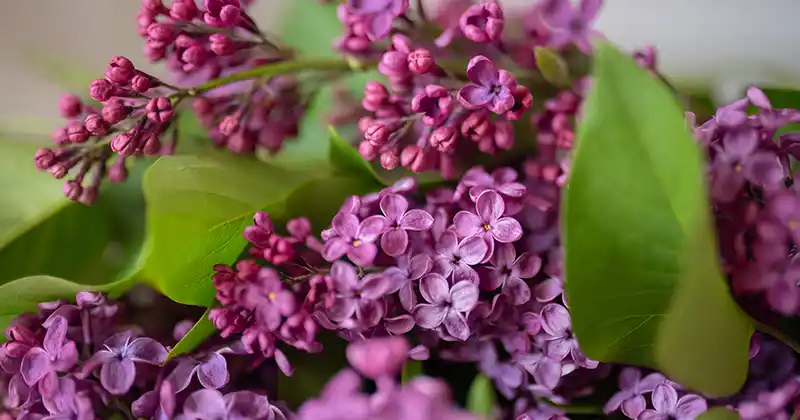
Are Lilacs Edible? Health Benefits of the Beautiful Syringa Blossoms With their sweet fragrance and delicate clusters of flowers, lilacs Read more

Tomatoes, a staple in kitchens worldwide, are loved for their versatility and rich flavor. However, their perishable nature often leads Read more

Mullein (Verbascum thapsus), a tall, woolly plant often seen growing along roadsides and in open fields, has been treasured for Read more

Why It's Crucial to Clean Your Oven and How to Do It Naturally The Importance of Cleaning Your Oven The Read more
