

As sustainability and eco-consciousness increasingly shape our everyday habits, discovering alternative methods to fertilize our gardens grows ever more essential. One innovative approach involves repurposing common kitchen leftovers: coffee grounds and white rice water. These two ingredients have demonstrated significant benefits when applied as natural plant fertilizers. Let’s delve into how you can create your own environmentally friendly, nutrient-rich fertilizer using these simple household items.
Understanding Coffee Grounds and White Rice Water as Fertilizers
Coffee grounds contain high levels of nitrogen, an indispensable nutrient that supports plant growth by fostering protein synthesis and enhancing chlorophyll production. This nutrient is particularly vital for leafy plants and fast-growing varieties that demand large amounts of nitrogen. Additionally, coffee grounds are slightly acidic, which can be advantageous for balancing alkaline soil conditions, helping create a healthier growing environment.
White rice water, conversely, is abundant in starch and essential vitamins such as B and E, which play important roles in maintaining overall plant health. The leftover water from rinsing or boiling white rice can also improve the texture of soil by increasing its ability to retain moisture and vital nutrients, thus promoting stronger root development and resilience.
When combined, these two typical kitchen wastes form an effective homemade fertilizer that delivers a broad spectrum of benefits to your plants, enhancing their growth and vitality.
How to Make Your Own Coffee and White Rice Water Fertilizer
You will require:
- Used coffee grounds
- White rice water (the water remaining after washing or boiling white rice)
Step 1: Collecting the Ingredients
Coffee Grounds: Instead of discarding your used coffee grounds, save them for your fertilizer project. It’s important to allow the grounds to dry completely to prevent mold growth before use.
White Rice Water: Whenever you rinse or cook white rice, avoid pouring the water down the drain. Instead, collect this cloudy, nutrient-rich water in a container. If you’ve boiled the rice, make sure the water cools to room temperature before combining it with the grounds.
Step 2: Mixing the Ingredients
Combine equal parts of dry coffee grounds and white rice water in a container. Stir well until the coffee grounds are evenly mixed into the water. The mixture should appear muddy and watery, ready for the next step.
Step 3: Fermentation Process
After preparing the mixture, allow it to ferment by letting it sit for several days. Loosely cover the container to permit airflow, and store it in a cool, dark place. This fermentation promotes the breakdown of nutrients within the coffee grounds and rice water, making them more easily absorbable by your plants.
Step 4: Applying Your Fertilizer
Before application, stir the fermented mixture thoroughly. Apply the fertilizer to the soil around the base of your plants, taking care to avoid direct contact with the stems or leaves, which could lead to burning or damage. The best times to apply are early in the morning or late in the evening, when sunlight is less intense.
Keep in mind this homemade fertilizer is best used as a supplement and should complement a well-balanced soil ecosystem. It is recommended to continue regular composting and other organic gardening practices alongside its use for optimal plant health.
Making your own fertilizer from coffee grounds and white rice water is a practical, sustainable, and cost-effective way to nurture your garden while reducing kitchen waste. Utilizing these readily accessible ingredients enables you to support plant growth sustainably, contributing positively to a greener planet. Try this DIY fertilizer, and observe your plants thrive beautifully!
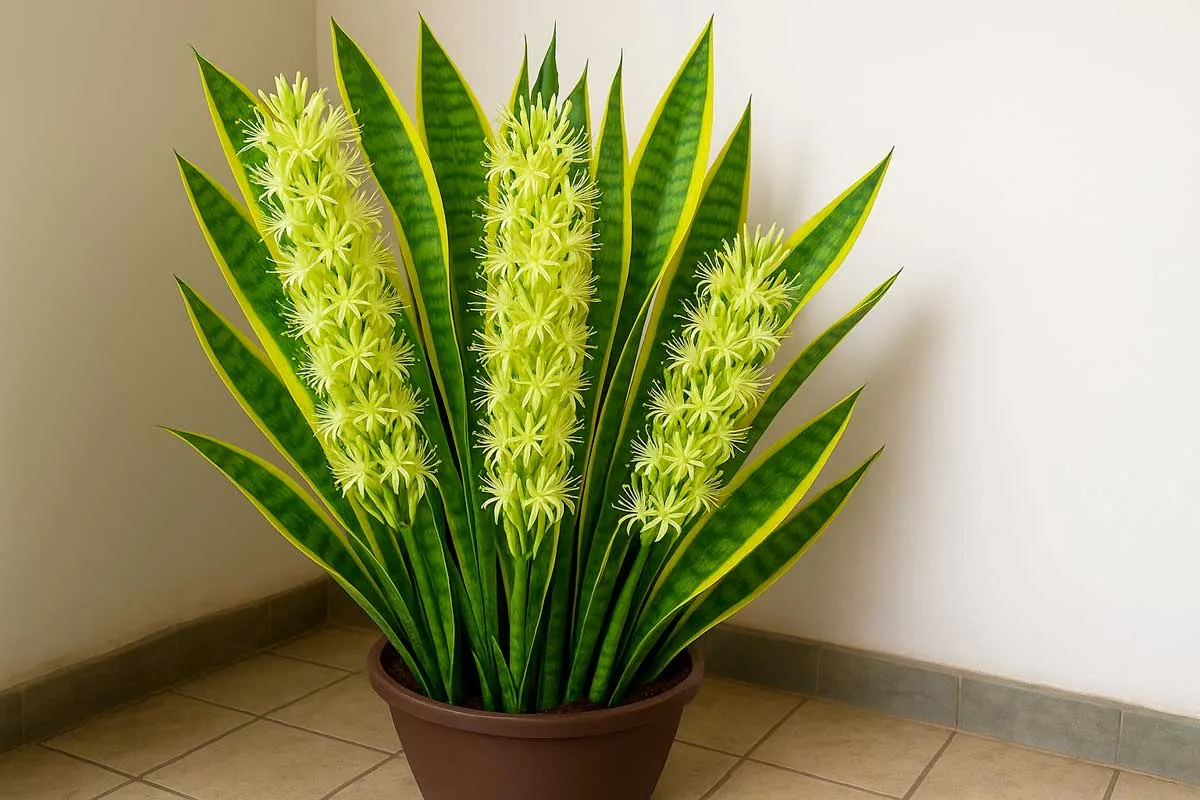
Mother-in-law’s tongue, commonly known as Sansevieria, is renowned for its resilience and remarkable air-purifying qualities. It is an ideal choice Read more

Neem oil is a completely natural product, derived from a plant native to India. It contains azadirachtin, a potent compound Read more
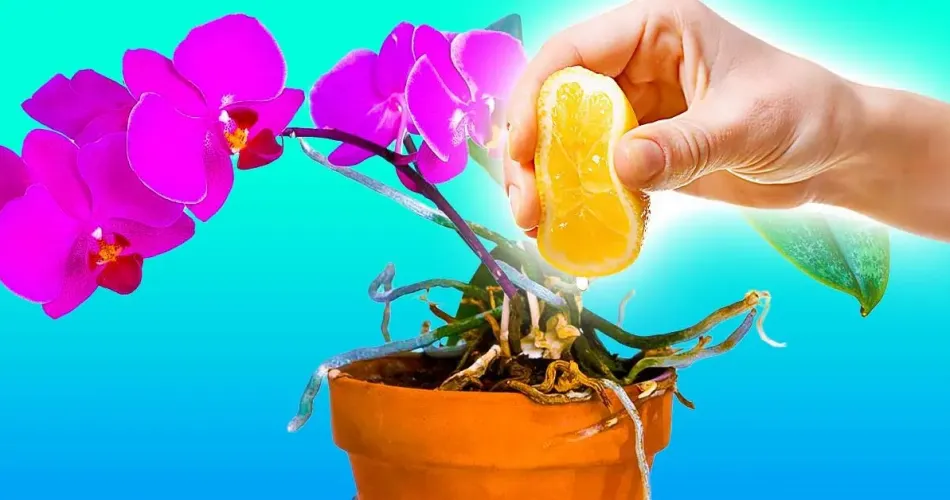
Orchids, with over 28,000 unique species, provide a fascinating insight into the immense diversity found in nature. Originating from the Read more
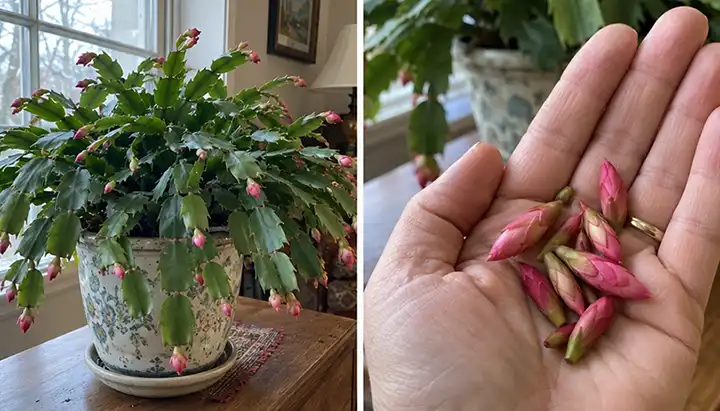
If your Christmas cactus has stayed healthy throughout the year but produced only a few flowers last winter, October might Read more

If you don't often get the chance to rejuvenate in the midst of nature, there's an alternative: introducing plants to Read more
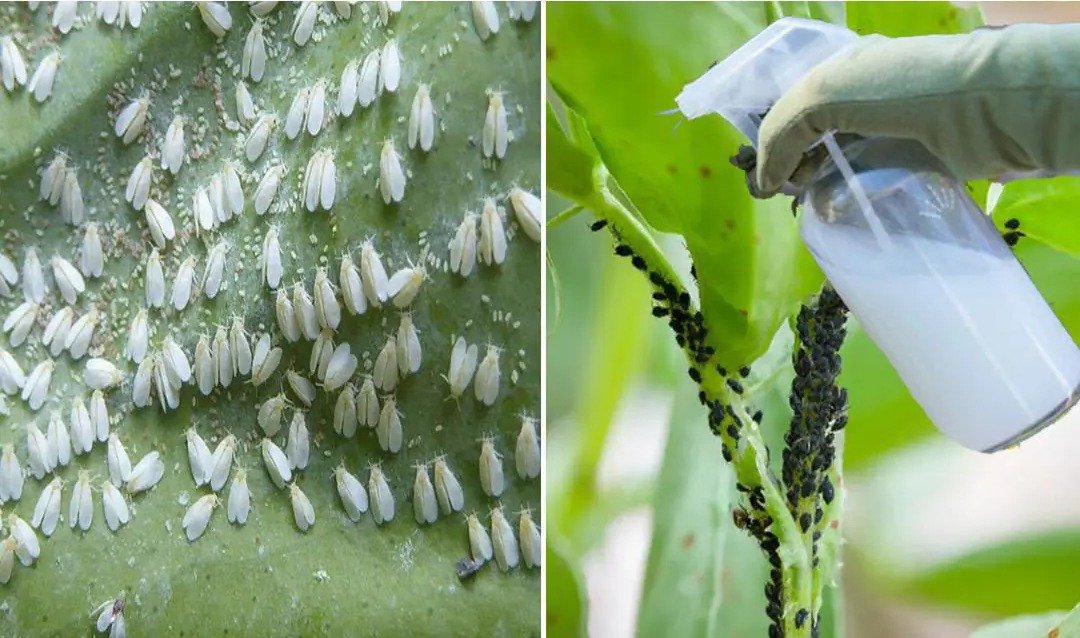
Aphids may be tiny—nearly invisible to the naked eye—but within just a few days, they can cause serious damage to Read more
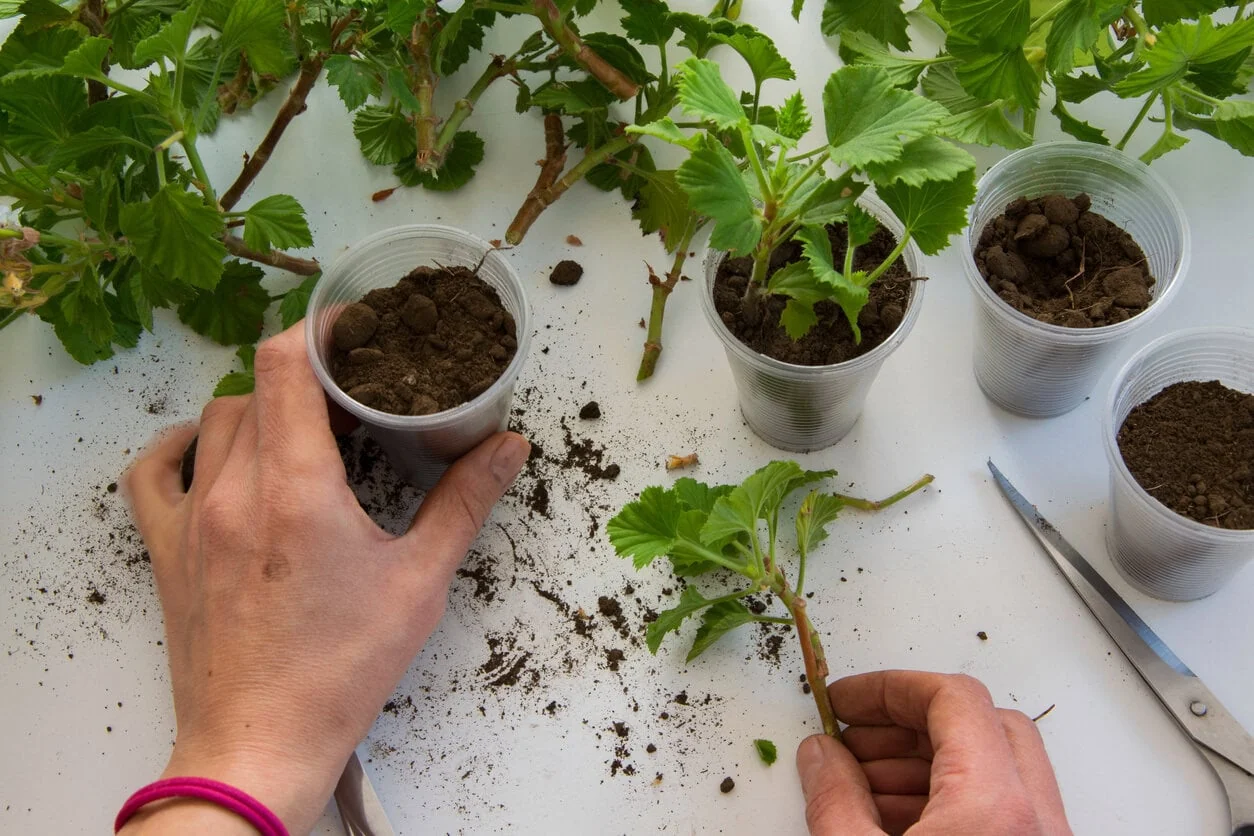
Some years, the effort put into gardening seems barely worth it, but this autumn, the value of gardening becomes clear. Read more

Bananas are a delightful treat, but their peels can be a garden's treasure. Rather than discarding banana peels into compost, Read more
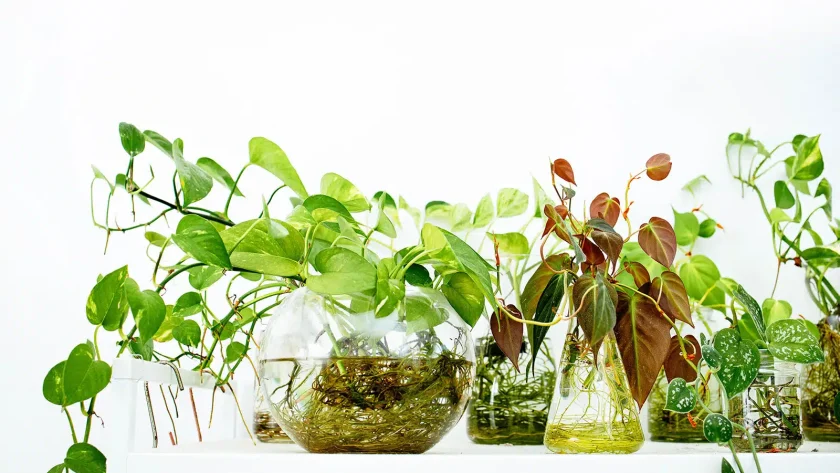
Searching for a distinctive method to incorporate some foliage into your home or workplace? Try cultivating plants hydroponically! Not only Read more

In this exploration, we uncover eight homemade, natural solutions that act as effective rooting agents for plant propagation through cuttings. Read more
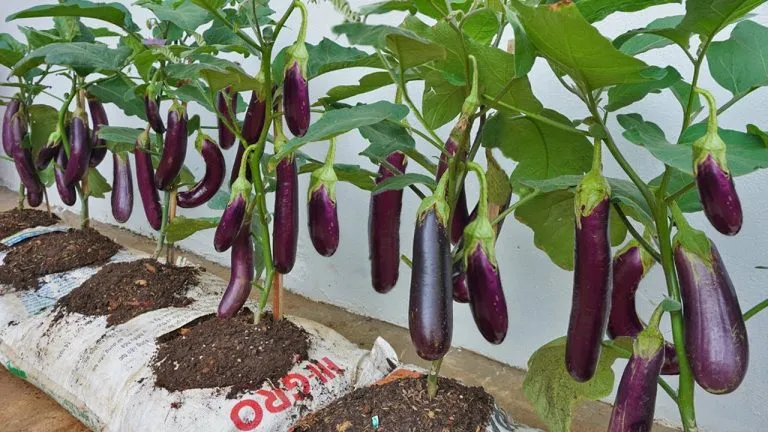
Exploring the World of Eggplants: A Gardener's Guide Eggplants, with their divisive nature, are often a subject of culinary debate. Read more

Orchids, with a staggering 28,000 unique species, beautifully demonstrate nature's rich tapestry of diversity. Originating from the Orchidaceae lineage, these Read more

Caring for orchids, known for their exquisite and delicate nature, involves a precise approach to hydration. Orchids differ from typical Read more
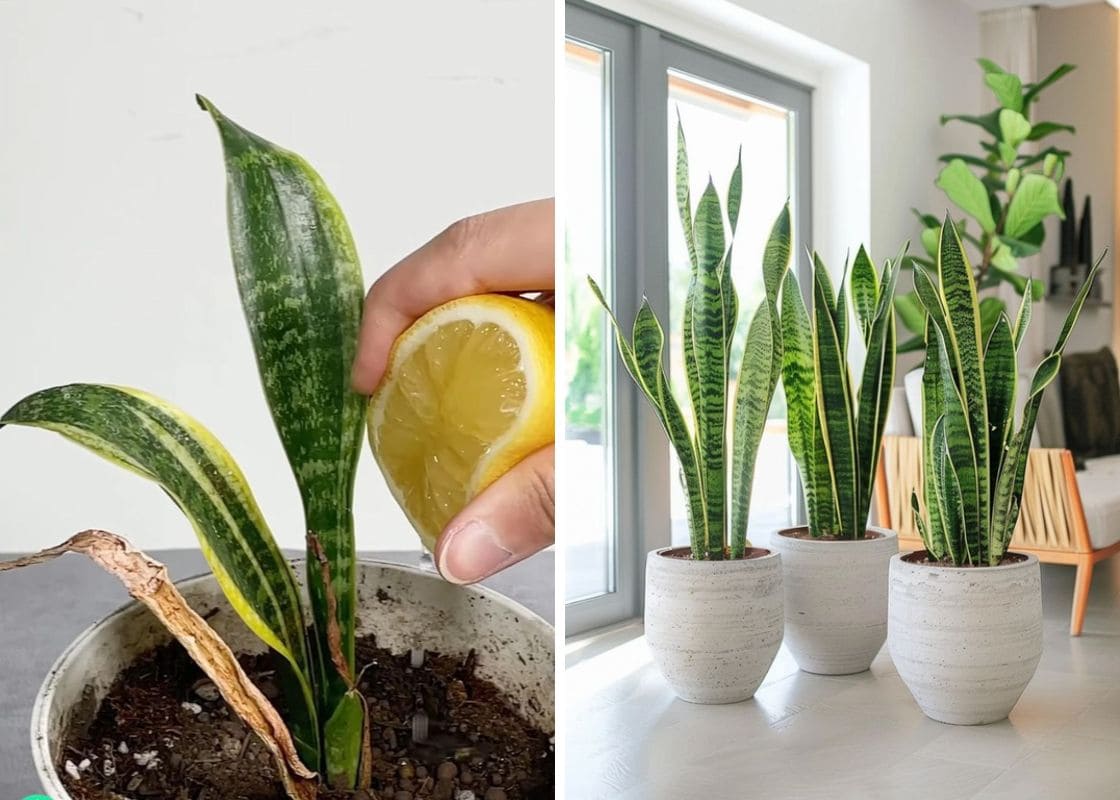
Snake plants are renowned for their resilience, often considered nearly indestructible. They can withstand missed waterings, low light conditions, and Read more
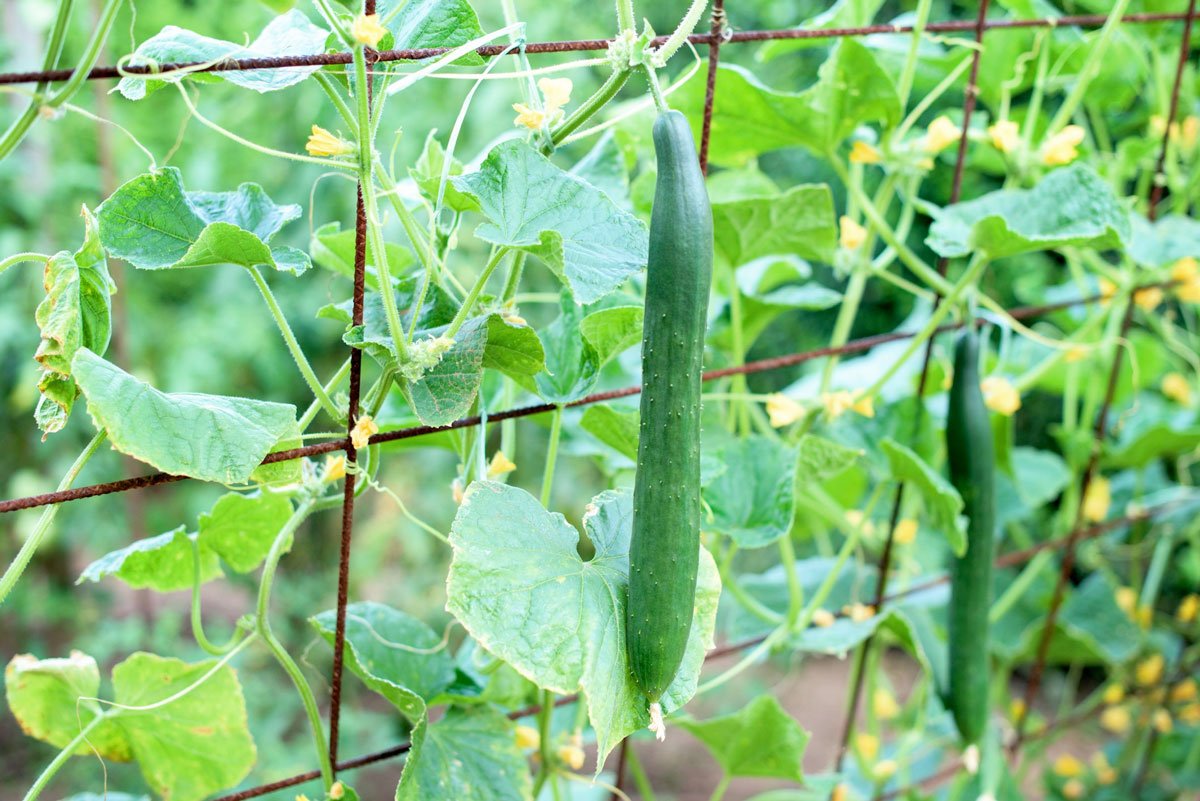
Cucumbers are a widely loved vegetable, known for their long, sprawling vines that can easily take up a large portion Read more

Get a Head Start on Your Garden: Indoor Sowing for Colder Climates There's no need to wait for spring's embrace Read more

Orchids, with their array of species and hybrids exceeding 25,000, stand as a testament to botanical beauty. Cultivators and hobbyists Read more

As sustainability and eco-consciousness continue to rise in importance in our daily lives, discovering alternative methods to fertilize our gardens Read more

The Wonders of Blueberries: A Guide to Growing and Enjoying This Nutrient-Rich Fruit Mildly sweet, the blueberry is a dark Read more
Safety and Medical Disclaimer: The information provided in this article is intended solely for educational and informational purposes. We disclaim Read more
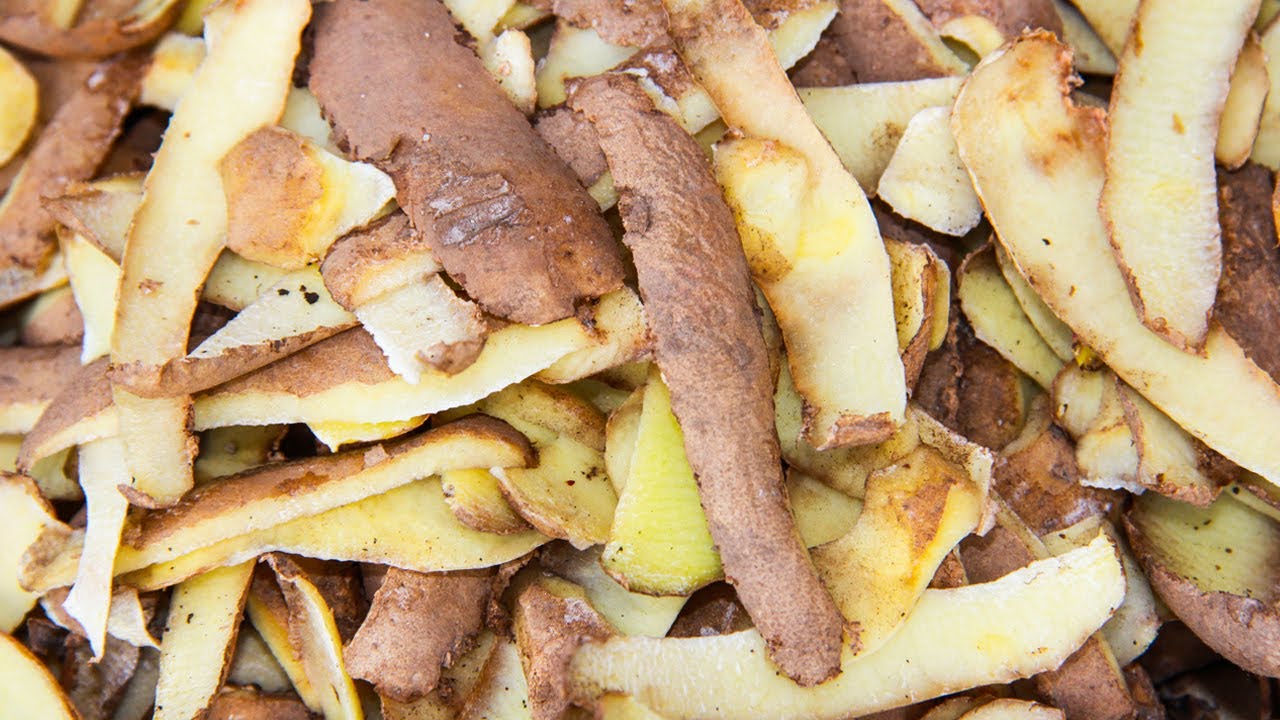
Experienced gardeners are well-acquainted with the practice of turning kitchen scraps into valuable gardening resources. Among these scraps, potato peelings, Read more
Sleep is a vital component of our overall health, serving as the foundation for a productive and energized day. Yet, Read more

Using Baking Soda for Plant Care To care for your plants or your vegetable garden, have you considered the DIY Read more
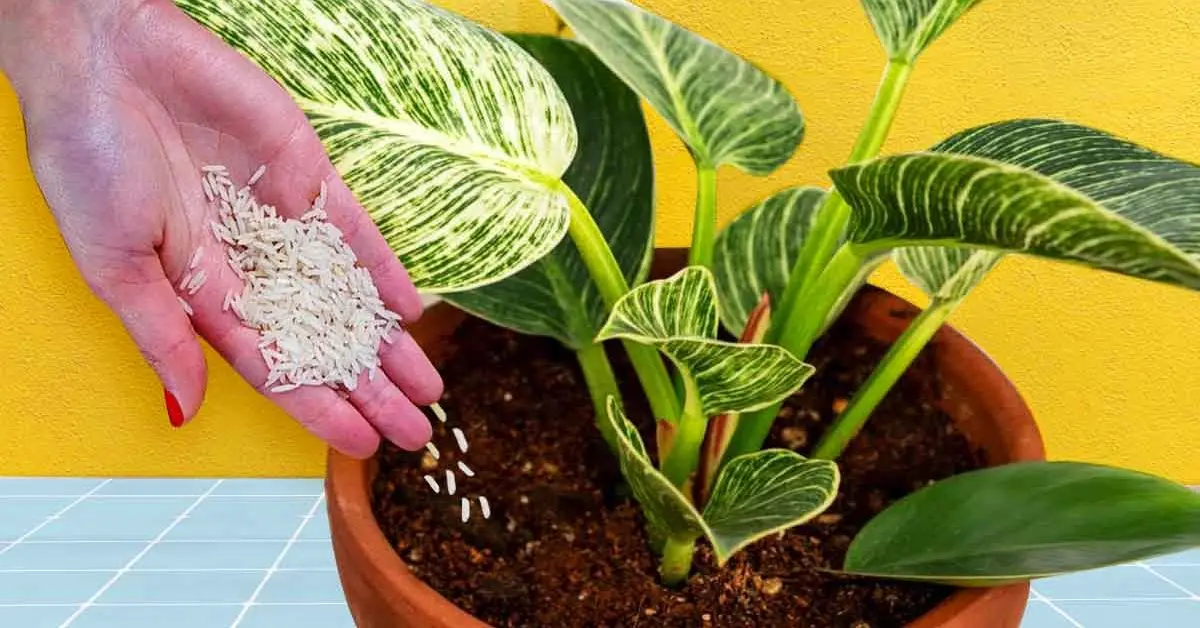
Indoor Plants and Their Benefits Indoor plants not only enhance the decor but also bring a touch of lush greenery. Read more

Indoor Plants: A Decorative Air Purifier Indoor plants have become an essential part of modern decor, increasingly sought-after to greenify Read more

Insect-Repelling Greenery: Your Natural Home Defense Transform your home into a sanctuary free from the annoyance of insects such as Read more

The Importance and Care of House Plants House plants not only serve as a significant decorative element but also play Read more
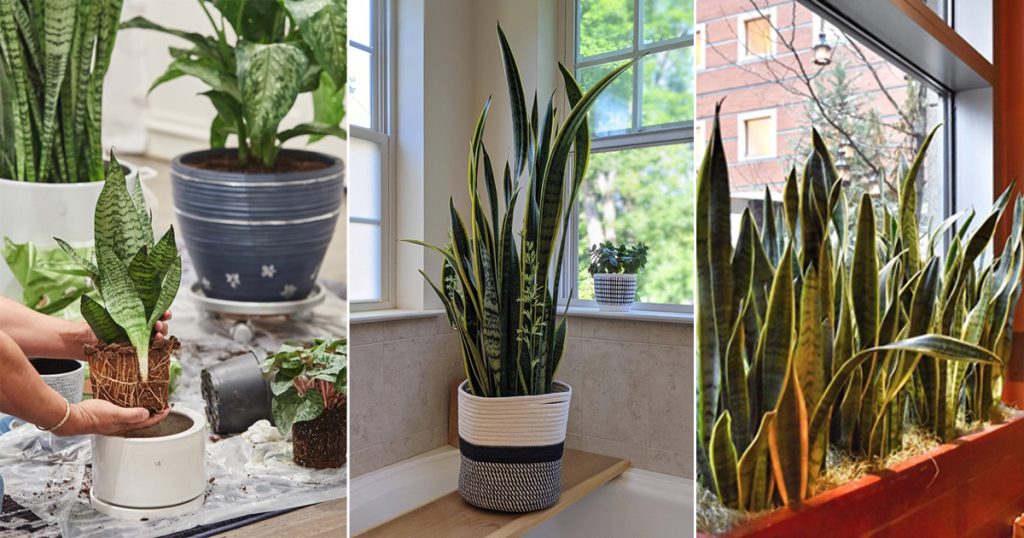
Are you considering adding a Snake Plant to your indoor garden? Whether you're a complete novice or a seasoned plant Read more

Cultivating Zucchini in Containers: A Comprehensive Guide Zucchini is a popular vegetable for gardening aficionados and novices alike. It's simple Read more

Understanding Fertilizers for Plants Fertilizer is a product that can be spread or mixed into the soil to provide plants Read more
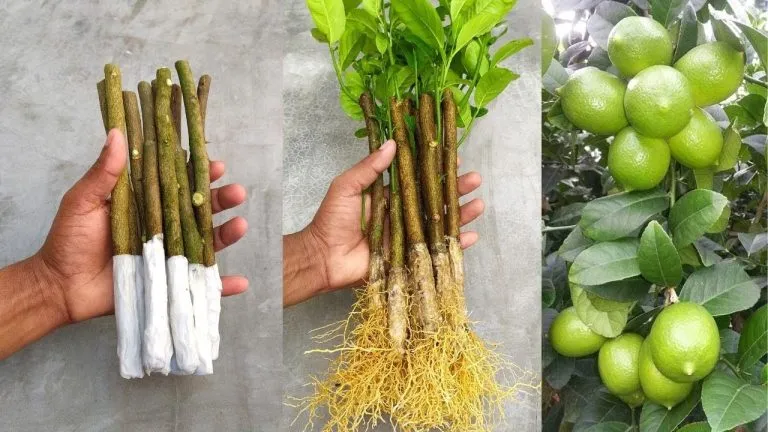
Cultivating lemon trees in your garden or home brings not only visual charm but also the practical advantage of homegrown Read more
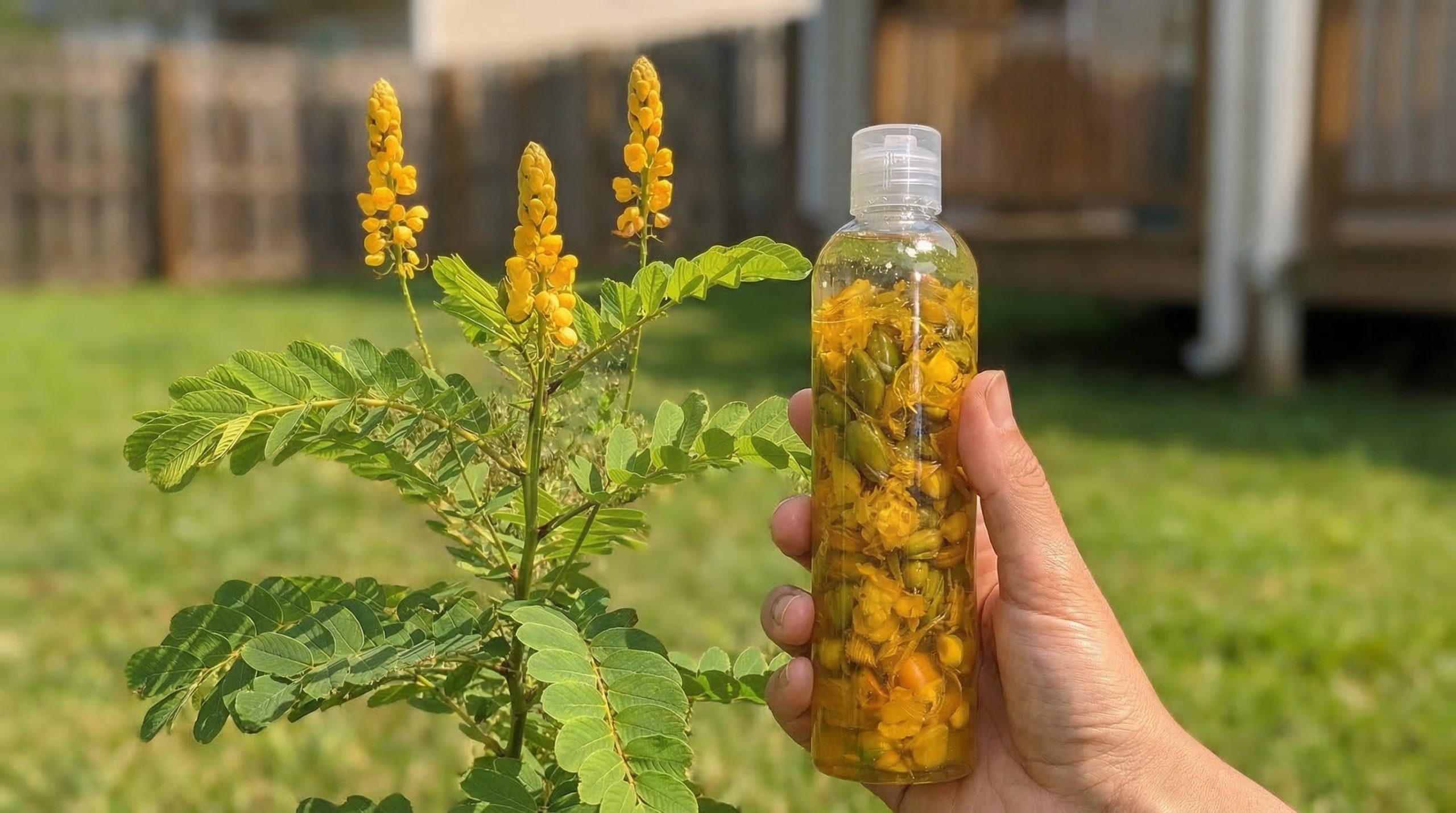
Senna alata, widely known as the Candle Bush, Ringworm Bush, or Empress Candle Plant, is a visually captivating tropical shrub Read more
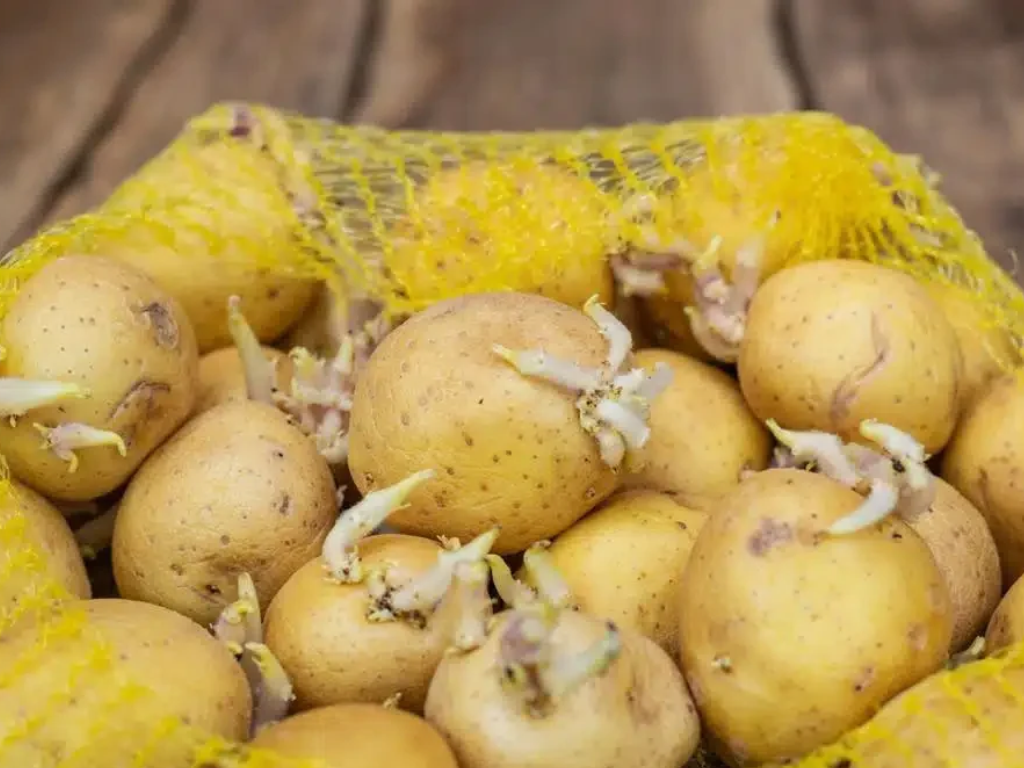
Three Little-Known Tips to Keep Your Potatoes in Perfect Condition Choosing the Right Location for Storage The way you store Read more
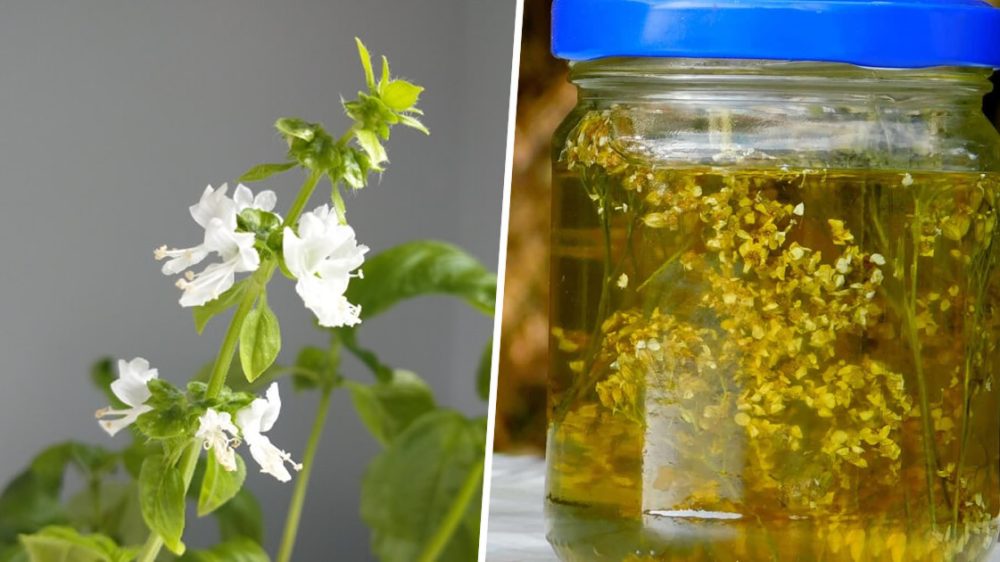
Basil, a cherished herb celebrated in culinary traditions around the globe, is best known for its fragrant leaves. Yet, its Read more
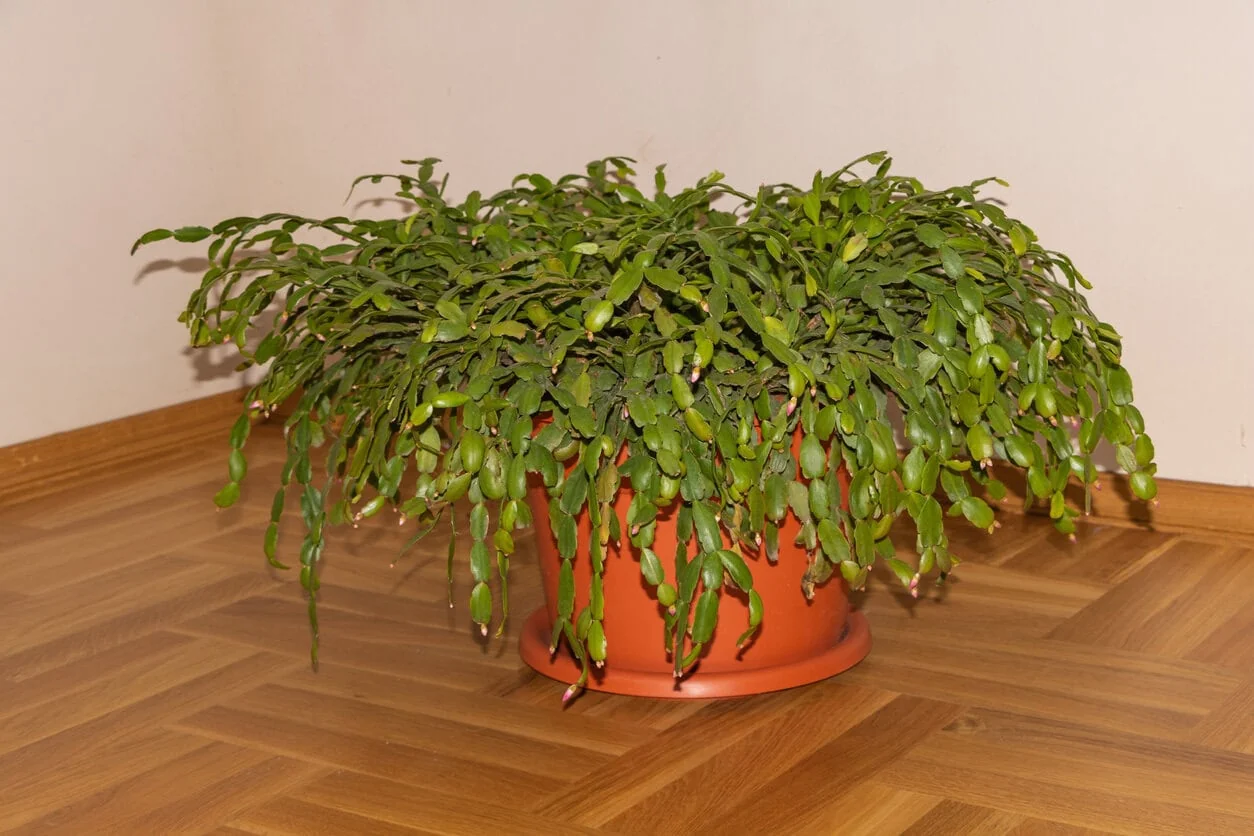
You have probably found yourself here because you are tired of seeing your Christmas cactus looking like the Ghost of Read more
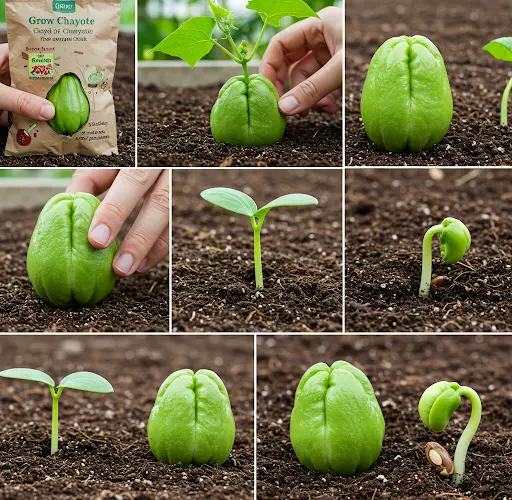
Growing Chayote from Supermarket Fruit: Abundant Harvests Made Easy If you've ever strolled through the produce aisle and spotted a Read more
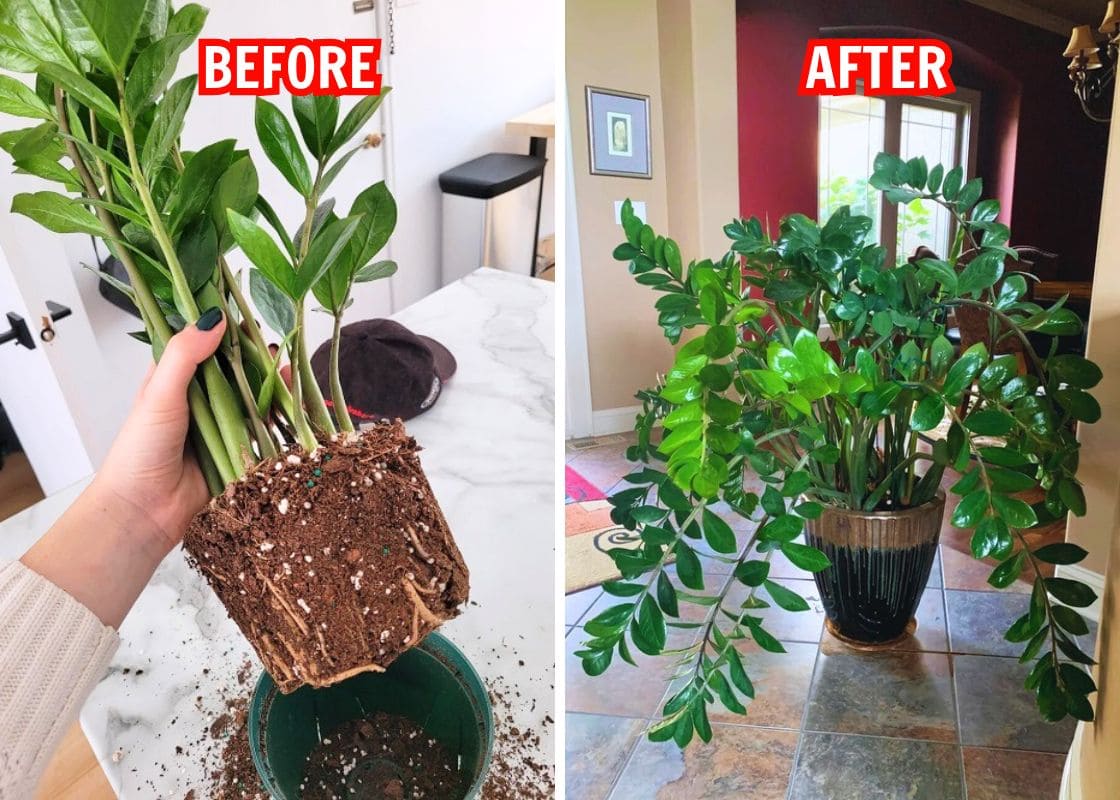
The ZZ plant (Zamioculcas zamiifolia) has earned its reputation as one of the most resilient houseplants available. It can endure Read more

Cultivating an Avocado Plant Indoors: A Step-by-Step Guide Nurturing an avocado seed into a blossoming plant within the confines of Read more
Easy Clove Growing: From Seed to Spice – A Beginner’s Guide Cloves are among the most treasured spices in the Read more
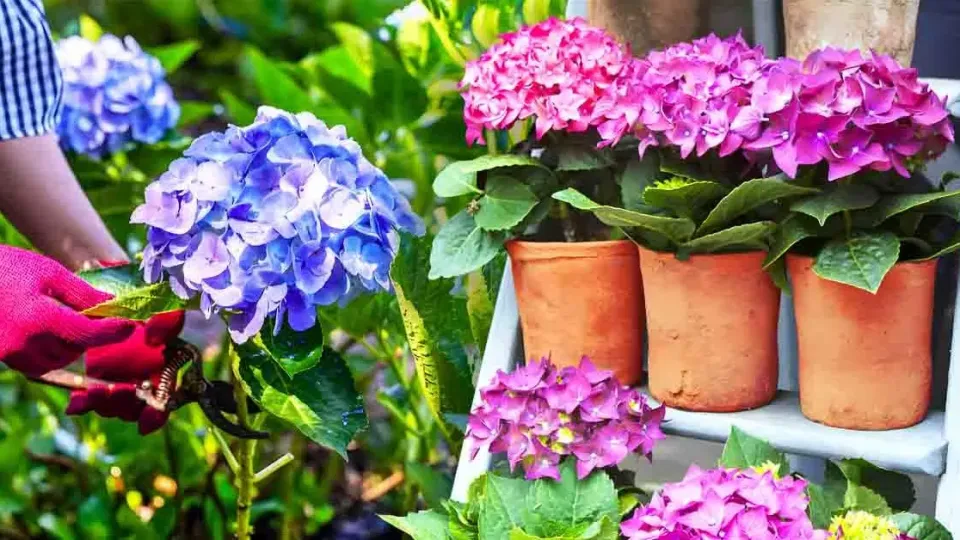
Hydrangeas, with their breathtaking blooms, stand out as one of the most enchanting deciduous flowering bushes. If you've wandered through Read more
