

Ticks’ Favorite Hiding Spots: Why Your Garden is Their Paradise

Ticks have a distinct preference for damp, shaded, and poorly maintained areas. If you believe that living in an urban setting shields you from them, think again: these parasites adapt well to city environments as well. Here are the places where they find refuge:
- Tall grasses left uncut
- Neglected gardens, especially those accumulating piles of wood or dead leaves
- Wooded parks, forests, and along trails
- Areas frequented by animals, both domestic and wild
As soon as a target is identified—whether it’s you, your dog, or your cat—the tick silently attaches and searches for a soft, hidden spot to settle: behind the ears, on the neck, under the armpits, or in the groin area. Their discretion is remarkable and dangerous.
How to Prevent Ticks at Home: A Natural Action Plan
Fortunately, many simple, nature-friendly steps can drastically reduce their intrusion. Here are the essentials you should implement without delay:
Maintain Your Garden Meticulously
Regularly mowed lawns, well-trimmed hedges, removal of dead leaves, and well-ventilated spaces act as effective barriers against ticks. Additionally, clear the vicinity around your house: avoid piles of wood or stones that serve as excellent hideouts for these parasites.
Choose Appropriate Clothing for Outdoor Activities
When walking in both managed parks or wild areas, opt for clothing that covers your skin fully: long pants, socks pulled over the pants’ cuffs, and long-sleeved shirts. Light-colored clothing is essential as it makes it easier to spot ticks quickly before they settle.
Effectively Protect Your Pets

Dogs and cats are often preferred targets for ticks, which enjoy nesting in their fur. After every walk, thoroughly brush your pets, paying extra attention to warm and hard-to-reach areas: behind the ears, between the paw pads, and under the legs. Several natural solutions exist, such as anti-parasitic collars or pipettes made from gentle and appropriately formulated essential oils.
Use Repellent Plants to Grow or Diffuse

Certain plants repel ticks naturally through their scents. Beyond beautifying your green spaces or balconies, they act as natural shields. Among the favorites are peppermint, rosemary, lavender, citronella, and tansy. You can also diffuse their essential oils, but only with care, never in the direct presence of children or animals without veterinary advice.
Prepare a Simple and Effective Homemade Natural Repellent
To create a natural repellent, mix in a spray bottle:
- 100 ml of apple cider vinegar
- 10 drops of lavender or lemon eucalyptus essential oil
- A little lukewarm water
Shake well before use and spray on your clothes, shoes, and around the entrances of your home. However, be very careful never to apply this mixture directly to the skin or on your pets without the advice of a health professional or veterinarian.
Finally, in case of a tick bite, remove it promptly with appropriate tweezers or a tick remover tool, avoiding any sudden moves or use of irritating substances. Carefully monitor the bitten area for several days: if you notice unusual redness or any abnormal symptoms, seek medical attention immediately.

Ever wish your home could keep that fresh, clean scent for more than a few hours? There’s a simple, natural Read more

Risks Associated with Using Boiling Water in Plumbing Premature Deterioration of Materials Frequently pouring boiling water down your sink can Read more
Garlic: An Ancient Remedy for Better Sleep Since ancient times, garlic has been recognized not only as an essential culinary Read more

Bathroom Mold: Causes and Solutions Ideal Environment for Mold Growth Bathroom surfaces are prime locations for mold growth. Moisture accumulates Read more
Cleavers (Galium aparine): The Herbal Remedy for Detox and Lymphatic Health Cleavers, also known as Galium aparine, is a humble Read more
Thyme is known by some as the “enemy of toxins,” and it has been part of stories since ancient Greece. Read more
Mulberry trees are best known for their luscious summer berries, but their leaves possess an even greater potential as a Read more
Ingenious Uses for Expired Cornstarch A Natural Cleaner for Windows and Surfaces Did you know that cornstarch can easily substitute Read more

That evening, as Thomas crossed the threshold of his expansive home, he never expected to experience a moment of tenderness Read more
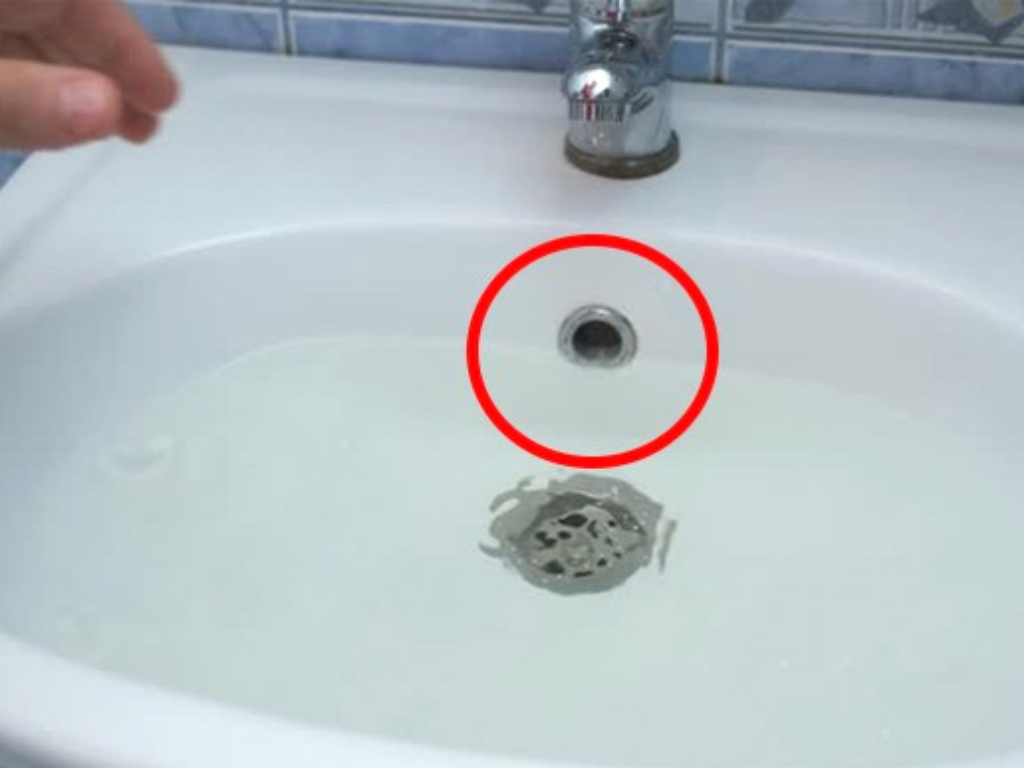
What Is the Purpose of the Overflow Hole in a Sink? The small, often overlooked hole located near the edge Read more

Goldenberries, also known as Physalis or Uchuva, are small, orange-yellow fruits enclosed in a delicate, papery husk. Originating from the Read more

How to Detect Hidden Cameras in a Hotel Room? Hidden cameras can be disguised within seemingly harmless objects, including hotel Read more

Horseweed (Erigeron canadensis): 20 Amazing Benefits and How to Use It Horseweed, also known as Erigeron canadensis or Canadian fleabane, Read more
Are Lilacs Edible? Health Benefits of the Beautiful Syringa Blossoms With their sweet fragrance and delicate clusters of flowers, lilacs Read more
Castor Leaves: A Natural Treasure to Rediscover Used for centuries in traditional medicines around the world, castor leaves are experiencing Read more
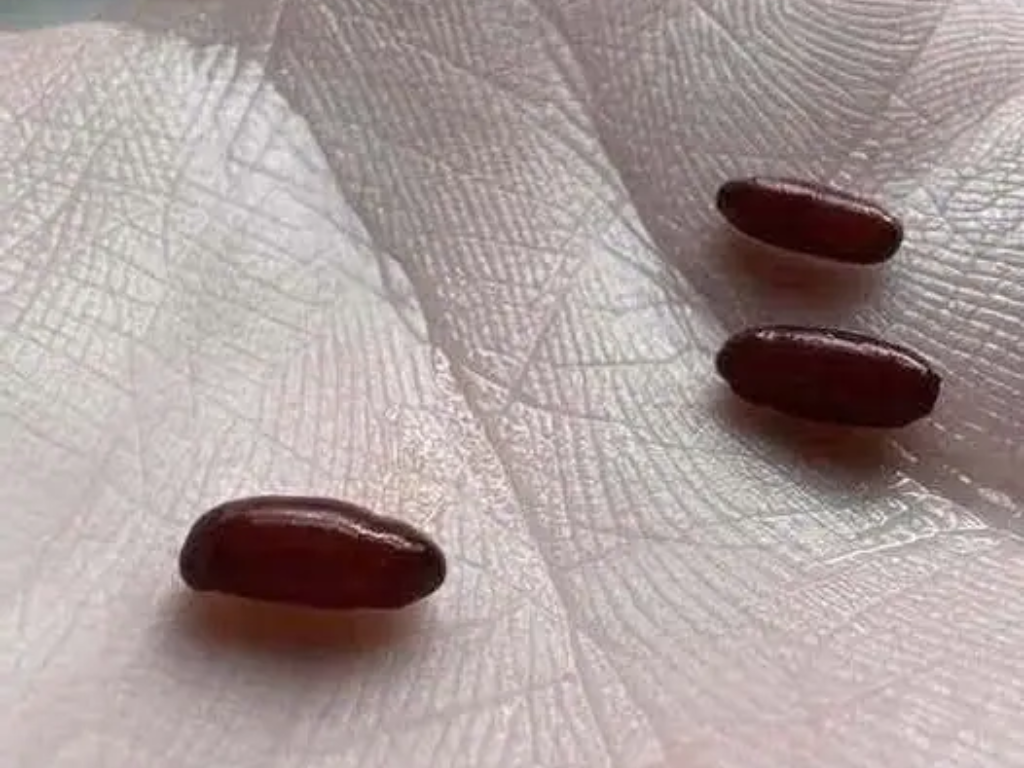
Diseases Transmitted by Ticks When we talk about ticks, Lyme disease immediately comes to mind, and for good reason. However, Read more

Perfumed Tissues: An Easy DIY Technique The Joy of Scented Tissues: Paper tissues are handy in daily life. While some Read more

Purslane (Verdolaga) is no longer a garden menace but a valuable gem! This remarkable plant is reclaiming its place in Read more
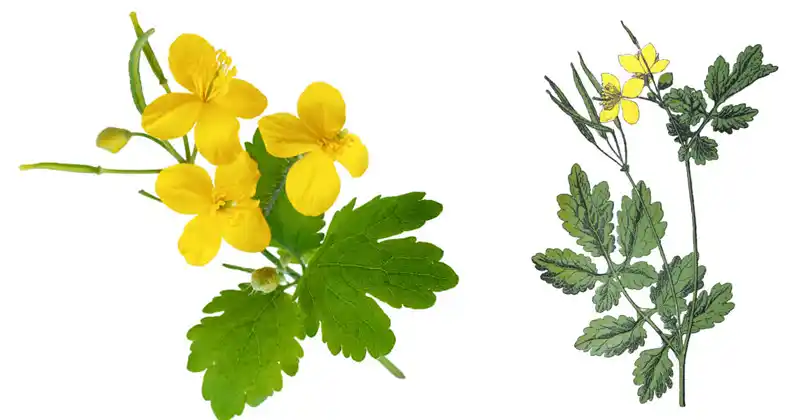
For centuries, Chelidonium majus, commonly known as Greater Celandine, has held a special place in traditional herbal medicine. Recognized by Read more

We experienced several miscarriages. Each time, it was a silent grief, almost invisible to the eyes of others. I learned Read more

Why is the Thickness Gauge Still Essential? The thickness gauge is far more than just an accessory; it proves to Read more

Why Is a Temperature of 40°C Not Enough to Effectively Eliminate Bacteria? Many people consider 40°C to be a balanced Read more

8 Surprising Benefits of Water Cloves You Probably Didn’t Know About Cloves are widely recognized for their warm, spicy aroma Read more

Have you ever encountered this unusual practice of sprinkling cinnamon powder in front of your front door? At first glance, Read more

The Loyal Friend: The Comfort of the First Choice We all have that steady and comforting person in our lives, Read more
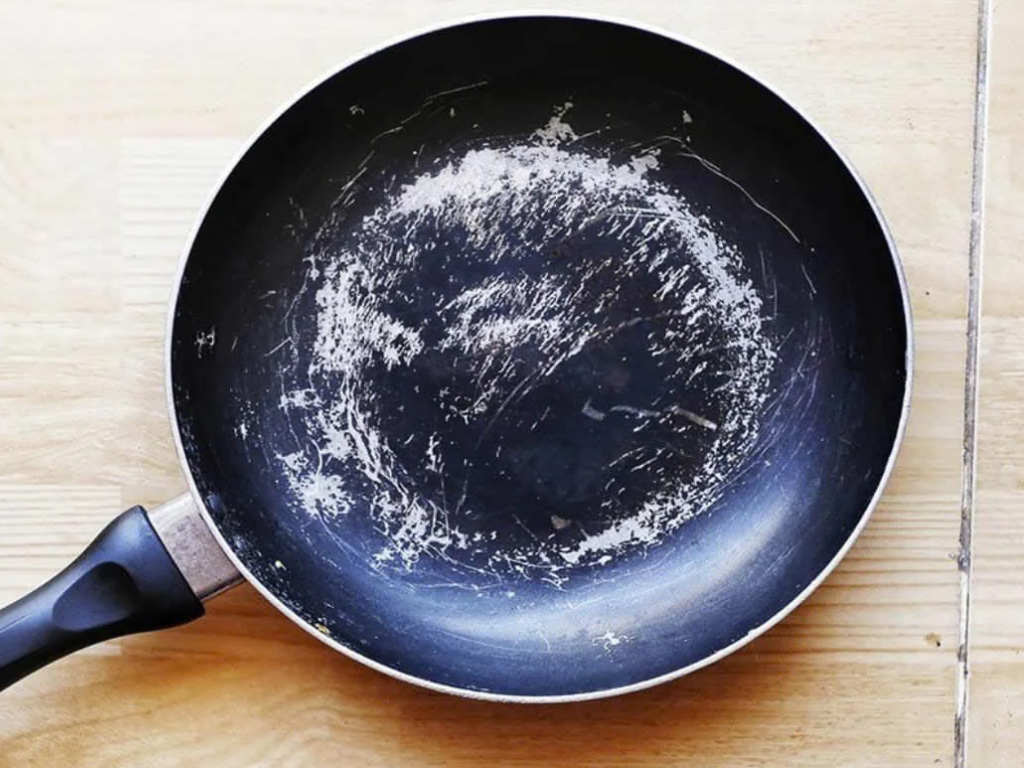
The Secret of Seasoning: An Essential Traditional Method What if the key to reviving a frying pan lay in an Read more
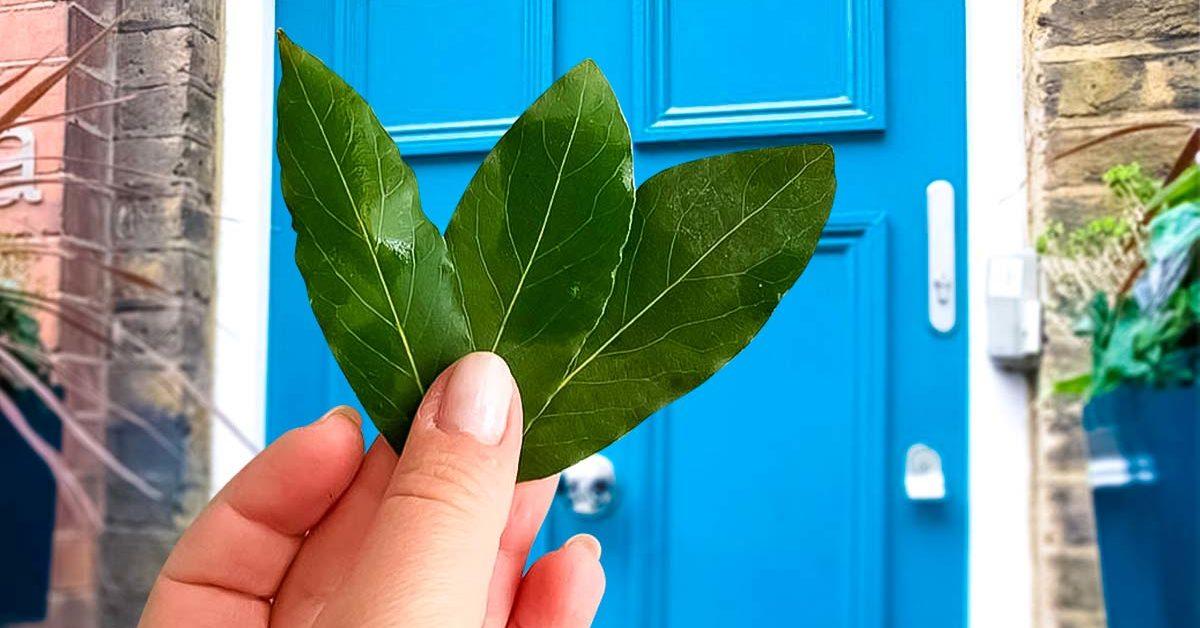
Bay leaves extend far beyond their mere role as a culinary seasoning or festive decoration. This ancient plant plays a Read more

One day, almost by chance, he pushed open the doors of an orphanage. It was there that he met Emma. Read more

Restore the Shine to Your Dull Leather Whether it’s worn-out shoes, tired leather bags, or a sofa that has lost Read more

Sida acuta, also known as “common wireweed,” is a hardy plant often found in fields and roadsides. While it may Read more

Sometimes, certain births resonate far beyond the boundaries of the family, capturing the attention of the wider public. This was Read more
The Ultimate Healing Tonic: A Powerful Natural Drink for Swollen Feet, Diabetes & Poor Circulation Chronic swelling in the feet, Read more

Most people discard avocado seeds without giving them a second thought, but this often-overlooked component of the fruit is actually Read more

A Puzzle Deceptive in Its Simplicity When mentioning "2 mothers," "2 daughters," "1 grandmother," and "1 granddaughter," the immediate image Read more

The ingenuity of Swedish furniture design, particularly evident in the flat-pack phenomenon, has transformed how we furnish our homes with Read more

When a Drawer Holds Much More Than Mere Odds and Ends Like many others, my initial reaction upon seeing these Read more

When Affection Triumphs Over Blood Ties Sharaine and Wilson Caraballo, warm-hearted parents of a large family with five children, opened Read more

Cleaning Grease Off Kitchen Wooden Cabinets: Effective Techniques Removing dirt and embedded grease stains from kitchen wooden cabinets isn't always Read more

Max, a True Fighter The dog advanced cautiously, drawn in by gentle words and a piece of bread offered kindly. Read more
Warning: The information provided in this article is solely for educational and informational purposes. It is based on traditional herbal Read more
