

Rice Water and Baking Soda: A Surprising Duo to Unclog Your Drains
Few people realize that the water used to cook rice, often discarded, holds genuine natural cleaning properties. When combined with baking soda, it becomes an effective solution to clear clogged kitchen sinks.
How to Apply This Method?
After rinsing or cooking your rice, save the milky, slightly thickened water.
Mix in 2 to 3 tablespoons of baking soda.
Pour this mixture directly into the clogged drain of your sink.
Allow it to sit for about an hour, then rinse with hot water.
Why Is This Trick Effective?
The starch contained in rice water helps dissolve greasy deposits, while the baking soda works by breaking down tougher, stubborn residue embedded in the pipes.
Greasy Drain? Choose a Combination of Detergent and White Vinegar

Clogs caused by fat buildup are common. Instead of forcing with a plunger, opt for a simple recipe made of detergent and white vinegar, which proves incredibly effective.
Step-by-Step Procedure:
Mix one tablespoon of liquid detergent (such as dish soap) with 200 ml of white vinegar.
Add three glasses of hot water to this mixture.
Pour the preparation slowly into the clogged drain.
Let it rest for one to two hours, then rinse thoroughly with hot water.
This combination efficiently breaks down greasy clogs while preserving the integrity of your plumbing.
The Essential Trio: Baking Soda, Salt, and White Vinegar

This traditional method remains a reliable choice to unclog your drains. The mixture of baking soda, salt, and vinegar produces a powerful chemical reaction that helps to loosen and eliminate blockages.
How to Use It:
- Combine 100 g of baking soda with 100 g of salt.
- Pour this mixture directly into the clogged drain.
- Then add 200 ml of white vinegar.
- Quickly seal the drain with a plug or a damp cloth to contain the foaming reaction.
- Allow it to work for one to two hours, then flush with hot water.
Explanation: The reaction between the vinegar and baking soda creates abundant foam that acts as a dissolving agent on deposits lodged inside the pipes.
Wire: A Simple and Handy Tool Against Solid Residues
If clogs are caused by solid debris like hair or food leftovers, a stiff wire can be remarkably effective in clearing your drain.
Make Your Own Tool:
Take a stiff wire or a metal coat hanger.
Straighten it out and bend one end into a hook shape.
Carefully insert this wire into the clogged drain.
Gently twist it to snag the debris.
Remove the debris and then rinse with hot water.
Practical Tip: This purely mechanical method is perfect for removing hair or food fragments stuck in traps without the need for harsh chemicals.
Preventing Clogs: Adopt Good Habits

To avoid frequently having to unclog your sink, here are some simple habits to include in your daily routine:
- Filter Debris: Place a strainer or mesh in your sink to catch food scraps before they enter the pipes and cause clogs.
- Avoid Pouring Grease: Never pour cooking oils or fats down the drain, as they harden and accumulate inside the plumbing.
- Regular Maintenance: Run boiling water through your pipes at least once a week to dissolve fat deposits as they form.
- Retrieve Dropped Items Quickly: Use a metal hook to retrieve jewelry, stoppers, or small objects accidentally dropped into the sink.
Simple and Effective Natural Solutions
Thanks to these eco-friendly and cost-effective tips, you can unclog your sinks quickly without resorting to harsh or expensive chemical products. By adopting these good practices, your plumbing will stay clean and unpleasant odors will be kept far from your home.
So, equip yourself with these simple tools: your pipes will thank you!

November is a time when expenses quickly pile up, caught between Black Friday deals and the first Christmas purchases. It Read more

Many families choose to place their washing machine in the bathroom to take advantage of the floor drain. However, it Read more

When a Drawer Holds Much More Than Mere Odds and Ends Like many others, my initial reaction upon seeing these Read more

How can a simple homemade mixture really help make your teeth whiter? Here is the secret that has already captivated Read more

Red Clover: 15 Amazing Benefits and How to Use This Healing Herb Red clover (Trifolium pratense) is more than just Read more
Imagine a remedy so simple that you likely already have it in your home. A homemade mixture capable of enhancing Read more
Bay leaves extend far beyond their mere role as a culinary seasoning or festive decoration. This ancient plant plays a Read more

10 Secrets You Need to Know Before Eating Okra Okra, also known as “lady’s finger,” is a green, pod-shaped vegetable Read more

A Fully Integrated Member of Its Tribe Social relationships hold a significant place in the life of a cat. When Read more

A Quiet and Efficient Predator in Your Home The domestic house centipede (Scutigera coleoptrata) is often regarded as a frightening Read more

Using a power strip to plug in multiple devices is convenient, practical, and budget-friendly. However, this widespread practice carries significant Read more

Cultivating veggies and herbs indoors is more than just a productive task; it's a delightful and aesthetic journey. The magic Read more

Cassava: An Essential Plant at the Heart of a Deadly Paradox Whether in the form of flour, tapioca pearls, or Read more

These tiny parasites can send shivers down your spine just by mentioning them. Whether on your skin or that of Read more

Salt: An Overlooked Treasure in the Home Since ancient times, salt was so valuable that it was even used as Read more

The Daisy: An Expression of Joyful Living and Authenticity If you find yourself especially captivated by the daisy, it is Read more

Shepherd’s Purse (Capsella bursa-pastoris): A Medicinal Herb with Powerful Benefits Shepherd’s Purse, known botanically as Capsella bursa-pastoris, is a small, Read more

The castor plant (Ricinus communis) is widely known for its seeds, which are the source of castor oil. However, its Read more

A Morning Filled with Strangeness That morning, the countryside was still wrapped in calm and tranquility. As she followed the Read more

Two Years in the Freezer: Is It Really Too Late? It is common to assume that a long storage date Read more

Restore the Shine to Your Dull Leather Whether it’s worn-out shoes, tired leather bags, or a sofa that has lost Read more

The Art of Container Flower Combinations Designing with flowers in pots is a delightful blend of horticulture and floral design. Read more

A Walk That Sometimes Holds Unexpected Surprises After a walk, it is common to find our dog with muddy paws, Read more
Often, due to poor ventilation or certain climatic conditions, dreaded mold can develop on the walls of our homes. In Read more

A True Nutritional Treasure in Every Bite Beef tongue stands out primarily for its remarkable nutritional richness. It is an Read more

Pigweed, also known as amaranth, is a leafy green plant that has been cherished in various cultures for its nutrient-rich Read more
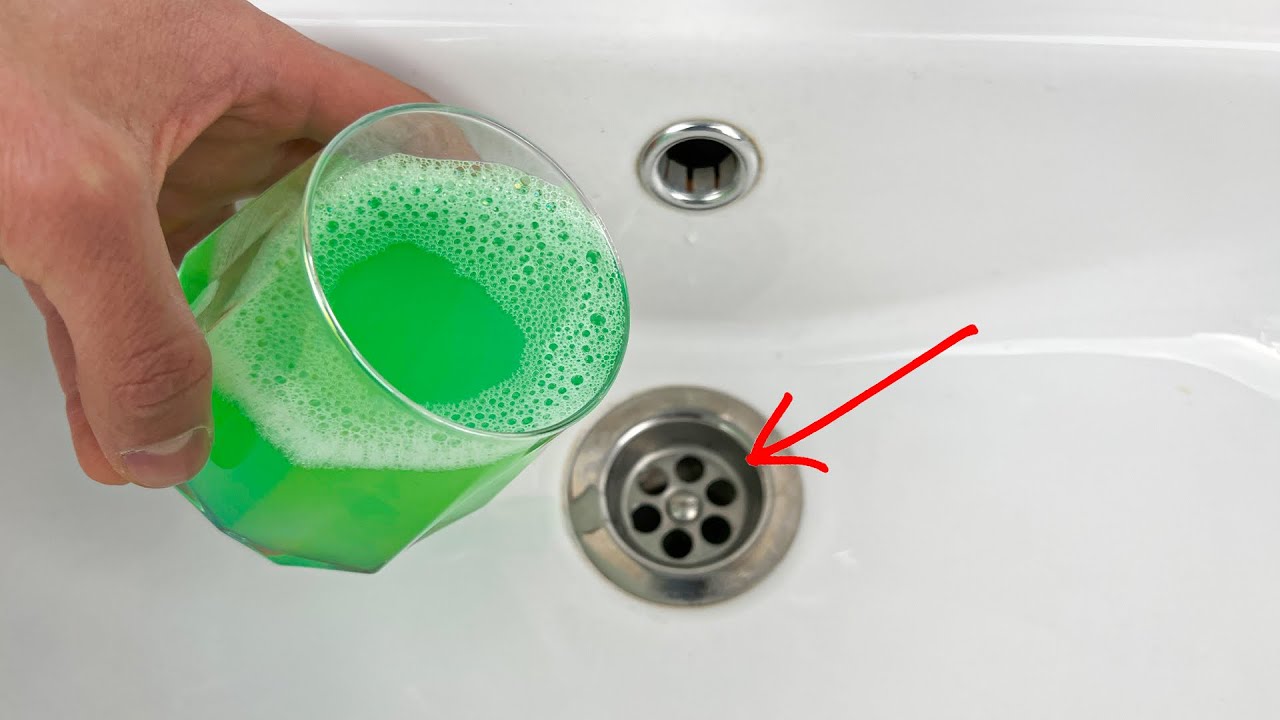
If your sink, bathtub, or shower is draining slowly and you don't have access to a commercial drain opener, you Read more

Transforming Garlic Peels into Gold for Gardeners: In the rhythm of kitchen prep, garlic peels are often discarded without a Read more

Tomatoes, a staple in kitchens worldwide, are loved for their versatility and rich flavor. However, their perishable nature often leads Read more

The Loyal Friend: The Comfort of the First Choice We all have that steady and comforting person in our lives, Read more
Thyme is known by some as the “enemy of toxins,” and it has been part of stories since ancient Greece. Read more

Why is the Thickness Gauge Still Essential? The thickness gauge is far more than just an accessory; it proves to Read more

Are Lilacs Edible? Health Benefits of the Beautiful Syringa Blossoms With their sweet fragrance and delicate clusters of flowers, lilacs Read more
A True Natural Concentrate of Vitality Orange peel is naturally packed with beneficial components widely recognized for their role in Read more

Timeless Elegance That Transcends Generations Choosing black often reflects a profound pursuit of refinement and sophistication. This color goes beyond Read more
It might sound unusual, but an increasing number of homeowners have tried placing aluminum foil inside their toilet tanks. This Read more

The Spool of Thread: A Silent Relic of a Bygone Era Let us take a moment to journey back to Read more

Horseweed (Erigeron canadensis): 20 Amazing Benefits and How to Use It Horseweed, also known as Erigeron canadensis or Canadian fleabane, Read more

The Dog’s Nose: An Organ of Exceptional Sensitivity While humans explore the world primarily through vision, dogs scrutinize it mainly Read more

These Little Creatures You Would Rather Not Find in Your Pantry In our French kitchens, certain insects have a troublesome Read more
