
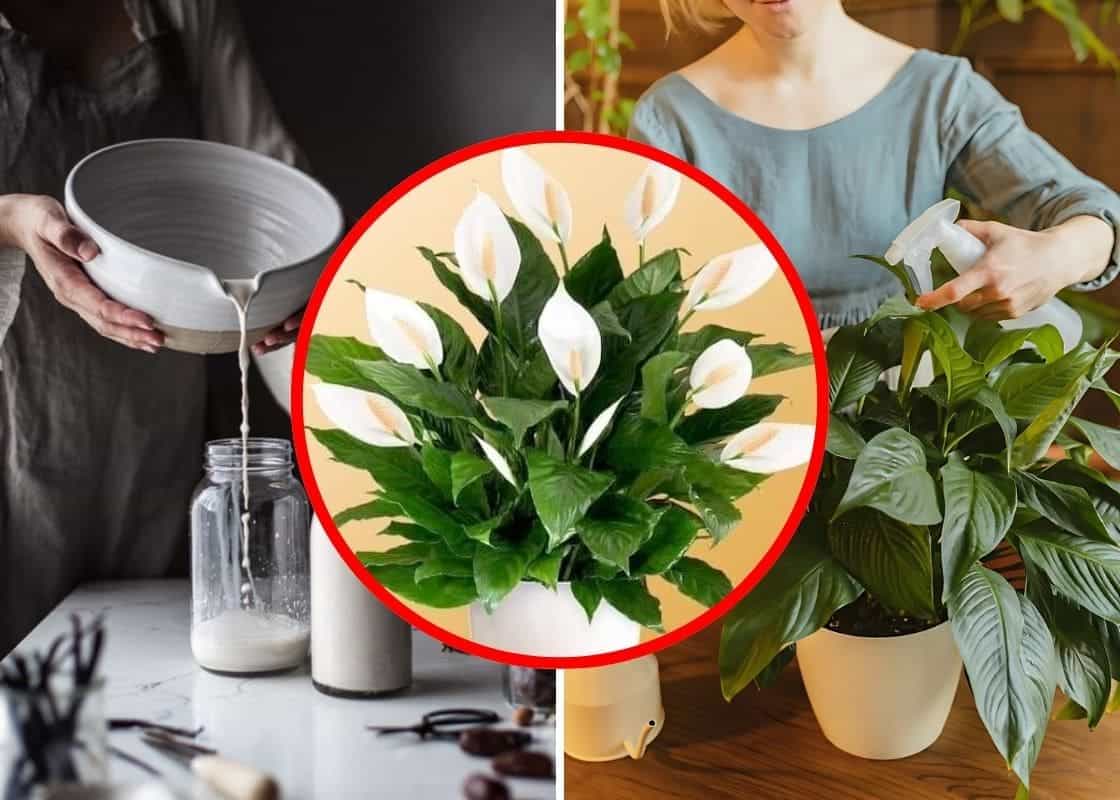
Peace lilies (Spathiphyllum) rank among the most cherished indoor plants, and it’s easy to understand why. Their shiny, deep green leaves paired with elegant white flowers can instantly uplift and beautify any interior space. Beyond their visual appeal, peace lilies are also renowned for their ability to enhance indoor air quality by filtering out common pollutants found in household environments.
If you find your peace lily looking lackluster or stubbornly refusing to bloom, don’t despair. By applying some lesser-known care techniques, you can transform your plant into a thriving, vibrant specimen that blooms regularly. Below, I share the most effective strategies I’ve gathered over the years to keep peace lilies robust and flourishing continuously.
The Secret Weapon: Milk Fertilizer
Using milk as a fertilizer might sound unconventional, yet it is rich in calcium, phosphorus, and essential vitamins that promote strong root development, vigorous healthy foliage, and abundant flowering. Calcium strengthens the root structure, phosphorus stimulates the blooming process, and the vitamins contribute to lush, green leaves.
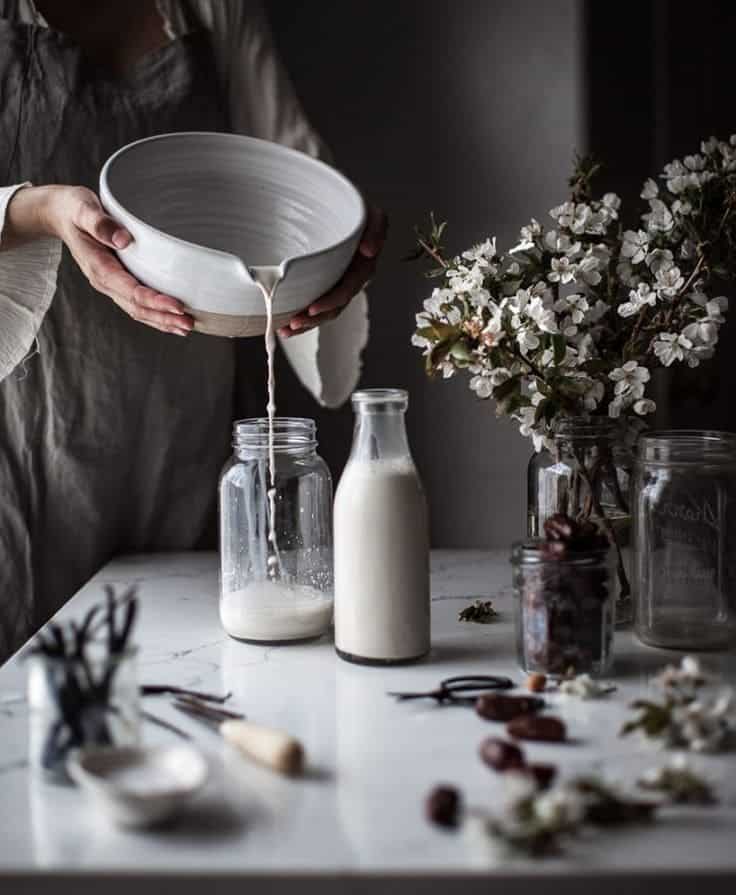
To implement this technique, combine equal parts of whole milk and water and pour the mixture directly onto the soil once per month. It is crucial to use milk in moderation because excessive amounts can cause unpleasant odors in the soil. When applied properly, this simple trick can significantly enhance your peace lily’s overall health and vigor.
Optimal Light: Bright, Indirect Illumination
While peace lilies tolerate low light conditions, they truly thrive when placed in bright, indirect light. Insufficient light often results in weak, spindly growth and a noticeable lack of blooms, whereas direct sunlight risks scorching and damaging the leaves.
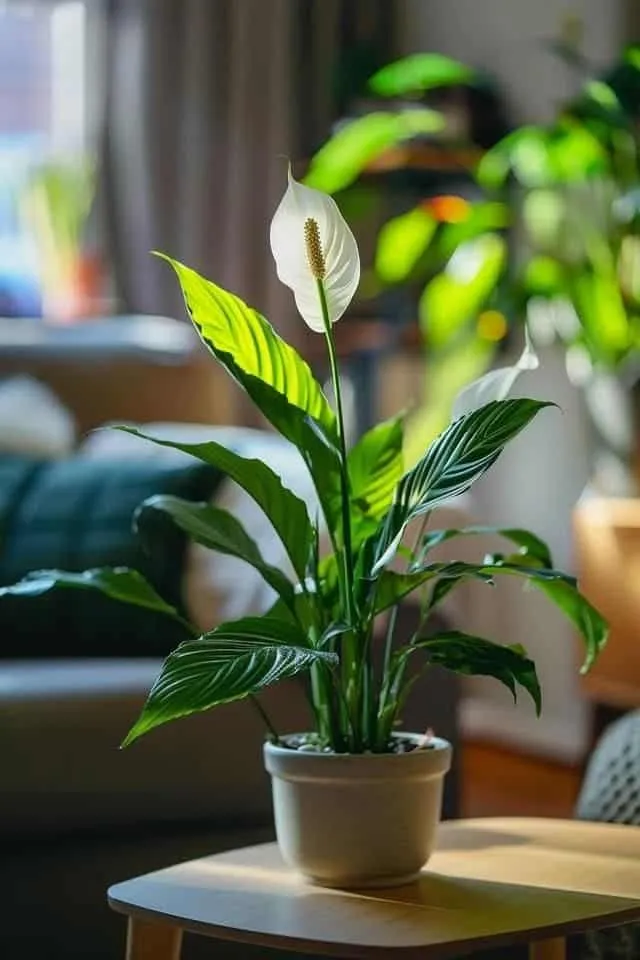
The ideal location is near a north- or east-facing window where the plant receives ample, filtered sunlight. If natural light is inadequate, especially during winter months with shorter daylight hours, using an LED grow light can substitute effectively by providing the necessary light intensity.
Moisture Maintenance: Water and Humidity
Originating from tropical rainforests, peace lilies favor consistently moist soil and higher humidity levels. Water your plant when the top inch of soil begins to feel dry to the touch, but always make sure to empty any excess water from the saucer beneath the pot to avoid root rot caused by standing water.
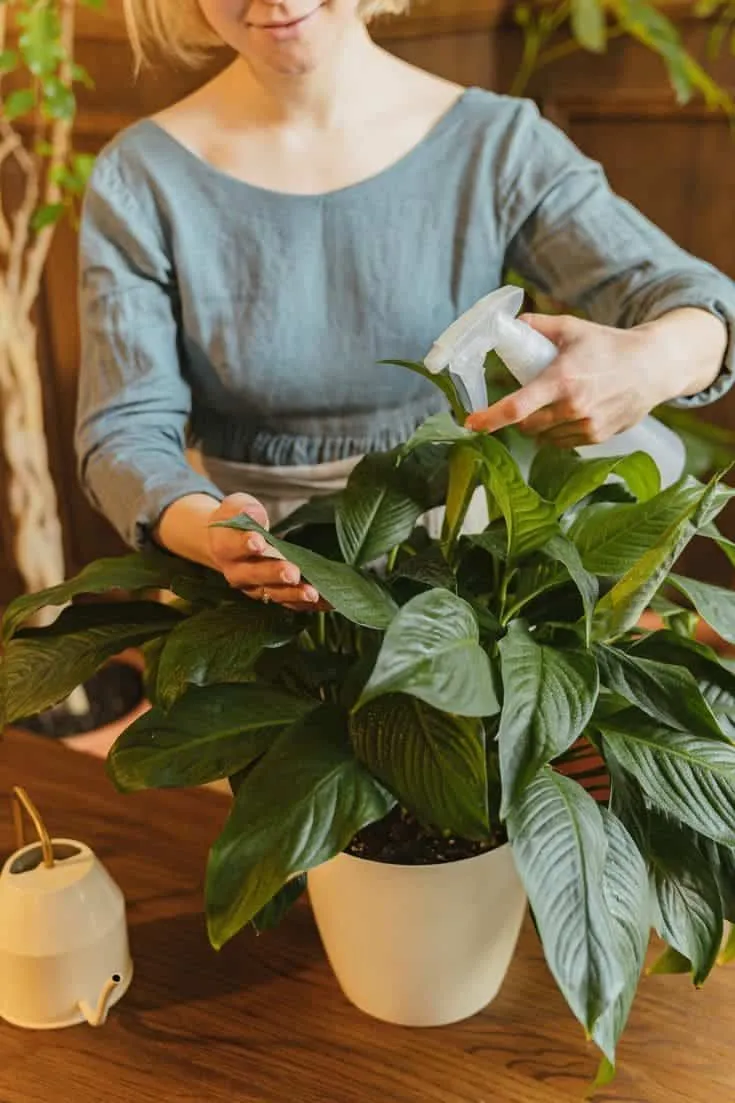
Regular misting mimics the plant’s natural humid surroundings, which becomes particularly beneficial during dry seasons or when indoor heating systems reduce ambient humidity. This simple yet effective habit keeps the leaves hydrated, fresh, and prevents unsightly browning around their edges.
Repot When the Plant Becomes Root-Bound
Peace lilies exhibit rapid root growth and require ample space for their roots to expand healthily. To maintain consistent growth and encourage flowering, repot your peace lily every one to two years or whenever you notice roots emerging from the drainage holes.
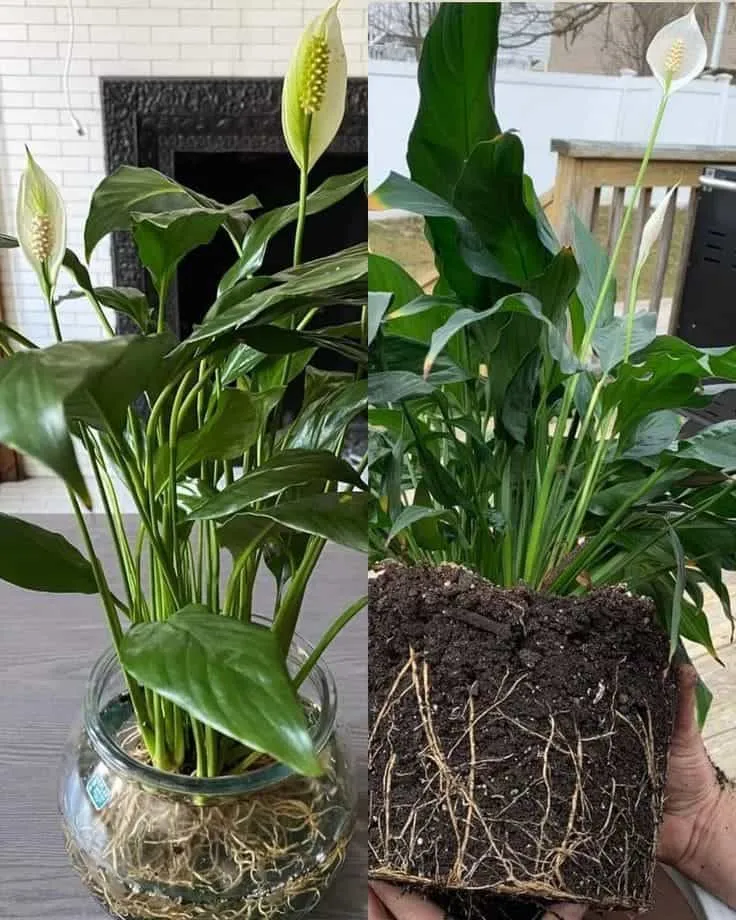
When repotting, select a pot that is one size larger and use a well-draining potting mix blended with perlite to optimize aeration and moisture retention. Gently loosen the root ball and prune any damaged or rotten roots. After repotting, water thoroughly and place the plant in a shaded spot for several days to help it acclimate and reduce transplant shock.
Pruning for Health and Appearance
It is natural for leaves to yellow or brown over time. Removing these damaged leaves allows the plant to channel its energy toward producing new, healthy growth and maintaining an attractive appearance.
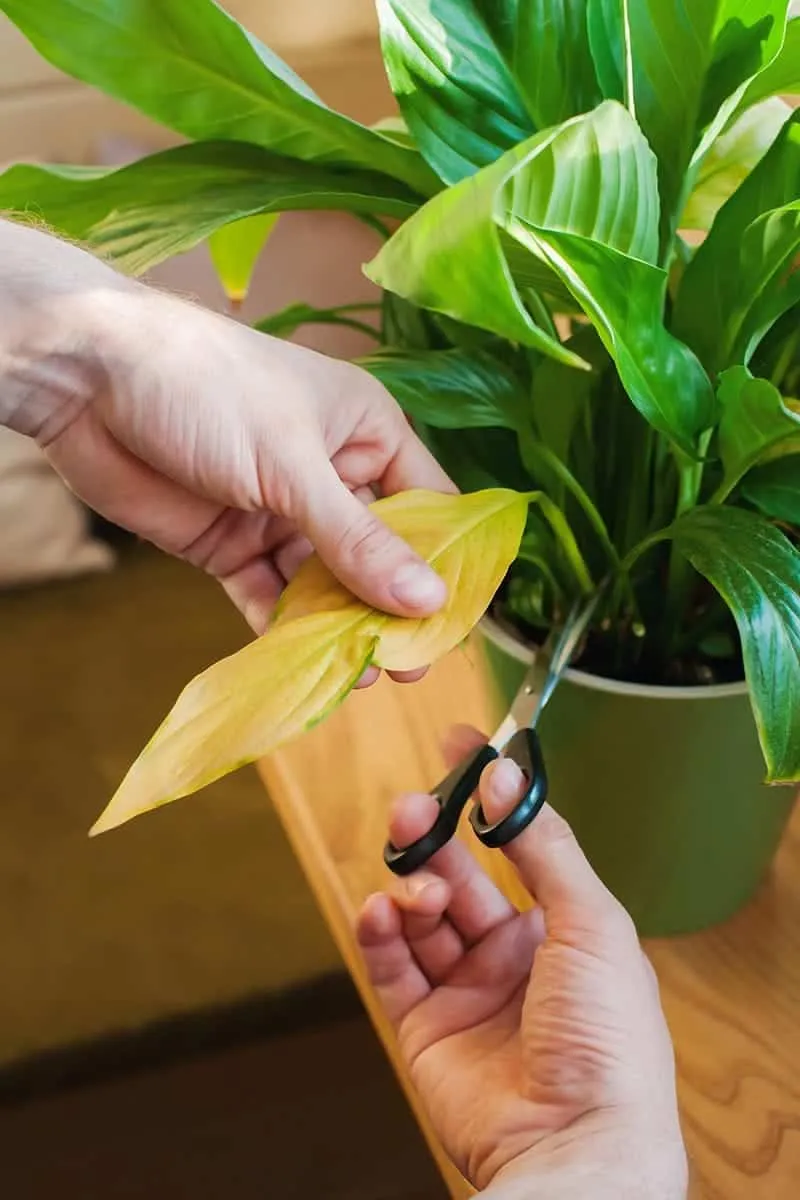
Always use clean, sharp scissors or pruning shears to cut the affected foliage at the base. The best time to prune is during spring or early summer, when the peace lily is actively growing and can quickly replace lost leaves.
Extra Tips for Long-Term Success
In addition to milk fertilizer, supplement your peace lily with a balanced liquid fertilizer throughout the growing season to ensure it receives all essential nutrients. Regularly clean the leaves by gently wiping away dust with a soft cloth to keep the foliage healthy and capable of maximum photosynthesis. Maintain a stable indoor temperature between 65 and 80 degrees Fahrenheit, and protect your plant from cold drafts and direct heat sources such as radiators or vents.
Common Problems and Simple Fixes
Leaves that droop typically signal watering problems. Check the soil moisture level and adjust your watering schedule accordingly to avoid over- or underwatering. Brown tips on leaves are often caused by low humidity or the presence of chemicals commonly found in tap water. Using distilled or filtered water and increasing the humidity around your plant can quickly alleviate these symptoms and return your peace lily to health.
With consistent, attentive care and a few thoughtful techniques, your peace lily can reward you year after year with lush, vibrant foliage and stunning white blooms that brighten your home.

The Importance and Care of House Plants House plants not only serve as a significant decorative element but also play Read more

Understanding Fertilizers for Plants Fertilizer is a product that can be spread or mixed into the soil to provide plants Read more

Introducing 15 Health-Enhancing Indoor Plants for a Vibrant Home Oasis Embrace a selection of indoor plants that bring more than Read more

Insect-Repelling Greenery: Your Natural Home Defense Transform your home into a sanctuary free from the annoyance of insects such as Read more

The Curious Case of Tomato Slices: A Journey from Kitchen Scrap to Sprout As someone always game for a gardening Read more

If you don't often get the chance to rejuvenate in the midst of nature, there's an alternative: introducing plants to Read more

Transforming Garlic Peels into Gold for Gardeners: In the rhythm of kitchen prep, garlic peels are often discarded without a Read more

Gardening: The Harmony of Craft and Nature Gardening brings out a dance between human creativity and the wonders of nature. Read more
Orchids, with over 28,000 unique species, provide a fascinating insight into the immense diversity found in nature. Originating from the Read more

Excessive moisture within a house can arise due to capillary action, infiltration, or the phenomenon of condensation. The latter is Read more
Growing Chayote from Supermarket Fruit: Abundant Harvests Made Easy If you've ever strolled through the produce aisle and spotted a Read more

For gardening enthusiasts, it's a known fact that many plants thrive in humid and warm climates conducive to their growth. Read more
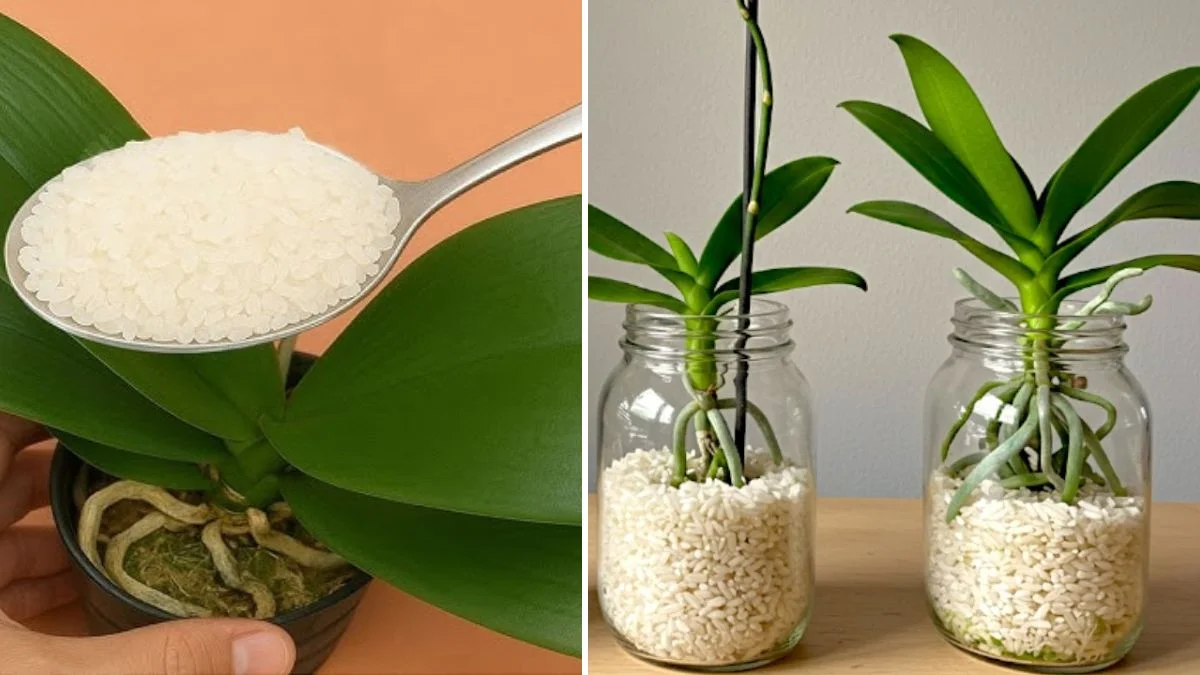
Orchids are among the most cherished ornamental plants worldwide, admired for their exotic flowers, graceful forms, and blooms that last Read more

Neem oil is a completely natural product, derived from a plant native to India. It contains azadirachtin, a potent compound Read more
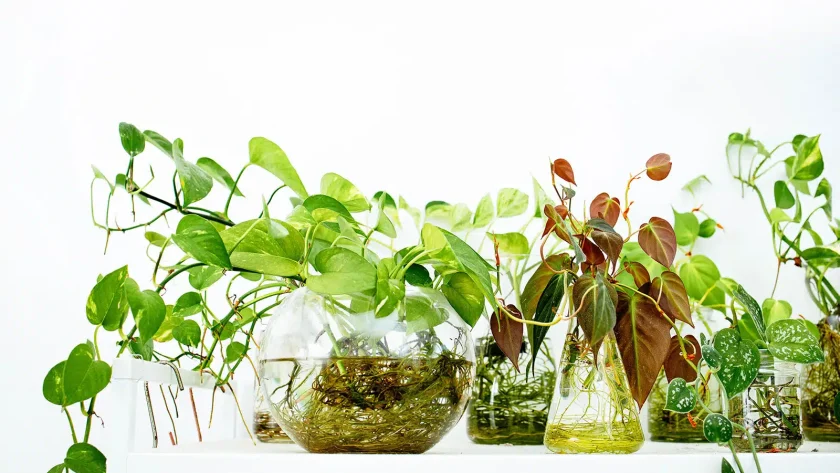
Searching for a distinctive method to incorporate some foliage into your home or workplace? Try cultivating plants hydroponically! Not only Read more
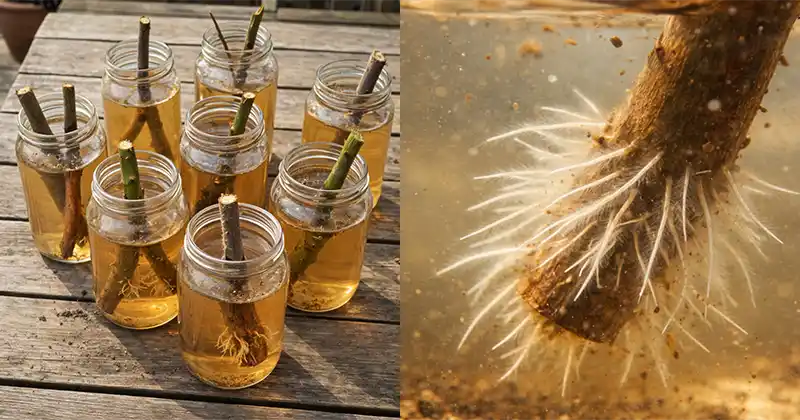
Growing new plants from root cuttings is like discovering a true shortcut in gardening. A single healthy parent plant can Read more
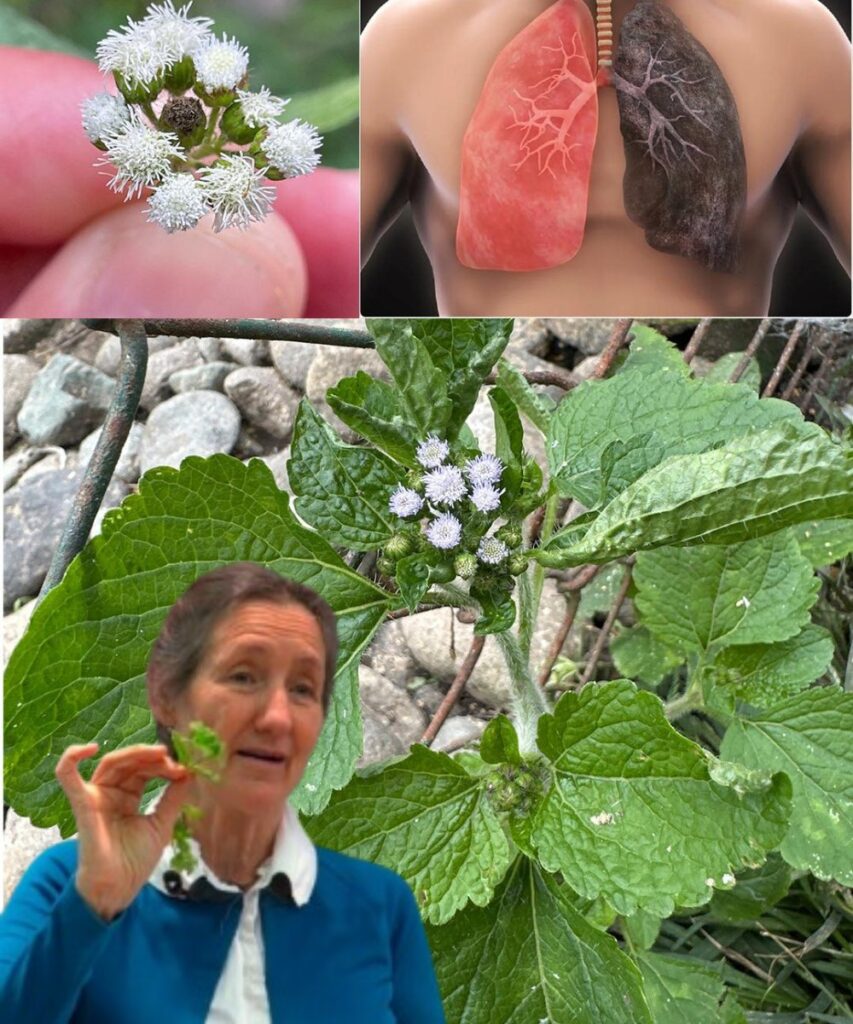
The Incredible Healing Power of Billygoat Weed (Ageratum conyzoides): 15 Health Benefits You Should Know About Billygoat weed, also known Read more
Ginger, renowned for its distinct flavor and numerous health advantages, is a fundamental ingredient in many culinary traditions around the Read more

Cultivating an Avocado Plant Indoors: A Step-by-Step Guide Nurturing an avocado seed into a blossoming plant within the confines of Read more

Cultivating Zucchini in Containers: A Comprehensive Guide Zucchini is a popular vegetable for gardening aficionados and novices alike. It's simple Read more
Self-Seeding Flowers: Effortless Beauty That Returns Every Year When I first fell in love with gardening, my mother came to Read more
Do you have indoor plants? They have a unique ability to infuse life and color into any environment, whether it’s Read more
Safety and Medical Disclaimer: The information provided in this article is intended solely for educational and informational purposes. We disclaim Read more

Using White Vinegar for Garden Maintenance Gardening is never an easy task. Planting, weeding, and watering plants and flowers require Read more
Nature provides us with countless remedies in the form of wild medicinal plants, surrounding us everywhere we go. These healing Read more

How to Reuse Barbecue Ashes After enjoying a barbecue outdoors on a sunny day, the tendency is often to discard Read more

Orchids, celebrated for their intricate beauty and variety, need particular attention for optimal growth. In the realm of orchid care, Read more
Unlocking the Mystery of the Festive Cactus The festive cactuses often baffle indoor gardeners. There's a lingering myth that these Read more

As sustainability and eco-consciousness continue to rise in importance in our daily lives, discovering alternative methods to fertilize our gardens Read more

Lavender, a charming addition to any garden, is known for its enchanting aroma and vibrant purple hues. This plant comes Read more

Bananas are a delightful treat, but their peels can be a garden's treasure. Rather than discarding banana peels into compost, Read more
The ancient custom of drinking tea has been cherished by cultures around the world for centuries. Yet, surprisingly few people Read more

Orchids are renowned for their stunning blooms and are a favorite among indoor plant enthusiasts. However, getting these temperamental beauties Read more

Different perspectives exist on various aspects of nature, and this holds true for the dandelion, often dismissed as a mere Read more

Mastering Chilli Cultivation in Diverse Climates: A Detailed Guide It may seem unlikely, but growing chillies across different climates is Read more

Orchids, with their array of species and hybrids exceeding 25,000, stand as a testament to botanical beauty. Cultivators and hobbyists Read more

Growing avocados can be a gratifying experience, especially when you cultivate them right in your backyard. While starting avocados from Read more

Orchids, with a staggering 28,000 unique species, beautifully demonstrate nature's rich tapestry of diversity. Originating from the Orchidaceae lineage, these Read more

Turmeric is a staple ingredient in Asian cuisine. This vibrant yellow spice, often used to flavor curries and stews, is Read more
Orchids, celebrated for their exotic beauty and remarkable variety, require tailored care to flourish. While most growers rely on commercial Read more
