
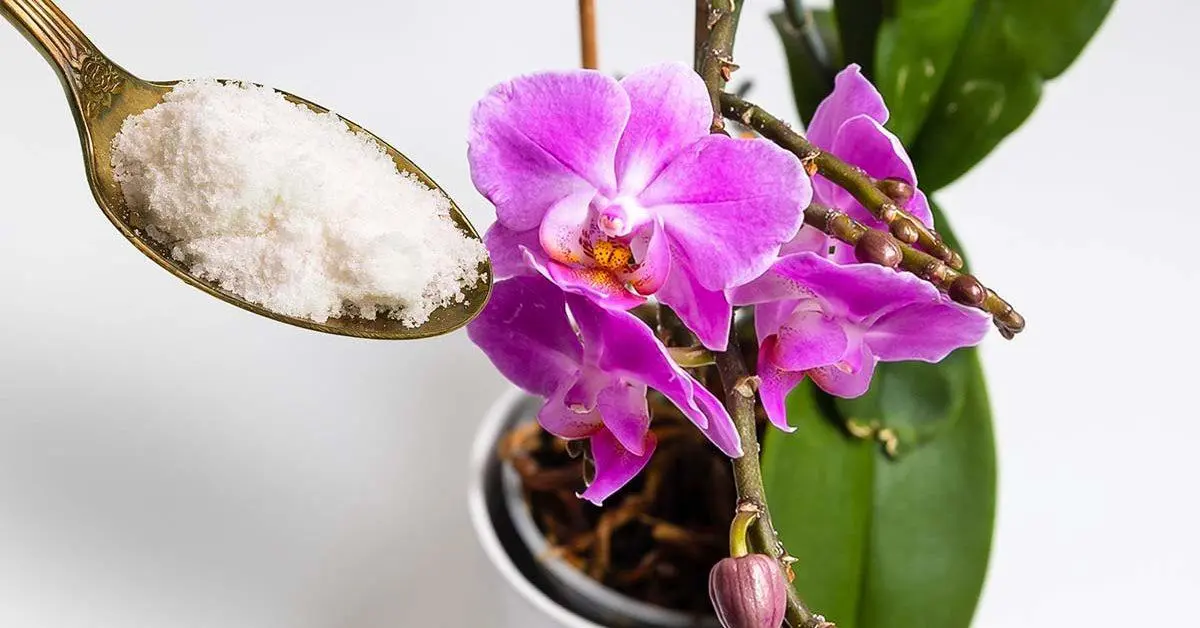
Do you have indoor plants? They have a unique ability to infuse life and color into any environment, whether it’s your home or office. Orchids, in particular, stand out as one of the most elegant plants commonly found in apartments. Their delicate, graceful flowers have the power to brighten up any corner. However, they can be vulnerable under specific conditions or when faced with certain pests. It’s truly disheartening to watch our beloved plant companions wilt and lose their radiant glow. Fortunately, with the right care techniques, you can provide them with the nourishment and protection they need to not only survive but thrive. Do you have orchids that appear sad, wilted, or have stopped blooming? Let’s explore together how to rejuvenate your precious plants and restore their vitality.
Caring for your indoor plants can be an immensely rewarding and calming experience. It offers a wonderful way to connect with nature without leaving your home. Knowing the proper care methods tailored to your specific plant’s needs is essential for extending their life, especially when they are feeling unwell. If your orchid seems wilted, rest assured it is entirely possible to nurse it back to health and encourage it to bloom once more, breathing new life into it. Continue reading to discover effective care strategies.
How to Revive a Wilted Orchid or One Losing Its Flowers?
Are your orchids looking tired or unwell, making you wonder if it’s time to toss them out? Our advice is: don’t give up on them too quickly. Before considering replacement, invest some time in providing the required care. With proper attention, you can enjoy their company for many years. But how exactly do you go about this? Which ingredients or techniques work best? Here’s a highly effective natural remedy centered around garlic powder.

Garlic: A Natural Fertilizer to Encourage Healthy Orchid Blooming
Several issues can cause indoor plants to wilt, with improper watering and pest infestations being some of the most common. If you are searching for a natural and efficient way to revive your wilted orchids and encourage them to bloom again, the answer might be found right in your kitchen cupboard: garlic. This well-loved culinary ingredient contains numerous nutrients that are highly beneficial for plants. Did you know? Garlic is packed with important vitamins and minerals such as vitamin C, vitamin B6, calcium, potassium, sodium, and magnesium. These elements are essential for stimulating orchid flowering and enhancing overall plant growth. Additionally, garlic’s antioxidant and antibacterial properties make it excellent for repelling harmful insects and encouraging the growth of beneficial microorganisms that support plant health.
How to Use Garlic Powder to Bring a Wilted Orchid Back to Life?
This entirely natural, non-chemical method will help your orchids grow robust and healthy, even in challenging weather conditions like heavy rainfall or cooler temperatures. To prepare this revitalizing fertilizer, follow these simple steps:
- Boil one cup of water;
- Allow it to cool to room temperature, then stir in one teaspoon of garlic powder;
- After a few minutes, strain the mixture and dilute it by adding approximately one liter of water;
- Water your orchid with this solution twice weekly.
You can also choose from two alternative approaches: the first involves sprinkling a teaspoon of garlic powder directly onto the soil surface in the pots approximately every two weeks. The second method is to gently rub the leaves of your orchids with a cotton swab soaked in garlic extract. In any case, adopting a preventative treatment approach is best to protect against pests and foster beautiful, vigorous orchid growth.

How to Maintain and Encourage Orchid Flowering?
Although orchids look fragile and delicate, caring for indoor orchids is straightforward as long as you follow the right guidelines from the moment you start cultivating them.
Helpful Tips for Growing and Maintaining Healthy Orchids
- The Proper Growing Medium: To successfully cultivate orchids, it is vital to use the appropriate growing medium. Typically, a mix of coarse perlite, fir bark, and sphagnum moss offers ideal conditions.
- Lighting: Make sure your orchids receive ample light, but avoid exposing them to direct sunlight. Orchids thrive best under bright, indirect light. Insufficient light can lead to weak blooming, while excessive light can scorch their leaves.
- Temperature: Maintain a temperature difference by keeping orchids about 15 degrees Fahrenheit (8°C) cooler at night than during the day to stimulate flowering.
- Watering: Water orchids sparingly, allowing the growing medium to dry out between waterings. To check if they need water, insert your finger about an inch into the medium; if it feels dry, water the plant, if not, wait a few more days.
- Humidity: Increase humidity levels between 50% and 60% around your orchids by placing a saucer filled with water or a shallow tray of pebbles under the pots. Alternatively, use a humidifier to mist your plants daily.
- Fertilization: Fertilize your orchids every one to two weeks during the active growth phase, then reduce frequency to monthly or every two months as the plants mature. When orchids enter dormancy, stop fertilizing altogether.
- Identifying Pests and Diseases: Orchids can occasionally become infested with scale insects or aphids. The garlic remedy described earlier is an effective natural solution to combat these pests.
- Repotting: If your orchid ceases to bloom despite careful maintenance, it may be time to repot it. Repotting involves transferring your orchid to a slightly larger container to give its roots more space to grow. This should generally be done every two years.

How to Prune an Orchid After It Flowers?
If you are passionate about plants and nature, you likely understand the importance of pruning orchids after they finish flowering to maintain their health properly. Orchid stems naturally tend to dry out after blooming. Learning the correct pruning technique is essential to stimulate new growth and encourage future flowering. Here are some important points to keep in mind for successful orchid pruning:
- For Healthy Orchid Stems: These are green, firm, and free of visible disease symptoms. Use clean, disinfected pruning shears or blades to make a neat cut, which prevents viruses and bacteria from entering through the wound.
- For Dead Stems: Dead stems look wilted, yellowing, or brown and no longer contribute to the plant’s health. Cut them down to the plant’s base to encourage new root and stem growth.

By applying these guidelines diligently, you can effectively nurture your orchids and enjoy their charm and blooms for many years. Additionally, opting for natural fertilizers like garlic not only benefits your plants but also offers a cost-effective and environmentally friendly alternative to chemical products.
Easy Clove Growing: From Seed to Spice – A Beginner’s Guide Cloves are among the most treasured spices in the Read more

Gardening: The Harmony of Craft and Nature Gardening brings out a dance between human creativity and the wonders of nature. Read more

Cultivating Zucchini in Containers: A Comprehensive Guide Zucchini is a popular vegetable for gardening aficionados and novices alike. It's simple Read more

The Wonders of Blueberries: A Guide to Growing and Enjoying This Nutrient-Rich Fruit Mildly sweet, the blueberry is a dark Read more
Orchids are among the most cherished ornamental plants worldwide, admired for their exotic flowers, graceful forms, and blooms that last Read more

Insect-Repelling Greenery: Your Natural Home Defense Transform your home into a sanctuary free from the annoyance of insects such as Read more

Orchids, with a staggering 28,000 unique species, beautifully demonstrate nature's rich tapestry of diversity. Originating from the Orchidaceae lineage, these Read more

Turmeric is a staple ingredient in Asian cuisine. This vibrant yellow spice, often used to flavor curries and stews, is Read more

Unlocking the Flowering Potential of Anthuriums Anthuriums are renowned for their stunning, heart-shaped blooms which, under ideal conditions, can grace Read more
When it comes to gardening, enthusiasts are always eager to discover effective and affordable methods to boost plant growth and Read more

Understanding Fertilizers for Plants Fertilizer is a product that can be spread or mixed into the soil to provide plants Read more

In this exploration, we uncover eight homemade, natural solutions that act as effective rooting agents for plant propagation through cuttings. Read more

Caring for orchids, known for their exquisite and delicate nature, involves a precise approach to hydration. Orchids differ from typical Read more
If your Christmas cactus has stayed healthy throughout the year but produced only a few flowers last winter, October might Read more

Orchids, celebrated for their intricate beauty and variety, need particular attention for optimal growth. In the realm of orchid care, Read more
The Incredible Healing Power of Billygoat Weed (Ageratum conyzoides): 15 Health Benefits You Should Know About Billygoat weed, also known Read more

Indoor Plants: A Decorative Air Purifier Indoor plants have become an essential part of modern decor, increasingly sought-after to greenify Read more

Get a Head Start on Your Garden: Indoor Sowing for Colder Climates There's no need to wait for spring's embrace Read more

How to Reuse Barbecue Ashes After enjoying a barbecue outdoors on a sunny day, the tendency is often to discard Read more
Are you searching for an affordable and eco-friendly alternative to chemical fertilizers? An unexpectedly powerful solution might already be in Read more
Growing Chayote from Supermarket Fruit: Abundant Harvests Made Easy If you've ever strolled through the produce aisle and spotted a Read more
Unlocking the Mystery of the Festive Cactus The festive cactuses often baffle indoor gardeners. There's a lingering myth that these Read more

Growing avocados can be a gratifying experience, especially when you cultivate them right in your backyard. While starting avocados from Read more
Self-Seeding Flowers: Effortless Beauty That Returns Every Year When I first fell in love with gardening, my mother came to Read more
Ginger, renowned for its distinct flavor and numerous health advantages, is a fundamental ingredient in many culinary traditions around the Read more

Neem oil is a completely natural product, derived from a plant native to India. It contains azadirachtin, a potent compound Read more
Indoor Plants and Their Benefits Indoor plants not only enhance the decor but also bring a touch of lush greenery. Read more

Navigating Aloe Vera Care: Bypassing Usual Oversights Aloe vera, celebrated for its therapeutic properties and eye-catching demeanor, is occasionally compromised Read more
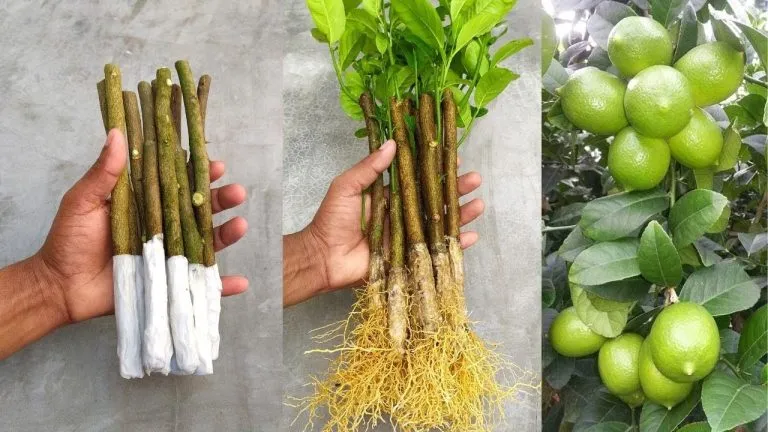
Cultivating lemon trees in your garden or home brings not only visual charm but also the practical advantage of homegrown Read more
Deadly Nightshade (Atropa belladonna): The Mysterious and Dangerous Plant with a Dark Legacy At first glance, Deadly Nightshade (Atropa belladonna) Read more
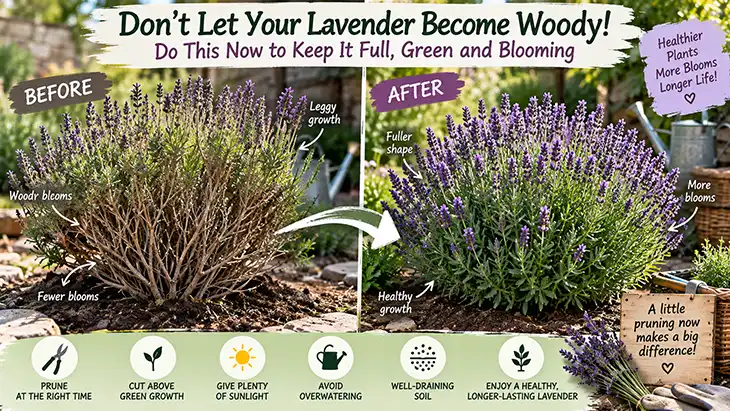
When lavender plants are young, they often present an almost perfect image: a compact shrub with silvery-green foliage, a delightful Read more

Lavender, a charming addition to any garden, is known for its enchanting aroma and vibrant purple hues. This plant comes Read more

The Curious Case of Tomato Slices: A Journey from Kitchen Scrap to Sprout As someone always game for a gardening Read more
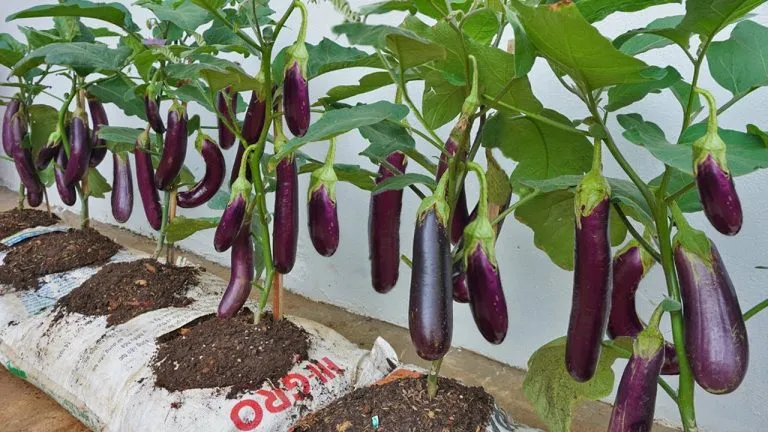
Exploring the World of Eggplants: A Gardener's Guide Eggplants, with their divisive nature, are often a subject of culinary debate. Read more
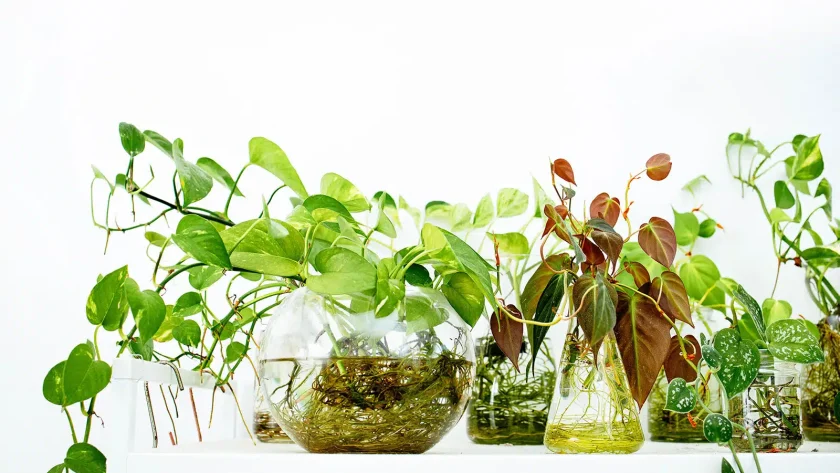
Searching for a distinctive method to incorporate some foliage into your home or workplace? Try cultivating plants hydroponically! Not only Read more

In the culinary world, garlic is a staple ingredient that is hard to do without. Cultivating it benefits many plants Read more

Using White Vinegar for Garden Maintenance Gardening is never an easy task. Planting, weeding, and watering plants and flowers require Read more

Transforming Garlic Peels into Gold for Gardeners: In the rhythm of kitchen prep, garlic peels are often discarded without a Read more
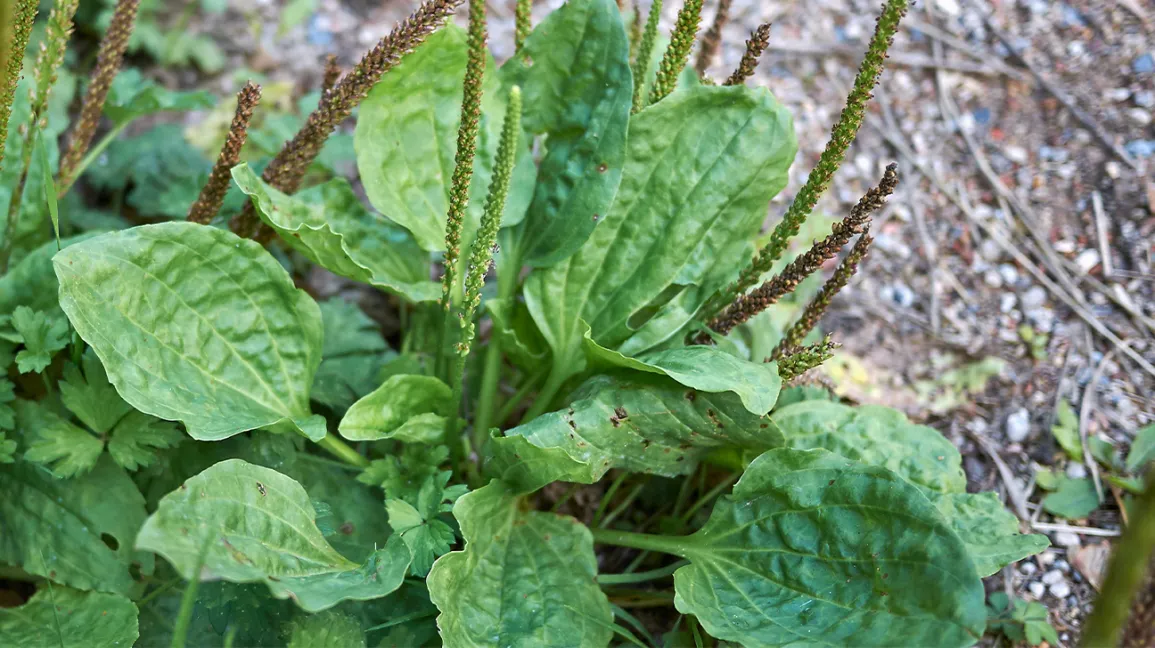
Nature provides us with countless remedies in the form of wild medicinal plants, surrounding us everywhere we go. These healing Read more

Different perspectives exist on various aspects of nature, and this holds true for the dandelion, often dismissed as a mere Read more
