
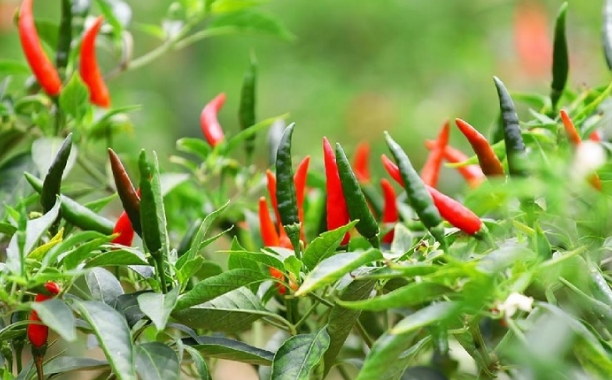
Discover the Untapped Potential of Chili Pepper Leaves: Nutritional Powerhouse for Your Health and Kitchen
When you think of chili peppers, you probably imagine their fiery fruits lighting up your favorite dishes. But did you know the leaves of chili pepper plants are just as valuable—if not more? Often discarded or overlooked, these vibrant green leaves are a nutritional powerhouse loaded with health benefits and culinary potential. Let’s uncover the hidden magic of chili pepper leaves and how you can start using them today.
A Rich Source of Nutrients
Chili pepper leaves are brimming with vitamins, minerals, and antioxidants.
Vitamins A & C – These vitamins are essential for immune support, eye health, and collagen production. Vitamin C, in particular, helps fight oxidative stress and inflammation.
Calcium & Phosphorus – Crucial for strong bones and teeth, these minerals also support muscle function and nerve health.
Iron – Chili pepper leaves offer a natural source of iron, which helps prevent fatigue and supports healthy red blood cell production.
Chlorophyll – The deep green color of the leaves indicates a high chlorophyll content, known to detoxify the blood and aid in healing.
By including these leaves in your diet, you’re not just enhancing flavor—you’re giving your body a nutritional boost.
Medicinal Benefits Backed by Tradition
For generations, chili pepper leaves have been used in traditional medicine across Asia, Latin America, and the Philippines.
Natural Pain Reliever:
Used topically or consumed, the leaves have mild analgesic and anti-inflammatory properties. They can soothe muscle pain and reduce swelling when used as a poultice.
Respiratory Relief:
Chili pepper leaves boiled in water and inhaled as steam can help clear nasal passages and alleviate symptoms of colds and sinusitis.
Blood Sugar Regulation:
Preliminary studies suggest that chili leaf extract may support insulin sensitivity, making it potentially helpful for people managing blood sugar levels.
Digestive Aid:
Rich in fiber and mild in taste, the leaves can promote healthy digestion and relieve stomach cramps when cooked properly.

A Versatile Ingredient in the Kitchen
Beyond their health perks, chili pepper leaves are a culinary gem. With a mild, slightly peppery flavor, they’re perfect for a variety of dishes.
Soups and Stews:
In the Philippines, they’re a key ingredient in dishes like tinola, a ginger-based chicken soup. The leaves hold up well to heat and add a delicate green flavor.
Stir-Fries:
Saute the leaves with garlic, onion, and a bit of soy sauce for a quick, nutrient-dense side dish.
Herbal Teas:
Boil a few fresh leaves in hot water to create a soothing herbal tea that can help with respiratory and digestive issues.
Smoothies or Green Blends:
Blend the leaves into a green smoothie with fruits like banana and mango for an energy-boosting drink.
Caution: Always cook chili pepper leaves before consuming. Raw leaves may contain traces of solanine, which can be mildly toxic. Cooking neutralizes this compound.
How to Harvest and Store Chili Pepper Leaves
If you grow your own chili plants, you have easy access to fresh leaves. Harvest them gently from the upper parts of the plant, choosing young, tender ones. Avoid taking too many from a single plant to prevent stunting its growth.
For storage, wrap the washed leaves in a damp paper towel and keep them in the fridge. They stay fresh for up to five days. You can also blanch and freeze them for longer storage.
Final Thoughts
Chili pepper leaves may be humble in appearance, but they are anything but ordinary. Packed with vitamins, minerals, and healing properties, they offer a unique way to boost your health and add new dimensions to your cooking. Whether you’re sipping them in tea, adding them to your stir-fry, or exploring traditional recipes, you’ll find that chili pepper leaves are a true gift from nature—just waiting to be rediscovered.
The Hidden Power of Dog Rose (Rosa canina): 10 Surprising Health Benefits and How to Use It Nature has given Read more

Bathroom Mold: Causes and Solutions Ideal Environment for Mold Growth Bathroom surfaces are prime locations for mold growth. Moisture accumulates Read more
The Ultimate Healing Tonic: A Powerful Natural Drink for Swollen Feet, Diabetes & Poor Circulation Chronic swelling in the feet, Read more

Unwanted Houseguest: The Fly The fly is arguably the most disliked insect on Earth, primarily due to its bothersome traits. Read more

10 Secrets You Need to Know Before Eating Okra Okra, also known as “lady’s finger,” is a green, pod-shaped vegetable Read more
Thyme is known by some as the “enemy of toxins,” and it has been part of stories since ancient Greece. Read more

Sweet Violet (Viola odorata): 25 Incredible Benefits & How to Use It Sweet violet (Viola odorata), also known as wood Read more

The Benefits of Combining Eggs and Coffee: A Nutritious and Energizing Pair When it comes to starting your day right, Read more

How to Clean Bathroom Tiles Quickly and Effectively Cleaning bathroom tiles is a task we all love to postpone. It Read more

How to Reuse Soap Scraps: Ingenious Ideas Soap bars, after several uses, become tiny and almost unusable. Many of us Read more

Ageratum conyzoides, commonly known as Billygoat Weed or Goatweed, is a flowering plant native to tropical regions of the Americas Read more

Euphorbia hirta, commonly known as the “Asthma-plant,” is a medicinal herb renowned in traditional medicine for its diverse health benefits, Read more
Often, due to poor ventilation or certain climatic conditions, dreaded mold can develop on the walls of our homes. In Read more

How to Make Powerful Super Glue from Styrofoam: The Hidden Chemistry Behind This Viral Trick In a world where DIY Read more

Shepherd’s Purse (Capsella bursa-pastoris): A Medicinal Herb with Powerful Benefits Shepherd’s Purse, known botanically as Capsella bursa-pastoris, is a small, Read more

Sida acuta, also known as “common wireweed,” is a hardy plant often found in fields and roadsides. While it may Read more

Mullein (Verbascum thapsus), a tall, woolly plant often seen growing along roadsides and in open fields, has been treasured for Read more
Baking soda and lemon peels are two household items often overlooked but incredibly powerful when combined. This natural duo can Read more

The Amazing Benefits of Sumac and How to Use It Sumac is more than just a flavorful spice—it’s a powerful Read more

The Hidden Power of Pomegranate Peel: 10 Health Benefits and How to Use It Pomegranate is often celebrated for its Read more

Purple Deadnettle (Lamium purpureum): Benefits, Uses & How to Make Tea Often overlooked or mistaken for an ordinary weed, Purple Read more

The Power of Hawthorn (Genus Crataegus): A Natural Ally for Heart and Cholesterol Health Hawthorn, belonging to the genus Crataegus, Read more

Cultivating veggies and herbs indoors is more than just a productive task; it's a delightful and aesthetic journey. The magic Read more
Grape Hyacinth (Muscari): A Beautiful Flower You Can Eat – But Only If You Know Which One The grape hyacinth, Read more
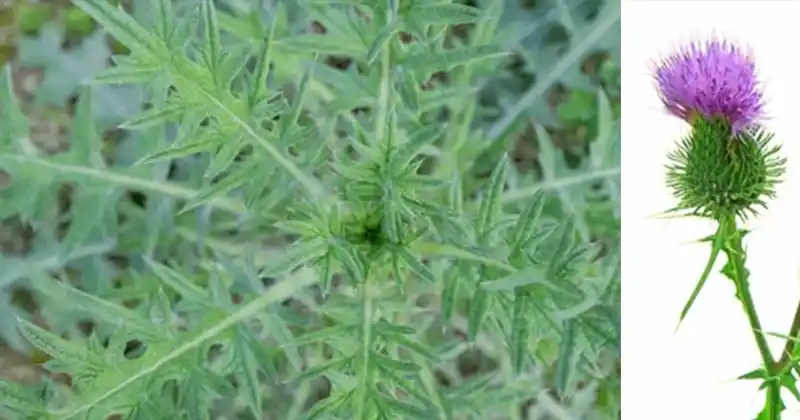
Bull Thistle (Cirsium vulgare): A Wild Plant with Surprising Benefits The bull thistle (Cirsium vulgare) is often dismissed as a Read more

Crabgrass, or Digitaria sanguinalis, is often regarded as an annoying, invasive weed in gardens and urban spaces. However, beneath its reputation Read more

Embracing Organic Gardening with Homemade Onion Elixir The shifting trends in horticulture are leaning heavily towards eco-conscious choices, prompting gardeners Read more

The Art of Container Flower Combinations Designing with flowers in pots is a delightful blend of horticulture and floral design. Read more

8 Surprising Benefits of Water Cloves You Probably Didn’t Know About Cloves are widely recognized for their warm, spicy aroma Read more

In the realm of gardening, we often stick to traditional methods like basking in sunlight, diligent watering, and soil enriched Read more

In today's digital age, it's a common sight in households and offices: chargers left in outlets without their corresponding devices. Read more
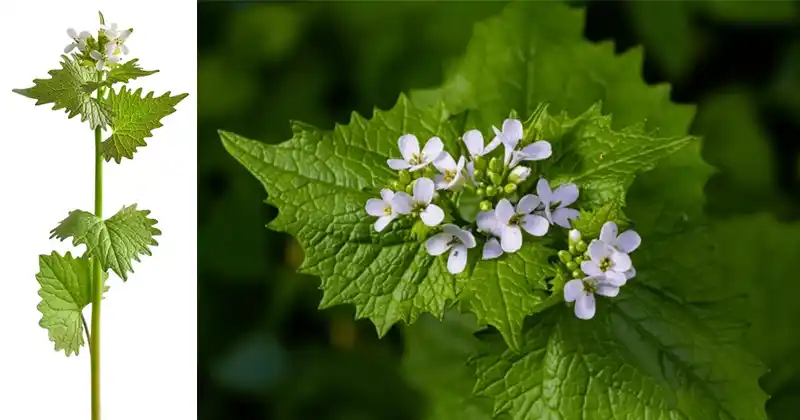
Garlic Mustard (Alliaria petiolata): 20 Surprising Benefits and Homemade Uses Garlic mustard (Alliaria petiolata) is often dismissed as a stubborn Read more

Creating a fresh and inviting atmosphere in your kitchen doesn't require expensive air fresheners or synthetic scents. With just a Read more

When "Need" Takes on a Whole New Meaning For a long time, having a woman in a man’s life was Read more
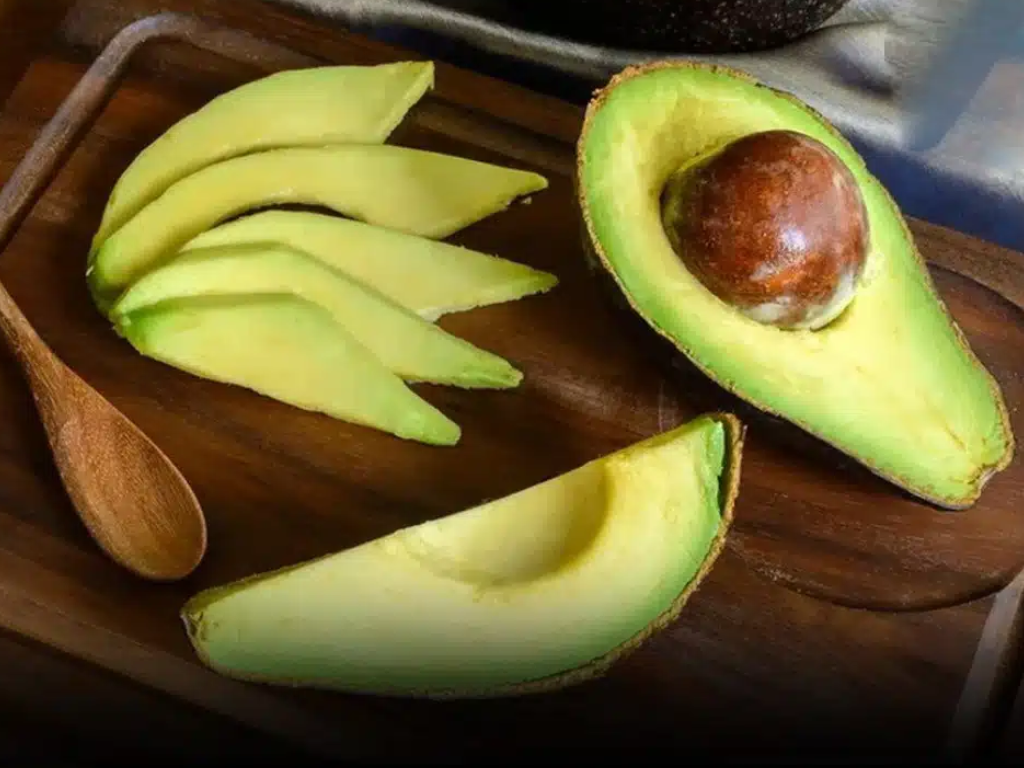
Individuals with Allergies or Sensitivities If you suffer from allergies, it is important to be cautious with avocado! This fruit Read more

Faced with increasingly harsh industrial detergents, consumers are turning back to traditional products that are healthier and have long proven Read more
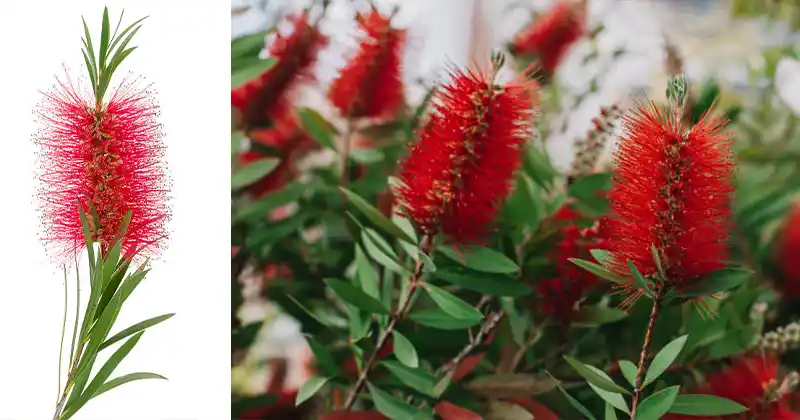
The Hidden Power of Bottlebrush: 15 Benefits and Easy Homemade Uses Nature often hides extraordinary healing power in plain sight—and Read more

Cassava: An Essential Plant at the Heart of a Deadly Paradox Whether in the form of flour, tapioca pearls, or Read more

Guava is often hailed as a superfruit, but did you know that its leaves also pack an extraordinary punch in Read more

Who among us would like to live in a stifled and dirty home, where unpleasant cooking odors and impurities invade Read more
