

The Secondary Microphone: A Filter Against Noise Pollution

Most modern smartphones incorporate multiple microphones, including a secondary one often hidden behind that small hole. Its primary function is to capture and reduce ambient noise around you.
Whether you are on a busy street, in a lively café, or on public transportation, this microphone picks up disruptive sounds and allows your phone’s system to intelligently filter them out. The result is noticeable: your voice comes through much clearer to the person on the other end of the call.
This additional microphone isn’t limited to call use only. It also enhances the quality of audio recordings, improves video sound, and optimizes voice recognition for virtual assistants such as Siri or Google Assistant. Thus, even amid the noise, your smartphone understands your voice commands with greater accuracy.
The Light Sensor: Guardian of Your Visual Comfort

In some models, this small hole houses the ambient light sensor. Its mission? To automatically adjust the screen’s brightness according to the surrounding lighting environment for optimal comfort.
When you are exposed to bright sunlight, this sensor increases the brightness so the screen remains perfectly readable.
Conversely, in a dim environment, it reduces brightness to save your battery while protecting your eyes from visual fatigue.
Discrete and often invisible to the naked eye, this sensor plays a crucial role in user comfort and contributes significantly to your smartphone’s battery life.
The Proximity Sensor: An Essential Companion for Calls
Another common function for this tiny hole is to house the proximity sensor, which detects the distance between your face and the phone.
During a call, as soon as you bring the device close to your ear, the screen automatically turns off. This prevents any accidental contact with the touchscreen that could result in unintended actions, like hanging up or triggering a function by mistake.
Without this sensor, dealing with unexpected interruptions or inadvertent presses would be a frequent annoyance. This tiny component thus makes every call smoother and more enjoyable.
A Hidden Audio Function: Speaker or Headphone Jack
Depending on the phone, this small hole can also conceal an audio output: whether it’s a secondary speaker, the main microphone, or even a headphone jack.
Built-in speakers often feature stereo technology, delivering richer and more balanced sound.
On older models, this minuscule hole could correspond to the jack port used for plugging in wired headphones.
Although most modern smartphones now favor Bluetooth or USB-C connections, some still retain this wired audio jack, highly valued by audiophiles for the superior sound quality it provides.
A Design Detail Serving Optimization

Beyond its technical functions, this small hole plays an aesthetic and structural role in smartphone design.
Engineers and designers must balance technical performance with visual elegance. By integrating microphones and sensors into tiny openings, they optimize internal space while maintaining a modern, sleek silhouette.
This is a perfect example of discreet engineering: a minuscule detail essential for the device’s proper operation that does not compromise its refined appearance.
In Conclusion: A Tiny Hole with Multiple Functions
This small hole, often overlooked, actually fulfills several crucial roles:
– Reducing ambient noise
– Automatically adjusting screen brightness
– Smartly managing display during calls
– Enhancing audio quality
– Optimizing internal design
The next time you notice this small hole on your smartphone, remember it is not just a mere aesthetic flourish. Behind this subtle detail lies sophisticated technology designed to make your phone smarter, more ergonomic, and more pleasant to use every day.

The Spool of Thread: A Silent Relic of a Bygone Era Let us take a moment to journey back to Read more
Grape Hyacinth (Muscari): A Beautiful Flower You Can Eat – But Only If You Know Which One The grape hyacinth, Read more

Datura stramonium, commonly known as Jimson weed, thorn apple, or devil's trumpet, is a plant native to North America but Read more

Perfumed Tissues: An Easy DIY Technique The Joy of Scented Tissues: Paper tissues are handy in daily life. While some Read more

How to Clean Bathroom Tiles Quickly and Effectively Cleaning bathroom tiles is a task we all love to postpone. It Read more

A Decision Born from Solitude Agnès did not make her decision lightly. For many years, she hoped for more frequent Read more

Mimosa Pudica, commonly known as the “Sensitive Plant” or “Touch-Me-Not,” is famous for its unique reaction to touch—its leaves fold Read more

A House Offered for Free, But You Must Move It Yourself In Sweden, a peculiar story is capturing attention: Göran Read more

Cleaning Grease Off Kitchen Wooden Cabinets: Effective Techniques Removing dirt and embedded grease stains from kitchen wooden cabinets isn't always Read more

Lina’s room remains untouched by time, as if she had just left yesterday: colored pencils scattered across the desk, an Read more

The Brown Marmorated Stink Bugs: A Nuisance Difficult to Ignore Originating from Asia, these insects have found a favorable environment Read more

Mullein (Verbascum thapsus), a tall, woolly plant often seen growing along roadsides and in open fields, has been treasured for Read more
The castor plant (Ricinus communis) is widely known for its seeds, which are the source of castor oil. However, its Read more
When you sink your teeth into a soft, caramel-sweet date, the last thing on your mind is usually the tough Read more
Castor Leaves: A Natural Treasure to Rediscover Used for centuries in traditional medicines around the world, castor leaves are experiencing Read more

Pigweed, also known as amaranth, is a leafy green plant that has been cherished in various cultures for its nutrient-rich Read more
Thyme is known by some as the "enemy of toxins," a reputation that dates back to stories from ancient Greece. Read more

The Hidden Power of Bottlebrush: 15 Benefits and Easy Homemade Uses Nature often hides extraordinary healing power in plain sight—and Read more

Ever wish your home could keep that fresh, clean scent for more than a few hours? There’s a simple, natural Read more

Grease buildup on kitchen cabinets is a widespread issue that many homeowners encounter. Frequent cooking results in grease splatters that Read more

Tackling Dog Urine Odor: A Comprehensive Guide The joy of having a canine companion is undeniable, but alongside it come Read more

Cultivating veggies and herbs indoors is more than just a productive task; it's a delightful and aesthetic journey. The magic Read more

The Importance of Curtain Cleaning in Your Home Generally, when cleaning the house, after dusting the furniture, one often overlooks Read more

House 1: A Warm Refuge Perched in the Trees If this suspended house has moved you, it reveals your deep Read more

The ingenuity of Swedish furniture design, particularly evident in the flat-pack phenomenon, has transformed how we furnish our homes with Read more

Sweet Violet (Viola odorata): 25 Incredible Benefits & How to Use It Sweet violet (Viola odorata), also known as wood Read more

Before your next journey, it might be worth reexamining some of your packing habits. What a luggage professional has revealed Read more

Why Do We Consistently Wake Up at the Same Time During the Night? Nighttime awakenings can stem from various causes: Read more

Unveiling the Secrets of Burning Bay Leaves in Your Home The age-old tradition of burning bay leaves, once prevalent in Read more

Tomatoes, a staple in kitchens worldwide, are loved for their versatility and rich flavor. However, their perishable nature often leads Read more

8 Surprising Benefits of Water Cloves You Probably Didn’t Know About Cloves are widely recognized for their warm, spicy aroma Read more

Goldenberries, also known as Physalis or Uchuva, are small, orange-yellow fruits enclosed in a delicate, papery husk. Originating from the Read more

Why Do Some People Wash Their Ground Beef? The practice of washing ground beef often comes from a good intention: Read more

A Centenarian Who Embraces Life with Simplicity and Vitality At 101 years old, Ann Angeletti visits her jewelry shop nearly Read more
Individuals with Allergies or Sensitivities If you suffer from allergies, it is important to be cautious with avocado! This fruit Read more

The Hidden Power of Dog Rose (Rosa canina): 10 Surprising Health Benefits and How to Use It Nature has given Read more
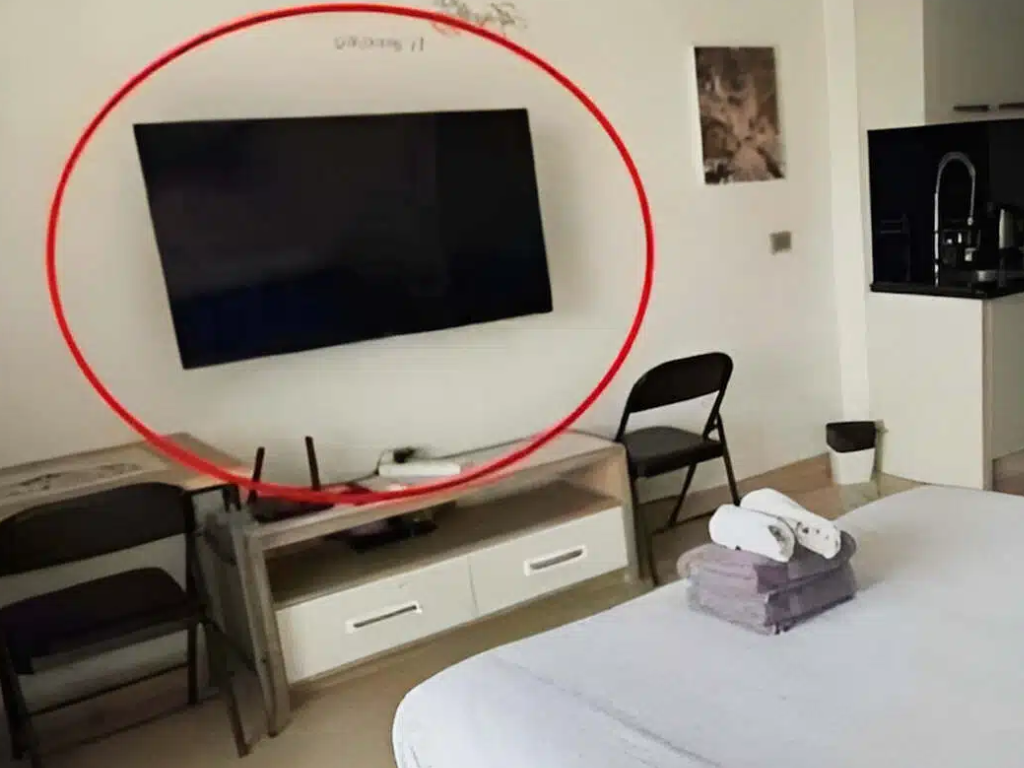
How to Detect Hidden Cameras in a Hotel Room? Hidden cameras can be disguised within seemingly harmless objects, including hotel Read more

How to Clean a Glass Shower Door Naturally and Keep It Shining Longer Several areas of the bathroom are exposed Read more

Dented Car Body: How to Fix It Yourself Over time, the body of your car can endure a lot. From Read more

Who among us would like to live in a stifled and dirty home, where unpleasant cooking odors and impurities invade Read more
