
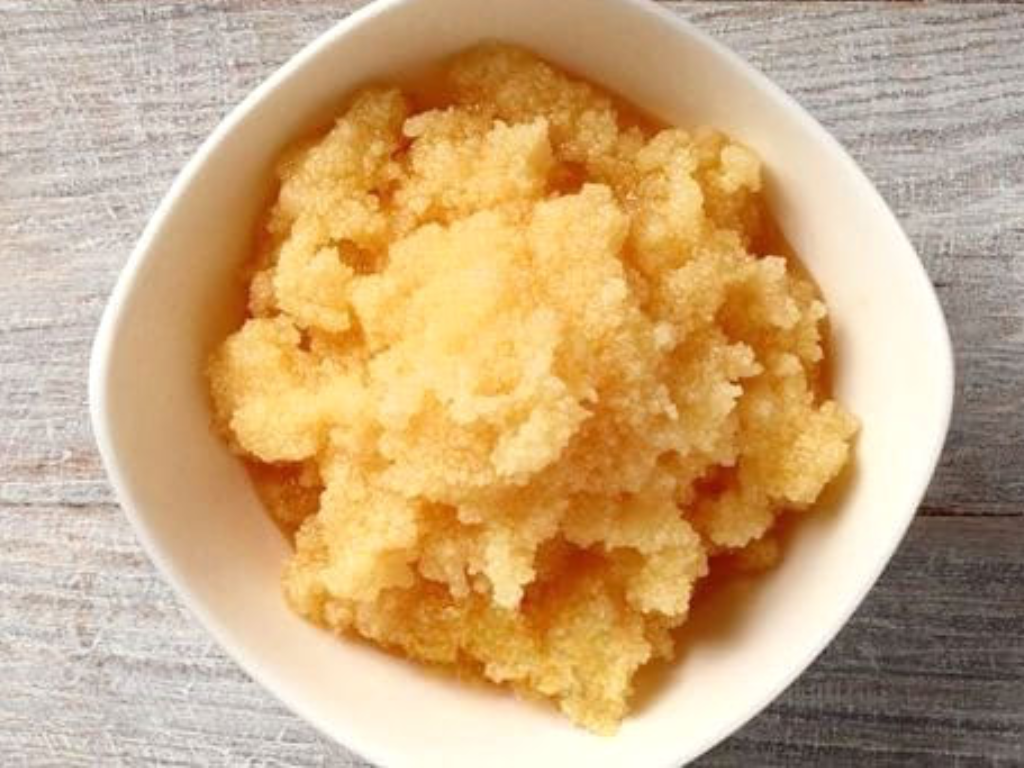
Why Does Honey Crystallize?

The crystallization of honey is a completely natural and harmless phenomenon. It occurs when the sugars present in honey, especially glucose, solidify by forming crystals. Although this change alters the texture of the honey—making it granular or hard—it retains all its taste and nutritional qualities and remains entirely edible.
Factors Influencing Crystallization
Several factors explain why honey crystallizes, including:
Its natural composition: Honey is a supersaturated solution containing both glucose and fructose. Over time, glucose tends to crystallize.
Temperature: A range between 10 and 20 °C significantly promotes the formation of crystals in honey.
The presence of pollen: Raw honey, rich in pollen particles, typically crystallizes faster than filtered or processed honey.
How to Undo Honey Crystallization?

If your honey has thickened or solidified, here is a simple method to restore its smooth and fluid texture:
Prepare lukewarm water: Fill a container with water at a temperature not exceeding 35 °C, since excessive heat can degrade honey’s beneficial properties.
Submerge the jar: Place the jar or container of honey into the lukewarm water.
Patience and gentleness: Allow the honey to warm gradually, stirring it gently from time to time until it regains its original fluidity.
Tips to Prevent Crystallization

For optimal long-term preservation, store your honey at a temperature below 10 °C.
If you use it regularly, a temperature between 21 and 27 °C slows down the crystallization process while keeping the honey ready for use.
The Unexpected Virtues of Honey
Honey is not just about its delightful sweetness; it is also a true reservoir of nutrients and health benefits:
Powerful antioxidants: They protect cells against the harmful effects of free radicals.
Antibacterial properties: Honey aids wound healing and soothes minor burns.
Beneficial for digestion: It soothes sore throats and promotes harmonious digestion.
However, it is advisable to consume it in moderation as it is a concentrated source of sugars.
Essential Precautions to Take
Not for infants: Honey must never be given to children under one year old due to the risk of botulism.
Allergy warning: People sensitive or allergic to pollen should consume honey cautiously.
Honey: An Age-Old Ingredient Still Relevant Today
Used since ancient times for its sweetness and benefits, honey remains an indispensable ingredient both in cooking and natural medicine. Whether liquid or crystallized, this “nectar of the gods” continues to delight our taste buds and preserve our well-being. Learn how to store it properly and fully appreciate all its qualities to enjoy its many treasures for a long time.

This heartbreaking story touched millions of internet users. After a long eight months of disappearance, a dog finally reunited with Read more

Why Is a Temperature of 40°C Not Enough to Effectively Eliminate Bacteria? Many people consider 40°C to be a balanced Read more
The Hidden Power of Dog Rose (Rosa canina): 10 Surprising Health Benefits and How to Use It Nature has given Read more

Sometimes, certain births resonate far beyond the boundaries of the family, capturing the attention of the wider public. This was Read more
For centuries, Chelidonium majus, commonly known as Greater Celandine, has held a special place in traditional herbal medicine. Recognized by Read more
From 9 PM to 11 PM: When the Body Prepares for Night In the early evening, your body activates the Read more
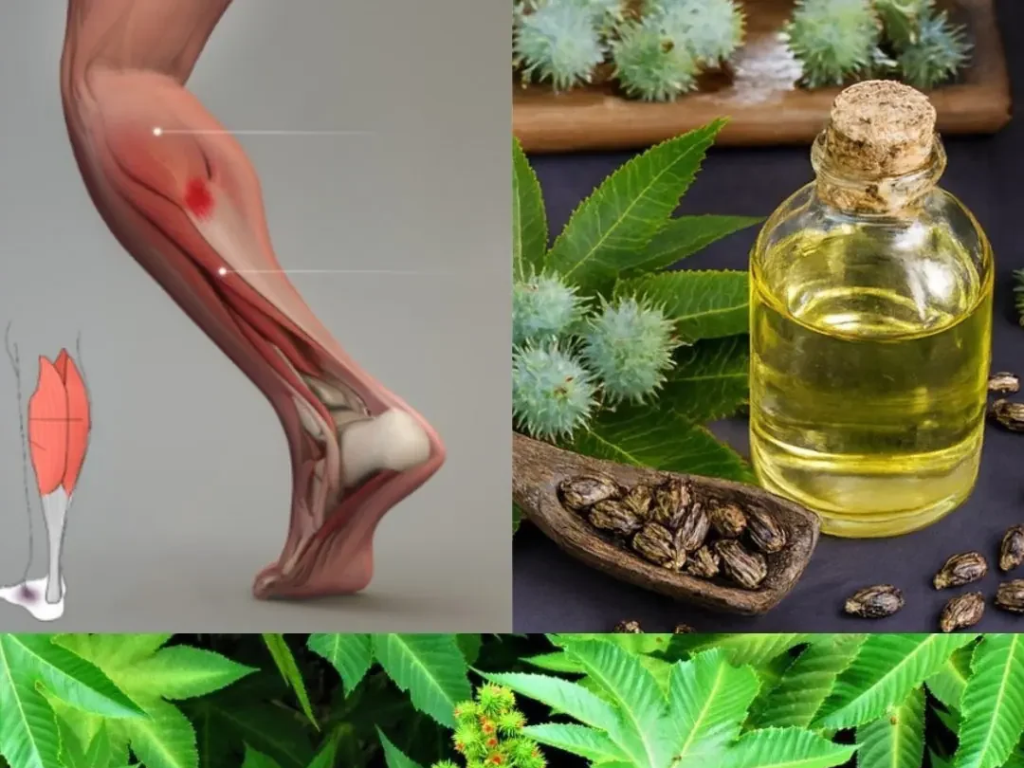
Castor Leaves: A Natural Treasure to Rediscover Used for centuries in traditional medicines around the world, castor leaves are experiencing Read more

Rice Water and Baking Soda: A Surprising Duo to Unclog Your Drains Few people realize that the water used to Read more
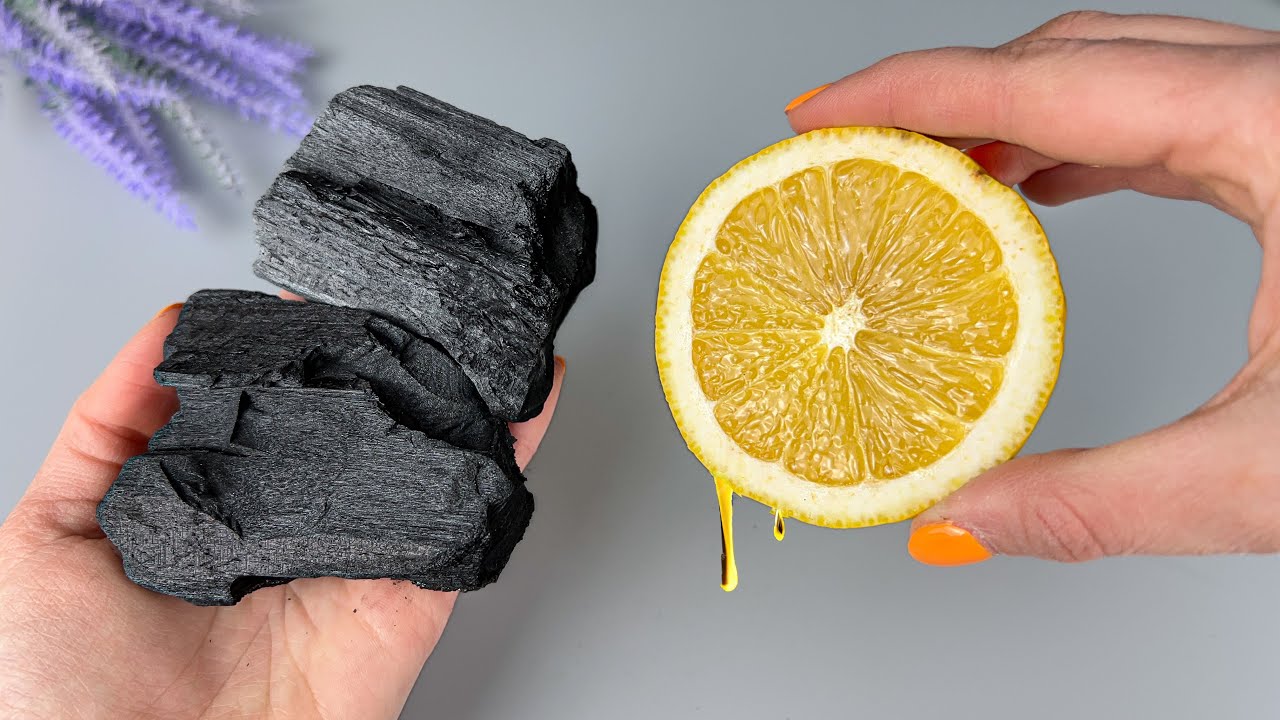
Combining lemon with charcoal may initially seem unusual, yet this potent duo unites the cleansing qualities of activated charcoal with Read more

10 Secrets You Need to Know Before Eating Okra Okra, also known as “lady’s finger,” is a green, pod-shaped vegetable Read more

Cultivating veggies and herbs indoors is more than just a productive task; it's a delightful and aesthetic journey. The magic Read more
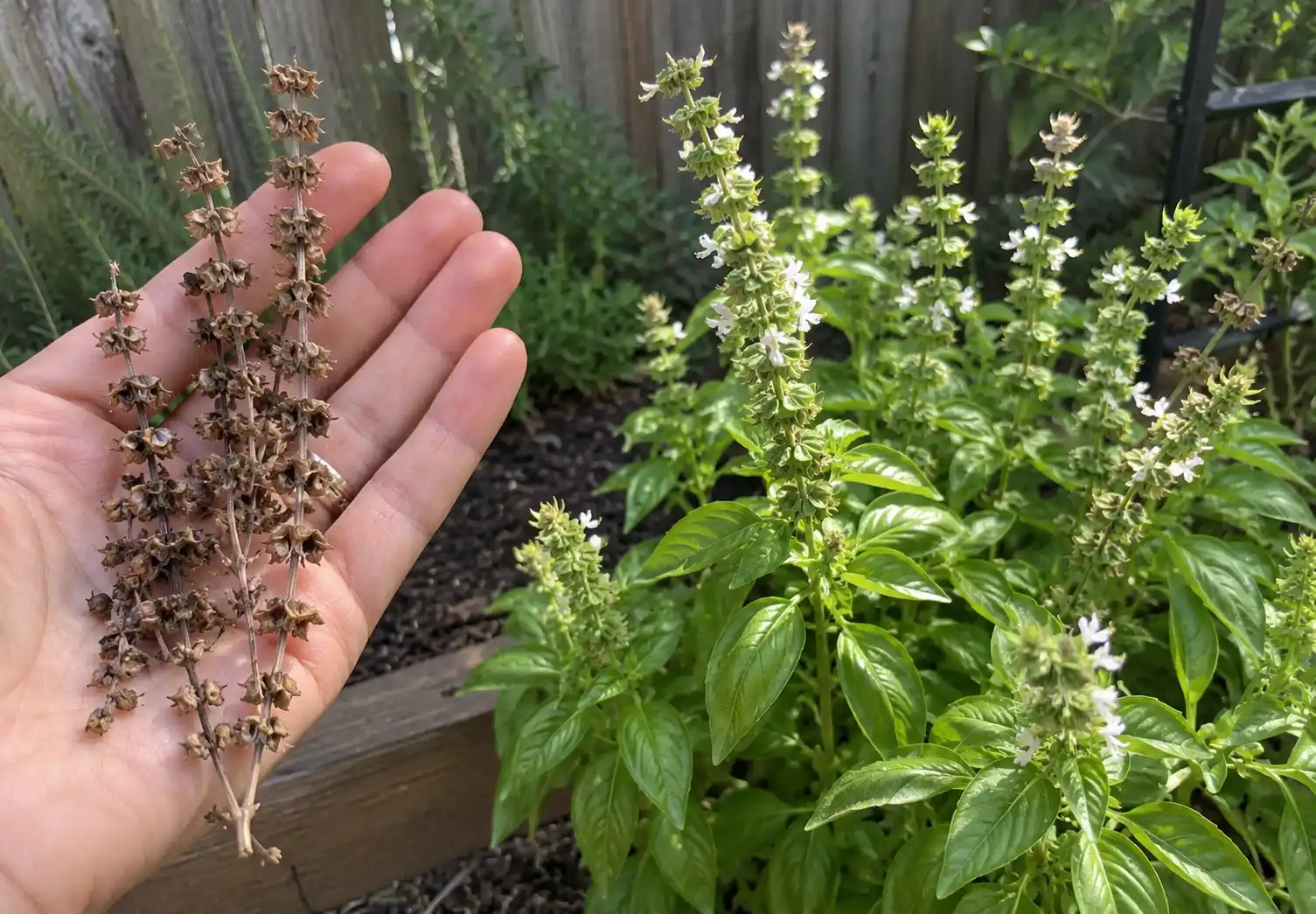
Basil seeds, often referred to as sabja or tukmaria, come from sweet basil. Though tiny, they hold an exceptional nutritional Read more
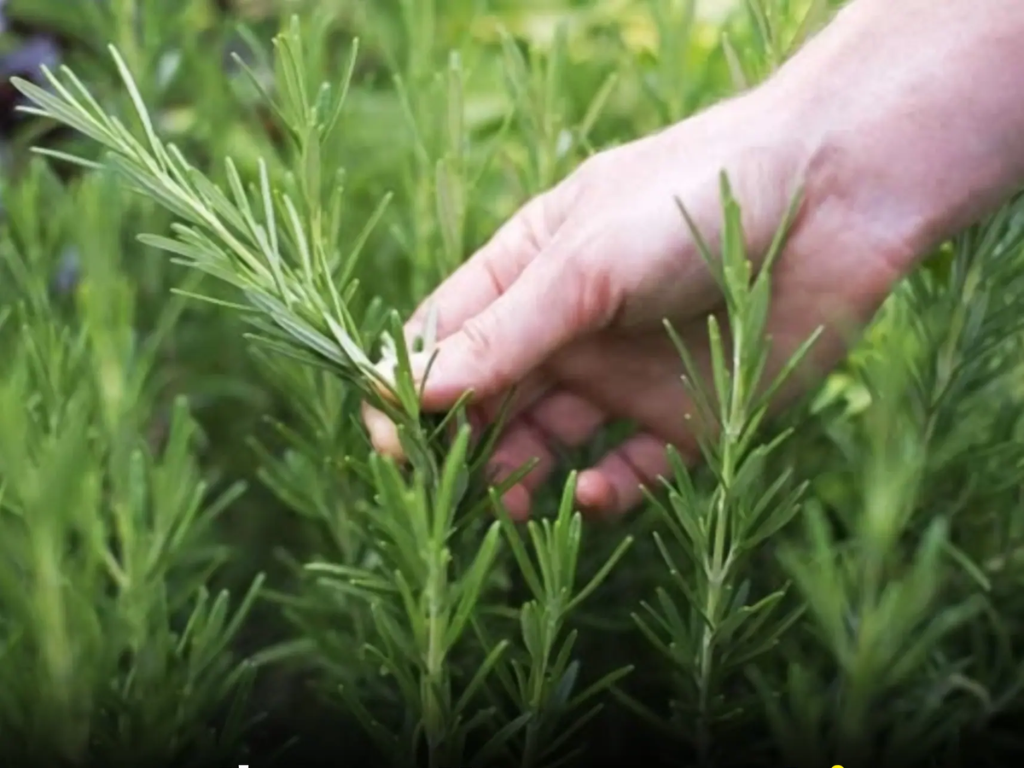
A True Natural Booster for Memory and Concentration Widely known for enhancing the flavors of Mediterranean dishes, rosemary also proves Read more

The Amazing Benefits of Sumac and How to Use It Sumac is more than just a flavorful spice—it’s a powerful Read more
Have you ever encountered this unusual practice of sprinkling cinnamon powder in front of your front door? At first glance, Read more

Eager to master the art of nurturing a Peace Lily? Known scientifically as Spathiphyllum Wallisii, this enchanting plant is often Read more
How to Make Powerful Super Glue from Styrofoam: The Hidden Chemistry Behind This Viral Trick In a world where DIY Read more

A Reassuring Light Guide in Case of Emergency When staying in an unfamiliar place, it is very easy to lose Read more
You have tried everything to sleep better — herbal teas, meditation, ergonomic pillows — but nothing seems to work? What Read more

Why Ventilating in the Morning Can Harm Indoor Air Quality During Winter On a chilly winter morning, the outdoor air Read more
Mulberry trees are best known for their luscious summer berries, but their leaves possess an even greater potential as a Read more
A True Natural Concentrate of Vitality Orange peel is naturally packed with beneficial components widely recognized for their role in Read more

Lina’s room remains untouched by time, as if she had just left yesterday: colored pencils scattered across the desk, an Read more
Behind the Scenes of Chicken Sold in Supermarkets At first glance, the neatly pink chicken breasts and shiny thighs displayed Read more
Unlocking the Garden Potential of Eggshells: 10 Innovative Applications Eggshells, often seen as fragile protectors of eggs, are also a Read more
Fig leaves, often overlooked behind the sweet and flavorful fruit they accompany, are an incredible source of numerous health benefits. Read more

A Vibrant Coat, More Than Just a Visual Trait Before delving into the nature of these cats, let us first Read more

A Puzzle Deceptive in Its Simplicity When mentioning "2 mothers," "2 daughters," "1 grandmother," and "1 granddaughter," the immediate image Read more

A Charming Renaissance Step One: Thorough Cleaning and Preparation Before starting the transformation, the dresser needed to be meticulously cleaned: Read more

How Long Should You Warm Up Your Vehicle During Winter? Contrary to a widely held belief, only 30 seconds are Read more

Using a power strip to plug in multiple devices is convenient, practical, and budget-friendly. However, this widespread practice carries significant Read more

A Quiet and Efficient Predator in Your Home The domestic house centipede (Scutigera coleoptrata) is often regarded as a frightening Read more

Bathroom Mold: Causes and Solutions Ideal Environment for Mold Growth Bathroom surfaces are prime locations for mold growth. Moisture accumulates Read more

A Decision Born from Solitude Agnès did not make her decision lightly. For many years, she hoped for more frequent Read more
Ingenious Uses for Expired Cornstarch A Natural Cleaner for Windows and Surfaces Did you know that cornstarch can easily substitute Read more

Dented Car Body: How to Fix It Yourself Over time, the body of your car can endure a lot. From Read more
Baking soda and lemon peels are two household items often overlooked but incredibly powerful when combined. This natural duo can Read more

Mimosa Pudica, commonly known as the “Sensitive Plant” or “Touch-Me-Not,” is famous for its unique reaction to touch—its leaves fold Read more

Kyllinga brevifolia: A Natural Remedy for Health and Wellness Kyllinga brevifolia, commonly known as green kyllinga or shortleaf spikesedge, is Read more

Much More Than Just a Decorative Element The presence of multiple pillows on a hotel bed is far more than Read more
