
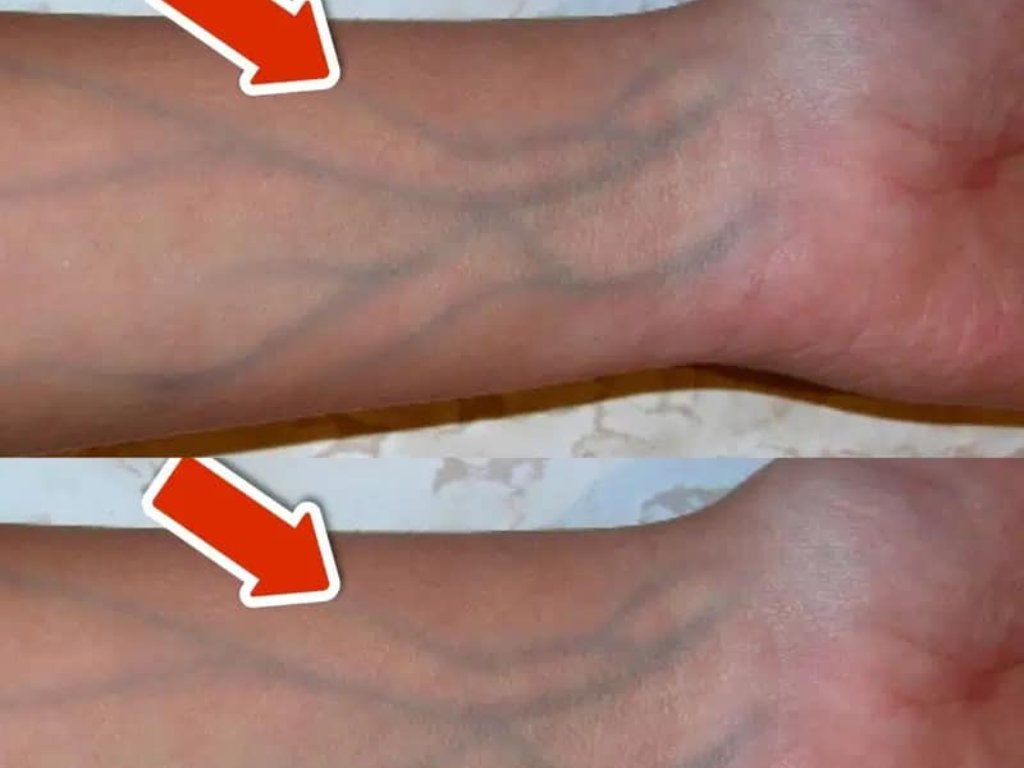
The 5 Unmistakable Signs of Circulatory Disorders You Should Never Ignore
Cold Hands and Feet: An Important Warning Signal
Do you often experience an intense cold sensation in your hands and feet, even when you are in a warm environment? This phenomenon can indicate that your blood vessels are struggling to deliver blood to the extremities. In fact, a narrowing or blockage of the arteries prevents your body from maintaining a normal temperature in these areas, which can be a revealing sign of circulatory problems.
Numbness and Tingling: Your Body Sounds the Alarm

Do you regularly notice tingling or numbness in your hands, feet, or legs? This may reflect insufficient blood circulation. When the nerves in these areas receive reduced oxygen and nutrient supply, abnormal sensations arise. These symptoms should be taken seriously, especially when they become more frequent.
Edema in the Legs or Ankles: A Worrisome Sign of Retention

Your ankles, feet, or legs swell without an obvious reason? This can correspond to fluid accumulation caused by poor blood circulation. When blood pools in the lower limbs, it causes swelling known as edema. This phenomenon is often worsened by prolonged sitting or standing positions.
Unexplained but Persistent Fatigue
Do you feel constantly exhausted, even after a full night’s rest? Poor circulation can deprive your organs and muscles of the energy they need to function properly. As a result, you quickly find yourself running out of strength, sometimes during activities as simple as walking.
Skin Color Changes: Blood Struggling to Circulate
Does your skin appear bluish, pale, or mottled, especially on your fingers, toes, or legs? This phenomenon, called cyanosis, indicates a lack of oxygenation in the blood. When circulation is insufficient, oxygen-rich blood fails to properly irrigate certain areas of the body, which explains this unusual coloration.
Common Causes of Poor Blood Circulation

Several factors can lead to these circulatory disorders:
Peripheral Arterial Disease (PAD): a progressive narrowing of the arteries affecting blood flow.
Diabetes: damage to blood vessels and nerves caused by chronic high blood sugar.
Blood Clots: partial or total blockage of the vessels.
Obesity: overload on the circulatory system, hindering venous return.
Smoking: loss of elasticity and inflammation of the arterial walls.
Sedentary Lifestyle: lack of activity promoting blood stagnation.
When Should You Consult a Healthcare Professional?

If these symptoms persist or worsen, it becomes imperative to seek medical advice. Untreated poor circulation can lead to serious complications, such as:
Irreversible nerve damage.
Chronic skin ulcers.
An increased risk of cardiovascular events.
Essential Advice: Listen to Your Body
Your body sends you clear messages, and it is crucial to heed them. These symptoms are signals to act quickly and protect your health before the situation deteriorates. If you experience any of these signs, do not hesitate to consult your doctor as soon as possible.

Eager to master the art of nurturing a Peace Lily? Known scientifically as Spathiphyllum Wallisii, this enchanting plant is often Read more
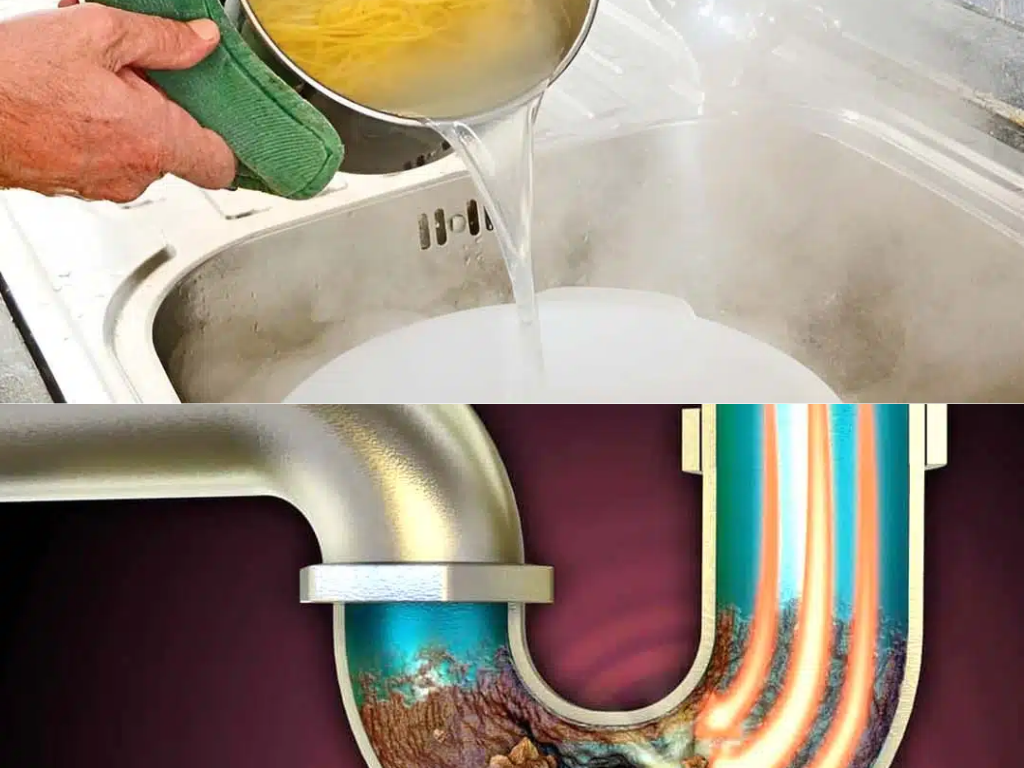
Risks Associated with Using Boiling Water in Plumbing Premature Deterioration of Materials Frequently pouring boiling water down your sink can Read more
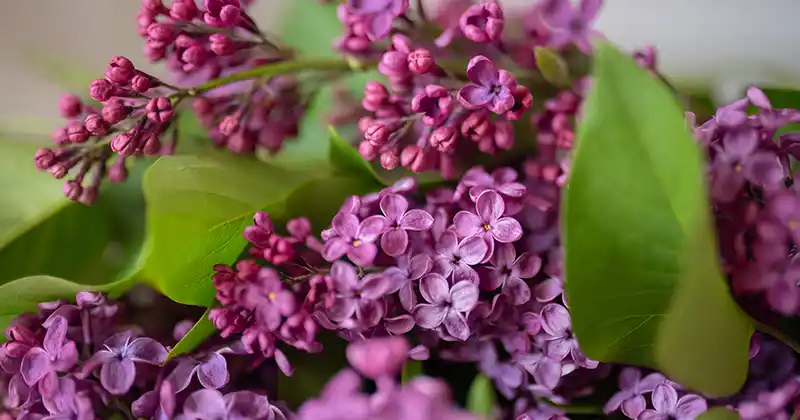
Are Lilacs Edible? Health Benefits of the Beautiful Syringa Blossoms With their sweet fragrance and delicate clusters of flowers, lilacs Read more

Why Do We Consistently Wake Up at the Same Time During the Night? Nighttime awakenings can stem from various causes: Read more

A True Nutritional Treasure in Every Bite Beef tongue stands out primarily for its remarkable nutritional richness. It is an Read more
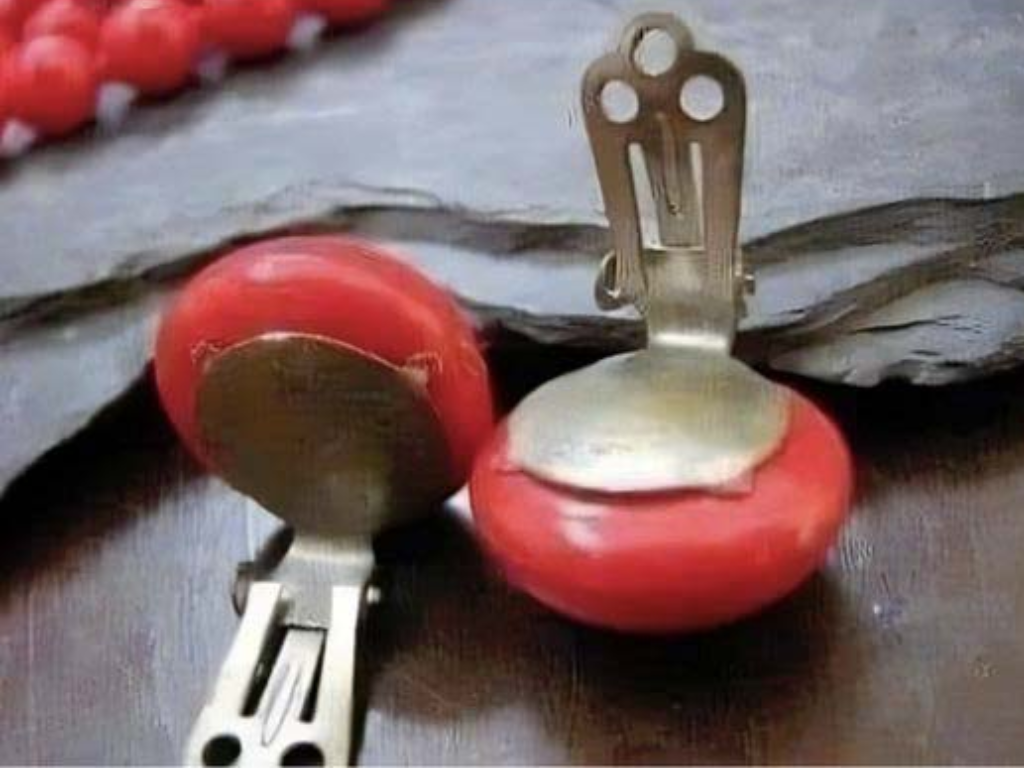
The Return of Earrings in the 17th Century The 17th century marked a notable resurgence in earrings, greatly encouraged by Read more
Embroideries and Refined Details: Don't Throw Away Your Textile Treasures Some old towels hold true treasures: hand-embroidered initials, delicate lace, Read more

Sometimes, certain births resonate far beyond the boundaries of the family, capturing the attention of the wider public. This was Read more

A Heartbreaking Message Lilo, a gentle and affectionate dog, was found wandering with a leash around her neck and a Read more

Why It's Crucial to Clean Your Oven and How to Do It Naturally The Importance of Cleaning Your Oven The Read more

Avocados are celebrated for their creamy texture, rich flavor, and numerous health benefits. While typically enjoyed raw, grilling avocados introduces Read more

A Reassuring Light Guide in Case of Emergency When staying in an unfamiliar place, it is very easy to lose Read more
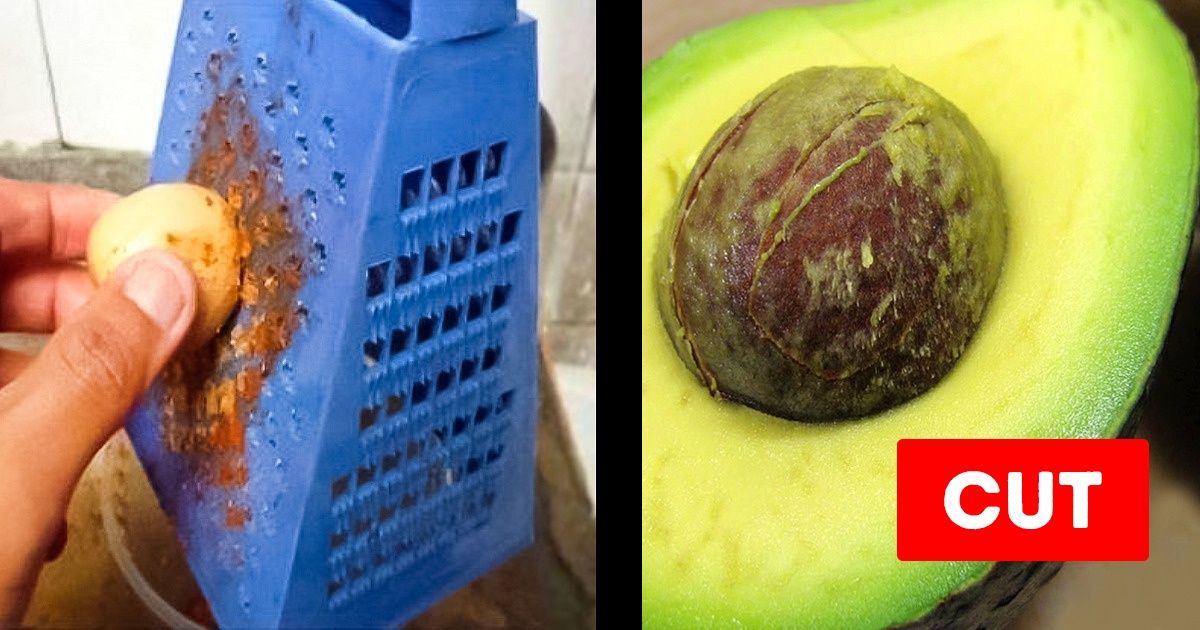
Most people discard avocado seeds without giving them a second thought, but this often-overlooked component of the fruit is actually Read more

Why Do Some People Wash Their Ground Beef? The practice of washing ground beef often comes from a good intention: Read more
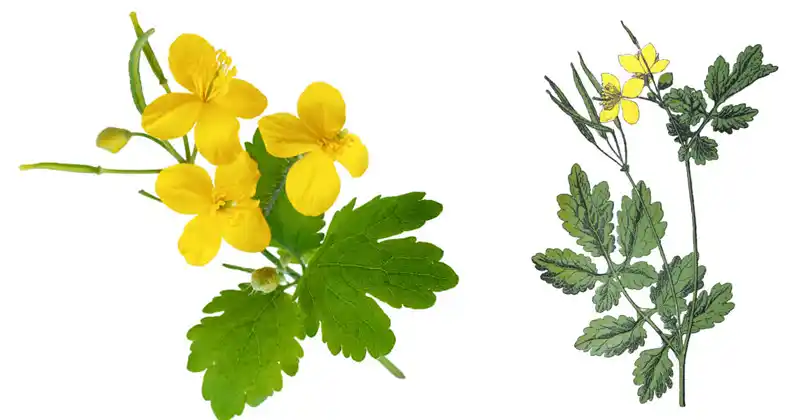
For centuries, Chelidonium majus, commonly known as Greater Celandine, has held a special place in traditional herbal medicine. Recognized by Read more
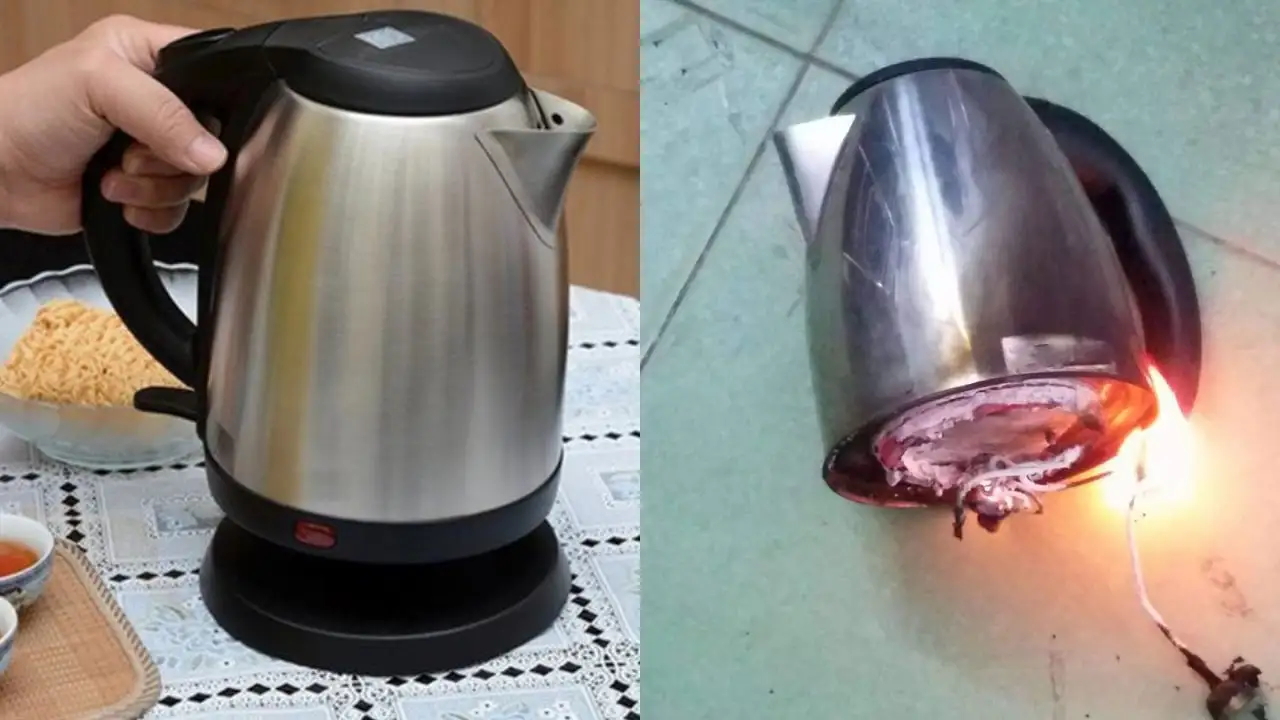
Many people make the mistake of believing that continuously boiling water will save energy once the kettle is already hot. Read more
An Ordinary Object Turned Viral Mystery What sparked the excitement? A photo showing a long, curved object made of metal Read more

Red Clover: 15 Amazing Benefits and How to Use This Healing Herb Red clover (Trifolium pratense) is more than just Read more

Clogged Shower Drain? Try Baking Soda! Experiencing a stagnant pool of water after a refreshing shower can be a mood Read more

An Enigmatic Capsule: Description and Speculations At first glance, this small brass capsule, lightweight and perfectly airtight, appears ordinary. Yet Read more
Unlocking the Garden Potential of Eggshells: 10 Innovative Applications Eggshells, often seen as fragile protectors of eggs, are also a Read more

Ever wish your home could keep that fresh, clean scent for more than a few hours? There’s a simple, natural Read more

What Is the Purpose of the Overflow Hole in a Sink? The small, often overlooked hole located near the edge Read more

So, when and how should you charge your phone to best preserve its battery and avoid premature wear? Here are Read more

Understanding, anticipating, and supporting your dog through every stage of their life is essential to providing them with the best Read more

The Spool of Thread: A Silent Relic of a Bygone Era Let us take a moment to journey back to Read more

Rice Water and Baking Soda: A Surprising Duo to Unclog Your Drains Few people realize that the water used to Read more

Purple Deadnettle (Lamium purpureum): Benefits, Uses & How to Make Tea Often overlooked or mistaken for an ordinary weed, Purple Read more

Guava is often hailed as a superfruit, but did you know that its leaves also pack an extraordinary punch in Read more
Defrosting a freezer is often viewed as a lengthy and tedious task involving ice packs and patience being thoroughly tested. Read more
The Hidden Power of Dog Rose (Rosa canina): 10 Surprising Health Benefits and How to Use It Nature has given Read more

November is a time when expenses quickly pile up, caught between Black Friday deals and the first Christmas purchases. It Read more
Grease buildup on kitchen cabinets is a widespread issue that many homeowners encounter. Frequent cooking results in grease splatters that Read more

The Effective Recipe to Defrost Your Windshield in One Minute To Quickly Eliminate Frost from Your Windshield, Here Are the Read more

You bought a bag of potatoes, and a few weeks later, you find that they’ve started to sprout? Don’t panic! Read more
How to Clean Bathroom Tiles Quickly and Effectively Cleaning bathroom tiles is a task we all love to postpone. It Read more

The Power of Hawthorn (Genus Crataegus): A Natural Ally for Heart and Cholesterol Health Hawthorn, belonging to the genus Crataegus, Read more

The Dog's Nose: A True Superpower It is well known that dogs possess an extraordinary sense of smell. Yet the Read more

Why does your sleep become fragile precisely between 3 a.m. and 5 a.m.? Is it due to a peculiarity of Read more

Lina’s room remains untouched by time, as if she had just left yesterday: colored pencils scattered across the desk, an Read more
