

The Float Test: A Simple and Revealing Method

Imagine yourself holding a bowl filled with water and an egg in your hand. When you gently place the egg into the water, what do you observe?
If the egg sinks all the way to the bottom, this is a clear indication that it is fresh.
If the egg floats or tilts slightly upward, this suggests that it is older, although not necessarily unsafe to eat.
Why does this happen? Over time, an air pocket forms inside the egg, making it lighter. This is a fascinating natural phenomenon! However, exercise caution: an egg that sinks is not automatically safe to consume. It is always wise to check other factors before eating it.
The Smell Test: Your Nose, a Trusted Ally
Your sense of smell is a valuable tool for detecting the freshness of an egg. Break the egg into a bowl and take note of its scent. Is there an unpleasant, strong, or unusual odor? Don’t hesitate—discard the egg immediately! The smell of a spoiled egg is very distinctive and unmistakable. Making a habit of performing this test is especially helpful, particularly when the expiration date has passed.
The Use-By Date: A Guide Not to Follow Blindly

On every egg carton, a recommended consumption date (often called the best before date) is printed, usually set at 28 days after laying. Once this date has passed, don’t panic: provided you store your eggs in the refrigerator, they can remain edible for several additional weeks.
Our advice? Combine this date guideline with other methods such as the float test or a careful visual inspection to avoid unnecessary waste.
Visual Inspection: A Simple Yet Telling Examination
Before cracking an egg, take a moment to examine it carefully:
- A cracked, sticky, or powdery shell is a sign of spoilage and should raise suspicion.
- If, upon opening the egg, you notice pink or black spots, it indicates bacterial contamination, making the egg unsafe and best discarded.
- A very runny egg white or dull yolk does not always guarantee freshness, but the egg may still be edible if there is no unusual smell.
The Candling Technique: A Detective Method to Gauge Freshness
For the curious or the meticulous, why not try candling? In a dark room, shine a flashlight through the egg’s interior. If the air cell is tiny and the white and yolk sections appear firm, you are holding a fresh egg. Although this method requires some practice, it provides a fun and precise way to verify egg quality.

In Summary
Determining an egg’s freshness should not rely on a single test alone. For a reliable assessment, it is recommended to combine several techniques to avoid unnecessary waste. These tips will allow you to cook with confidence and fully enjoy your eggs.

The Benefits of Combining Eggs and Coffee: A Nutritious and Energizing Pair When it comes to starting your day right, Read more

What Is the Purpose of That Small Panel on Your Car? While heavy vehicles like trucks are equipped with clearly Read more

Inheritance in France: A Protected Share, Untouchable Even in Cases of Conflict In France, there is a fundamental legal principle Read more
Effective Methods to Eliminate Maggots and Prevent Their Return Vinegar: An Essential Natural Repellent To quickly rid yourself of maggots, Read more

Garlic's Aromatic Enigma: Its Transformation When Burnt The unmistakable scent of garlic is well-known in kitchens worldwide. Esteemed for its Read more

A Fully Integrated Member of Its Tribe Social relationships hold a significant place in the life of a cat. When Read more

The Secret Language of Burglars: A Discreet Warning Signal Burglars use an actual coding system to identify their targets. They Read more

Lactuca serriola, commonly known as prickly lettuce, is a plant that often goes unnoticed, dismissed as a mere weed. However, Read more

Euphorbia hirta, commonly known as the “Asthma-plant,” is a medicinal herb renowned in traditional medicine for its diverse health benefits, Read more

Rosemary, scientifically identified as Rosmarinus officinalis, is widely recognized not only for its role in cooking but also for its Read more

Embracing Organic Gardening with Homemade Onion Elixir The shifting trends in horticulture are leaning heavily towards eco-conscious choices, prompting gardeners Read more

We experienced several miscarriages. Each time, it was a silent grief, almost invisible to the eyes of others. I learned Read more
You have tried everything to sleep better — herbal teas, meditation, ergonomic pillows — but nothing seems to work? What Read more

The Dog's Nose: A True Superpower It is well known that dogs possess an extraordinary sense of smell. Yet the Read more

Many people make the mistake of believing that continuously boiling water will save energy once the kettle is already hot. Read more

A Charming Renaissance Step One: Thorough Cleaning and Preparation Before starting the transformation, the dresser needed to be meticulously cleaned: Read more
Individuals with Allergies or Sensitivities If you suffer from allergies, it is important to be cautious with avocado! This fruit Read more

Sometimes, certain births resonate far beyond the boundaries of the family, capturing the attention of the wider public. This was Read more

A True Nutritional Treasure in Every Bite Beef tongue stands out primarily for its remarkable nutritional richness. It is an Read more

An Invention Born from a Passion for Cooking At the end of the 19th century, the importance placed on healthy Read more

The Effective Recipe to Defrost Your Windshield in One Minute To Quickly Eliminate Frost from Your Windshield, Here Are the Read more

A Visual Challenge That Sparks Thought This type of visual puzzle captivates through its dual effect: it sharpens observational skills, Read more
Rosemary is a herb renowned not only for its fragrant aroma in cooking but also for its extensive health advantages, Read more

A Quiet and Efficient Predator in Your Home The domestic house centipede (Scutigera coleoptrata) is often regarded as a frightening Read more

Why Do We Consistently Wake Up at the Same Time During the Night? Nighttime awakenings can stem from various causes: Read more

Mimosa Pudica, commonly known as the “Sensitive Plant” or “Touch-Me-Not,” is famous for its unique reaction to touch—its leaves fold Read more
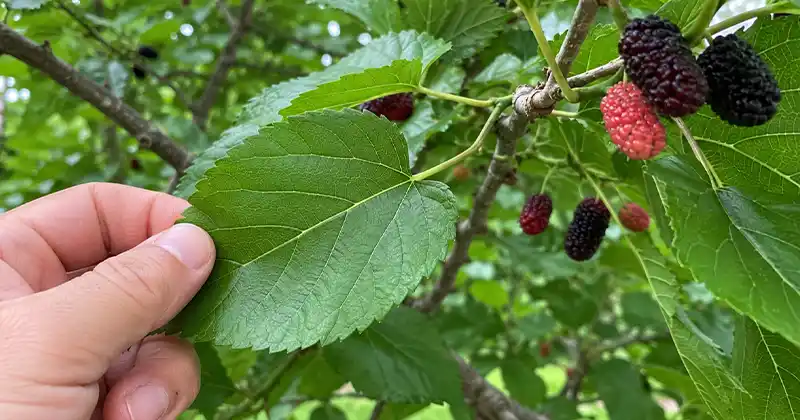
Mulberry trees are best known for their luscious summer berries, but their leaves possess an even greater potential as a Read more

When Affection Triumphs Over Blood Ties Sharaine and Wilson Caraballo, warm-hearted parents of a large family with five children, opened Read more

The Disguise Test One morning, Mr. Delaunay put on worn-out clothes, covered himself in dust, and let his beard grow, Read more

Purple Deadnettle (Lamium purpureum): Benefits, Uses & How to Make Tea Often overlooked or mistaken for an ordinary weed, Purple Read more
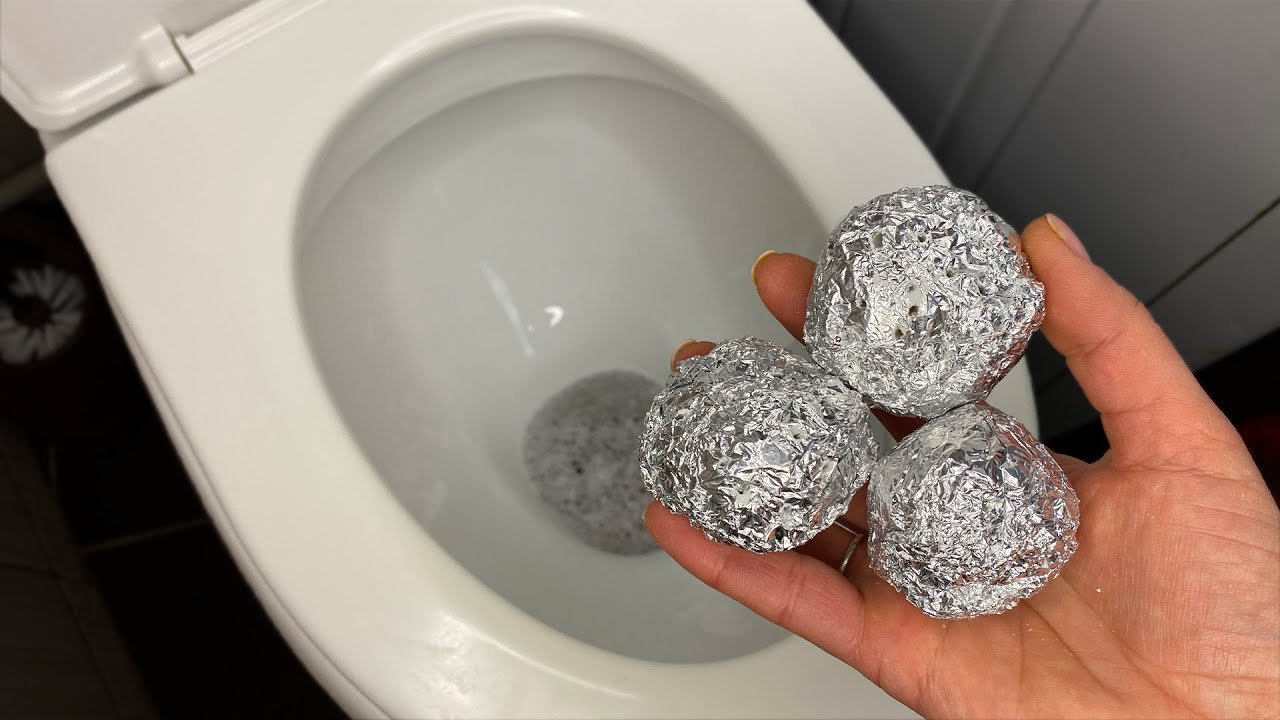
It might sound unusual, but an increasing number of homeowners have tried placing aluminum foil inside their toilet tanks. This Read more

Risks Associated with Using Boiling Water in Plumbing Premature Deterioration of Materials Frequently pouring boiling water down your sink can Read more

You bought a bag of potatoes, and a few weeks later, you find that they’ve started to sprout? Don’t panic! Read more

How to Clean a Glass Shower Door Naturally and Keep It Shining Longer Several areas of the bathroom are exposed Read more

Have you just stained a piece of clothing and don't know how to get rid of it? Rest assured, this Read more
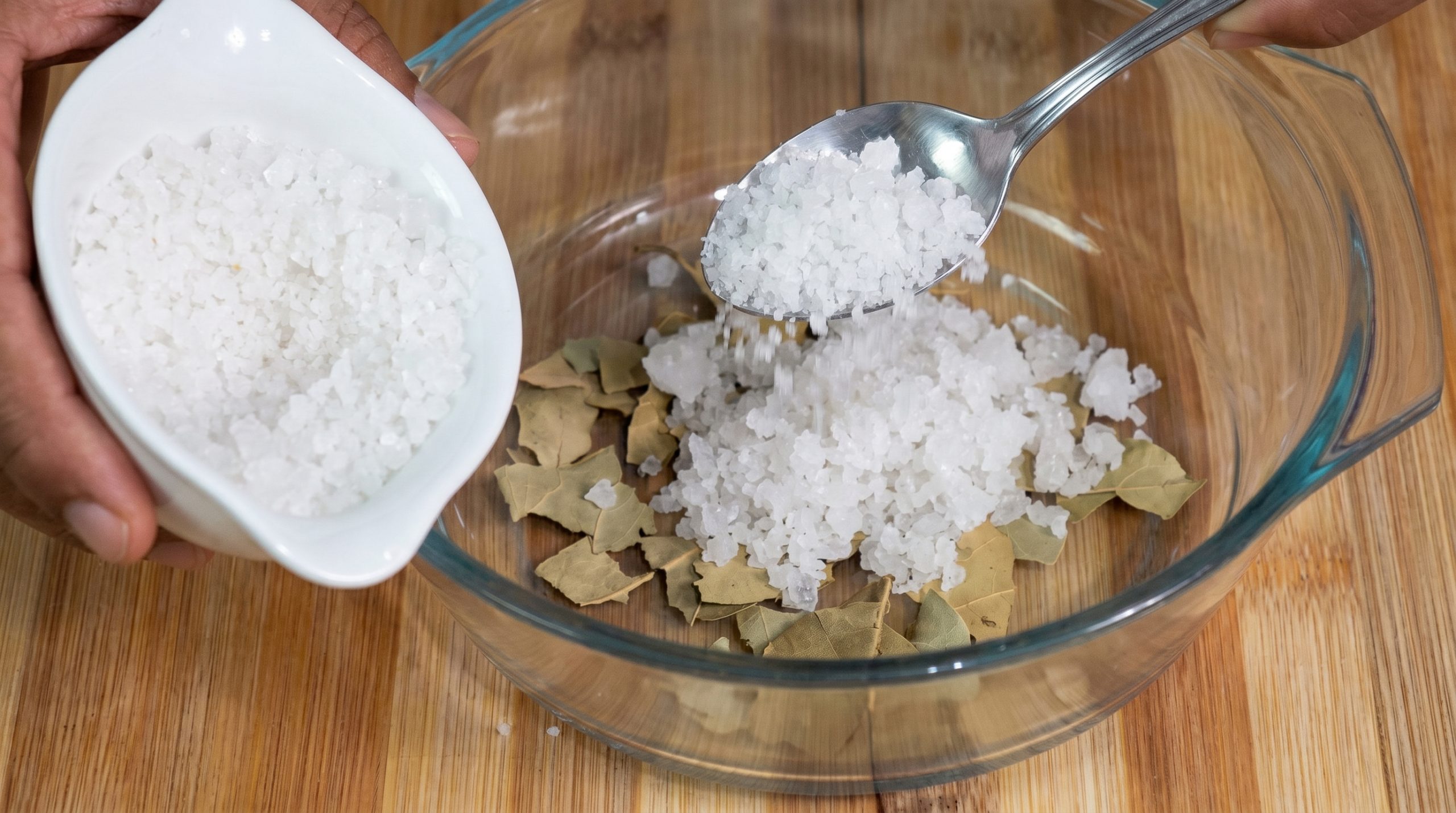
For centuries, the bay leaf has stood as a symbol of protection, wisdom, and soothing comfort. Salt, by contrast, represents Read more

The Hidden Power of Pomegranate Peel: 10 Health Benefits and How to Use It Pomegranate is often celebrated for its Read more

Why Do Some People Wash Their Ground Beef? The practice of washing ground beef often comes from a good intention: Read more
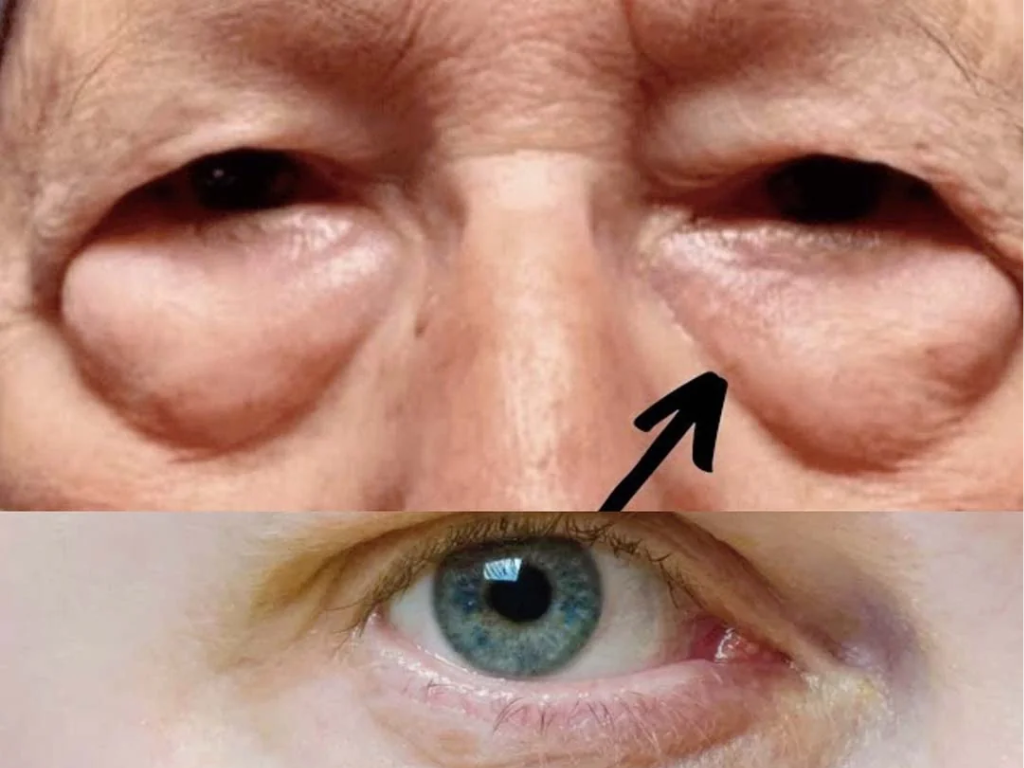
Worrying Causes of Dark Circles Under the Eyes Kidney Problems: A Subtle but Important Indicator The presence of bags under Read more

Whether in a sandwich, as an appetizer, or in a salad, hard-boiled eggs adapt perfectly to many everyday dishes. If Read more
