
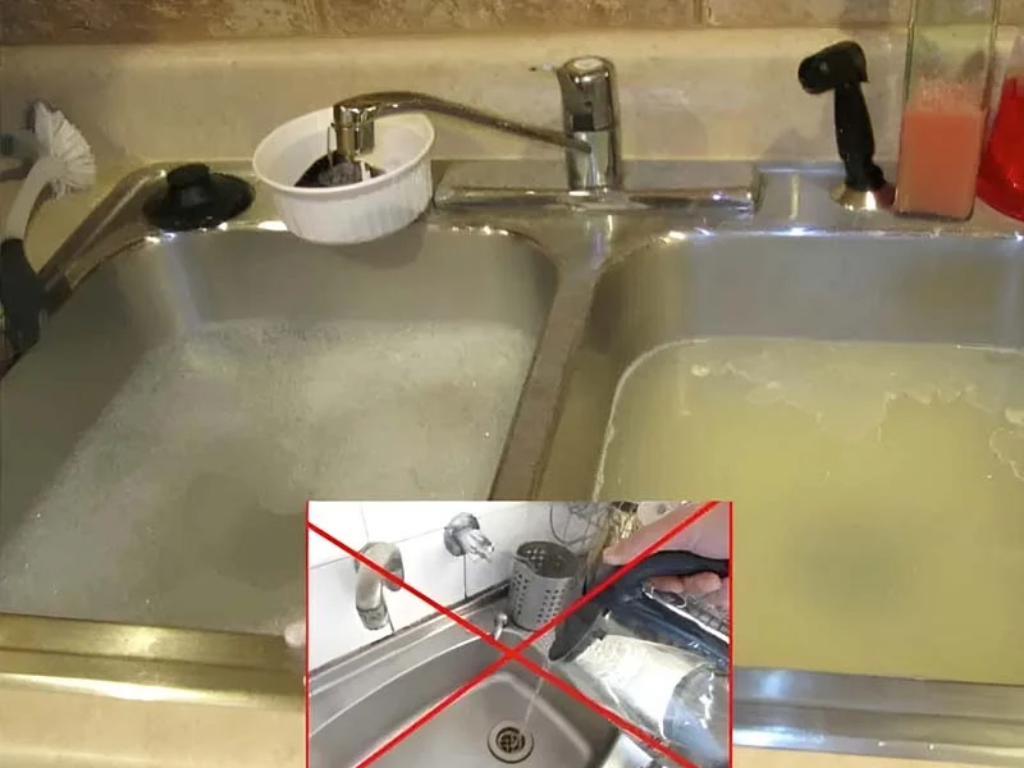
Rice Water and Baking Soda: A Surprising Duo to Unclog Your Drains
Few people realize that the water used to cook rice, often discarded, actually possesses genuine natural cleaning properties. When combined with baking soda, this rice water transforms into an effective solution for unclogging your blocked sinks.
How to Apply This Method?
After rinsing or cooking your rice, collect the cloudy and slightly thick water left behind.
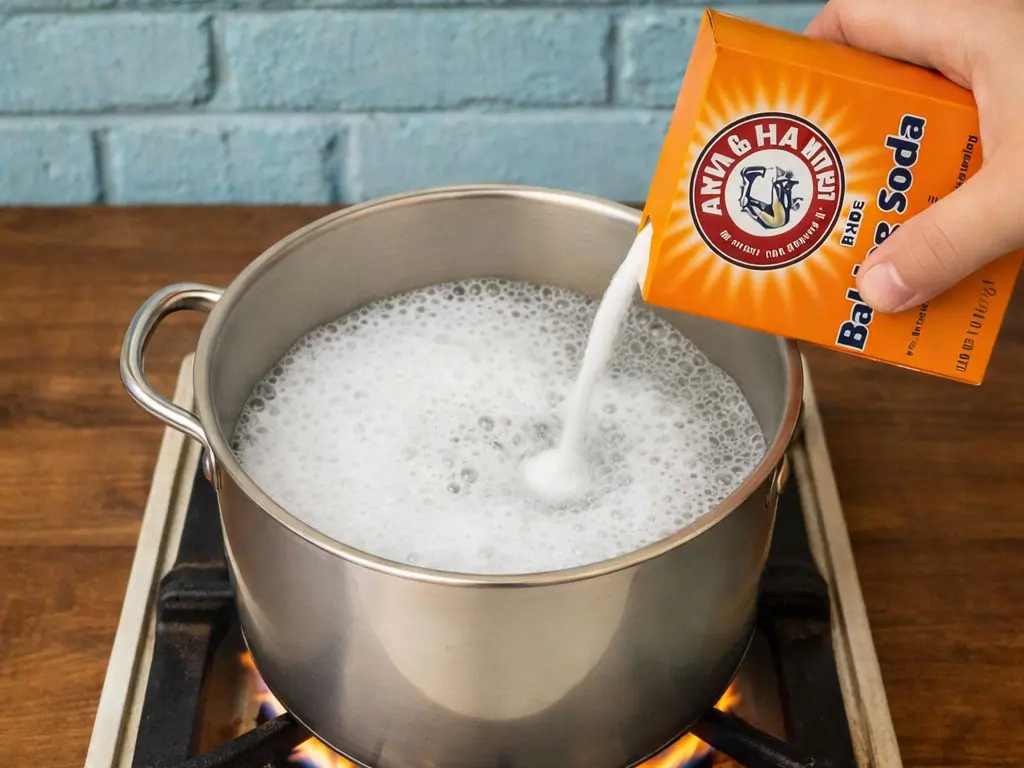
Add 2 to 3 tablespoons of baking soda to this rice water.
Pour this mixture directly into the clogged drain of your sink.
Let it sit for about an hour, then rinse thoroughly with hot water.
Why Is This Trick Effective?
The starch present in rice water helps dissolve greasy deposits, while baking soda works by breaking down tougher, more ingrained residues.
Greasy Drain? Opt for a Combination of Detergent and White Vinegar

Clogging caused by grease buildup is common. Instead of forcing it with a plunger, use a simple and highly effective recipe made with detergent and white vinegar.
Procedure to Follow:
Mix one tablespoon of liquid detergent (such as dishwashing liquid) with 200 ml of white vinegar.
Add three glasses of hot water to this mixture.
Slowly pour the preparation into the clogged drain.
Allow it to rest for one to two hours, then rinse thoroughly with hot water.
This combination efficiently breaks down greasy clumps while safeguarding the integrity of your pipes.
The Essential Trio: Baking Soda, Salt, and White Vinegar

This traditional method remains a reliable solution to unclog your drains. The mixture of baking soda, salt, and vinegar initiates a powerful chemical reaction that helps loosen and eliminate blockages.
Instructions:
- Mix 100 grams of baking soda with 100 grams of salt.
- Pour this mixture directly into the clogged drain.
- Then add 200 ml of white vinegar.
- Quickly seal the drain with a stopper or a damp cloth to contain the foam that develops.
- Let it work for one to two hours, then rinse with hot water.
Explanation: The reaction between vinegar and baking soda produces abundant foam that acts as a dissolving agent on deposits lodged inside the pipes.
Wire: A Simple and Practical Tool Against Solid Residues
When blockages are caused by solid residues like hair or food scraps, a stiff wire can be remarkably effective for clearing your drain.
Create Your Own Tool:
Take a rigid wire or a metal coat hanger.
Straighten it out, then shape one end into a hook.
Carefully insert this wire into the clogged drain.
Slowly twist it to catch the residues.
Remove the trapped debris, then rinse with hot water.
Practical Tip: This purely mechanical technique is ideal for efficiently removing hair or food pieces caught in traps without the need for chemical products.
Preventing Clogs: Adopt the Right Habits

To avoid constantly having to unclog your sink, here are some simple practices to incorporate into your daily routine:
- Filter waste: Place a grate or strainer in your sink to catch food scraps before they clog your pipes.
- Avoid pouring grease: Never pour cooking oil or fat down your sink as it solidifies and accumulates inside the pipes.
- Regular maintenance: Run boiling water through your drains at least once a week to dissolve forming greasy deposits.
- Retrieve fallen objects quickly: Use a metal hook to remove jewelry, stoppers, or small items accidentally dropped into the sink.
Simple and Effective Natural Solutions
With these eco-friendly and economical tips, you can quickly unclog your sinks without resorting to harsh or expensive chemical products. By adopting these good practices, your drains will stay clean and unpleasant odors will stay away from your home.
So, arm yourself with these simple tools: your pipes will thank you!

Goldenberries, also known as Physalis or Uchuva, are small, orange-yellow fruits enclosed in a delicate, papery husk. Originating from the Read more
Whether in a sandwich, as an appetizer, or in a salad, hard-boiled eggs adapt perfectly to many everyday dishes. If Read more
Two Years in the Freezer: Is It Really Too Late? It is common to assume that a long storage date Read more

A Fully Integrated Member of Its Tribe Social relationships hold a significant place in the life of a cat. When Read more

Highland flowers, often found in remote, elevated regions, are more than just a visual delight. These resilient blooms, thriving in Read more
Cassava: An Essential Plant at the Heart of a Deadly Paradox Whether in the form of flour, tapioca pearls, or Read more
Most of us believe we understand baking soda well. It rests quietly in a kitchen cupboard, freshens the refrigerator, rescues Read more
A Quiet and Efficient Predator in Your Home The domestic house centipede (Scutigera coleoptrata) is often regarded as a frightening Read more

We experienced several miscarriages. Each time, it was a silent grief, almost invisible to the eyes of others. I learned Read more

Ticks' Favorite Hiding Spots: Why Your Garden is Their Paradise Ticks have a distinct preference for damp, shaded, and poorly Read more
How can a simple homemade mixture really help make your teeth whiter? Here is the secret that has already captivated Read more
Giving Your Plastic Bottles a Second Life: A Practical and Eco-Friendly Approach Often discarded without a second thought, plastic bottles Read more

8 Surprising Benefits of Water Cloves You Probably Didn’t Know About Cloves are widely recognized for their warm, spicy aroma Read more

The Dog’s Nose: An Organ of Exceptional Sensitivity While humans explore the world primarily through vision, dogs scrutinize it mainly Read more

Mullein (Verbascum thapsus), a tall, woolly plant often seen growing along roadsides and in open fields, has been treasured for Read more

White Clover (Trifolium repens): 15 Benefits and Homemade Uses White clover (Trifolium repens) is more than just a common plant Read more

The Scents That Attract Them Unintentionally Many laundry detergents and fabric softeners release floral, fruity, or subtly sweet fragrances. While Read more
Embroideries and Refined Details: Don't Throw Away Your Textile Treasures Some old towels hold true treasures: hand-embroidered initials, delicate lace, Read more
Mulberry trees are best known for their luscious summer berries, but their leaves possess an even greater potential as a Read more
Cleavers (Galium aparine): The Herbal Remedy for Detox and Lymphatic Health Cleavers, also known as Galium aparine, is a humble Read more

Sweet Violet (Viola odorata): 25 Incredible Benefits & How to Use It Sweet violet (Viola odorata), also known as wood Read more
Diseases Transmitted by Ticks When we talk about ticks, Lyme disease immediately comes to mind, and for good reason. However, Read more

Cleaning Grease Off Kitchen Wooden Cabinets: Effective Techniques Removing dirt and embedded grease stains from kitchen wooden cabinets isn't always Read more

An IQ Test Involving Coffee Cups When it comes to logical reasoning, it is clear that not everyone approaches it Read more
An Ordinary Object Turned Viral Mystery What sparked the excitement? A photo showing a long, curved object made of metal Read more
A Fundamental Innovation in the World of Commerce At the dawn of the twentieth century, merchants faced a recurring challenge: Read more
For centuries, Chelidonium majus, commonly known as Greater Celandine, has held a special place in traditional herbal medicine. Recognized by Read more
Throughout our journey in history, the bond between humanity and nature has been inseparable, providing not only sustenance but also Read more

A True Nutritional Treasure in Every Bite Beef tongue stands out primarily for its remarkable nutritional richness. It is an Read more

Purslane (Verdolaga) is no longer a garden menace but a valuable gem! This remarkable plant is reclaiming its place in Read more
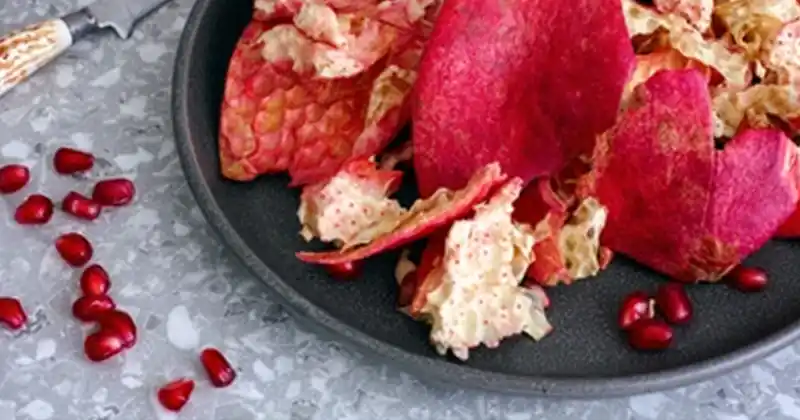
The Hidden Power of Pomegranate Peel: 10 Health Benefits and How to Use It Pomegranate is often celebrated for its Read more

Datura stramonium, commonly known as Jimson weed, thorn apple, or devil's trumpet, is a plant native to North America but Read more

She Feels Undervalued Feeling loved is, above all, about feeling recognized and appreciated. When a woman senses that her efforts, Read more

Understanding, anticipating, and supporting your dog through every stage of their life is essential to providing them with the best Read more

Why It's Crucial to Clean Your Oven and How to Do It Naturally The Importance of Cleaning Your Oven The Read more

Why Does Your Dog Lick Your Hands? Licking is a natural form of communication for dogs. From their earliest weeks, Read more

Why does your sleep become fragile precisely between 3 a.m. and 5 a.m.? Is it due to a peculiarity of Read more
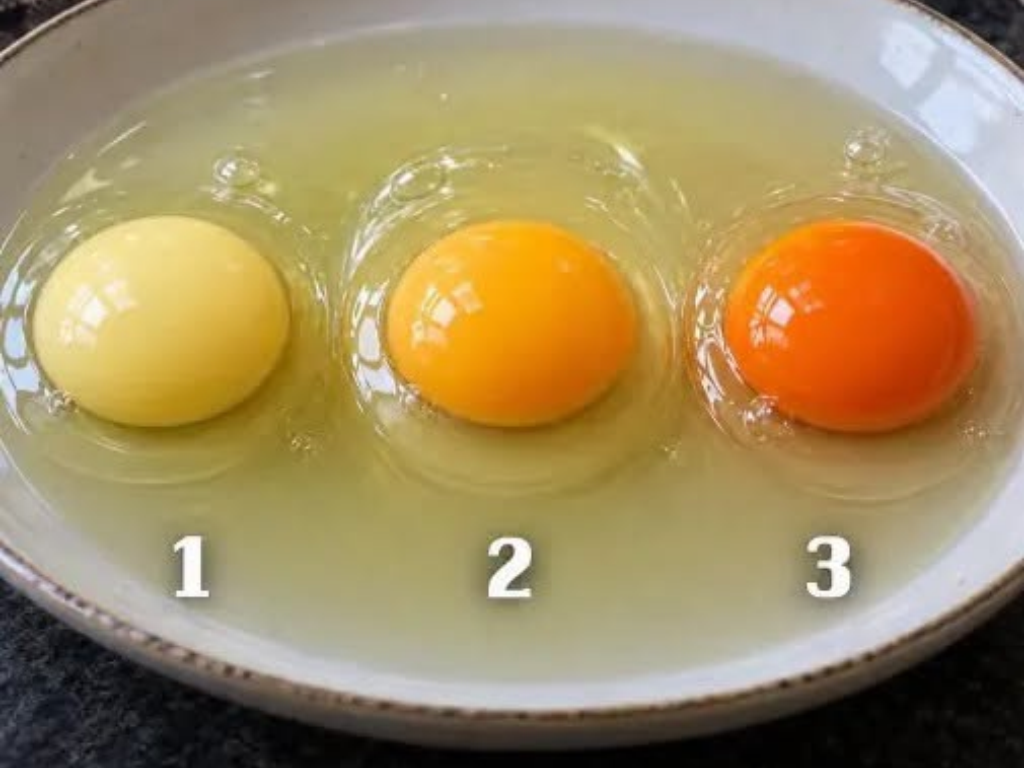
The Color of Egg Yolk Depends Primarily on the Hen’s Diet Few people truly realize that the shade of an Read more
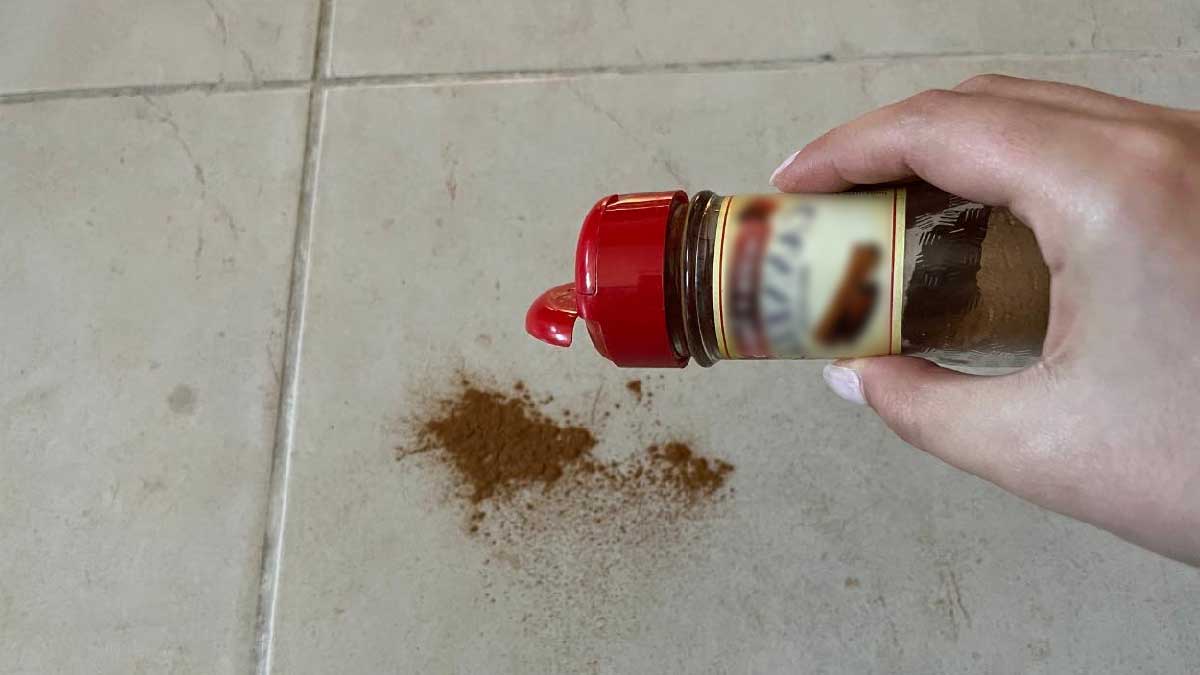
Have you ever encountered this unusual practice of sprinkling cinnamon powder in front of your front door? At first glance, Read more

The Benefits of Combining Eggs and Coffee: A Nutritious and Energizing Pair When it comes to starting your day right, Read more
