
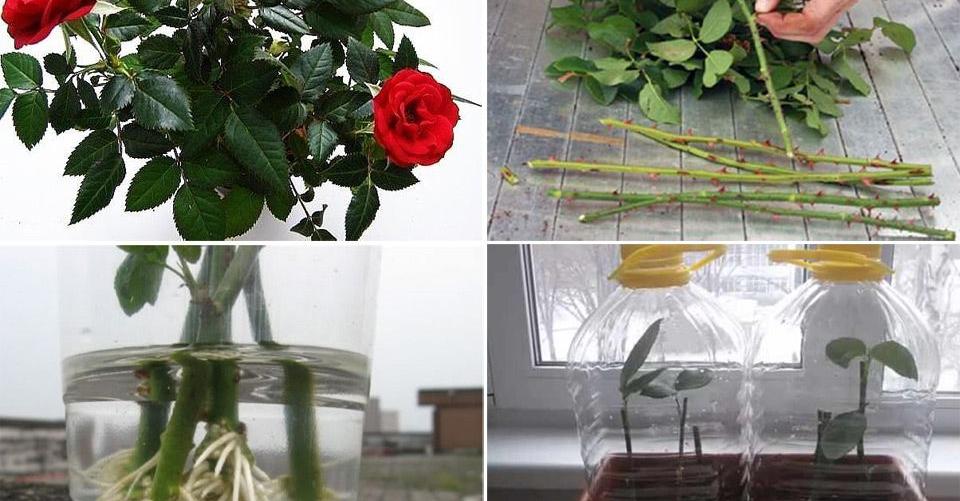
Florists and rose lovers alike understand that the allure of roses need not be ephemeral. It is entirely possible to take roses from a bouquet and successfully root them at home, transforming a simple gift into a lasting celebration of nature’s splendor. With some easily available ingredients such as yeast solution, honey water, and aloe water, anyone can enjoy the fulfilling activity of propagating roses right in their own home. This comprehensive guide will take you through a detailed step-by-step process to turn your bouquet into a thriving rose garden.
Materials Needed
Before beginning the propagation process, gather the following materials:
- A bouquet of roses
- A sharp knife or pruning shears
- Yeast solution
- Honey water
- Aloe water
- Clean jars or containers
- High-quality potting soil
- Gardening gloves (optional, recommended for thorn protection)
How to Use These Materials
Step 1: Choosing and Preparing Your Rose Cutting
Start by selecting a healthy stem from your rose bouquet. The ideal stem should measure approximately 6 to 8 inches in length, featuring a few leaves but no blossoms. Using a sharp knife or pruning shears, cut the stem at a 45-degree angle. This angled cut enlarges the surface area for root development and allows easier insertion into the rooting medium.

Step 2: Preparing Natural Rooting Hormones
You can encourage root growth by using natural household ingredients such as yeast, honey, and aloe, which act as natural rooting hormones.
To make the yeast solution, stir one teaspoon of dry yeast into two cups of lukewarm water until fully dissolved.

For honey water, dissolve two tablespoons of honey in two cups of boiled water. Allow the mixture to cool completely before use.
To prepare aloe water, slice open an aloe vera leaf and scoop out the gel. Mix this gel thoroughly with two cups of water to form a nutrient-rich solution.

Step 3: Soaking the Cutting
When your solutions are ready, immerse the rose cutting in the yeast solution for about one hour. The yeast provides valuable nutrients that support the initial rooting phase.
Step 4: Applying Honey Water and Aloe Water
After soaking in the yeast solution, dip the lower end of the rose cutting into the honey water. Honey serves as a natural antiseptic and antibacterial substance, helping to protect the cutting from diseases and decay.

Next, dip the same end of the stem into the aloe water. Aloe vera contains gibberellins and other natural hormones that stimulate root growth while preventing harmful pathogens from taking hold.
Step 5: Planting Your Rose Cutting
Now that your rose cutting has been thoroughly prepared, it’s time to plant it. Fill a clean jar or container with fresh potting soil, and insert the cutting about two inches deep. Make sure the portion of the stem that was dipped in each solution is completely covered by soil.
Final Step: Caring for Your Rose Cutting
Place your newly planted cutting in a spot that receives indirect sunlight and maintain soil moisture by watering regularly, but avoid overwatering. Root development may take several weeks, varying according to rose variety and environmental conditions.
Propagating roses from a bouquet at home is more than just cost-effective; it’s an absorbing and rewarding way to enrich your garden. Utilizing natural substances like yeast solution, honey water, and aloe water adds an environmentally friendly element to the propagation process. So, the next time you receive a rose bouquet, remember that it’s not merely a fleeting gift. With patience, care, and dedication, it might just mark the beginning of a flourishing new chapter in your rose gardening journey.
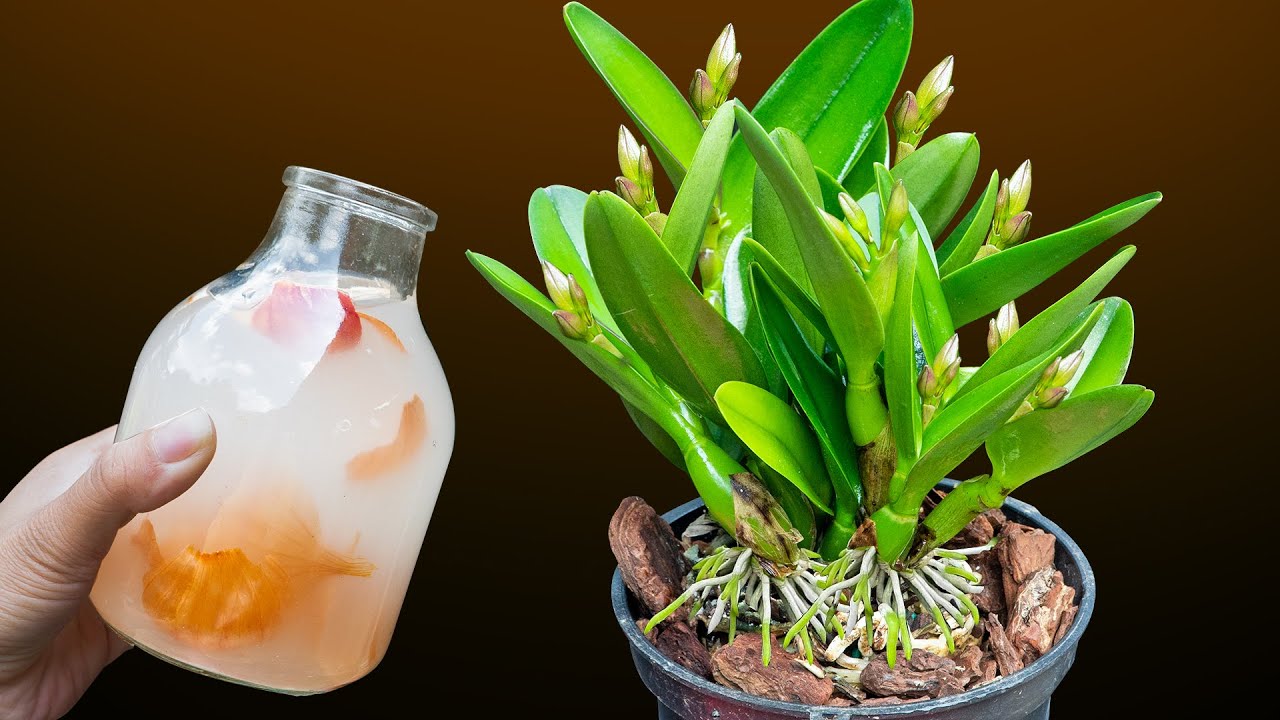
Orchids, celebrated for their exotic beauty and remarkable variety, require tailored care to flourish. While most growers rely on commercial Read more
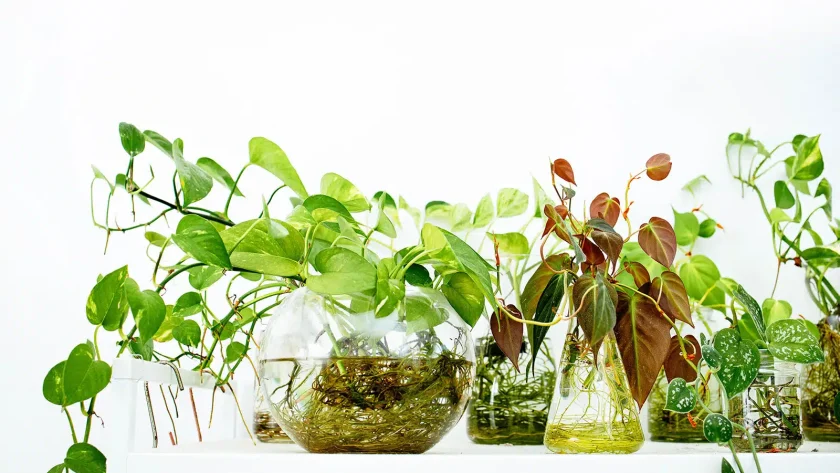
Searching for a distinctive method to incorporate some foliage into your home or workplace? Try cultivating plants hydroponically! Not only Read more

Bananas are a delightful treat, but their peels can be a garden's treasure. Rather than discarding banana peels into compost, Read more
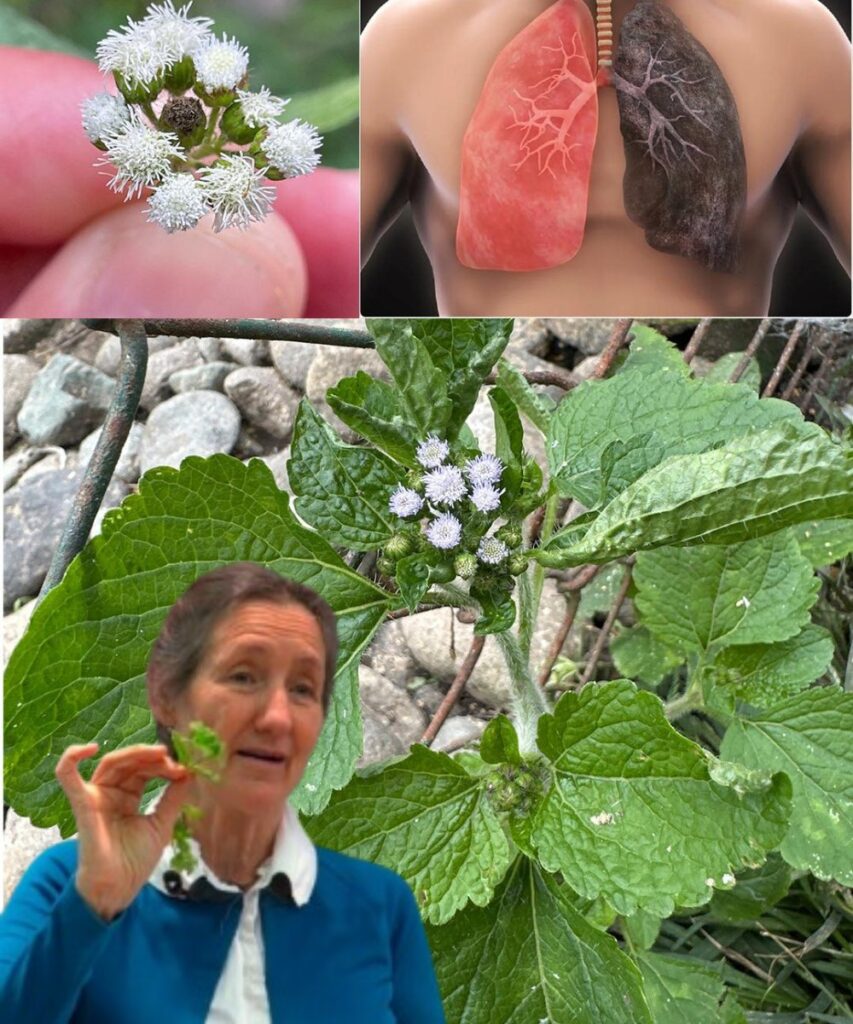
The Incredible Healing Power of Billygoat Weed (Ageratum conyzoides): 15 Health Benefits You Should Know About Billygoat weed, also known Read more
Snake plants are renowned for their resilience, often considered nearly indestructible. They can withstand missed waterings, low light conditions, and Read more

As sustainability and eco-consciousness continue to rise in importance in our daily lives, discovering alternative methods to fertilize our gardens Read more
You have probably found yourself here because you are tired of seeing your Christmas cactus looking like the Ghost of Read more
Are you searching for an affordable and eco-friendly alternative to chemical fertilizers? An unexpectedly powerful solution might already be in Read more
Snake plants (Dracaena trifasciata, formerly known as Sansevieria trifasciata) are renowned for their remarkable resilience. No matter if they receive Read more
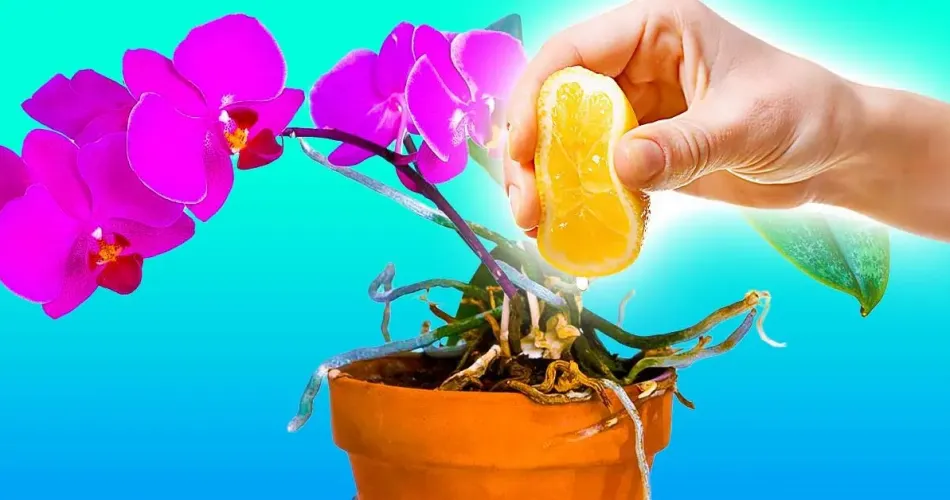
Orchids, with over 28,000 unique species, provide a fascinating insight into the immense diversity found in nature. Originating from the Read more
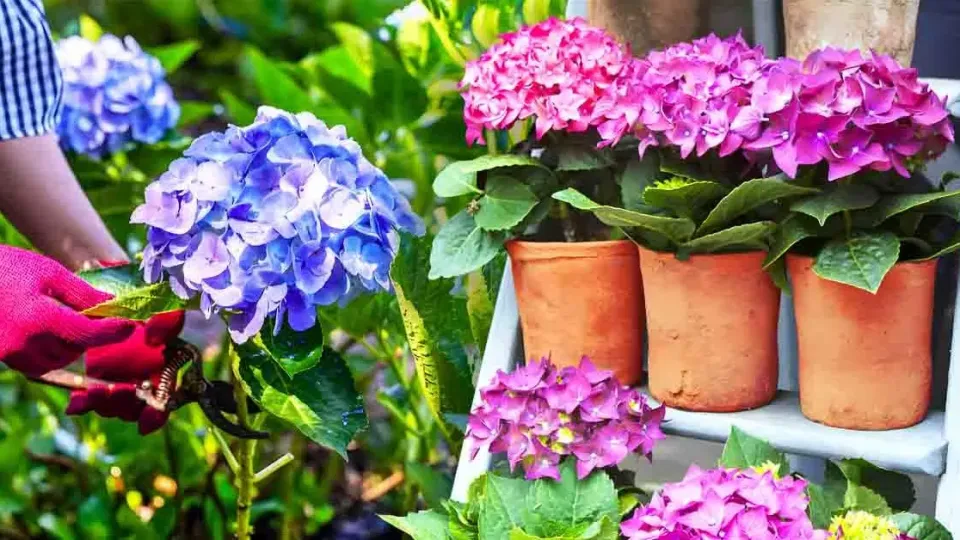
Hydrangeas, with their breathtaking blooms, stand out as one of the most enchanting deciduous flowering bushes. If you've wandered through Read more
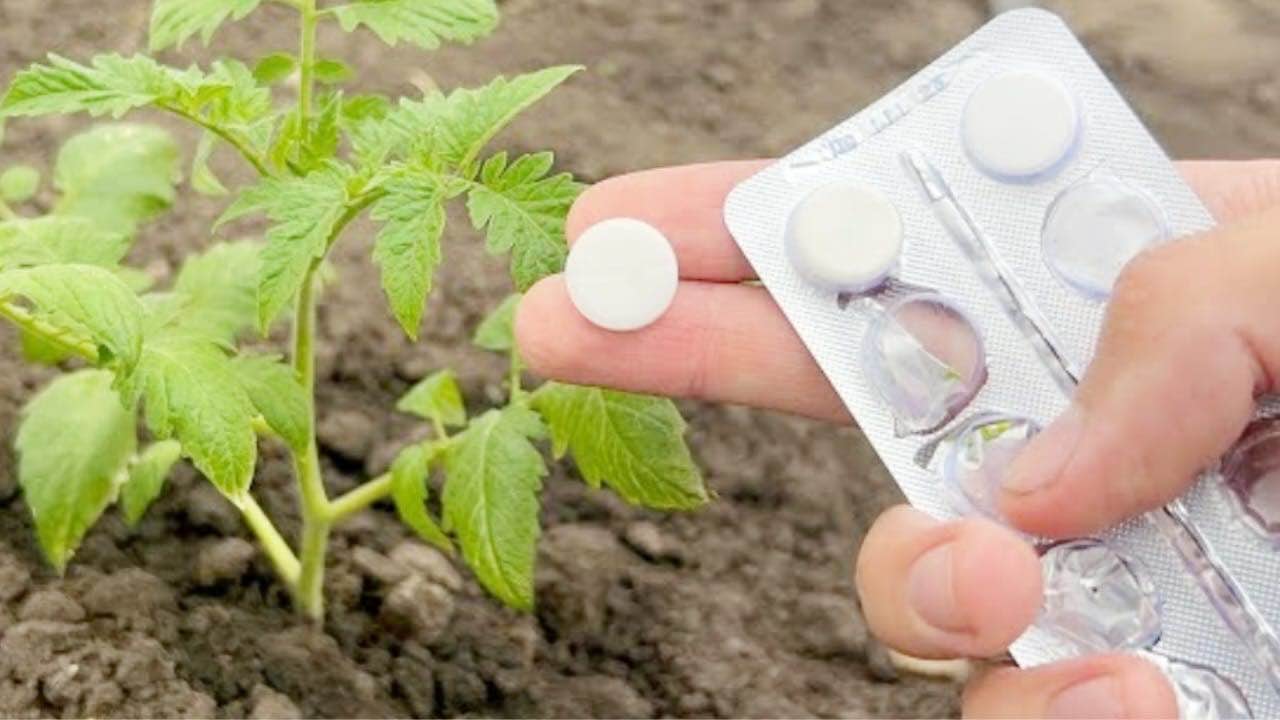
Have you ever noticed how a tomato freshly picked from your garden tastes far superior to one bought off a Read more
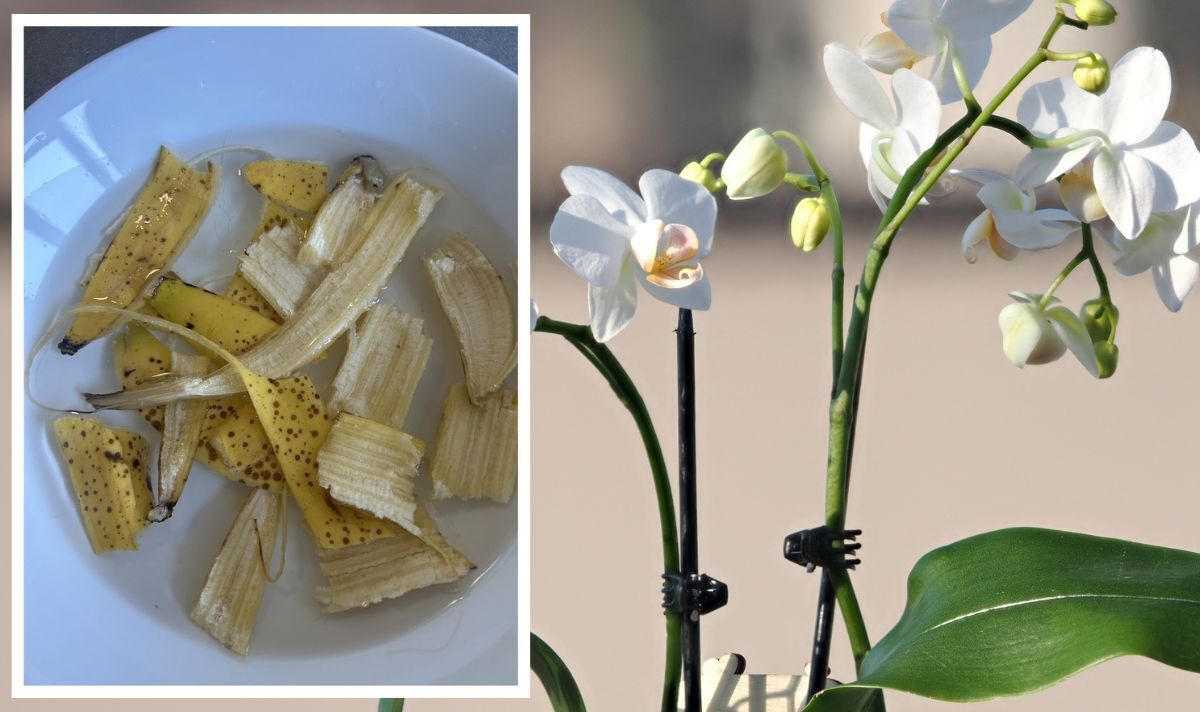
Orchids rank among the most exquisite houseplants cherished by many, yet they are often recognized for their delicacy and their Read more

Insect-Repelling Greenery: Your Natural Home Defense Transform your home into a sanctuary free from the annoyance of insects such as Read more

Excessive moisture within a house can arise due to capillary action, infiltration, or the phenomenon of condensation. The latter is Read more
The jade plant boasts stunning foliage, making it an excellent choice for enhancing both garden landscapes and indoor environments. Beyond Read more
Do you have indoor plants? They have a unique ability to infuse life and color into any environment, whether it’s Read more

Unlocking the Flowering Potential of Anthuriums Anthuriums are renowned for their stunning, heart-shaped blooms which, under ideal conditions, can grace Read more

For gardening enthusiasts, it's a known fact that many plants thrive in humid and warm climates conducive to their growth. Read more
Indoor Plants and Their Benefits Indoor plants not only enhance the decor but also bring a touch of lush greenery. Read more
Experienced gardeners are well-acquainted with the practice of turning kitchen scraps into valuable gardening resources. Among these scraps, potato peelings, Read more

Wild Medicinal Plants: Harnessing the Hidden Virtues of Earth’s Greenery In the wilderness of our environment—ranging from the expanse of Read more

Tea, the staple of morning routines and afternoon breaks, may have a second life beyond the cup that's often ignored. Read more
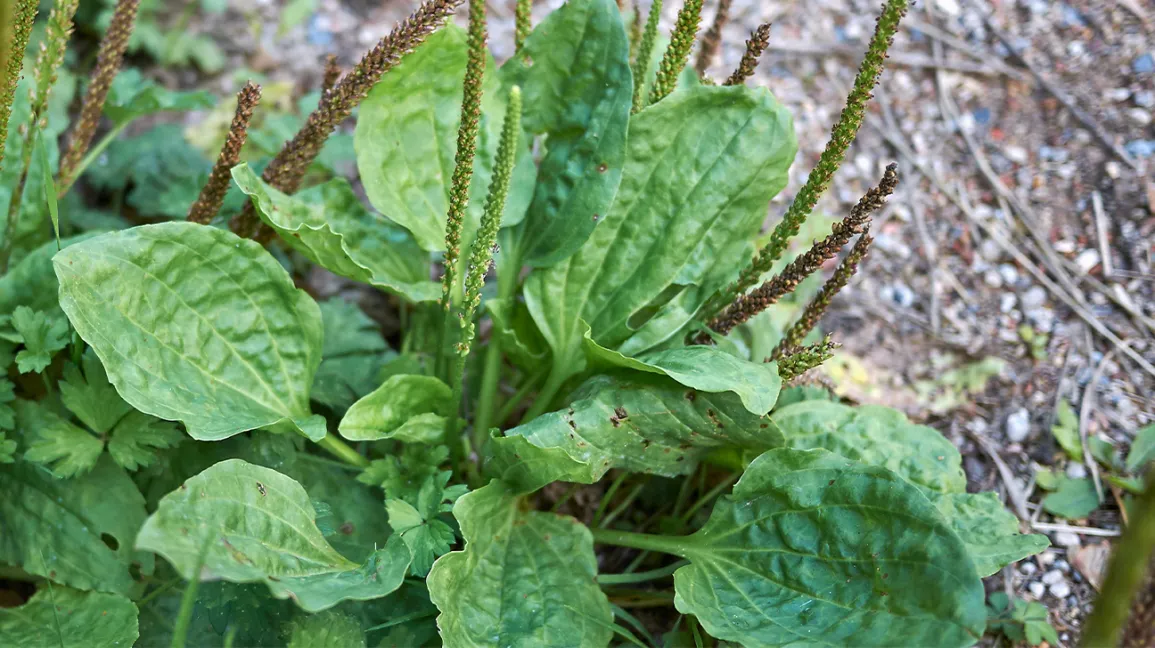
Nature provides us with countless remedies in the form of wild medicinal plants, surrounding us everywhere we go. These healing Read more

The Wonders of Blueberries: A Guide to Growing and Enjoying This Nutrient-Rich Fruit Mildly sweet, the blueberry is a dark Read more
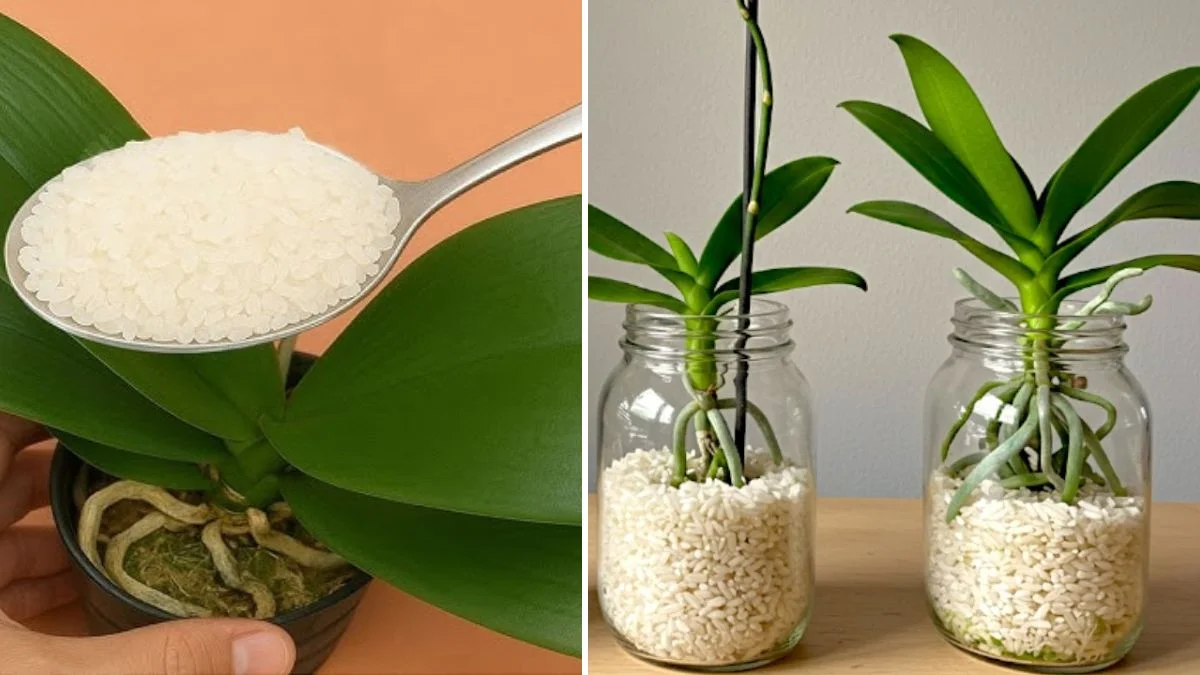
Orchids are among the most cherished ornamental plants worldwide, admired for their exotic flowers, graceful forms, and blooms that last Read more
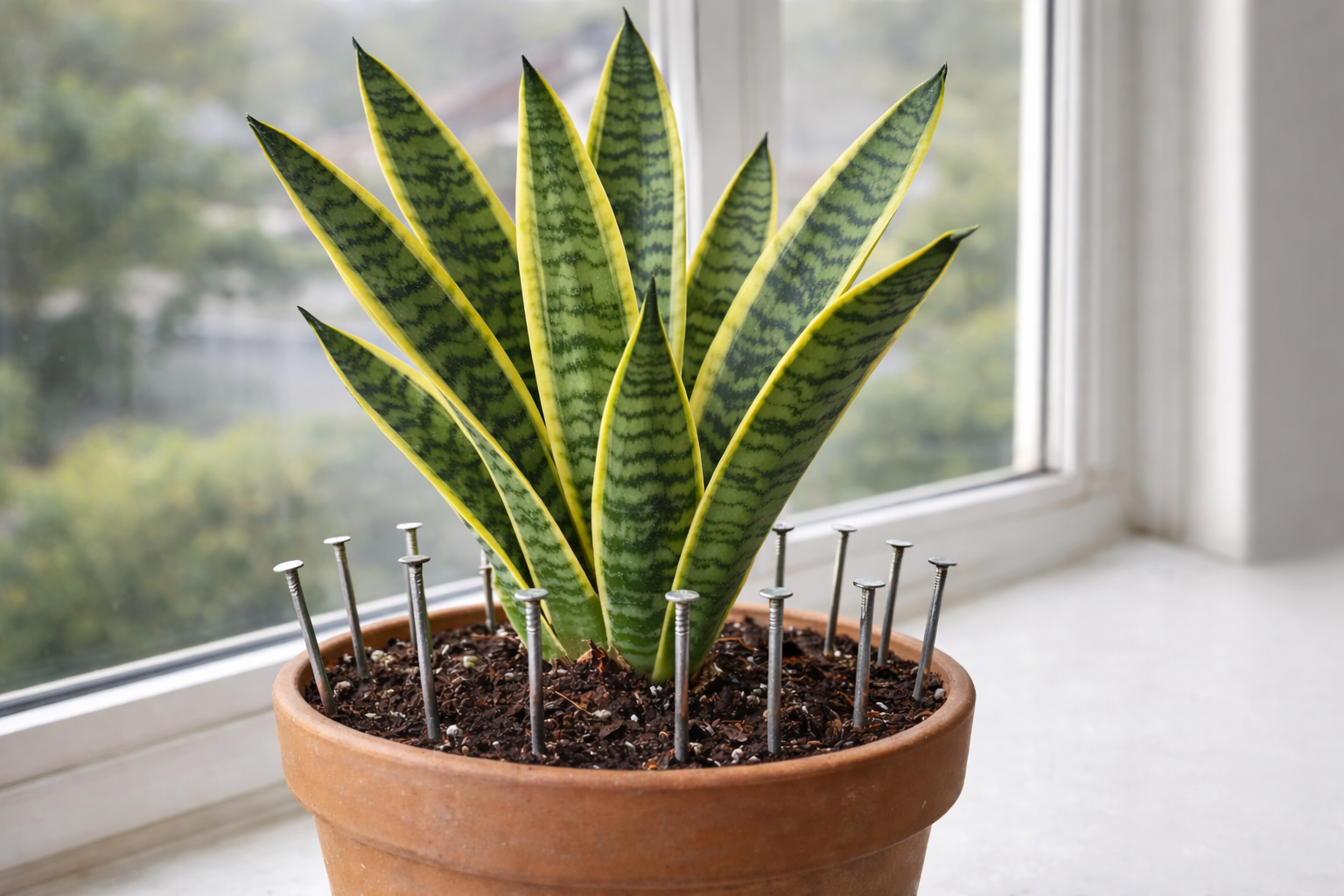
You carefully plan your getaway, pack your bags, double-check your tickets… and just as you are about to close the Read more

Understanding Fertilizers for Plants Fertilizer is a product that can be spread or mixed into the soil to provide plants Read more

In the culinary world, garlic is a staple ingredient that is hard to do without. Cultivating it benefits many plants Read more
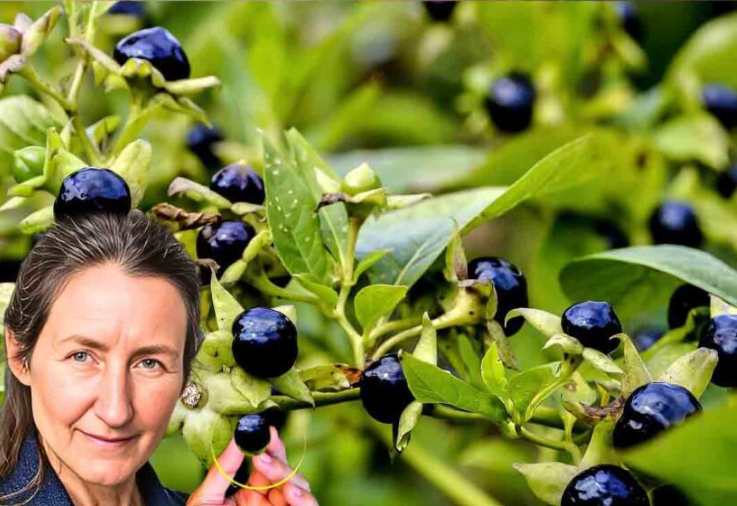
Deadly Nightshade (Atropa belladonna): The Mysterious and Dangerous Plant with a Dark Legacy At first glance, Deadly Nightshade (Atropa belladonna) Read more
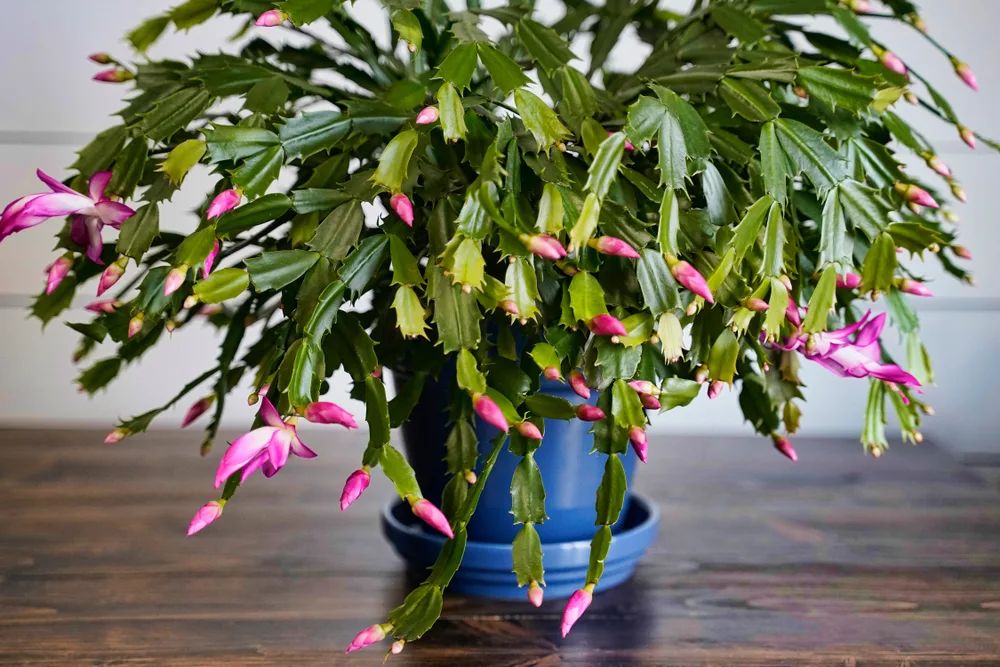
Unlocking the Mystery of the Festive Cactus The festive cactuses often baffle indoor gardeners. There's a lingering myth that these Read more

Navigating Aloe Vera Care: Bypassing Usual Oversights Aloe vera, celebrated for its therapeutic properties and eye-catching demeanor, is occasionally compromised Read more
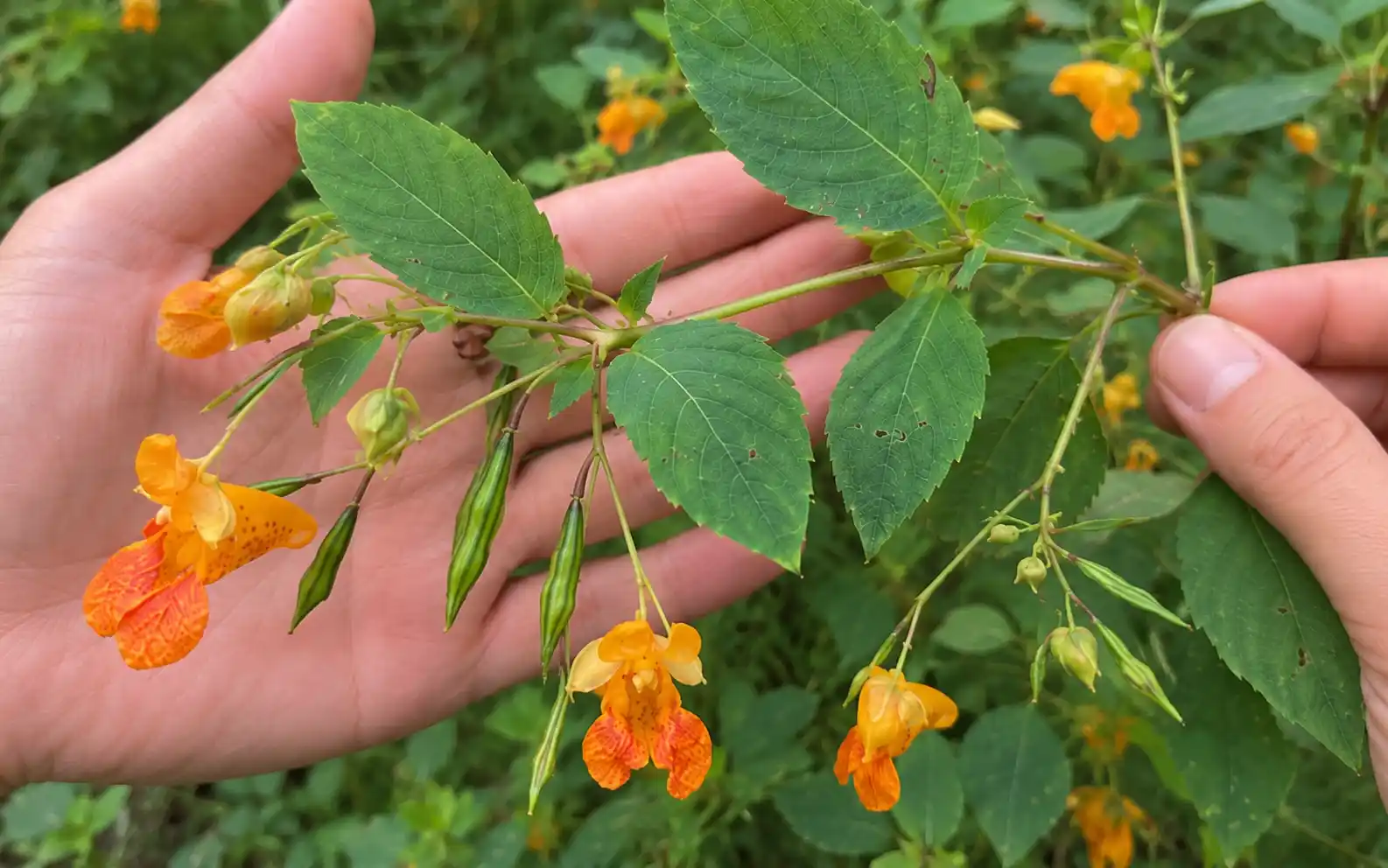
Safety and Medical Disclaimer: The information provided in this article is intended solely for educational and informational purposes. We disclaim Read more

Indoor Plants: A Decorative Air Purifier Indoor plants have become an essential part of modern decor, increasingly sought-after to greenify Read more
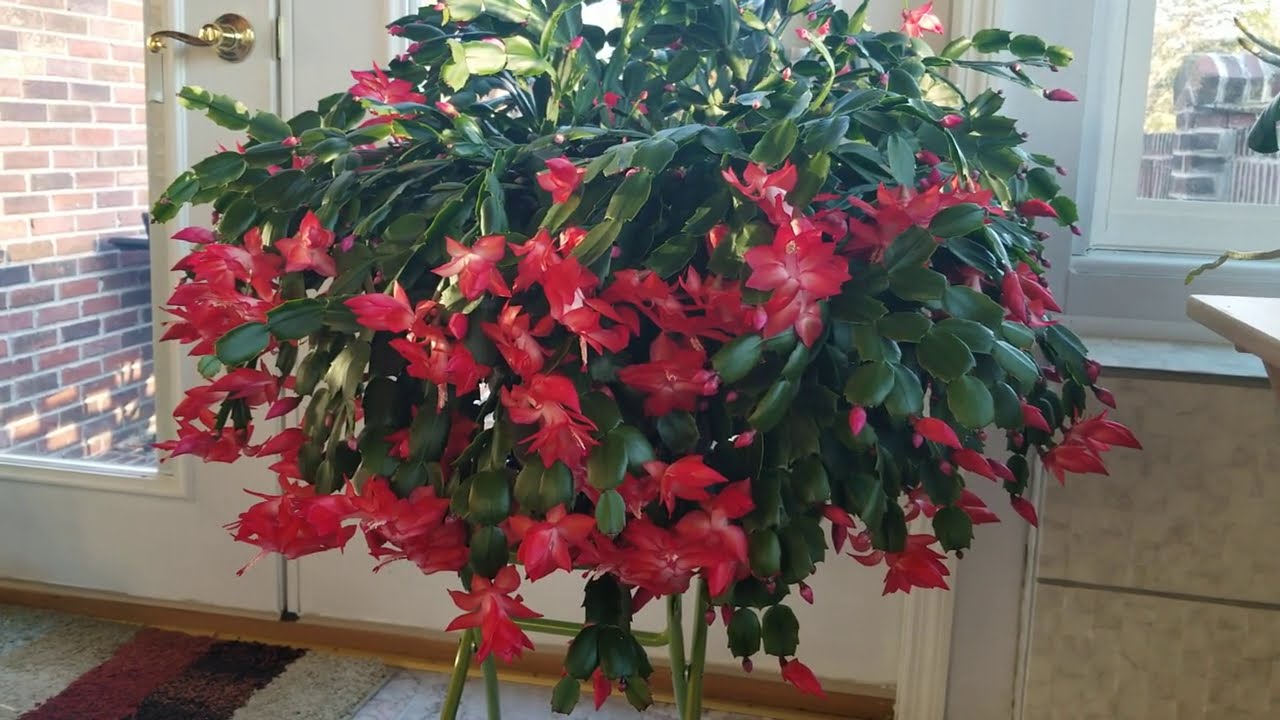
Christmas cacti don’t adhere to the typical “feed once a month and forget it” approach that many houseplants follow. Because Read more
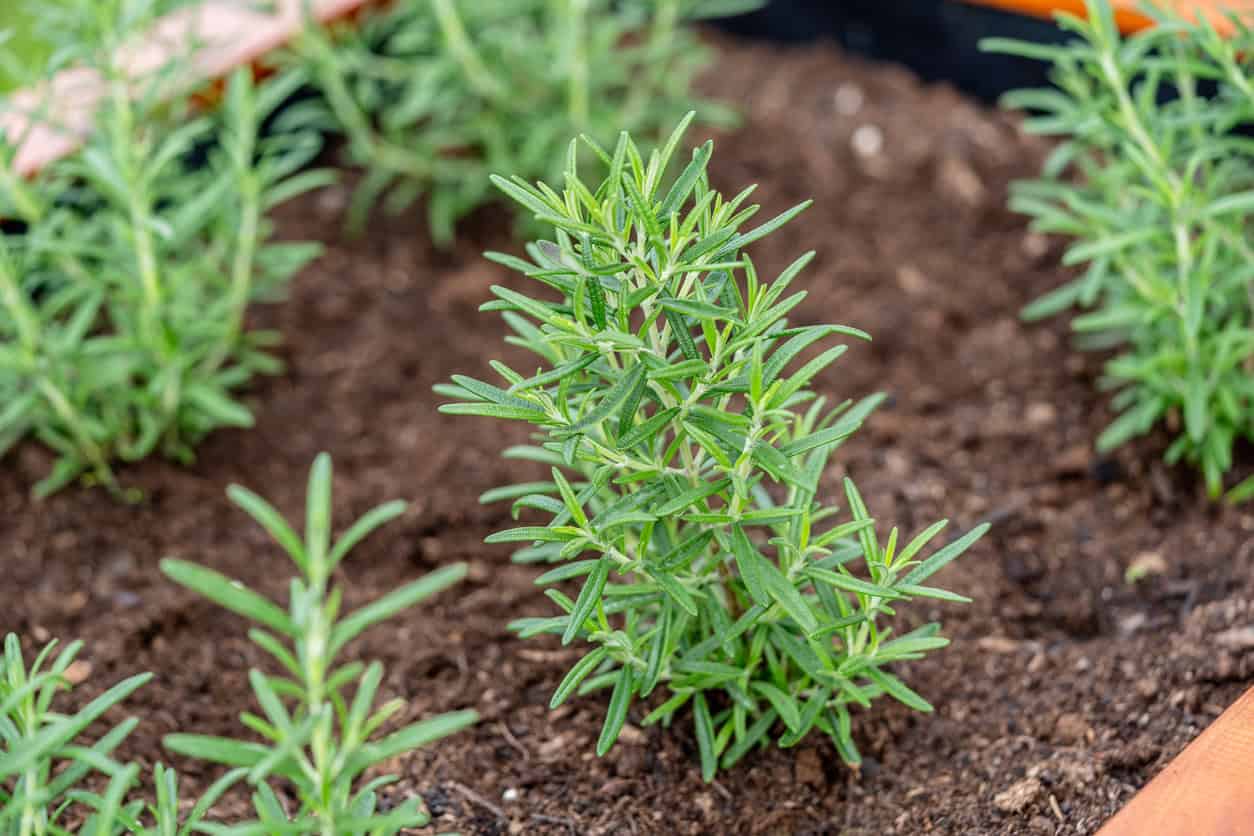
Rosemary is incredibly resilient... truly very robust! If you have ever had the unfortunate experience of adding too much to Read more

Neem oil is a completely natural product, derived from a plant native to India. It contains azadirachtin, a potent compound Read more
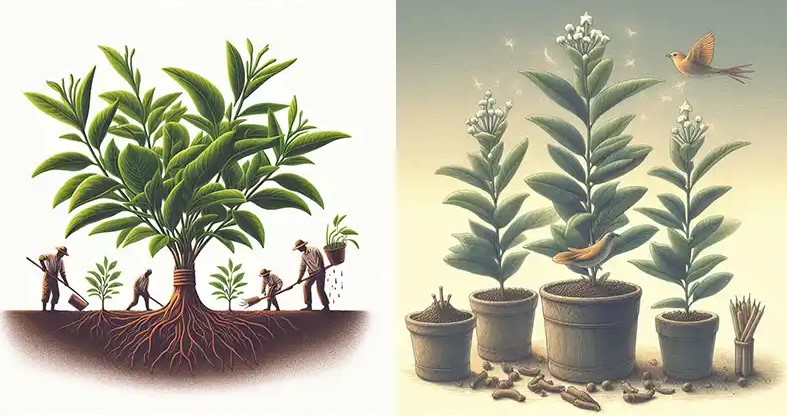
Easy Clove Growing: From Seed to Spice – A Beginner’s Guide Cloves are among the most treasured spices in the Read more

Orchids, with a staggering 28,000 unique species, beautifully demonstrate nature's rich tapestry of diversity. Originating from the Orchidaceae lineage, these Read more
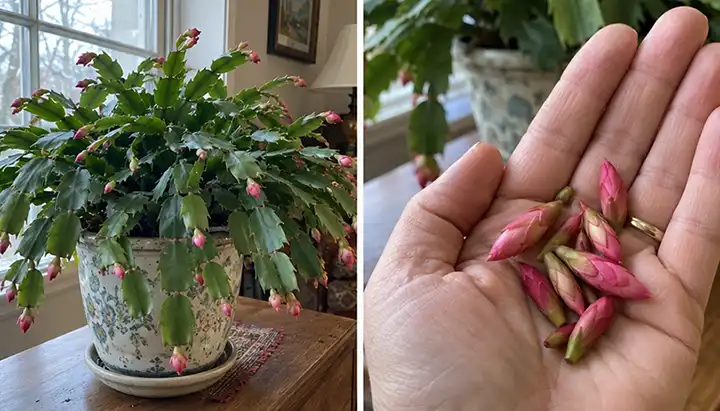
If your Christmas cactus has stayed healthy throughout the year but produced only a few flowers last winter, October might Read more
