
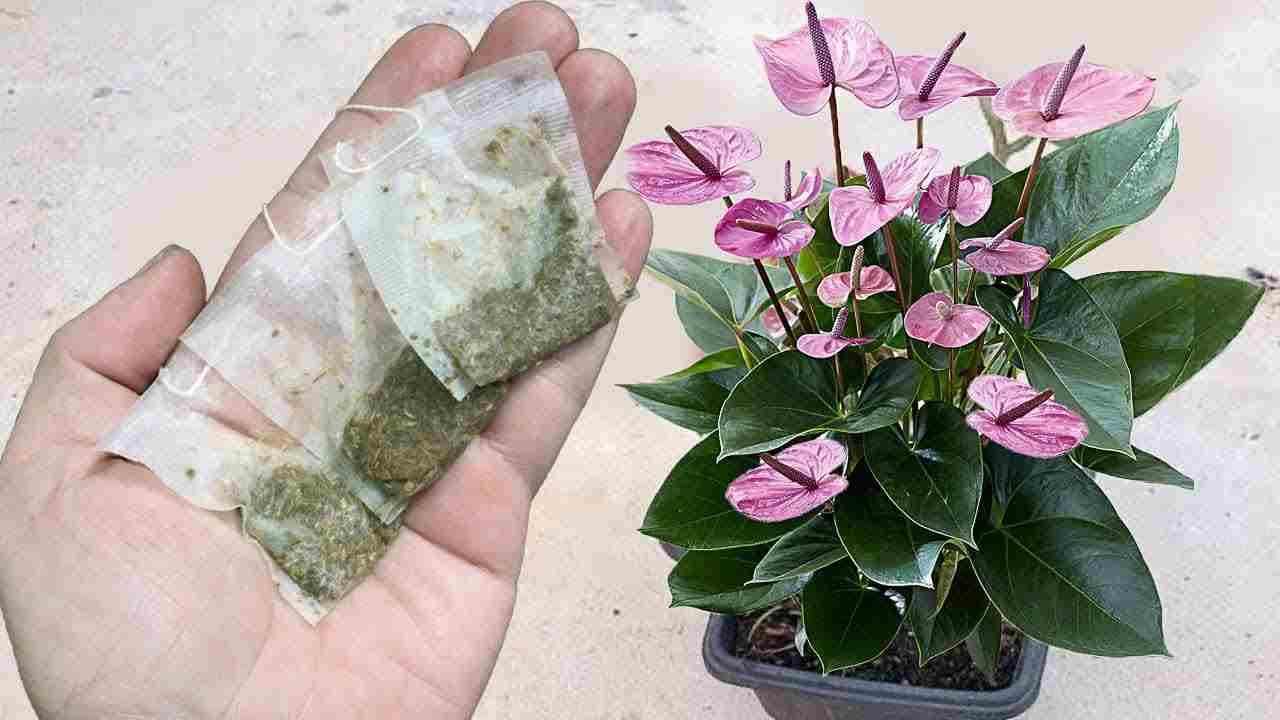
The ancient custom of drinking tea has been cherished by cultures around the world for centuries. Yet, surprisingly few people realize the many beneficial uses of tea bags beyond simply brewing a cup of tea. A widespread misconception is that once used, tea bags are merely trash to be discarded. However, this could not be further from the truth. In reality, used tea bags can prove to be incredibly valuable for your garden. In this article, we will delve into ten compelling reasons why you should consider planting your used tea bags in the soil instead of throwing them away.
1. Nutrient-Rich Fertilizer

Tea bags are packed with nutrients essential for the healthy growth of plants. Tea leaves contain vital compounds such as nitrogen, potassium, and phosphorus, which play a crucial role in promoting robust plant development. When you bury used tea bags in your garden soil, these nutrients slowly absorb into the earth, enriching it and encouraging flourishing plant life. Additionally, tea bags contain tannins, natural compounds that can reduce soil pH, making the soil more acidic. This acidity is particularly advantageous for acid-loving plants like roses, azaleas, and ferns, helping them thrive beautifully.
2. Pest Repellent
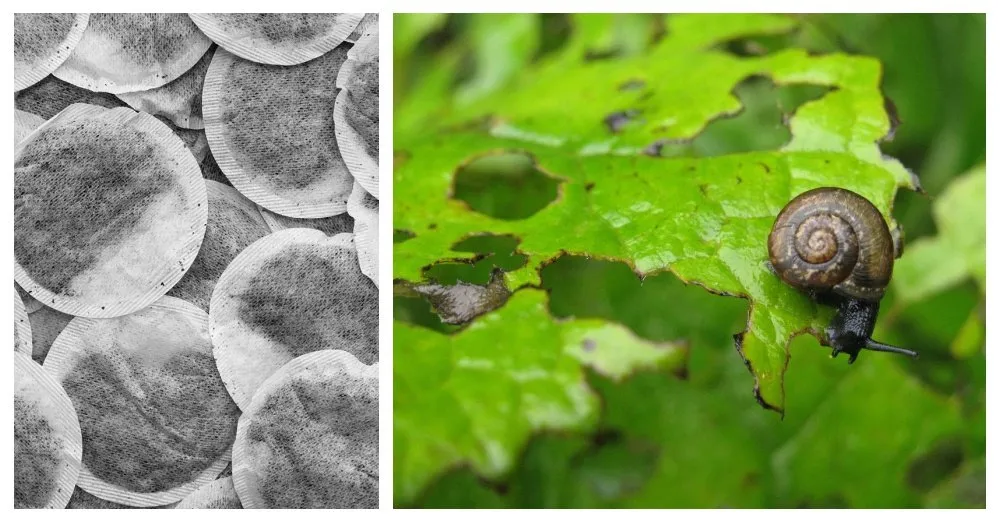
Garden pests are often a gardener’s worst enemy, causing damage and stress. Fortunately, tea bags provide a natural way to deter many of these unwanted visitors. The aroma of tea acts as a deterrent to pests such as rodents and various insects, discouraging them from invading your garden. More so, the caffeine found in tea leaves is toxic to certain pests like slugs and snails, protecting your plants from their destructive feeding habits. To utilize this benefit, simply bury used tea bags near the base of your plants or scatter the used tea leaves around your garden to keep these harmful pests at bay.
3. Compost Enhancement

Composting remains one of the best ways to recycle organic waste into nutrient-rich soil amendment for your garden. Adding used tea bags to your compost pile enhances its overall nutrient content, as the tea leaves contribute valuable minerals and organic matter. Furthermore, the tea bags help retain moisture within the compost and assist in maintaining an ideal temperature necessary for efficient decomposition. Before tossing tea bags into your compost, make sure to remove any staples or non-biodegradable materials to ensure they break down properly.
4. Seed Germination

Tea bags make an excellent medium for starting seeds. Due to their moisture-retentive properties and nutrient-rich composition, tea bags create an ideal environment for seed sprouting. To take advantage of this, dampen a used tea bag, carefully cut it open, and place your seeds inside. Then, plant the entire tea bag with the seeds directly into the soil. As the tea bag decomposes naturally, it will provide essential nutrients that support the growth and establishment of new seedlings.
5. Water Retention
Water is a fundamental requirement for plants’ survival, and proper water management helps maintain a thriving garden. Tea bags assist in holding moisture within the soil, as their organic materials absorb water and then slowly release it, ensuring plants stay hydrated over longer periods. This characteristic is especially helpful in areas experiencing dry climates or during hot summer months, where water conservation is critical for plant health.
6. Weed Control

Weeds are a constant nuisance in gardens, competing aggressively with your plants for nutrients, water, and sunlight. Fortunately, used tea bags can aid in suppressing weed growth. When incorporated into the soil, tea bags decompose to form a dense organic layer that acts as a barrier, reducing weed germination and proliferation. Moreover, the tannins in tea possess properties that inhibit the growth of certain types of weeds, giving your garden plants an advantage.
7. Enhancing Soil Structure

The physical structure of soil is a vital factor influencing plant health. Good soil structure provides proper aeration and drainage, which supports vigorous root development. Incorporating tea bags into your soil improves its composition by adding organic matter as they break down. This organic addition enhances the soil’s texture and drainage capabilities, ultimately promoting healthier root expansion and better nutrient uptake for your plants.
8. Plant Growth Booster

The nutritional content of tea leaves, rich in nitrogen, potassium, and phosphorus, is fundamental for stimulating the growth and development of plants. By burying used tea bags in your garden soil, you provide a steady supply of these crucial nutrients directly where the plant roots can access them. Additionally, the tannins in tea can enhance the plant’s ability to absorb these nutrients effectively, thereby boosting overall plant vigor and vitality.
9. Environmentally Friendly

Discarding used tea bags contributes to the growing global waste problem faced by many countries. Choosing to plant your used tea bags instead offers an environmentally friendly alternative that reduces landfill waste. As tea bags naturally decompose in the soil, they contribute valuable organic matter, enriching the earth and supporting sustainable gardening practices. Therefore, planting your used tea bags benefits not only your garden’s health but also the well-being of our planet.
10. Cost-Effective

Gardening expenses can quickly add up, with costs for fertilizers, pest control products, and soil enhancers mounting over time. However, planting your used tea bags presents a cost-effective solution by functioning as a natural fertilizer, organic pest deterrent, and soil conditioner all in one. This simple recycling method helps you maximize the value of what would normally be discarded, effectively saving money while promoting a thriving garden ecosystem.
Tea bags are an incredibly versatile and valuable addition to your gardening routine. They supply essential nutrients to the soil, help maintain moisture, suppress weed growth, and naturally repel pests. Beyond their practical gardening benefits, planting your used tea bags is an environmentally conscious and economical choice. So, the next time you enjoy a soothing cup of tea, consider the lasting benefits your used tea bag can provide to your garden before discarding it. Your garden will undoubtedly thank you for making this thoughtful choice!

Get a Head Start on Your Garden: Indoor Sowing for Colder Climates There's no need to wait for spring's embrace Read more
Easy Clove Growing: From Seed to Spice – A Beginner’s Guide Cloves are among the most treasured spices in the Read more

Mastering Chilli Cultivation in Diverse Climates: A Detailed Guide It may seem unlikely, but growing chillies across different climates is Read more
Growing Chayote from Supermarket Fruit: Abundant Harvests Made Easy If you've ever strolled through the produce aisle and spotted a Read more

Navigating Aloe Vera Care: Bypassing Usual Oversights Aloe vera, celebrated for its therapeutic properties and eye-catching demeanor, is occasionally compromised Read more
Deadly Nightshade (Atropa belladonna): The Mysterious and Dangerous Plant with a Dark Legacy At first glance, Deadly Nightshade (Atropa belladonna) Read more

Cultivating an Avocado Plant Indoors: A Step-by-Step Guide Nurturing an avocado seed into a blossoming plant within the confines of Read more
Ginger, renowned for its distinct flavor and numerous health advantages, is a fundamental ingredient in many culinary traditions around the Read more
Orchids, celebrated for their exotic beauty and remarkable variety, require tailored care to flourish. While most growers rely on commercial Read more

In this exploration, we uncover eight homemade, natural solutions that act as effective rooting agents for plant propagation through cuttings. Read more

Using White Vinegar for Garden Maintenance Gardening is never an easy task. Planting, weeding, and watering plants and flowers require Read more

Tea, the staple of morning routines and afternoon breaks, may have a second life beyond the cup that's often ignored. Read more

The Importance and Care of House Plants House plants not only serve as a significant decorative element but also play Read more
Searching for a distinctive method to incorporate some foliage into your home or workplace? Try cultivating plants hydroponically! Not only Read more

Growing avocados can be a gratifying experience, especially when you cultivate them right in your backyard. While starting avocados from Read more

Using Baking Soda for Plant Care To care for your plants or your vegetable garden, have you considered the DIY Read more

Turmeric is a staple ingredient in Asian cuisine. This vibrant yellow spice, often used to flavor curries and stews, is Read more

Wild Medicinal Plants: Harnessing the Hidden Virtues of Earth’s Greenery In the wilderness of our environment—ranging from the expanse of Read more
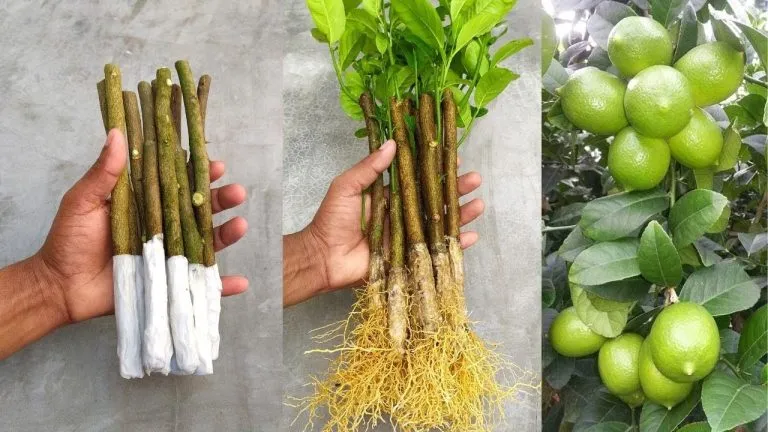
Cultivating lemon trees in your garden or home brings not only visual charm but also the practical advantage of homegrown Read more

Neem oil is a completely natural product, derived from a plant native to India. It contains azadirachtin, a potent compound Read more
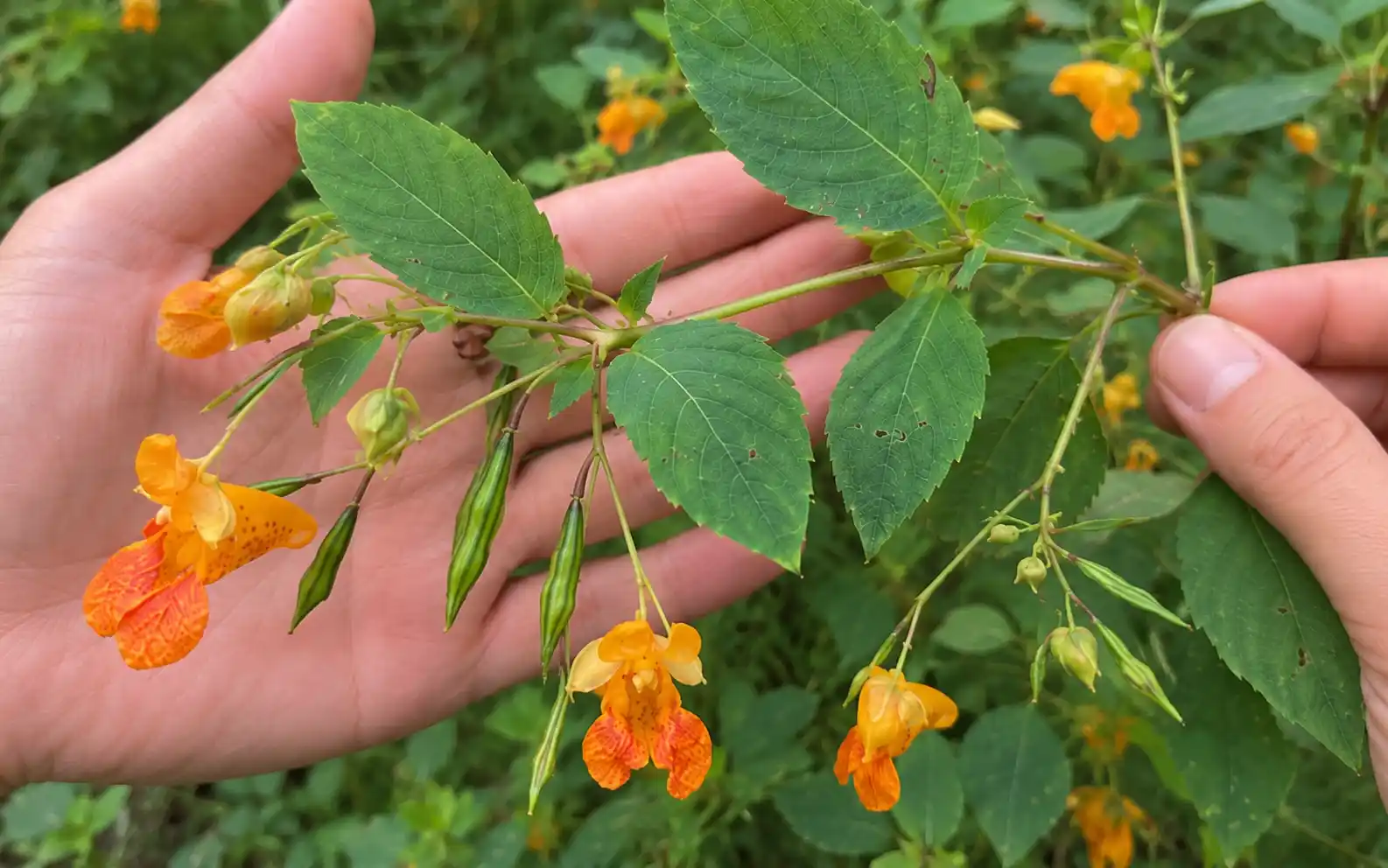
Safety and Medical Disclaimer: The information provided in this article is intended solely for educational and informational purposes. We disclaim Read more
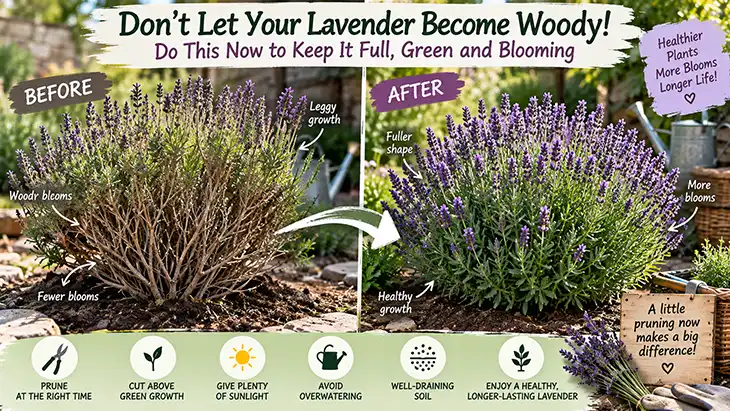
When lavender plants are young, they often present an almost perfect image: a compact shrub with silvery-green foliage, a delightful Read more

For gardening enthusiasts, it's a known fact that many plants thrive in humid and warm climates conducive to their growth. Read more

Different perspectives exist on various aspects of nature, and this holds true for the dandelion, often dismissed as a mere Read more
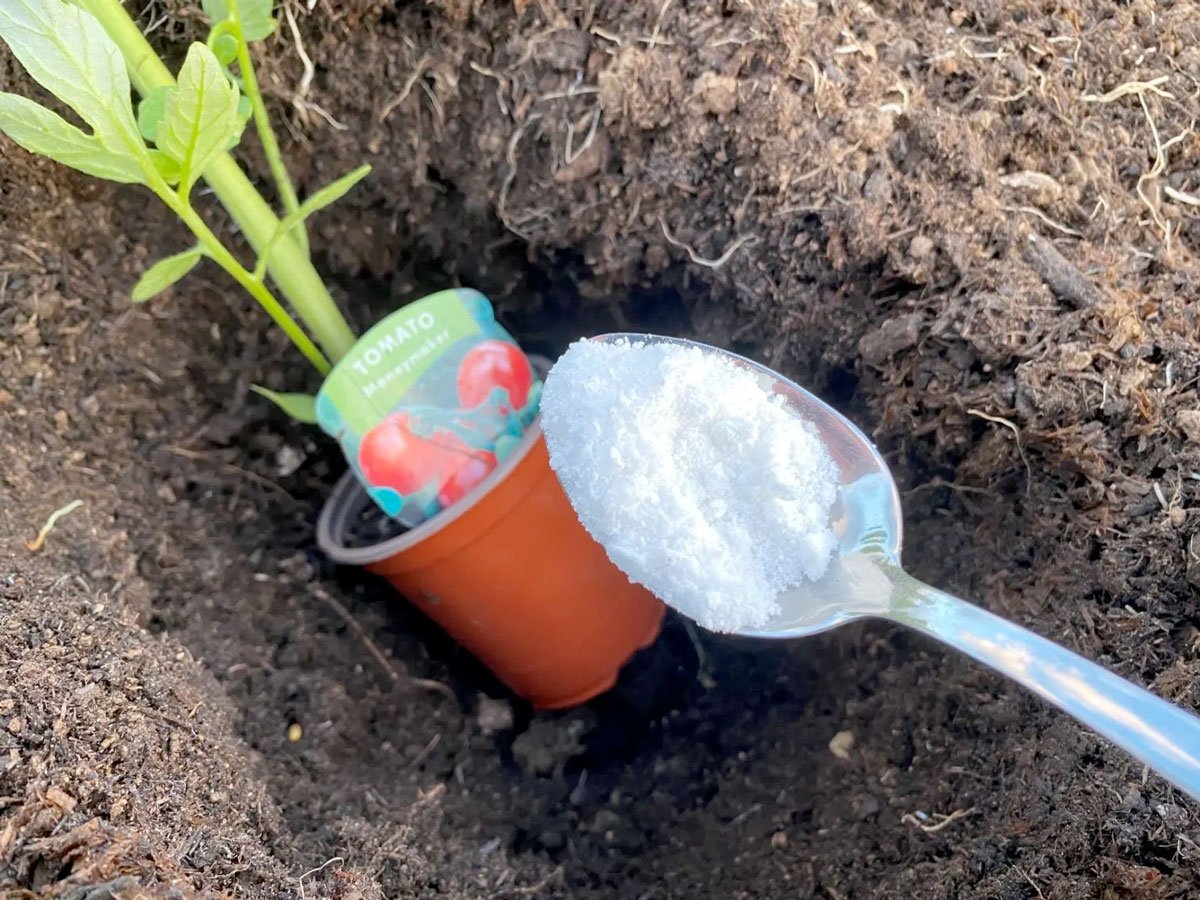
When it comes to gardening, enthusiasts are always eager to discover effective and affordable methods to boost plant growth and Read more

Orchids are renowned for their stunning blooms and are a favorite among indoor plant enthusiasts. However, getting these temperamental beauties Read more
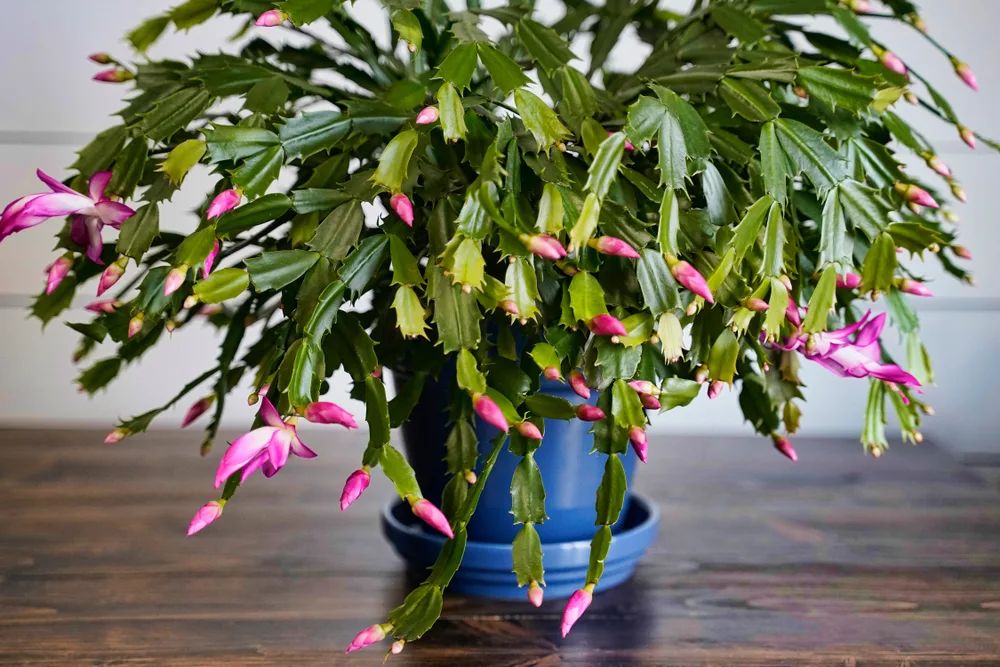
Unlocking the Mystery of the Festive Cactus The festive cactuses often baffle indoor gardeners. There's a lingering myth that these Read more

Understanding Fertilizers for Plants Fertilizer is a product that can be spread or mixed into the soil to provide plants Read more

Transforming Garlic Peels into Gold for Gardeners: In the rhythm of kitchen prep, garlic peels are often discarded without a Read more

Orchids, celebrated for their intricate beauty and variety, need particular attention for optimal growth. In the realm of orchid care, Read more

The Wonders of Blueberries: A Guide to Growing and Enjoying This Nutrient-Rich Fruit Mildly sweet, the blueberry is a dark Read more

Cultivating Zucchini in Containers: A Comprehensive Guide Zucchini is a popular vegetable for gardening aficionados and novices alike. It's simple Read more

Caring for orchids, known for their exquisite and delicate nature, involves a precise approach to hydration. Orchids differ from typical Read more

Excessive moisture within a house can arise due to capillary action, infiltration, or the phenomenon of condensation. The latter is Read more

Orchids, with a staggering 28,000 unique species, beautifully demonstrate nature's rich tapestry of diversity. Originating from the Orchidaceae lineage, these Read more
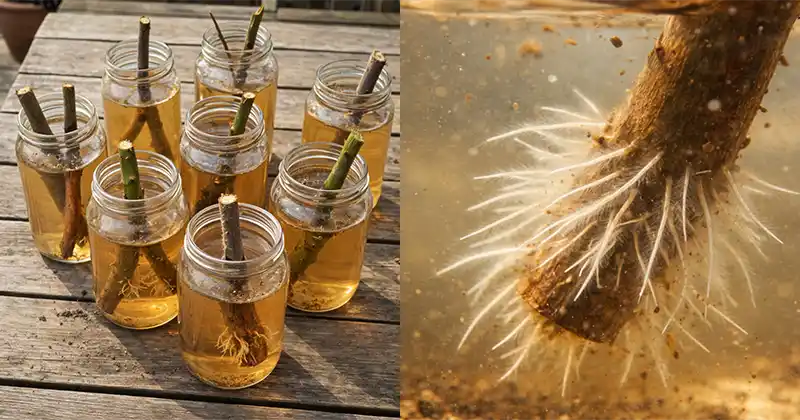
Growing new plants from root cuttings is like discovering a true shortcut in gardening. A single healthy parent plant can Read more

Gardening: The Harmony of Craft and Nature Gardening brings out a dance between human creativity and the wonders of nature. Read more
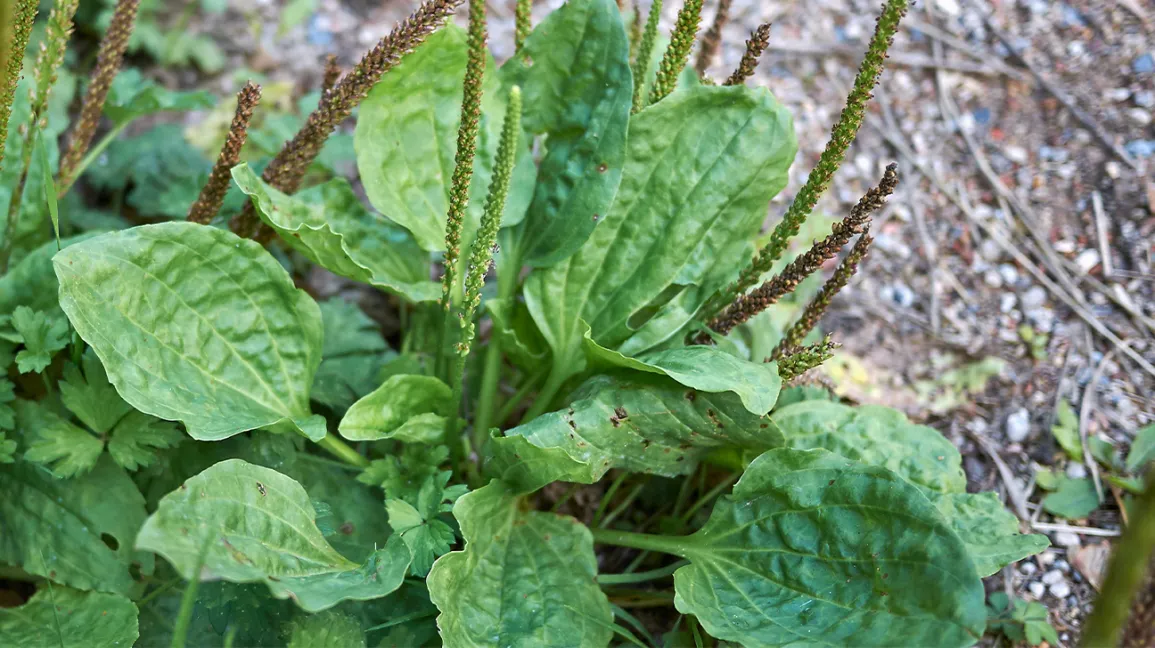
Nature provides us with countless remedies in the form of wild medicinal plants, surrounding us everywhere we go. These healing Read more

The Curious Case of Tomato Slices: A Journey from Kitchen Scrap to Sprout As someone always game for a gardening Read more

Bananas are a delightful treat, but their peels can be a garden's treasure. Rather than discarding banana peels into compost, Read more
