
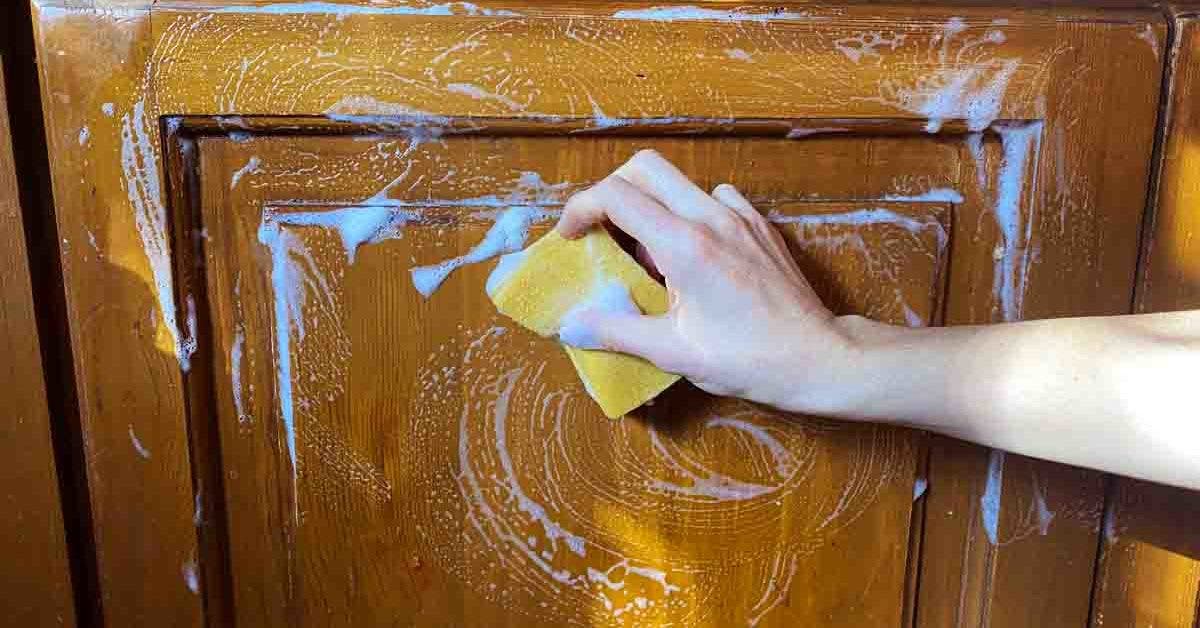
Grease buildup on kitchen cabinets is a widespread issue that many homeowners encounter. Frequent cooking results in grease splatters that accumulate over time, forming a stubborn layer that’s difficult to clean. This article offers a brilliant tip for effectively addressing this problem, helping your kitchen cabinets regain their pristine condition.
Understanding Grease Buildup
Causes of Grease Accumulation
Grease accumulation occurs primarily due to cooking oils and fats splattering during the cooking process.
Additionally, steam rising from cooking transfers tiny grease particles that settle on various kitchen surfaces.
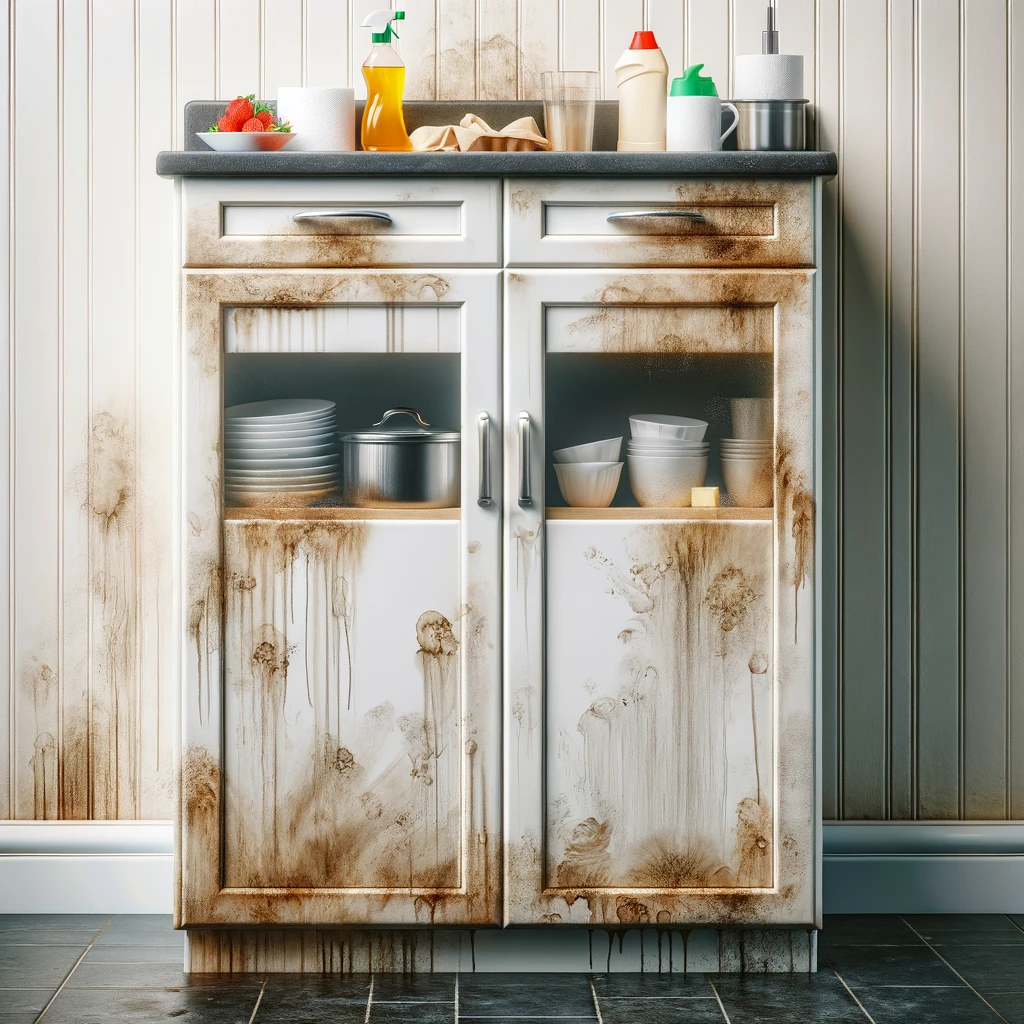
When grease is not cleaned regularly, it hardens into a solid layer that becomes increasingly difficult to remove.
The Challenges in Grease Removal
Grease tends to firmly adhere to surfaces and becomes more entrenched and resistant the longer it remains.
Many conventional cleaning products may not effectively break down these grease layers.
Some harsh chemical cleaners can potentially damage the finish or surface of kitchen cabinets, making their use risky.
The Genius Tip: Using a Natural Grease-Cutting Solution
The Power of Vinegar and Baking Soda
Vinegar serves as a natural degreasing agent. Baking soda works as a gentle abrasive that aids in lifting grease.
Combined, these ingredients break down grease effectively without compromising or damaging cabinet surfaces.

Recipe for the Cleaning Solution
Prepare a mixture using one part white vinegar and two parts warm water.
Add a tablespoon of baking soda to enhance the grease-cutting effectiveness of the solution.
Step-by-Step Guide to Cleaning Greasy Cabinets
Preparing the Area
Start by clearing off the countertops nearby and protect them with a cloth or newspaper to catch drips or spills.
Wear gloves to shield your hands from the cleaning solution and grease residue.
Application of the Cleaning Solution
- Spray or Apply the Solution: Use either a spray bottle or a clean cloth to apply the vinegar and baking soda mixture evenly onto the greasy cabinet surfaces.
- Let it Sit: Allow the solution to penetrate and work on the grease buildup for approximately 5 to 10 minutes.
- Scrub Gently: Using a soft sponge or cloth, scrub the cabinets in circular motions to lift and loosen the grease.

Rinsing and Drying
After scrubbing, wipe the cabinets thoroughly with a damp cloth to remove any remaining cleaning residue.
Follow this by drying the cabinets carefully with a clean, dry cloth to avoid water streaks and ensure a polished look.
Alternative Methods for Tough Grease
Using Dish Soap
Dish soap is specifically formulated to cut through grease and can be useful for particularly stubborn stains.
Mix a few drops of dish soap with warm water and apply the solution to the cabinets using a sponge for more intensive cleaning.
Commercial Grease Removers
For persistent grease that refuses to budge, commercial kitchen degreasers are an option.
Be sure to select a product that is safe and compatible with your cabinet materials to prevent surface damage.

Preventive Measures to Keep Cabinets Grease-Free
Regular Cleaning
Maintain a routine of wiping down kitchen cabinets regularly with a mild cleaning solution to avoid grease buildup from forming.
Using Cooking Vents and Lids
Utilize cooking vents or fans and consistently cover pots and pans while cooking to reduce grease splatter significantly.
Choosing the Right Cleaning Cloths
Microfiber cloths are highly effective for trapping grease particles, often outperforming traditional rags in cleaning efficiency.
Addressing Different Cabinet Materials
Wood Cabinets
For wood cabinets, use a gentle solution of mild dish soap and water but avoid soaking the wood excessively to prevent damage.
When dealing with polished wooden surfaces, opt for cleaners specially formulated for wood to maintain their finish and integrity.
Laminate or Painted Cabinets
Laminate and painted surfaces typically withstand stronger cleaning solutions; however, always conduct a spot test in an inconspicuous area before full application.
Do not use abrasive tools or scrubbing pads that could scratch or deteriorate the coating.
Glass or Metal Cabinet Features
For glass elements, a vinegar and water solution works well, and a soft cloth should be used to prevent scratches.
For metal components, clean with a mild detergent solution while avoiding harsh or corrosive substances that might cause tarnishing or damage.
Eco-Friendly Cleaning Tips
Avoiding Harmful Chemicals
Avoid cleaners containing toxic chemicals that pose risks to both the environment and personal health.
Embrace natural ingredients like lemon juice or castile soap for an environmentally friendly and safe cleaning routine.
Homemade Grease Cleaner Variations
Enhance your vinegar and baking soda mixture by adding lemon juice or essential oils, which provide a pleasant fragrance and boost cleaning performance.
For targeted spot treatments, create a thick paste by mixing baking soda with water.
The Science Behind Grease Removal
How Vinegar and Baking Soda Work
Vinegar, being acidic, breaks down grease molecules, making them easier to clean away.
Baking soda, a mild base, reacts with vinegar to produce a gentle abrasive effect that lifts grease without scratching or harming surfaces.
The Importance of Regular Maintenance
Regular cleaning prevents grease from building up into thick, hardened layers, which makes cleaning quicker, easier, and less labor-intensive.
Dealing with Persistent Stains
Soaking Stubborn Spots
For more persistent grease spots, apply the cleaning solution generously and allow it to soak for extended periods.
If stains remain resistant, apply a baking soda paste to the affected area and leave it overnight before scrubbing the next day.
Safety Considerations
Protecting Your Skin and Eyes
Wear gloves to protect your skin from irritation that can be caused even by natural cleaning agents.
When using commercial cleaners, especially in poorly ventilated spaces, consider using eye protection to prevent accidental exposure.
Conclusion
Maintaining grease-free kitchen cabinets is crucial for promoting a clean, hygienic cooking environment. Using a natural cleaning remedy made from vinegar and baking soda is not only highly effective but also safe and environmentally responsible. This ingenious tip, combined with regular upkeep and appropriate cleaning methods tailored to different cabinet materials, can greatly enhance the look and cleanliness of your kitchen. Ultimately, successful grease removal relies less on harsh chemicals and more on understanding the nature of grease and applying the right solutions and tools with care.

Who among us would like to live in a stifled and dirty home, where unpleasant cooking odors and impurities invade Read more

The Secret Language of Burglars: A Discreet Warning Signal Burglars use an actual coding system to identify their targets. They Read more

Ever wish your home could keep that fresh, clean scent for more than a few hours? There’s a simple, natural Read more
Why Is a Temperature of 40°C Not Enough to Effectively Eliminate Bacteria? Many people consider 40°C to be a balanced Read more
Salt: An Overlooked Treasure in the Home Since ancient times, salt was so valuable that it was even used as Read more

The Hidden Power of Pomegranate Peel: 10 Health Benefits and How to Use It Pomegranate is often celebrated for its Read more

The Dog’s Nose: An Organ of Exceptional Sensitivity While humans explore the world primarily through vision, dogs scrutinize it mainly Read more
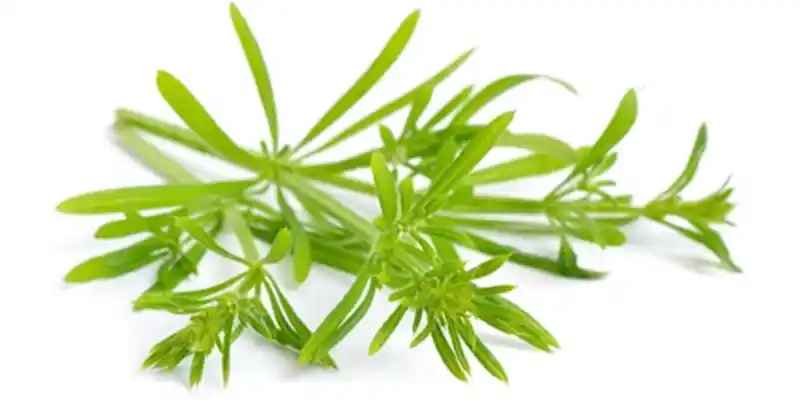
Cleavers (Galium aparine): The Herbal Remedy for Detox and Lymphatic Health Cleavers, also known as Galium aparine, is a humble Read more

Tackling Dog Urine Odor: A Comprehensive Guide The joy of having a canine companion is undeniable, but alongside it come Read more

Euphorbia hirta, commonly known as the “Asthma-plant,” is a medicinal herb renowned in traditional medicine for its diverse health benefits, Read more

A Visual Challenge That Sparks Thought This type of visual puzzle captivates through its dual effect: it sharpens observational skills, Read more

Why Do We Consistently Wake Up at the Same Time During the Night? Nighttime awakenings can stem from various causes: Read more

Ageratum conyzoides, commonly known as Billygoat Weed or Goatweed, is a flowering plant native to tropical regions of the Americas Read more

Mimosa Pudica, commonly known as the “Sensitive Plant” or “Touch-Me-Not,” is famous for its unique reaction to touch—its leaves fold Read more

Guava is often hailed as a superfruit, but did you know that its leaves also pack an extraordinary punch in Read more

Mullein (Verbascum thapsus), a tall, woolly plant often seen growing along roadsides and in open fields, has been treasured for Read more

Clogged Shower Drain? Try Baking Soda! Experiencing a stagnant pool of water after a refreshing shower can be a mood Read more
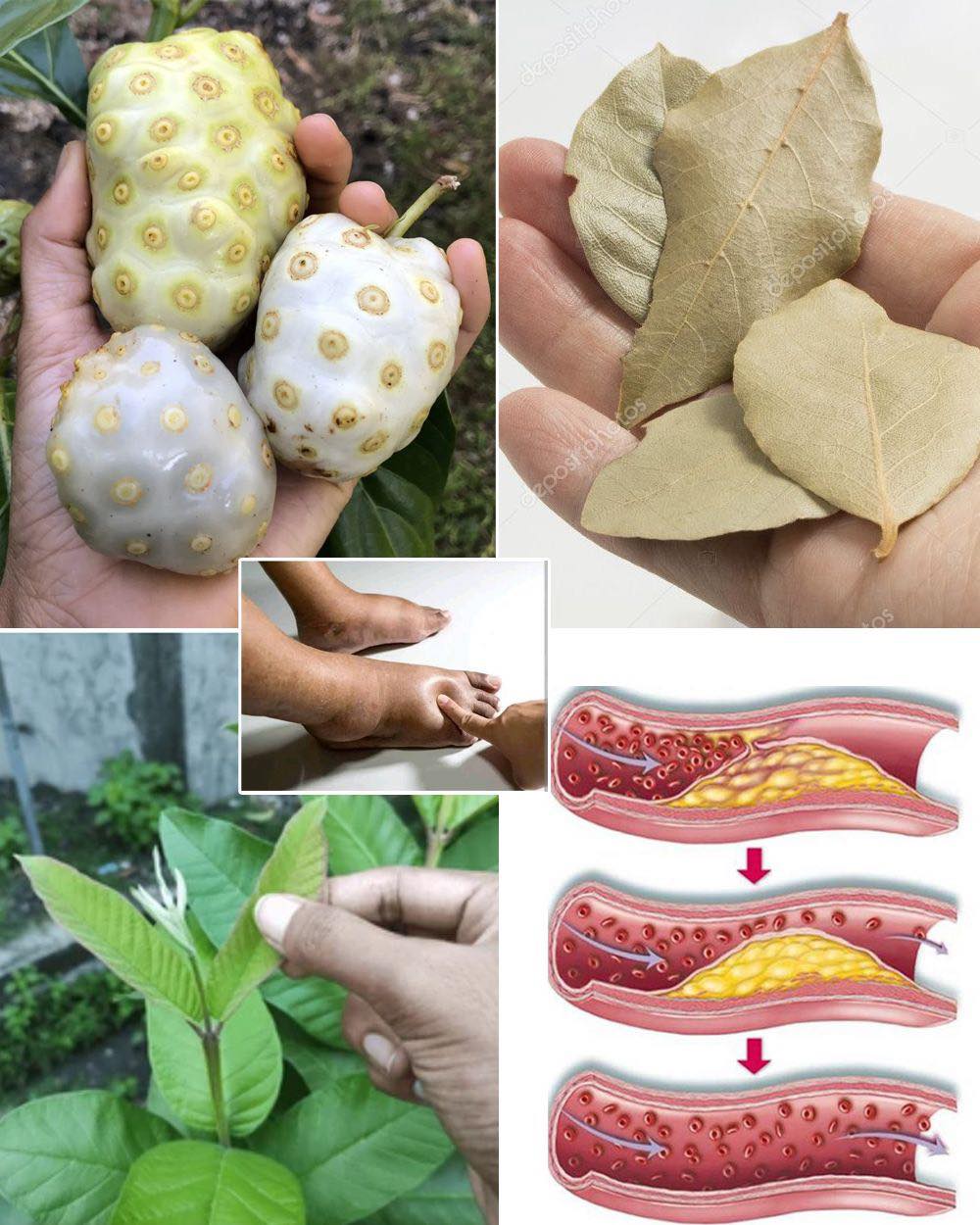
The Ultimate Healing Tonic: A Powerful Natural Drink for Swollen Feet, Diabetes & Poor Circulation Chronic swelling in the feet, Read more

A House Offered for Free, But You Must Move It Yourself In Sweden, a peculiar story is capturing attention: Göran Read more

The Silent Enemy: Tartar and Bacteria Tartar is a common affliction affecting our teeth. It forms from the gradual hardening Read more

When "Need" Takes on a Whole New Meaning For a long time, having a woman in a man’s life was Read more

Red Clover: 15 Amazing Benefits and How to Use This Healing Herb Red clover (Trifolium pratense) is more than just Read more

The Dog's Nose: A True Superpower It is well known that dogs possess an extraordinary sense of smell. Yet the Read more
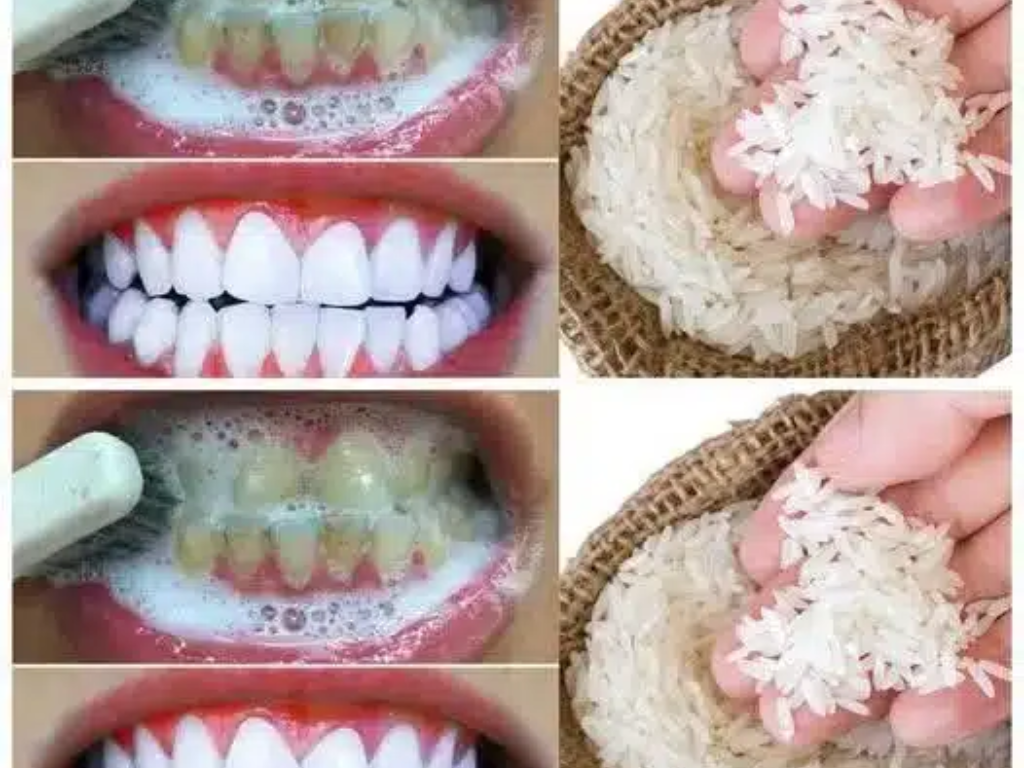
How can a simple homemade mixture really help make your teeth whiter? Here is the secret that has already captivated Read more

She Feels Undervalued Feeling loved is, above all, about feeling recognized and appreciated. When a woman senses that her efforts, Read more

A Natural Ally for a Healthier and More Pleasant Home We admire the spider plant for its delicate and soothing Read more
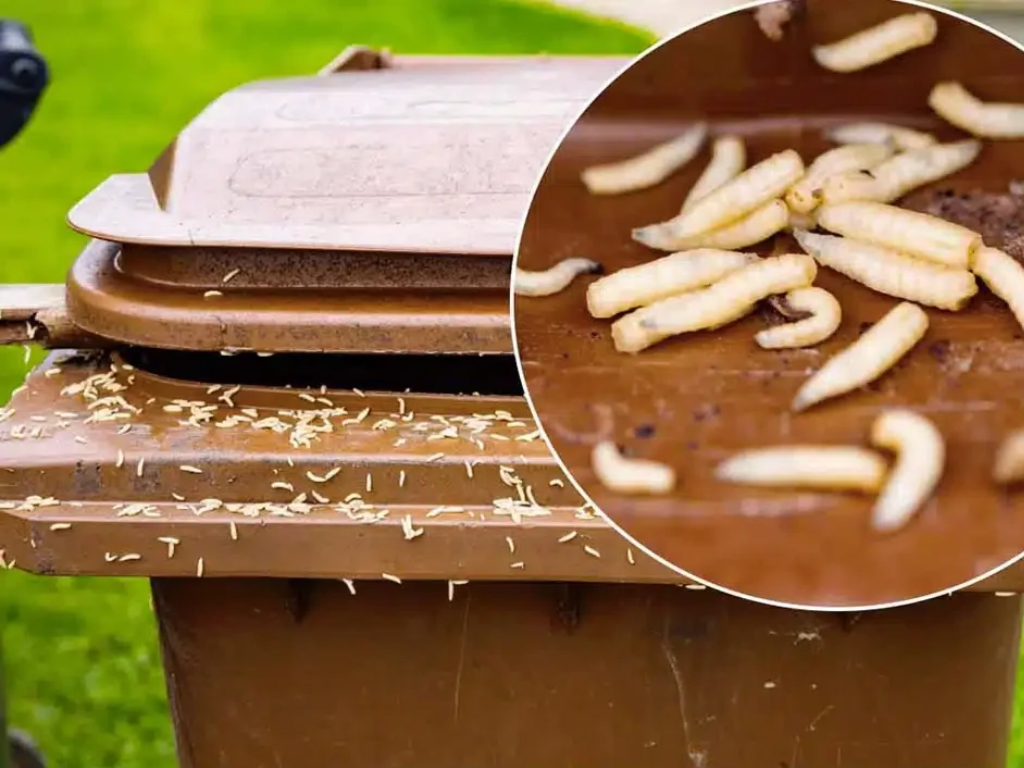
Effective Methods to Eliminate Maggots and Prevent Their Return Vinegar: An Essential Natural Repellent To quickly rid yourself of maggots, Read more

Before your next journey, it might be worth reexamining some of your packing habits. What a luggage professional has revealed Read more

Purple Deadnettle (Lamium purpureum): Benefits, Uses & How to Make Tea Often overlooked or mistaken for an ordinary weed, Purple Read more

How to Reuse Soap Scraps: Ingenious Ideas Soap bars, after several uses, become tiny and almost unusable. Many of us Read more
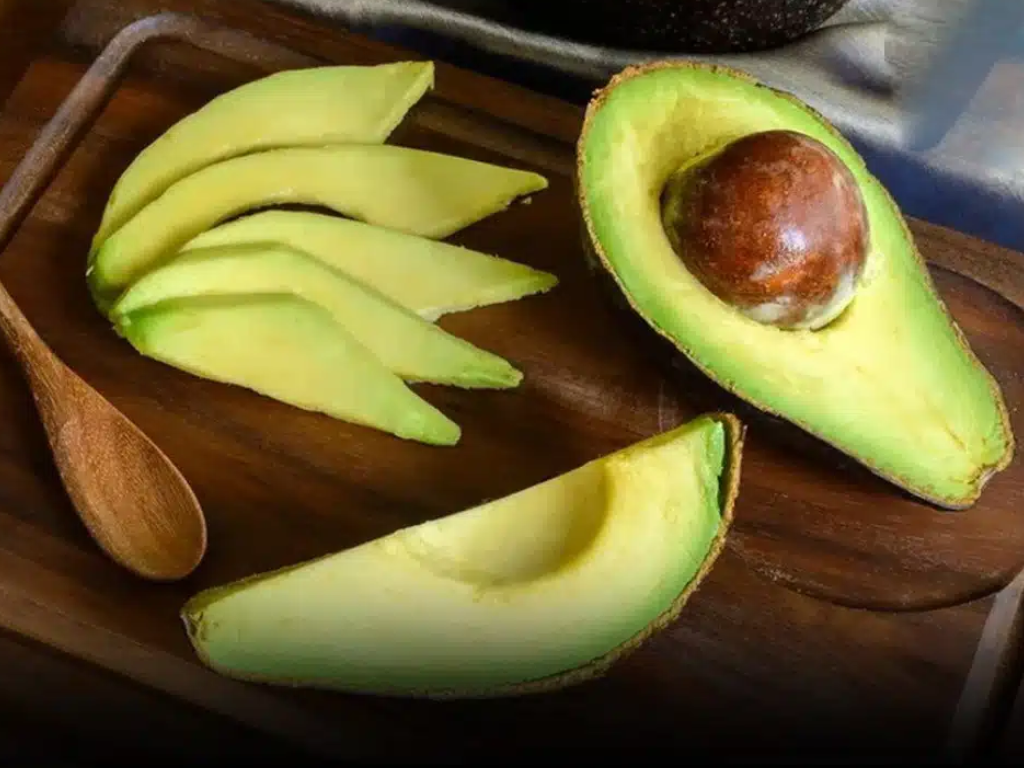
Individuals with Allergies or Sensitivities If you suffer from allergies, it is important to be cautious with avocado! This fruit Read more

Tomatoes, a staple in kitchens worldwide, are loved for their versatility and rich flavor. However, their perishable nature often leads Read more
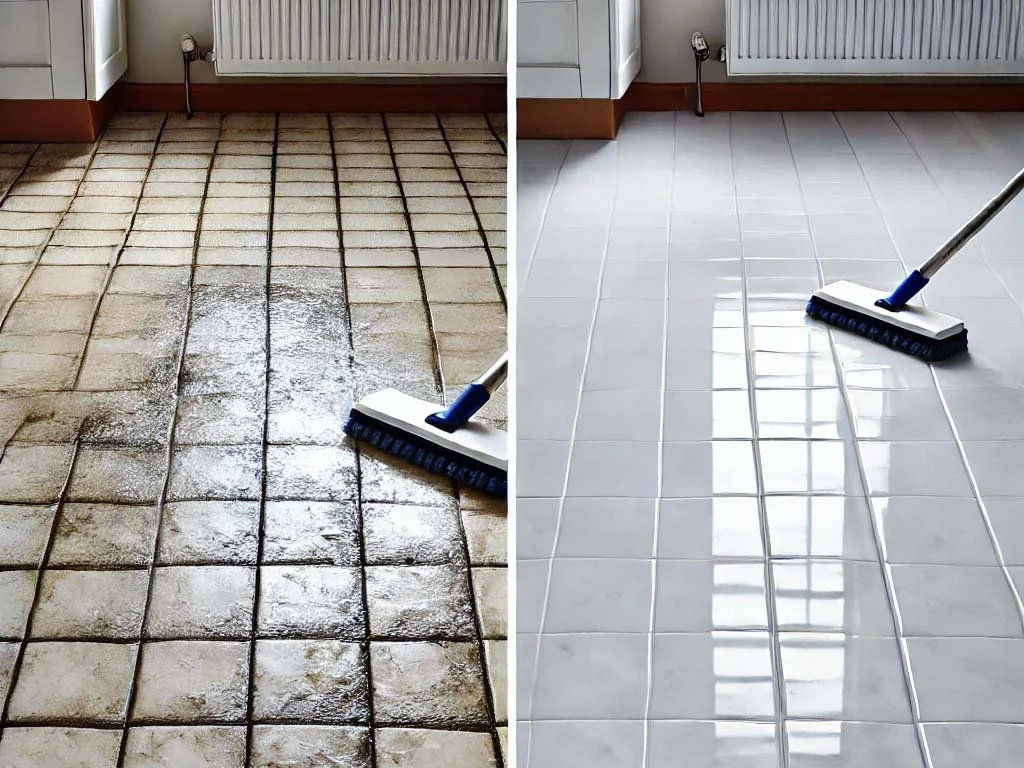
Why Traditional Household Cleaners Aren't Enough Often praised for their effectiveness, commercial cleaning products don't always succeed in removing stubborn Read more

The Final Blow Within Her Own Home Returning home from work, Phoebe had hoped to find a dinner prepared or Read more

The Importance of Curtain Cleaning in Your Home Generally, when cleaning the house, after dusting the furniture, one often overlooks Read more
How to Make Powerful Super Glue from Styrofoam: The Hidden Chemistry Behind This Viral Trick In a world where DIY Read more
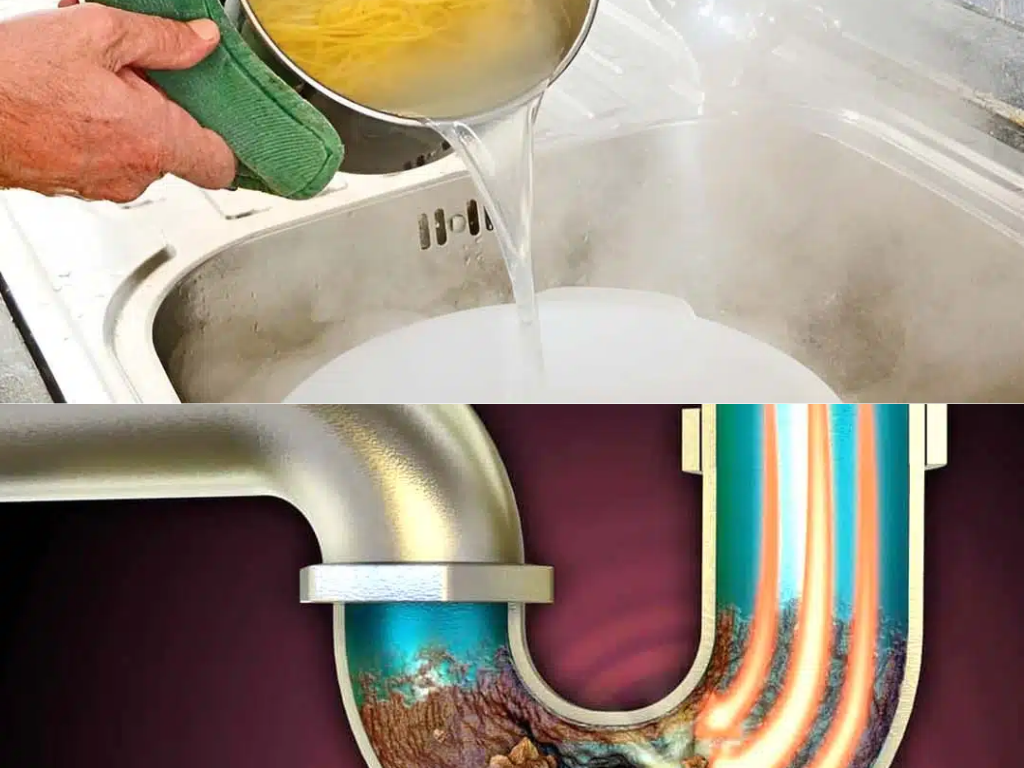
Risks Associated with Using Boiling Water in Plumbing Premature Deterioration of Materials Frequently pouring boiling water down your sink can Read more

The Spool of Thread: A Silent Relic of a Bygone Era Let us take a moment to journey back to Read more
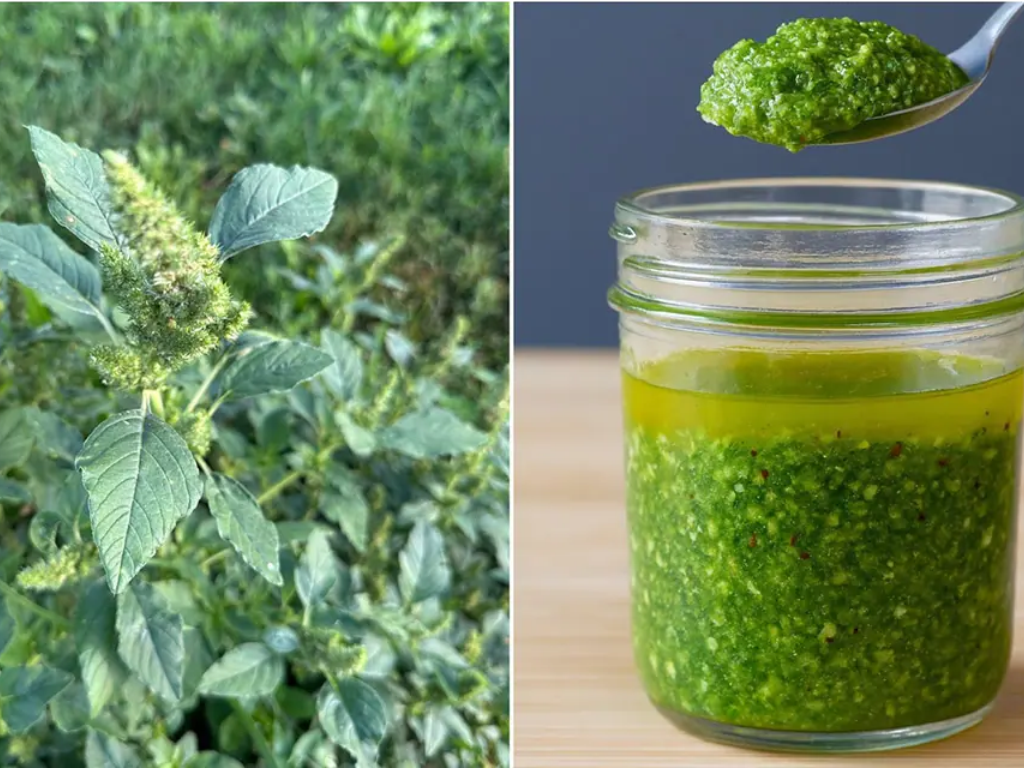
An Unexpected Nutritional Treasure in Your Own Garden Amaranth, often referred to as the "wild spinach", far exceeds its role Read more

Sida acuta, also known as “common wireweed,” is a hardy plant often found in fields and roadsides. While it may Read more
