
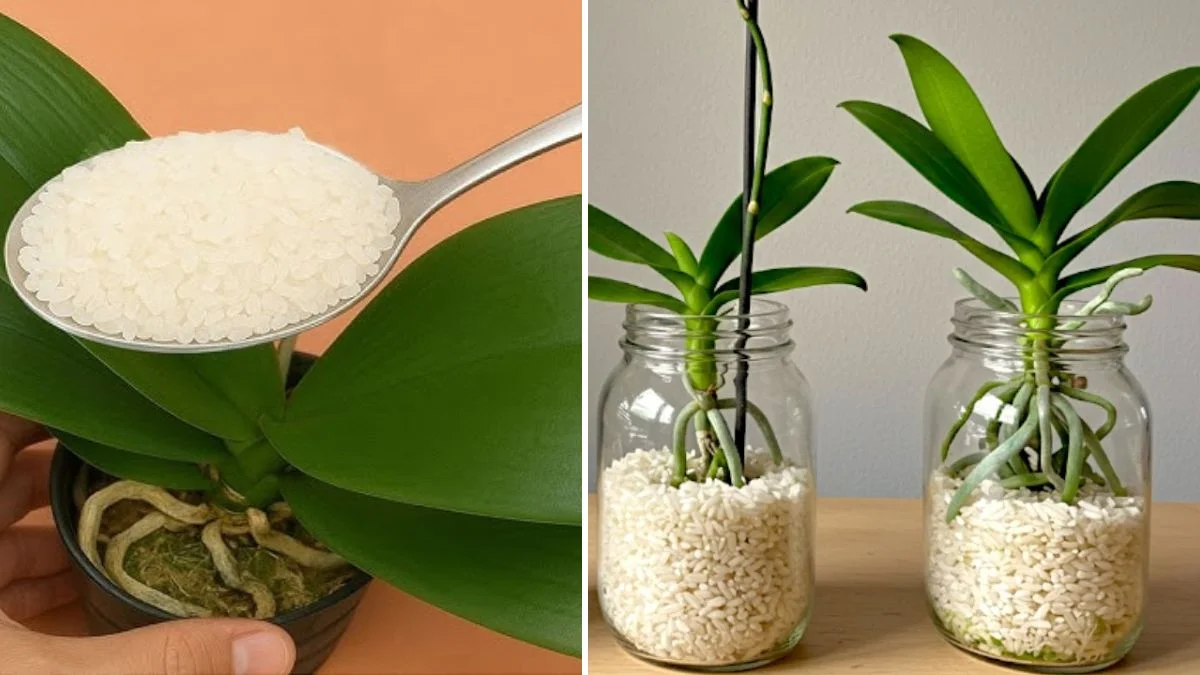
Orchids are among the most cherished ornamental plants worldwide, admired for their exotic flowers, graceful forms, and blooms that last for extended periods. Despite their beauty, many orchid growers face challenges such as weak root systems, sluggish growth, and irregular flowering patterns. Surprisingly, the answer to these common problems doesn’t always lie in costly fertilizers or intricate care routines.
A simple and often overlooked kitchen ingredient can make a profound difference: plain rice. When utilized properly, rice can promote accelerated root growth, stronger and healthier leaves, and more frequent blooming throughout the year. This comprehensive guide will explain why rice is effective, how to apply it safely, and how to integrate it with proper orchid care to achieve the best possible results.
Why Rice Functions as a Natural Growth Enhancer for Orchids

Although rice may seem like a simple grain, it contains valuable starches, carbohydrates, and trace minerals that offer gentle nourishment to orchids. These natural nutrients supply energy that fosters root development and boosts the overall vitality of the plant without the potential hazards linked to synthetic fertilizers.
Promotes Accelerated Root Growth
Orchid roots depend on a steady supply of energy to expand and efficiently absorb moisture. Rice water provides natural sugars that accelerate root growth, enhancing their strength and functionality.
Fortifies Leaves
Robust leaves are crucial for effective photosynthesis and flourishing blooms. Nutrients derived from rice help leaves develop thicker structures, deeper green tones, and increased resilience against environmental stress.
Enhances Year-Round Flowering
When the roots and leaves are well-nourished and healthy, orchids are better positioned to produce flowers consistently. The energy derived from rice starches plays an important role in fueling bud formation even beyond the orchid’s typical blooming seasons.
Safe and Organic
Unlike chemical fertilizers, rice is a natural and gentle option, making it safe and appropriate for all common orchid varieties.
Selecting the Appropriate Form of Rice
Rice can be applied in various easy-to-use forms depending on your convenience and preference:
Raw white rice: Best for soaking to extract beneficial nutrients.
Rice water: The nutrient-enriched liquid that remains after soaking or boiling rice.
Cooked rice: Can be used carefully as a slow-release source of nutrients for orchids.
Important: Always ensure the rice is plain, without any salt, oil, or seasoning added.
How to Prepare Rice Water for Your Orchids

Rice water is one of the simplest and most effective natural feeds you can provide to orchids.
Soaked Rice Water Method
Take two tablespoons of uncooked rice and rinse it thoroughly. Then, soak the rice in one cup of water for four to six hours. After soaking, strain the rice water and use it immediately on your orchids.
Boiled Rice Water Method
Boil two tablespoons of rice in one cup of water for approximately five minutes. Once boiled, strain the rice water and let it cool completely before applying it to your plants.
Tip: Use rice water fresh, or store it in the refrigerator and use within 24 hours to avoid fermentation.
The Correct Way to Apply Rice Water to Orchids
Application for Roots
Carefully pour rice water into the potting medium, ensuring it moistens the roots without allowing them to sit in standing water.
Application for Leaves
Lightly mist the orchid leaves with rice water. If you notice any residue on the leaf surface, gently wipe it off using a soft cloth to prevent buildup.
Recommended Frequency of Application
Apply rice water about once a week for most orchids. For plants showing signs of weak growth, you can increase applications to twice a week, while carefully monitoring the moisture level in the growing medium.
Using Cooked Rice as a Slow-Release Fertilizer

Cooked rice can also serve as a gentle, slow-release nutrient source that gradually nourishes orchids over time.
Simply place one to two tablespoons of cooked and cooled rice lightly on the surface of the growing medium. As the rice decomposes, it releases nutrients slowly, sustaining the plant’s nutrition.
Tip: This technique works best when used with porous, well-aerated growing media such as bark chips or orchid baskets that ensure excellent drainage.
Additional Care Recommendations for Robust Roots and Abundant Flowers
Provide Bright, Indirect Lighting
Orchids flourish best in filtered light conditions. Avoid exposing them to direct sunlight, which can cause leaf scorching and stress.
Maintain Proper Humidity Levels
Most orchid species prefer humidity levels ranging between 50% and 70%. You can help maintain these levels by using pebble trays, humidifiers, or gentle misting as needed.
Water Appropriately
Only water your orchids when the growing medium starts to dry out. Remember that rice water serves as a supplement to regular watering routines and should not replace them entirely.
Ensure Adequate Air Circulation
Proper airflow around your orchids helps minimize the risk of root rot and fungal diseases, promoting healthier growth overall.
Use a Well-Draining Growing Medium
Materials like bark, sphagnum moss, or coconut husk provide excellent aeration for orchid roots while efficiently draining excess moisture.
Prune Regularly
Remove any dead leaves and spent blooms promptly to allow the plant to redirect its energy towards fresh, vigorous growth.
How Rice Helps Orchids to Bloom More Consistently

When orchid roots are healthy and supplying ample energy, and the leaves effectively facilitate photosynthesis, the nutrients from rice provide an additional boost. This harmonious balance, combined with a stable environment, encourages orchids to bloom more frequently and with greater vitality.
Note: While some orchids naturally adhere to seasonal blooming cycles, using rice can help reduce the length of resting periods between flowerings.
Key Advantages of Using Rice for Orchid Care
Many growers observe quicker root growth, thicker foliage, more consistent flowering, and lower costs compared to conventional chemical fertilizers. Rice is safe for the environment and suitable for a wide variety of orchid species, including popular types such as Phalaenopsis, Dendrobium, and Cattleya.
Final Thoughts
Caring for orchids does not have to be complicated or expensive. By integrating plain rice as a natural supplement into your routine, you can foster healthier roots, stronger leaves, and year-round blooming with minimal effort.
When combined with adequate light, humidity, airflow, and proper watering, this straightforward method can transform your orchids into thriving plants that bloom beautifully throughout the year—all without depending on harsh chemical fertilizers.

Mastering Chilli Cultivation in Diverse Climates: A Detailed Guide It may seem unlikely, but growing chillies across different climates is Read more
Orchids, with over 28,000 unique species, provide a fascinating insight into the immense diversity found in nature. Originating from the Read more
The Incredible Healing Power of Billygoat Weed (Ageratum conyzoides): 15 Health Benefits You Should Know About Billygoat weed, also known Read more

Lucky Bamboo: The Zen Symbol of Your Prosperity You have likely seen this elegant green stalk, often gifted in a Read more
Hydrangeas, with their breathtaking blooms, stand out as one of the most enchanting deciduous flowering bushes. If you've wandered through Read more

The Importance and Care of House Plants House plants not only serve as a significant decorative element but also play Read more
Clematis plants are fundamentally simple organisms, almost mechanical in nature, driven by basic principles of plant hydraulics and a kind Read more
Having geraniums adorned with vibrant blooms for months—sometimes lasting even longer than anticipated—is not a feat reserved solely for expert Read more
Aphids may be tiny—nearly invisible to the naked eye—but within just a few days, they can cause serious damage to Read more

Tea, the staple of morning routines and afternoon breaks, may have a second life beyond the cup that's often ignored. Read more

Bananas are a delightful treat, but their peels can be a garden's treasure. Rather than discarding banana peels into compost, Read more
Gardeners constantly explore simple and inventive ways to enhance the health of their plants. One unconventional technique that has sparked Read more
Sleep is a vital component of our overall health, serving as the foundation for a productive and energized day. Yet, Read more
Are you considering adding a Snake Plant to your indoor garden? Whether you're a complete novice or a seasoned plant Read more
Pepper plants are a favorite addition to any home garden, offering an impressive variety of flavors, colors, and levels of Read more
Snake plants are renowned for their resilience, often considered nearly indestructible. They can withstand missed waterings, low light conditions, and Read more
Self-Seeding Flowers: Effortless Beauty That Returns Every Year When I first fell in love with gardening, my mother came to Read more
Unlocking the Mystery of the Festive Cactus The festive cactuses often baffle indoor gardeners. There's a lingering myth that these Read more

Unlocking the Flowering Potential of Anthuriums Anthuriums are renowned for their stunning, heart-shaped blooms which, under ideal conditions, can grace Read more

As sustainability and eco-consciousness continue to play a vital role in our everyday lives, discovering alternative methods to fertilize our Read more
Orchids rank among the most exquisite houseplants cherished by many, yet they are often recognized for their delicacy and their Read more

Caring for orchids, known for their exquisite and delicate nature, involves a precise approach to hydration. Orchids differ from typical Read more

Introducing 15 Health-Enhancing Indoor Plants for a Vibrant Home Oasis Embrace a selection of indoor plants that bring more than Read more
Kalanchoe, a stunning and adaptable succulent plant, is admired not only for its ornamental beauty but also for its strong Read more

Using White Vinegar for Garden Maintenance Gardening is never an easy task. Planting, weeding, and watering plants and flowers require Read more
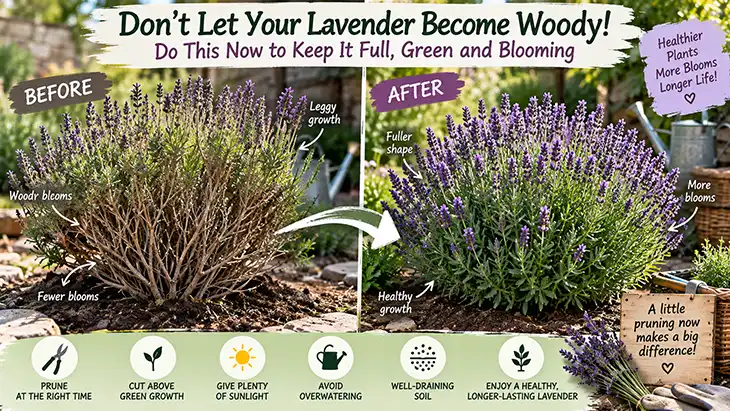
When lavender plants are young, they often present an almost perfect image: a compact shrub with silvery-green foliage, a delightful Read more
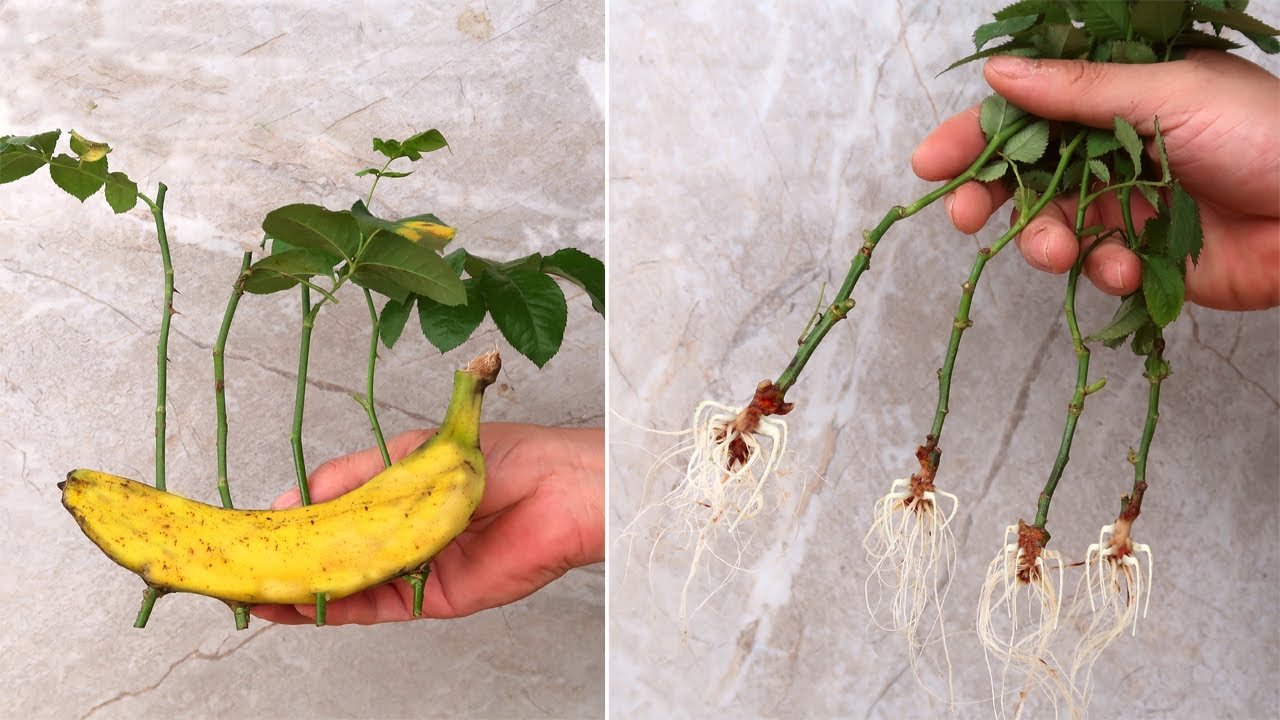
Growing roses from cuttings is an affordable and gratifying method to enlarge your garden, and incorporating a banana into the Read more

How to Reuse Barbecue Ashes After enjoying a barbecue outdoors on a sunny day, the tendency is often to discard Read more

Orchids, with their array of species and hybrids exceeding 25,000, stand as a testament to botanical beauty. Cultivators and hobbyists Read more

Turmeric is a staple ingredient in Asian cuisine. This vibrant yellow spice, often used to flavor curries and stews, is Read more

For gardening enthusiasts, it's a known fact that many plants thrive in humid and warm climates conducive to their growth. Read more

Orchids, with a staggering 28,000 unique species, beautifully demonstrate nature's rich tapestry of diversity. Originating from the Orchidaceae lineage, these Read more
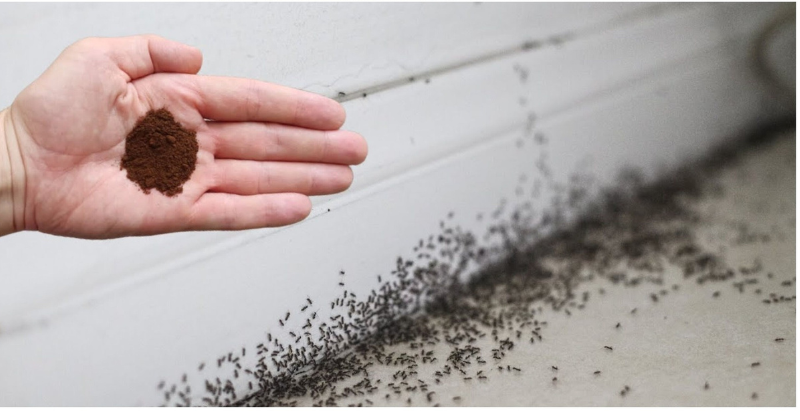
Quick Victory: The Ultimate Homemade Insecticide to Say Goodbye to Ants Have you ever encountered an invading army of ants Read more
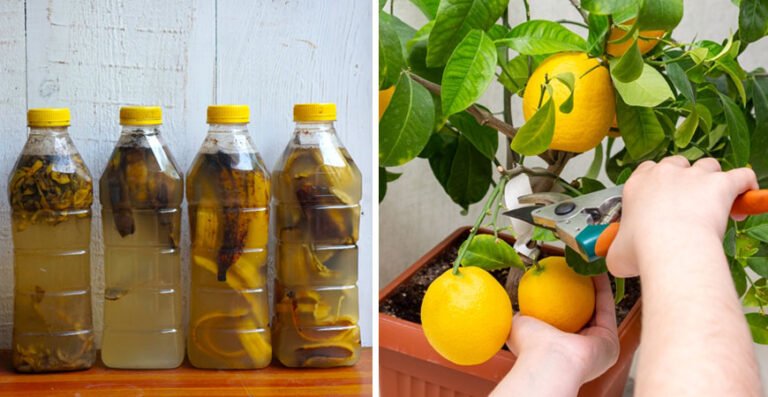
Applying fertilizers to our patios or gardens is a practice that enriches the soil by supplying essential nutrients such as Read more

Indoor Plants: A Decorative Air Purifier Indoor plants have become an essential part of modern decor, increasingly sought-after to greenify Read more
Basil, a cherished herb celebrated in culinary traditions around the globe, is best known for its fragrant leaves. Yet, its Read more
Mulberry trees are best known for their sweet summer berries, yet the leaves they produce hold far greater potential as Read more

An Exceptional Camouflage: Master of Natural Disguise The Gaboon viper showcases an extraordinarily refined camouflage. Its intricate patterns perfectly resemble Read more
Why Do Certain Plants Purify the Air Inside Our Homes? Imagine having a small air purification station right on your Read more
Christmas cacti don’t adhere to the typical “feed once a month and forget it” approach that many houseplants follow. Because Read more
