
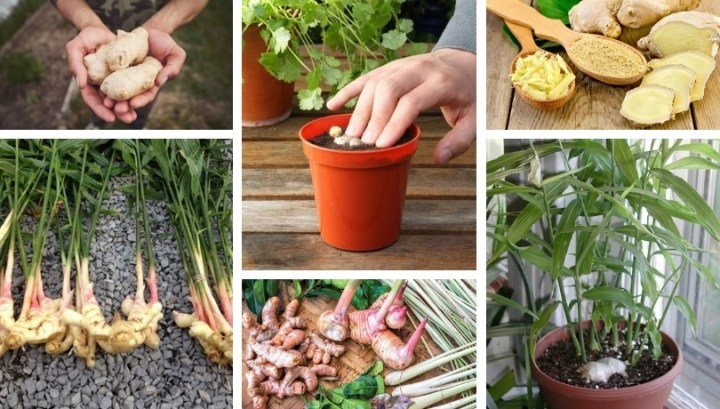
Ginger, renowned for its distinct flavor and numerous health advantages, is a fundamental ingredient in many culinary traditions around the world. Instead of repeatedly purchasing ginger from the market, why not cultivate your own? Whether you have a spacious garden or just a small balcony, growing ginger can be a gratifying and sustainable pursuit. With some insider tips and simple techniques, you can enjoy a steady supply of fresh ginger right at home.
1. Choosing the Right Ginger:

Begin your journey with a fresh ginger rhizome sourced from a trusted supplier. Select plump, firm rhizomes that display visible “eyes” or growth buds. Opting for organic ginger is highly recommended, as it is free from pesticides and chemicals that could impede growth.
2. Preparing the Rhizome:

Prior to planting, soak the ginger rhizome in water overnight. This step hydrates and activates the rhizome, encouraging the growth process to begin effectively.
3. Selecting a Pot or Garden Spot:

If you decide to grow ginger in a pot, pick a container that is at least 12 inches deep to accommodate the rhizome’s expanding roots. Make sure the pot has drainage holes to prevent water from accumulating and causing root rot. When planting in a garden, choose an area with well-draining soil coupled with partial shade.
4. Preparing the Soil:

Ginger flourishes best in loose, well-draining soil enriched with organic matter. Incorporate compost or aged manure into your soil to enhance fertility and drainage, providing an ideal environment for robust growth.
5. Planting the Rhizome:

Position the ginger rhizome in the prepared soil with the buds or “eyes” facing upwards. Plant it about one to two inches beneath the surface, making sure each piece of rhizome has adequate space to develop. In pots, you can plant multiple rhizomes, spacing them a few inches apart for optimal growth.
6. Watering:
Maintain consistently moist soil without allowing it to become waterlogged. Since ginger thrives in humid conditions, regular watering is vital. However, avoid overwatering, as excessive moisture may lead to rhizome rot.
7. Providing Shade:
Although ginger prefers warm climates, direct sunlight can damage its tender leaves. Ensure your ginger receives partial shade by situating the pot or garden spot where it will enjoy filtered sunlight or shaded periods throughout the day.
8. Temperature and Climate:
Ginger grows best in tropical and subtropical environments. If you’re located in an area with cold winters, growing ginger in containers allows you to relocate the plants indoors when temperatures drop. Ideal temperatures for ginger growth range from 75 to 85°F (24 to 29°C), promoting vigorous development.
9. Fertilizing:
Feed your ginger plants with a balanced organic fertilizer every four to six weeks during their active growing phase. This nourishment supports healthy leaf growth and encourages substantial rhizome development beneath the soil.
10. Mulching:
Cover the soil around your ginger plants with a layer of organic mulch. Mulching helps retain moisture, suppresses weed growth, and stabilizes soil temperature. Materials such as straw, wood chips, or compost are excellent choices for this purpose.
11. Patience and Time:
Growing ginger is a process that requires patience. It often takes several weeks before green shoots emerge from the soil. Ginger plants usually reach full maturity in eight to ten months. However, if you prefer, you can harvest young ginger earlier for a milder flavor and tender texture.
12. Harvesting:

Once your ginger plants have matured, you can begin the harvesting process. Carefully dig around the base of the plant to unearth the rhizomes. Take only what you require, leaving some rhizomes in the soil to continue growing. Remember to replant portions to ensure a continuous harvest in the future.
13. Storing Ginger:

After harvesting, thoroughly wash and dry the ginger rhizomes. Store them in a cool, dry place, or refrigerate by wrapping them in a paper towel and placing them inside a plastic bag. This method helps keep the ginger fresh for several weeks, preserving its flavor and texture.
14. Propagating:

As your ginger plants mature, they will produce additional rhizomes. You can separate these extra growths and replant them to expand your ginger collection or share them with other gardening enthusiasts eager to grow their own fresh ginger.
15. Experiment and Enjoy:
Ginger is an incredibly versatile ingredient in the kitchen. Use your homegrown ginger in a variety of dishes such as teas, stir-fries, curries, desserts, and much more. Explore different culinary recipes, and savor the distinct, vibrant flavor of your freshly harvested ginger.
Cultivating ginger at home is a deeply rewarding experience, granting you continual access to this aromatic and healthful root. By following these detailed tips and techniques, you can successfully grow ginger either in a pot or in your garden. Embrace the joy of nurturing your own produce and infuse your cooking with the zesty, invigorating taste of homegrown ginger.

In this exploration, we uncover eight homemade, natural solutions that act as effective rooting agents for plant propagation through cuttings. Read more

For gardening enthusiasts, it's a known fact that many plants thrive in humid and warm climates conducive to their growth. Read more

Cultivating Zucchini in Containers: A Comprehensive Guide Zucchini is a popular vegetable for gardening aficionados and novices alike. It's simple Read more

Caring for orchids, known for their exquisite and delicate nature, involves a precise approach to hydration. Orchids differ from typical Read more
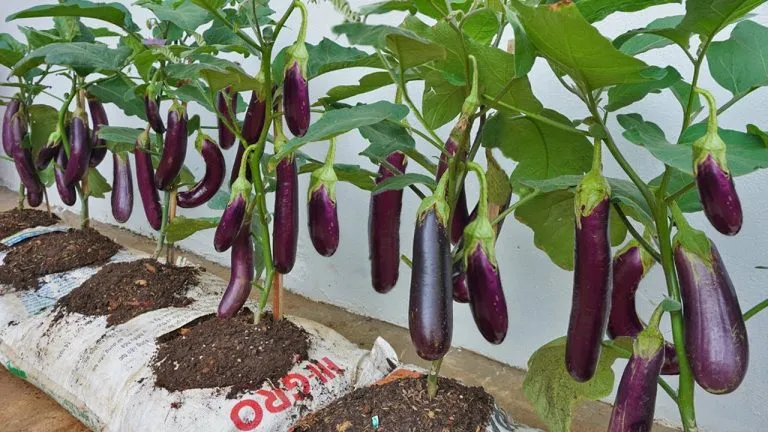
Exploring the World of Eggplants: A Gardener's Guide Eggplants, with their divisive nature, are often a subject of culinary debate. Read more
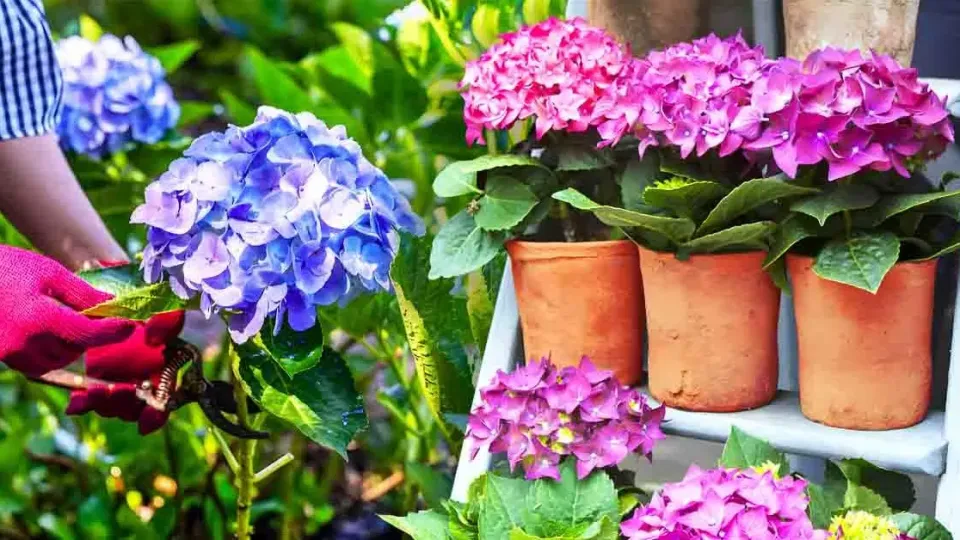
Hydrangeas, with their breathtaking blooms, stand out as one of the most enchanting deciduous flowering bushes. If you've wandered through Read more

Wild Medicinal Plants: Harnessing the Hidden Virtues of Earth’s Greenery In the wilderness of our environment—ranging from the expanse of Read more
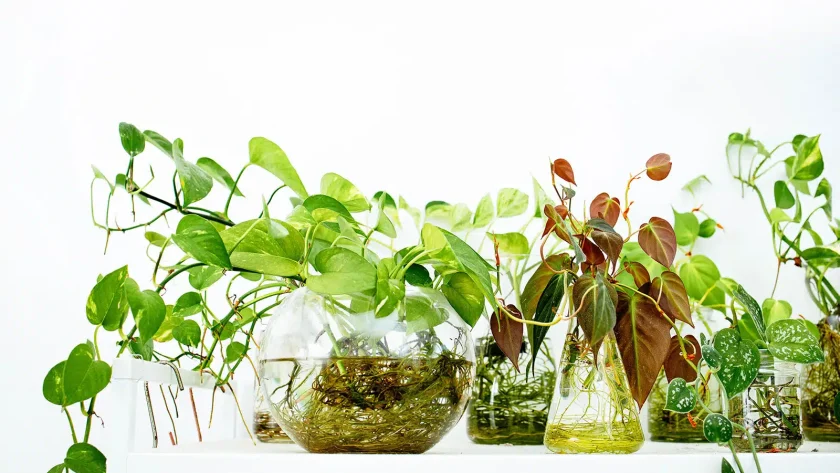
Searching for a distinctive method to incorporate some foliage into your home or workplace? Try cultivating plants hydroponically! Not only Read more
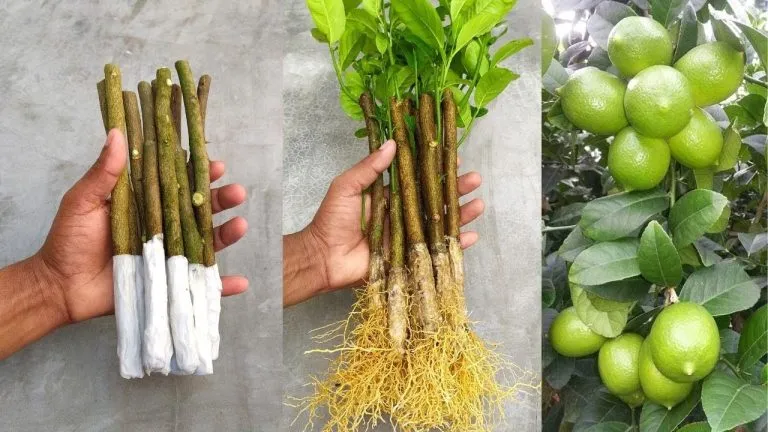
Cultivating lemon trees in your garden or home brings not only visual charm but also the practical advantage of homegrown Read more

Gardening: The Harmony of Craft and Nature Gardening brings out a dance between human creativity and the wonders of nature. Read more

Understanding Fertilizers for Plants Fertilizer is a product that can be spread or mixed into the soil to provide plants Read more

Using Baking Soda for Plant Care To care for your plants or your vegetable garden, have you considered the DIY Read more

Insect-Repelling Greenery: Your Natural Home Defense Transform your home into a sanctuary free from the annoyance of insects such as Read more

The Curious Case of Tomato Slices: A Journey from Kitchen Scrap to Sprout As someone always game for a gardening Read more

Orchids, with a staggering 28,000 unique species, beautifully demonstrate nature's rich tapestry of diversity. Originating from the Orchidaceae lineage, these Read more
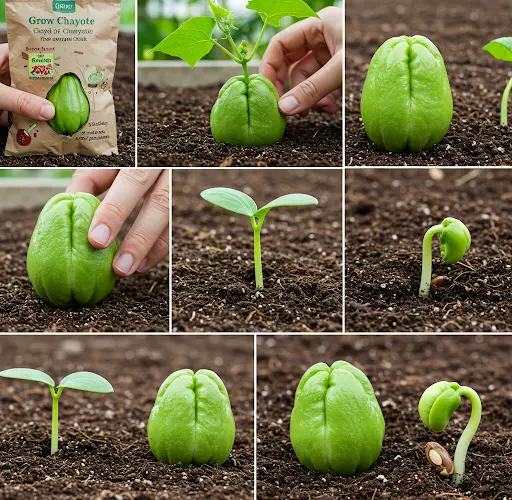
Growing Chayote from Supermarket Fruit: Abundant Harvests Made Easy If you've ever strolled through the produce aisle and spotted a Read more
Indoor Plants and Their Benefits Indoor plants not only enhance the decor but also bring a touch of lush greenery. Read more

The Importance and Care of House Plants House plants not only serve as a significant decorative element but also play Read more

Orchids, with their array of species and hybrids exceeding 25,000, stand as a testament to botanical beauty. Cultivators and hobbyists Read more

Different perspectives exist on various aspects of nature, and this holds true for the dandelion, often dismissed as a mere Read more
Unlocking the Mystery of the Festive Cactus The festive cactuses often baffle indoor gardeners. There's a lingering myth that these Read more

Orchids are renowned for their stunning blooms and are a favorite among indoor plant enthusiasts. However, getting these temperamental beauties Read more

Unlocking the Flowering Potential of Anthuriums Anthuriums are renowned for their stunning, heart-shaped blooms which, under ideal conditions, can grace Read more

How to Reuse Barbecue Ashes After enjoying a barbecue outdoors on a sunny day, the tendency is often to discard Read more

Indoor Plants: A Decorative Air Purifier Indoor plants have become an essential part of modern decor, increasingly sought-after to greenify Read more

Using White Vinegar for Garden Maintenance Gardening is never an easy task. Planting, weeding, and watering plants and flowers require Read more

Turmeric is a staple ingredient in Asian cuisine. This vibrant yellow spice, often used to flavor curries and stews, is Read more

Neem oil is a completely natural product, derived from a plant native to India. It contains azadirachtin, a potent compound Read more
Safety and Medical Disclaimer: The information provided in this article is intended solely for educational and informational purposes. We disclaim Read more
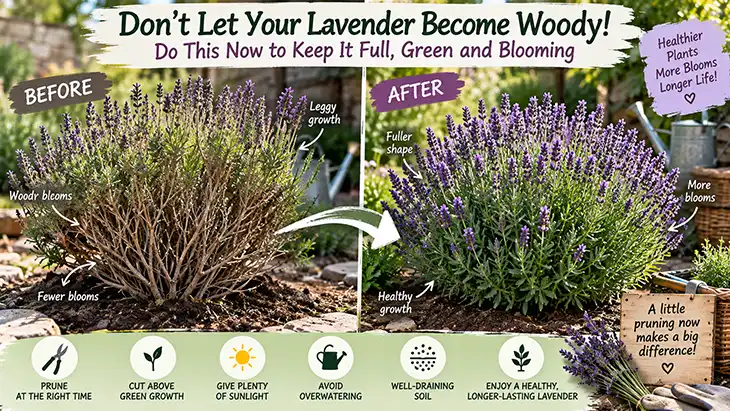
When lavender plants are young, they often present an almost perfect image: a compact shrub with silvery-green foliage, a delightful Read more

If you don't often get the chance to rejuvenate in the midst of nature, there's an alternative: introducing plants to Read more

Transforming Garlic Peels into Gold for Gardeners: In the rhythm of kitchen prep, garlic peels are often discarded without a Read more

Cultivating an Avocado Plant Indoors: A Step-by-Step Guide Nurturing an avocado seed into a blossoming plant within the confines of Read more

Orchids, celebrated for their intricate beauty and variety, need particular attention for optimal growth. In the realm of orchid care, Read more
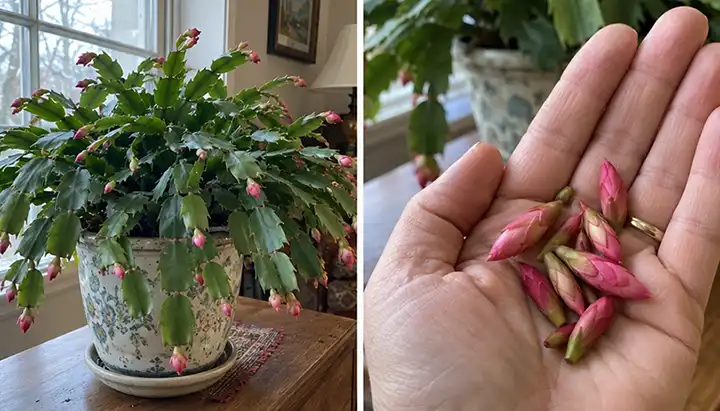
If your Christmas cactus has stayed healthy throughout the year but produced only a few flowers last winter, October might Read more

Bananas are a delightful treat, but their peels can be a garden's treasure. Rather than discarding banana peels into compost, Read more

Excessive moisture within a house can arise due to capillary action, infiltration, or the phenomenon of condensation. The latter is Read more

Growing avocados can be a gratifying experience, especially when you cultivate them right in your backyard. While starting avocados from Read more

In the culinary world, garlic is a staple ingredient that is hard to do without. Cultivating it benefits many plants Read more

Get a Head Start on Your Garden: Indoor Sowing for Colder Climates There's no need to wait for spring's embrace Read more
