

A True Nutritional Treasure in Every Bite
Beef tongue stands out primarily for its remarkable nutritional richness. It is an excellent source of heme iron, the form of iron best absorbed by the body. This vital mineral plays a central role in the production of hemoglobin, which is responsible for carrying oxygen through the blood. As a result, consuming beef tongue helps reduce fatigue and restore lasting energy in everyday life.
But that’s not all: beef tongue also contains zinc, phosphorus, as well as very high-quality proteins. It therefore represents a valuable ally in maintaining good health, especially during the winter months when fatigue is commonly felt.
A True Concentrate of Essential Vitamins
What is even more surprising is its wealth of B-group vitamins—particularly B1, B2, B3, B6, and especially B12. The latter is essential for the proper functioning of the nervous system and for the production of red blood cells. A deficiency in vitamin B12 can cause persistent fatigue and concentration difficulties, symptoms that are better prevented.
Beef tongue also provides traces of vitamins A, D, E, and even vitamin C. A study published in the Journal of Food Composition and Analysis highlighted its excellent nutritional profile, emphasizing the significant presence of proteins as well as healthy fats that are indispensable for metabolism.
Muscles, Skin, and Joints: Comprehensive Care
Thanks to its essential amino acids, beef tongue effectively supports muscle recovery. It is thus an appealing option after intense physical exertion or during a convalescence phase, helping tissues regenerate properly.
Another major advantage lies in its natural collagen content, a key component for the health of skin, joints, and connective tissues. Furthermore, its richness in natural fats contributes to a lasting sensation of fullness, making it ideal for avoiding cravings between meals.
Simply Preparing Beef Tongue at Home
Beef tongue is also appealing because of its great versatility in the kitchen. It can be enjoyed with sauce, served cold in slices as an appetizer, or shredded to create flavorful sandwiches.
The traditional preparation begins with thorough cleaning, followed by slow cooking in a broth flavored with garlic, onion, and bay leaf. Once tender, the outer skin is removed to reveal delicate and tender meat. The version with tomato sauce—enhanced with onion, garlic, thyme, and fresh parsley—is a true delight that showcases this meat perfectly.
Enjoying It with Moderation and Intelligence
As with all richer meats, moderation is crucial. Consuming beef tongue two to three times per week is sufficient to enjoy its benefits without excess. Individuals with specific nutritional needs or particular health conditions should consult a professional before regularly incorporating it into their diet.
Ultimately, beef tongue perfectly illustrates how French culinary tradition can combine with a healthy and thoughtful diet.

A Vibrant Coat, More Than Just a Visual Trait Before delving into the nature of these cats, let us first Read more

The ingenuity of Swedish furniture design, particularly evident in the flat-pack phenomenon, has transformed how we furnish our homes with Read more

Mimosa Pudica, commonly known as the “Sensitive Plant” or “Touch-Me-Not,” is famous for its unique reaction to touch—its leaves fold Read more
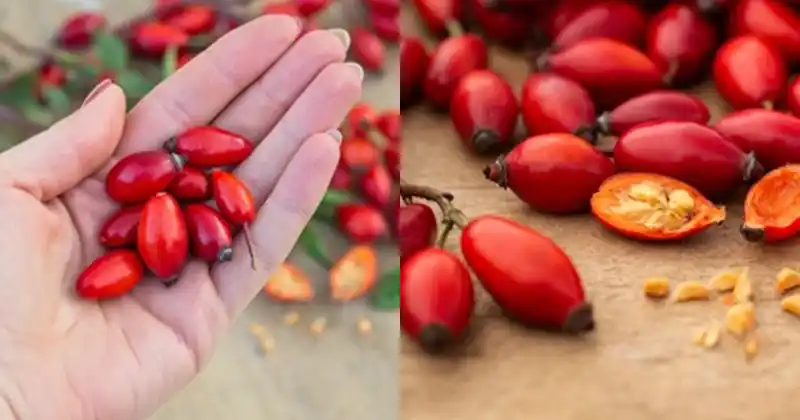
The Hidden Power of Dog Rose (Rosa canina): 10 Surprising Health Benefits and How to Use It Nature has given Read more

The Art of Container Flower Combinations Designing with flowers in pots is a delightful blend of horticulture and floral design. Read more

Unwanted Houseguest: The Fly The fly is arguably the most disliked insect on Earth, primarily due to its bothersome traits. Read more
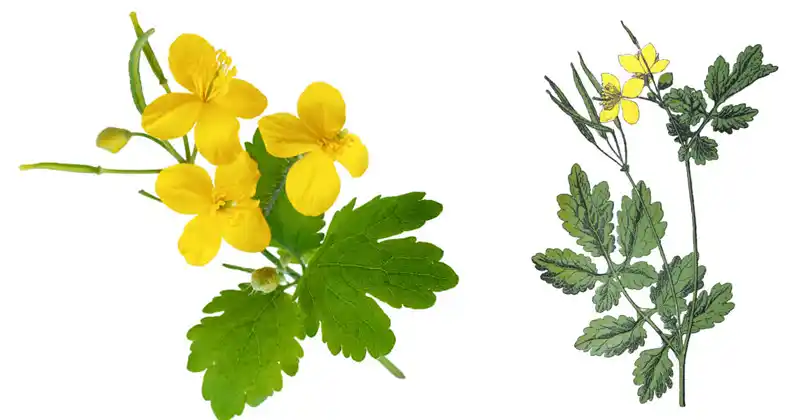
For centuries, Chelidonium majus, commonly known as Greater Celandine, has held a special place in traditional herbal medicine. Recognized by Read more

Goldenberries, also known as Physalis or Uchuva, are small, orange-yellow fruits enclosed in a delicate, papery husk. Originating from the Read more

Juniper, a versatile and aromatic plant, has been valued for centuries for its culinary, medicinal, and therapeutic uses. Known for Read more

Eager to master the art of nurturing a Peace Lily? Known scientifically as Spathiphyllum Wallisii, this enchanting plant is often Read more

Cassava: An Essential Plant at the Heart of a Deadly Paradox Whether in the form of flour, tapioca pearls, or Read more

When you enter a hotel room, have you ever noticed that long piece of fabric laid across the foot of Read more
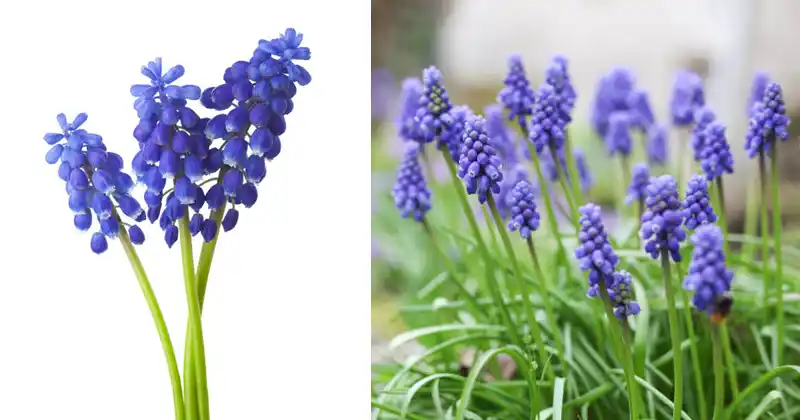
Grape Hyacinth (Muscari): A Beautiful Flower You Can Eat – But Only If You Know Which One The grape hyacinth, Read more

Bathroom Mold: Causes and Solutions Ideal Environment for Mold Growth Bathroom surfaces are prime locations for mold growth. Moisture accumulates Read more

Dented Car Body: How to Fix It Yourself Over time, the body of your car can endure a lot. From Read more

How can a simple homemade mixture really help make your teeth whiter? Here is the secret that has already captivated Read more

The Amazing Benefits of Sumac and How to Use It Sumac is more than just a flavorful spice—it’s a powerful Read more

The Benefits of Combining Eggs and Coffee: A Nutritious and Energizing Pair When it comes to starting your day right, Read more

How to Make Powerful Super Glue from Styrofoam: The Hidden Chemistry Behind This Viral Trick In a world where DIY Read more
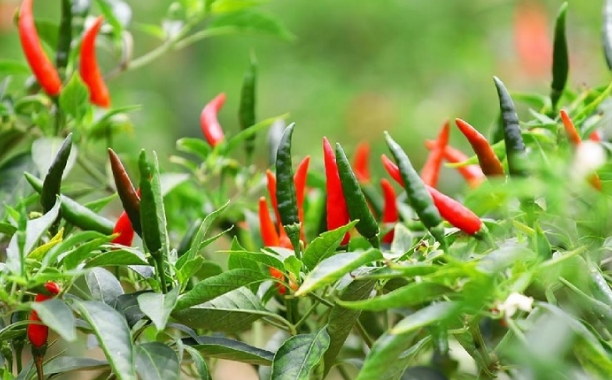
Discover the Untapped Potential of Chili Pepper Leaves: Nutritional Powerhouse for Your Health and Kitchen When you think of chili Read more

Purple Deadnettle (Lamium purpureum): Benefits, Uses & How to Make Tea Often overlooked or mistaken for an ordinary weed, Purple Read more

When "Need" Takes on a Whole New Meaning For a long time, having a woman in a man’s life was Read more

10 Secrets You Need to Know Before Eating Okra Okra, also known as “lady’s finger,” is a green, pod-shaped vegetable Read more

Sida acuta, also known as “common wireweed,” is a hardy plant often found in fields and roadsides. While it may Read more

Inheritance in France: A Protected Share, Untouchable Even in Cases of Conflict In France, there is a fundamental legal principle Read more

The Power of Hawthorn (Genus Crataegus): A Natural Ally for Heart and Cholesterol Health Hawthorn, belonging to the genus Crataegus, Read more

Creating a fresh and inviting atmosphere in your kitchen doesn't require expensive air fresheners or synthetic scents. With just a Read more

Embracing Organic Gardening with Homemade Onion Elixir The shifting trends in horticulture are leaning heavily towards eco-conscious choices, prompting gardeners Read more

Highland flowers, often found in remote, elevated regions, are more than just a visual delight. These resilient blooms, thriving in Read more

Perfumed Tissues: An Easy DIY Technique The Joy of Scented Tissues: Paper tissues are handy in daily life. While some Read more

Horseweed (Erigeron canadensis): 20 Amazing Benefits and How to Use It Horseweed, also known as Erigeron canadensis or Canadian fleabane, Read more

Kyllinga brevifolia: A Natural Remedy for Health and Wellness Kyllinga brevifolia, commonly known as green kyllinga or shortleaf spikesedge, is Read more

When you sink your teeth into a soft, caramel-sweet date, the last thing on your mind is usually the tough Read more

Guava is often hailed as a superfruit, but did you know that its leaves also pack an extraordinary punch in Read more
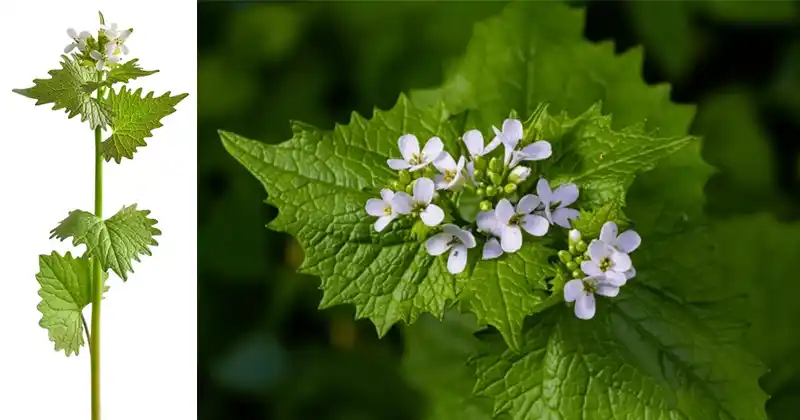
Garlic Mustard (Alliaria petiolata): 20 Surprising Benefits and Homemade Uses Garlic mustard (Alliaria petiolata) is often dismissed as a stubborn Read more

Are Lilacs Edible? Health Benefits of the Beautiful Syringa Blossoms With their sweet fragrance and delicate clusters of flowers, lilacs Read more

The Importance of Curtain Cleaning in Your Home Generally, when cleaning the house, after dusting the furniture, one often overlooks Read more

Garlic: An Ancient Remedy for Better Sleep Since ancient times, garlic has been recognized not only as an essential culinary Read more

Unlocking the Garden Potential of Eggshells: 10 Innovative Applications Eggshells, often seen as fragile protectors of eggs, are also a Read more

In today's digital age, it's a common sight in households and offices: chargers left in outlets without their corresponding devices. Read more
