

A Vibrant Coat, More Than Just a Visual Trait

Before delving into the nature of these cats, let us first explore this distinctive color. The orange coat of cats is not a coincidental quirk of nature but rather the result of a specific gene located on the X chromosome. This gene is responsible for producing a pigment called pheomelanin, which causes shades ranging from golden hues to vibrant red-orange tones. At the same time, it inhibits the production of another pigment, eumelanin, which is responsible for black or brown shades. Consequently, the fur takes on a predominantly orange coloration.
What makes this color even more fascinating is its strong connection to the cat’s sex. Males possess only one X chromosome, which is enough for the gene to express itself, giving their coats a reddish-orange color. On the other hand, females have two X chromosomes and require two copies of the gene to exhibit a fully orange coat. As a result, about three out of four orange cats are males. This unique genetic trait makes female ginger cats particularly prized among enthusiasts.
A Reputation for Being Gentle… But On What Grounds?

It is common to hear that ginger cats are more affectionate, sociable, and even more docile than others. But where does this reputation come from? It could stem from an even older stereotype suggesting that males tend to be cuddlier than females. Since most ginger cats are male, the association quickly forms!
Daniel Warren-Cummings, a feline behavior specialist with the British organization Cats Protection, reminds us, however, that “these stereotypes are widespread, although there is no tangible scientific evidence to support them.”
What Does Science Reveal About the Link Between Color and Behavior in Cats?
In 2015, a study attempted to assess these beliefs. Participants were asked to associate certain personality traits with cats based on their color: orange, calico, white, black, or bicolor. The outcome? Orange cats were perceived as friendly, calicos as more difficult, and whites or bicolors as more distant.
However, these conclusions were based solely on human impressions, not on rigorous behavioral observations. As Mikel Delgado, a specialist researcher, points out, “there is very little concrete evidence demonstrating real behavioral differences between cats based on their coat color.”
Myth or Reality? What You Really Need to Know

In reality, nothing confirms that coat color directly influences temperament. A cat’s personality is shaped primarily by its upbringing, environment, interactions with its surroundings, and experiences. Color remains a matter of genetics, but there is no indication it determines emotions or behavior.
Therefore, your ginger cat can be a tender and affectionate companion or a playful and mischievous acrobat, regardless of its color. Above all, it is a unique individual with its own personality.

Lactuca serriola, commonly known as prickly lettuce, is a plant that often goes unnoticed, dismissed as a mere weed. However, Read more

When "Need" Takes on a Whole New Meaning For a long time, having a woman in a man’s life was Read more
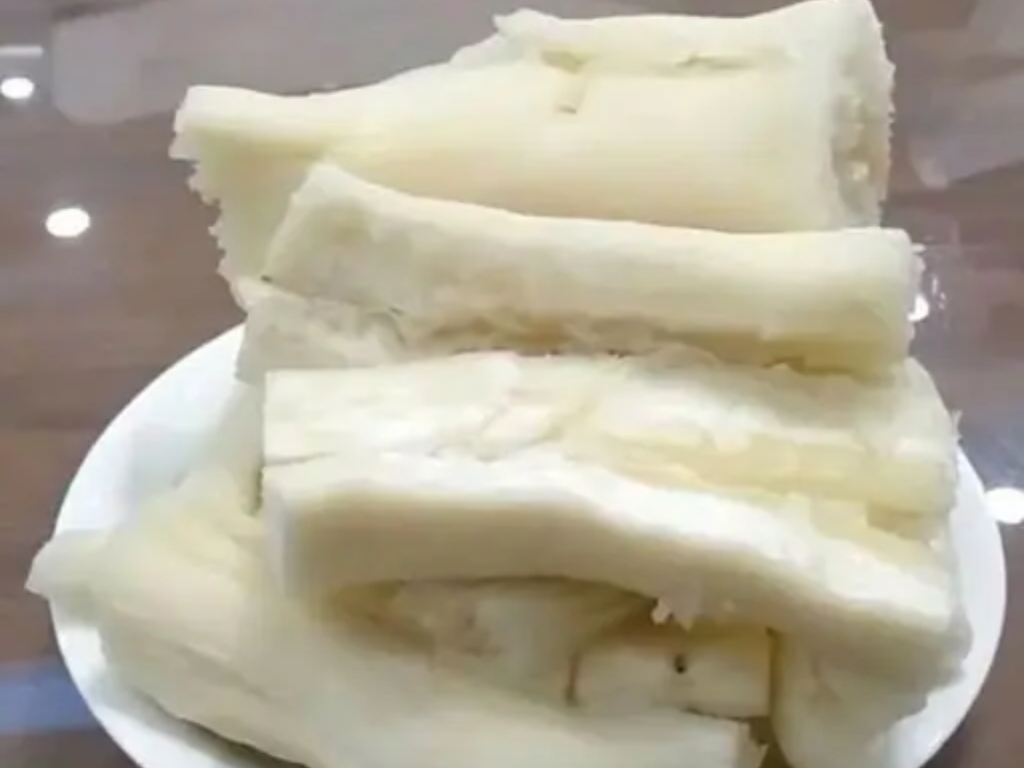
Cassava: An Essential Plant at the Heart of a Deadly Paradox Whether in the form of flour, tapioca pearls, or Read more

Eager to master the art of nurturing a Peace Lily? Known scientifically as Spathiphyllum Wallisii, this enchanting plant is often Read more
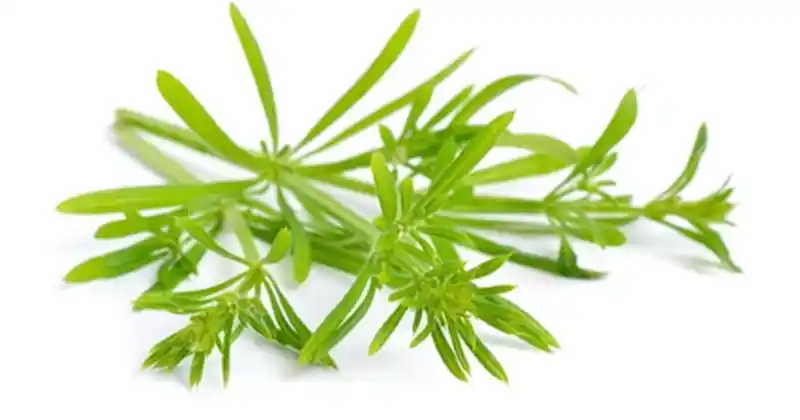
Cleavers (Galium aparine): The Herbal Remedy for Detox and Lymphatic Health Cleavers, also known as Galium aparine, is a humble Read more
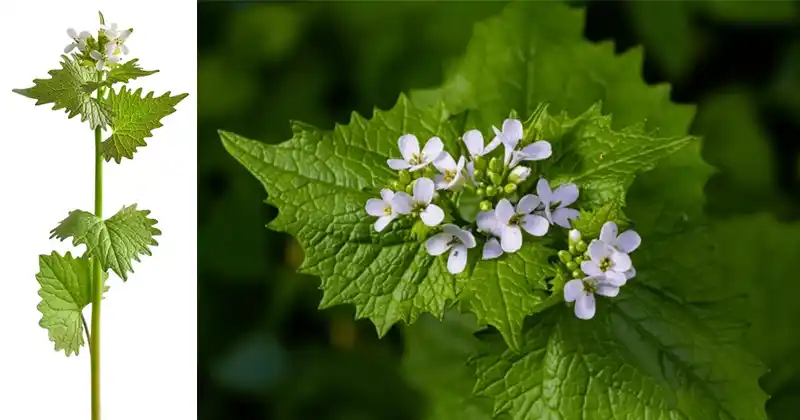
Garlic Mustard (Alliaria petiolata): 20 Surprising Benefits and Homemade Uses Garlic mustard (Alliaria petiolata) is often dismissed as a stubborn Read more

You bought a bag of potatoes, and a few weeks later, you find that they’ve started to sprout? Don’t panic! Read more
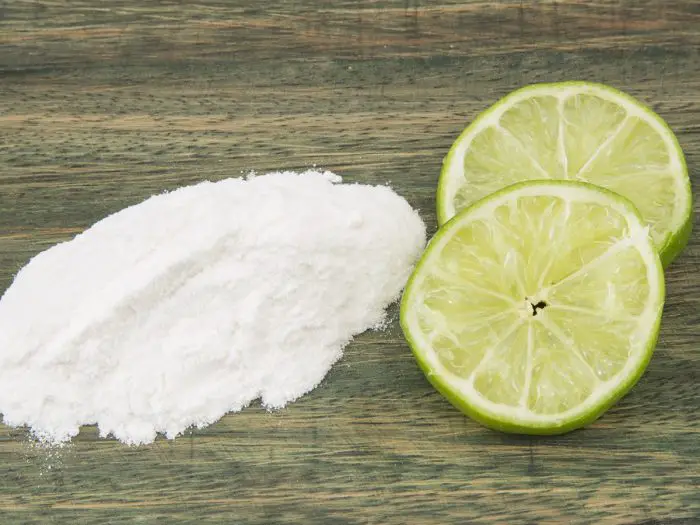
Baking soda and lemon peels are two household items often overlooked but incredibly powerful when combined. This natural duo can Read more
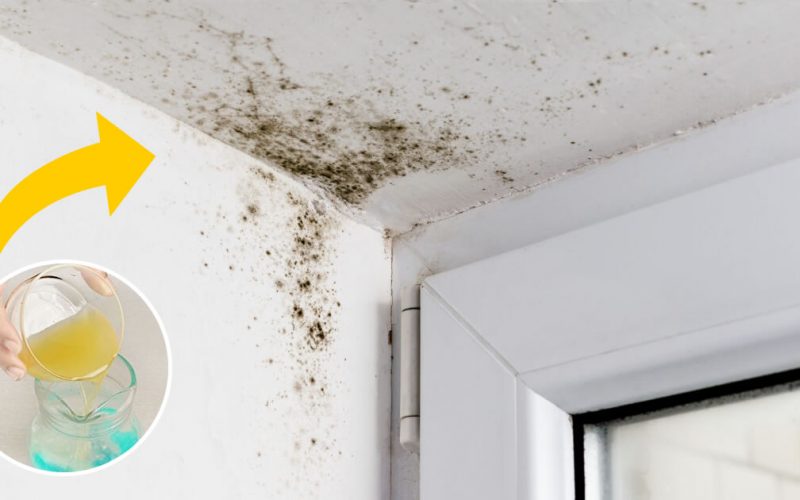
Often, due to poor ventilation or certain climatic conditions, dreaded mold can develop on the walls of our homes. In Read more

Bathroom Mold: Causes and Solutions Ideal Environment for Mold Growth Bathroom surfaces are prime locations for mold growth. Moisture accumulates Read more

Kyllinga brevifolia: A Natural Remedy for Health and Wellness Kyllinga brevifolia, commonly known as green kyllinga or shortleaf spikesedge, is Read more

Cultivating veggies and herbs indoors is more than just a productive task; it's a delightful and aesthetic journey. The magic Read more

Unlocking the Garden Potential of Eggshells: 10 Innovative Applications Eggshells, often seen as fragile protectors of eggs, are also a Read more

How to Make Powerful Super Glue from Styrofoam: The Hidden Chemistry Behind This Viral Trick In a world where DIY Read more
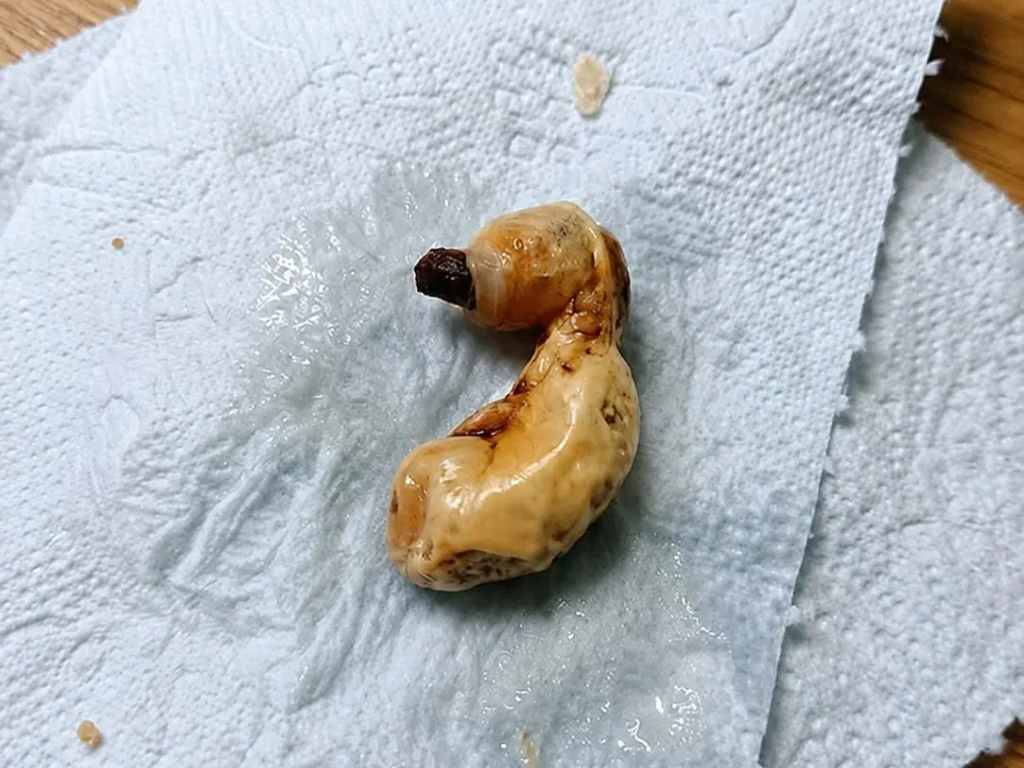
When a Simple Pistachio Shell Takes on the Appearance of a Monster It all begins with the desire to clean Read more

Why It's Crucial to Clean Your Oven and How to Do It Naturally The Importance of Cleaning Your Oven The Read more

The Art of Container Flower Combinations Designing with flowers in pots is a delightful blend of horticulture and floral design. Read more

The Benefits of Combining Eggs and Coffee: A Nutritious and Energizing Pair When it comes to starting your day right, Read more

8 Surprising Benefits of Water Cloves You Probably Didn’t Know About Cloves are widely recognized for their warm, spicy aroma Read more

Perfumed Tissues: An Easy DIY Technique The Joy of Scented Tissues: Paper tissues are handy in daily life. While some Read more

Faced with increasingly harsh industrial detergents, consumers are turning back to traditional products that are healthier and have long proven Read more

Pigweed, also known as amaranth, is a leafy green plant that has been cherished in various cultures for its nutrient-rich Read more

Datura stramonium, commonly known as Jimson weed, thorn apple, or devil's trumpet, is a plant native to North America but Read more
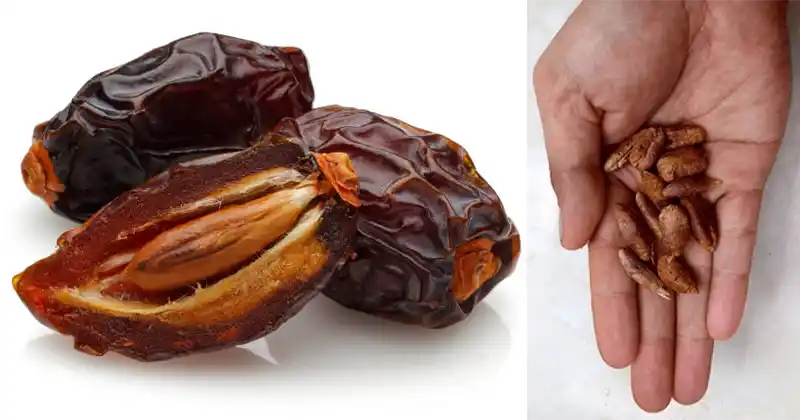
When you sink your teeth into a soft, caramel-sweet date, the last thing on your mind is usually the tough Read more

Crabgrass, or Digitaria sanguinalis, is often regarded as an annoying, invasive weed in gardens and urban spaces. However, beneath its reputation Read more

Avocados are celebrated for their creamy texture, rich flavor, and numerous health benefits. While typically enjoyed raw, grilling avocados introduces Read more

How to Clean a Glass Shower Door Naturally and Keep It Shining Longer Several areas of the bathroom are exposed Read more

In today's digital age, it's a common sight in households and offices: chargers left in outlets without their corresponding devices. Read more

Creating a fresh and inviting atmosphere in your kitchen doesn't require expensive air fresheners or synthetic scents. With just a Read more

Transforming Garlic Peels into Gold for Gardeners: In the rhythm of kitchen prep, garlic peels are often discarded without a Read more

Garlic's Aromatic Enigma: Its Transformation When Burnt The unmistakable scent of garlic is well-known in kitchens worldwide. Esteemed for its Read more

How to Clean Bathroom Tiles Quickly and Effectively Cleaning bathroom tiles is a task we all love to postpone. It Read more

Purslane (Verdolaga) is no longer a garden menace but a valuable gem! This remarkable plant is reclaiming its place in Read more

Embracing Organic Gardening with Homemade Onion Elixir The shifting trends in horticulture are leaning heavily towards eco-conscious choices, prompting gardeners Read more

The ingenuity of Swedish furniture design, particularly evident in the flat-pack phenomenon, has transformed how we furnish our homes with Read more
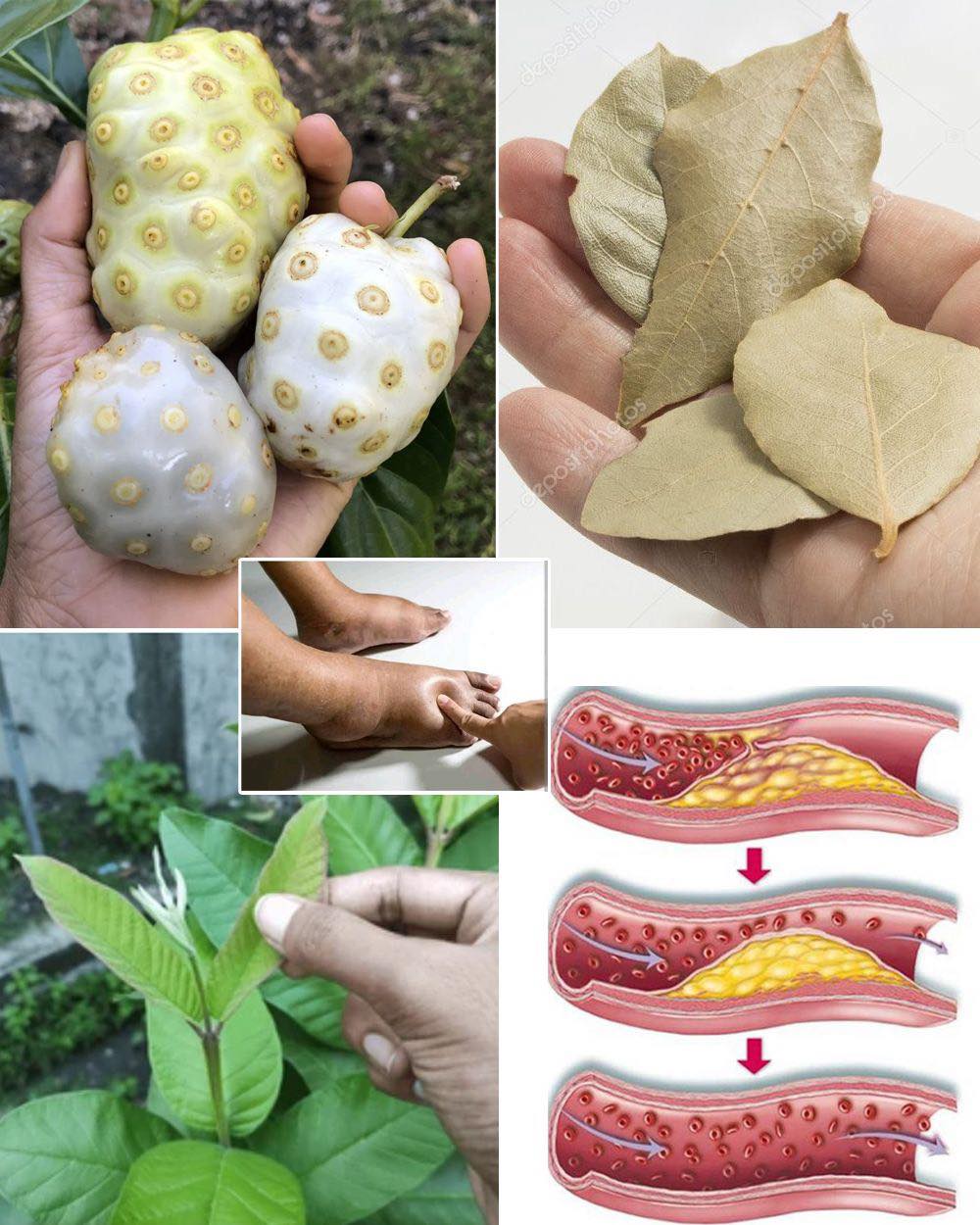
The Ultimate Healing Tonic: A Powerful Natural Drink for Swollen Feet, Diabetes & Poor Circulation Chronic swelling in the feet, Read more

Guava is often hailed as a superfruit, but did you know that its leaves also pack an extraordinary punch in Read more

The Dog's Nose: A True Superpower It is well known that dogs possess an extraordinary sense of smell. Yet the Read more

Mimosa Pudica, commonly known as the “Sensitive Plant” or “Touch-Me-Not,” is famous for its unique reaction to touch—its leaves fold Read more

Ageratum conyzoides, commonly known as Billygoat Weed or Goatweed, is a flowering plant native to tropical regions of the Americas Read more
