

Urinating While Standing, Tail Twitching: A Deliberate Behavior

When you discover a small puddle of urine on a wall or a piece of furniture, the immediate thought often veers towards mischief or a health problem. However, this behavior actually represents a clear form of communication. Contrary to popular belief, territorial marking is not exclusive to non-neutered males; female cats and neutered cats can also adopt this reflexive practice.
Consider this marking as a personal “message board” where the cat deposits its unique olfactory message. Typically placed high up, this marking signals the cat’s presence to others, delineates its territory, or expresses its emotional state. Occasionally, if the cat senses an intruder has altered its scent mark, it will promptly renew the marking to reaffirm its dominance.
Panting, Drooling, and Heat: Your Cat’s Strategies to Cool Down
A cat panting can often be surprising. Unlike dogs, felines do not regulate their body temperature primarily through their mouths. Still, during extreme heat—for example, on a scorching afternoon in Marseille—some cats may exceptionally pant to dissipate excess heat.
They also have another effective method: grooming themselves by licking their fur. The evaporation of the saliva then creates a temporary cooling sensation, somewhat similar to how wiping a damp cloth across your forehead on a summer day provides relief.
Rubbing Against Your Legs: A Sign of Affection and Belonging

Does your cat gently rub against your calves as soon as you come home? This is far more than a simple greeting. This gesture carries many meanings: it conveys attachment, recognition, and also serves as a form of marking.
Indeed, the areas where the cat rubs—its flanks, chin, and the base of its tail—are densely packed with glands that secrete pheromones. These invisible substances create a true olfactory identity card. By covering you with its scent, your cat is declaring: “This human belongs to my territory.”
Pinned-Back Ears and Avoidant Gaze: A Clear Signal to Back Off
When your cat’s ears fold backward, its eyes partly closed, and it slightly tilts its head, this sends a message you shouldn’t ignore. These signs indicate an irritated or stressed cat. It is a polite way of saying: “Not now, please leave me alone.”
If its whiskers are also flattened against its cheeks, the cat is adopting a defensive stance, more frightened than truly aggressive. At this time, it is best to respect its space and avoid interaction—this is not the moment for cuddles.
It Stomps the Ground Before Pouncing: The Hunter’s Instinct in Action

One fascinating behavior to observe is when a cat suddenly freezes, focuses on a target—whether it’s a fly, a toy, or a moving sock—and then begins to knead the ground with its front paws as if preparing for an Olympic jump. This “trembling” is not a malfunction but a phase of intense concentration prior to an attack.
Its pupils dilate, and its ears twitch at every slight sound. The cat carefully measures the distance to its prey, much like a judoka planning their next move in a match. This ritual, inherited from its wild ancestors, vividly demonstrates its naturally exceptional agility.
Even though our cats do not speak, they communicate continuously. Every gesture, every behavior, carries meaning. By learning to interpret these signals, you deepen your bond and access a complex, rich, and subtle universe previously unnoticed.

In today's digital age, it's a common sight in households and offices: chargers left in outlets without their corresponding devices. Read more

Tomatoes, a staple in kitchens worldwide, are loved for their versatility and rich flavor. However, their perishable nature often leads Read more

Defrosting a freezer is often viewed as a lengthy and tedious task involving ice packs and patience being thoroughly tested. Read more

The Dog’s Nose: An Organ of Exceptional Sensitivity While humans explore the world primarily through vision, dogs scrutinize it mainly Read more

The Hidden Power of Pomegranate Peel: 10 Health Benefits and How to Use It Pomegranate is often celebrated for its Read more

The Benefits of Combining Eggs and Coffee: A Nutritious and Energizing Pair When it comes to starting your day right, Read more
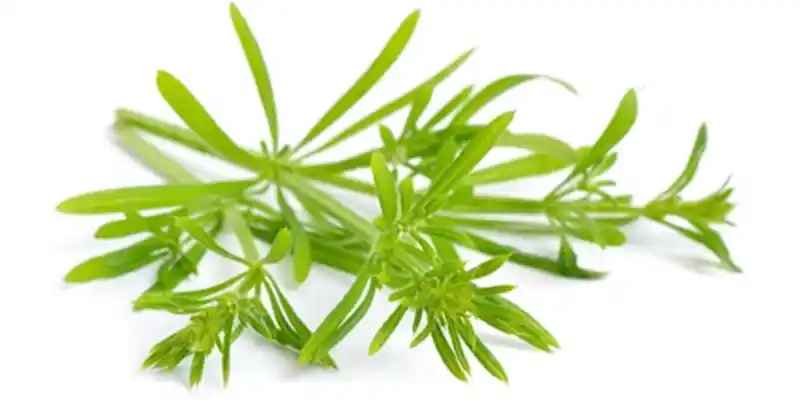
Cleavers (Galium aparine): The Herbal Remedy for Detox and Lymphatic Health Cleavers, also known as Galium aparine, is a humble Read more

An Ordinary Object Turned Viral Mystery What sparked the excitement? A photo showing a long, curved object made of metal Read more

Gather and Verify Evidence Immediately When faced with a vending machine that fails to dispense the cash you requested, it Read more

How to Make Powerful Super Glue from Styrofoam: The Hidden Chemistry Behind This Viral Trick In a world where DIY Read more

In this article, we present the six main mistakes to avoid in order to preserve your refrigerator and ensure its Read more

One day, almost by chance, he pushed open the doors of an orphanage. It was there that he met Emma. Read more

An Invention Born from a Passion for Cooking At the end of the 19th century, the importance placed on healthy Read more

Some people do not make it a habit to unplug chargers from sockets after charging their electronic devices. However, many Read more

A True Natural Concentrate of Vitality Orange peel is naturally packed with beneficial components widely recognized for their role in Read more
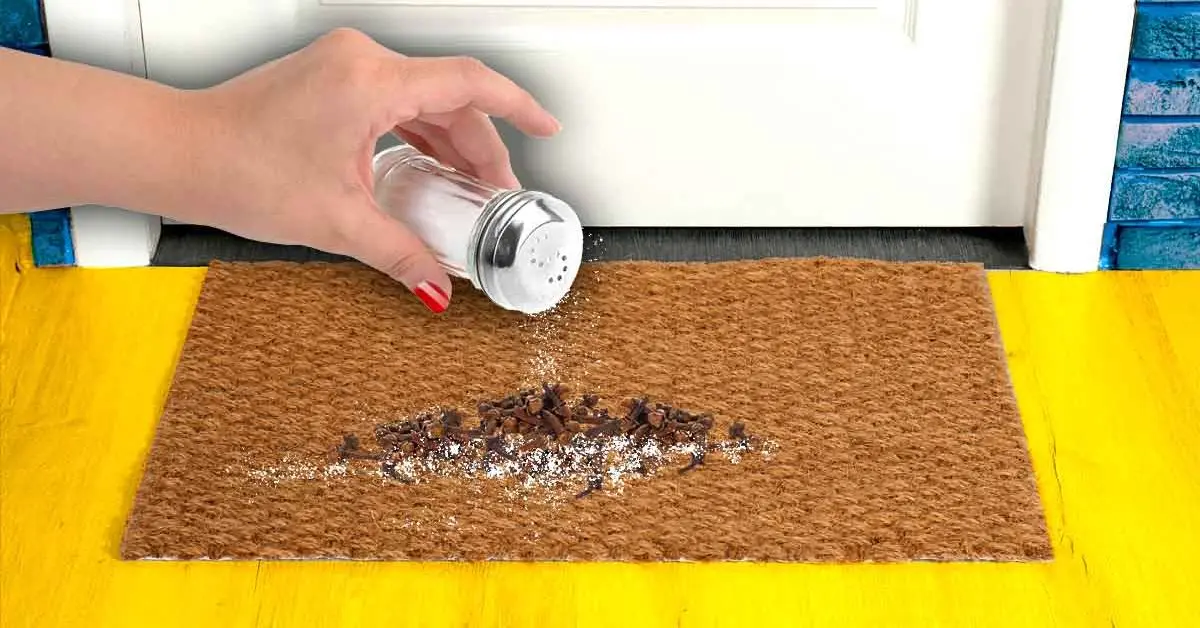
The Multifaceted Benefits of Spices and Herbs Throughout history, a wide variety of spices and herbs have been cherished not Read more

8 Surprising Benefits of Water Cloves You Probably Didn’t Know About Cloves are widely recognized for their warm, spicy aroma Read more

Mullein (Verbascum thapsus), a tall, woolly plant often seen growing along roadsides and in open fields, has been treasured for Read more
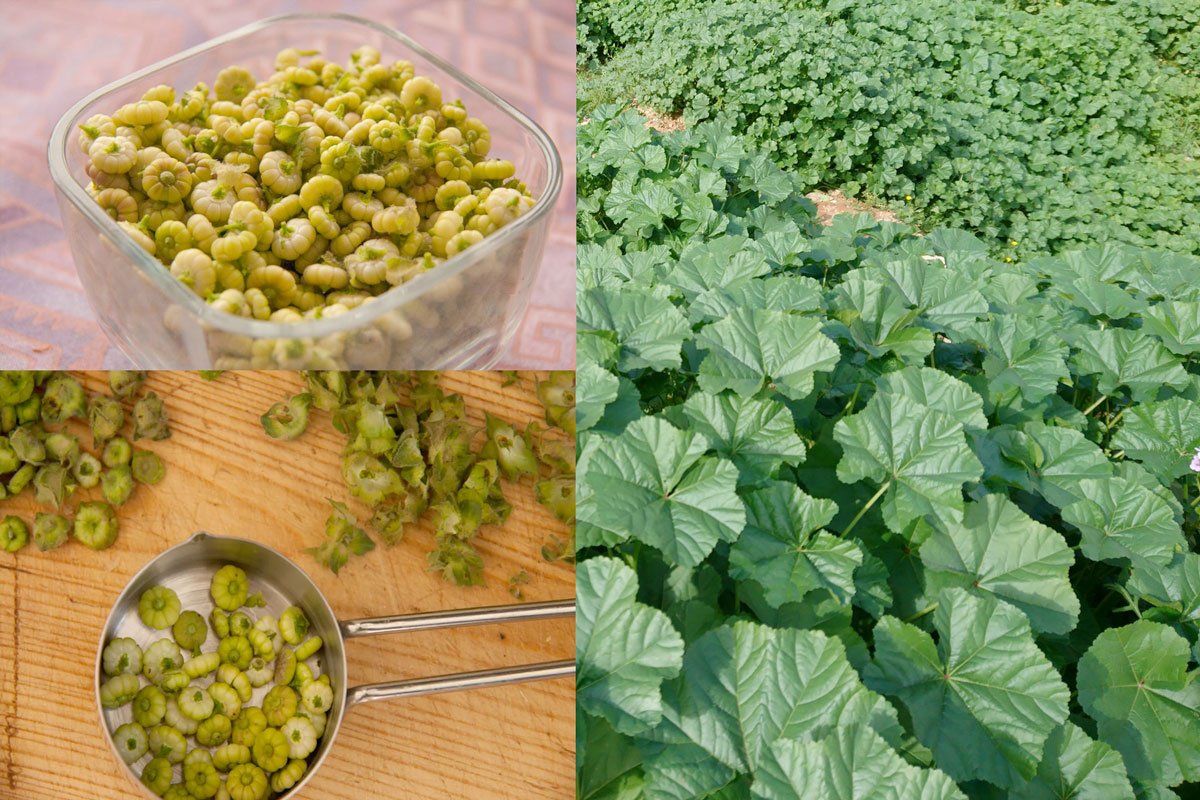
Common Mallow (Malva sylvestris) is a plant often overlooked in wild settings but is far more than merely a visually Read more

Ever wish your home could keep that fresh, clean scent for more than a few hours? There’s a simple, natural Read more

The Brown Marmorated Stink Bugs: A Nuisance Difficult to Ignore Originating from Asia, these insects have found a favorable environment Read more
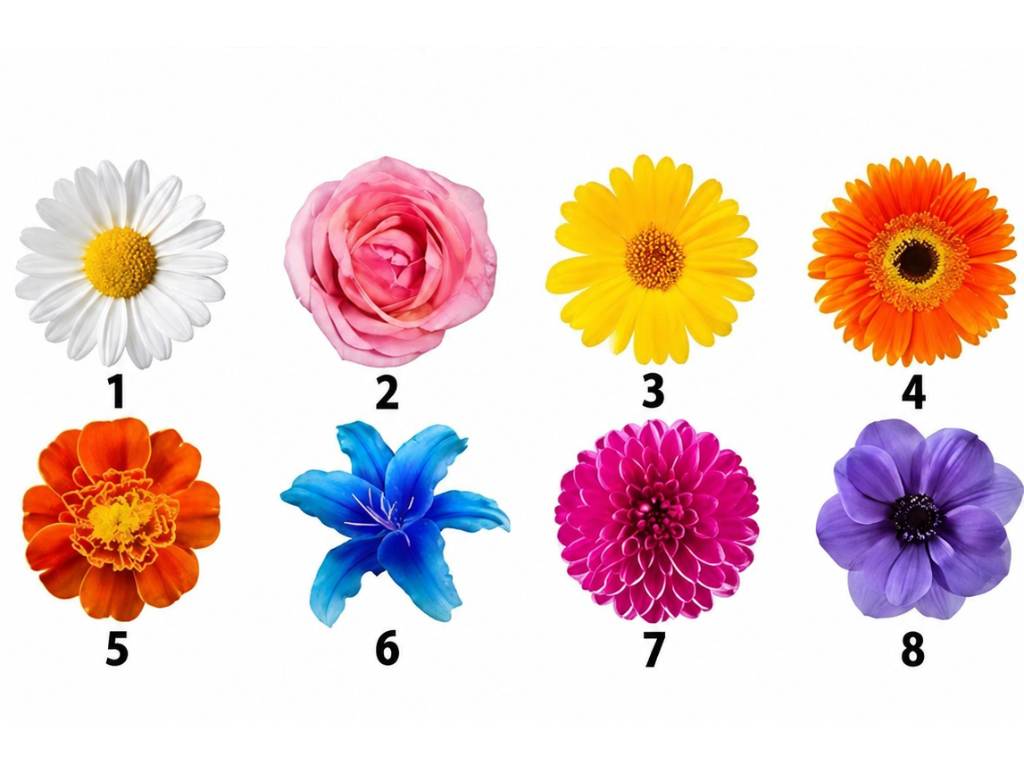
The Daisy: An Expression of Joyful Living and Authenticity If you find yourself especially captivated by the daisy, it is Read more

Pigweed, also known as amaranth, is a leafy green plant that has been cherished in various cultures for its nutrient-rich Read more

Corn silk, the delicate, hair-like strands that grow on an ear of corn, has a long history of use in Read more

Crabgrass, or Digitaria sanguinalis, is often regarded as an annoying, invasive weed in gardens and urban spaces. However, beneath its reputation Read more

We experienced several miscarriages. Each time, it was a silent grief, almost invisible to the eyes of others. I learned Read more

Goldenberries, also known as Physalis or Uchuva, are small, orange-yellow fruits enclosed in a delicate, papery husk. Originating from the Read more
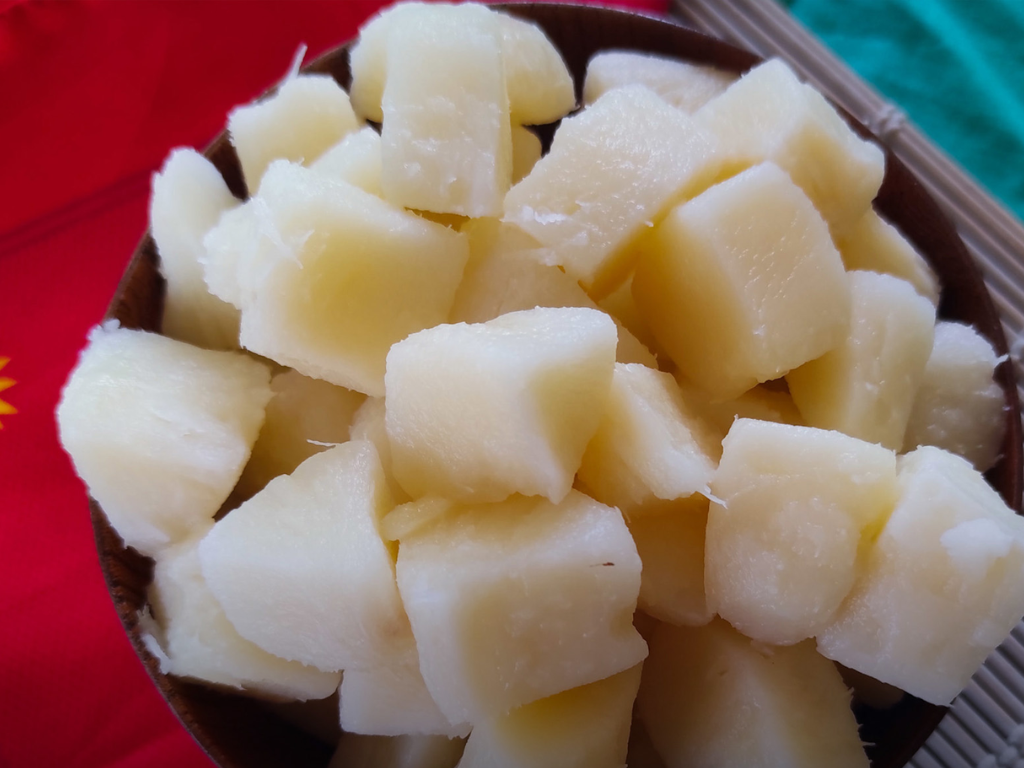
Cassava: A Widely Consumed Food That Can Sometimes Be Dangerous Cassava is a vital food staple for over 800 million Read more
That morning, you open your shutters... and suddenly, it is there. A white pigeon, motionless, perched on the windowsill, almost Read more

Individuals with Allergies or Sensitivities If you suffer from allergies, it is important to be cautious with avocado! This fruit Read more

Acetone: A Genuine Miracle Solution or a Trap to Avoid? Acetone, a powerful solvent commonly used to dissolve nail polish Read more

Metal Plates: An Ingenious Solution to Daily Wear and Tear At the beginning of the 20th century, shoes were not Read more
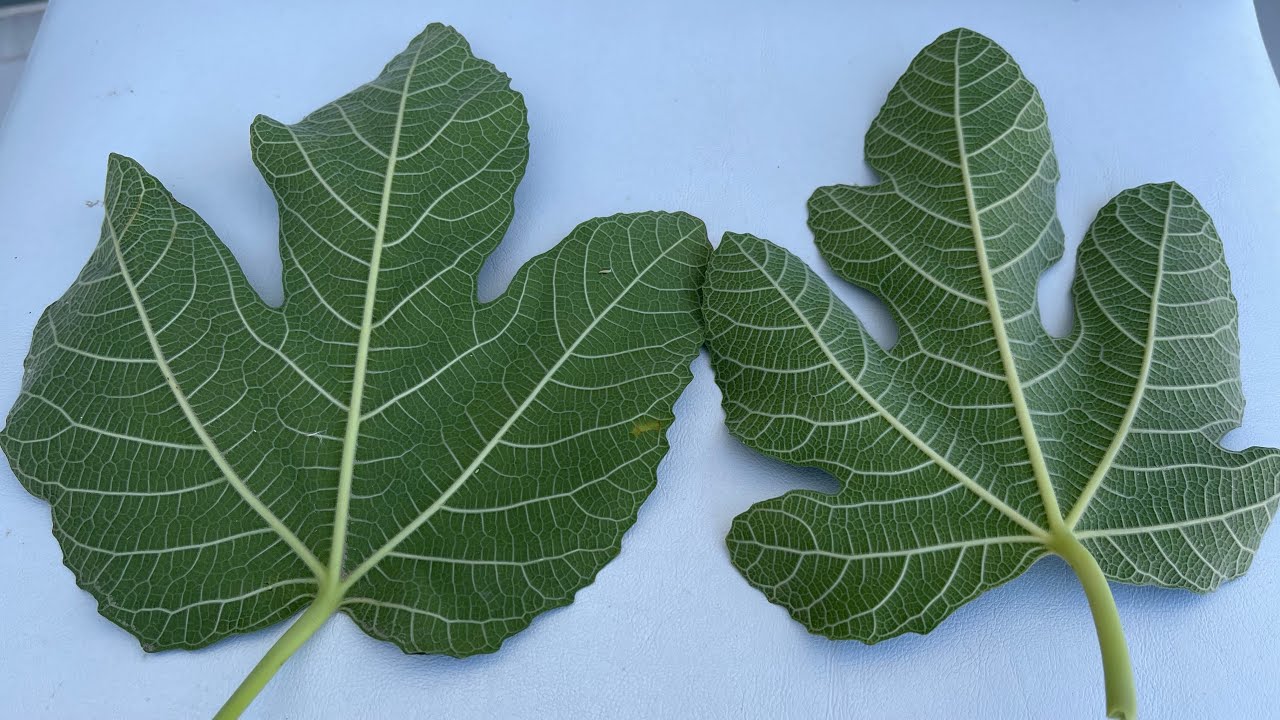
Fig leaves, often overlooked behind the sweet and flavorful fruit they accompany, are an incredible source of numerous health benefits. Read more

The Symbolic Significance of Slugs Inside the Home Since ancient times, various cultures have assigned deep symbolic meanings to slugs. Read more
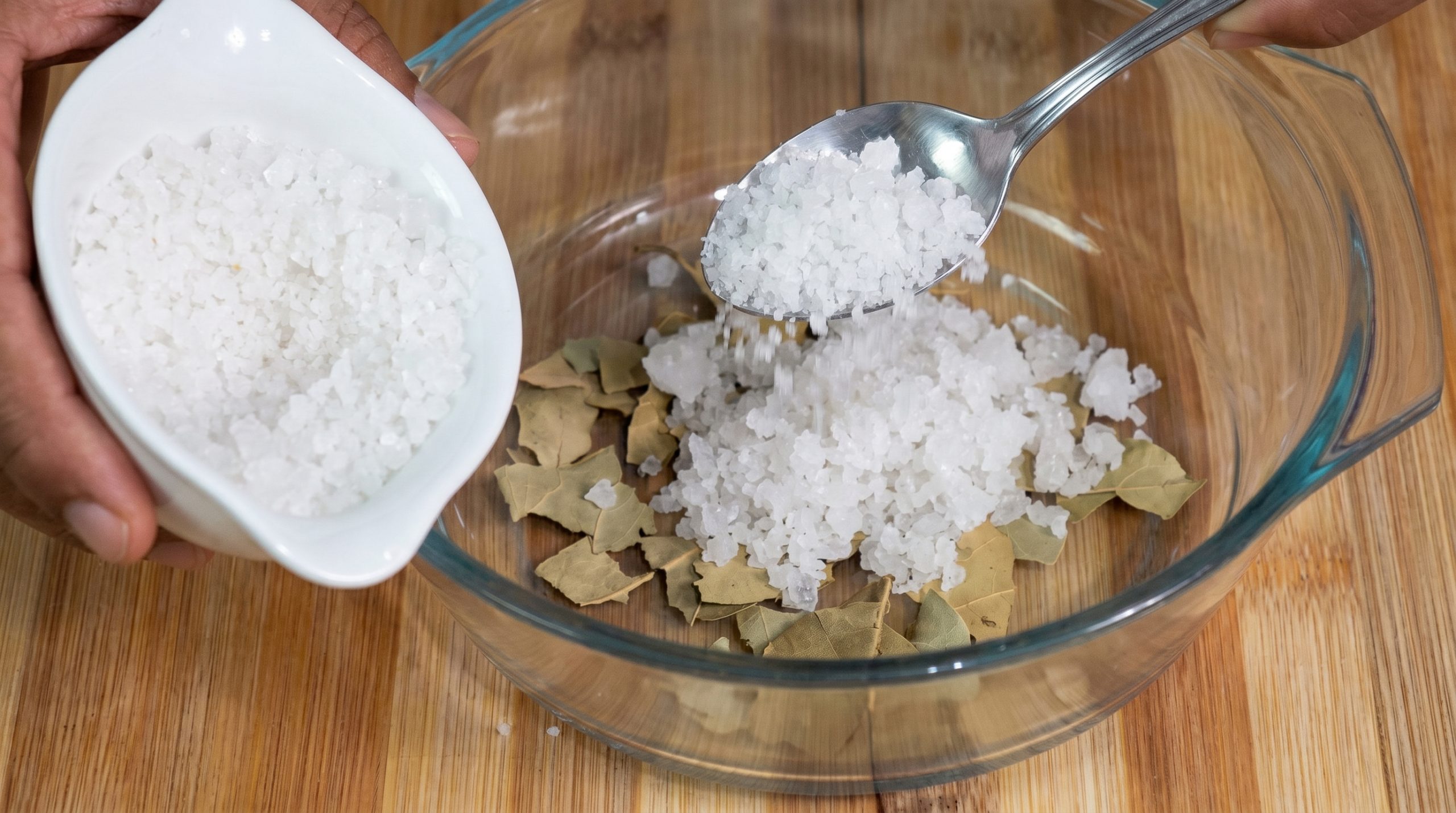
For centuries, the bay leaf has stood as a symbol of protection, wisdom, and soothing comfort. Salt, by contrast, represents Read more

Purple Deadnettle (Lamium purpureum): Benefits, Uses & How to Make Tea Often overlooked or mistaken for an ordinary weed, Purple Read more

Cultivating veggies and herbs indoors is more than just a productive task; it's a delightful and aesthetic journey. The magic Read more

The Dog's Nose: A True Superpower It is well known that dogs possess an extraordinary sense of smell. Yet the Read more
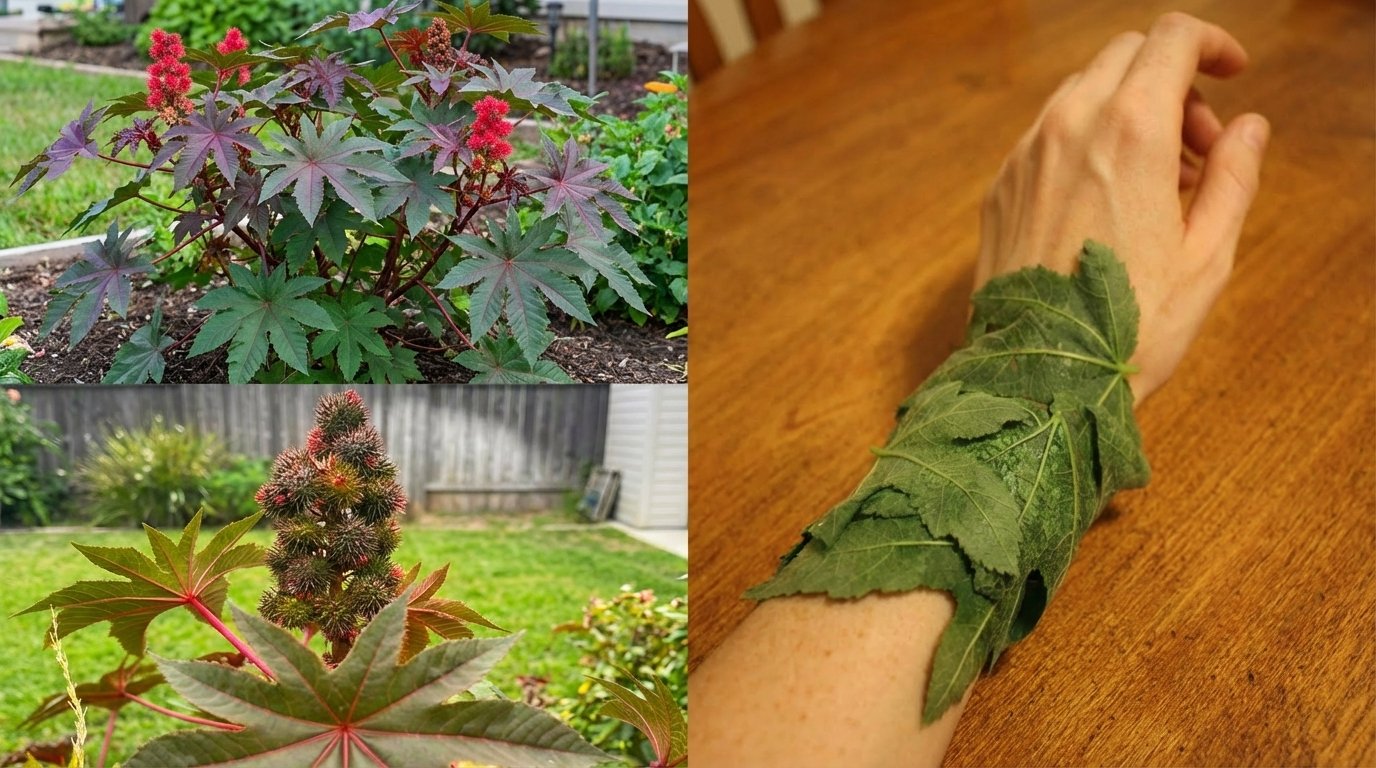
The castor plant (Ricinus communis) is widely known for its seeds, which are the source of castor oil. However, its Read more

An Ingenious Mechanism for Transporting Bottles In an era when safely transporting wine was a true challenge, rough roads and Read more
