
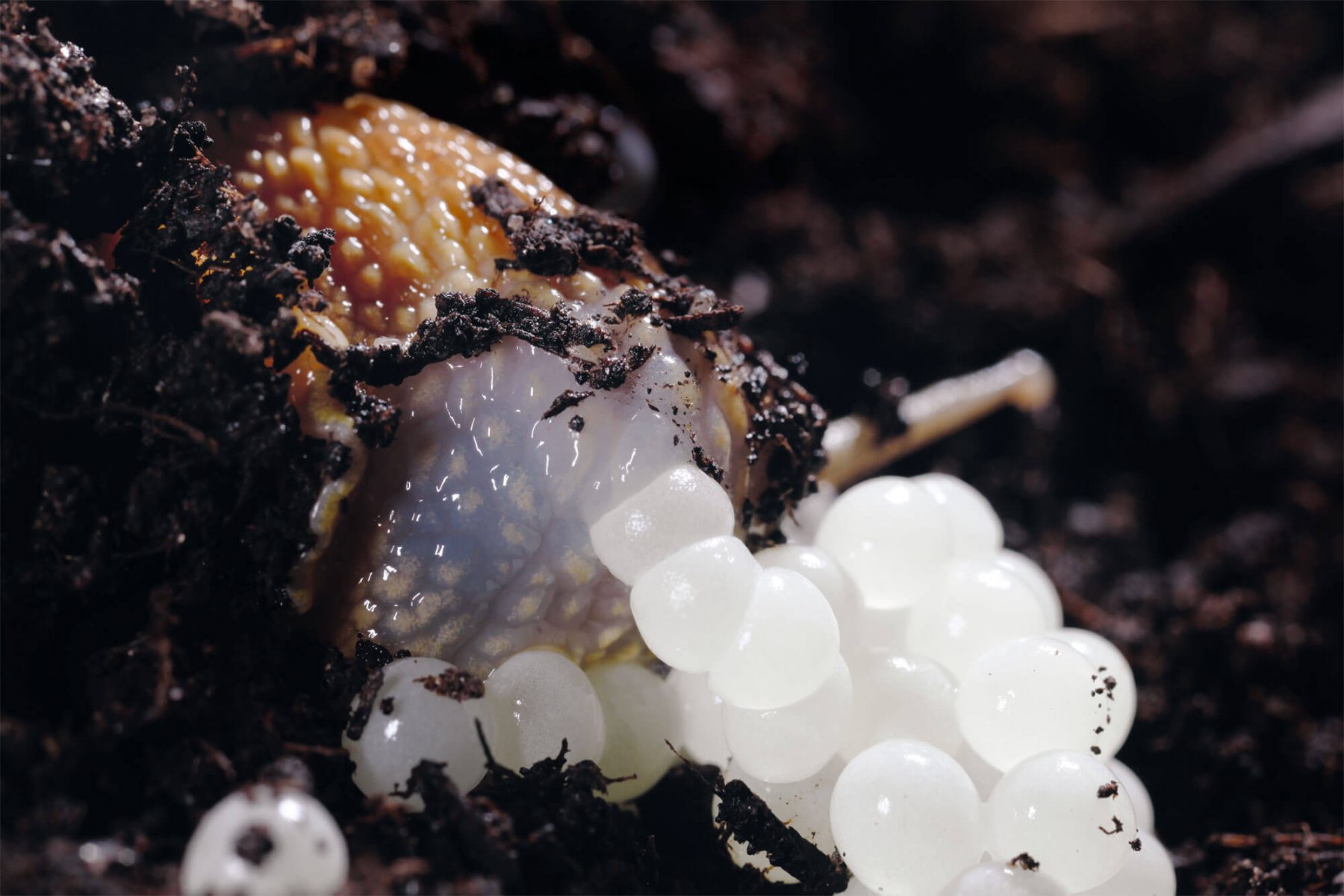
One morning, while watering your plants, you discover small white spheres in the soil.
They gleam softly in the sunlight – round, smooth, almost perfect.
Are these pearls fallen from a necklace? Fertilizer pellets? Or… something entirely different?
This mysterious find sparks curiosity – sometimes even a slight unease.
Because what if these inconspicuous “pellets” hold a secret of nature?

When the Earth Reveals Its Secrets
Often, when digging or watering, you come across these curious white spheres.
Their texture is soft, almost jelly-like, and their arrangement appears too orderly to be random.
But no worries: these are neither plastic remnants nor decorative beads –
they are actually snail eggs.
Yes, exactly – those quiet garden dwellers who like to emerge after a rain shower,
lay small, pearly treasures in our garden beds.
Pretty to Look At, but Dangerous for the Vegetable Garden
As cute as they may seem, these eggs mark the beginning of a hidden army.
A single snail can lay up to one hundred eggs several times a year.
After just a few weeks, tiny, hungry snails hatch from them,
capable of destroying delicate seedlings, lettuces, or strawberry plants in a very short time.

Their appetite is astonishing – but no need to panic:
with a little vigilance and precaution, this invasion can be easily prevented.
If you discover such small, translucent spheres, you should act quickly,
before they hatch.
How to Identify and Remove Snail Eggs
Snail eggs are easy to recognize:
-
Size: 2 to 4 millimeters, perfectly round.
-
Color: Pearly white or slightly pinkish.
-
Texture: Soft, rubbery, or lightly jelly-like.
-
Location: A few centimeters below the soil, in moist, sheltered spots.
You don’t need chemicals to remove them:
carefully collect the eggs using a small shovel or gloves.
Then dispose of them in hot compost or a bucket of soapy water.
Do not leave them in the garden – otherwise, snails will soon have a perfect breeding ground again.

How to Prevent New Egg Clutches
Snails love moist, shady, and densely vegetated corners.
With a few simple habits, you can prevent
your garden from becoming a snail nursery:
Regularly loosen the soil to disturb their hiding places.
Do not water in the evening – especially in summer,
since moisture overnight strongly attracts them.
Scatter crushed eggshells around sensitive plants –
snails avoid sharp, rough surfaces.
Clean up the garden edges: remove boards, pots, and leaves
under which snails like to hide.
A little attention and regular care are enough
to keep your garden healthy – without chemicals
and without disrupting the natural balance.
Because sometimes behind the smallest discoveries
lies a whole story from the natural world.

Garlic's Aromatic Enigma: Its Transformation When Burnt The unmistakable scent of garlic is well-known in kitchens worldwide. Esteemed for its Read more
Ingenious Uses for Expired Cornstarch A Natural Cleaner for Windows and Surfaces Did you know that cornstarch can easily substitute Read more
Gooseneck barnacles may look unusual, but they rank among the most coveted seafood delicacies worldwide. Their intense flavor, rarity, and Read more
An Invention Born from a Passion for Cooking At the end of the 19th century, the importance placed on healthy Read more

I grew up surrounded by my father and my older sister, Charlotte. Yet, there was never truly a deep bond Read more

The 5 Unmistakable Signs of Circulatory Disorders You Should Never Ignore Cold Hands and Feet: An Important Warning Signal Do Read more
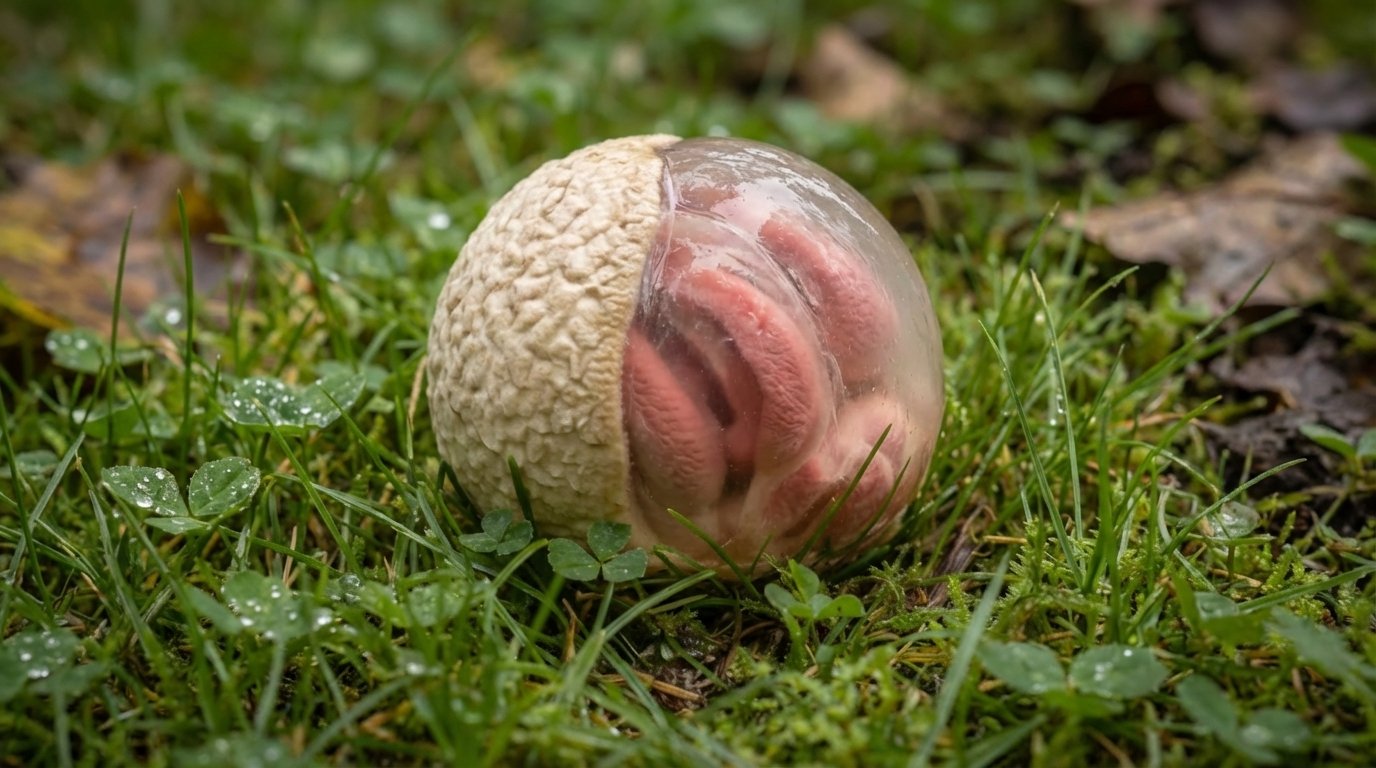
When I first spotted a peculiar red, slimy form in my garden, my initial thought was that I had stumbled Read more

Do you remember those holiday evenings when the entire family gathered around a large table, sometimes lingering until the early Read more

Much More Than Just a Decorative Element The presence of multiple pillows on a hotel bed is far more than Read more
The Dangers of Prolonged Sitting on the Toilet A Natural Reflex Put to the Test Sitting too long on the Read more
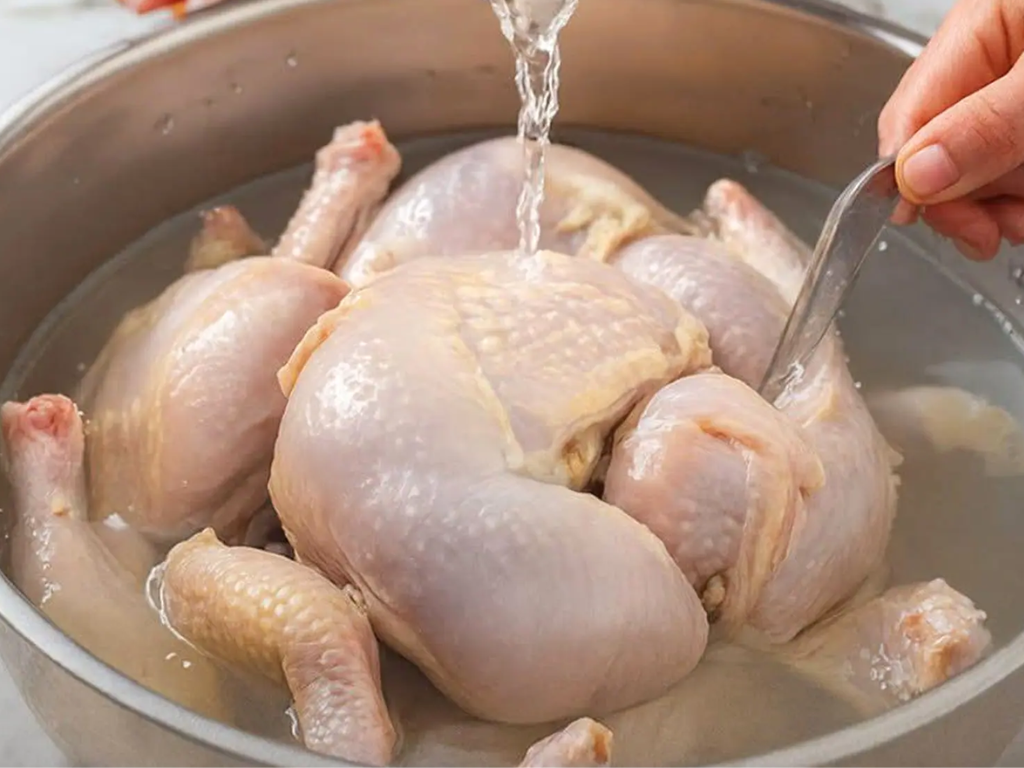
Behind the Scenes of Chicken Sold in Supermarkets At first glance, the neatly pink chicken breasts and shiny thighs displayed Read more

Tomatoes, a staple in kitchens worldwide, are loved for their versatility and rich flavor. However, their perishable nature often leads Read more

Dented Car Body: How to Fix It Yourself Over time, the body of your car can endure a lot. From Read more
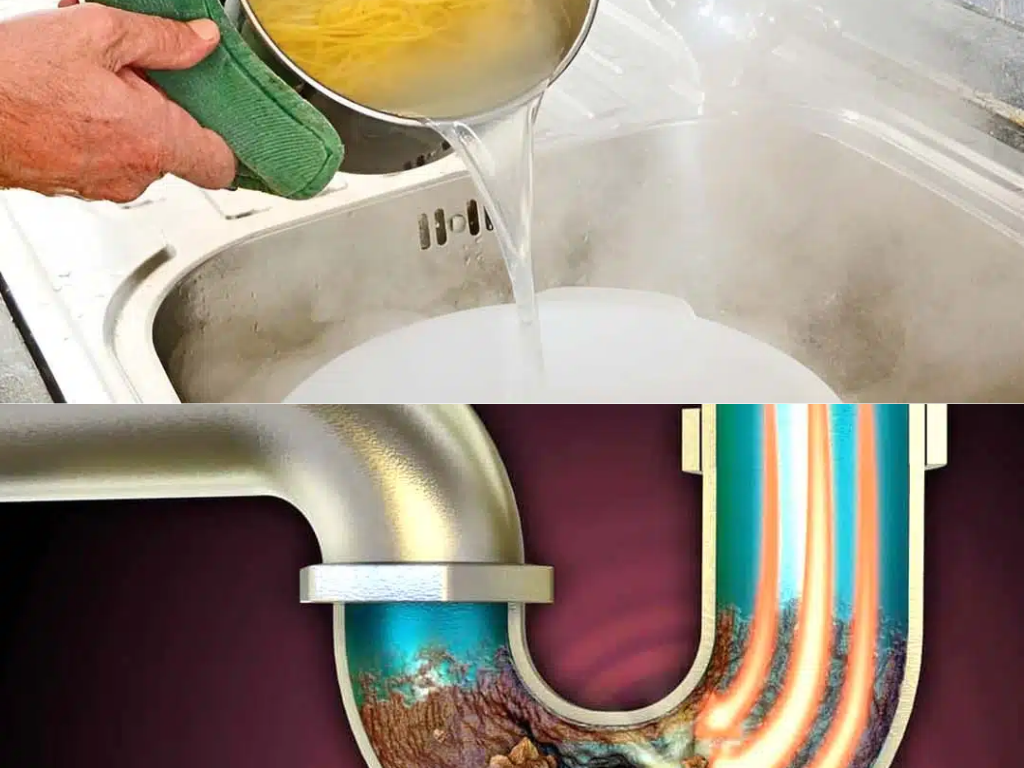
Risks Associated with Using Boiling Water in Plumbing Premature Deterioration of Materials Frequently pouring boiling water down your sink can Read more

That evening, as Thomas crossed the threshold of his expansive home, he never expected to experience a moment of tenderness Read more

The Risks Associated with Excessive Screen Exposure Prolonged exposure to screens can have serious consequences on the overall development of Read more
Acetone: A Genuine Miracle Solution or a Trap to Avoid? Acetone, a powerful solvent commonly used to dissolve nail polish Read more

Faced with increasingly harsh industrial detergents, consumers are turning back to traditional products that are healthier and have long proven Read more

Understanding, anticipating, and supporting your dog through every stage of their life is essential to providing them with the best Read more

The Amazing Benefits of Sumac and How to Use It Sumac is more than just a flavorful spice—it’s a powerful Read more
Some people purchase walnuts that are already shelled, while others prefer to buy them in their natural state, still in Read more
When a Simple Pistachio Shell Takes on the Appearance of a Monster It all begins with the desire to clean Read more
We are all seeking simple and natural ways to turn our homes into true sanctuaries of peace. Sometimes, the most Read more

Why Does the Plastic of a Washing Machine Yellow Over Time? Over the years, it is common to notice that Read more
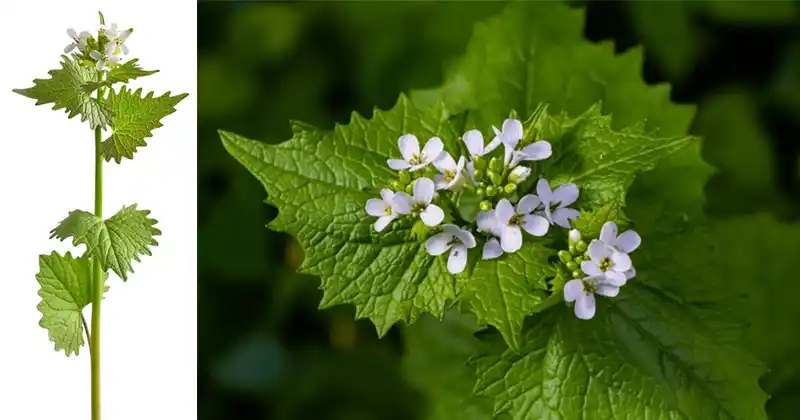
Garlic Mustard (Alliaria petiolata): 20 Surprising Benefits and Homemade Uses Garlic mustard (Alliaria petiolata) is often dismissed as a stubborn Read more
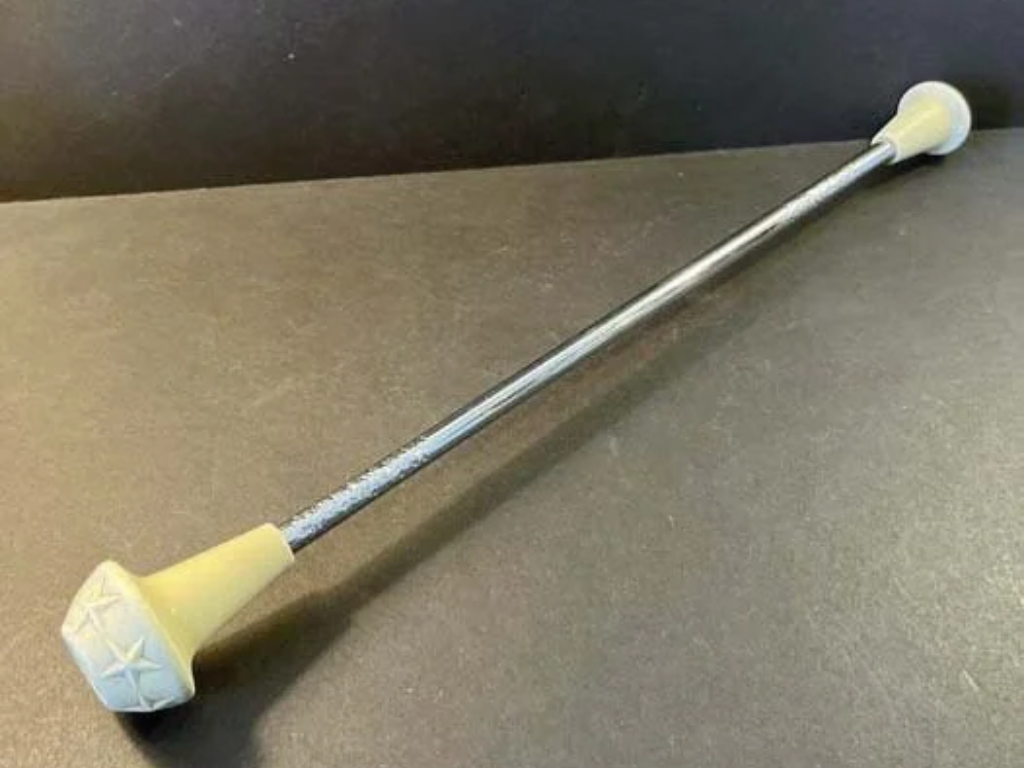
From Military Origins to Artistic Expression Originally, the twirling baton was primarily a tool designed to organize military marches and Read more
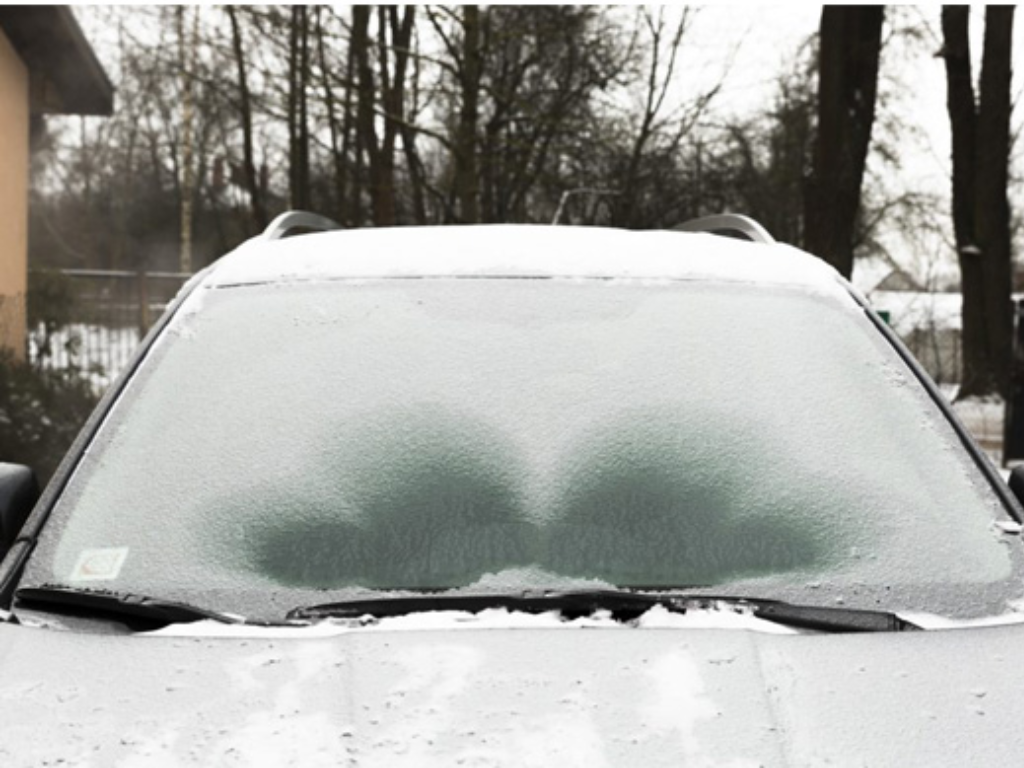
How Long Should You Warm Up Your Vehicle During Winter? Contrary to a widely held belief, only 30 seconds are Read more

Beyond my fear of spiders, I also dread lizards and geckos. Yet, as an animal lover, I know that it Read more
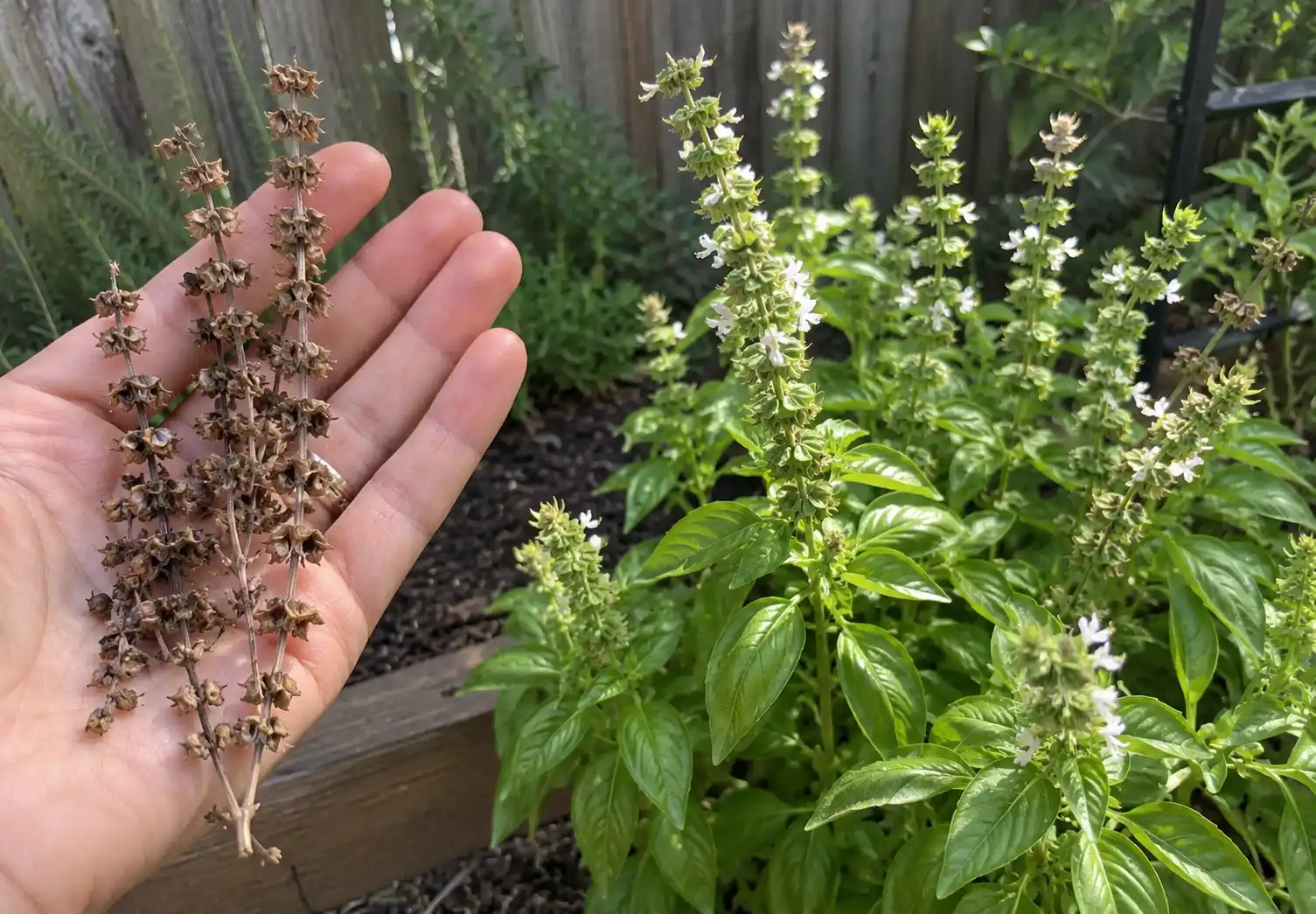
Basil seeds, often referred to as sabja or tukmaria, come from sweet basil. Though tiny, they hold an exceptional nutritional Read more
The Multifaceted Benefits of Spices and Herbs Throughout history, a variety of spices and herbs have been cherished not only Read more
No matter how thoroughly you clean your kitchen, do those tiny food moths keep reappearing? Often, we blame flour or Read more

One day, almost by chance, he pushed open the doors of an orphanage. It was there that he met Emma. Read more

Sida acuta, also known as “common wireweed,” is a hardy plant often found in fields and roadsides. While it may Read more
Have you ever noticed those small, discreet "shells" clinging to the walls or nestled in the corners of the ceiling? Read more
Before chasing a spider out of your home, take a moment to understand why it is better to give it Read more

Bathroom Mold: Causes and Solutions Ideal Environment for Mold Growth Bathroom surfaces are prime locations for mold growth. Moisture accumulates Read more

A Visual Challenge That Sparks Thought This type of visual puzzle captivates through its dual effect: it sharpens observational skills, Read more

Horseweed (Erigeron canadensis): 20 Amazing Benefits and How to Use It Horseweed, also known as Erigeron canadensis or Canadian fleabane, Read more

Why does your sleep become fragile precisely between 3 a.m. and 5 a.m.? Is it due to a peculiarity of Read more

Shepherd’s Purse (Capsella bursa-pastoris): A Medicinal Herb with Powerful Benefits Shepherd’s Purse, known botanically as Capsella bursa-pastoris, is a small, Read more
