
Hugelkultur Gardening: Create a Self-Watering, Long-Lasting Raised Garden Bed
Hugelkultur, a German word meaning “hill culture,” is an innovative and highly effective gardening method that transforms yard waste into a nutrient-rich, moisture-holding raised garden bed. Instead of disposing of fallen branches, old logs, and leaves, this technique involves burying them beneath soil to build a living mound that nourishes plants while naturally conserving water.
When constructed properly, a hugelkultur bed can retain moisture for weeks without the need for irrigation, enhance soil structure over time, and yield abundant crops with minimal ongoing effort.
Why Hugelkultur Is So Effective
The core principle of hugelkultur is the buried wood, which functions like a natural, underground sponge. As the wood breaks down, it soaks up rainwater, storing moisture deep within the mound, and gradually releases it to plant roots during dry spells. Additionally, the decomposing wood forms air pockets that improve soil aeration, stimulate beneficial fungi and microorganisms, and slowly build rich, fertile soil. The outcome is a self-sustaining system that grows more productive with each passing season.
Step-by-Step Guide to Building a Hugelkultur Bed
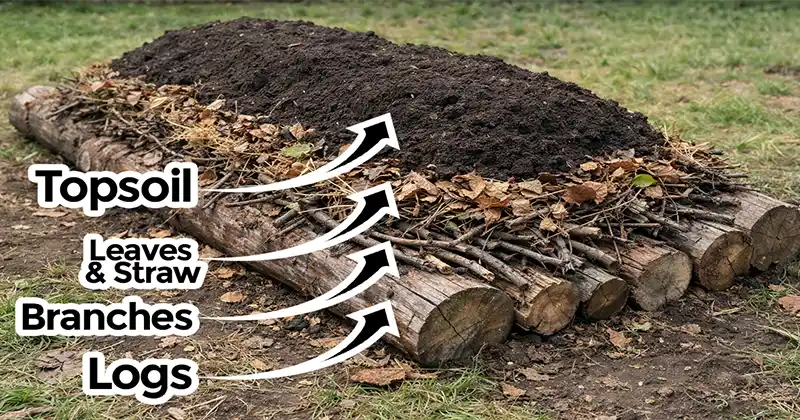
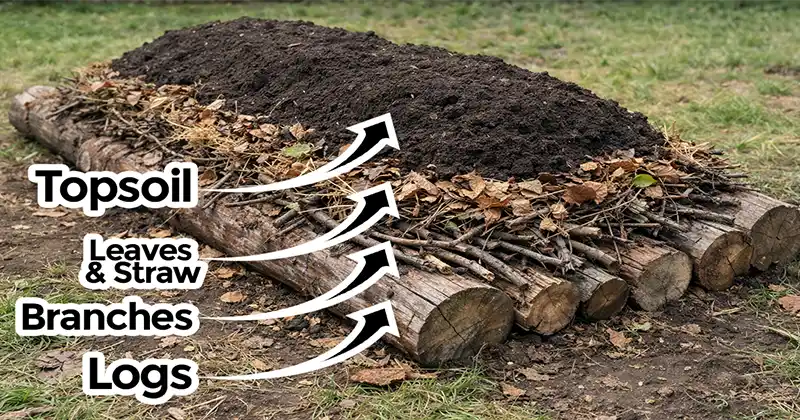
A hugelkultur mound is constructed in layers, beginning with the largest materials at the base and progressing to fine soil at the surface.
Base Layer: Logs and Large Branches
Start with hardwood logs and thick branches whenever available, such as oak, maple, beech, fruit tree wood, or other untreated hardwoods. Avoid any painted or chemically treated lumber, and steer clear of black walnut wood, which has compounds detrimental to plant growth. Slightly decayed wood works best since it absorbs water more readily. This foundational layer should measure approximately 20–40 cm (8–16 inches) thick.
Second Layer: Smaller Wood Pieces
Next, add thinner branches, twigs, bark, and wood chips over the logs. This intermediate layer fills in the gaps between large pieces and forms a stable internal framework that facilitates air and water movement throughout the mound.
Third Layer: Soft Organic Materials
Following that, layer soft garden waste such as dry leaves, grass clippings, straw, old plant stems, or even shredded cardboard. These materials decompose quickly, contributing early nutrients while the wood underneath continues its slow decomposition.
Top Layer: Compost and Garden Soil
Finally, cover the mound with a mixture of compost and garden soil about 15–20 cm (6–8 inches) thick. This uppermost layer is where plant roots take hold and microbial activity peaks. After finishing the mound, water it thoroughly to help settle the layers and stimulate biological processes.
Optimal Shape and Size
For the best results, orient the mound lengthwise from north to south so both sides receive balanced sunlight. A typical new hugelkultur bed stands around 90–120 cm (3–4 feet) tall and measures 1.2–1.5 m (4–5 feet) wide, with gently sloping sides at roughly a 45-degree angle to ensure stability. The mound’s length can be customized to fit your garden space. You should anticipate the mound settling by about 30 percent within the first year as the materials compress and break down.
How Hugelkultur Naturally Regulates Water
The fresh wood inside the mound acts as a reservoir, capturing and storing rainfall effectively. Plant roots instinctively grow downward toward this moisture source, while the soil surface on the outside may dry out more quickly. Inside the mound, a cool and damp environment is preserved. In many regions, mature hugelkultur beds need little to no supplemental watering and can reduce irrigation demands by 50–80 percent.
Best Crops to Grow by Year
Because soil chemistry and texture evolve as the hugelkultur bed matures, certain crops thrive better at distinct stages.
Year One: Heavy Nutrient Feeders
During the first year, heat-loving and nutrient-intensive plants excel. Crops like squash, pumpkins, zucchini, melons, and large cucumber varieties benefit tremendously from the warmth generated by fresh decomposition and the abundance of nutrients released.
Year Two: Balanced Crop Selection
As the mound stabilizes by the second year, plants such as tomatoes, cucumbers, beans, peppers, and corn flourish. The soil chemistry at this point becomes more balanced, providing consistent fertility.
Year Three and Beyond: Suitable for Almost Any Crop
Once fully established, the mound resembles premium garden soil. Leafy greens, herbs, root vegetables, strawberries, onions, and garlic all grow dependably in mature hugelkultur beds.
Additional Tips for Superior Results
Select the Right Location
Choose a site that receives full sun, ideally six to eight hours daily. Avoid low-lying areas prone to water pooling, and maintain at least 50 cm (20 inches) of clearance from fences or structures.
Plant Densely
Hugelkultur beds support dense planting because roots have space to expand vertically and horizontally, moisture is readily accessible, and nutrients are steadily released. Dense planting also shades the soil surface, which reduces evaporation.
Mulch the Surface
Apply a mulch layer of straw, dry leaves, or grass clippings on top of the soil. Mulch shields the soil from erosion, curbs moisture loss, and helps moderate soil temperatures throughout the seasons.
Anticipate Temporary Nitrogen Deficiency
As fresh wood breaks down, it may temporarily lock up nitrogen, making it less available to plants. To counteract this, incorporate additional compost or manure into the top layer, plant nitrogen-fixing legumes such as beans or peas, or apply an organic fertilizer if necessary.
Longevity of the Mound
A carefully constructed hugelkultur mound can remain productive for many years. Beds built primarily from softwood may last five to ten years, while those made with hardwood logs can continue to provide healthy yields for ten to twenty years or longer.
Common Mistakes to Avoid
Do not use treated or painted wood materials, avoid creating slopes that are too steep, never omit compost from the top layer, and refrain from planting root crops in the first year of the bed’s life. Very small mounds tend to underperform in comparison to larger, well-constructed beds.
Why So Many Gardeners Embrace Hugelkultur
Hugelkultur gardening utilizes freely available materials, markedly reduces water demands, improves poor or compacted soil, raises planting surfaces for superior drainage, yields heavy harvests, and requires very little ongoing maintenance after the initial build. With just one afternoon dedicated to construction, you can establish a self-watering garden bed that rewards you reliably with bountiful crops for years ahead.
Exploring the World of Eggplants: A Gardener's Guide Eggplants, with their divisive nature, are often a subject of culinary debate. Read more
Gardeners constantly explore simple and inventive ways to enhance the health of their plants. One unconventional technique that has sparked Read more
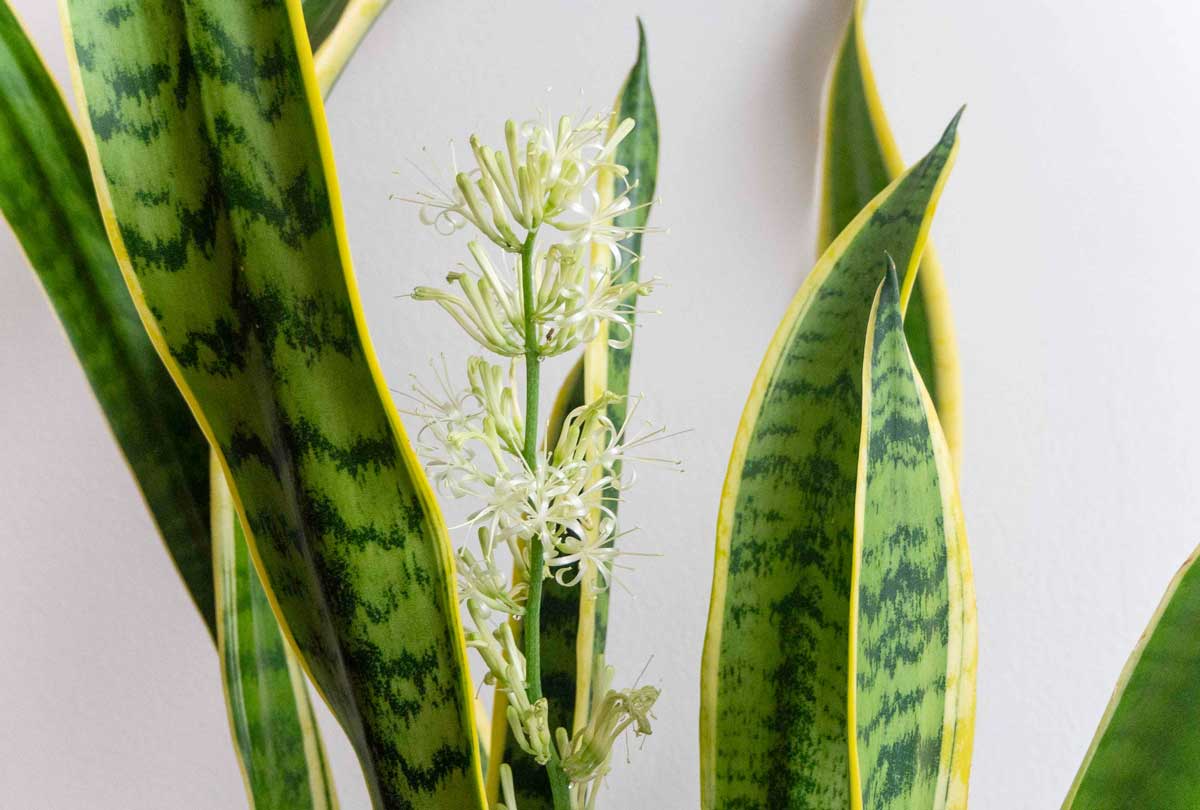
Snake plants, scientifically known as Dracaena trifasciata and previously classified as Sansevieria, are favored houseplants admired for their resilience and Read more
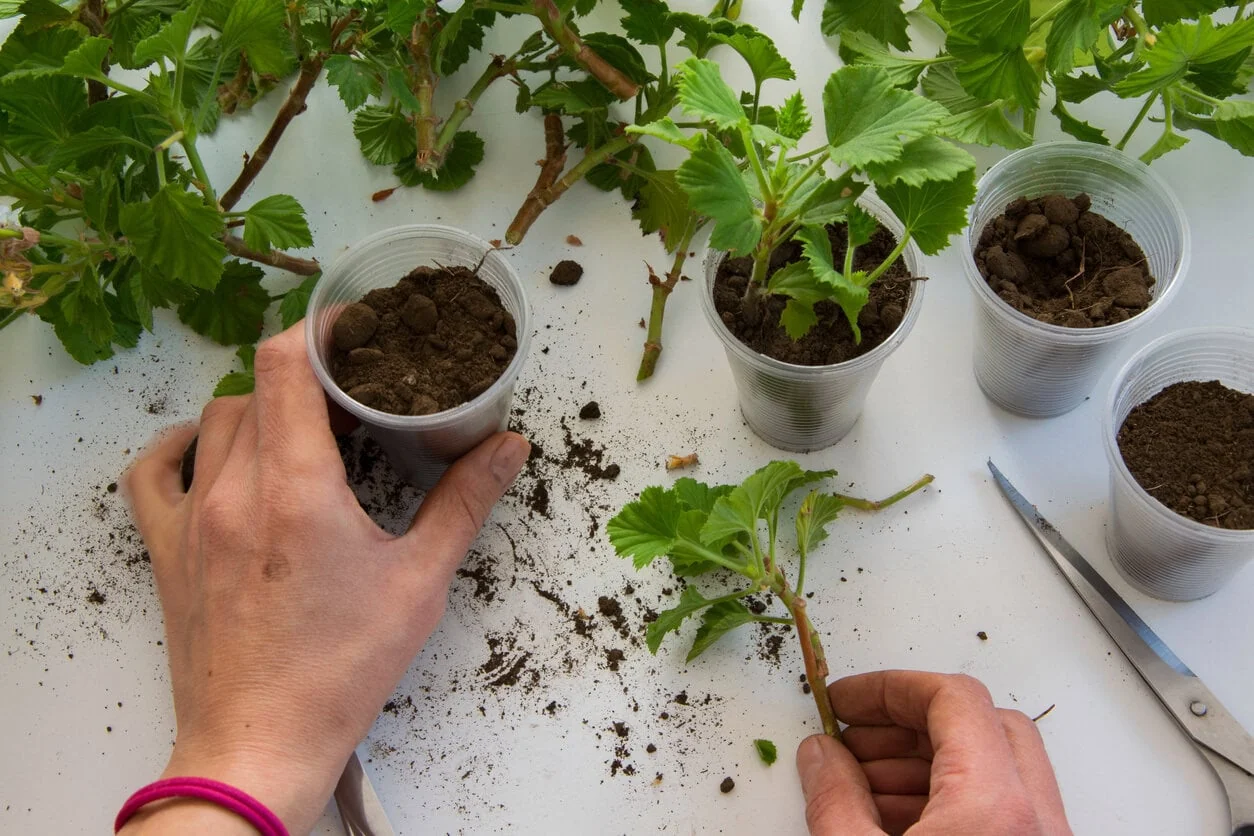
Some years, the effort put into gardening seems barely worth it, but this autumn, the value of gardening becomes clear. Read more
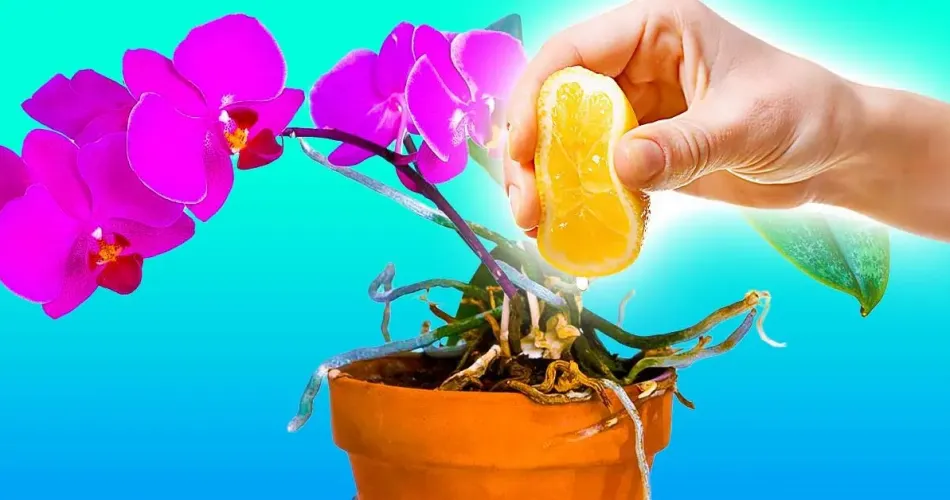
Orchids, with over 28,000 unique species, provide a fascinating insight into the immense diversity found in nature. Originating from the Read more

If you don't often get the chance to rejuvenate in the midst of nature, there's an alternative: introducing plants to Read more

Growing avocados can be a gratifying experience, especially when you cultivate them right in your backyard. While starting avocados from Read more
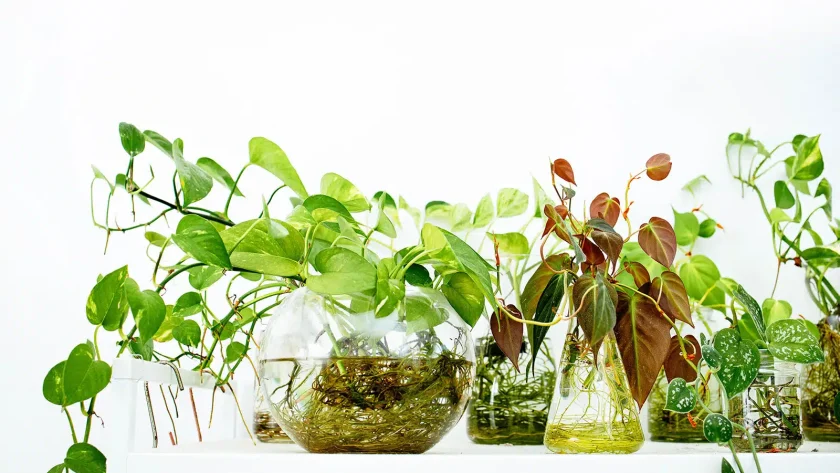
Searching for a distinctive method to incorporate some foliage into your home or workplace? Try cultivating plants hydroponically! Not only Read more
Basil, a cherished herb celebrated in culinary traditions around the globe, is best known for its fragrant leaves. Yet, its Read more
Orchids, admired for their exotic beauty and vast variety, demand specific care to flourish. While many growers rely on commercial Read more
Quick Victory: The Ultimate Homemade Insecticide to Say Goodbye to Ants Have you ever encountered an invading army of ants Read more
Kalanchoe, a stunning and adaptable succulent plant, is admired not only for its ornamental beauty but also for its strong Read more
Senna alata, widely known as the Candle Bush, Ringworm Bush, or Empress Candle Plant, is a visually captivating tropical shrub Read more

Understanding Fertilizers for Plants Fertilizer is a product that can be spread or mixed into the soil to provide plants Read more
Aphids may be tiny—nearly invisible to the naked eye—but within just a few days, they can cause serious damage to Read more

Neem oil is a completely natural product, derived from a plant native to India. It contains azadirachtin, a potent compound Read more
Hydrangeas, with their breathtaking blooms, stand out as one of the most enchanting deciduous flowering bushes. If you've wandered through Read more
Peace lilies (Spathiphyllum) rank among the most cherished indoor plants, and it’s easy to understand why. Their shiny, deep green Read more

Indoor Plants: A Decorative Air Purifier Indoor plants have become an essential part of modern decor, increasingly sought-after to greenify Read more

Mastering Chilli Cultivation in Diverse Climates: A Detailed Guide It may seem unlikely, but growing chillies across different climates is Read more

The Curious Case of Tomato Slices: A Journey from Kitchen Scrap to Sprout As someone always game for a gardening Read more
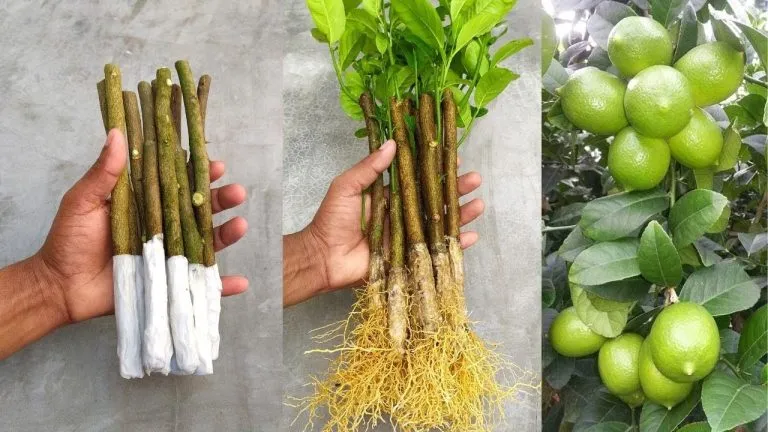
Cultivating lemon trees in your garden or home brings not only visual charm but also the practical advantage of homegrown Read more

Orchids, with a staggering 28,000 unique species, beautifully demonstrate nature's rich tapestry of diversity. Originating from the Orchidaceae lineage, these Read more

Orchids, celebrated for their intricate beauty and variety, need particular attention for optimal growth. In the realm of orchid care, Read more
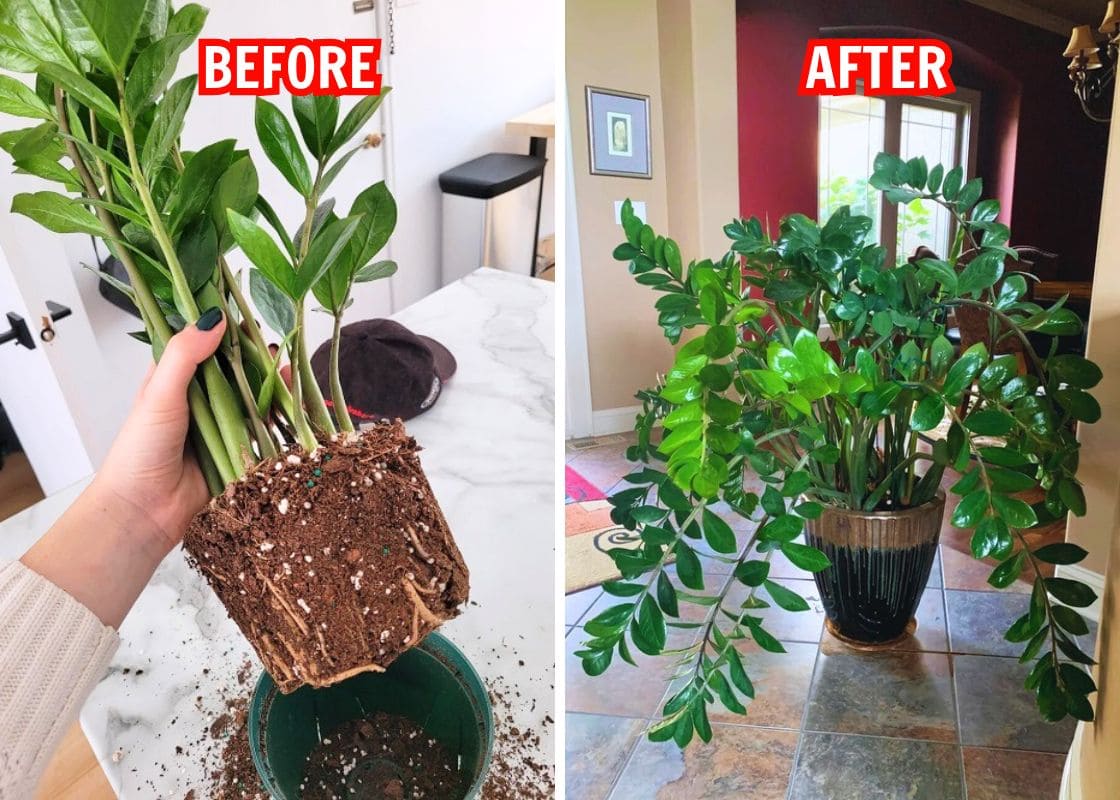
The ZZ plant (Zamioculcas zamiifolia) has earned its reputation as one of the most resilient houseplants available. It can endure Read more

Ginger, renowned for its distinct flavor and numerous health advantages, is a fundamental ingredient in many culinary traditions around the Read more

The Incredible Healing Power of Billygoat Weed (Ageratum conyzoides): 15 Health Benefits You Should Know About Billygoat weed, also known Read more

How to Reuse Barbecue Ashes After enjoying a barbecue outdoors on a sunny day, the tendency is often to discard Read more

Safety and Medical Disclaimer: The information provided in this article is intended solely for educational and informational purposes. We disclaim Read more

For gardening enthusiasts, it's a known fact that many plants thrive in humid and warm climates conducive to their growth. Read more
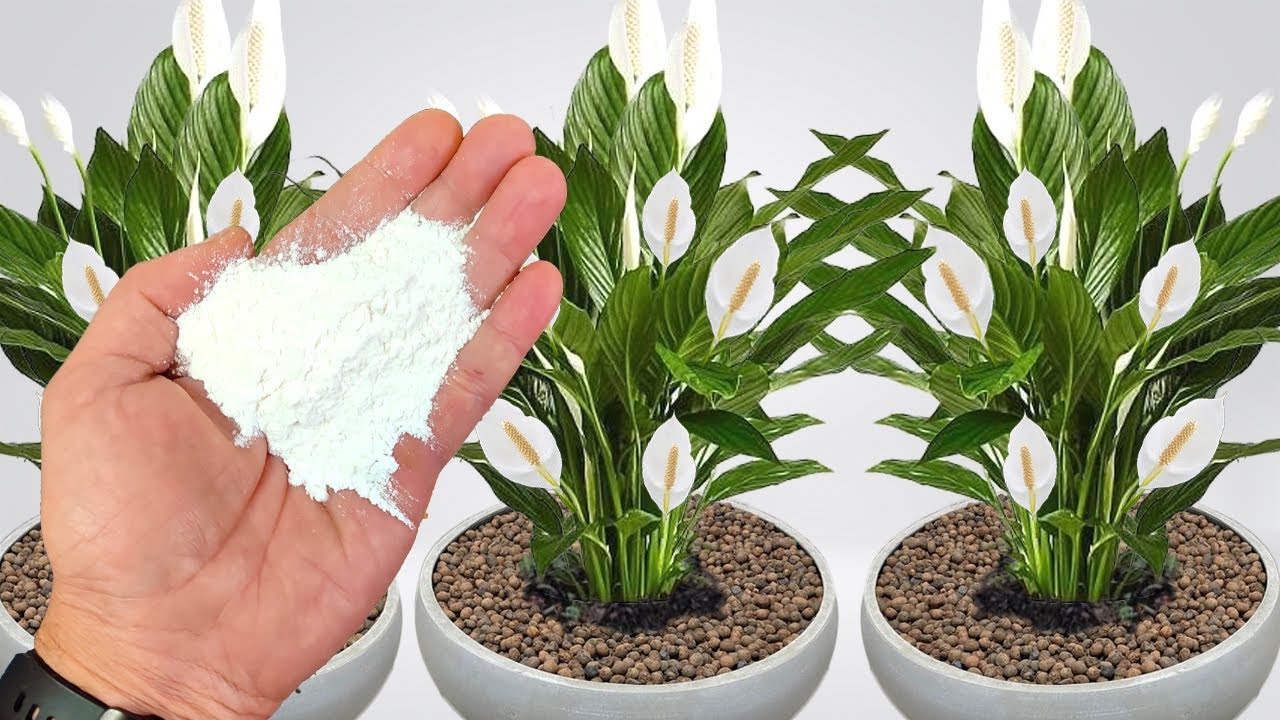
Are you searching for an affordable and eco-friendly alternative to chemical fertilizers? An unexpectedly powerful solution might already be in Read more
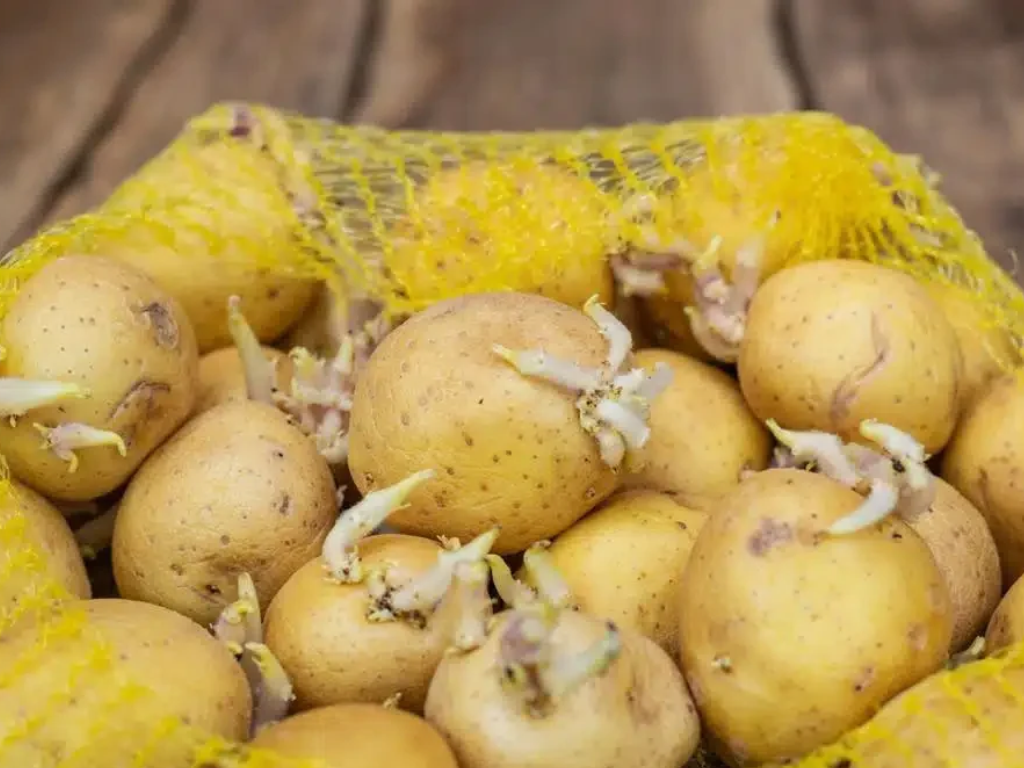
Three Little-Known Tips to Keep Your Potatoes in Perfect Condition Choosing the Right Location for Storage The way you store Read more

Insect-Repelling Greenery: Your Natural Home Defense Transform your home into a sanctuary free from the annoyance of insects such as Read more

In this exploration, we uncover eight homemade, natural solutions that act as effective rooting agents for plant propagation through cuttings. Read more

The Wonders of Blueberries: A Guide to Growing and Enjoying This Nutrient-Rich Fruit Mildly sweet, the blueberry is a dark Read more
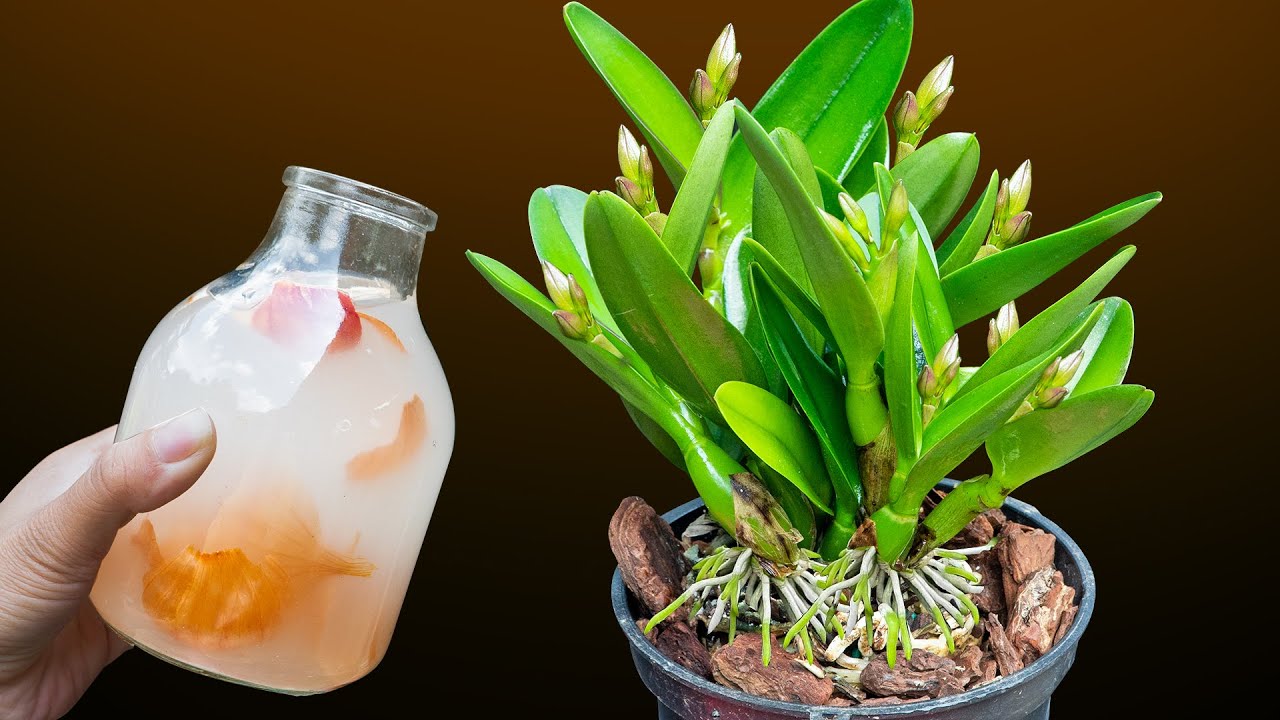
Orchids, celebrated for their exotic beauty and remarkable variety, require tailored care to flourish. While most growers rely on commercial Read more

As sustainability and eco-consciousness continue to play a vital role in our everyday lives, discovering alternative methods to fertilize our Read more
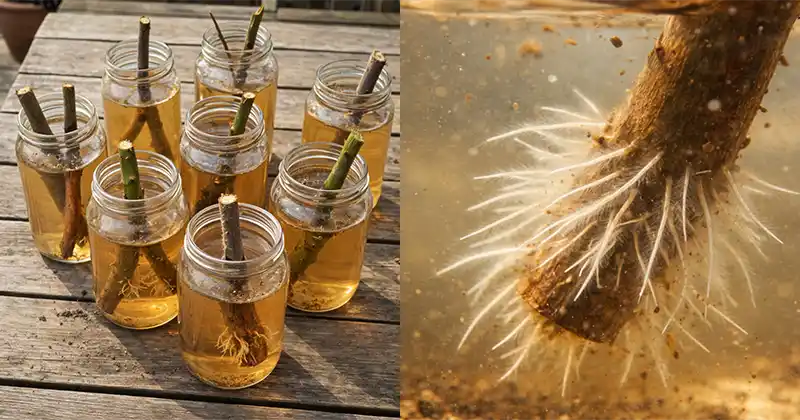
Growing new plants from root cuttings is like discovering a true shortcut in gardening. A single healthy parent plant can Read more
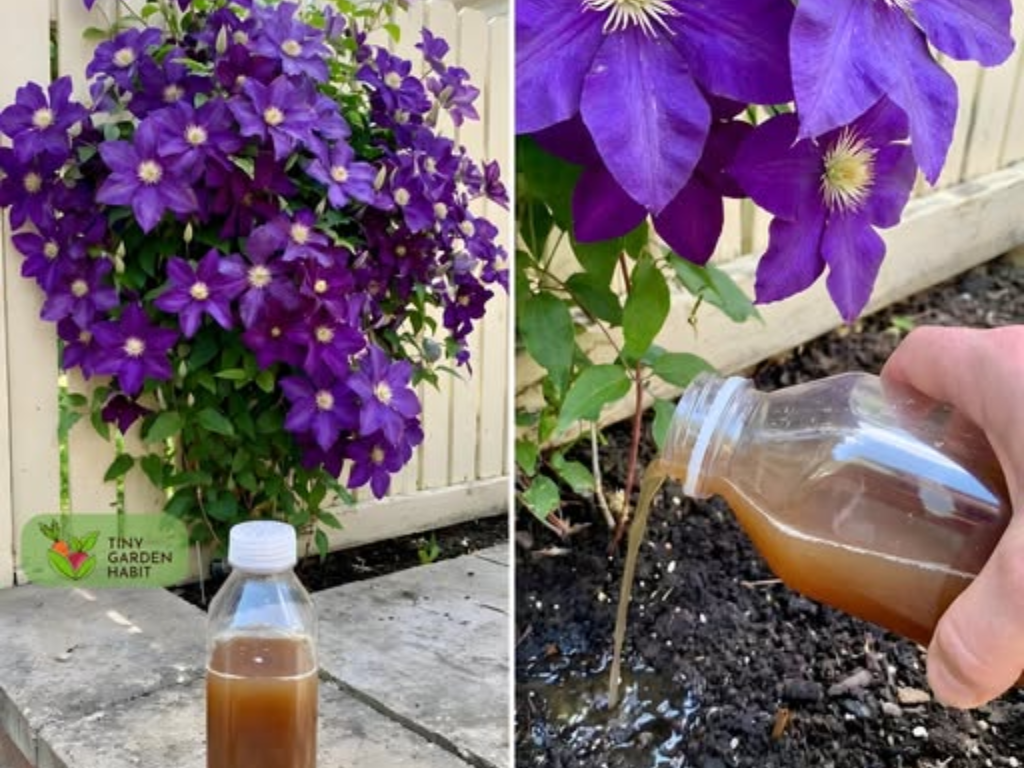
Clematis plants are fundamentally simple organisms, almost mechanical in nature, driven by basic principles of plant hydraulics and a kind Read more
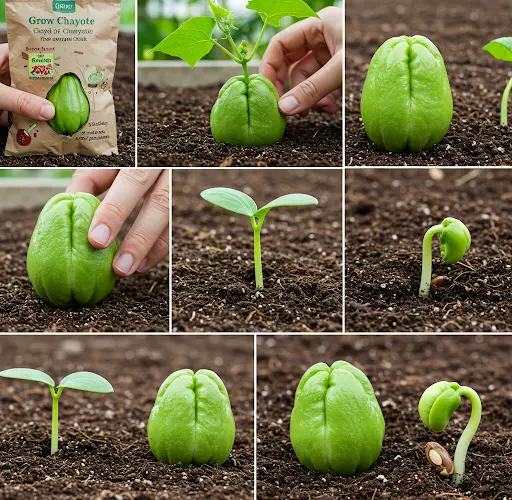
Growing Chayote from Supermarket Fruit: Abundant Harvests Made Easy If you've ever strolled through the produce aisle and spotted a Read more
