

Many families choose to place their washing machine in the bathroom to take advantage of the floor drain. However, it is crucial to remain cautious! Connecting the machine’s drainage hose directly to this drain can pose risks of damaging your appliance, compromising the cleanliness of your laundry, and even affecting your health.
Why does this practice cause problems? We will explore the hidden risks while also uncovering the solutions recommended by plumbing professionals.
The Little-Known Dangers of Direct Connection to the Floor Drain
The First Issue: The Silent Growth of Bacteria

When the drainage hose is connected directly to the floor drain, it creates a direct pathway to the pipes, allowing bacteria and residues present in these conduits to populate your washing machine.
Potential Consequences:
Your laundry risks contamination rather than being properly cleaned, due to the lack of hygienic drainage.
Skin irritations may develop, especially among individuals with sensitive skin.
Unpleasant odors can rise up and permeate the drum of the machine as well as your clothing.
What Should You Do Instead?
Opt for an installation with a separate drainage system, ensuring there is space left between the drainage hose and the pipe to prevent any backflow of contaminated water.
The Second Issue: The Emergence of Bad Odors

Floor drains often accumulate dirt, soap residues, and mold. Over time, these deposits release a foul odor. A direct connection transmits these odors into the machine, where they infiltrate your clothes and diminish their freshness.
How to Prevent This Nuisance?
Regularly clean your pipes using white vinegar and baking soda, which effectively dissolve stubborn deposits.
Install a U-shaped backflow trap designed to prevent the return of bad odors into the machine.
Favor an elevated drainage outlet: position the drainage hose so it empties into a suitable outlet rather than directly into the floor drain.
How to Efficiently Drain Your Washing Machine’s Water?

To avoid the previously mentioned problems, here are three practical and safe methods:
Connect the Hose to a Wall Drain
If possible, connect your machine to a wall drainage pipe designed for this purpose, ideally positioned between 60 and 90 cm from the floor. This setup reduces contamination and odor risks.
Use a Drain Trap Specifically Designed for Washing Machines
A dedicated drain trap ensures water is evacuated without direct contact with floor pipes, preventing the ascent of bacteria and unpleasant smells.
Leave a Gap Between the Hose and the Drain Pipe
Never fully insert the end of the hose into the drain pipe. Leaving a small gap prevents odors from being sucked back into the machine and reduces the risk of water backflow.
In Summary: Adopt the Right Practices for a High-Performing, Hygienic Machine
A simple adjustment in connecting your washing machine can make a significant difference. Take a few minutes to check and, if necessary, correct your installation. This will extend the life of your appliance while ensuring your laundry stays clean, fresh, and healthy every day.

How to Reuse Soap Scraps: Ingenious Ideas Soap bars, after several uses, become tiny and almost unusable. Many of us Read more

Ageratum conyzoides, commonly known as Billygoat Weed or Goatweed, is a flowering plant native to tropical regions of the Americas Read more

The Hidden Power of Pomegranate Peel: 10 Health Benefits and How to Use It Pomegranate is often celebrated for its Read more
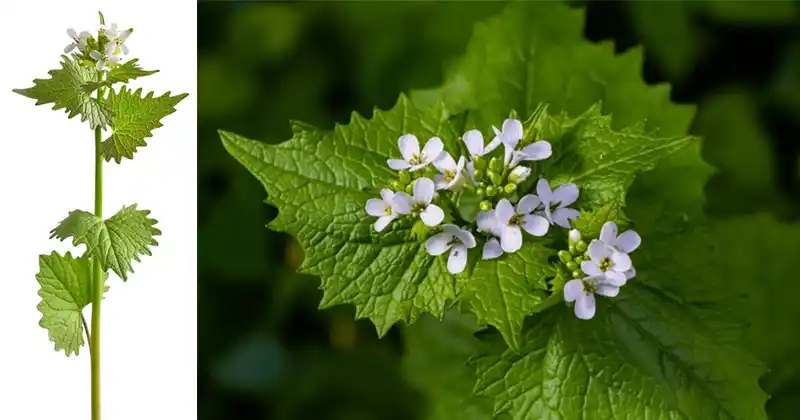
Garlic Mustard (Alliaria petiolata): 20 Surprising Benefits and Homemade Uses Garlic mustard (Alliaria petiolata) is often dismissed as a stubborn Read more

Goldenberries, also known as Physalis or Uchuva, are small, orange-yellow fruits enclosed in a delicate, papery husk. Originating from the Read more

Who among us would like to live in a stifled and dirty home, where unpleasant cooking odors and impurities invade Read more

A True Nutritional Treasure in Every Bite Beef tongue stands out primarily for its remarkable nutritional richness. It is an Read more

A Vibrant Coat, More Than Just a Visual Trait Before delving into the nature of these cats, let us first Read more

Creating a fresh and inviting atmosphere in your kitchen doesn't require expensive air fresheners or synthetic scents. With just a Read more

Euphorbia hirta, commonly known as the “Asthma-plant,” is a medicinal herb renowned in traditional medicine for its diverse health benefits, Read more

10 Secrets You Need to Know Before Eating Okra Okra, also known as “lady’s finger,” is a green, pod-shaped vegetable Read more

The Power of Hawthorn (Genus Crataegus): A Natural Ally for Heart and Cholesterol Health Hawthorn, belonging to the genus Crataegus, Read more

Mullein (Verbascum thapsus), a tall, woolly plant often seen growing along roadsides and in open fields, has been treasured for Read more

Clogged Shower Drain? Try Baking Soda! Experiencing a stagnant pool of water after a refreshing shower can be a mood Read more

Red Clover: 15 Amazing Benefits and How to Use This Healing Herb Red clover (Trifolium pratense) is more than just Read more
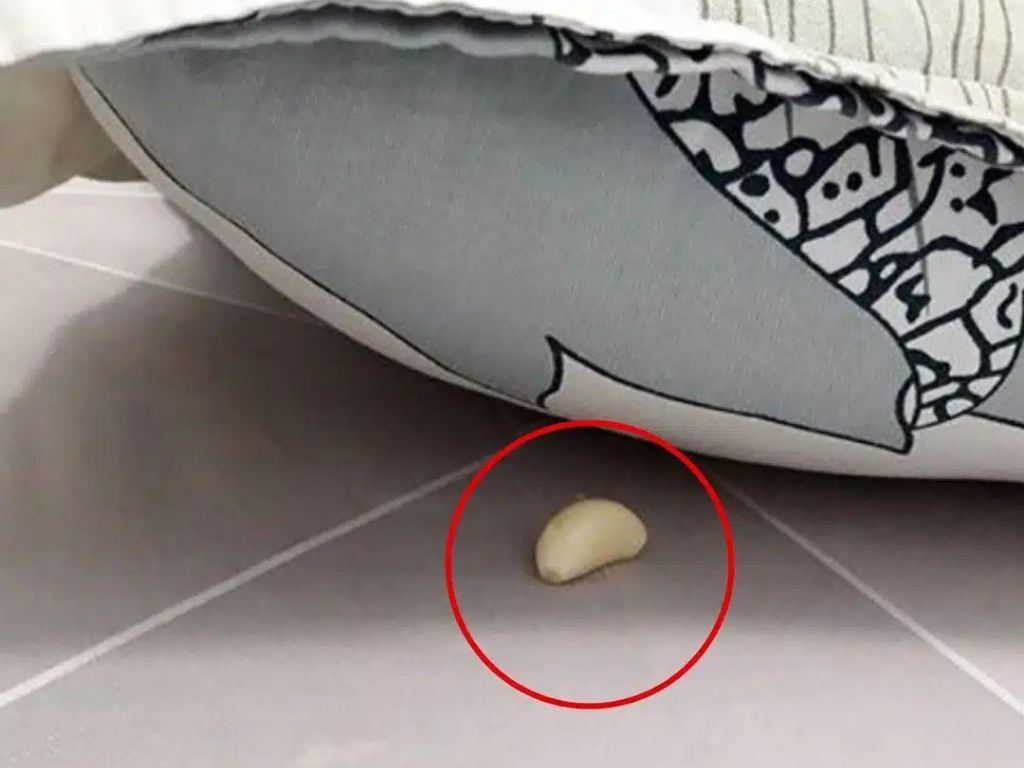
Garlic: An Ancient Remedy for Better Sleep Since ancient times, garlic has been recognized not only as an essential culinary Read more

When you enter a hotel room, have you ever noticed that long piece of fabric laid across the foot of Read more

The Art of Container Flower Combinations Designing with flowers in pots is a delightful blend of horticulture and floral design. Read more
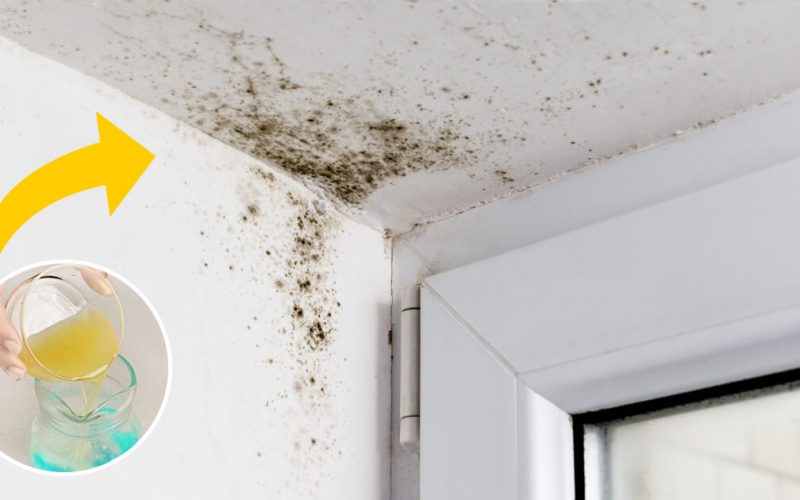
Often, due to poor ventilation or certain climatic conditions, dreaded mold can develop on the walls of our homes. In Read more

Unveiling the Secrets of Burning Bay Leaves in Your Home The age-old tradition of burning bay leaves, once prevalent in Read more

Perfumed Tissues: An Easy DIY Technique The Joy of Scented Tissues: Paper tissues are handy in daily life. While some Read more

Datura stramonium, commonly known as Jimson weed, thorn apple, or devil's trumpet, is a plant native to North America but Read more

Dented Car Body: How to Fix It Yourself Over time, the body of your car can endure a lot. From Read more

Purslane (Verdolaga) is no longer a garden menace but a valuable gem! This remarkable plant is reclaiming its place in Read more

Faced with increasingly harsh industrial detergents, consumers are turning back to traditional products that are healthier and have long proven Read more

Transforming Garlic Peels into Gold for Gardeners: In the rhythm of kitchen prep, garlic peels are often discarded without a Read more

Pigweed, also known as amaranth, is a leafy green plant that has been cherished in various cultures for its nutrient-rich Read more

How to Clean Bathroom Tiles Quickly and Effectively Cleaning bathroom tiles is a task we all love to postpone. It Read more
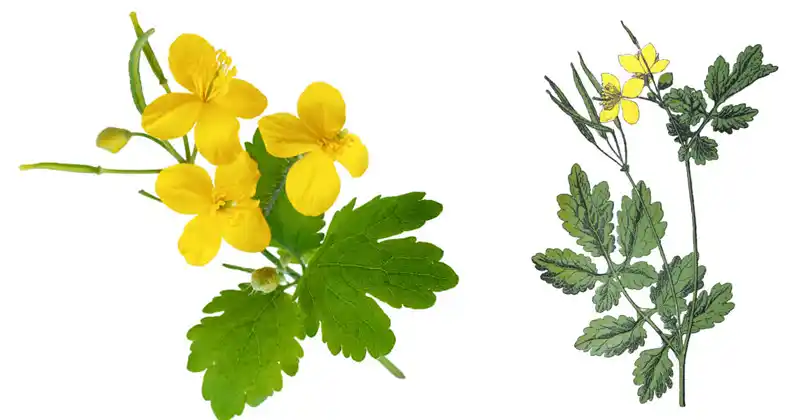
For centuries, Chelidonium majus, commonly known as Greater Celandine, has held a special place in traditional herbal medicine. Recognized by Read more

Why It's Crucial to Clean Your Oven and How to Do It Naturally The Importance of Cleaning Your Oven The Read more

Bathroom Mold: Causes and Solutions Ideal Environment for Mold Growth Bathroom surfaces are prime locations for mold growth. Moisture accumulates Read more

Unwanted Houseguest: The Fly The fly is arguably the most disliked insect on Earth, primarily due to its bothersome traits. Read more

Horseweed (Erigeron canadensis): 20 Amazing Benefits and How to Use It Horseweed, also known as Erigeron canadensis or Canadian fleabane, Read more

Sida acuta, also known as “common wireweed,” is a hardy plant often found in fields and roadsides. While it may Read more

You bought a bag of potatoes, and a few weeks later, you find that they’ve started to sprout? Don’t panic! Read more
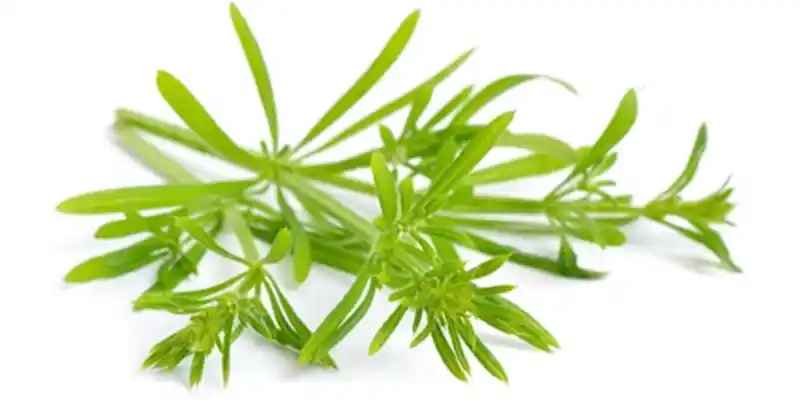
Cleavers (Galium aparine): The Herbal Remedy for Detox and Lymphatic Health Cleavers, also known as Galium aparine, is a humble Read more

When you sink your teeth into a soft, caramel-sweet date, the last thing on your mind is usually the tough Read more
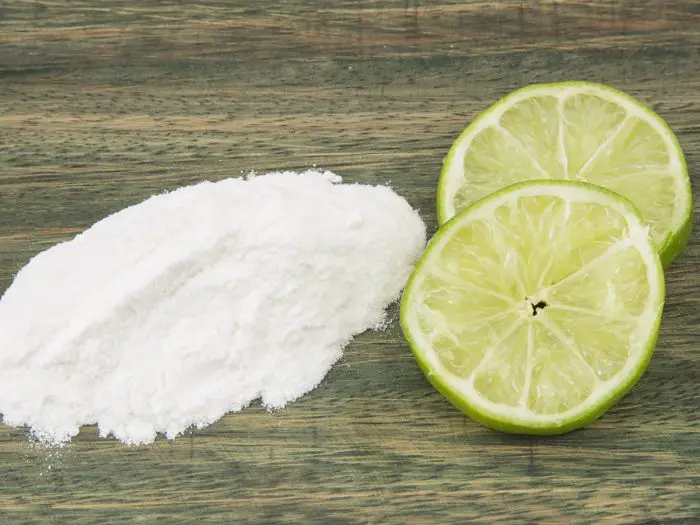
Baking soda and lemon peels are two household items often overlooked but incredibly powerful when combined. This natural duo can Read more
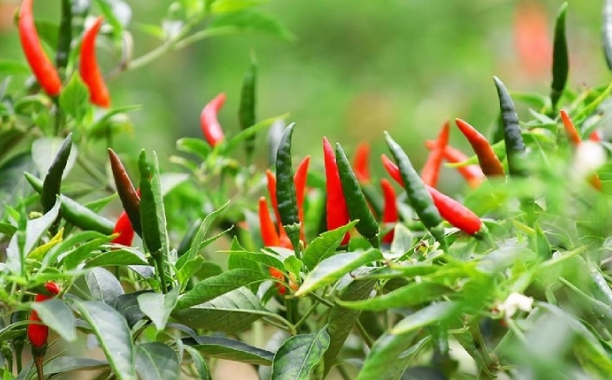
Discover the Untapped Potential of Chili Pepper Leaves: Nutritional Powerhouse for Your Health and Kitchen When you think of chili Read more

Cassava: An Essential Plant at the Heart of a Deadly Paradox Whether in the form of flour, tapioca pearls, or Read more
