
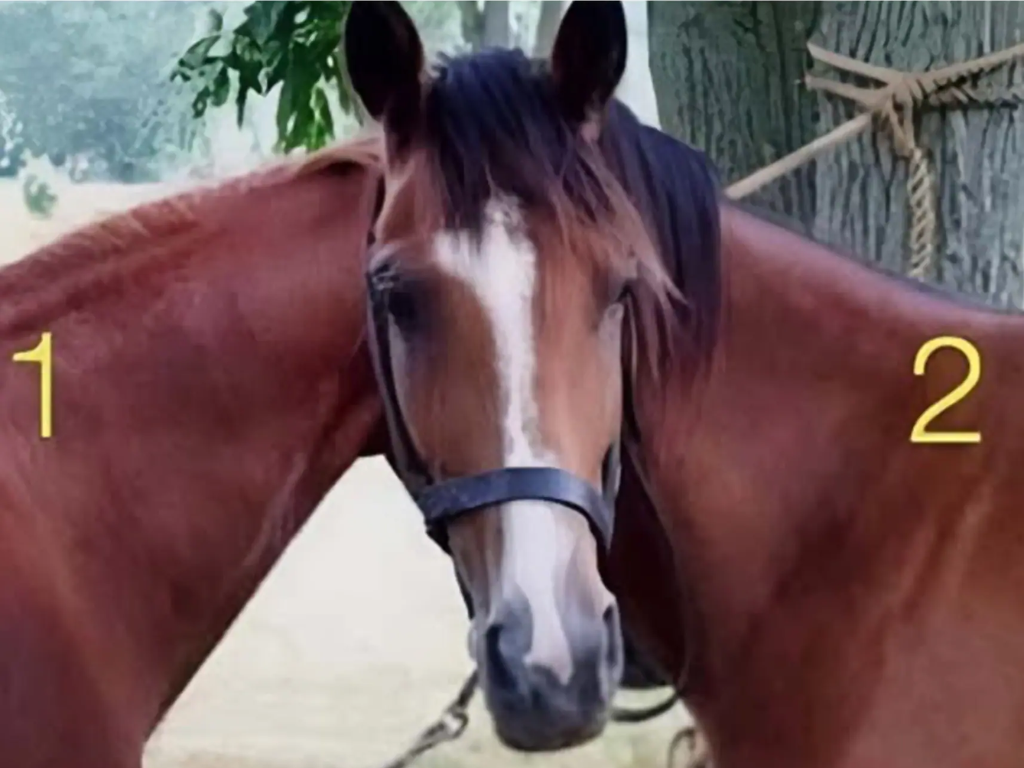
The Horse Optical Illusion: Why Our Perception Plays Tricks on Us

When confronted with this type of illusion, our brain does what it does best: it processes information rapidly. It identifies an orientation, a familiar shape, or constructs a “logic” of depth… then draws a conclusion instantly. The problem is that the image is specifically designed to exploit these mental shortcuts. We believe we have the correct interpretation immediately, much like recognizing a song after only a few notes. Except in this case, the “melody” is deliberately ambiguous and misleading.
What is fascinating is that two people can look at the same image and perceive the scene in completely opposite ways. It is neither a matter of intelligence nor a vision problem: it simply demonstrates that our perception is a construction, a subjective interpretation, and not a faithful reproduction of reality. This is the true magic of optical illusions.
The Real Horse in the Foreground: Spotting the Details That Unravel the Deception

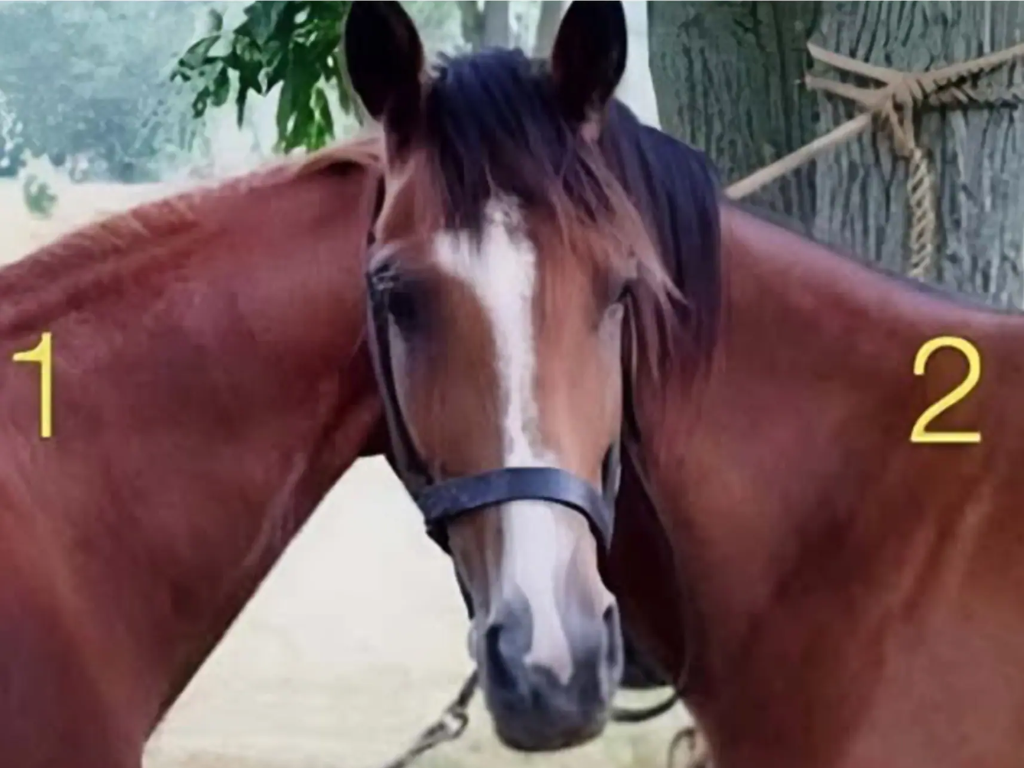
You probably feel that the horse on the left is closer, reinforced by its gaze, the position of its head, and the attitude of its neck. This is the most common interpretation. But to decide with certainty, one must take a more analytical approach. It all comes down to very subtle clues, often overlooked in a quick glance.
Here are the key elements to examine to “decode” the scene:
The Mane: ask yourself if it follows a natural and coherent direction with the curve of the neck. A mane that harmoniously embraces the shape of the neck strengthens the idea that this horse is in front. Conversely, a mane that seems oddly placed or offset is often a sign of an inversion effect in our perception.
The Reins: they offer a crucial clue. Observe their continuity: do they logically align with the horse you perceive in the foreground? If their trajectory and position appear more coherent with the other horse, it’s likely that this one is actually in front.
The Neck Muscles: a tense, muscular, and dynamic neck suggests movement and forward projection. Instinctively, we associate the foreground with sharper volumes and noticeable muscle tension.
The Contours and Subtle Shadows: these are the most sneaky elements. A fragment of a face, a slightly shaded area, or an unexpected junction line might reveal that what we thought was the background is actually in front.
The Revealed Truth: To Which Horse Does This Head Truly Belong?

Here is the final twist: the horse we thought was “behind” turns out to be the one “in front.” The head belongs to the second horse, the one really in the foreground, even if our initial intuition often favored the first horse. Once this new interpretation is understood, our perception shifts decidedly and the image seems to “rearrange” itself naturally. This mental flip is what gives this illusion all its power and enjoyment: it doesn’t just offer an answer, it triggers a genuine aha moment in our brain — that little spark of surprise our mind loves so much.
What This Illusion Teaches Us About How Our Brain Works
At first glance, one might think this is merely playful entertainment. However, this type of image is actually a mini-lesson about the mechanisms of our mind. It illustrates several fundamental points:
Our tendency to seek quick and definitive conclusions: we like to close mental debates as soon as possible, especially when the scene seems familiar.
The importance of context: an apparently insignificant detail, such as a mane or a rein, can be enough to completely challenge the entire scene.
The crucial difference between “looking” and “observing”: looking is automatic, while observing requires attention and conscious effort.
One can compare this to cooking: you can improvise by following intuition… or take the time to respect each step for a perfect result.
Playing with the Illusion: How to Fool Your Friends and Family
Looking for a simple idea to liven up a gathering or surprise your family WhatsApp group? Here’s an effective little method:
Simply show the image without giving an immediate explanation.
Ask the key question: “Which horse do you think is in front?”
Invite everyone to justify their answer based on a precise detail, like the mane, the reins, or the play of shadows.
Finally, reveal the solution and enjoy the responses that will undoubtedly flow in.
You will see it’s not so much the “correct answer” that entertains, but the way each person defends what they believe they perceive. And if you yourself were fooled, then smile: it simply proves your brain works quickly… and that it loves the surprises offered by visual perception.
Some people purchase walnuts that are already shelled, while others prefer to buy them in their natural state, still in Read more

Dented Car Body: How to Fix It Yourself Over time, the body of your car can endure a lot. From Read more
Have you just stained a piece of clothing and don't know how to get rid of it? Rest assured, this Read more

The Power of Hawthorn (Genus Crataegus): A Natural Ally for Heart and Cholesterol Health Hawthorn, belonging to the genus Crataegus, Read more

Tomatoes, a staple in kitchens worldwide, are loved for their versatility and rich flavor. However, their perishable nature often leads Read more
An Enigmatic Capsule: Description and Speculations At first glance, this small brass capsule, lightweight and perfectly airtight, appears ordinary. Yet Read more
A Centenarian Who Embraces Life with Simplicity and Vitality At 101 years old, Ann Angeletti visits her jewelry shop nearly Read more

Eager to master the art of nurturing a Peace Lily? Known scientifically as Spathiphyllum Wallisii, this enchanting plant is often Read more

Unveiling the Secrets of Burning Bay Leaves in Your Home The age-old tradition of burning bay leaves, once prevalent in Read more
A Pricing Error That Affects Your Budget We don't always realize it, but pricing errors in supermarkets are far from Read more

You bought a bag of potatoes, and a few weeks later, you find that they’ve started to sprout? Don’t panic! Read more
Cleavers (Galium aparine): The Herbal Remedy for Detox and Lymphatic Health Cleavers, also known as Galium aparine, is a humble Read more

We often believe that our home belongs to us exclusively. However, as soon as the door closes behind us for Read more
The Horse Optical Illusion: Why Our Perception Tricks Us When faced with this type of illusion, our brain does what Read more
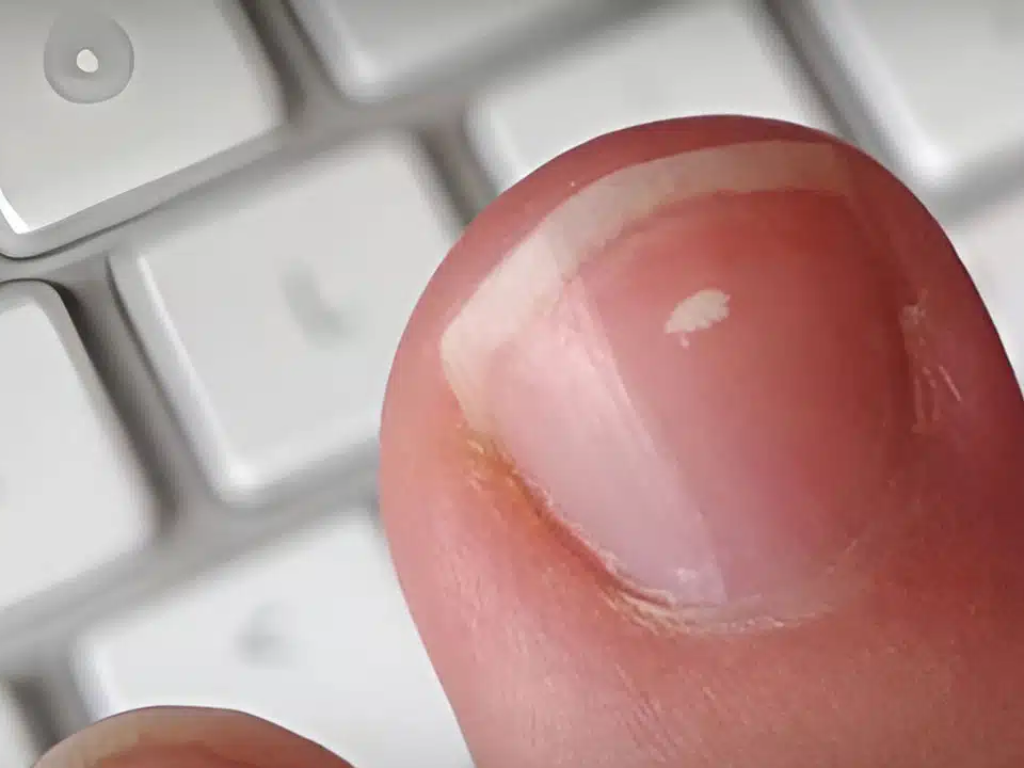
Main Causes of White Spots on Nails The small white spots sometimes seen on nails are scientifically known as "leukonychia." Read more
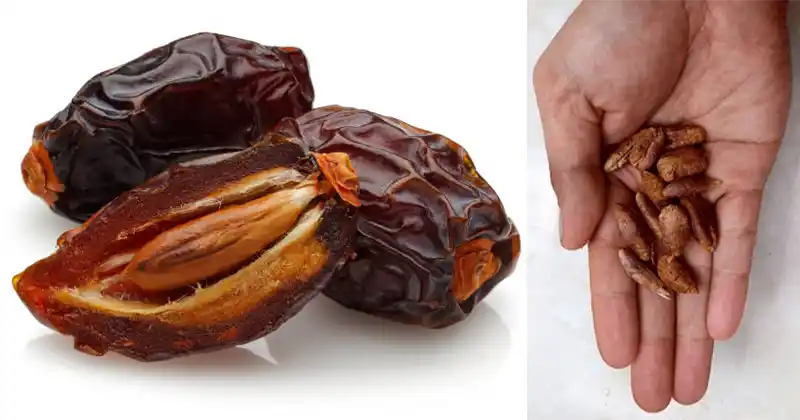
When you sink your teeth into a soft, caramel-sweet date, the last thing on your mind is usually the tough Read more
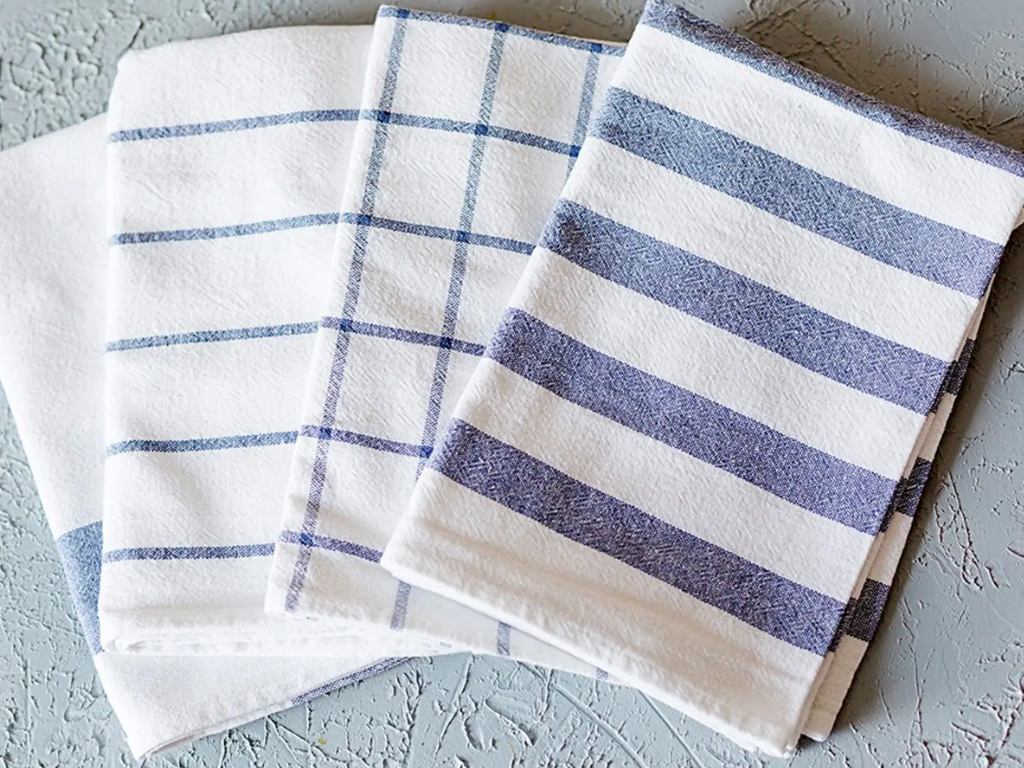
Embroideries and Refined Details: Don't Throw Away Your Textile Treasures Some old towels hold true treasures: hand-embroidered initials, delicate lace, Read more

In this article, we present the six main mistakes to avoid in order to preserve your refrigerator and ensure its Read more

Juniper, a versatile and aromatic plant, has been valued for centuries for its culinary, medicinal, and therapeutic uses. Known for Read more

Purslane (Verdolaga) is no longer a garden menace but a valuable gem! This remarkable plant is reclaiming its place in Read more

The Benefits of Combining Eggs and Coffee: A Nutritious and Energizing Pair When it comes to starting your day right, Read more
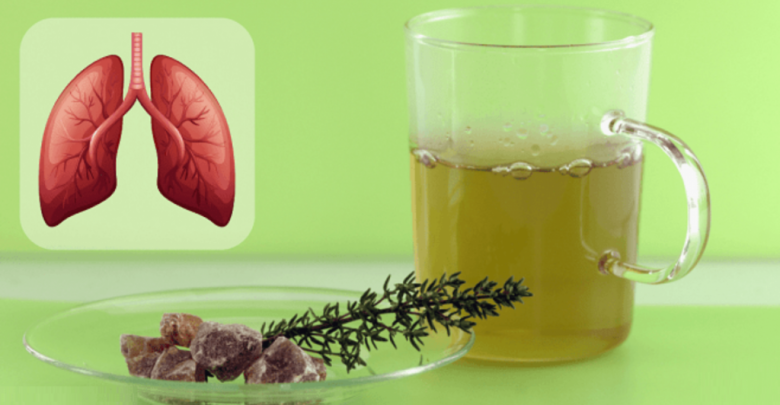
Thyme is known by some as the "enemy of toxins," a reputation that dates back to stories from ancient Greece. Read more
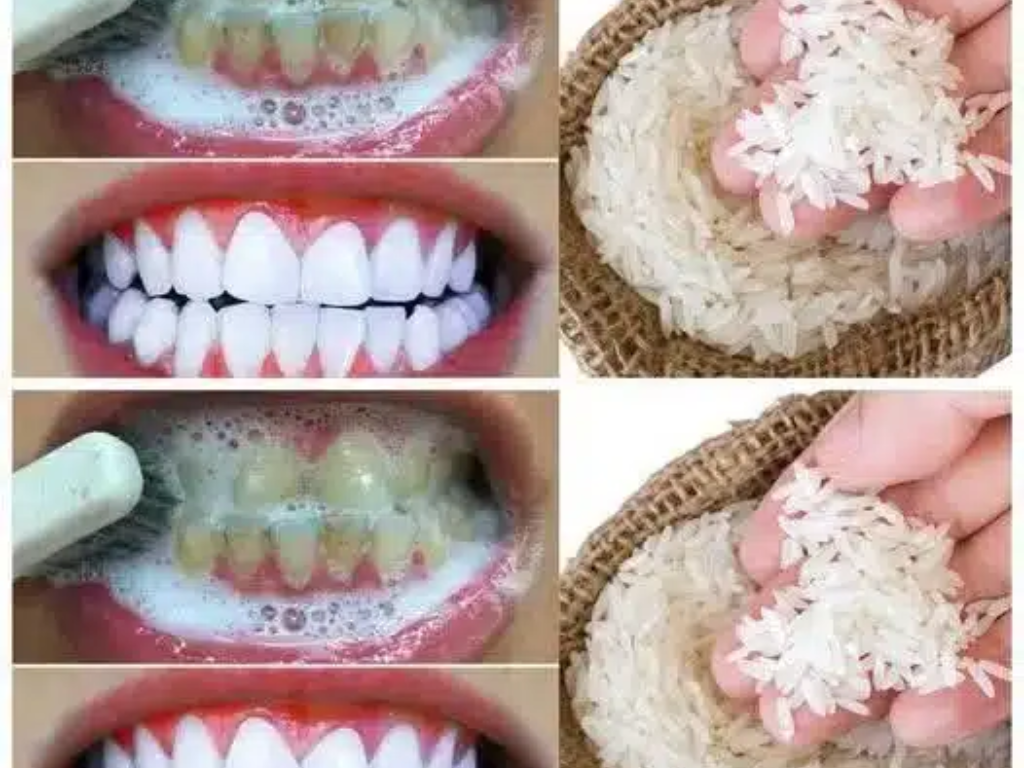
How can a simple homemade mixture really help make your teeth whiter? Here is the secret that has already captivated Read more

House 1: A Warm Refuge Perched in the Trees If this suspended house has moved you, it reveals your deep Read more
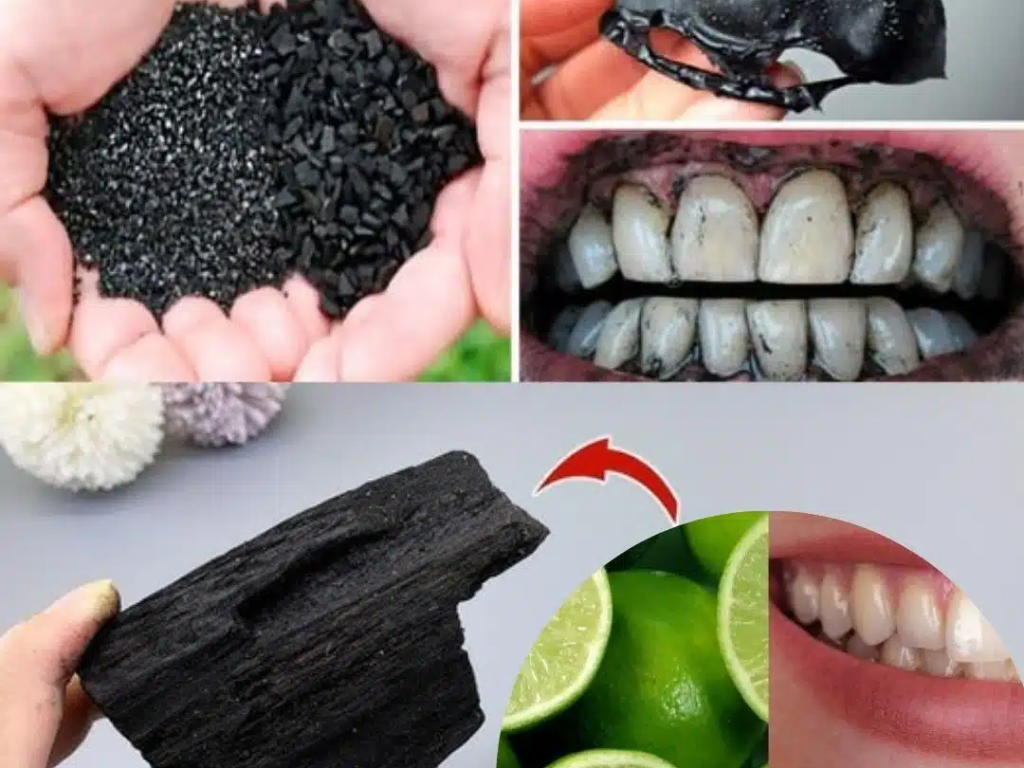
A Natural Remedy for Your Well-being For centuries, activated charcoal has been renowned for its exceptional absorption capabilities. Acting like Read more
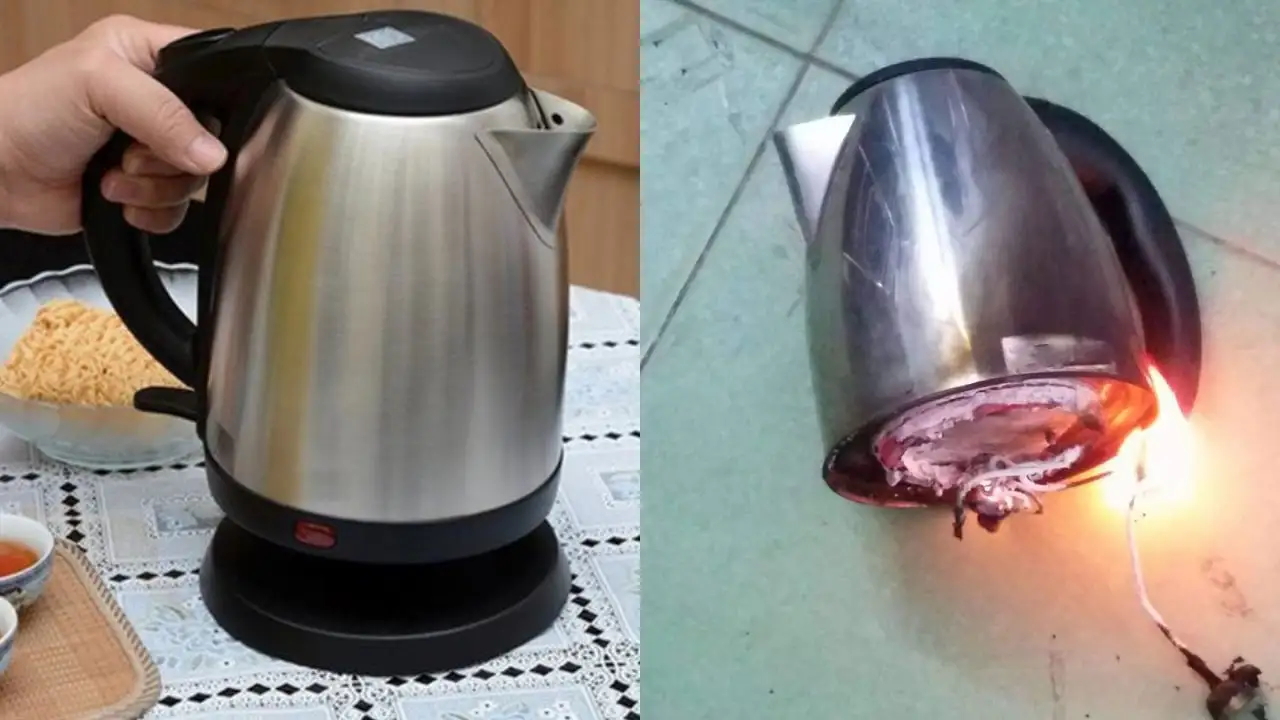
Many people make the mistake of believing that continuously boiling water will save energy once the kettle is already hot. Read more
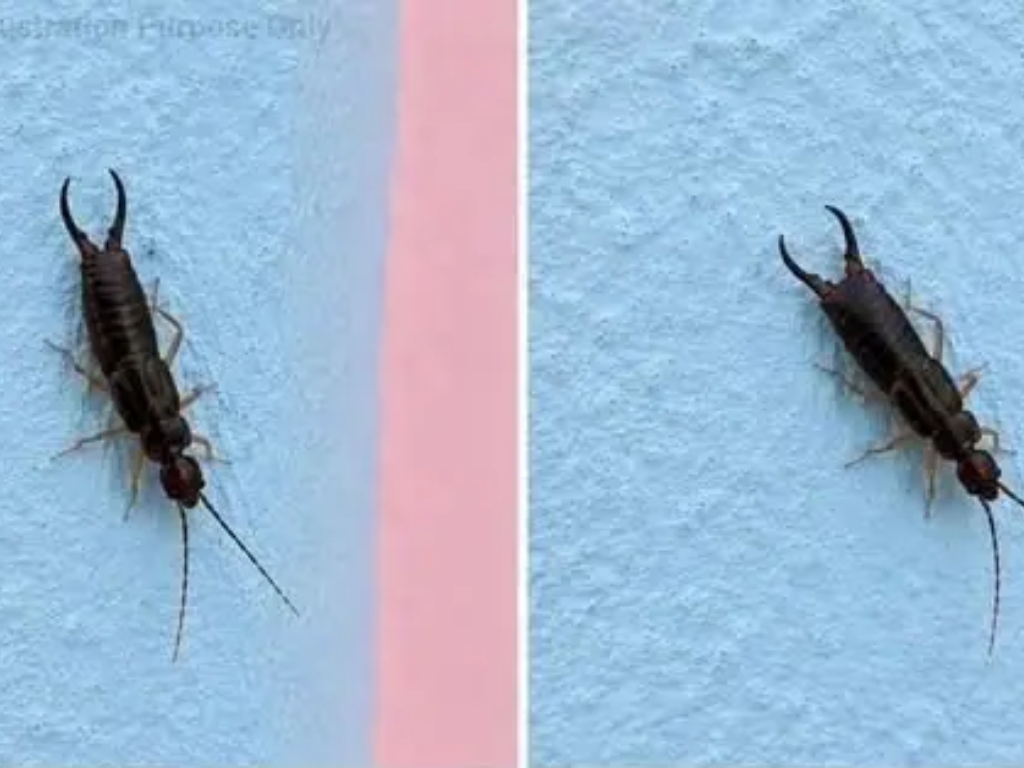
These Little Creatures You Would Rather Not Find in Your Pantry In our French kitchens, certain insects have a troublesome Read more
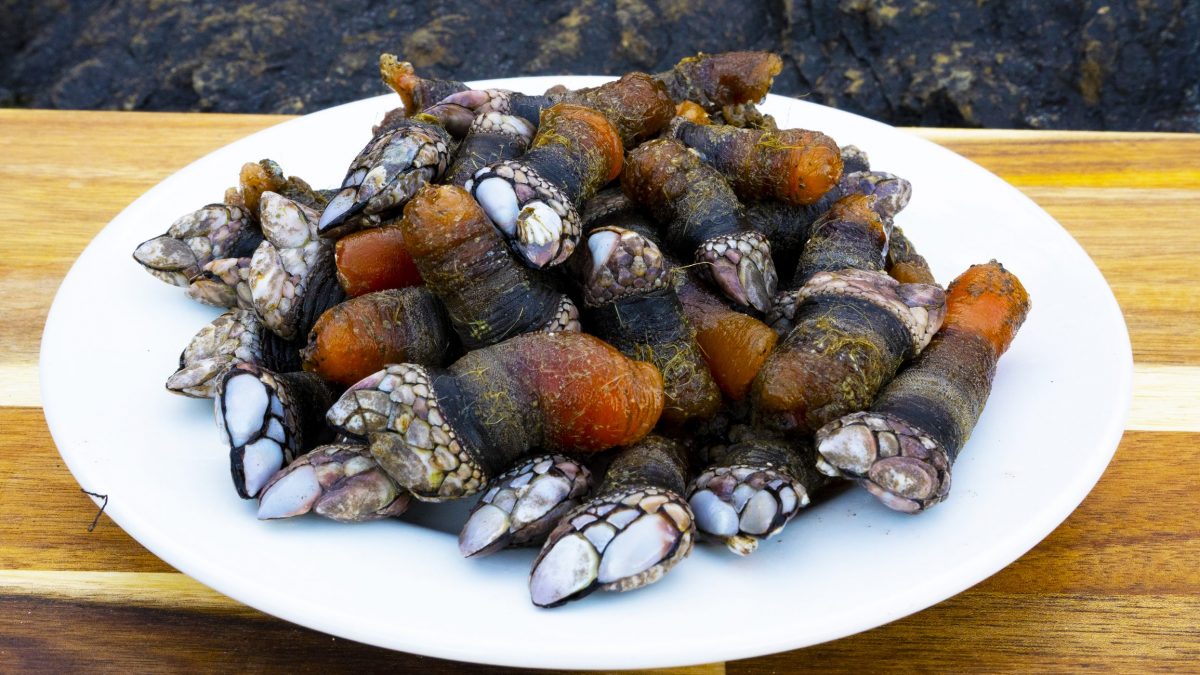
Gooseneck barnacles may look unusual, but they rank among the most coveted seafood delicacies worldwide. Their intense flavor, rarity, and Read more
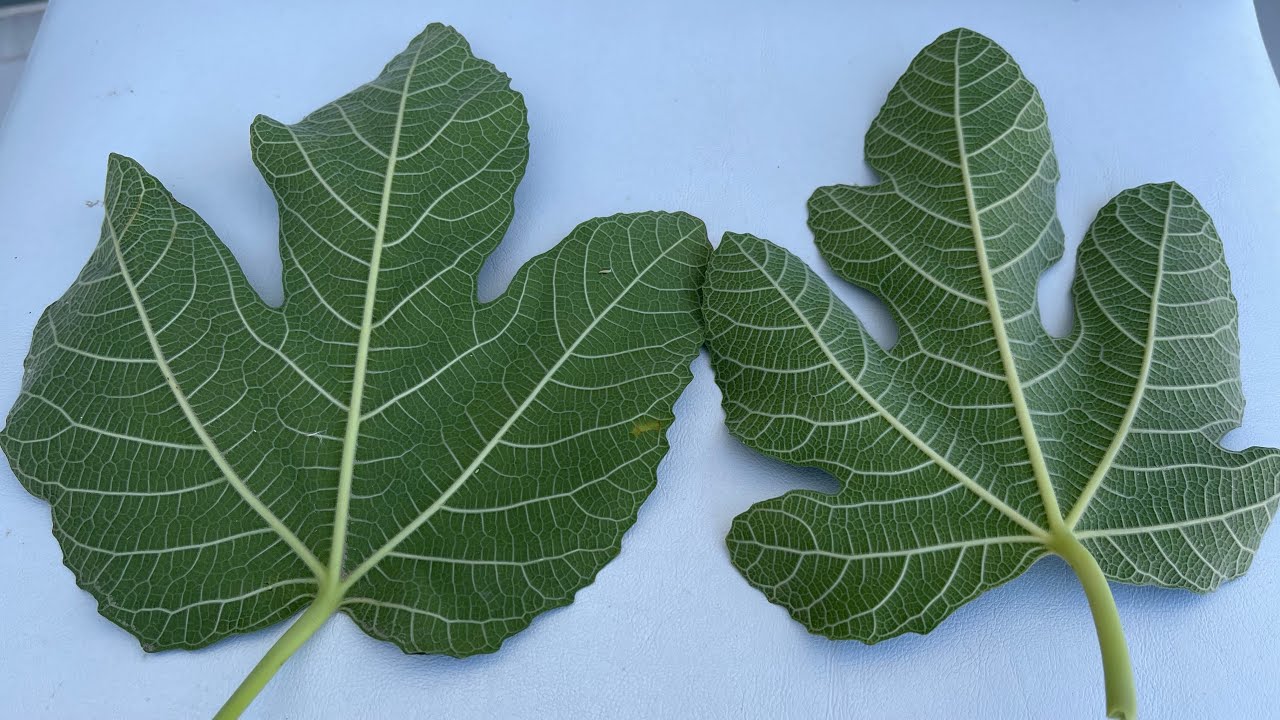
Fig leaves, often overlooked behind the sweet and flavorful fruit they accompany, are an incredible source of numerous health benefits. Read more

The ingenuity of Swedish furniture design, particularly evident in the flat-pack phenomenon, has transformed how we furnish our homes with Read more
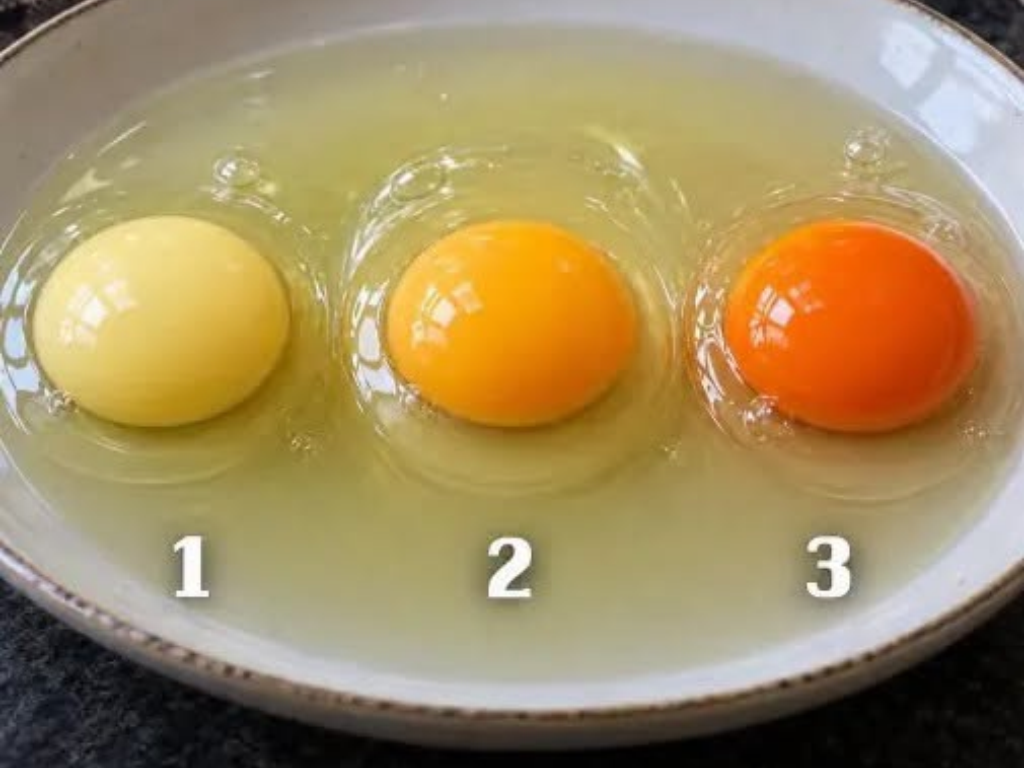
The Color of Egg Yolk Depends Primarily on the Hen’s Diet Few people truly realize that the shade of an Read more
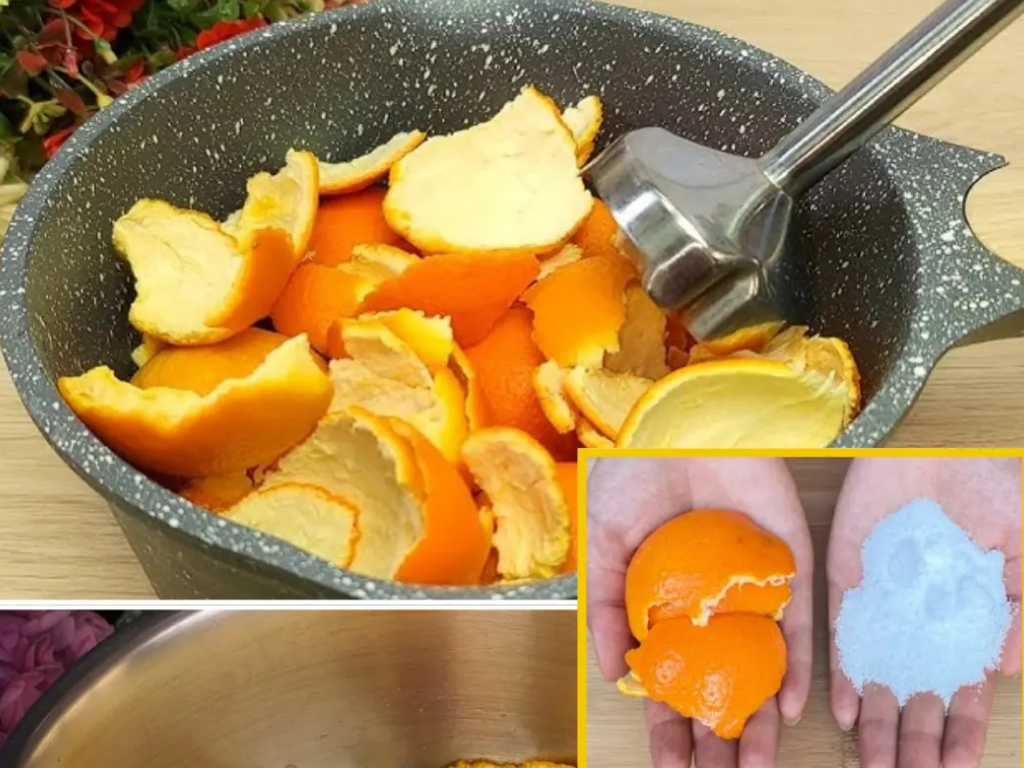
A True Natural Concentrate of Vitality Orange peel is naturally packed with beneficial components widely recognized for their role in Read more
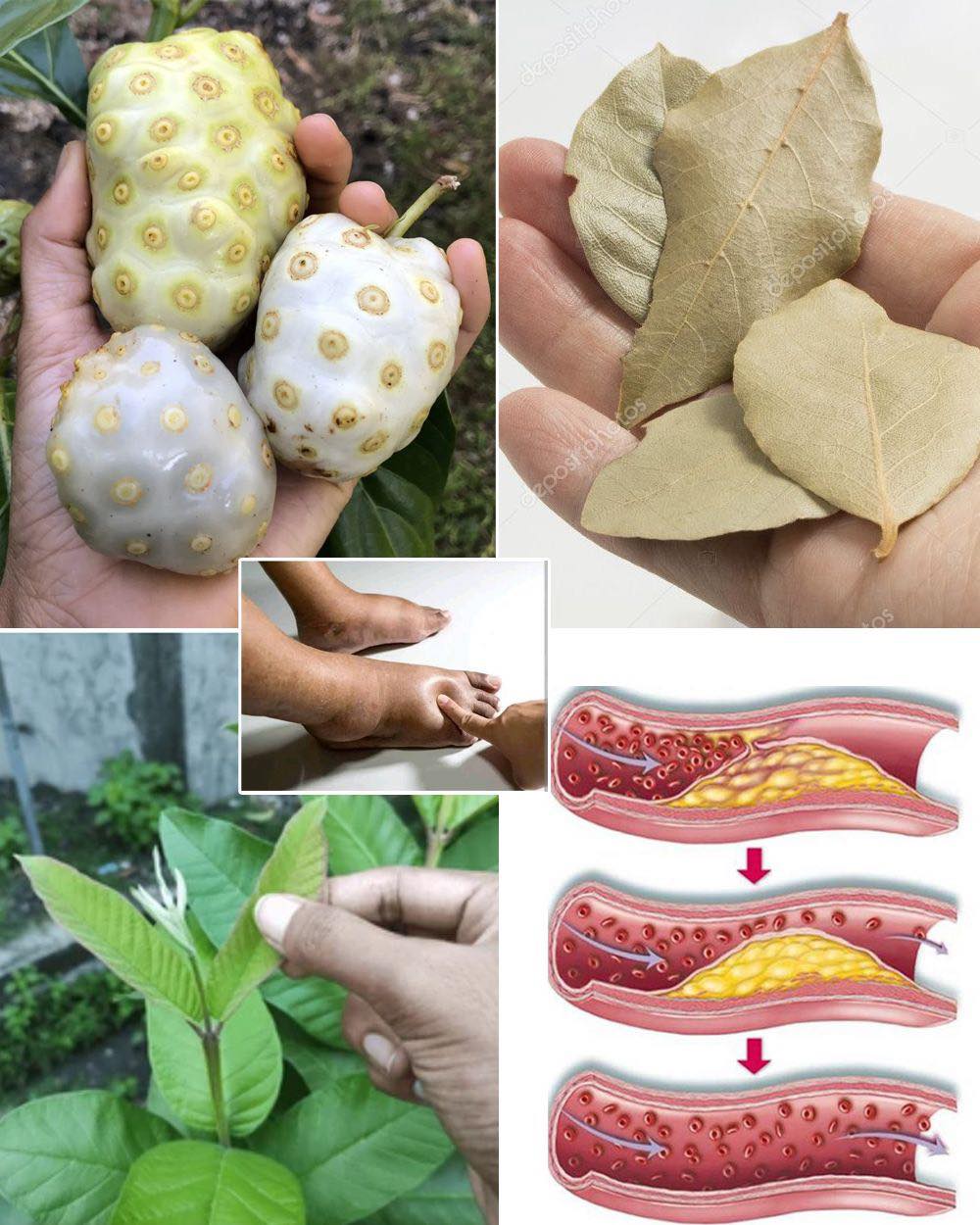
The Ultimate Healing Tonic: A Powerful Natural Drink for Swollen Feet, Diabetes & Poor Circulation Chronic swelling in the feet, Read more

Draining a Boiler: An Essential Task Often Overlooked A boiler operates somewhat like a pressure cooker: it heats water under Read more
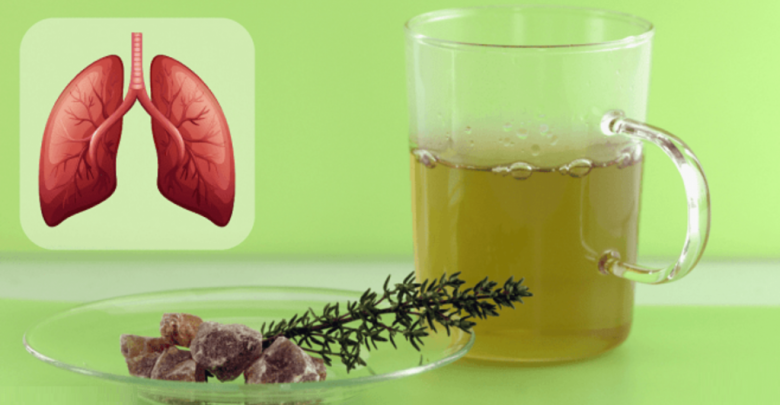
Thyme is known by some as the “enemy of toxins,” and it has been part of stories since ancient Greece. Read more

After hauling your luggage through airports and hotel corridors, you might be tempted to simply toss your bags onto the Read more
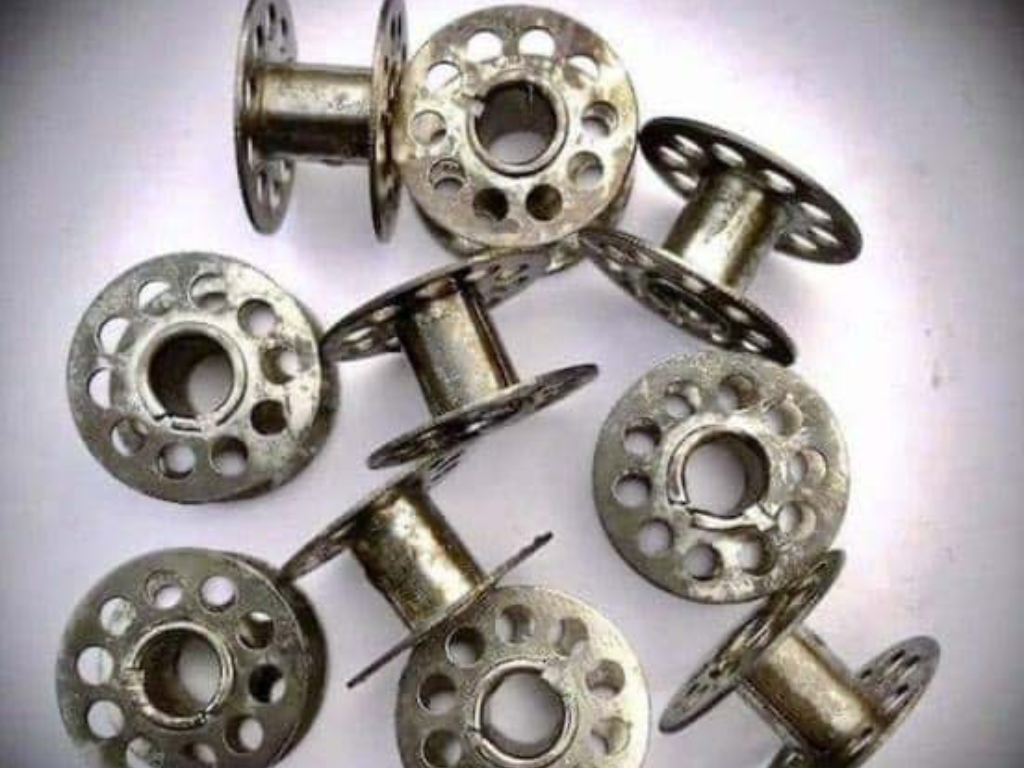
The Spool of Thread: A Silent Relic of a Bygone Era Let us take a moment to journey back to Read more

Why Does Mold Appear in the Drawer of Your Washing Machine? Mold develops in environments where moisture, heat, and organic Read more
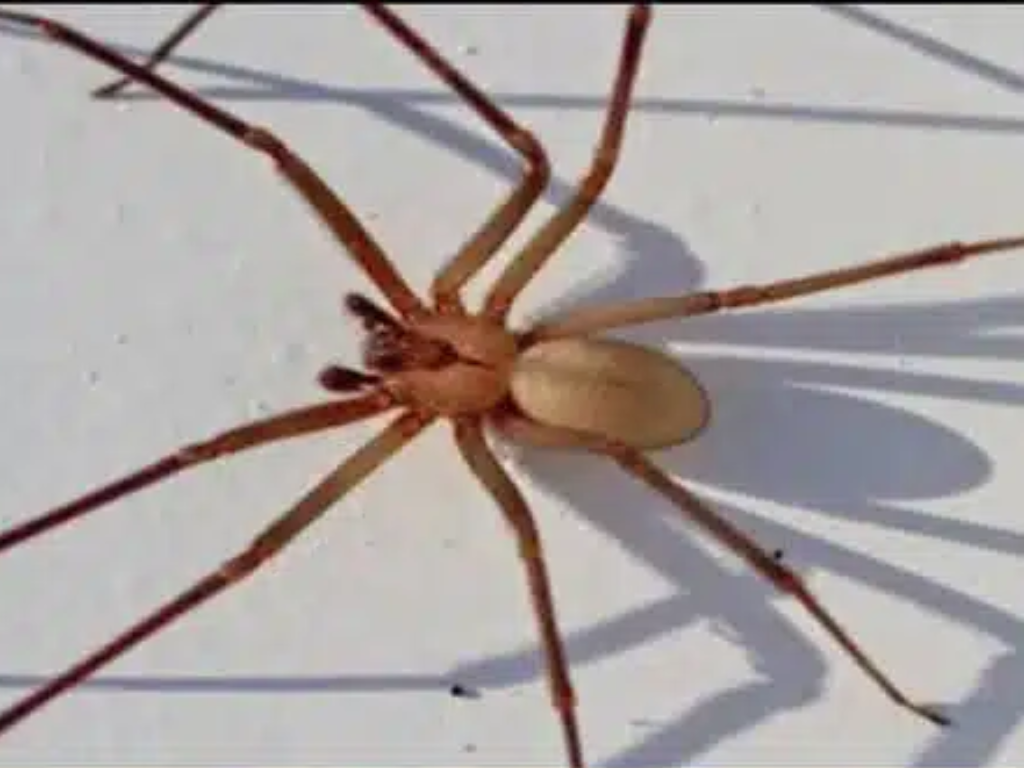
The Brown Recluse Spider: A Small Spider with a Violin-Shaped Mark on Its Body Imagine a tiny spider, modestly brown Read more

Most of us believe we understand baking soda well. It rests quietly in a kitchen cupboard, freshens the refrigerator, rescues Read more
